Tree Troubles: Identifying and Treating Common Tree Diseases in Indiana

Indiana, renowned for its diverse and gorgeous forest landscapes, is home to an array of tree species. However, these stunning giants are not impervious to harm. They can fall prey to a multitude of tree diseases that can affect their health and longevity. As inhabitants of this beautiful state, it is our collective responsibility to identify and combat these diseases, preserving the natural beauty that defines Indiana.

This blog post aims to shed light on common tree diseases prevalent in Indiana, effective identification methods, and the subsequent treatment options. Whether you’re a homeowner with a backyard full of trees or a tree doctor seeking additional knowledge, this guide will provide the crucial information you need to keep our trees healthy and thriving.
Call 317-783-2518 For Tree Disease Treatment in Indianapolis Indiana
Dutch Elm Disease

Common Tree Diseases in Indiana

As with any living organism, trees are susceptible to diseases caused by fungi, bacteria, viruses, and environmental factors. Some of the most common tree diseases found in Indiana include Dutch Elm Disease, Oak Wilt, and Anthracnose.

Dutch Elm Disease: This disease is caused by a fungus that attacks elm trees and can result in the death of the tree within a few years. It is transmitted through elm bark beetles, which carry spores from infected trees to healthy ones. Symptoms include yellowing and wilting of leaves, branch dieback, and ultimately, the death of the tree.

Oak Wilt: Another fungal disease that affects oak trees, Oak Wilt can be fatal if left untreated. It spreads through root grafts and insect vectors, resulting in leaf discoloration, wilting, and defoliation. In severe cases, the tree may die within a matter of weeks.

Anthracnose: This is a fungal disease that can affect various tree species, including maple, ash, and oak trees. It causes dark lesions on leaves, leading to defoliation and dieback of branches. While not usually fatal, it can weaken the tree’s overall health and make it more susceptible to other diseases.

Identifying Tree Diseases

Early detection is key when it comes to treating tree diseases effectively. Here are some signs to look out for while inspecting your trees:

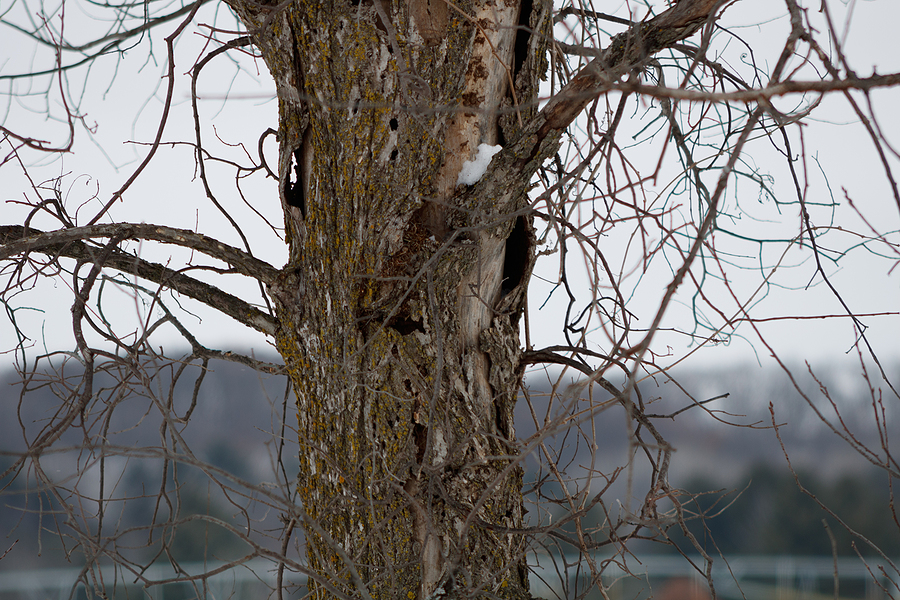
Discolored or wilting leaves: If you notice leaves turning brown, yellow, or wilted, it could be a sign of a disease.

Fungal growth: The presence of fungus on the tree’s bark or leaves is a strong indicator of an infection.

Dieback or dead branches: Trees with dieback or dead branches may have an internal disease that needs to be addressed.

If you observe any of these symptoms, it is crucial to consult a professional tree doctor for proper diagnosis and treatment.

Treating Tree Diseases

Treating tree diseases in Indiana requires a multi-faceted approach that involves both prevention and intervention strategies. Here are some methods commonly used by tree doctors, more formally known as certified arborists:

Pruning: Removing infected branches and leaves using proper tree pruning techniques can help prevent the spread of disease.

Fungicides: In some cases, fungicides can be applied to the tree to control the spread of fungal diseases.

Cultural practices: Properly maintaining your trees through regular watering, fertilizing, and mulching can help keep them healthy and resistant to diseases.

Tree injections: Some severe diseases may require injecting medication directly into a tree’s trunk for effective treatment.

Conclusion

As responsible citizens of Indiana, it is our duty to protect and preserve the stunning trees that adorn our state. By familiarizing ourselves with common tree diseases, identifying them early on, and seeking professional help when needed, we can ensure that our trees remain healthy for generations to come. Remember to always consult a certified tree doctor for proper diagnosis and treatment plans, as each tree disease may require a different approach. Let’s work together to keep Indiana’s forests flourishing!     

Are you concerned about the health or safety of your trees? Our team of experienced Indianapolis tree service contractors and certified arborists will ensure that your trees are well-maintained and safe for years to come. Contact us at 317-783-2518 to learn more about how we can help you keep your trees looking their best.

Related Posts:

What You Need to Know About Tree Disease Treatment
Common Diseases Affecting Trees in Indiana and How to Treat Them
Is My Tree Dead or Diseased?
Indiana Winter Tree Care: Essential Steps for Healthy Trees

As the temperature drops and Indiana settles into the heart of winter, your trees require special attention to stay healthy and thrive. This blog post aims to shed light on essential winter tree care practices, primarily focusing on tree mulching and tree cable installation. These preventive measures can ensure the well-being of your trees during the harsh winter season. So, let’s dive in and explore how you can help your trees withstand the Indiana winter with grace and emerge in spring, robust and full of life.

Call 317-783-2518 For Winter Tree Services in Indianapolis Indiana

Winter Tree Care

Winter poses unique challenges to trees, including freezing temperatures, snow accumulation, and harsh winds. These elements can cause damage to the tree’s branches, bark, and roots, leaving them vulnerable to disease and pest infestation. Therefore, it is crucial to take proper care of your trees during this time of the year. You might want to also consider planting winter-resistant tree species that are hardy to Indiana climate.

Tree Mulching in Winter

One of the most critical aspects of winter tree care is mulching. Mulch acts as a protective layer around the tree, insulating it from extreme temperatures and maintaining soil moisture levels. Additionally, mulching helps to suppress weed growth and provides essential nutrients to the soil.

When mulching your trees for the winter, keep in mind the following tips:

► Use organic materials such as wood chips, bark, or pine needles.

► Spread mulch in a 2-3 inch layer around the base of the tree, leaving some space between the trunk and the mulch to prevent rotting.

► Avoid piling up mulch against the tree’s bark as it can create a favorable environment for pests and diseases.

Tree Cable Installation

Winter storms can bring strong winds, causing trees to sway and potentially break. Tree cable installation is a preventive measure that can help reduce the risk of tree damage during these storms. It involves installing cables and braces to support weak or damaged branches, providing additional stability to the tree. Tree cable installation should be done by a professional tree service company that can assess the tree’s structure and determine where support is needed. This process typically involves drilling into the tree’s branches and attaching cables to provide extra strength.

Tree Watering in Winter

Though trees require less water during the winter, they still need some moisture to survive. During extended periods of dry weather, watering your trees can prevent root damage and dehydration. It is best to water your trees when the temperature is above freezing.

Winter Pests That Can Damage Trees

Pests are a common problem for trees during the winter, especially when they are weakened due to extreme temperatures and lack of water. Some common winter tree pests that can cause damage to your landscaping trees during this time include:

Bark beetles: These insects target weak or stressed trees and can cause severe damage by boring into the bark.

Mice and rabbits: These critters can gnaw on tree bark, causing significant harm to the tree’s health.

Deer: In search of food, deer can strip bark from trees with their antlers and hooves. This is known as bark rubbing, which leaves trees vulnerable to disease and infection.

To prevent pests from damaging your trees during winter, consider installing barriers or deterrents around your trees and keeping a watchful eye for signs of infestation.

Conclusion

Proper winter tree care can make a significant difference in the overall health and well-being of your trees. By mulching, watering, installing tree cables, and protecting trees against pests, you can protect your trees from harsh weather conditions and give them the best chance for survival. Remember, it’s always best to consult with a professional arborist for expert advice on tree care and maintenance. With these essential steps, your trees will be ready to bloom again come springtime.  So, enjoy the winter wonderland while taking good care of your trees!

If you’re in need of a professional tree care this winter season, don’t hesitate to get in touch with our team. Contact Complete Tree Care at 317-783-2518 for licensed and insured tree service in Indianapolis, Indiana. We serve residential and commercial clients with comprehensive tree care solutions.

Related Posts:

Top 3 Winter Tree Damages and How to Prevent Them
Spring to Winter Seasonal Pruning Tips for Trees
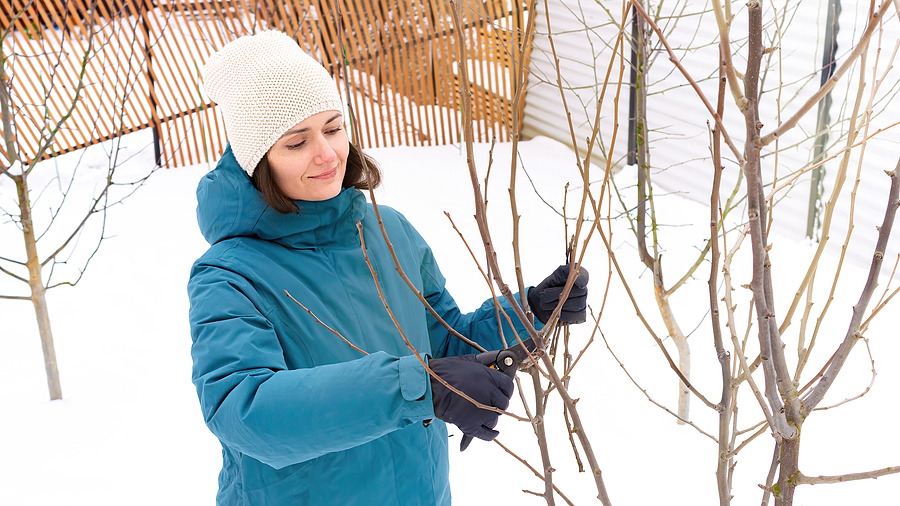
The Advantages of Tree Pruning in Winter

Leaf Peepers Guide: The Beautiful Colors of Deciduous Trees in Fall

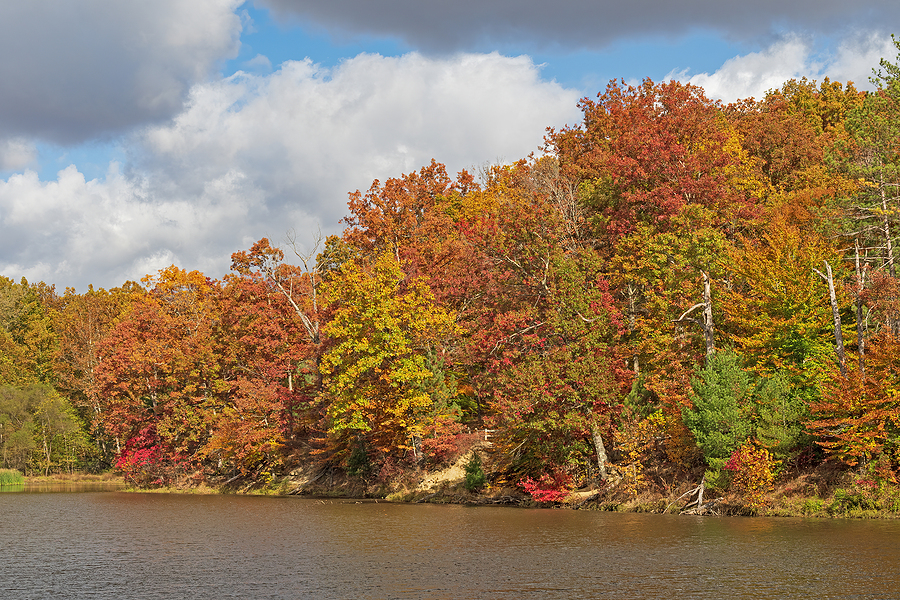
Autumn in Indiana is a visual melody of vibrant hues, where the deciduous trees steal the limelight, shedding their summer greens for a spectacular display of flaming reds, blazing oranges, and glittering golds. Every year, this transformation captivates nature lovers, photographers, and ‘leaf peepers’ alike, each leaf telling a unique story of change.

This blog post dives into the world of Indiana’s deciduous trees and their mesmerizing leaf transformations during the fall. So, whether you’re a seasoned leaf peeper or just starting out, this guide will help you appreciate and understand the beautiful colors of deciduous trees in fall. Get ready to fall in love with Fall!

Call 317-783-2518 For Tree Care Services Near Indianapolis

The Magic of Deciduous Trees

Deciduous trees are a diverse group of plants that shed their leaves annually during the autumn season. Found in various regions across Indiana, these trees include popular favorites like maple, oak, and birch, each with its own unique color transformation. But what exactly causes this magical change? It all begins with the changing daylight hours and temperature as autumn sets in.

As the days get shorter and temperatures drop, the production of chlorophyll (the green pigment responsible for photosynthesis) slows down and eventually stops, revealing the other pigments present in the leaves. These pigments, including carotenoids (which produce yellow and orange hues) and anthocyanins (which produce reds and purples), create the stunning fall colors that we all adore.

Best Places to See Fall Foliage in Indiana

Now that you know the science behind the colorful transformation, let’s explore some of the best places to witness this spectacle in Indiana:

Brown County State Park: Known as the “Little Smokies” due to its resemblance to the Great Smoky Mountains, this park is a popular spot for leaf peepers. With over 16,000 acres of forested land, you’ll find an array of deciduous trees here, including maples and oaks, which create a stunning backdrop of colors.

Turkey Run State Park: Located in Parke County, this park boasts scenic trails through steep gorges and sandstone cliffs lined with a variety of deciduous trees. The visually stunning landscapes make it a must-visit destination during fall.

The Hoosier National Forest: Covering over 200,000 acres in southern Indiana, this forest is home to an abundance of deciduous trees that offer breathtaking views during the autumn season. Must-see areas include the Charles C. Deam Wilderness and Lake Monroe.

Tips for Leaf Peeping

To make the most of your leaf peeping experience, here are some tips to keep in mind:

🍂 Plan ahead and check peak foliage times for specific areas as they may vary.

🍂 Early mornings and sunny days are ideal for capturing vibrant colors in photographs.

🍂 Don’t just stick to the popular spots, explore lesser-known areas for a more intimate and unique experience.

🍂 Don’t forget to look down! Fallen leaves can create beautiful patterns and colors on the ground.

🍂 Take your time and enjoy the moment. The beauty of fall foliage is fleeting, so don’t rush through it.

In Summary

As you can see, Indiana is a prime destination for leaf peepers during the fall season, thanks to its abundance of deciduous trees and stunning landscapes. So, grab your camera, put on your hiking boots, and immerse yourself in the beautiful colors of nature. Whether you’re a seasoned leaf peeper or just starting out, this guide will help you appreciate and understand the magic behind the fall foliage.

Are you in search of reliable tree care this fall? Contact Complete Tree Care at 317-783-2518 for affordable tree services in Indianapolis, Indiana and its surrounding counties. We provide residential and commercial tree services, as well as certified arborist services.

Related Posts:

Autumn Tree Care: Essential Tips and Tricks
Common Tree Problems That Happen in the Fall
Common Glossary Terms for Tree Leaves

Tree Trimming: An Essential Part of Landscaping Maintenance

When it comes to landscaping maintenance, one aspect often overlooked is tree trimming. This essential tree care practice not only enhances the aesthetic appeal of your green space but also plays a vital role in maintaining the health and longevity of your trees. Engaging a professional tree service company for regular tree trimming can safeguard your trees against diseases, improve sunlight penetration, and contribute to the overall growth and productivity of the entire landscape.

In this post, we shall delve deeper into the importance of tree trimming, providing insights on when and how it should be carried out for optimal tree health.

Call 317-783-2518 For Tree Trimming in Indianapolis Indiana

The Benefits of Tree Trimming

Trimming trees is the process of removing dead, damaged, or diseased branches from a tree to improve its health and appearance. Here are some of the top benefits of regular tree trimming:

Promotes Tree Health: Dead or dying branches can attract pests and diseases, which may spread throughout the entire tree if not removed promptly. By trimming these branches, you not only eliminate potential hazards but also promote healthy growth and development of your trees.

Increases Sunlight Penetration: Thick foliage can limit the amount of sunlight that reaches the other plants in your landscape. By removing excess branches and leaves, tree trimming allows more sunlight to penetrate through to the ground, promoting better plant growth.

Enhances Aesthetic Appeal: Well-maintained trees add to the overall beauty and value of your landscape. Tree trimming helps maintain a neat, clean appearance, keeping your trees looking healthy and attractive.

Improves Safety: Dead or damaged branches can pose a significant risk to people and property if they fall unexpectedly. Regular tree trimming minimizes such risks by removing weak or unstable branches before they become hazardous.

Saves Money: By trimming your trees regularly, you can catch potential problems early on and take corrective measures before they escalate into costly issues. This saves you money in the long run by preventing extensive damages or even tree removal.

When Should You Trim Your Trees?

Ideally, tree trimming should be done when the tree is dormant, usually during late fall or winter. During this period, the tree is not actively growing, making it easier to spot and remove dead or diseased branches. However, some trees may require trimming at specific times due to their growth patterns or flowering season. It is best to consult a professional tree service company for advice on when to trim your particular trees.

How Should You Trim Your Trees?

Trimming trees can be a dangerous and challenging task, especially for larger trees. It is best to leave it to experienced professionals who have the necessary skills, equipment, and safety gear to handle the job safely and efficiently. When done correctly, tree trimming and pruning can improve tree health and appearance without causing harm or stress to the trees.

Wrapping Up

Regular tree trimming is an essential part of landscaping maintenance that offers numerous benefits for both the trees and your entire landscape. It is best to seek professional help from a tree service company to ensure proper and timely trimming of your trees. By investing in tree care, you not only enhance your outdoor space but also protect and preserve the health and longevity of your trees.  So don’t wait any longer, schedule a tree trimming appointment today and reap the rewards of a healthy and beautiful landscape!  So don’t wait any longer, schedule a tree trimming appointment today and reap the rewards of a healthy and beautiful landscape! 

Are you in need of a skilled tree service provider to expertly trim and prune your magnificent trees? Contact Complete Tree Care at 317-783-2518 for licensed tree trimming and pruning in Indianapolis, Indiana. We serve both residential and commercial clients all throughout Central Indiana.

Related Posts:

Pruning Perfection: The Importance of Correct Pruning Techniques
How to Determine When it’s Time to Call a Tree Trimmer
How to Choose the Right Tree Trimming Service Near You