Spending time outdoors is a wonderful way to boost your health and enjoy nature. Unfortunately, relaxing under a beautiful pine tree often leaves you with a sticky, stubborn souvenir. Tree sap has a remarkable ability to cling to almost any surface it touches, creating frustrating messes that regular soap and water simply cannot fix.
A sticky patch of sap is not just an unsightly annoyance. If left untreated, it can cause long-term damage to your property. Hardened sap eats through car clear coats, leaves permanent grease-like stains on your favorite hiking clothes, and turns outdoor patio cushions into a magnet for dirt and debris.
Understanding how to properly treat these sticky spots is crucial for maintaining your belongings. Removing sap requires a specific approach depending on the surface affected, as the wrong cleaning method can easily make the situation worse. By utilizing the right tools and techniques, you can safely eliminate tree sap without ruining your paint, fabrics, or hair.
Understanding Tree Sap and Its Challenges
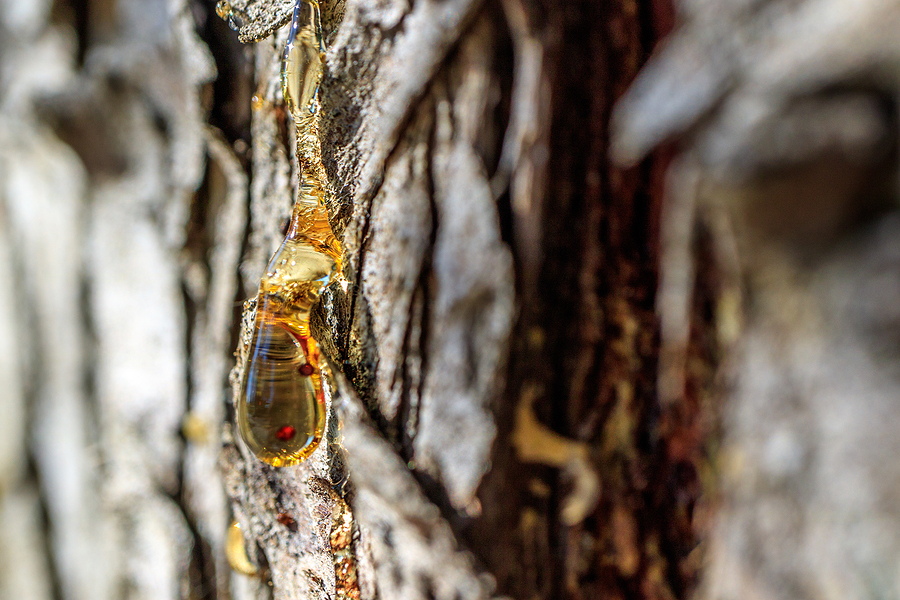
Tree sap is a natural resin that trees produce to heal wounds and transport nutrients. While it is vital for the tree’s survival, it acts like a powerful glue when it comes into contact with your personal items. When sap first drips, it is gooey and highly adhesive. As it is exposed to air and sunlight, it hardens into a tough, cement-like substance. This hardening process makes it incredibly difficult to remove and allows it to bond deeply with porous materials or eat into protective chemical finishes.
Essential Tools for Sap Removal
Building a small sap-removal kit will save you immense frustration when sticky accidents happen. Keep these items on hand:
- Isopropyl (rubbing) alcohol or alcohol-based hand sanitizer
- Ice cubes and small plastic bags
- Creamy peanut butter or cooking spray
- Mild dish soap and white vinegar
- Soft microfiber cloths and soft-bristle brushes
- A dull knife or spoon for scraping
Sap Removal Safety Precautions
Always test your chosen cleaning method on a small, inconspicuous area first to ensure it does not cause discoloration or damage. When dealing with sap on delicate surfaces, remember to gently dab the area rather than scrubbing it aggressively. Vigorous rubbing pushes the sap deeper into fibers and can scratch hard surfaces.
Tree Sap Removal from Vehicle Surfaces
Best Practices for Car Paint
Tree sap can permanently etch into your car’s clear coat if ignored. To safely remove it, apply a few drops of isopropyl alcohol or a high-quality hand sanitizer directly onto the sap spot. Let the alcohol sit for about 30 to 60 seconds to break down the sticky resins. Gently wipe the softened sap away with a clean microfiber cloth. If a slight residue remains, a specialized detailing clay bar can lift the remaining contaminants without harming your paint.
Glass and Chrome Cleaning
Car windows and chrome fixtures are much more forgiving than painted surfaces, but they still require care. You can use rubbing alcohol on these areas as well. For heavily hardened sap on glass, carefully run a flat razor blade flat against the window to shave off the hardened resin. Follow up with a specialized glass cleaner to remove any lingering smears.
Removing Sap from Outdoor Furniture
Wood Furniture Solutions
Wooden outdoor furniture requires a gentle touch so you do not strip away protective sealants. Mix a solution of equal parts rubbing alcohol and water in a small bucket. Dip a soft sponge into the mixture and carefully dab the affected area until the sap begins to dissolve. Rinse the wood thoroughly with clean water and dry it with a soft towel to prevent moisture damage.
Metal and Plastic Furniture Care
For powder-coated aluminum, wrought iron, or injection-molded plastic furniture, a mixture of warm water and mild dish soap is highly effective. If the sap is particularly stubborn, you can dab a small amount of rubbing alcohol or white vinegar onto the spot. Once the sticky mess softens, scrub it lightly with a soft-bristle brush, rinse with a hose, and allow the furniture to air-dry.
Tackling Tree Sap on Clothes
Pre-Treatment and Washing
Attempting to wipe fresh sap off your clothing usually pushes it deeper into the fabric. Instead, freeze the stain. Place the garment in your freezer for 20 minutes, or rest a plastic bag filled with ice cubes directly over the sap. Once the resin hardens completely, use a dull butter knife or a spoon to gently snap and scrape the brittle sap away from the fibers.
Stubborn Stain Solutions
If a dark, sticky mark remains after freezing and scraping, skip the rubbing alcohol, as it can cause colors to bleed. Apply a natural, enzyme-based laundry detergent directly to the stain and agitate it with an old toothbrush. Surprisingly, creamy peanut butter is an excellent last resort for breaking up deep sap stains. The natural oils dissolve the resin, though you will need to pre-treat the resulting oil spot with dish soap before tossing the garment into the washing machine.
Getting Tree Sap Out of Hair
Gentle Removal Techniques
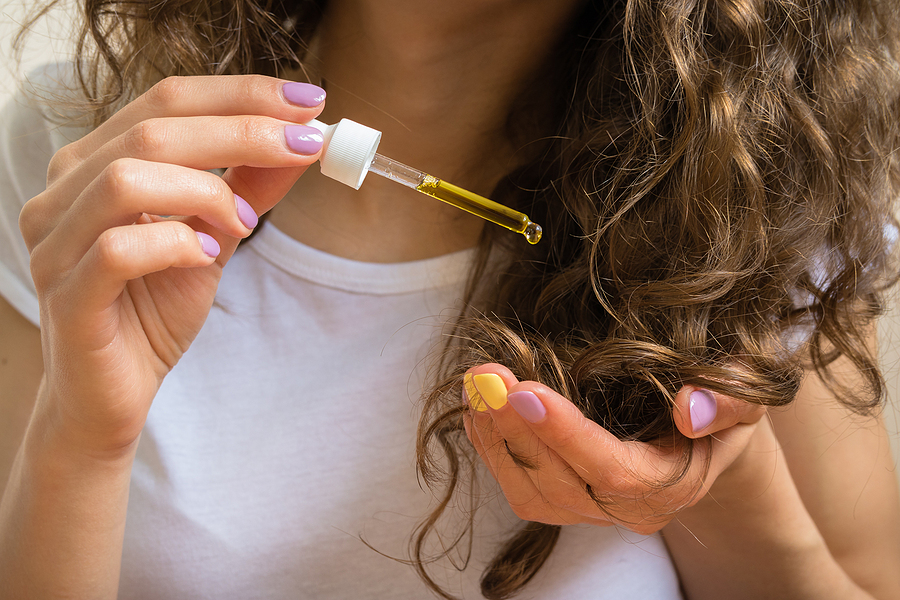
Discovering tree sap in your hair or your child’s hair can cause a moment of panic. Do not reach for the scissors. Instead, generously apply baby oil, olive oil, or regular cooking spray directly to the sticky strands. Massage the oil into the sap using your fingers. The oil breaks down the sticky bonds, allowing you to gently comb the residue out with a fine-toothed comb.
Post-Removal Hair Care
Once the sap is successfully combed out, your hair will be quite greasy. Wash the affected area twice with a clarifying shampoo or a small drop of Dawn dish soap to cut through the remaining oil. Follow up with your favorite conditioner to restore moisture and soothe the hair cuticle.
Cleaning Tree Sap from Hands
Natural Remedies
Washing sappy hands with regular soap and water usually results in a sticky, smeared mess. To quickly clean your skin, raid your pantry. Pour a tablespoon of olive oil, coconut oil, or peanut butter into your palms. Rub your hands together vigorously for a minute. The natural fats will melt the tree sap, allowing you to easily wipe it away with a paper towel.
Commercial Hand Cleaners
If you do frequent yard work, investing in a commercial pumice hand cleaner, like Gojo, is a smart choice. These heavy-duty cleaners contain gentle abrasives and degreasers that easily strip tree sap, grease, and grime from your skin without causing excessive dryness.
Preventing Future Sap Issues
Protective Measures for Cars
The best way to handle tree sap is to prevent it from bonding in the first place. Applying a high-quality synthetic wax or a nano-ceramic coating to your vehicle creates a slippery, protective barrier. While sap can still land on the car, these coatings prevent the resin from eating into the paint and make routine washing significantly easier.
Furniture Covers and Placement
Strategic placement of your patio furniture is key. Avoid arranging your seating directly underneath large pine or maple trees. If your outdoor space is heavily wooded, invest in durable, weather-resistant furniture covers. Snapping a cover over your chairs when they are not in use guarantees a clean, sap-free seat every time.
Professional Tree Maintenance
Overgrown or unhealthy trees are much more likely to drip excessive sap onto your property. Keeping your trees well-maintained reduces sap leakage and improves the overall safety of your yard. A professional tree service company can manage the ongoing maintenance for your landscaping trees, year-round.
Frequently Asked Questions
Does vinegar remove tree sap?
Yes, white vinegar is highly effective at breaking down tree sap, particularly on hard surfaces like outdoor plastic furniture and glass. Simply apply the vinegar, let it sit for a minute, and wipe the surface clean.
Will rubbing alcohol damage my car’s paint?
When used correctly, isopropyl alcohol is safe for car paint. It is important to dab the alcohol onto the sap spot rather than scrubbing vigorously. Once the sap is removed, wash the area with car soap and reapply wax to protect the clear coat.
What is the fastest way to get pine sap off my hands?
The fastest natural method is to rub cooking oil or peanut butter onto your hands. The oils immediately break down the sticky resin. Wipe the mixture off with a paper towel and wash your hands normally with soap and water.
Is Tree Resin the Same as Tree Sap?
While the terms tree resin and tree sap are sometimes used interchangeably, they refer to different substances produced by trees. Tree sap is a watery substance that transports nutrients throughout the tree’s vascular system. On the other hand, tree resin is a thicker, stickier substance that oozes out of wounds in the bark or insect bites on the tree’s surface. Resin acts as a protective barrier against infection and can also harden to form amber.
Protecting Your Belongings from Nature’s Messes
Dealing with tree sap does not have to be a stressful ordeal. By acting quickly and using the correct cleaning solutions for each specific material, you can easily rescue your car, clothes, and furniture from permanent damage. Keep a few basic supplies like rubbing alcohol, ice, and cooking oil nearby so you are always prepared for nature’s stickiest accidents.
If you need help managing your landscape, contact us for routine tree service in Indianapolis, including trimming, pruning, and dead tree removal. Get a free quote today to keep your property beautiful and sap-free.
Related Post: Is There a Difference Between Tree Sap and Tree Resin?