Top 5 Native Indiana Trees for Your Landscape

TL;DR: Native Indiana trees like White Oak, Sugar Maple, Eastern Redbud, Tulip Tree, and River Birch thrive in zones 5b–7a, support local wildlife, and require less maintenance than non-natives. Plant them in well-drained soil, water deeply during establishment, and mulch 2–3 inches around the root zone for best results.

Key Takeaways:

  • Indiana spans USDA hardiness zones 5b through 7a
  • Native trees adapt better to local conditions and support pollinators
  • Proper planting depth (root flare visible) prevents long-term problems
  • Most trees need 1–1.5 inches of water weekly during their first year
  • Spring planting gives most species the best chance of success

Table of Contents:

  1. Understanding Indiana Hardiness Zones
  2. White Oak: The Stately Shade Giant
  3. Sugar Maple: A Four-Season Showstopper
  4. Eastern Redbud: Spring’s First Bloom
  5. Tulip Tree: Indiana’s Towering Native
  6. River Birch: Waterside Beauty
  7. Essential Planting and Care Guidelines
  8. Frequently Asked Questions
  9. Quick Recap
  10. Indianapolis Tree Service
Plant Native Indiana Trees Like the Sugar Maple!

Understanding Indiana Hardiness Zones

Indiana spans USDA plant hardiness zones 5b through 7a, based on the 2023 update covering weather data from 1991–2020. Zone 5b in the northwest experiences average annual extreme minimum temperatures of -15°F through -10°F. Most of northern and central Indiana sits in Zone 6a (with lows of -10°F to -5°F), while much of southern Indiana falls into Zone 6b. The southernmost areas along the Ohio River reach Zone 7a, where winter lows range from 0°F to 5°F.

Understanding your specific zone helps you select trees that will survive Indiana’s coldest winters. Native species have adapted to these temperature swings over thousands of years, making them naturally resilient choices for your landscape.

White Oak: The Stately Shade Giant

White Oak (Quercus alba) stands as one of Indiana’s most majestic native trees, reaching 80–100 feet at maturity. This long-lived species can grace your property for generations, developing a broad, rounded crown that provides excellent shade.

Best Growing Conditions

White Oak thrives in full sun and well-drained soil. It tolerates various soil types but performs best in moist, loamy conditions. Plant it where it has room to spread—mature specimens can have canopies spanning 50–80 feet.

Care Requirements

Spring planting gives White Oak the best start. Dig a hole 1–1.5 times wider than the root ball but no deeper—the root flare (where the trunk widens at the base) must remain visible above the finished soil grade. Water deeply during the first growing season, providing 1–1.5 inches per week. Apply 2–3 inches of mulch around the root zone, keeping it away from the trunk.

White Oak grows slowly but steadily. Prune only to remove dead, damaged, or diseased branches during the growing season. Note that oaks are susceptible to oak wilt, so avoid pruning in spring when beetles that spread this disease are most active.

Sugar Maple: A Four-Season Showstopper

Sugar Maple (Acer saccharum) delivers outstanding fall color, transforming from green to brilliant shades of orange, red, and yellow. This shade-tolerant species reaches 60–75 feet tall and adapts well to various landscape settings.

Best Growing Conditions

Sugar Maple prefers moist, rich, well-drained soil and tolerates partial shade, though it develops better color in full sun. It grows naturally in association with other hardwoods and performs well on sites that don’t stay waterlogged.

Care Requirements

Plant Sugar Maple in spring or fall. Ensure proper planting depth—setting the tree too deep causes long-term decline. Water regularly during establishment, especially during dry spells. Sugar Maple has relatively high water needs compared to drought-tolerant natives.

This species is very shade tolerant and can persist in understory conditions, but it develops its characteristic form and vibrant fall color when given adequate light. Avoid planting near sidewalks or driveways where surface roots may eventually cause problems.

Eastern Redbud: Spring’s First Bloom

Eastern Redbud (Cercis canadensis) stands out as one of Indiana’s most beloved small trees, growing 20–30 feet tall. Its pink to red-purple flowers emerge in early spring before the leaves appear, creating a stunning display along woodland edges and in residential landscapes.

Best Growing Conditions

Redbud adapts to both full sun and partial shade, making it versatile for various landscape positions. It prefers well-drained to moist soil and naturally grows along the edges of open fields and wooded areas.

Care Requirements

Plant Redbud in spring for best results. Its moderate growth rate means you’ll see it fill out relatively quickly compared to slower-growing oaks. The heart-shaped leaves provide visual interest throughout summer, and the flat seed pods persist into winter, adding texture to the landscape.

Redbud works well as a street tree or in parks, offering low litter and good tolerance to urban conditions. Water consistently during the first year, aiming for 1–1.5 inches per week. Prune immediately after flowering if needed, since it blooms on old wood.

Tulip Tree: Indiana’s Towering Native

Tulip Tree (Liriodendron tulipifera)—also called tulip poplar or yellow poplar—ranks among Indiana’s tallest native hardwoods, reaching 80–100 feet or more. Its distinctive tulip-shaped flowers appear in late spring, and the unique four-lobed leaves turn golden yellow in fall.

Best Growing Conditions

Tulip Tree demands full sun and moist, well-drained soil. It grows rapidly when young, making it an excellent choice if you want shade sooner rather than later. Give it plenty of space—this isn’t a tree for small yards.

Care Requirements

Spring planting works best for Tulip Tree. This species is somewhat slow to establish new roots, so consistent watering during the first year proves critical. Water deeply and maintain mulch to keep soil moisture stable.

Tulip Tree works well in parks and large residential lots where it has room to reach its full potential. Its relatively clean habit and striking flowers make it a standout specimen tree. Note that it can be challenging to transplant, so take extra care during planting to avoid disturbing the root ball.

River Birch: Waterside Beauty

River Birch (Betula nigra) brings year-round interest with its distinctive peeling, cinnamon-colored bark. This fast-growing native reaches 40–70 feet and naturally thrives along streams and riverbanks, making it perfect for wet areas where other trees struggle.

Best Growing Conditions

River Birch tolerates wet soil better than most trees, making it ideal for riparian plantings or low-lying areas. It prefers full sun and moist conditions but adapts to average garden soil as long as it receives adequate water.

Care Requirements

Plant River Birch in spring or fall. Water generously during establishment—this tree appreciates consistent moisture. In drier sites, maintain a thick layer of mulch and water during drought periods to prevent leaf scorch.

The exfoliating bark provides winter interest, and the tree’s graceful branching pattern creates an attractive silhouette. River Birch works well as both a street tree and in naturalized settings. Its moderate growth rate means you’ll enjoy its ornamental features within just a few years.

Essential Planting and Care Guidelines

Planting Best Practices

Success starts with proper planting technique. Dig a hole 1–1.5 times wider than the root ball but no deeper than the root system’s height. The root flare—where the trunk begins to widen at the base—must be visible above the finished soil grade. Planting too deep is one of the most common and damaging mistakes.

Use the soil that came out of the hole as backfill. Don’t amend it with peat moss or compost in typical loamy soil, as this can create a “bathtub effect” where water collects around roots. Break up clods so the backfill is granular, and gently tamp it to eliminate air pockets. Water 2–3 times during backfilling.

Watering Guidelines

Newly planted trees need consistent moisture during their first year. Aim for 1–1.5 inches of water per week, adjusting for rainfall. Water deeply rather than frequently—you want moisture to penetrate 8–12 inches into the soil where roots are actively growing.

Create a 2–3 inch rim of soil around the planting area to catch and hold water. After watering, apply 2–3 inches of mulch over the entire basin, keeping it away from the trunk. This conserves moisture and moderates soil temperature.

When to Plant

Most trees establish best when planted in spring, just before or as new growth starts. Fall planting also works well for many species, giving roots time to establish before summer heat arrives. Avoid planting during extreme heat or when the ground is frozen.

Certain trees, including oaks and Tulip Tree, essentially demand spring planting because they establish new roots slowly. Check species-specific recommendations before scheduling your planting.

Why Choose Native Trees

Native trees contribute significantly to their ecosystem while requiring less maintenance than non-native species. They’ve adapted to Indiana’s climate over millennia and support native insects, which in turn feed birds and other wildlife. Research shows that native plants support 14–15 times more species of moth and butterfly larvae than non-native plants.

Native trees also reduce the risk of introducing invasive species that can outcompete beneficial plants and alter local habitats. When you plant a native tree, you’re making a choice that benefits your property and the broader environment.

FAQ: Frequently Asked Questions

When is the best time to plant trees in Indiana?

Spring is generally the best time to plant most trees in Indiana, just before or as new growth starts. Fall planting also works well for many species. Avoid planting during summer heat or winter freezes.

How much water do newly planted trees need?

Newly planted trees typically need 1–1.5 inches of water per week during their first growing season. Water deeply to encourage root growth, and adjust for natural rainfall. Maintain this watering schedule for at least the first year.

Why is the root flare important?

The root flare—where the trunk widens at the base—must be visible above the soil line. Planting too deep suffocates roots, restricts growth, and can eventually kill the tree. This is one of the most critical factors for long-term tree health.

Should I amend the soil when planting?

In typical Indiana loamy soil, use the soil that came out of the hole as backfill without amendments. Adding different soil can create a “bathtub effect” where water collects and suffocates roots. The exception is very sandy soil, where mixing in peat moss can improve water retention.

Do I need to stake my tree?

Stake trees taller than 6 feet (bare-root) or 10 feet (balled and burlapped) to prevent tipping while roots establish. Use three stakes driven into undisturbed soil outside the planting hole. Remove stakes after one growing season for 1-inch diameter trees, or two seasons for 2-inch diameter trees.

How do native trees benefit wildlife?

Native trees support native insects that have evolved to feed on them. These insects, particularly moth and butterfly larvae, provide essential food for birds raising young. Native trees also offer better shelter and nesting sites than non-native species.

Quick Recap:

  • Know your zone: Indiana ranges from 5b to 7a; choose trees suited to your area
  • Plant at the right depth: Keep the root flare visible above the soil line
  • Dig wide, not deep: Make holes 1–1.5 times wider than the root ball
  • Use existing soil: Don’t amend backfill in typical loamy soil
  • Water consistently: Provide 1–1.5 inches per week during the first year
  • Mulch properly: Apply 2–3 inches around the root zone, not touching the trunk
  • Time it right: Plant most species in spring; avoid summer heat and frozen ground
  • Prune minimally: Remove only dead, damaged, or diseased branches when young
  • Give them space: Consider mature size when selecting planting locations
  • Choose native: Native trees require less maintenance and support local ecosystems

Plant with Confidence

Selecting and planting native Indiana trees creates lasting value for your property while supporting local wildlife and reducing maintenance demands. White Oak, Sugar Maple, Eastern Redbud, Tulip Tree, and River Birch each offer unique benefits, from spectacular fall color to early spring blooms to distinctive bark.

Success comes down to proper planting technique and consistent care during establishment. Keep that root flare visible, water deeply during the first year, and give your trees the space they need to mature.

For expert guidance and dedicated care, trust our professional tree service and maintenance team in Indianapolis. Whether you need assistance with planting, pruning, or preserving the health of your trees, we’re here to help. Contact us today to schedule a consultation and ensure your trees thrive for years to come!

Give Us a Call Now

Related Post: Best Fruit Trees for Your Indiana Backyard

Tree Cabling and Bracing: Your Essential Guide

Trees add immense value to our homes, providing shade, beauty, and a connection to nature. However, as trees mature, their structural integrity can sometimes be compromised by split crotches, heavy limbs, or storm damage. When this happens, removal isn’t your only option.

Structural support systems, known as cabling and bracing, can extend the life of your favorite trees and keep your property safe. This guide explores how these systems work, when they are necessary, and why professional installation is critical for long-term success.

TL;DR & Key Takeaways:

Preservation over removal: Cabling and bracing allow you to save valuable trees that have structural defects.

  • Two different tools: Cabling restricts distance of movement between branches; bracing provides rigid support to twisting trunks or crotches.
  • Professional assessment is key: Not every tree is a candidate; an arborist must determine if the tree has enough sound wood to hold the hardware.
  • Maintenance is mandatory: These systems are not “set and forget.” They require regular inspections to ensure safety.

Table of Contents:

  1. Understanding Cabling and Bracing Basics
  2. Determining if Your Tree Needs Structural Support
  3. Different Types of Tree Support Systems
  4. The Benefits of Professional Tree Maintenance
  5. Frequently Asked Questions About Tree Bracing
  6. Quick Recap
  7. Professional Tree Service in Indy
Call 317-783-2518 for Help with Cabling Bracing Trees in Indianapolis Indiana

Understanding Cabling and Bracing Basics

Cabling and bracing are supplemental support systems designed to limit the movement of tree branches and leaders, reducing the risk of structural failure. While they often go hand-in-hand, they serve different functions. Cabling involves installing flexible steel cables or synthetic ropes between branches high in the canopy. This limits how far branches can move during high winds, reducing the strain on weak unions.

Bracing, on the other hand, uses rigid steel rods installed directly through the trunk or branch unions. This provides sturdy support to prevent twisting or splitting, particularly in trees with “included bark” or existing cracks. According to ANSI A300 standards, these systems are meant to supplement the tree’s structure, not replace it entirely.

Determining if Your Tree Needs Structural Support

You should consider structural support if your tree has codominant stems, visible cracks in the crotch, or heavy, overextended limbs that threaten safety. Trees with “codominant stems” (two trunks growing from the same point) are prone to splitting. If you see a V-shaped union rather than a strong U-shape, the tree may be weak.

Other signs include:

  • Long, heavy horizontal limbs: These can break under their own weight or from snow and ice load.
  • Split crotches: Visible cracks where branches meet the trunk are immediate red flags.
  • Proximity to targets: If a weak branch hangs over your roof, driveway, or patio, the risk is higher.

A professional tree service will also check if the tree is healthy enough to handle the hardware. If a tree has extensive decay (less than 30% sound wood), cabling may not be safe, and removal might be the better option.

Different Types of Tree Support Systems

Support systems fall into three main categories: static cabling, dynamic cabling, and rigid bracing rods, each suited for specific structural defects.

  1. Static Cabling: This uses steel cables to provide rigid support. It is typically used for trees with cracks or defects that should not move at all. The goal is to keep the compromised parts stationary to prevent failure.
  2. Dynamic Cabling: These systems use synthetic ropes that allow for some natural movement. This encourages the tree to build “reaction wood” to strengthen itself over time. It is often used for trees that are structurally sound but need extra insurance against severe weather.
  3. Bracing Rods: These are threaded steel rods drilled through a weak union. They are often paired with cabling. The rod prevents the crotch from splitting open, while the cable high above reduces the leverage and sway that causes the split in the first place.

The Benefits of Professional Tree Maintenance

Professional maintenance ensures that support systems are installed correctly according to safety standards and are inspected regularly to prevent failure. Installing these systems is not a DIY project. It requires precise calculations regarding the angles of the cable, the size of the hardware, and the health of the wood. Improper installation can actually damage the tree further or create a false sense of security.

Furthermore, trees grow. A cable installed today will be tighter in three years. Professional tree care contractors provide the necessary follow-up tree inspections—typically every few years or after major storms—to adjust the tension and check for hardware corrosion. This proactive care ensures your investment lasts and your property remains secure.

Frequently Asked Questions About Tree Bracing

Does cabling and bracing hurt the tree?

The installation requires drilling into the wood, which does cause a small wound. However, trees are excellent at compartmentalizing (sealing off) these wounds. The structural benefit of preventing a massive split far outweighs the minor stress of installation.

How long do these systems last?

Most steel cabling systems act effectively for 7 to 10 years, depending on the tree’s growth rate and local weather conditions. Dynamic synthetic systems may have different lifespans. Regular inspections determine when hardware needs replacement.

Can I cable a tree myself?

No. This work involves working at heights and understanding complex biological and physical loads. Incorrectly placed cables can cause the tree to snap at the attachment point. Always hire a certified arborist.

How does tree cabling differ from tree staking?

Tree cabling and tree staking are both methods used to provide support and stability to young or weak trees. However, they differ in their approach and purpose. Tree staking involves driving a stake into the ground next to the tree and tying it with a flexible material such as rope or rubber bands. This helps keep the young tree upright until its roots are strong enough to support it on its own. Tree staking is typically done for newly planted trees or those that have been transplanted.

Quick Recap:

  • Safety First: Structural support reduces the risk of limbs falling on people or property.
  • Preserve Value: Mature trees add property value; bracing them is often cheaper than removal and replacement.
  • Right System: Choose between static steel or dynamic rope based on the tree’s specific needs.
  • Ongoing Care: Schedule regular inspections to adjust hardware as the tree grows.

Conclusion

Tree cabling and bracing are essential techniques designed to support and preserve the structural integrity of mature or weakened trees. These methods help reinforce trees that may be at risk of splitting or breaking due to heavy branches, storms, or natural aging. By using the proper system tailored to the tree’s specific needs, combined with regular inspections and ongoing care, you can ensure that your trees remain healthy and stable for many years.

It’s vital to prioritize safety throughout the process, as improper installation can do more harm than good. Always hire a certified tree service with the expertise to assess your tree’s condition and implement the most effective cabling or bracing solution.

If you are worried about a splitting trunk or a heavy limb over your home, don’t wait for the next storm to test its strength. Our professional tree care contractors in Indianapolis specialize in evaluating and securing vulnerable trees. Contact us today to schedule a structural risk assessment and give your trees the support they need.

Call Now to Book Service

Related Post: The Do’s and Don’ts of Tree Cable Installation

Why You Need Professional Tree Stump Grinding

Removing a tree often feels like the end of a project, but the leftover stump can quickly become a new headache. While a tree removal service takes down the canopy and trunk, the stump—and its extensive root system—remains firmly planted in your yard. Ignoring it might seem harmless at first, but an old stump can lead to pest infestations, safety hazards, and landscaping challenges down the road.

Beyond being an eyesore, a decaying stump is an invitation for trouble. Wood-boring insects, tripping hazards, and restricted planting options are just a few of the complications homeowners face when they leave a stump behind. Taking proactive steps to grind or remove the stump ensures your property remains safe, functional, and visually appealing.

If you’re debating whether to grind that stump or let nature take its course, understanding the long-term impact is essential. This guide explores why professional stump grinding is a smart investment for your property’s health and value.

TL;DR and Key Takeaways

Too Long; Didn’t Read? Here is the summary:

  • Safety First: Stumps are major tripping hazards and can damage lawn mowers.
  • Pest Prevention: Decaying wood attracts termites, carpenter ants, and beetles.
  • Replanting Potential: Grinding allows you to reclaim the space for new plants or turf.
  • Aesthetics: Removing stumps instantly improves curb appeal and property value.

Table of Contents

  1. What is Stump Grinding vs. Removal?
  2. Is an Old Tree Stump Dangerous?
  3. Do Tree Stumps Attract Termites?
  4. Can I Replant in the Same Spot?
  5. Frequently Asked Questions
  6. Quick Recap
  7. Professional Stump Removal in Indy
Call 317-783-2518 for Professional Stump Grinding & Removal in Indianapolis

What is Stump Grinding vs. Removal?

Stump grinding shaves the stump down below soil level, while removal extracts the entire root ball.

Stump grinding is generally the most efficient and cost-effective method for homeowners. A professional grinder uses a rotating cutting disk to chip away the wood, turning the stump into mulch. According to forestry experts, standard grinding typically goes 6 to 12 inches below the ground. This depth is sufficient to cover the area with soil and sod, making the stump invisible. The remaining roots are left underground to decay naturally over time.

Stump removal is a more intensive process that involves digging out the entire stump and its root ball. This method requires heavy machinery, like an excavator, and leaves a large hole that must be filled. While it eliminates the possibility of regrowth entirely, it is significantly more disruptive to your landscape and often more expensive than grinding. For most residential properties, grinding strikes the best balance between effectiveness and minimal impact.

AspectStump GrindingStump Removal
ProcessGrinds the stump down to below ground level, leaving the roots in place.Completely removes the stump and root ball from the ground.
Equipment NeededStump grinder (specialized machinery).Excavator or heavy equipment for digging.
Landscape ImpactMinimal disruption to the surrounding area.Significant disruption; leaves a large hole.
Time RequiredFaster process, typically done in a few hours.More time-intensive, especially for larger stumps.
CostGenerally more affordable.Usually more expensive due to labor and equipment involved.
Environmental ImpactRoots remain and decay naturally over time.Complete removal, but may disturb soil and nearby vegetation.
Regrowth PotentialMinimal, though certain tree types may sprout from remaining roots.None, as all roots and the stump are eliminated.

Why is Professional Service Important?

Stump grinding and stump removal are both effective methods for getting rid of unwanted tree stumps on your property. However, the process can be dangerous and time-consuming, making professional service a crucial aspect to consider.

As experts in tree service, professional stump grinding and removal services have the necessary knowledge, skills, and equipment to safely and efficiently remove stumps from your property. They have the expertise to assess the best method for your specific situation based on factors such as stump size, location, surrounding vegetation, and soil conditions.

Safety should always be a top priority when dealing with trees. Attempting to remove or grind a stump yourself can result in serious injuries or damage to your property if not done correctly. Professionals are trained to handle hazardous situations and have the proper safety gear to protect themselves and your property.

In addition, stump grinding and removal can be a labor-intensive and time-consuming task for someone without the proper tools or experience. By hiring professionals, you can save yourself the hassle and potential frustration of attempting to do it on your own.

Is an Old Tree Stump Dangerous?

Yes, old tree stumps pose significant safety risks to people and equipment.

A stump hidden by tall grass or weeds is a prime candidate for causing trips and falls. Children playing in the yard, guests navigating your lawn, or even you while doing yard work can easily stumble over a low-cut stump. The liability of someone getting injured on your property is a serious concern that removal can eliminate.

Furthermore, stumps are notorious for damaging lawn care equipment. Striking a solid wood stump with a lawn mower can bend the blades, damage the deck, or ruin the crankshaft—repairs that often cost as much as the stump removal itself. Over time, as the stump begins to rot, it can also create soft spots or sinkholes in the lawn, adding another layer of risk to walking or mowing across the area.

Do Tree Stumps Attract Termites?

Yes, decaying stumps are a magnet for wood-boring insects like termites and carpenter ants.

Dead wood in contact with the soil creates the perfect environment for tree pests. As a stump begins to decompose, it softens and retains moisture, becoming an ideal food source and nesting site. University extension services warn that subterranean termites feed on old roots and stumps. Once a colony establishes itself in a stump near your home, there is a risk they may forage toward your house’s foundation.

Carpenter ants also favor moist, decaying wood for excavating their nests. While they don’t eat the wood like termites, they hollow it out to create galleries. Eliminating the stump removes this potential beachhead for pests, helping to protect the structural integrity of your home and other wooden structures on your property.

Can I Replant in the Same Spot?

Yes, but it requires proper preparation and soil management.

One of the main benefits of stump grinding is reclaiming your yard space. However, simply grinding the stump isn’t always enough if you plan to plant a new tree in the exact same location. The sawdust and wood chips left behind have a high carbon-to-nitrogen ratio. As they decompose, they can temporarily tie up nitrogen in the soil, which new plants need to thrive.

To replant successfully, you should remove the bulk of the grindings and replace them with quality topsoil. If you are planting a new tree, ensure the grinding was deep enough to remove the major root flare. Sometimes, it is easier to plant the tree a few feet away from the old location to avoid the remaining underground root system. For grass or small shrubs, a standard grind depth of 6-12 inches filled with good soil is usually sufficient for healthy growth.

Frequently Asked Questions

How much does stump grinding cost?

Costs vary based on the stump’s diameter and location. On average, homeowners pay between $150 and $450, or roughly $2 to $5 per inch of diameter.

Do I need to call 811 before grinding?

Absolutely. Underground utilities can be shallow. In Indiana, for example, the law requires you to contact 811 at least two full working days before any digging project to have lines marked.

How long does the process take?

Most residential stumps can be ground out in 30 minutes to two hours, depending on the size of the stump and the density of the wood (hardwoods take longer than softwoods).

What happens to the wood chips?

You can use the wood chips as mulch for other garden beds, or the service provider can haul them away for an additional fee.

Quick Recap:

  • Eliminates Hazards: Removes tripping risks and protects lawn equipment.
  • Deters Pests: Removing decaying wood reduces the risk of termite and ant infestations.
  • Improves Aesthetics: Instantly cleans up the look of your landscape.
  • Reclaims Space: Allows for new planting or turf in previously unusable areas.
  • Cost-Effective: Grinding is generally cheaper and less invasive than full excavation.

Book Professional Stump Removal

Don’t let an old stump dictate how you use your yard. Whether you need to clear space for a new project or simply want a safer, better-looking lawn, professional assistance ensures the job is done right.

If you are looking for reliable professional stump removal and lot clearing services in Indianapolis, look no further. Contact us today to schedule your consultation and reclaim your property.

Place Your Call Now

Related Post: DIY Stump Removal Dangers: What You Need to Know

Snow Load & Your Trees: Protecting Your Landscape from Winter’s Weight

TL;DR: Heavy snow can damage or break trees. Preventative care and timely removal by professionals can help.

Key Takeaways:

  • Snow accumulation can cause significant damage to trees.
  • Different tree types react differently to snow load.
  • Preventative measures and professional care are crucial.

Table of Contents:

  • Introduction
  • Why Does Snow Damage Trees?
  • Which Trees Are Most at Risk?
  • How Can You Protect Your Trees?
  • When to Call a Professional?
  • FAQs
  • Quick Recap
  • Conclusion

A fresh blanket of snow can transform a familiar yard into a sparkling winter wonderland. It’s a peaceful, picturesque scene that many of us look forward to every year. However, that same serene snowfall carries a hidden threat that can wreak havoc on your landscape. While it looks light and fluffy as it falls, accumulated snow is incredibly heavy, and that weight can be devastating for your trees.

For homeowners who take pride in their landscaping, waking up to bent trunks and snapped branches is a heartbreaking experience. The damage isn’t just aesthetic; a compromised tree can pose serious safety risks to your property and family. Understanding the physics of snow load and how your trees react to it is the first step in preventing winter catastrophes.

Fortunately, most winter tree damage is preventable with the right knowledge and a bit of preparation. By learning which trees are most vulnerable and how to safely manage heavy accumulation, you can ensure your landscape survives the cold season intact. In this guide, we will walk you through everything you need to know about snow load, from identifying risks to knowing when it’s time to call in the experts.

Call 317-783-2518 to Speak With a Tree Removal Contractor in Indianapolis

Why Does Snow Damage Trees?

It is easy to underestimate just how heavy snow can be. While a single snowflake is virtually weightless, millions of them packed together on a branch create a significant burden. Wet, heavy spring snow is particularly dangerous because it has a high water content, making it much denser than the dry, powdery snow we see in mid-winter.

When this heavy snow accumulates, it places immense stress on a tree’s structure. Wood, which is flexible and strong during the growing season, often becomes brittle in freezing temperatures. This combination of increased weight and decreased flexibility creates a “perfect storm” for structural failure.

The damage usually occurs in two ways: bending and breaking. Flexible trees, particularly young ones or certain species like birches, may bend under the weight until they touch the ground. While they often recover, severe bending can cause internal cracks in the trunk. more rigid trees, or those with structural defects, are likely to snap. This often happens at the “crotch” of the tree—the point where a branch joins the trunk—causing large limbs to tear away, leaving the tree open to disease and decay.

Which Trees Are Most at Risk?

Not all trees handle winter weather equally. Factors such as the tree’s shape, wood strength, and foliage type play a massive role in how well it withstands snow load.

Evergreens vs. Deciduous Trees

Evergreens are generally more susceptible to snow damage than deciduous trees. Because deciduous trees shed their leaves in the fall, they offer less surface area for snow to accumulate. Snow tends to fall through their bare branches.

In contrast, evergreens—both needle-bearing (like pines and spruces) and broadleaf (like magnolias)—act like shelves. Their foliage catches and holds the snow, rapidly accumulating weight. A dense arborvitae or juniper can trap huge amounts of snow, which can cause the plant to splay open or split down the middle.

Tree Architecture and Age

The structure of the tree matters just as much as the species. Trees with multiple trunks or stems originating from a single point (often called co-dominant stems) are at high risk. As snow collects, the weight pulls the stems in opposite directions, potentially causing the tree to split apart.

Fast-growing trees often have softer, weaker wood that is prone to breakage. Conversely, slow-growing hardwoods like oaks generally have the structural integrity to hold more weight, though they are not immune. Young, newly planted trees are also vulnerable simply because they haven’t yet developed the caliper (trunk thickness) to support heavy loads.

How Can You Protect Your Trees?

Protecting your trees requires a mix of proactive maintenance before the snow flies and careful action during the storm.

Proactive Measures

The best defense is a good offense. Proper pruning is essential. By removing weak, dead, or crossing branches before winter arrives, you eliminate the parts of the tree most likely to fail. A professional tree company can identify structural defects, such as V-shaped crotches, and install cables or braces to provide extra support against the elements.

For tall, narrow evergreens like arborvitae, you can prevent them from splaying open by loosely wrapping the branches together with burlap strips or twine. This simple step helps the tree maintain its shape under the weight of snow.

Safe Snow Removal

If you wake up to trees covered in snow, your instinct might be to rush out and shake them. Do not do this. Shaking a tree when the wood is frozen and brittle can cause branches to snap that otherwise would have survived. Furthermore, shaking can cause the heavy snow load to release unevenly, causing a “whiplash” effect that damages the tree.

Instead, follow these guidelines:

  • Wait for the melt: In many cases, the safest thing to do is let nature take its course. As temperatures rise, the snow will melt or slide off on its own.
  • Gentle brushing: If you are concerned about a specific branch and the snow is fresh and fluffy, you can gently brush it off. Use a soft broom and sweep in an upward motion. Sweeping downward puts more pressure on the branch and increases the risk of breaking.
  • Leave the ice alone: If your trees are coated in ice from freezing rain, do not try to remove it. You cannot break the ice without breaking the tree. Tissues inside the branches may be frozen, and hitting them can cause irreparable damage to the plant’s vascular system.

When to Call a Professional?

While minor maintenance can be handled by a homeowner, there are specific situations where you should immediately stop what you are doing and call a professional arborist.

1. Power Lines are Involved

If a snow-laden branch is touching a power line, or if a tree has fallen onto a line, stay away. This is a life-threatening hazard. Contact your utility company immediately. Do not attempt to prune or remove the tree yourself.

2. Large, Broken Limbs

If a large limb has snapped but is still hanging in the tree (often called a “widowmaker”), it poses a significant danger to anyone walking underneath. These limbs can fall without warning. A professional tree service has the equipment to safely lower these branches without causing further damage to the tree or property.

3. The Tree is Leaning

If a tree is leaning significantly after a storm, it may have root failure. This is especially common with wet, heavy snow accompanied by wind. A leaning tree is unstable and unpredictable.

4. Overhead Chainsaw Work

If the work requires you to use a ladder or hold a chainsaw above your head, it is a job for a pro. The combination of slippery, icy conditions and dangerous power tools is a recipe for serious injury.

FAQs

Should I stake my young trees for winter?

Yes, young trees often benefit from staking in their first few winters to prevent them from bending under snow load. However, ensure the stakes allow for some movement to help the trunk strengthen over time.

Can I prune my trees in the middle of winter?

Actually, winter is often the best time to prune many deciduous trees. Because they are dormant, pruning causes less stress, and without leaves, it is easier to see the tree’s structure.

Will a bent tree straighten up on its own?

Often, yes. Be patient. Trees have an amazing ability to correct themselves once the weight is removed and the sap starts flowing in the spring. If it hasn’t straightened by late spring, contact an arborist for an assessment.

Quick Recap:

  • Weight Matters: Accumulated snow creates massive stress on tree branches, especially when wet.
  • Know Your Risks: Evergreens and multi-stemmed trees are most vulnerable to splitting and splaying.
  • Be Gentle: Never shake a frozen tree. If you must remove snow, brush gently upward with a soft broom.
  • Safety First: Never attempt to clear trees near power lines or perform dangerous overhead work on icy surfaces.

Conclusion

Our trees are resilient living things, but even the mightiest oak needs a little help when faced with the crushing weight of winter. By understanding how snow load affects your landscape and taking proactive steps to prepare, you can minimize damage and ensure your trees thrive for years to come. Remember, patience is key—rushing to “fix” a snow-covered tree often does more harm than good.

However, when the damage is done or the job is too dangerous, you don’t have to face it alone. If you have hazardous limbs, leaning trunks, or just need a professional assessment after a heavy storm, we are here to help.

For reliable and professional tree removal services in Indianapolis, get in touch with us today. Whether you’re dealing with a hazardous tree, storm damage, or simply need to clear space, our team is here to help with safe and efficient solutions.

Call Now to Book Service

Related Post: Will the Snow Kill My Tree?

How to Prevent Crown Splitting: A Guide for Indiana Homeowners

There are few sounds more disheartening for a homeowner than the loud, sickening crack of a tree splitting during a storm. In Indiana, where our weather swings wildly from heavy ice accumulation in winter to severe thunderstorms in summer, our trees take a beating. But when a tree fails, it rarely happens just because the wind blew too hard. Often, the damage is the final result of a structural defect that has been hiding in plain sight for years.

Crown splitting—where the main branching structure of the tree tears apart—is a significant threat to property and safety. It can split a beautiful shade tree down the middle, often rendering it unsalvageable. For Indianapolis residents, the risk is compounded by common landscape choices and our specific climate challenges.

The good news is that crown splitting is not inevitable. With the right eye for detail and proactive care, you can identify weak points in your trees before they turn into emergency removals. Understanding the mechanics of how trees grow, and where they fail, is the first step in protecting your landscape investment.

Call 317-783-2518 for Crown Splitting Tree Removal in Indianapolis

Why Do Trees Split? (It’s Not Just the Weather)

While a heavy ice storm or a straight-line wind might be the trigger, the gun was likely loaded years ago by the tree’s own growth pattern. Understanding the physical and environmental causes of splitting can help you spot trouble early.

The “V” vs. “U” Shape

One of the most common culprits of crown splitting is the formation of codominant stems. This happens when two or more main stems grow upward at roughly the same rate and diameter, competing to be the leader.

According to Purdue University Extension, these stems often form a “V” shape at their union. This is structurally much weaker than a “U” shaped union. In a “U” shape, the wood fibers overlap and interlock, creating a strong hold. In a tight “V” shape, the stems push against each other as they grow in girth, forcing the union apart rather than holding it together.

The Danger of Included Bark

Closely related to codominant stems is a condition called included bark. This occurs when bark gets trapped between two growing stems. Because bark does not bond with wood, this creates a physical barrier inside the branch union. There is no connective tissue holding the stems together at that specific point—just bark pressing against bark.

As the tree grows, this pressure builds. When you add the weight of a heavy Indianapolis snow or the torque of high winds, that weak point acts like a zipper, causing the tree to tear apart. Species common in the Midwest, such as the Bradford Pear and Silver Maple, are notorious for this issue. The Bradford Pear, in particular, almost invariably develops weak, codominant stems that shatter under ice loads.

Environmental Stressors in Indiana

Our local climate plays a massive role in tree failure.

  • Ice Storms: Accumulation of ice adds massive weight to the tree canopy. A tree with weak branch unions cannot support this extra load.
  • Wind Loading: Summer storms in the Midwest often bring high winds. If a tree has a heavy, unbalanced crown, the leverage placed on the trunk can snap it at its weakest point.

Schedule Emergency Tree Removal in Indianapolis Now

Preventative Measures: Strengthening Your Trees

You don’t have to wait for a storm to see if your trees will survive. There are proven arboricultural practices that can significantly reduce the risk of failure.

Structural Pruning

The best way to prevent splitting is to correct the tree’s structure while it is young. Structural pruning focuses on developing a single, dominant leader and strong branch attachments.

  • Establish a Central Leader: You want one main trunk running up the center of the tree. Competing stems should be removed or shortened (subordinated) so they don’t overtake the main leader.
  • Watch the Aspect Ratio: Purdue Extension advises maintaining a branch aspect ratio of less than 50%. This means the side branch should be less than half the diameter of the trunk it is attached to. Small branches attach strongly; large branches that are nearly the same size as the trunk are more prone to splitting.
  • Timing Matters: Structural pruning is most effective in the first 25 years of a tree’s life. However, even mature trees can benefit from reduction cuts that lower the weight on long, heavy limbs, reducing the “lever arm” effect during high winds.

Cabling and Bracing systems

For older trees that already have structural defects but are too valuable to remove, cabling and bracing can provide supplemental support.

  • Cabling: This involves installing flexible, extra-high-strength steel cables high in the tree’s crown. The cables connect two or more limbs, limiting how far they can move apart during a storm. This restricts the sway and reduces the strain on weak unions.
  • Bracing: This is a more rigid solution where threaded steel rods are drilled through a weak branch union to bolt it together. This is often used in combination with cabling to prevent the trunk from splitting.

Note: These systems must be installed according to ANSI A300 standards. Incorrectly installed hardware can damage the tree further or create a false sense of security. As noted by forestry specialists, these systems do not eliminate risk entirely but can extend the life of a cherished tree.

When to Call a Professional Tree Service

Tree work can be dangerous. While pruning a small sapling is a great DIY project, managing the crown of a mature Oak or Maple is a job for experts. You should call a professional tree service if:

  • The tree is large: Any work that requires leaving the ground should be handled by an insured professional.
  • You see cracks: If you notice a visible crack in a branch union or the trunk, this is an emergency. The tree is actively failing.
  • Cabling is needed: Installing high-tension cables requires specialized hardware and knowledge of physics and tree biology.

Sometimes, despite our best efforts, a tree has simply become too hazardous to keep. If a tree has a massive split in the main trunk or significant decay in the roots, removal is often the safest option to protect your home and family.

In Summary

Crown splitting is often a silent problem until it becomes a loud, destructive one. By keeping an eye out for “V” shaped unions, avoiding species prone to failure like Bradford Pears, and investing in regular structural pruning, you can help your trees weather the erratic Indiana seasons. A small investment in maintenance now can save you the heartache—and cost—of a crushed roof or a lost tree later.

Concerned about a leaning tree or a suspicious crack in your branches? Don’t wait for the next ice storm to find out if it’s safe. Contact Us Today for professional tree removal and tree pruning services in Indianapolis. Our team can assess your trees’ structure and help you decide the best course of action to keep your property safe.

Call Us Directly

Related Post: Can A Split Tree Trunk Be Saved? Solutions for Indiana Homeowners

When to Say Goodbye: Top Considerations for Removing a Big Tree

There is something undeniably majestic about a large, established tree. It provides shade on sweltering summer days, adds character to your landscape, and often serves as a silent witness to generations of memories. However, there comes a time in every homeowner’s life when the stewardship of such a giant means making the difficult decision to let it go.

Removing a big tree is rarely a snap judgment. It is a significant undertaking that requires careful thought, balancing safety concerns against environmental benefits and emotional attachment. Whether you are worried about a leaning trunk after a storm or simply concerned about the long-term health of an aging oak, understanding the full scope of the process is essential.

This guide explores the critical factors you must weigh before scheduling that final cut, ensuring your decision is safe, legal, and environmentally responsible.

Call 317-783-2518 for Big Tree Removal in Indianapolis

Assessing the Tree’s Health and Safety

The most common driver for removal is safety. A tree that was once a sanctuary can quickly become a liability if its structural integrity is compromised. While some issues are obvious—like a tree that has crashed onto a fence—others are subtle, requiring a keen eye to spot before they cause damage.

Recognizing Signs of Disease and Decay

Trees often hide their ailments well, but there are telltale signs that suggest internal struggles. According to the International Society of Arboriculture (ISA), you should look for longitudinal cracks along the stem or major branches. While small fissures might be superficial, deep cracks can indicate internal separation or wood decay.

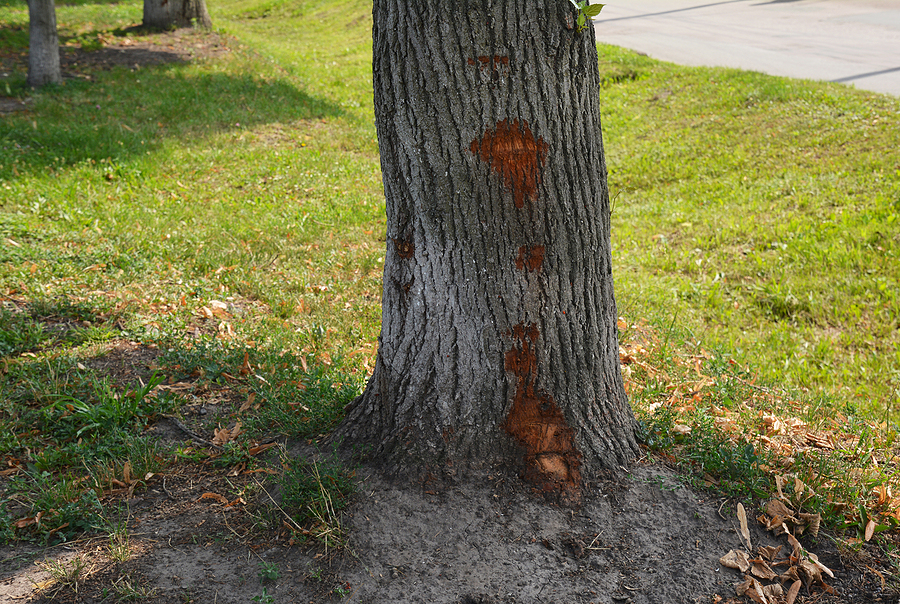
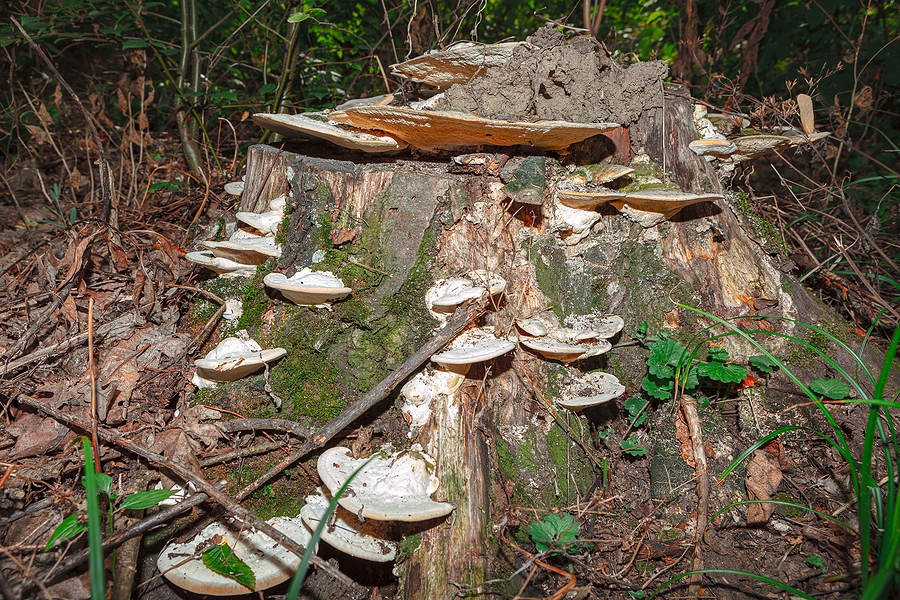
Keep an eye out for fungal growth, such as conks or mushrooms, appearing at the base of the trunk. These are not merely cosmetic issues; they are often the external evidence of significant internal rot. If you see cavities or large hollows, or if you notice sap leaking through the bark, the tree’s structural strength may be failing. Additionally, dead branches (often called “widowmakers”) hanging in the canopy pose an immediate threat to anyone walking below.

Identifying Potential Hazards

Beyond the tree’s biological health, its physical position matters. A healthy tree can still be hazardous if it interferes with critical infrastructure. Look up and look down. Is the canopy entangled with high-voltage power lines? If so, this is a dangerous situation that usually requires utility company intervention rather than a standard DIY approach.

Below ground, root defects can be just as dangerous as falling branches. Heaving soil at the base of the trunk or roots that are visibly decaying can lead to whole-tree failure during a windstorm. If a tree has a significant lean—especially if that lean has developed recently or exposed roots are lifting on the opposite side—it requires immediate professional assessment.

Evaluating the Environmental Impact

Removing a big tree does more than change the look of your yard; it alters the local micro-ecosystem. Mature trees are engines of biodiversity, and their removal should be calculated carefully against the ecological cost.

The Ecosystem Role

Mature trees are vital for temperature regulation, cooling your home and yard through shade and evapotranspiration. They also manage stormwater runoff, preventing soil erosion and reducing the load on municipal drainage systems. Furthermore, they are often habitats for birds, squirrels, and pollinators.

Before removal, consider the timing. Wildlife protection guidelines, such as those from the U.S. Fish and Wildlife Service, suggest avoiding tree removal during peak breeding and nesting seasons to protect vulnerable species like bats and migratory birds.

For example, some bat species roost in cracks and crevices of trees during the summer months. A pre-work inspection by an experienced tree contractor can help ensure you aren’t disrupting an active nest or roost.

Replanting and Sustainability

If removal is necessary, you can mitigate the loss through strategic replanting. The goal isn’t just to replace wood with wood, but to restore the ecological function you are losing. Consider planting native species that are well-suited to your local climate and soil conditions. These trees generally require less water and fertilizer once established and provide superior habitat for local wildlife compared to exotic ornamental trees.

Contact Us for Professional Tree Removal in Indianapolis 📞

Legal and Permitting Requirements

One of the most overlooked aspects of tree removal is the legal landscape. You might own the land, but that doesn’t always mean you have carte blanche to remove everything on it.

Navigating Local Regulations

Many municipalities have strict ordinances regarding tree preservation, especially for trees of a certain diameter or species. In Indianapolis, for example, the Department of Public Works notes that a flora permit is required for removing any tree located in the city’s right-of-way (typically the area between the sidewalk and the street).

Private property rules can also be complex. Some areas protect “heritage” or “specimen” trees, while others may require a permit if you are removing trees near wetlands or water bodies. Ignoring these rules can lead to significant fines.

The Importance of Compliance

Compliance isn’t just about avoiding a ticket; it’s about community responsibility. These regulations exist to maintain the urban tree canopy, which benefits everyone by reducing heat islands and improving air quality.

Always check with your local urban forestry department or city hall before beginning work. If you hire a professional service, they can often handle the permit application process for you, ensuring that all local codes are followed.

Hiring a Professional Tree Service

Removing a large tree is not a Saturday afternoon DIY project. It is heavy, dangerous work that often involves working at heights with powerful machinery. Hiring a professional is an investment in safety and peace of mind.

Why You Need a Pro

Professional tree care contractors bring expertise and equipment that the average homeowner simply doesn’t possess. They are trained to predict how a tree will fall, how to rig heavy limbs safely, and how to work around obstacles like houses and fences.

Crucially, reputable companies carry liability insurance and workers’ compensation. If a branch falls on your neighbor’s roof or a worker is injured on your property, you want to be sure that the company’s insurance—not your homeowner’s policy—covers the damages.

Finding the Right Company

Don’t just hire the first company that pops up on your search engine feed. When vetting potential hires:

  • Ask for proof of insurance: Do not take their word for it; ask to see the certificate.
  • Check references: Ask for examples of similar work they have done in your area.
  • Get multiple estimates: This helps you gauge the fair market price for the job.
  • Verify their approach: Ask how they plan to access the tree. Will they use a crane? Will they use spikes? (Note: Spikes should only be used if the tree is being fully removed, as they damage living tissue).

Cost Considerations

The price of removing a big tree varies significantly based on several factors. According to recent data from Angi, the cost typically ranges from $200 for small trees to over $2,000 for large, complex removals, with an average around $750. However, for massive trees or difficult jobs, costs can go higher.

Breaking Down the Pricing

Several variables will influence your final quote:

  • Size: Height and trunk diameter are the primary cost drivers. Taller trees often require cranes and larger crews.
  • Location: Accessibility matters. A tree in the middle of an open front yard is cheaper to remove than one squeezed between a garage and a power line in a fenced backyard.
  • Condition: Interestingly, a dead or rotting tree can sometimes be more expensive to remove than a healthy one because it is unstable and dangerous to climb, requiring specialized equipment to dismantle safely.
  • Emergency Work: If a tree has fallen on your house after a storm, emergency tree services will come at a premium.

Additional Costs

Be aware of “add-on” services. Basic removal quotes often include cutting the tree down but may not include stump grinding or hauling away the debris. Stump removal alone can add $100 to $150 per stump. Always clarify exactly what is included in the estimate so there are no surprises when the bill arrives.

Making the Right Call

Deciding to remove a big tree is a balancing act between safety, legality, and environmental stewardship. It requires looking beyond the immediate problem to consider the long-term impact on your property and your neighborhood. By assessing the risks accurately, understanding the regulations, and hiring qualified professionals, you can ensure the process is handled smoothly and responsibly.

If you are located in the Indianapolis area and need expert advice on the health of your trees or professional removal services, don’t leave it to chance. Contact Us Today for a consultation. We can help you navigate the permits, assess the hazards, and handle the heavy lifting safely.

Call Our Office Now

Related Post: The Dangers of DIY: Why Large Tree Removal Requires a Pro

Tips for Dealing with Nuisance Birds in Your Indiana Trees

A backyard filled with the gentle chirping of songbirds is a hallmark of a peaceful Indiana afternoon. However, when chirping turns into a cacophony and a few visitors become an invasive flock, that peace can quickly disappear. Many homeowners in Indianapolis and surrounding counties face the challenge of managing nuisance birds that take over trees, leaving behind damage and debris that can be difficult to manage.

While we all appreciate wildlife, an overabundance of aggressive bird species can threaten the health of your trees, damage your property, and even pose health risks. Finding the balance between enjoying nature and protecting your home requires a strategic, humane approach.

This guide will walk you through identifying these visitors, understanding their behaviors, and implementing effective strategies to reclaim your trees without harming the local ecosystem.

Call 317-783-2518 If You Are Looking For Professional Tree Services in Indianapolis

Identifying Common Nuisance Birds in Indiana

Before you can effectively manage a bird problem, you must identify who has moved into your canopy. In Indiana, several specific species are known for congregating in large numbers and causing issues for homeowners.

European Starlings

Starlings are perhaps the most notorious nuisance birds in the state. These are stocky, black birds with short tails and triangular wings. In the winter, they are speckled with white dots, while in the summer, they take on an iridescent purple-green sheen. They are aggressive, often driving away native songbirds and nesting in cavities in trees or buildings.

Common Grackles

Slightly larger than starlings, grackles have long, keel-shaped tails and yellow eyes. Males often appear to have an iridescent blue or purple head. They are omnivorous and will eat anything from insects to your garden crops. Their droppings can be particularly damaging to property finishes and lawn health.

House Sparrows

These small, brown, and grey birds are incredibly common in urban and suburban settings. While they may seem harmless individually, they reproduce rapidly and compete aggressively with native species like bluebirds for nesting sites. They are known for pecking holes in fruit and generally making a mess in large numbers.

American Crows

Crows are large, intelligent, and highly social. While they are fascinating to watch, they roost in massive extended family groups during the fall and winter. A roost can contain thousands of birds, leading to significant noise and an overwhelming amount of waste.

Why Birds Are Attracted to Your Trees

To deter birds effectively, you must understand what drew them to your property in the first place. Birds are driven by three primary needs: food, water, and shelter.

Shelter and Roosting Sites

Dense tree canopies provide protection from predators and the elements. Evergreen trees and dense deciduous trees are particularly attractive because they offer excellent coverage. If your trees have dense foliage or dead branches with cavities, they are prime real estate for nesting and roosting.

Abundant Food Sources

Your yard might be an all-you-can-eat buffet. Fruit trees, berry bushes, and open garbage cans are major attractants. Additionally, insects living in your trees are a primary food source for starlings and grackles. If you have bird feeders out for cardinals or finches, you may inadvertently be feeding the nuisance flocks as well.

Safety in Numbers

Flocking birds like starlings and grackles rely on safety in numbers. Once a few birds establish that your tree is a safe spot, they signal others to join them. This behavior creates a cycle where a small group quickly turns into an unmanageable roost.

Schedule Professional Tree Pruning Service in Indianapolis

Humane Deterrents for Indiana Homeowners

The goal of bird management is to make your property less attractive to nuisance species without causing them harm. It is important to note that most bird species are protected by state and federal laws, so lethal methods are rarely an option for homeowners. Instead, focus on habitat modification and exclusion.

Exclusion Netting

For smaller fruit trees or specific branches, netting is often the most effective solution. Using a ¼ to ½ inch plastic mesh netting prevents birds from accessing the fruit or roosting sites. It is essential to secure the netting to a frame or the trunk so birds cannot get underneath it. This physical barrier is harmless but frustrating enough to send the flock elsewhere.

Visual Scare Devices

Birds have keen eyesight and are wary of predators. Visual deterrents can be effective if used correctly.

  • Reflective Tape: Shiny, holographic tape that flutters in the wind creates a visual disturbance that birds dislike.
  • Decoys: Plastic owls or hawks can temporarily scare off smaller birds. However, birds are intelligent and will eventually realize the predator isn’t moving. To maintain effectiveness, you must move the decoy to different locations every few days.
  • Scare-Eye Balloons: These large balloons with predator eyes painted on them can be hung from branches to mimic a threat.

Auditory Deterrents

Scaring birds with sound can be effective, though it requires consideration for your neighbors. Wind chimes can be a mild deterrent for small numbers of birds. For larger issues, ultrasonic devices emit sounds that are unpleasant to birds but silent to humans. However, these are often less effective in open outdoor spaces compared to enclosed areas.

Habitat Modification

Making your trees less hospitable is a long-term solution.

  • Pruning: Thinning out the canopy of your trees reduces the amount of protection they offer. Opening up the structure of the tree by way of pruning allows for more light and wind to penetrate, making it less comfortable for roosting flocks.
  • Food Management: If you have fruit trees, harvest the fruit as soon as it ripens. Clean up fallen fruit from the ground immediately. Consider switching to bird feeders that are weight-sensitive, closing off access to heavier birds like grackles and starlings.

When to Call a Professional

While DIY methods can solve minor issues, there are times when professional intervention is necessary.

Protected Species and Legal Risks

The Migratory Bird Treaty Act protects the vast majority of bird species in the United States. This means it is illegal to move active nests, harm birds, or disturb them during nesting season without a federal permit. If you are unsure what species is in your tree, do not attempt to remove a nest yourself. Professional tree service contractors and wildlife control experts can identify the species and ensure any action taken is legal and ethical.

Safety Concerns

Climbing trees to install netting or prune branches can be dangerous without the proper equipment. If the birds are roosting high in a mature tree, the risk of falling is significant. Furthermore, accumulated bird droppings can harbor diseases like histoplasmosis. Professionals have the necessary safety gear to handle these biological hazards.

Tree Health Assessment

Sometimes, an infestation of birds is a symptom of a sick tree. Woodpeckers, for instance, are often attracted to trees that are already infested with boring insects. A certified arborist or tree care company can provide a tree health inspection and assess whether the bird activity is a sign of underlying decay or disease that needs treatment.

Restoring Balance to Your Backyard

Managing nuisance birds is rarely a one-step process. It often requires a combination of patience, observation, and strategic adjustments to your landscape. By removing the easy food sources, modifying the shelter your trees provide, and using humane deterrents, you can encourage nuisance flocks to move on while keeping your yard safe for the native songbirds we all enjoy.

If your trees have become a haven for unwanted guests, or if you need help safely pruning and thinning your canopy to discourage roosting, don’t tackle the height and hazards alone. Contact Us Today for professional tree service you can trust. We serve Indianapolis and the surrounding counties, providing expert tree care that keeps your property safe, healthy, and beautiful.

Call Now for a Free Quote

Related Post: Garden Tree Care 101: Defending Your Trees from Wildlife

Can A Split Tree Trunk Be Saved? Solutions for Indiana Homeowners

Discovering a split in your tree’s trunk can be alarming. It’s not just an aesthetic issue; a deep crack can compromise the structural integrity of the entire tree, posing a safety risk to your home and family. While trees are remarkably resilient, they aren’t invincible, and certain types of damage require immediate attention to prevent failure.

In Indiana, our trees face a unique set of challenges—from the bitter freeze-thaw cycles of January to the intense summer storms that roll across the plains. Understanding why these splits happen and knowing when a tree can be saved is crucial for maintaining a safe and beautiful landscape.

Call 317-783-2518 for Damaged Tree Removal Service in Indianapolis

Identifying Common Tree Trunk Splits

Not all cracks are created equal. Some are superficial wounds that heal on their own, while others indicate a tree in distress. Identifying the type of split is the first step toward finding a solution.

Frost Cracks and Sunscald (Southwest Injury)

If you notice a long, vertical crack on the south or southwest side of a young tree, you are likely looking at “Southwest Injury.” This is incredibly common in Indiana winters.

It happens when the sun heats up the bark during a cold winter day, stimulating activity in the cells. When the sun sets or goes behind a cloud, temperatures drop rapidly, causing the water inside the cells to freeze and the bark to split. Thin-barked species common in Indianapolis landscapes—such as Maples (Acer), Redbuds (Cercis), and Crabapples (Malus)—are particularly susceptible.

Growth Cracks

Sometimes a tree simply grows faster than its bark can expand. These cracks usually appear as vertical splits where you can see healthy inner bark healing over. They are often a sign of a vigorous, healthy tree rather than a dying one and typically do not require intervention.

Storm Damage and Shear Cracks

Indiana’s severe thunderstorms and high winds can twist and pull trees, causing the trunk to split violently. These shear cracks often occur at the crotch where two co-dominant stems meet (a “V” shape). Unlike frost cracks, these structural failures are immediate threats to the tree’s stability.

Assessing the Severity of the Damage

Before you rush to the hardware store, you need to assess whether the tree is a candidate for repair or if it has become a hazard.

Signs the Tree Might Be Saved:

  • The split is a simple frost crack that hasn’t penetrated deeply into the wood.
  • The tree has a full, healthy canopy of leaves.
  • There is evidence of “callus tissue” or “wound wood” forming along the edges of the crack (a sign the tree is sealing itself).
  • The tree is young and vigorous.

Signs the Tree May Need Removal:

  • The crack goes completely through the trunk.
  • The split is located at a major fork in the main trunk (co-dominant stems) and is actively widening.
  • You see signs of internal decay, such as mushrooms growing at the base or carpenter ants in the crack.
  • The tree leans significantly or targets a structure, like your house or driveway.
  • More than 25-50% of the trunk’s circumference is damaged.

If you are unsure, do not guess. A tree with significant trunk damage can fall without warning.

Treatment and Repair Options

If the damage is manageable, there are several methods arborists use to help a tree recover. It is important to note that trees do not “heal” like human skin; they “seal” or compartmentalize damage.

Cabling and Bracing

For splits that compromise structural integrity—particularly those at the crotch of two stems—cabling and bracing are the industry standards (specifically ANSI A300 Part 3 standards).

  • Bracing: This involves installing steel rods through the split to bolt the trunk back together. This prevents the crack from twisting or opening further.
  • Cabling: High-strength steel or synthetic cables are installed high in the canopy to limit movement. By reducing how much the branches sway in the wind, the cable reduces the stress on the split trunk below.

Note: This is a complex procedure that should only be performed by a professional arborist to ensure the hardware is sized and installed correctly.

Bark Tracing

For jagged wounds where bark has been torn away (perhaps by a lawnmower or vehicle), you can help the tree by “bark tracing.” This involves using a sharp, sterilized knife to carefully cut away the loose, ragged bark edges back to healthy wood. This creates a clean edge that helps the tree form callus tissue faster.

Request a Free Estimate for Tree Service Today

What Not to Do: Avoid Wound Dressings

For decades, it was common practice to paint tree wounds with tar or “sealant.” We now know this is harmful. Research from Purdue University Extension and other experts shows that wound dressings can trap moisture and decay-causing fungi inside the wound, actually slowing down the tree’s natural sealing process.

Do not paint, seal, or cover the wound. Let the tree seal itself naturally with oxygen and time.

Prevention Techniques for Indiana Trees

The best cure for a split trunk is preventing it in the first place.

  • Wrap Young Trees: To prevent Southwest Injury, wrap the trunks of young, thin-barked trees (like Maples and Redbuds) with white tree guards or paper tree wrap in late autumn. Remove the wrap in early spring to prevent moisture buildup and insect infestation.
  • Proper Pruning: Many structural splits happen because of “co-dominant stems”—two trunks growing side-by-side that push against each other as they expand. Structural pruning when the tree is young can remove these weak attachments before they become a liability.
  • Water During Drought: Drought-stressed trees have brittle wood that is more prone to cracking. During our hot Indiana summers, deep watering can keep the wood flexible and resilient. Look into recommended drought-resistant tree species for Indiana.
  • Mulch Correctly: A ring of mulch around the base (but not touching the trunk!) protects the tree from lawnmower strikes, a common entry point for decay.

When to Call a Professional Tree Service

Tree work can be dangerous, especially when dealing with compromised trunks. You should call a professional tree care contractor if:

  • You need cabling or bracing installed.
  • The tree is large enough to damage property if it falls.
  • You cannot determine if the crack is superficial or structural.
  • The tree shows signs of rot or fungal growth inside the crack.

Conclusion

A split trunk doesn’t always mean the end of your tree’s life, but it is a serious condition that demands respect and a professional assessment. By identifying and addressing cracks early, avoiding the use of harmful sealants that can trap moisture and decay, and implementing proper support systems like cabling or bracing when necessary, you can often preserve these valuable landscape assets, allowing them to thrive for many more years to come.

If you are concerned about a crack in your tree or need an expert opinion on stability, don’t wait for the next storm to test its strength. Contact our team at Complete Tree Care, today. We provide comprehensive tree services across Indianapolis and the surrounding areas. Let us help you keep your trees safe, healthy, and standing tall.

Call to Request a Free Estimate

Related Post: What Causes Bark Splitting in Trees?

Don’t Dump That Tree: 5 Smart Ways to Upcycle Your Christmas Tree

The festive season has officially wrapped up. The presents are unwrapped, the leftovers are gone, and the ornaments are back in their boxes. Now, you’re left with a drying evergreen taking up space in your living room. While dragging it to the curb might seem like the easiest option, sending your Christmas tree to a landfill is a missed opportunity for the environment.

When organic waste like Christmas trees decomposes in a landfill, it produces methane—a potent greenhouse gas that contributes significantly to climate change. Instead of adding to this problem, you can give your tree a second life. Upcycling your Christmas tree is a sustainable choice that benefits your garden, local wildlife, and even community restoration projects.

Whether you’re an avid gardener or just looking for an eco-friendly disposal method, there are plenty of ways to put that timber to good use. Here is how you can transform your holiday centerpiece into a valuable resource for nature.

Call 317-783-2518 For Local Tree Service in Indianapolis
Upcycle Your Xmas Tree!

What to Do With Your Christmas Tree After the Holiday

1. Turn Your Tree Into Mulch

One of the most practical ways to repurpose a Christmas tree is by turning it into nutrient-rich mulch. Pine needles are excellent for your garden because they dry quickly and decompose slowly, making them a fantastic, mold-free ground cover.

How to mulch at home

If you have access to a wood chipper, you can process the tree yourself. The resulting wood chips can be spread around the base of trees and shrubs in your yard. This layer of organic matter helps retain soil moisture, suppress weeds, and regulate soil temperature during the colder months. As the wood chips break down, they release nutrients back into the soil, feeding your plants naturally.

Community recycling programs

Don’t have a chipper? No problem. Many municipalities offer treecycling programs where they collect trees and chip them into mulch for use in public parks and gardens. For residents in Indianapolis, the Department of Public Works typically offers drop-off locations at major parks (like Ellenberger, Garfield, and Riverside Parks) from late December through January.

Important: Before mulching or dropping off your tree, ensure you remove all tinsel, ornaments, lights, and the stand. These non-biodegradable items can contaminate the mulch and damage chipping equipment.

2. Create a Backyard Bird Feeder

If you have a backyard, your old Christmas tree can become a winter haven for local birds. During the harsh winter months, food and shelter are scarce for wildlife. By repurposing your tree, you provide a critical resource for chickadees, cardinals, and finches.

Setting up the habitat

Move your tree outdoors and secure it in a sturdy stand or anchor it to a fence post to prevent it from tipping over in the wind. This instantly creates a dense, protective structure where birds can hide from predators and take shelter from freezing winds.

Adding food sources

To make the tree even more inviting, decorate it with biodegradable, bird-friendly treats.

  • Popcorn and cranberry strings: Thread plain, air-popped popcorn and fresh cranberries onto a string and drape it over the branches.
  • Suet ornaments: Fill mesh bags or hollowed-out orange peels with suet (animal fat) or peanut butter mixed with birdseed.
  • Pinecone feeders: Coat pinecones in peanut butter and roll them in birdseed, then hang them from the branches with natural twine.

This “living” bird feeder not only supports local biodiversity but also provides wonderful bird-watching opportunities from the comfort of your home.

Learn More About Live Christmas Tree Care

3. Support Dune Restoration Projects (Coastal Residents)

In coastal areas, discarded Christmas trees play a surprising role in protecting shorelines. Beach erosion is a major environmental challenge, with storms and rising sea levels washing away sand dunes that serve as natural barriers against flooding.

How it works

Communities like Gulf Shores, Alabama, and Reid State Park in Maine have implemented programs where old Christmas trees are placed strategically along beaches. The trees act as sand traps; as wind blows sand across the beach, it gets caught in the branches. Over time, this accumulation builds up new dunes and reinforces existing ones. As the trees decompose, they add organic matter to the sand, helping dune grasses take root and further stabilize the shoreline.

If you live near a coast, check with your local parks department to see if a dune restoration program is active in your area. It’s a powerful way to contribute to coastline preservation.

4. Build an Underwater Fish Habitat

Just as trees provide shelter for birds on land, they can offer vital protection for fish underwater. When submerged in private ponds or lakes, old Christmas trees create complex reef-like structures.

The benefits for aquatic life

Small fish and invertebrates use the branches to hide from larger predators. This increases their survival rates and supports a healthy population of baitfish. In turn, these baitfish attract larger game fish, creating a thriving, balanced ecosystem. Over time, algae grow on the wood, providing food for aquatic insects and snails, which further supports the food web.

Safe implementation

Do not dump your tree into a public lake or river without permission. Unauthorized dumping is illegal and can create navigational hazards or disrupt existing ecosystems. However, many state departments of natural resources, such as the Department of Fish and Wildlife, run managed programs where they collect trees specifically for this purpose. If you own a private pond, you can sink the tree yourself by attaching it to a cinder block with robust wire to ensure it stays submerged.

5. Use Branches for Garden Insulation

If you don’t have the means to chip your whole tree, you can still use the branches to protect your garden beds.

Winter protection

Cut the boughs off the trunk and lay them over perennials, strawberries, or tender bulbs. This evergreen blanket acts as insulation, protecting sleeping plants from the freeze-thaw cycles that can heave roots out of the ground. In the spring, simply remove the branches—by then, the needles will likely have fallen off to become mulch, and the bare wood can be added to a compost pile or brush heap.

In Summary

The end of the holiday season doesn’t have to mean the end of your tree’s usefulness. By choosing to upcycle, you transform waste into a resource that nourishes the earth, supports wildlife, and protects our natural landscapes. Whether you choose to mulch, feed the birds, or support a local conservation project, your decision makes a tangible difference.

Next year, before you buy your tree, plan its afterlife. Knowing how you’ll repurpose it can make the tradition feel even more meaningful.

Looking for routine tree service or tree removal this winter? Complete Tree Care is here to help! Contact Us Today to schedule your service or to request a free, onsite estimate.

Call Now to Book Service

Related Post: Where to Recycle Your Christmas Tree in Indianapolis

The Dangers of DIY: Why Large Tree Removal Requires a Pro

There is something undeniably majestic about a mature tree standing guard over a home. It provides shade in the summer, structural beauty in the winter, and a sense of permanence that new landscaping simply cannot replicate. However, trees are living organisms with a finite lifespan. Whether due to disease, storm damage, or simply encroaching on a foundation, there comes a time when even the most beautiful tree must come down.

When that time comes, the sheer size of the task can be deceptive. Standing on the ground looking up, it’s easy to underestimate the weight of heavy limbs or the complexity of bringing them down safely. The temptation to handle the removal yourself—perhaps to save money or tackle a weekend project—is understandable. You might have a chainsaw and a ladder, and on paper, the physics seem straightforward.

But tree removal, especially for large specimens, is rarely straightforward. It is a high-stakes operation that sits at the intersection of biology and physics. A tree that looks solid may be hollow inside; a limb that looks light can weigh hundreds of pounds. This guide explores why the removal of large trees is a task best left to professionals and the serious risks involved in attempting it as a DIY project.

Call 317-783-2518 for Large Tree Removal in Indianapolis

Why Professional Tree Removal is Crucial

When you hire a professional tree service, you aren’t just paying for muscle and machinery; you are paying for expertise. Specifically, you should look for companies that employ certified arborists. These individuals have studied the science of planting, caring for, and maintaining trees.

Understanding the biology of the tree is critical during removal. For instance, a certified arborist can assess the structural integrity of the trunk before anyone climbs it. They can identify signs of internal decay that might make the tree unstable and unsafe to scale. A novice looking at the bark might see a sturdy tree, while an expert sees a potential collapse waiting to happen.

Furthermore, professionals understand the physics of falling wood. They know how different wood species react to being cut—some wood is brittle and snaps suddenly, while other types are fibrous and hold on until the last second. Knowing how a specific tree will react to a chainsaw cut ensures that limbs fall exactly where they are intended to, rather than swinging back toward the climber or crashing onto a roof.

The Risks of Removing a Tree Yourself

The statistics regarding amateur tree work are sobering. The Centers for Disease Control and Prevention (CDC) consistently lists logging and tree work among the most dangerous professions in the country. When untrained homeowners attempt these tasks without the proper safety protocols, the risks skyrocket.

The Danger of Gravity and Height

The most obvious risk is working at heights. Removing a large tree often requires ascending high into the canopy to remove limbs piece by piece. Homeowners often rely on ladders for this, which is a significant safety error. A ladder creates an unstable platform, especially when you are applying force to a chainsaw or when a falling branch shakes the tree trunk. Professionals use ropes, harnesses, and bucket trucks to secure themselves, ensuring that if they slip, they don’t fall.

Unpredictable Falling Zones

Directional felling—making a tree fall in a specific spot—is an art form. It requires precise cutting techniques, including the scarf cut and the back cut. If these cuts are off by even a fraction of an inch, or if the tree has a hidden lean or uneven weight distribution, the tree can fall sideways or backward. In a suburban environment, a miscalculation doesn’t just mean the tree lands on the lawn; it could land on your home, your car, or your neighbor’s property.

Chainsaw Kickback

Chainsaws are powerful, efficient tools, but they are also unforgiving. One of the most common causes of injury is “kickback,” which occurs when the moving chain at the tip of the guide bar touches an object, or when the wood closes in and pinches the saw chain in the cut. This can instantly throw the saw back toward the operator with immense force.

Professional tree fellers wear specialized protective chaps, helmets, and face shields to mitigate this risk, gear that most homeowners do not own.

Request a Free Quote for Large Tree Removal

Benefits of Professional Tree Removal

Beyond simply avoiding injury, there are practical and financial benefits to hiring a professional service. The efficiency and thoroughness of a professional crew can save you days of backbreaking labor and leave your property looking pristine.

Advanced Equipment and Rigging

Large trees cannot simply be felled in one piece in a residential area. They must be dismantled. This process, known as rigging, involves securing ropes and pulleys to lower large sections of wood to the ground slowly and in control. This prevents heavy logs from creating craters in your lawn or smashing pavement. Professional tree services also utilize cranes for trees that are too dangerous to climb or are located in tight spaces where debris cannot be dropped.

Proper Waste Disposal

One aspect of tree removal that homeowners often overlook is the volume of debris. A single large oak tree can produce tons of wood and brush. Processing this material requires industrial wood chippers and heavy-duty trucks. If you cut down a tree yourself, you are left with a massive pile of debris that can be difficult and expensive to dispose of. Professional services handle the cleanup, hauling away the wood and raking the area clean, so you aren’t left with a mess.

Insurance and Liability Protection

Reputable tree care companies carry liability insurance and workers’ compensation insurance. This is a crucial safeguard for you as a homeowner. If a professional damages your roof during the job, their insurance covers the repairs. If a worker is injured on your property, their workers’ comp covers their medical bills. If you or a friend get hurt while doing it yourself, you could be facing significant medical costs and potential legal liability.

Factors That Affect Tree Removal Cost

Cost is often the primary driver for DIY attempts, but understanding what goes into a professional quote can help you see the value. Tree removal pricing is rarely a flat rate; it varies based on the specific challenges of the job.

Size and Location

Naturally, larger trees require more time, labor, and equipment to remove. However, location is equally important. A massive tree in the middle of an empty field is cheaper to remove than a medium-sized tree wedged between a house and a power line. Accessibility matters—if the crew can drive a bucket truck right up to the tree, it will be faster and less expensive than if they have to climb and carry all debris out by hand through a narrow gate.

Tree Condition and Complexity

A dead or rotting tree can actually be more expensive to remove than a healthy one because it is more dangerous. If a tree is unsafe to climb, the crew may need to bring in a crane, which increases the operational cost. Additionally, trees with multiple trunks or complex branching structures take longer to dismantle.

Stump Removal

Standard tree removal usually includes cutting the tree down to a stump close to ground level. Stump grinding—using a machine to chew the stump down below the soil grade—is typically an add-on service. While it adds to the cost, it allows you to replant grass or landscaping over the area, removing the final trace of the tree.

Conclusion

The decision to remove a large tree is significant, but the method you choose to do it is even more critical. While the DIY route may seem like a way to save money, the potential costs in terms of safety, property damage, and liability far outweigh the savings. Professional arborists bring the training, equipment, and insurance necessary to handle these giants safely and efficiently. By hiring a pro, you protect your home, your family, and yourself from the unpredictable nature of tree work.

If you are dealing with a hazardous or unwanted tree, don’t wait for a storm to make the decision for you.

Need help with a difficult tree? Contact Us Today to schedule your free estimate for large tree removal service in Indianapolis and let our experts handle the heavy lifting.

Place Your Call Now

Related Post: When to Remove a Tree: Essential Signs Every Property Owner Should Know