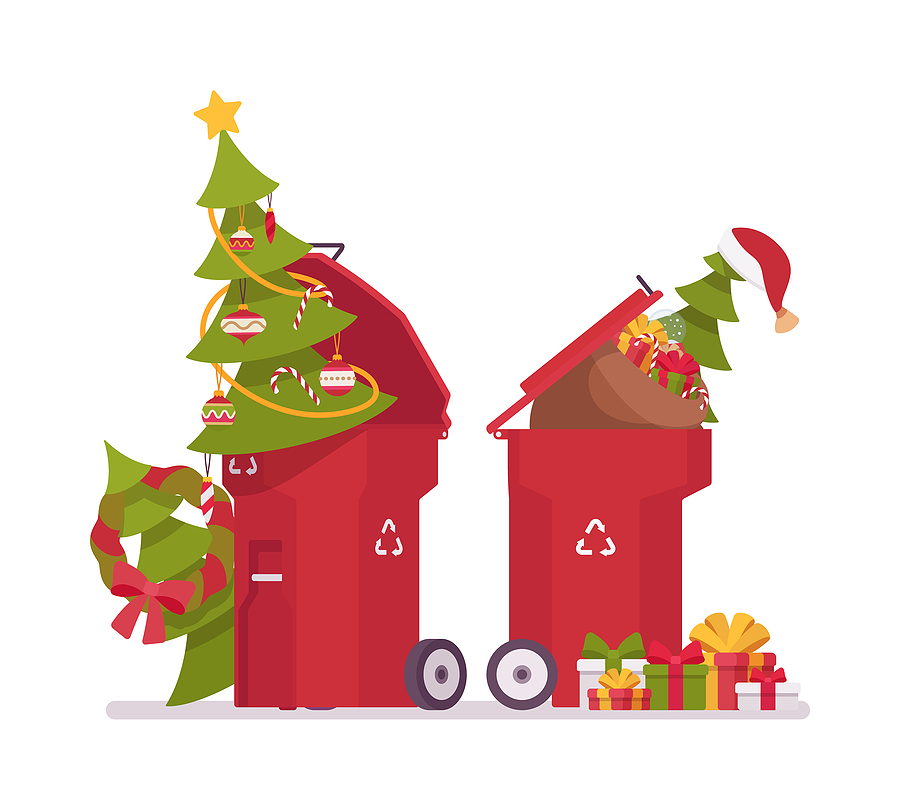
The festive season has officially wrapped up. The presents are unwrapped, the leftovers are gone, and the ornaments are back in their boxes. Now, you’re left with a drying evergreen taking up space in your living room. While dragging it to the curb might seem like the easiest option, sending your Christmas tree to a landfill is a missed opportunity for the environment.
When organic waste like Christmas trees decomposes in a landfill, it produces methane—a potent greenhouse gas that contributes significantly to climate change. Instead of adding to this problem, you can give your tree a second life. Upcycling your Christmas tree is a sustainable choice that benefits your garden, local wildlife, and even community restoration projects.
Whether you’re an avid gardener or just looking for an eco-friendly disposal method, there are plenty of ways to put that timber to good use. Here is how you can transform your holiday centerpiece into a valuable resource for nature.
What to Do With Your Christmas Tree After the Holiday
1. Turn Your Tree Into Mulch
One of the most practical ways to repurpose a Christmas tree is by turning it into nutrient-rich mulch. Pine needles are excellent for your garden because they dry quickly and decompose slowly, making them a fantastic, mold-free ground cover.
How to mulch at home
If you have access to a wood chipper, you can process the tree yourself. The resulting wood chips can be spread around the base of trees and shrubs in your yard. This layer of organic matter helps retain soil moisture, suppress weeds, and regulate soil temperature during the colder months. As the wood chips break down, they release nutrients back into the soil, feeding your plants naturally.
Community recycling programs
Don’t have a chipper? No problem. Many municipalities offer treecycling programs where they collect trees and chip them into mulch for use in public parks and gardens. For residents in Indianapolis, the Department of Public Works typically offers drop-off locations at major parks (like Ellenberger, Garfield, and Riverside Parks) from late December through January.
Important: Before mulching or dropping off your tree, ensure you remove all tinsel, ornaments, lights, and the stand. These non-biodegradable items can contaminate the mulch and damage chipping equipment.
2. Create a Backyard Bird Feeder
If you have a backyard, your old Christmas tree can become a winter haven for local birds. During the harsh winter months, food and shelter are scarce for wildlife. By repurposing your tree, you provide a critical resource for chickadees, cardinals, and finches.
Setting up the habitat
Move your tree outdoors and secure it in a sturdy stand or anchor it to a fence post to prevent it from tipping over in the wind. This instantly creates a dense, protective structure where birds can hide from predators and take shelter from freezing winds.
Adding food sources
To make the tree even more inviting, decorate it with biodegradable, bird-friendly treats.
- Popcorn and cranberry strings: Thread plain, air-popped popcorn and fresh cranberries onto a string and drape it over the branches.
- Suet ornaments: Fill mesh bags or hollowed-out orange peels with suet (animal fat) or peanut butter mixed with birdseed.
- Pinecone feeders: Coat pinecones in peanut butter and roll them in birdseed, then hang them from the branches with natural twine.
This “living” bird feeder not only supports local biodiversity but also provides wonderful bird-watching opportunities from the comfort of your home.
Learn More About Live Christmas Tree Care ✨
3. Support Dune Restoration Projects (Coastal Residents)
In coastal areas, discarded Christmas trees play a surprising role in protecting shorelines. Beach erosion is a major environmental challenge, with storms and rising sea levels washing away sand dunes that serve as natural barriers against flooding.
How it works
Communities like Gulf Shores, Alabama, and Reid State Park in Maine have implemented programs where old Christmas trees are placed strategically along beaches. The trees act as sand traps; as wind blows sand across the beach, it gets caught in the branches. Over time, this accumulation builds up new dunes and reinforces existing ones. As the trees decompose, they add organic matter to the sand, helping dune grasses take root and further stabilize the shoreline.
If you live near a coast, check with your local parks department to see if a dune restoration program is active in your area. It’s a powerful way to contribute to coastline preservation.
4. Build an Underwater Fish Habitat
Just as trees provide shelter for birds on land, they can offer vital protection for fish underwater. When submerged in private ponds or lakes, old Christmas trees create complex reef-like structures.
The benefits for aquatic life
Small fish and invertebrates use the branches to hide from larger predators. This increases their survival rates and supports a healthy population of baitfish. In turn, these baitfish attract larger game fish, creating a thriving, balanced ecosystem. Over time, algae grow on the wood, providing food for aquatic insects and snails, which further supports the food web.
Safe implementation
Do not dump your tree into a public lake or river without permission. Unauthorized dumping is illegal and can create navigational hazards or disrupt existing ecosystems. However, many state departments of natural resources, such as the Department of Fish and Wildlife, run managed programs where they collect trees specifically for this purpose. If you own a private pond, you can sink the tree yourself by attaching it to a cinder block with robust wire to ensure it stays submerged.
5. Use Branches for Garden Insulation
If you don’t have the means to chip your whole tree, you can still use the branches to protect your garden beds.
Winter protection
Cut the boughs off the trunk and lay them over perennials, strawberries, or tender bulbs. This evergreen blanket acts as insulation, protecting sleeping plants from the freeze-thaw cycles that can heave roots out of the ground. In the spring, simply remove the branches—by then, the needles will likely have fallen off to become mulch, and the bare wood can be added to a compost pile or brush heap.
In Summary
The end of the holiday season doesn’t have to mean the end of your tree’s usefulness. By choosing to upcycle, you transform waste into a resource that nourishes the earth, supports wildlife, and protects our natural landscapes. Whether you choose to mulch, feed the birds, or support a local conservation project, your decision makes a tangible difference.
Next year, before you buy your tree, plan its afterlife. Knowing how you’ll repurpose it can make the tradition feel even more meaningful.
Looking for routine tree service or tree removal this winter? Complete Tree Care is here to help! Contact Us Today to schedule your service or to request a free, onsite estimate.
Related Post: Where to Recycle Your Christmas Tree in Indianapolis