A large tree on your commercial property can quietly become a liability. Dead limbs, storm damage, or roots creeping toward your foundation aren’t just eyesores—they’re safety risks that can threaten your building, your visitors, and your bottom line. Removing a mature tree is delicate, technical work, and the company you hire makes all the difference.
The problem? Not every tree service is equipped to handle commercial jobs safely. Some lack proper credentials, cut corners on insurance, or use outdated equipment that puts your property at risk. Choosing the wrong provider can lead to property damage, legal headaches, and costs you never saw coming.
This guide walks you through the key factors to weigh before signing a contract—from certifications and insurance to safety practices and pricing. By the end, you’ll know exactly what separates a trustworthy commercial tree removal service from one to avoid.
Credentials and Certifications to Verify
Credentials tell you whether a company has the training and accountability to do the job right. Before you hire, confirm these two things.
Insurance and Bonding
Insurance protects you if something goes wrong during the job. A reputable commercial tree removal service should carry three types of coverage:
- General liability insurance, which covers damage to your building, landscaping, or nearby structures.
- Workers’ compensation insurance, which pays for injuries if a crew member is hurt on your property.
- Commercial auto insurance, which handles accidents involving company vehicles.
Bonding adds another layer of security. It guarantees the company will complete the work as promised, giving you financial recourse if they don’t. Always ask for proof of current coverage—and don’t hesitate to call the provider directly to confirm it’s active.
OSHA Compliance
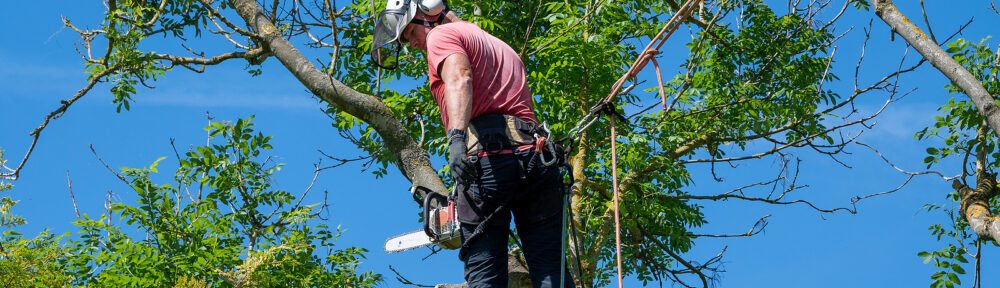
Tree removal is one of the more dangerous jobs out there. A safety-conscious company follows OSHA standards and equips its crew with proper protective gear, including hard hats, safety glasses, ear protection, gloves, and high-visibility vests. If a provider treats safety casually, that’s a red flag worth taking seriously.
Equipment and Safety Practices
The right tools and protocols keep your property—and everyone on it—out of harm’s way.
Modern Equipment
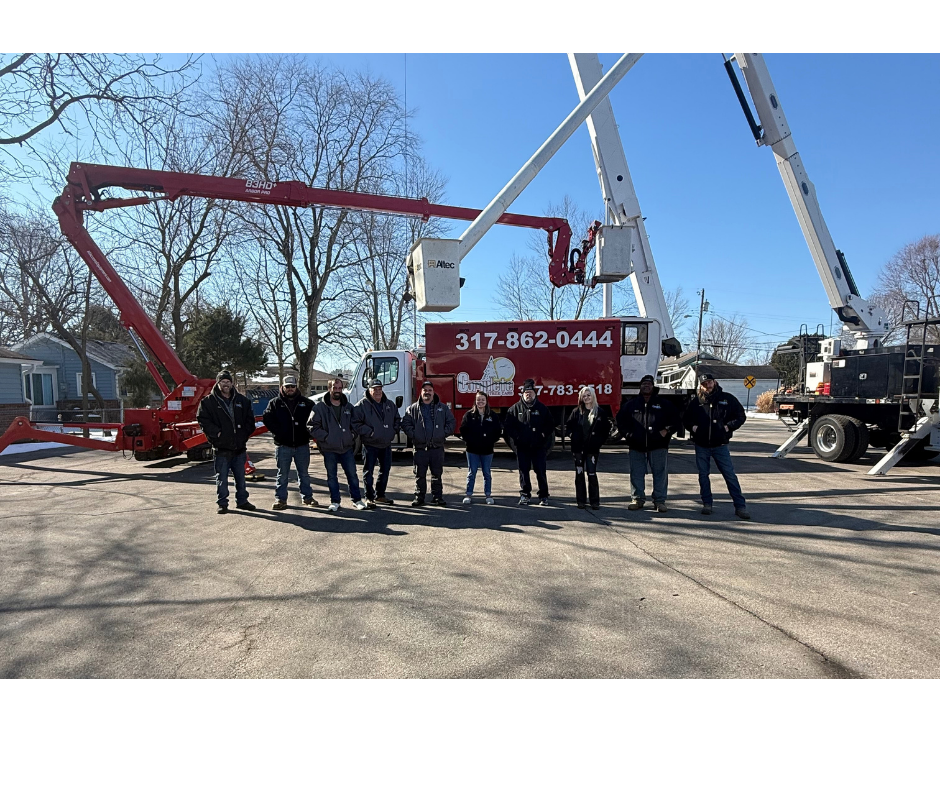
A seasoned commercial tree service should own the equipment needed for the job, from cranes and chippers to bucket trucks and stump grinders. Well-maintained machinery signals professionalism and reduces the risk of breakdowns or accidents mid-project. Aside from specialty gear like large cranes, they shouldn’t need to constantly rent equipment out.
Safety Protocols and Injury Prevention
Ask how the company protects your property during a removal. A qualified provider will have a clear answer ready—such as using plywood to shield paved surfaces and lawns from heavy equipment. Established safety protocols protect your investment and prevent costly damage.
Emergency Response Procedures
Storms don’t wait for business hours. A dependable commercial service offers emergency response for fallen or hazardous trees, helping you clear dangers quickly before they cause further damage or disrupt your operations.
Experience and Track Record
Experience often separates a smooth job from a disaster.
Years in the Industry
As a general rule, look for a company with a solid history—many industry experts recommend at least ten years in business. Longevity suggests the company knows how to manage complex jobs and stand behind its work.
Portfolio and References
A trustworthy provider will happily share examples of completed commercial projects and connect you with past clients. References give you real insight into their reliability, communication, and quality of work.
Handling Complex or Hazardous Removals
Commercial removals often involve trees near power lines, buildings, or high-traffic areas. Make sure your provider has proven experience with these challenging scenarios. The wrong technique in a tight spot can lead to serious property damage or injury.
Licensing and Legal Compliance
Legal know-how protects you from fines and liability.
Local and State Licensing
Licensing requirements vary by location, so confirm your provider holds the proper credentials for commercial work in your area. A legitimate company can readily provide its license information when asked.
Permit Knowledge
In Indiana, you generally don’t need a state permit to remove a tree on your own private property. However, some municipalities require permits for trees in the public right-of-way, on shared property lines, or near power lines. A knowledgeable commercial service understands these local rules and can help you stay compliant.
Environmental Regulations and Waste Disposal
Ask how the company handles debris and waste. Responsible providers dispose of removed trees properly—often recycling wood into mulch or chips—while following environmental regulations in your area.
Customer Reviews and Reputation
A company’s reputation reveals what it’s really like to work with.
Read verified reviews across multiple platforms, such as Google and the Better Business Bureau, rather than relying only on testimonials on the company’s own website. Consistent positive feedback is a strong signal of quality.
Pay attention to how a business responds to negative reviews, too. A professional, solution-focused response shows accountability and a commitment to customer satisfaction.
Pricing and Transparency
Cost matters, but the cheapest quote isn’t always the best choice.
A trustworthy commercial tree removal service provides a detailed, written estimate that breaks down the work and pricing clearly. Watch out for vague quotes, demands for full payment upfront, or pricing that seems too good to be true. Transparent, competitive rates—paired with strong credentials—point to a provider you can rely on.
Frequently Asked Questions
What should I expect during the removal process?
After an on-site assessment, the crew will plan the safest approach, protect surrounding areas, remove the tree in sections if needed, and clean up debris. A good provider will walk you through each step beforehand.
How long does a typical commercial tree removal take?
It depends on the tree’s size, location, and complexity. A straightforward removal may take a few hours, while larger or hazardous jobs near buildings or power lines can take a full day or more.
Do I need permits for tree removal in my area?
In most of Indiana, no permit is required to remove a tree on private commercial property. Permits may apply for trees in the public right-of-way or on city land. Your provider should help you confirm local requirements.
What happens to the removed tree?
Many companies recycle removed trees into mulch or wood chips. Ask your provider about their disposal and recycling practices so you know what to expect.
Choosing the Right Partner for Your Property
Selecting a commercial tree removal service comes down to a few essentials: verified certifications, proper insurance and bonding, modern equipment, proven experience, legal compliance, a strong reputation, and transparent pricing. Weigh each of these factors carefully, and you’ll protect your property, your budget, and your peace of mind.
Ready to work with a team that checks every box? Contact Complete Tree Care in Indianapolis, Indiana for professional, reliable commercial tree removal services. Reach out today for a free, no-obligation estimate.
Related Posts:
Why Choose Complete Tree Care for Commercial Lot Clearing in Indianapolis
What Does It Cost to Clear Trees From Your Property?
Hiring Lot Clearing Contractors in Indianapolis: What to Know