Every mature oak or maple shading an Indiana backyard started as a single sapling, carefully placed in the ground by someone willing to invest in the future. Planting a tree is one of the most rewarding things a homeowner can do—not just for curb appeal, but for the shade, cleaner air, and habitat it provides for decades to come.
Indiana’s climate offers two excellent planting windows: spring and fall. Both seasons bring moderate temperatures and consistent rainfall, giving young roots the chance to settle in before facing the stress of summer heat or winter cold. Fall, in particular, is often favored by local arborists, since cooler air slows top growth while the still-warm soil encourages root development.
Choosing a species native to Indiana only strengthens these odds. Native trees are naturally adapted to the region’s soil, rainfall patterns, and temperature swings, so they require less babying and fend off local pests and diseases more effectively than non-native alternatives.
This guide will walk you through everything needed to plant a new tree successfully in Indiana, from selecting the right species to caring for it through its first year and beyond.
Choosing the Right Tree for Your Indiana Yard
Not every tree is suited to every yard. Before heading to the nursery, it helps to know which species will actually thrive where you live.
Best Native Trees for Indiana Soil and Climate
Indiana’s official state tree, the Tulip Poplar, is a popular choice for its fast growth and tall, elegant form. Other reliable native hardwoods include Bur Oak and Black Oak, both known for their longevity and resilience. If you’re hoping to plant a windbreak or year-round greenery, conifers like White Pine and Norway Spruce are excellent options. For smaller yards, Black Hills Spruce or Fat Albert Spruce mature at a more manageable twelve to twenty feet wide. Shaded properties do well with Hemlock, which tolerates lower light levels better than most conifers.
Matching a Tree to Your Location and Sunlight
Look up before you dig. A tree planted too close to power lines, a home, or a deck can quickly outgrow its space and require costly removal or trimming later. Consider the tree’s mature height and canopy spread, not just its size at planting. Remember the old forestry saying: “the first year they sleep, the second year they creep, and the third year they leap.” If you want noticeable height sooner rather than later, it may be worth investing in a more mature sapling from the start.
Selecting Healthy Saplings from Local Nurseries
When shopping for a sapling, look for firm, pliable branches, a straight trunk, and moist (not soggy or dry) roots. Indiana’s Department of Natural Resources also runs state nurseries, including the Vallonia State Nursery and Jasper-Pulaski State Nursery, which offer affordable seedlings of native species—an excellent resource if you’re planting on a larger property or aren’t sure exactly which species to choose.
Preparing Your Planting Site the Right Way
A little site prep goes a long way toward giving your new tree the best possible start.
Testing and Amending Indiana Soil
Indiana’s soil varies widely by region, ranging from heavier clay in the north to more variable loam further south. A simple soil test can reveal your yard’s pH and nutrient levels, helping you determine whether amendments like compost are necessary. Clay-heavy soil, in particular, benefits from organic matter mixed into the planting area to improve drainage and root penetration.
Assessing Drainage and Sunlight
Before choosing a planting spot, watch how water moves through the area after a heavy rain. Standing water for more than a day or two may signal poor drainage, which can suffocate young roots. Pair this with an honest assessment of sunlight: most flowering and fruiting trees need at least six hours of direct sun, while shade-tolerant species like Hemlock can handle less.
Clearing and Marking the Planting Spot
Once you’ve chosen a location, clear away grass, weeds, and debris in a circle several feet wide. Marking the spot ahead of time also gives you one last chance to double-check for overhead or underground utility lines.
Step-by-Step Planting Instructions
With your site prepared, it’s time for the main event.
Digging the Proper Hole Depth and Width
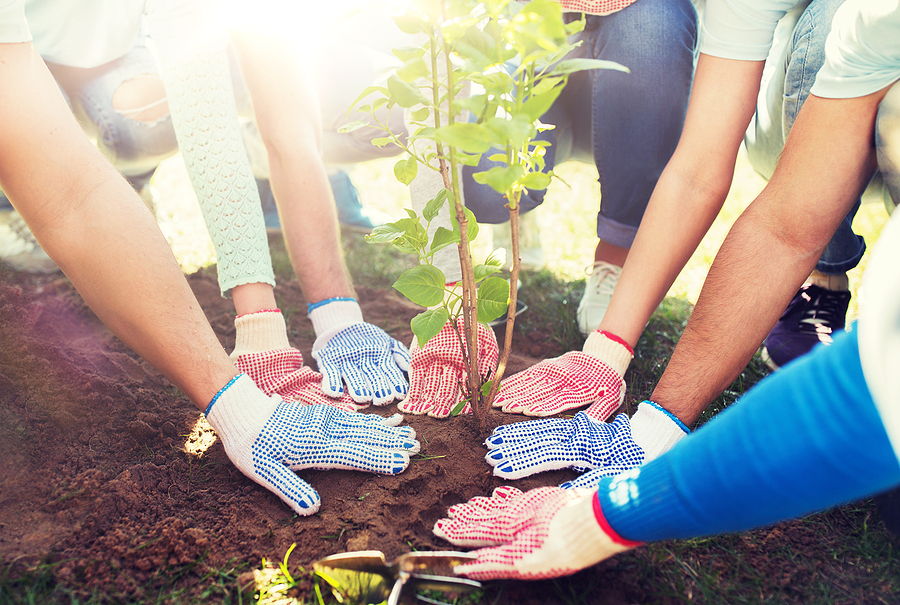
The most common mistake homeowners make is planting a tree too deep. A helpful trick: hold the flat side of a shovel across the top of the hole, then measure your root ball against it to make sure the top of the root ball sits level with, or slightly above, the surrounding soil. The hole itself should be two to three times wider than the root ball, though no deeper than the root ball’s height.
Positioning and Backfilling
Set the tree gently into the hole and step back to check that it’s standing straight from multiple angles before backfilling. Fill in with the original soil, tamping gently to eliminate large air pockets, and avoid compacting it too firmly, which can restrict root growth.
Watering Newly Planted Trees
Give your tree a deep, slow watering immediately after planting to help settle the soil around the roots. This first watering is critical for eliminating any remaining air gaps.
Mulching Best Practices
Apply a two- to three-inch layer of mulch around the base, extending out to the edge of the planting hole. Keep mulch a few inches away from the trunk itself, since piling it directly against the bark can trap moisture and invite rot or pests.
Caring for Your Tree After Planting
Planting is just the beginning. The first year determines whether your tree establishes successfully.
First-Year Watering Schedule
During Indiana’s warmer months, newly planted trees typically need about one to two inches of water per week, either from rainfall or manual watering. Once the first frost arrives, watering can generally stop until the ground thaws again in spring, since fall and winter naturally provide enough moisture without additional help.
Staking and Support for Young Trees
Most trees don’t need staking unless they’re planted in a particularly windy location or have a weak root ball. If staking is necessary, use soft ties that won’t damage the bark, and remove them after the first year once the roots have anchored the tree.
Pruning Guidelines
Hold off on pruning during the first year to let the tree focus its energy on root development. After that, prune during early spring or late fall, when trees are dormant and less susceptible to pests and disease.
Common Pests and Diseases in Indiana Trees
Indiana trees face a handful of regional threats, including the emerald ash borer, which has devastated ash populations across the state. Oak wilt is another concern for oak species, particularly if pruning wounds are exposed during warmer months when the disease spreads most easily. Keeping an eye on your tree’s health—and calling in a professional at the first sign of trouble—can make all the difference in catching problems early.
Seasonal Considerations for Indiana Tree Planting
Why Spring Planting Works
Spring planting takes advantage of naturally moist soil and mild temperatures, giving roots several months to establish before the summer heat sets in.
Why Fall Planting Often Performs Better
Fall is frequently considered the superior planting season in Indiana. Cooler air temperatures reduce stress on the tree above ground, while warm soil continues to encourage root growth well into November. Trees planted in fall also benefit from consistent rainfall and largely skip the higher watering demands of summer.
Protecting Young Trees Through Winter
Wrapping the trunk of young or thin-barked trees can help prevent sunscald and frost cracking during Indiana’s cold winters. A generous layer of mulch also insulates roots against sudden temperature swings.
FAQs About Planting Trees in Indiana
What is the best time of year to plant a tree in Indiana?
Both spring and fall work well, but many experts favor fall since it allows roots to establish in cooler, wetter conditions before winter dormancy.
How deep should I plant a tree in Indiana’s clay soil?
The top of the root ball should sit level with or slightly above the surrounding soil. Planting too deep is the most common mistake and can suffocate the roots over time.
Do I need to fertilize a newly planted tree?
Generally, no. Newly planted trees benefit more from consistent watering and proper mulching than from fertilizer, which can sometimes stress developing roots.
How often should I water a new tree in its first year?
Aim for one to two inches of water per week during the growing season, tapering off once temperatures drop and the ground begins to freeze.
Growing a Legacy, One Tree at a Time
A well-placed, well-cared-for tree can transform a property for generations, offering shade, beauty, and a lasting connection to Indiana’s natural landscape. With the right species, proper planting technique, and consistent care through that critical first year, your new tree has everything it needs to thrive.
If you’d like expert guidance on selecting, planting, or maintaining trees on your property, the team at Complete Tree Care is here to help. Serving Indianapolis and the surrounding communities since 1978, we bring decades of local experience to every job. Call 317-783-2518 today to schedule a free consultation and give your new tree the best possible start.
Related Posts:
Midwest Tree Planting: A Hardiness Zone Guide
DIY Tree Planting Tips for Every Aspiring Gardener
The Incredible Benefits of Planting Trees in Your Yard