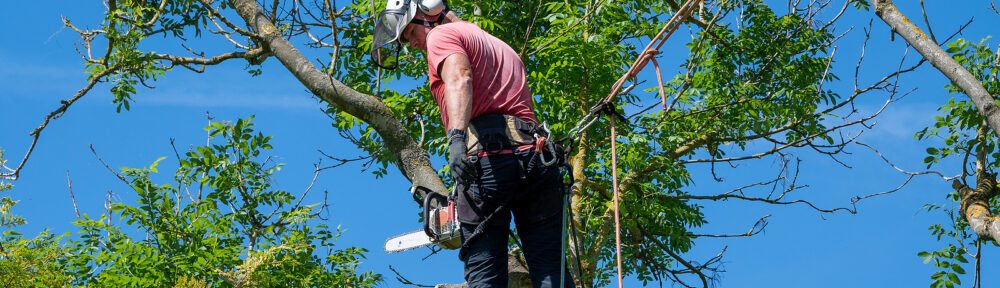
Removing a tree often feels like the end of a project, but the leftover stump can quickly become a new headache. While a tree removal service takes down the canopy and trunk, the stump—and its extensive root system—remains firmly planted in your yard. Ignoring it might seem harmless at first, but an old stump can lead to pest infestations, safety hazards, and landscaping challenges down the road.
Beyond being an eyesore, a decaying stump is an invitation for trouble. Wood-boring insects, tripping hazards, and restricted planting options are just a few of the complications homeowners face when they leave a stump behind. Taking proactive steps to grind or remove the stump ensures your property remains safe, functional, and visually appealing.
If you’re debating whether to grind that stump or let nature take its course, understanding the long-term impact is essential. This guide explores why professional stump grinding is a smart investment for your property’s health and value.
TL;DR and Key Takeaways
Too Long; Didn’t Read? Here is the summary:
- Safety First: Stumps are major tripping hazards and can damage lawn mowers.
- Pest Prevention: Decaying wood attracts termites, carpenter ants, and beetles.
- Replanting Potential: Grinding allows you to reclaim the space for new plants or turf.
- Aesthetics: Removing stumps instantly improves curb appeal and property value.
Table of Contents
- What is Stump Grinding vs. Removal?
- Is an Old Tree Stump Dangerous?
- Do Tree Stumps Attract Termites?
- Can I Replant in the Same Spot?
- Frequently Asked Questions
- Quick Recap
- Professional Stump Removal in Indy
What is Stump Grinding vs. Removal?
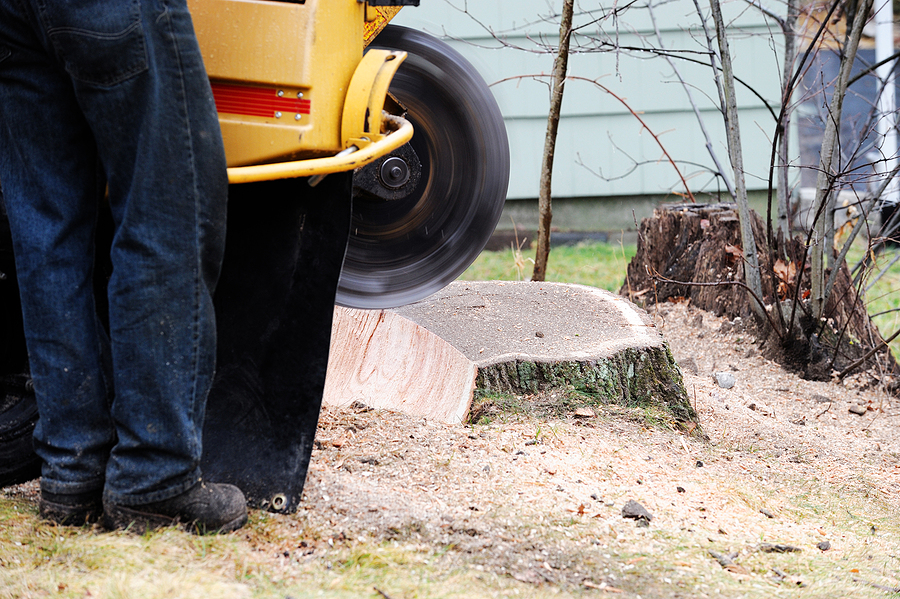
Stump grinding shaves the stump down below soil level, while removal extracts the entire root ball.
Stump grinding is generally the most efficient and cost-effective method for homeowners. A professional grinder uses a rotating cutting disk to chip away the wood, turning the stump into mulch. According to forestry experts, standard grinding typically goes 6 to 12 inches below the ground. This depth is sufficient to cover the area with soil and sod, making the stump invisible. The remaining roots are left underground to decay naturally over time.
Stump removal is a more intensive process that involves digging out the entire stump and its root ball. This method requires heavy machinery, like an excavator, and leaves a large hole that must be filled. While it eliminates the possibility of regrowth entirely, it is significantly more disruptive to your landscape and often more expensive than grinding. For most residential properties, grinding strikes the best balance between effectiveness and minimal impact.
| Aspect | Stump Grinding | Stump Removal |
|---|---|---|
| Process | Grinds the stump down to below ground level, leaving the roots in place. | Completely removes the stump and root ball from the ground. |
| Equipment Needed | Stump grinder (specialized machinery). | Excavator or heavy equipment for digging. |
| Landscape Impact | Minimal disruption to the surrounding area. | Significant disruption; leaves a large hole. |
| Time Required | Faster process, typically done in a few hours. | More time-intensive, especially for larger stumps. |
| Cost | Generally more affordable. | Usually more expensive due to labor and equipment involved. |
| Environmental Impact | Roots remain and decay naturally over time. | Complete removal, but may disturb soil and nearby vegetation. |
| Regrowth Potential | Minimal, though certain tree types may sprout from remaining roots. | None, as all roots and the stump are eliminated. |
This comparison chart highlights the key differences between stump grinding and stump removal to help you make an informed decision based on your property’s specific needs and preferences.
Why is Professional Service Important?
Stump grinding and stump removal are both effective methods for getting rid of unwanted tree stumps on your property. However, the process can be dangerous and time-consuming, making professional service a crucial aspect to consider.
As experts in tree service, professional stump grinding and removal services have the necessary knowledge, skills, and equipment to safely and efficiently remove stumps from your property. They have the expertise to assess the best method for your specific situation based on factors such as stump size, location, surrounding vegetation, and soil conditions.
Safety should always be a top priority when dealing with trees. Attempting to remove or grind a stump yourself can result in serious injuries or damage to your property if not done correctly. Professionals are trained to handle hazardous situations and have the proper safety gear to protect themselves and your property.
In addition, stump grinding and removal can be a labor-intensive and time-consuming task for someone without the proper tools or experience. By hiring professionals, you can save yourself the hassle and potential frustration of attempting to do it on your own.
Is an Old Tree Stump Dangerous?
Yes, old tree stumps pose significant safety risks to people and equipment.
A stump hidden by tall grass or weeds is a prime candidate for causing trips and falls. Children playing in the yard, guests navigating your lawn, or even you while doing yard work can easily stumble over a low-cut stump. The liability of someone getting injured on your property is a serious concern that removal can eliminate.
Furthermore, stumps are notorious for damaging lawn care equipment. Striking a solid wood stump with a lawn mower can bend the blades, damage the deck, or ruin the crankshaft—repairs that often cost as much as the stump removal itself. Over time, as the stump begins to rot, it can also create soft spots or sinkholes in the lawn, adding another layer of risk to walking or mowing across the area.
Do Tree Stumps Attract Termites?
Yes, decaying stumps are a magnet for wood-boring insects like termites and carpenter ants.
Dead wood in contact with the soil creates the perfect environment for tree pests. As a stump begins to decompose, it softens and retains moisture, becoming an ideal food source and nesting site. University extension services warn that subterranean termites feed on old roots and stumps. Once a colony establishes itself in a stump near your home, there is a risk they may forage toward your house’s foundation.
Carpenter ants also favor moist, decaying wood for excavating their nests. While they don’t eat the wood like termites, they hollow it out to create galleries. Eliminating the stump removes this potential beachhead for pests, helping to protect the structural integrity of your home and other wooden structures on your property.
Can I Replant in the Same Spot?
Yes, but it requires proper preparation and soil management.
One of the main benefits of stump grinding is reclaiming your yard space. However, simply grinding the stump isn’t always enough if you plan to plant a new tree in the exact same location. The sawdust and wood chips left behind have a high carbon-to-nitrogen ratio. As they decompose, they can temporarily tie up nitrogen in the soil, which new plants need to thrive.
To replant successfully, you should remove the bulk of the grindings and replace them with quality topsoil. If you are planting a new tree, ensure the grinding was deep enough to remove the major root flare. Sometimes, it is easier to plant the tree a few feet away from the old location to avoid the remaining underground root system. For grass or small shrubs, a standard grind depth of 6-12 inches filled with good soil is usually sufficient for healthy growth.
Frequently Asked Questions
How much does stump grinding cost?
Costs vary based on the stump’s diameter and location. On average, homeowners pay between $150 and $450, or roughly $2 to $5 per inch of diameter.
Do I need to call 811 before grinding?
Absolutely. Underground utilities can be shallow. In Indiana, for example, the law requires you to contact 811 at least two full working days before any digging project to have lines marked.
How long does the process take?
Most residential stumps can be ground out in 30 minutes to two hours, depending on the size of the stump and the density of the wood (hardwoods take longer than softwoods).
What happens to the wood chips?
You can use the wood chips as mulch for other garden beds, or the service provider can haul them away for an additional fee.
Quick Recap:
- Eliminates Hazards: Removes tripping risks and protects lawn equipment.
- Deters Pests: Removing decaying wood reduces the risk of termite and ant infestations.
- Improves Aesthetics: Instantly cleans up the look of your landscape.
- Reclaims Space: Allows for new planting or turf in previously unusable areas.
- Cost-Effective: Grinding is generally cheaper and less invasive than full excavation.
Book Professional Stump Removal
Don’t let an old stump dictate how you use your yard. Whether you need to clear space for a new project or simply want a safer, better-looking lawn, professional assistance ensures the job is done right.
If you are looking for reliable professional stump removal and lot clearing services in Indianapolis, look no further. Contact us today to schedule your consultation and reclaim your property.
Related Post: DIY Stump Removal Dangers: What You Need to Know