TL;DR: Heavy snow can damage or break trees. Preventative care and timely removal by professionals can help.
Key Takeaways:
- Snow accumulation can cause significant damage to trees.
- Different tree types react differently to snow load.
- Preventative measures and professional care are crucial.
Table of Contents:
- Introduction
- Why Does Snow Damage Trees?
- Which Trees Are Most at Risk?
- How Can You Protect Your Trees?
- When to Call a Professional?
- FAQs
- Quick Recap
- Conclusion
A fresh blanket of snow can transform a familiar yard into a sparkling winter wonderland. It’s a peaceful, picturesque scene that many of us look forward to every year. However, that same serene snowfall carries a hidden threat that can wreak havoc on your landscape. While it looks light and fluffy as it falls, accumulated snow is incredibly heavy, and that weight can be devastating for your trees.
For homeowners who take pride in their landscaping, waking up to bent trunks and snapped branches is a heartbreaking experience. The damage isn’t just aesthetic; a compromised tree can pose serious safety risks to your property and family. Understanding the physics of snow load and how your trees react to it is the first step in preventing winter catastrophes.
Fortunately, most winter tree damage is preventable with the right knowledge and a bit of preparation. By learning which trees are most vulnerable and how to safely manage heavy accumulation, you can ensure your landscape survives the cold season intact. In this guide, we will walk you through everything you need to know about snow load, from identifying risks to knowing when it’s time to call in the experts.
Why Does Snow Damage Trees?
It is easy to underestimate just how heavy snow can be. While a single snowflake is virtually weightless, millions of them packed together on a branch create a significant burden. Wet, heavy spring snow is particularly dangerous because it has a high water content, making it much denser than the dry, powdery snow we see in mid-winter.
When this heavy snow accumulates, it places immense stress on a tree’s structure. Wood, which is flexible and strong during the growing season, often becomes brittle in freezing temperatures. This combination of increased weight and decreased flexibility creates a “perfect storm” for structural failure.
The damage usually occurs in two ways: bending and breaking. Flexible trees, particularly young ones or certain species like birches, may bend under the weight until they touch the ground. While they often recover, severe bending can cause internal cracks in the trunk. more rigid trees, or those with structural defects, are likely to snap. This often happens at the “crotch” of the tree—the point where a branch joins the trunk—causing large limbs to tear away, leaving the tree open to disease and decay.
Which Trees Are Most at Risk?
Not all trees handle winter weather equally. Factors such as the tree’s shape, wood strength, and foliage type play a massive role in how well it withstands snow load.
Evergreens vs. Deciduous Trees
Evergreens are generally more susceptible to snow damage than deciduous trees. Because deciduous trees shed their leaves in the fall, they offer less surface area for snow to accumulate. Snow tends to fall through their bare branches.
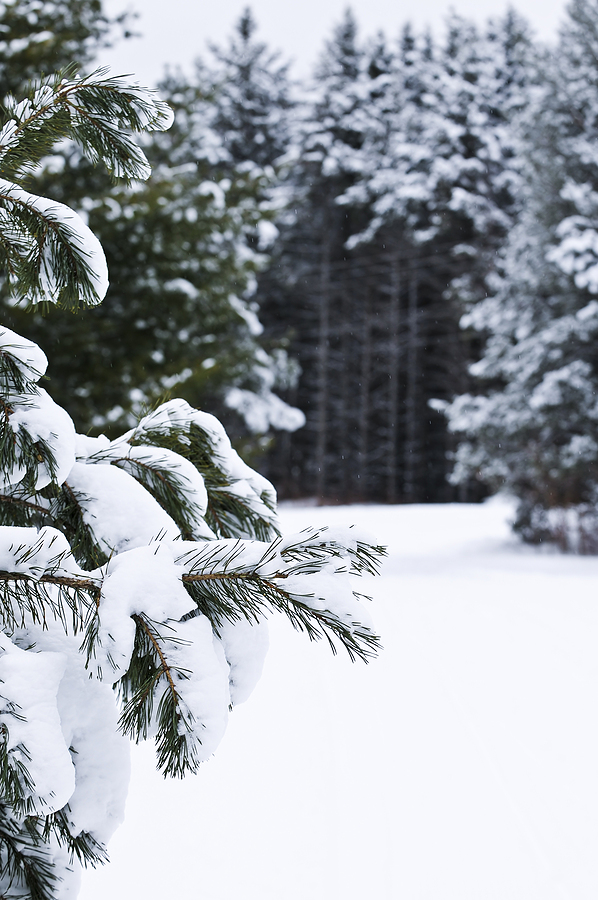
In contrast, evergreens—both needle-bearing (like pines and spruces) and broadleaf (like magnolias)—act like shelves. Their foliage catches and holds the snow, rapidly accumulating weight. A dense arborvitae or juniper can trap huge amounts of snow, which can cause the plant to splay open or split down the middle.
Tree Architecture and Age
The structure of the tree matters just as much as the species. Trees with multiple trunks or stems originating from a single point (often called co-dominant stems) are at high risk. As snow collects, the weight pulls the stems in opposite directions, potentially causing the tree to split apart.
Fast-growing trees often have softer, weaker wood that is prone to breakage. Conversely, slow-growing hardwoods like oaks generally have the structural integrity to hold more weight, though they are not immune. Young, newly planted trees are also vulnerable simply because they haven’t yet developed the caliper (trunk thickness) to support heavy loads.
How Can You Protect Your Trees?
Protecting your trees requires a mix of proactive maintenance before the snow flies and careful action during the storm.
Proactive Measures
The best defense is a good offense. Proper pruning is essential. By removing weak, dead, or crossing branches before winter arrives, you eliminate the parts of the tree most likely to fail. A professional tree company can identify structural defects, such as V-shaped crotches, and install cables or braces to provide extra support against the elements.
For tall, narrow evergreens like arborvitae, you can prevent them from splaying open by loosely wrapping the branches together with burlap strips or twine. This simple step helps the tree maintain its shape under the weight of snow.
Safe Snow Removal
If you wake up to trees covered in snow, your instinct might be to rush out and shake them. Do not do this. Shaking a tree when the wood is frozen and brittle can cause branches to snap that otherwise would have survived. Furthermore, shaking can cause the heavy snow load to release unevenly, causing a “whiplash” effect that damages the tree.
Instead, follow these guidelines:
- Wait for the melt: In many cases, the safest thing to do is let nature take its course. As temperatures rise, the snow will melt or slide off on its own.
- Gentle brushing: If you are concerned about a specific branch and the snow is fresh and fluffy, you can gently brush it off. Use a soft broom and sweep in an upward motion. Sweeping downward puts more pressure on the branch and increases the risk of breaking.
- Leave the ice alone: If your trees are coated in ice from freezing rain, do not try to remove it. You cannot break the ice without breaking the tree. Tissues inside the branches may be frozen, and hitting them can cause irreparable damage to the plant’s vascular system.
When to Call a Professional?
While minor maintenance can be handled by a homeowner, there are specific situations where you should immediately stop what you are doing and call a professional arborist.
1. Power Lines are Involved
If a snow-laden branch is touching a power line, or if a tree has fallen onto a line, stay away. This is a life-threatening hazard. Contact your utility company immediately. Do not attempt to prune or remove the tree yourself.
2. Large, Broken Limbs
If a large limb has snapped but is still hanging in the tree (often called a “widowmaker”), it poses a significant danger to anyone walking underneath. These limbs can fall without warning. A professional tree service has the equipment to safely lower these branches without causing further damage to the tree or property.
3. The Tree is Leaning
If a tree is leaning significantly after a storm, it may have root failure. This is especially common with wet, heavy snow accompanied by wind. A leaning tree is unstable and unpredictable.
4. Overhead Chainsaw Work
If the work requires you to use a ladder or hold a chainsaw above your head, it is a job for a pro. The combination of slippery, icy conditions and dangerous power tools is a recipe for serious injury.
FAQs
Should I stake my young trees for winter?
Yes, young trees often benefit from staking in their first few winters to prevent them from bending under snow load. However, ensure the stakes allow for some movement to help the trunk strengthen over time.
Can I prune my trees in the middle of winter?
Actually, winter is often the best time to prune many deciduous trees. Because they are dormant, pruning causes less stress, and without leaves, it is easier to see the tree’s structure.
Will a bent tree straighten up on its own?
Often, yes. Be patient. Trees have an amazing ability to correct themselves once the weight is removed and the sap starts flowing in the spring. If it hasn’t straightened by late spring, contact an arborist for an assessment.
Quick Recap:
- Weight Matters: Accumulated snow creates massive stress on tree branches, especially when wet.
- Know Your Risks: Evergreens and multi-stemmed trees are most vulnerable to splitting and splaying.
- Be Gentle: Never shake a frozen tree. If you must remove snow, brush gently upward with a soft broom.
- Safety First: Never attempt to clear trees near power lines or perform dangerous overhead work on icy surfaces.
Conclusion
Our trees are resilient living things, but even the mightiest oak needs a little help when faced with the crushing weight of winter. By understanding how snow load affects your landscape and taking proactive steps to prepare, you can minimize damage and ensure your trees thrive for years to come. Remember, patience is key—rushing to “fix” a snow-covered tree often does more harm than good.
However, when the damage is done or the job is too dangerous, you don’t have to face it alone. If you have hazardous limbs, leaning trunks, or just need a professional assessment after a heavy storm, we are here to help.
For reliable and professional tree removal services in Indianapolis, get in touch with us today. Whether you’re dealing with a hazardous tree, storm damage, or simply need to clear space, our team is here to help with safe and efficient solutions.
Related Post: Will the Snow Kill My Tree?