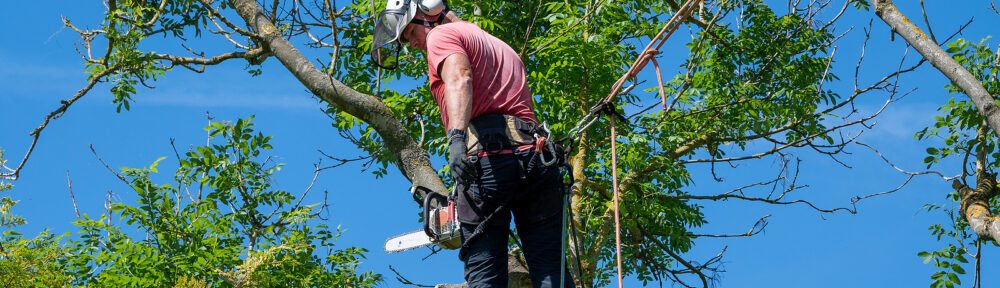
Trees add immense value to our homes, providing shade, beauty, and a connection to nature. However, as trees mature, their structural integrity can sometimes be compromised by split crotches, heavy limbs, or storm damage. When this happens, removal isn’t your only option.
Structural support systems, known as cabling and bracing, can extend the life of your favorite trees and keep your property safe. This guide explores how these systems work, when they are necessary, and why professional installation is critical for long-term success.
TL;DR & Key Takeaways:
Preservation over removal: Cabling and bracing allow you to save valuable trees that have structural defects.
- Two different tools: Cabling restricts distance of movement between branches; bracing provides rigid support to twisting trunks or crotches.
- Professional assessment is key: Not every tree is a candidate; an arborist must determine if the tree has enough sound wood to hold the hardware.
- Maintenance is mandatory: These systems are not “set and forget.” They require regular inspections to ensure safety.
Table of Contents:
- Understanding Cabling and Bracing Basics
- Determining if Your Tree Needs Structural Support
- Different Types of Tree Support Systems
- The Benefits of Professional Tree Maintenance
- Frequently Asked Questions About Tree Bracing
- Quick Recap
- Professional Tree Service in Indy
Understanding Cabling and Bracing Basics
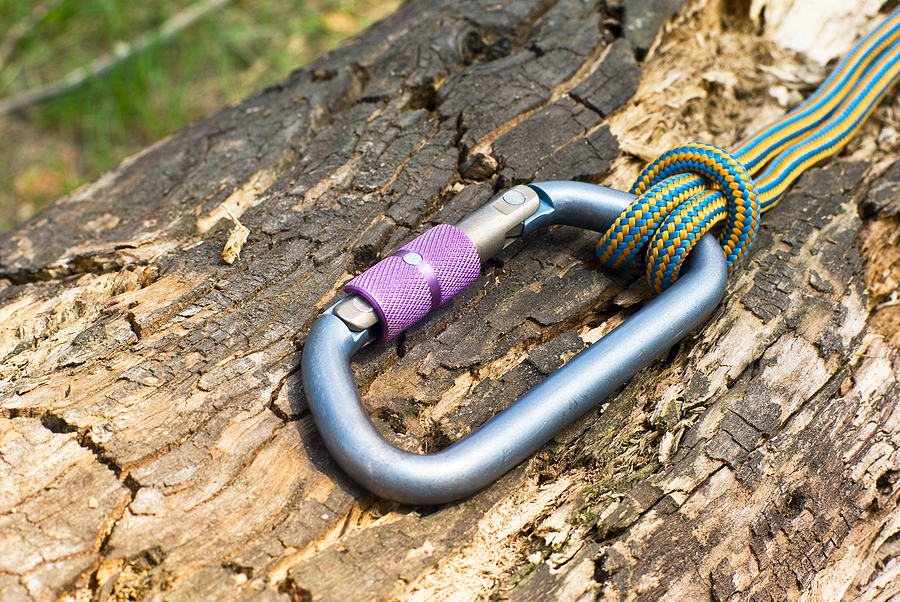
Cabling and bracing are supplemental support systems designed to limit the movement of tree branches and leaders, reducing the risk of structural failure. While they often go hand-in-hand, they serve different functions. Cabling involves installing flexible steel cables or synthetic ropes between branches high in the canopy. This limits how far branches can move during high winds, reducing the strain on weak unions.
Bracing, on the other hand, uses rigid steel rods installed directly through the trunk or branch unions. This provides sturdy support to prevent twisting or splitting, particularly in trees with “included bark” or existing cracks. According to ANSI A300 standards, these systems are meant to supplement the tree’s structure, not replace it entirely.
Determining if Your Tree Needs Structural Support
You should consider structural support if your tree has codominant stems, visible cracks in the crotch, or heavy, overextended limbs that threaten safety. Trees with “codominant stems” (two trunks growing from the same point) are prone to splitting. If you see a V-shaped union rather than a strong U-shape, the tree may be weak.
Other signs include:
- Long, heavy horizontal limbs: These can break under their own weight or from snow and ice load.
- Split crotches: Visible cracks where branches meet the trunk are immediate red flags.
- Proximity to targets: If a weak branch hangs over your roof, driveway, or patio, the risk is higher.
A professional tree service will also check if the tree is healthy enough to handle the hardware. If a tree has extensive decay (less than 30% sound wood), cabling may not be safe, and removal might be the better option.
Different Types of Tree Support Systems
Support systems fall into three main categories: static cabling, dynamic cabling, and rigid bracing rods, each suited for specific structural defects.
- Static Cabling: This uses steel cables to provide rigid support. It is typically used for trees with cracks or defects that should not move at all. The goal is to keep the compromised parts stationary to prevent failure.
- Dynamic Cabling: These systems use synthetic ropes that allow for some natural movement. This encourages the tree to build “reaction wood” to strengthen itself over time. It is often used for trees that are structurally sound but need extra insurance against severe weather.
- Bracing Rods: These are threaded steel rods drilled through a weak union. They are often paired with cabling. The rod prevents the crotch from splitting open, while the cable high above reduces the leverage and sway that causes the split in the first place.
The Benefits of Professional Tree Maintenance
Professional maintenance ensures that support systems are installed correctly according to safety standards and are inspected regularly to prevent failure. Installing these systems is not a DIY project. It requires precise calculations regarding the angles of the cable, the size of the hardware, and the health of the wood. Improper installation can actually damage the tree further or create a false sense of security.
Furthermore, trees grow. A cable installed today will be tighter in three years. Professional tree care contractors provide the necessary follow-up tree inspections—typically every few years or after major storms—to adjust the tension and check for hardware corrosion. This proactive care ensures your investment lasts and your property remains secure.
Frequently Asked Questions About Tree Bracing
Does cabling and bracing hurt the tree?
The installation requires drilling into the wood, which does cause a small wound. However, trees are excellent at compartmentalizing (sealing off) these wounds. The structural benefit of preventing a massive split far outweighs the minor stress of installation.
How long do these systems last?
Most steel cabling systems act effectively for 7 to 10 years, depending on the tree’s growth rate and local weather conditions. Dynamic synthetic systems may have different lifespans. Regular inspections determine when hardware needs replacement.
Can I cable a tree myself?
No. This work involves working at heights and understanding complex biological and physical loads. Incorrectly placed cables can cause the tree to snap at the attachment point. Always hire a certified arborist.
How does tree cabling differ from tree staking?
Tree cabling and tree staking are both methods used to provide support and stability to young or weak trees. However, they differ in their approach and purpose. Tree staking involves driving a stake into the ground next to the tree and tying it with a flexible material such as rope or rubber bands. This helps keep the young tree upright until its roots are strong enough to support it on its own. Tree staking is typically done for newly planted trees or those that have been transplanted.
Quick Recap:
- Safety First: Structural support reduces the risk of limbs falling on people or property.
- Preserve Value: Mature trees add property value; bracing them is often cheaper than removal and replacement.
- Right System: Choose between static steel or dynamic rope based on the tree’s specific needs.
- Ongoing Care: Schedule regular inspections to adjust hardware as the tree grows.
Conclusion
Tree cabling and bracing are essential techniques designed to support and preserve the structural integrity of mature or weakened trees. These methods help reinforce trees that may be at risk of splitting or breaking due to heavy branches, storms, or natural aging. By using the proper system tailored to the tree’s specific needs, combined with regular inspections and ongoing care, you can ensure that your trees remain healthy and stable for many years.
It’s vital to prioritize safety throughout the process, as improper installation can do more harm than good. Always hire a certified tree service with the expertise to assess your tree’s condition and implement the most effective cabling or bracing solution.
If you are worried about a splitting trunk or a heavy limb over your home, don’t wait for the next storm to test its strength. Our professional tree care contractors in Indianapolis specialize in evaluating and securing vulnerable trees. Contact us today to schedule a structural risk assessment and give your trees the support they need.
Related Post: The Do’s and Don’ts of Tree Cable Installation