A dying tree rarely falls without warning. Long before a limb crashes onto your roof or a trunk topples across the driveway, the tree has been sending signals: soft bark, strange fungal growth, a lean that wasn’t there last season. Learning to read those signals can mean the difference between a routine removal and a costly emergency.
Rotting trees pose more than an eyesore. They threaten your home, your family, and the health of every other tree on your property. While some early-stage decay can be treated, many cases call for professional removal before the tree becomes a liability.
This guide walks through the warning signs of a rotting tree, the risks it poses, what professional removal involves, and how to decide whether a tree can be saved or should come down.
Signs Your Tree Is Rotting
Catching decay early gives you more options. Here’s what to look for.
Soft, Decaying Wood and Bark Damage
Healthy trees have firm, intact bark and solid wood underneath. If you notice bark peeling away in large sections, crumbling wood, or soft spots you can press your finger into, the tree is likely rotting from the inside out.
Fungal Growth and Discoloration
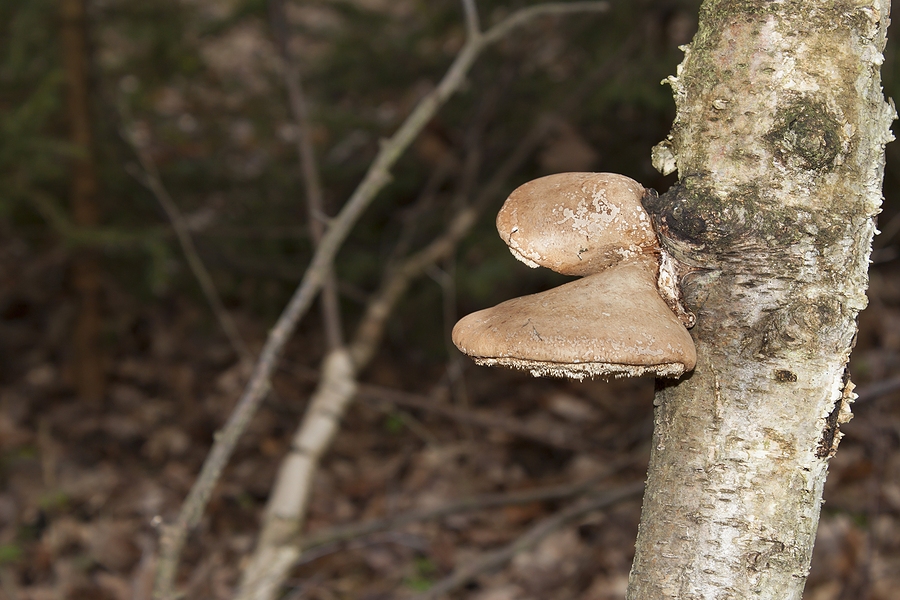
Mushrooms, shelf-like fungal conks, or discolored patches growing at the base or along the trunk are strong indicators of internal decay. By the time fungus is visible on the outside, significant rot has often already taken hold inside the tree.
Leaning or Structural Instability
A tree that suddenly develops a noticeable lean, or one that seems to lean more each season, may have compromised roots or a weakened trunk. This is one of the clearest signs that a tree could fail without warning.
Dead Branches and Reduced Foliage
Hanging, broken, or leafless branches—especially when concentrated on one side of the tree—often point to internal rot cutting off nutrients and water. Sparse canopy growth compared to previous years is another red flag.
Health and Safety Risks of Rotting Trees
Ignoring a decaying tree doesn’t just risk its own survival. It creates a chain of hazards for everything around it.
Falling Limbs and Potential Property Damage
Rotting wood loses structural strength, making limbs prone to snapping in wind, storms, or even on a calm day. A falling branch can damage roofing, siding, fencing, or anything else in its path.
Risk to Nearby Structures and Vehicles
Trees situated near homes, garages, driveways, or parked cars carry an elevated risk. A large limb—or the entire tree—coming down near a structure can cause expensive damage and, in worst cases, injury.
Disease Spread to Surrounding Trees
Fungal infections and rot-causing pathogens don’t always stay contained to a single tree. Decay can spread through root systems or airborne spores, putting nearby healthy trees at risk.
Pest Infestation Concerns
Decaying wood is an inviting habitat for termites, carpenter ants, and other wood-boring insects. Once established, these pests can spread to healthy trees, decks, fences, and even your home’s structure.
The Professional Tree Removal Process
Removing a large, decaying tree is not a task for guesswork. It requires training, specialized equipment, and careful planning to protect people and property.
Assessment and Safety Planning by Certified Arborists
A certified arborist begins by evaluating the tree’s condition, lean, surrounding obstacles, and overall risk level. This assessment shapes the entire removal plan, including which direction the tree should be felled and what safety precautions are needed.
Equipment and Techniques Used for Safe Removal
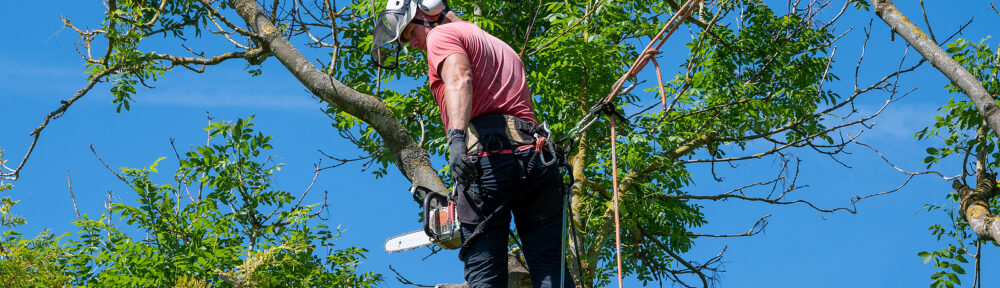
Professional tree removal services use rigging systems, cranes, and section-by-section cutting techniques to bring down trees in tight or high-risk spaces. These methods allow large trees to be removed safely, even when space is limited or structures are nearby.
Site Cleanup and Debris Management
Once the tree is down, crews typically handle limb chipping, log removal, and general site cleanup, leaving your property clear of debris.
Stump Removal Options
Many tree removal companies also offer stump grinding or full stump removal as an add-on. This step eliminates tripping hazards, regrowth risk, and the eyesore of a leftover stump.
Cost Factors for Tree Removal
Tree removal pricing varies significantly based on several factors, and national data gives a useful baseline for what to expect.
According to Angi’s 2026 cost data, the national average for tree removal is around $750, with most homeowners paying between $200 and $2,000 depending on the tree’s height, trunk size, and other variables. Thumbtack’s 2026 figures show a similar range, with national averages between $592 and $1,693—though smaller jobs can run as low as $277, and complex removals can exceed $2,267 or even reach $3,663 in some cases.
Tree Size, Location, and Accessibility
Taller trees with thicker trunks require more labor, time, and equipment. A tree positioned near power lines, fences, or buildings adds complexity and often raises the price.
Complexity of the Removal Process
Trees that must be removed in sections due to tight surroundings, or those requiring crane assistance, typically cost more than straightforward removals in open spaces.
Local Market Rates and Additional Services
Pricing varies by region and provider. Add-on services like stump grinding, debris hauling, or emergency removal can increase the total cost beyond the base tree removal fee.
Insurance and Liability Considerations
Always hire a licensed, insured tree removal company. This protects you from liability if an accident occurs during the job. Homeowner insurance policies can vary in how they handle tree-related damage, so it’s worth checking with your insurer about your specific coverage before an issue arises.
When to Remove vs. When to Save
Not every tree showing signs of stress needs to come down. The right decision depends on how far the decay has progressed.
Evaluating Tree Health and Salvageability
Trees with minor surface damage, isolated dead branches, or early fungal growth may still be structurally sound. An arborist can assess how much of the tree’s internal wood remains healthy and whether the root system is stable.
Treatment Options for Early-Stage Rot
In some cases, pruning away affected limbs, improving soil drainage, or addressing fungal infections can slow or halt decay. These interventions work best when caught early, before rot reaches the trunk’s core or major support roots.
Environmental and Aesthetic Considerations
Mature trees provide shade, support local wildlife, and add value to a property. Weigh these benefits against the ongoing risk a decaying tree presents. If the structural integrity is seriously compromised, removal is usually the safer long-term choice, even when it means losing an established tree.
Rotting Tree Removal FAQ
How much does tree removal cost?
Nationally, tree removal typically costs between $200 and $2,000, with an average around $750 to $1,700 depending on the source. Larger trees, difficult access, or added services like stump grinding can push costs higher.
Can a rotting tree be saved?
It depends on the extent of the decay. Trees with minor, isolated damage may respond well to pruning and treatment. Once rot has spread into the trunk’s core or major roots, removal is usually the safer option.
Is tree removal dangerous to do yourself?
Yes. Removing a rotting tree involves serious risks, including falling limbs, unpredictable trunk failure, and the need for specialized rigging equipment. This work should always be left to licensed, insured tree removal professionals.
How long does professional removal take?
Most residential tree removals take a few hours to a full day, depending on the tree’s size, condition, and location relative to structures or power lines. Larger or more complex jobs may take longer.
Protect Your Property Before It’s Too Late
A rotting tree rarely improves on its own, and waiting too long can turn a manageable problem into a costly emergency. If you’ve spotted fungal growth, a new lean, or dead limbs on a tree near your home, it’s worth getting a professional opinion before the situation worsens.
Complete Tree Care in Indianapolis, Indiana offers expert assessments and professional tree removal services to help keep your property safe. Reach out to schedule an evaluation and get a clear plan for your tree’s health and removal needs.
Related Posts:
Is Your Tree Sick? Signs of Root Rot and Fungal Disease
Dead Tree Removal: Safety Tips for Indianapolis Property Owners
Does Homeowners Insurance Cover Diseased Tree Removal?