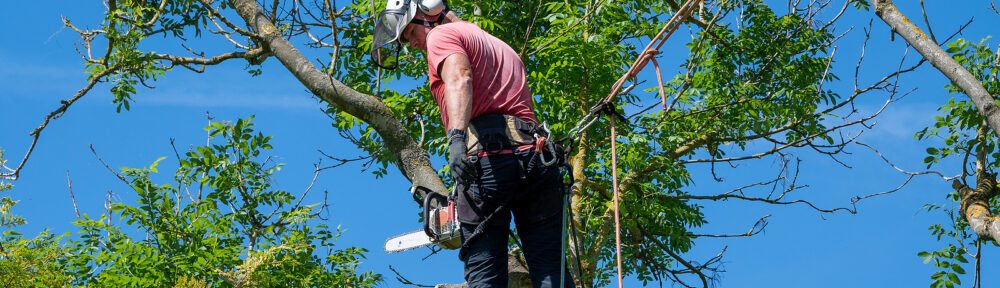
Dead trees are more than an eyesore. They can create serious safety hazards, lower property value, attract pests, and increase the risk of costly property damage. Whether a dead tree is near your home, driveway, business, fence, power lines, or outdoor living space, it should be inspected and addressed before it becomes an emergency.
For homeowners and property managers in Indianapolis, timely dead tree removal can protect people, buildings, vehicles, and the long-term health of the surrounding landscape. This guide explains how to identify a dead tree, why removal matters, what the process involves, and when to call a professional tree service.
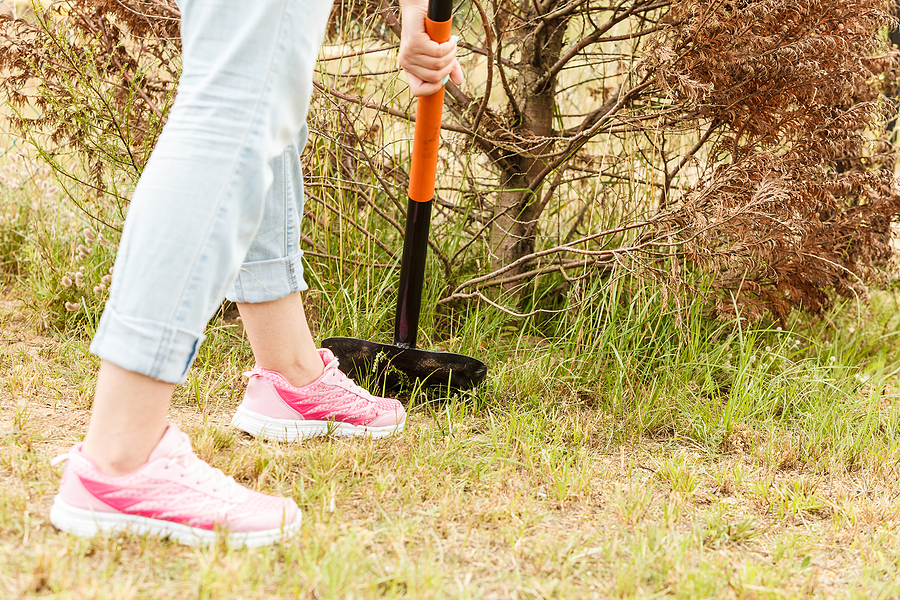
Signs Your Tree Needs Removal
A tree may decline slowly over several years or die suddenly after disease, storm damage, drought, root problems, or pest activity. Catching the warning signs early can help you avoid dangerous situations.
Visual Cues of a Declining Tree
One of the most obvious signs of a dead or dying tree is a lack of healthy leaves during the growing season. If the tree has bare branches, brittle limbs, peeling bark, or large sections with no new growth, it may be in serious decline.
Other warning signs include:
- Dead branches throughout the canopy
- Fungal growth near the base
- Deep cracks in the trunk
- Missing bark
- Leaning or shifting
- Sparse leaf coverage
- Discolored or wilted leaves
- Large cavities or hollow areas
A tree does not always need removal just because one branch is dead. However, widespread decline should be inspected by a professional.
Assessing Trunk and Branch Health
The trunk and main branches can reveal a lot about a tree’s condition. A healthy tree should have firm bark, strong limbs, and stable structure. If branches snap easily, the trunk feels hollow, or sections of bark fall away, the tree may no longer have the strength to remain standing safely. Large dead limbs can fall without warning, especially during high winds, heavy rain, ice, or snow.
Diseases and Pests That Kill Trees
Tree decline can be caused by disease, insects, environmental stress, or a combination of issues. In many cases, a struggling tree becomes more vulnerable to pests and decay.
Common Tree Diseases in Indiana
Indiana trees can be affected by fungal infections, root rot, canker diseases, oak wilt, Dutch elm disease, and other problems that weaken the tree over time. These conditions may affect leaves, branches, bark, roots, or the tree’s internal structure.
Signs of disease may include leaf spots, early leaf drop, dead branches, oozing wounds, fungal growth, and thinning canopies. If disease is suspected, quick action can help protect nearby trees.
Insect Infestations and Their Impact
Insects can severely damage trees by boring into the trunk, feeding on leaves, or disrupting the flow of nutrients. Some pests weaken trees gradually, while others can cause major decline in a short period of time. Common signs of insect activity include small holes in the bark, sawdust-like material near the trunk, tunnels beneath bark, dying branches, and increased woodpecker activity.
If a dead tree is infested, tree removal may help reduce the risk of pests spreading to healthy trees nearby.
Safety Hazards of Dead Trees
Dead trees are unpredictable. Once a tree loses structural strength, it can become a serious hazard for people and property.
Falling Branches and Whole Trees
Dead branches can break and fall with little warning. A dead tree may also fail at the trunk or roots, causing the entire tree to come down.
Weather can make the risk worse. Wind, thunderstorms, heavy snow, and ice can place extra stress on already weakened wood.
Risk to Homes, Vehicles, and People
A dead tree near a home, garage, driveway, parking lot, sidewalk, playground, or business entrance should be treated as a priority. Falling limbs or trees can damage roofs, siding, gutters, fences, vehicles, sheds, and outdoor equipment.
More importantly, dead trees can create serious injury risks for family members, neighbors, customers, tenants, pets, and visitors.
Property Damage and Financial Concerns
Leaving a dead tree in place can become expensive. What starts as a manageable tree removal project can turn into emergency cleanup, structural repairs, and potential liability issues.
Structural Damage to Buildings
Large dead trees can cause major damage if they fall onto a roof, porch, deck, garage, or commercial building. Even smaller limbs can damage shingles, break windows, dent vehicles, or destroy landscaping.
Dead roots may also affect soil stability, especially if the tree is close to hardscaping, retaining walls, or drainage areas.
Insurance Concerns and Liability
Insurance coverage can vary depending on the situation, the cause of damage, and whether the tree was known to be hazardous. If a property owner ignores a visibly dead or dangerous tree, liability concerns may become more complicated.
Removing hazardous trees before damage occurs is often the safer and more cost-effective choice.
When to Call a Professional Tree Service
Some tree issues can be handled with basic pruning, but dead tree removal is often dangerous. Professional help is especially important when the tree is large, unstable, or close to structures.
Recognizing Complex Removal Situations
Call a professional tree removal company if the dead tree is:
- Close to a home or building
- Near power lines
- Leaning heavily
- Partially fallen
- Located over a driveway or parking area
- Surrounded by fences or landscaping
- Too large for basic equipment
- Damaged by a storm
- Hollow, cracked, or unstable
These situations require planning, proper equipment, and safe removal techniques.
The Importance of Professional Service
An experienced tree care company can evaluate the tree’s condition and recommend the safest solution. In some cases, removal may be necessary. In others, pruning or treatment may be possible if part of the tree is still healthy.
Professional assessment helps property owners make informed decisions and avoid unnecessary risks.
Steps Involved in Safe Tree Removal
Dead tree removal is more than cutting down a trunk. Safe removal requires a careful plan from start to finish.
Site Assessment and Planning
Before removal begins, the tree service team inspects the tree, surrounding property, access points, nearby structures, utility lines, and fall zones. They determine whether the tree can be removed in sections, whether rigging is needed, and how to protect the surrounding area.
Specialized Equipment and Techniques
Professional tree removal may involve chainsaws, ropes, rigging systems, cranes, bucket trucks, loaders, and stump grinding equipment. For trees in tight spaces, crews often remove the tree piece by piece. This helps control the direction of each cut and reduce the risk of damage to nearby property.
Maintaining a Healthy Landscape
Removing a dead tree can improve more than safety. It can also support the health and appearance of your entire property.
Preventing the Spread of Disease
If a tree died from disease or pest activity, leaving it in place may put nearby trees at risk. Removing infected wood can help reduce the chance of problems spreading through the landscape. After removal, a professional may recommend monitoring surrounding trees for signs of stress or disease.
Enhancing Curb Appeal and Garden Health
Dead trees can make a property look neglected. Removing them can instantly improve curb appeal, open up sunlight, and create room for healthier landscaping. Once the tree is gone, property owners can repair lawn damage, improve drainage, plant new trees, or redesign the area.
Sustainable Practices in Tree Removal
Tree removal does not always mean wasted material. In many cases, wood from dead trees can be reused or recycled.
Recycling and Repurposing Wood
Depending on the condition of the tree, wood may be chipped into mulch, cut for firewood, hauled away for disposal, or repurposed for landscaping. Mulch can help retain soil moisture, reduce weeds, and support garden beds when used properly.
Planting New Trees for the Future
After removing a dead tree, consider planting a new tree in a better location. Choosing the right species for Indiana soil, sunlight, drainage, and available space can help prevent future problems. A professional tree service can help recommend replacement trees that fit your property and long-term goals.
Frequently Asked Questions About Dead Tree Removal
What are the average costs for dead tree removal?
Dead tree removal costs depend on the tree’s size, location, condition, accessibility, and complexity. A small tree in an open yard may cost much less than a large dead tree near a home, power line, or tight work area. The best way to get accurate pricing is to request an on-site estimate.
How long does the tree removal process take?
Many tree removals can be completed in a few hours, while larger or more complex projects may take a full day or longer. Factors such as tree height, equipment needs, cleanup, stump grinding, and nearby hazards can affect the timeline.
Is dead tree removal covered by insurance?
Insurance coverage depends on your policy and the specific circumstances. If a dead tree falls and damages a covered structure, insurance may apply in some cases. However, removal of a standing dead tree is often considered maintenance. Contact your insurance provider for details about your policy.
Should I remove a dead tree immediately?
A dead tree should be inspected as soon as possible, especially if it is near a home, driveway, sidewalk, road, power line, or outdoor living area. The longer a dead tree stands, the more unstable it can become.
Protect Your Property With Timely Dead Tree Removal
Dead tree removal is an important part of responsible property care. A dead or dying tree can create safety risks, cause expensive property damage, attract pests, and affect the health of nearby trees.
By watching for warning signs, addressing hazards early, and working with a professional tree service, you can protect your home, business, landscape, and loved ones.
For dead tree removal service in Indianapolis, Indiana, request a free estimate with Complete Tree Care today.
Related Post: Dead Birch Tree Removal Costs in Indy