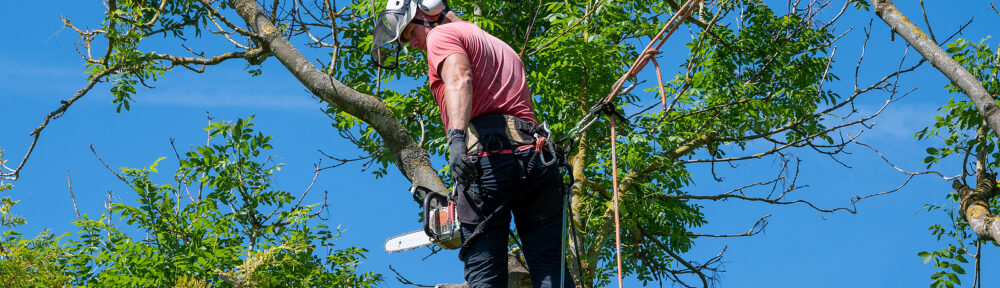
Yes, stumps near houses and fences can often be ground down, but safety depends on the stump’s size, root spread, and how close it sits to your structure. Tight spaces limit equipment options and raise the risk of debris, vibration damage, or disturbed soil. A professional assessment is the safest way to confirm what’s possible for your yard.
A stump sitting too close to your home or fence line brings up a fair question: can this actually be ground down safely? For many homeowners, the answer isn’t as simple as yes or no. It depends on how much room the equipment has to work, how far the stump’s roots have traveled, and whether nearby structures could be disturbed in the process.
This guide walks through what matters most when grinding stumps near houses and fences, so you know what to expect before calling in help.
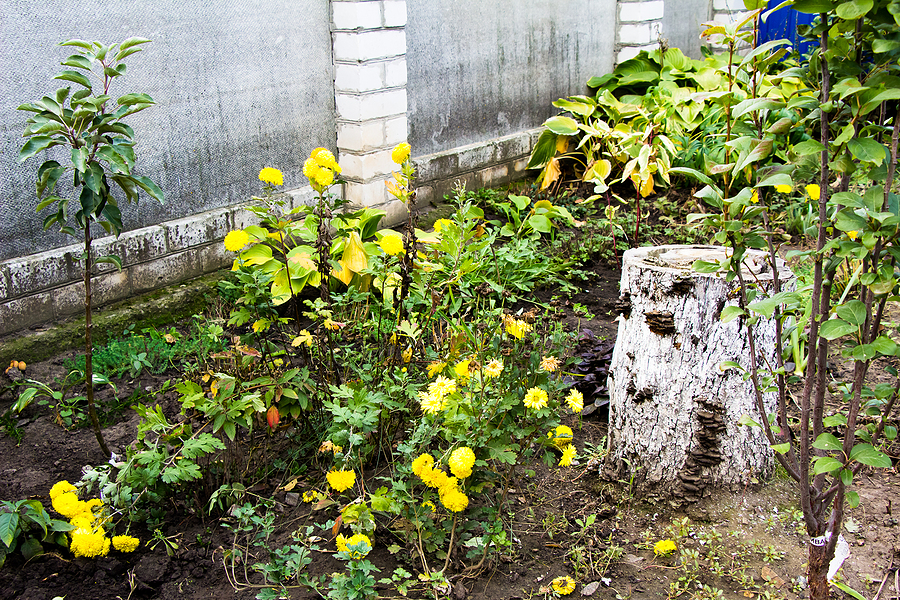
Safety Considerations for Stump Grinding Near Structures
Grinding a stump always disturbs the surrounding soil, and that disturbance becomes riskier the closer you get to a foundation, wall, or fence post.
Distance From Foundations and Property Lines
There’s no universal legal or industry-standard minimum distance for stump grinding near a foundation. The safe distance actually depends on the stump’s diameter, how far its root system has spread, and the condition of the surrounding soil. Some contractors suggest excavating and cutting back large roots several feet from a foundation before grinding, but every site is different—which is why an on-site evaluation matters more than a generic rule.
Debris and Vibration Risks
Stump grinders throw wood chips and debris outward, and the grinding process itself creates vibration that can travel through soil. Near a fence or wall, this vibration can loosen posts or destabilize nearby brickwork if the soil shifts.
Equipment Limitations in Tight Spaces
Standard stump grinders are bulky and need room to maneuver. In confined side yards or narrow gaps between a house and fence, larger machines simply won’t fit—requiring smaller, narrow-access equipment or hand tools instead.
Can You Grind a Stump Close to a House?
Safe Distance Guidelines for Residential Structures
Since no fixed distance standard exists, the safest approach is having a professional inspect the stump’s root spread and soil conditions before grinding begins. Roots that have grown toward or under a foundation need extra care to avoid structural disturbance.
Methods to Protect Your Home During Grinding
Professionals often use narrow-access grinders and cut large roots in sections rather than removing them all at once, reducing stress on the surrounding soil. Working during drier conditions also helps, since wet soil shifts more easily and increases risk near a foundation.
When to Hire Professional Services
If the stump sits within a few feet of your home, skip the DIY approach. A trained crew can evaluate root spread and soil stability before equipment ever touches the ground. They’ll also know how to work around hidden utility lines and foundation edges, so you can protect your property and have peace of mind that the job is done safely.
Can You Grind a Stump Close to a Fence?
Fence Proximity Concerns and Damage Prevention
Stumps near fences carry similar risks to those near foundations: limited machine access and roots that may extend beneath the fence line or even into a neighboring property.
Techniques Professionals Use in Confined Areas
Crews typically rely on precision grinders built for narrow spaces, sectional root cutting, or hand excavation when machinery simply can’t fit. This protects both the fence and any structures just beyond it.
Cost Implications of Difficult-to-Reach Stumps
Tight-access jobs generally require more labor, specialized equipment, or temporary fence/gate removal—all of which can add to the overall cost. Since pricing varies by site, it’s best to request a quote once a professional has seen the stump in person.
Professional vs. DIY Stump Grinding
Professional crews bring specialized, narrow-access equipment designed for exactly these situations—something most rental-grade grinders can’t match. Attempting DIY grinding near a house or fence raises the odds of property damage, injury from flying debris, or hitting utility lines you didn’t know were there.
Before any digging begins, contacting Indiana 811 is required. Indiana 811 asks for at least two full working days’ notice before digging starts, giving utility companies time to mark underground lines (Indiana811.org). Skipping this step risks damaging gas, water, or electrical lines hidden just beneath the surface.
Hiring a licensed, insured tree stump removal service also protects you if something goes wrong—coverage that DIY projects simply don’t offer.
Frequently Asked Questions
How close can a stump be to a house before grinding becomes unsafe?
There’s no fixed distance; it depends on the stump’s size, root spread, and soil conditions. A professional assessment is the best way to know for sure.
Does stump grinding near a fence always cost more?
Often, yes. Limited access can mean extra labor, smaller equipment, or removing sections of fence, which can raise the overall price.
How long does stump grinding near a structure usually take?
Timelines vary by stump size and access difficulty, but tight-space jobs generally take longer than open-yard grinding due to the extra care involved.
Do I need a permit or utility check before grinding a stump?
You don’t need a permit for most grinding jobs, but contacting Indiana 811 at least two working days beforehand is required to locate underground utilities.
Protect Your Property With Expert Help
Stumps near houses and fences aren’t impossible to grind, but they do call for careful planning, the right equipment, and an understanding of your yard’s specific conditions. When in doubt, professional guidance keeps your property safe.
Complete Tree Care in Indianapolis, Indiana offers expert stump grinding for tight, tricky spaces. Reach out today to request a free quote and find out what’s possible for your yard.
Related Posts:
6 Natural Ways to Kill a Tree Stump for Good
DIY Stump Removal Dangers: What You Need to Know
Why You Need Professional Tree Stump Grinding