Pruning is one of the most important things you can do for your fruit trees—yet it’s also the chore most Indiana gardeners dread. Cut too little, and your tree becomes overcrowded with weak branches and small fruit. Cut too much, and you sacrifice this season’s harvest.
The good news? Pruning doesn’t have to be intimidating. With the right timing, tools, and techniques, you can keep your apple, peach, and cherry trees healthy, productive, and beautiful for years to come.
This guide walks you through the best practices for trimming and pruning fruit trees in Indiana, drawing on research-backed advice from Purdue Extension. Whether you’re caring for a young sapling or reviving an older, neglected tree, you’ll find clear steps to follow.
Why Prune Your Fruit Trees?
Pruning isn’t just about keeping your trees tidy. It’s a key part of growing healthy trees and a strong harvest. Here’s why it matters.
Boost Fruit Production
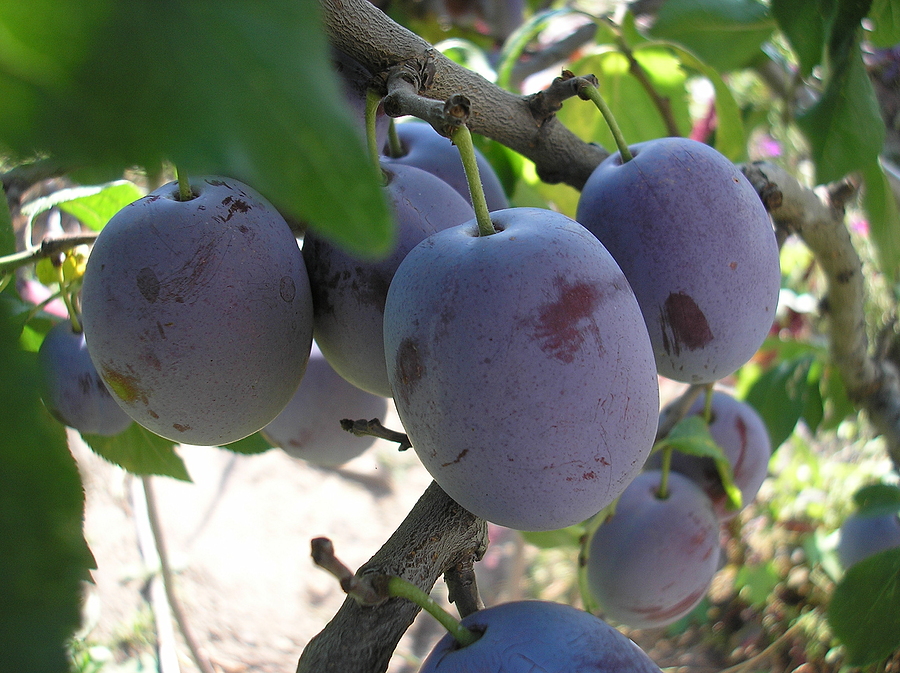
Different fruit trees bear fruit on wood of different ages. According to Purdue Extension, mature apples, pears, cherries, and plums produce their best crop on wood that is two to three years old, while peaches produce best on one-year-old wood. Smart pruning helps you keep the right amount of fruiting wood for each species, so your tree puts its energy into quality fruit rather than excess growth.
Maintain Tree Health
Removing dead, damaged, weak, or diseased branches keeps problems from spreading. Pruning also opens up the canopy, allowing better sunlight penetration and airflow. This reduces the moist, shaded conditions that many diseases love.
Improve Fruit Quality
An overcrowded tree produces small, low-quality fruit. By thinning out branches, you give the remaining fruit more room, light, and nutrients. The result is bigger, sweeter, better-colored fruit—and a tree that’s easier to harvest.
When to Prune Fruit Trees in Indiana
Timing makes a big difference. Prune at the wrong moment, and you risk disease, winter injury, or a smaller harvest.
Dormant Pruning
Late winter to early spring is the ideal window for most fruit tree pruning in Indiana. Purdue Extension recommends late March as a prime time—late enough to assess any damage winter caused, yet early enough for wounds to heal quickly before insect pests and diseases become active. Pruning while trees are dormant also lowers the risk of fire blight, a serious bacterial disease in apples and pears.
Summer Pruning
Summer pruning has its place, too. Because it removes leaves that produce food for the tree, summer pruning slows overall growth, which can help manage overly vigorous trees. For apples, light pruning in August can remove shading “weed growth” and improve fruit color before harvest.
Timing for Specific Fruit Trees
- Apples: Best pruned during dormancy in late winter or early spring. Train young apple trees to a central leader with horizontal scaffold branches.
- Peaches: Prune in late winter to early spring, and train to an open-center shape with three to five well-spaced scaffold branches. Remember, peaches fruit on one-year-old wood, so annual pruning is essential.
- Cherries and plums: Prune during the dormant season. Watch closely for black knot, a fungal disease that affects trees in the Prunus family.
Essential Tools for Pruning
Sharp, clean tools make pruning safer and easier—and they protect your trees from torn bark and disease.
- Hand Pruners: Ideal for small branches up to about ¾ inch in diameter. Bypass pruners give the cleanest cut.
- Loppers: With long handles and added leverage, loppers handle branches up to roughly 1½ to 2 inches thick.
- Pruning Saws: For anything larger, a pruning saw is your best tool. It cuts thick scaffold branches without crushing the wood.
- Safety Gear: Don’t skip protection. Gloves, safety glasses, and sturdy footwear keep you safe, especially when working on a ladder.
Basic Pruning Techniques
Once you have the right tools, technique is everything. Here are the fundamentals:
Removing Dead or Diseased Branches
Always start here. Cut away any dead, broken, weak, or diseased branches first. This clears the tree and helps you see its true structure.
Thinning for Airflow and Sunlight
Thin out crowded areas where branches cross or grow toward the center. Remove the offending branch back to the trunk or to an outward-facing bud or side branch. This opens the canopy to light and air.
Shaping for Structure
For young trees, aim to develop three to five main branches, starting about two feet above the ground and spaced evenly around the trunk. Encourage wide angles of about 45 degrees between the trunk and branches—you can use small wooden or plastic spreaders during the first growing season. Wide angles let in more light and support heavier fruit loads.
Heading Back vs. Thinning Cuts
A thinning cut removes a branch entirely back to its origin, opening up the tree. A heading cut shortens a branch back to a bud, encouraging bushier growth nearby. Direct new growth outward by cutting just above an outward-facing bud or branch.
Common Mistakes to Avoid
Even well-meaning gardeners make these errors. Here’s how to steer clear.
Over-Pruning
Removing too much at once stresses the tree and reduces your harvest. With older, neglected trees, never remove more than 25 percent of the live wood in a single season. If a tree needs major size reduction, spread the work over several years.
Pruning at the Wrong Time
Pruning too early in winter can expose fresh cuts to cold injury. Pruning during wet weather can spread tree diseases. Stick to the late-winter-to-early-spring window for most cuts.
Neglecting Sanitation
Dirty tools spread disease from one tree to the next. Disinfect your blades between trees, and when removing diseased wood like black knot, make your cuts four to eight inches behind the visible swelling. Remove and destroy infected branches—don’t leave them on the ground.
Not Knowing When to Hire a Professional
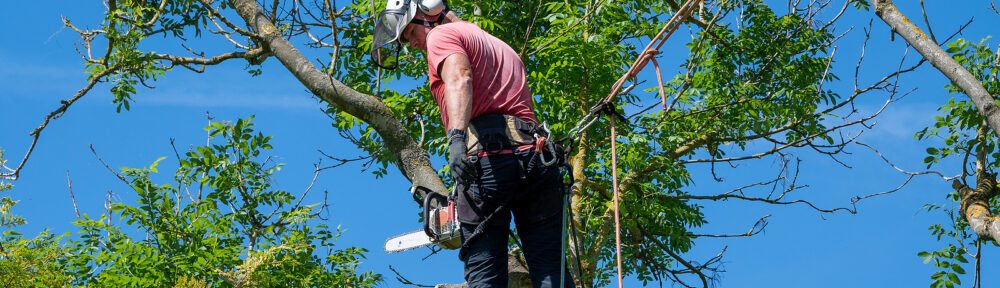
Hiring a professional tree service can save your trees from irreparable damage and ensure their long-term health. If you’re working with large branches, trees near power lines, or suspect structural issues like cracks or decay, it’s best to call an expert. Professional tree pruning entails the experience, tools, and knowledge to safely and effectively handle complex pruning jobs, reducing risks to both you and your trees.
Specific Considerations for Indiana Growers
Indiana’s climate brings its own set of challenges. A little local know-how goes a long way.
Dealing with Indiana Weather Challenges
Indiana winters can be harsh, and late frosts are common. Pruning in late March lets you assess winter damage before you cut, so you can remove branches injured by cold or ice. Avoid pruning during prolonged wet spells, when disease spreads most easily.
Pest and Disease Prevention Through Pruning
Pruning is one of your best defenses against common Indiana fruit tree diseases. Dormant-season pruning helps minimize fire blight in apples and pears. For cherries and plums, prompt removal of black knot keeps the fungus from spreading. Opening up the canopy for better airflow also reduces fungal diseases like apple scab.
Frequently Asked Questions
How often should I prune my fruit trees?
Most fruit trees benefit from annual pruning during the dormant season. Young trees need regular shaping to build a strong framework, while mature trees need yearly thinning to stay productive. Peaches especially require annual pruning, since they fruit on one-year-old wood.
Can I prune my fruit tree myself, or should I hire a professional?
You can handle routine pruning on small, healthy trees yourself with the right tools. However, large or neglected trees, high branches, and serious disease issues are often best left to a professional. Pros have the equipment and expertise to make safe, proper cuts without harming the tree—or themselves.
What’s the difference between trimming and pruning?
The terms are often used interchangeably, but there’s a subtle difference. Trimming generally refers to shaping a tree for appearance and managing overgrowth. Pruning is more targeted—removing specific branches to improve health, structure, and fruit production. Both keep your trees thriving.
Keep Your Trees Healthy Year After Year
Pruning your fruit trees may feel daunting at first, but the rewards are worth it: healthier trees, better airflow, fewer diseases, and a bigger, tastier harvest. Start with the dead and damaged wood, prune at the right time, use clean and sharp tools, and avoid cutting too much at once. With each passing season, you’ll grow more confident—and your trees will show it.
Need a hand with your trees? We provide professional fruit tree trimming and pruning in Indianapolis and surrounding townships, for both residential and commercial properties. Request a free estimate today and let our experts help your orchard flourish.
Related Posts:
Best Fruit Trees for Your Indiana Backyard
Why You Should Not Plant Prunus Trees if You Live Near a Farm