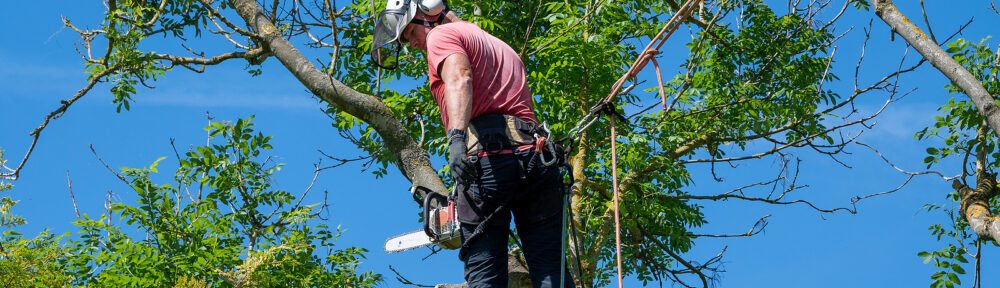
A large tree towering over your home can be a beautiful asset—until it becomes a liability. Dead branches, a diseased trunk, or roots creeping toward your foundation can turn a beloved shade tree into a genuine safety hazard. At that point, removal isn’t optional. It’s necessary.
But before you call an arborist, it helps to know what you’re in for financially. Large tree removal is one of the more expensive home services, and the final bill depends on more variables than most homeowners expect. This guide breaks down the real costs involved, the factors that drive prices up, and practical ways to keep your spending under control.
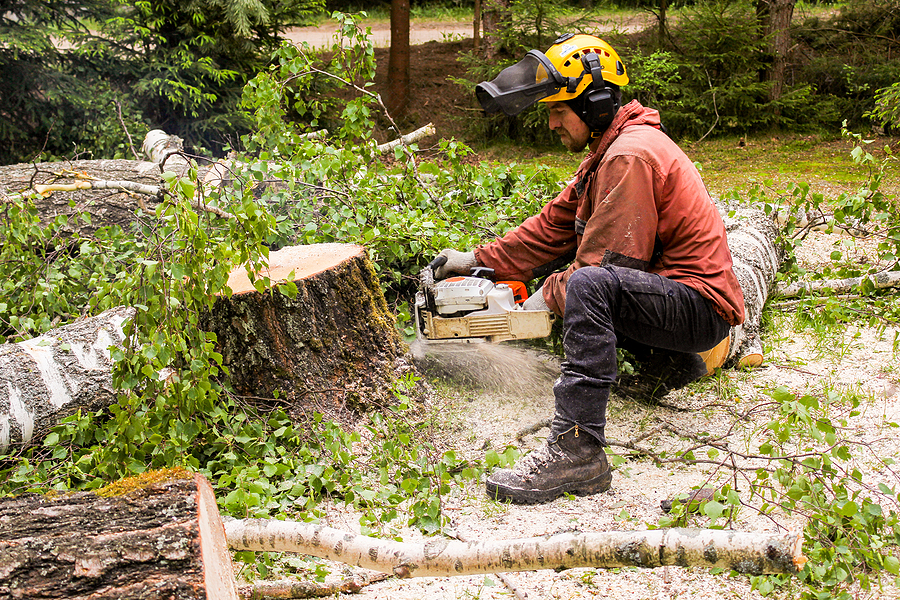
What Factors Impact Large Tree Removal Costs?
No two tree removals cost the same. Here’s what arborists consider when putting together a quote.
Tree Size and Height
Height is the single biggest pricing factor. Taller trees require more equipment, more labor hours, and more expertise to remove safely. According to Angi, tree removal costs by height break down as follows:
| Tree Height | Average Cost |
|---|---|
| Up to 30 feet | $150–$450 |
| 30–60 feet | $450–$1,200 |
| 60–80 feet | $800–$1,500 |
| Over 80 feet | $1,000–$2,000+ |
Trees over 80 feet often require crane access, which adds roughly $500 or more to the total.
Tree Type and Wood Density
Species matters. Hardwood trees like oak and maple are denser, more difficult to cut, and often have sprawling root systems that complicate removal. Softer woods like pine are generally easier and cheaper to handle. Oak removal, for example, can run anywhere from $200 to $2,000 depending on size and condition, while maple can reach similar heights.
Location and Accessibility
Tight spaces cost more. Expect to pay 25–50% above standard rates if the tree sits in a hard-to-reach spot, such as a narrow backyard or up against a fence. Rural properties may also be charged a travel fee—typically around $0.50 per mile or a flat rate between $50 and $200.
Proximity to Structures and Utilities
A tree leaning toward your roof or tangled in power lines isn’t just dangerous—it’s expensive. Crews must use specialized rigging and cranes to prevent property damage during removal. Crane rental alone can add $250 to $600 per day, with complex removals near utilities reaching $6,000 to $7,000 in total.
Tree Health and Condition
Surprisingly, a dead or diseased tree doesn’t always cost less to remove. While softer wood can be easier to cut, structural instability means crews must exercise extra caution. Diseased tree removal typically runs $400 to $900. A tree that has already fallen is far cheaper—expect to pay just $75 to $150 since there’s no climbing or precision cutting involved.
Average Cost Breakdown by Tree Size
Small Trees (Under 30 Feet)
Small ornamental or young trees are the most affordable to remove, typically costing between $150 and $450. These jobs usually take just a couple of hours and require minimal equipment.
Medium Trees (30–60 Feet)
Mid-sized trees—think a mature flowering pear or young oak—generally fall in the $450 to $1,200 range. Expect a half-day to full-day job depending on complexity.
Large Trees (60 Feet and Over)
This is where costs climb significantly. Trees in the 60–80 foot range average $800 to $1,500, while anything over 80 feet can push $2,000 or more. Trees near structures, power lines, or in tight access areas can exceed $5,000.
For reference, common large tree species in the Indianapolis area include red and white oaks, silver maples, and American ash—all of which can exceed 80 feet at full maturity.
Regional Price Variations
Location plays a role in pricing beyond just travel fees. Higher cost-of-living cities trend toward the upper end of these ranges. In the Midwest, including Indianapolis, tree removal costs are generally moderate, making it one of the more affordable regions for this service compared to coastal cities like New York ($600–$1,100) or Los Angeles ($550–$1,000).
Hidden Costs to Factor Into Your Budget
The base removal quote isn’t always the final number. Several add-on costs can catch homeowners off guard.
Stump Removal and Grinding
Tree removal leaves a stump behind unless you specifically request grinding. Stump removal costs $100 to $150 for the first stump, with additional stumps running about $50 each. Skipping this step may save money upfront, but stumps can attract pests and create tripping hazards over time.
Branch Chipping and Debris Removal
Once the tree is down, someone has to deal with the mess. Most companies offer debris hauling for around $70, wood chipping for approximately $95, or splitting into firewood for about $70. Confirm what’s included in your quote before signing anything.
Emergency or Hazard Tree Removal
If a storm drops a tree onto your property or a large branch is hours away from falling, emergency tree removal comes at a premium. Urgent jobs can cost as much as $5,000, depending on the complexity and demand for services in your area following a storm event.
Permits
Many municipalities require permits for removing trees over 10 feet. Permit fees typically run $60 to $150. In some cities, you’ll also need a certified arborist’s report to obtain one, which adds an average of $860 to the process. Your local tree service can often advise on local requirements.
4 Ways to Save on Large Tree Removal
Professional tree removal is a worthwhile investment, but there are smart ways to reduce costs without cutting corners on safety.
- Get at least three quotes. Prices can vary significantly between companies for the same job. Gathering multiple estimates gives you leverage and a clearer picture of the fair market rate in your area.
- Bundle services together. If you need stump grinding, debris removal, or pruning on other trees, ask for a bundled package. Companies often discount combined jobs.
- Schedule during the off-season. Late fall and winter are the slowest times for tree services. Booking during these months can result in better pricing and faster availability, since demand drops significantly compared to spring and summer.
- Prepare the area in advance. Remove furniture, fencing, and obstacles near the tree before the crew arrives. This reduces labor time and can bring your overall cost down.
Frequently Asked Questions
How much does it cost to remove a 40-foot tree?
A 40-foot tree falls in the medium category, typically costing between $450 and $1,200. The exact price depends on species, trunk diameter, accessibility, and whether the tree is healthy or diseased.
Is tree removal covered by homeowners insurance?
It depends on the circumstances. According to Allstate, if a tree damages an insured structure on your property, your homeowners insurance may cover removal costs up to $500 to $1,000. However, as GEICO notes, preventive removal—taking down a healthy tree before it causes harm—is generally not covered under a standard policy. Always check your specific plan before assuming coverage.
What’s the difference between tree removal and tree trimming?
Tree trimming focuses on aesthetics—shaping the canopy and removing overgrown branches. It costs between $200 and $760 annually. Tree removal is a permanent solution that eliminates the entire tree, roots and all (when stump grinding is included). If a tree is structurally compromised, diseased, or poses a safety risk, removal is usually the appropriate course of action.
How long does large tree removal take?
Time varies by tree size. Small trees can be removed in a couple of hours, while mid-sized trees typically take four to eight hours. Large trees over 60 feet often require a full day or more—sometimes extending to two working days for especially large or complex removals.
Get a Free Estimate for Large Tree Removal in Indianapolis
Large tree removal is not a job to leave to chance. The stakes—property damage, personal injury, and permit violations—are too high. Working with an experienced, licensed arborist ensures the job is done safely, efficiently, and in compliance with local regulations.
If you have a large tree on your Indianapolis property that needs to come down, Complete Tree Care is ready to help. Our team provides expert assessments, transparent pricing, and professional removal you can count on. Schedule your estimate today and get the peace of mind that comes with knowing the job will be done right.
Related Posts:
Dead Tree Removal: Safety Tips for Indianapolis Property Owners
The Dangers of DIY: Why Large Tree Removal Requires a Pro
What Does It Cost to Clear Trees From Your Property?