Watching a beautiful maple tree suddenly lose its vibrant canopy can be highly distressing for any homeowner. You might notice leaves turning yellow, branches dying off, or a general decline in the tree’s health.
Often, these sudden changes point to a serious fungal disease known as Verticillium wilt. This soil-borne pathogen affects many ornamental trees, but maples are particularly vulnerable to its effects.
Dealing with a sick tree requires prompt action and accurate information. This guide will help you identify the signs of Verticillium wilt, learn how the pathogen spreads, and explore actionable steps to manage or prevent the disease. By taking the right approach, you can protect your landscape and make informed decisions about your property’s tree care.
Introduction to Verticillium Wilt in Maple Trees
A healthy maple tree adds immense value and beauty to a landscape. When a fungal pathogen compromises that health, acting quickly is your best defense.
What is Verticillium Wilt?
Verticillium wilt is a destructive vascular disease caused by soil-borne fungi. Once the fungus enters the tree, it targets the xylem. The xylem is the tissue responsible for transporting water and nutrients from the roots to the rest of the tree. The fungus grows inside these water-conducting channels, eventually clogging them completely. This blockage prevents water from reaching the branches and leaves, causing the tree to essentially die of thirst.
Why Maple Trees are Susceptible
Fungi in the Verticillium genus attack a wide range of plants, but maple trees are incredibly susceptible. The expansive and active root systems of maples can easily suffer minor wounds from soil compaction, root chewing insects, or landscaping activities. These small wounds provide a direct entry point for the fungus. Once inside, the maple’s highly efficient vascular system inadvertently helps the pathogen spread rapidly throughout the trunk and branches.
Identifying Verticillium Wilt Symptoms
Catching a fungal disease early gives you the best chance to manage the symptoms and prolong the life of your tree.
Early Signs to Look For
The first signs of this disease are usually isolated to one side of the tree or even a single branch. You may notice leaves turning yellow, looking smaller than normal, or drooping significantly. This wilting often happens suddenly during the first hot days of summer when the tree’s demand for water increases.
Advanced Stages of the Disease
As the disease progresses, entire sections of the canopy will die back. The yellow, wilted leaves will turn brown and drop prematurely. If you carefully peel back the bark on a dying branch, you will often see distinct olive-green or brown streaking in the sapwood just beneath the surface. This dark streaking is a hallmark sign of the infection.
Differentiating from Other Maple Tree Problems
Many homeowners confuse this disease with environmental leaf scorch. Scorch usually happens during severe drought and affects the outer edges of the leaves across the entire canopy. Verticillium wilt typically strikes asymmetrically, affecting one branch or one side of the tree at a time. Furthermore, leaf scorch does not cause the characteristic green or brown streaking in the wood beneath the bark.
The Pathogen: Verticillium Dahliae
To effectively manage the disease, it is helpful to know how the underlying fungus operates. The primary culprit behind this issue is usually the fungus Verticillium dahliae.
How the Fungus Spreads
The fungus survives in the soil for years in the form of dormant resting structures. When a susceptible root grows nearby, the fungus activates and enters through vulnerable or wounded root tissue. The pathogen can also be introduced to your yard through contaminated soil, infected nursery plants, or even unsterilized pruning tools.
Favorable Conditions for Disease Development
This disease thrives in environments that put stress on the tree. Cool, wet spring weather allows the fungus to multiply and spread easily in the soil. When the weather abruptly shifts to hot and dry summer conditions, the tree demands more water. Because the fungus has already clogged the water-conducting tissues, the stressed tree rapidly begins to wilt and decline.
Preventing Verticillium Wilt
Since there is no cure for this disease once a tree is infected, prevention is the absolute best strategy for homeowners.
Proper Planting Practices
Start by thoroughly inspecting new trees before bringing them onto your property. Plant trees at the correct depth, ensuring the root flare is visible above the soil line. Avoid planting susceptible trees in areas where plants have previously died from similar fungal infections, as the pathogen can live in the soil for over a decade.
Soil Management and Health
Keep your soil healthy to reduce tree stress. Ensure the planting site has good drainage so the roots do not sit in waterlogged soil. Apply a two-to-three-inch layer of organic mulch around the base of the tree to regulate soil temperature and retain moisture. Keep the mulch pulled a few inches away from the trunk to prevent rot and insect damage.
Choosing Resistant Maple Varieties
Virtually all maple species are highly susceptible to this disease. If you have confirmed the presence of this pathogen in your soil, planting another maple is highly discouraged. Instead, select truly resistant tree species for your landscape. Conifers, oaks, birches, dogwoods, and ginkgoes are known to be immune or highly resistant to the pathogen.
Managing Verticillium Wilt in Infected Trees
If your maple is already showing signs of illness, you can take steps to manage the stress and potentially extend the tree’s life.
Pruning Infected Branches
Remove dead or severely wilted branches to improve the appearance of the tree and prevent secondary infections. You must sterilize your pruning tools between every single cut. Use a 10 percent bleach solution or 70 percent rubbing alcohol to wipe down your saw or shears. Never compost infected wood, as this will spread the pathogen back into your soil.
Fertilization and Watering Strategies
A vigorously growing tree can sometimes wall off the infection. Provide your maple with consistent, deep watering during dry spells. Aim for about one inch of water per week applied near the drip line of the branches. Avoid high-nitrogen fertilizers, which can stimulate rapid, weak growth that the tree cannot support. Instead, base any fertilization on a professional soil nutrient test.
When to Consider Removal
Sadly, many infected trees will eventually succumb to the disease. If the tree has lost more than half of its canopy, or if large dead branches pose a physical danger to your home or family, tree removal is the safest option. Prompt removal prevents the dead tree from attracting dangerous pests or falling during a storm.
Frequently Asked Questions about Verticillium Wilt
Can a maple tree recover from Verticillium wilt?
There is no complete cure for the disease. However, large, well-established trees can sometimes wall off the infected tissues. With excellent care, proper watering, and good soil management, a tree can suppress the symptoms and continue living for several years.
Are there any chemical treatments for Verticillium wilt?
Currently, there are no effective fungicide treatments or soil drenches that will cure a tree infected with this soil-borne pathogen. Management relies entirely on proper cultural practices like pruning, watering, and reducing environmental stress.
How long can a tree live with Verticillium wilt?
The lifespan of an infected tree varies widely. Small or newly planted trees might die within a single growing season. Large, mature trees with extensive root systems may survive for many years, occasionally showing minor symptoms during stressful weather.
Conclusion and Next Steps
Dealing with a sick tree is challenging, but staying informed empowers you to make the right choices for your property. By learning how to identify the symptoms of Verticillium wilt and providing the correct supportive care, you can help manage the disease and protect your surrounding landscape.
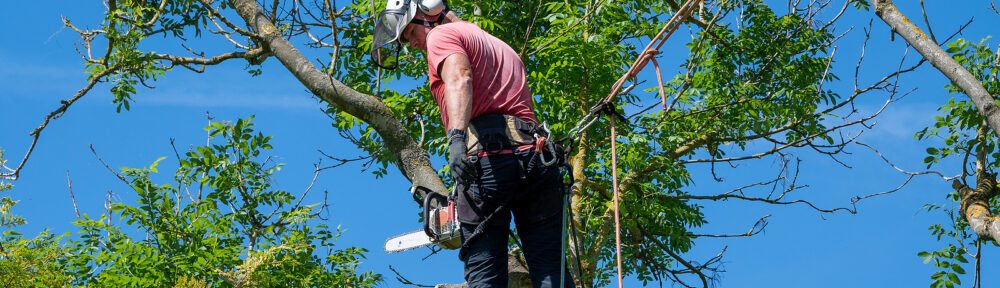
When a tree becomes severely infected, professional help is necessary to safely manage the hazard. If you are dealing with a declining tree on your property, we are here to help. Reach out to us for safe, professional sick tree removal in Indianapolis, Indiana. Request a free quote today and let our experts restore the safety and beauty of your yard.
Related Post: Common Maple Tree Species and How to Care for Them