Severe rainstorms hit fast—and the damage they leave behind can linger long after the skies clear. Heavy rain saturates soil, weakens root systems, and subjects tree canopies to intense wind forces. The result? Cracked trunks, exposed roots, hanging branches, and trees that look fine on the surface but are quietly on the verge of failure.
Assessing your trees promptly after a storm isn’t just about aesthetics. A weakened tree near your home, vehicle, or a power line is a serious safety hazard—one that can become far more dangerous if left unaddressed. This guide walks you through the key signs of storm damage, how to inspect your yard safely, and when to call in a professional.
Signs of Storm Damage to Trees
Not all storm damage is obvious. Some trees sustain structural injuries that only reveal themselves days—or even weeks—later. Here’s what to look for during your post-storm walkthrough.
Broken or Split Branches and Limbs
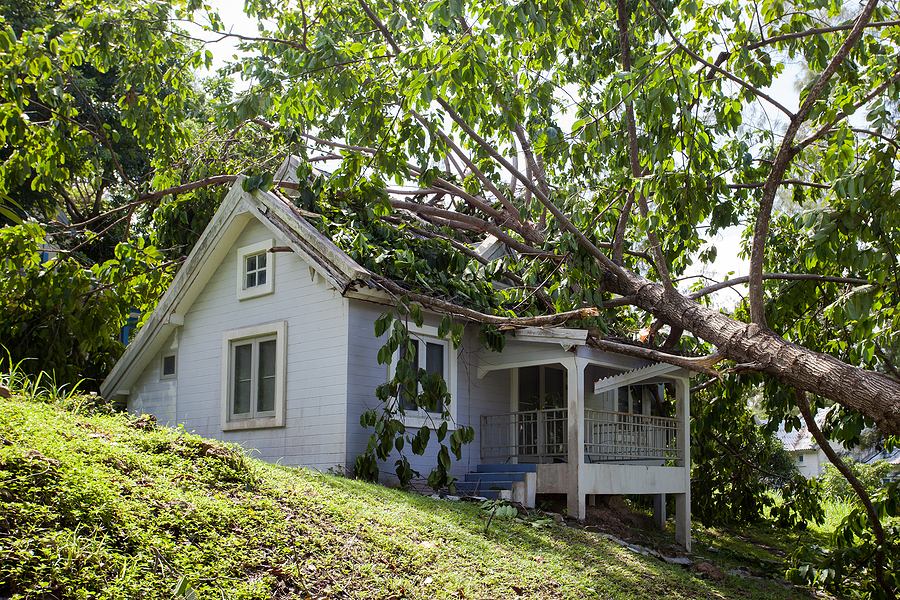
Broken limbs are one of the most common outcomes of a severe rainstorm. Even partially detached branches can fall without warning, especially when a second round of rain or wind hits. Pay close attention to branches with fresh splits, jagged breaks, or torn wood.
Leaning or Uprooted Trees
A slight, long-standing lean isn’t necessarily a concern. However, if a tree that previously stood upright has developed a new lean following the storm, that’s a red flag. Saturated soil loosens a tree’s grip on the ground, making uprooting far more likely during and after heavy rainfall.
Stripped or Missing Bark
Bark protects a tree’s vascular system. When it’s torn away—by wind, falling debris, or rubbing branches—the exposed wood becomes vulnerable to pests, disease, and decay. Look for fresh wounds or areas where the bark appears damaged or detached.
Hanging Branches (“Widow Makers”)
Partially broken branches that remain suspended in the canopy are especially dangerous. Known among arborists as “widow makers,” these limbs can drop suddenly, often without any visible warning. Scan the full canopy carefully, as they can be difficult to spot from the ground.
Root Damage and Soil Erosion
Root damage is often the hardest to detect. Signs include exposed roots at the base of the tree, lifted or displaced soil, and soft or spongy ground surrounding the trunk. According to the International Society of Arboriculture (ISA), heavy rain combined with strong winds is one of the most common causes of root failure and tree uprooting.
How to Safely Assess Tree Damage
Before you step outside to inspect your property, prioritize your personal safety.
Wait for Conditions to Stabilize
Don’t rush out during or immediately after a storm. Wait until conditions have fully cleared, and look up before you walk—hanging branches and partially fallen trees can shift or drop at any moment. Wear sturdy footwear and long pants, and keep children and pets well away from the inspection area.
Check for Downed Power Lines First
Never approach a tree that is in contact with or near a downed power line. Downed lines can electrify the ground, surrounding objects, and even the tree itself. If you see downed wires, keep your distance and contact your local utility company immediately.
Look for Visible Cracks, Splits, and Structural Damage
Inspect the trunk from multiple angles. Fresh cracks running vertically along the bark, splitting at the base, or separation between a main leader and trunk are all signs of serious structural compromise. Minor surface scratches are generally less concerning than deep splits that penetrate the wood.
Assess Tree Lean and Stability
Walk around the entire tree and note any changes in its position. Check the base for soil heaving—where the ground has lifted or buckled near the roots. According to the Arbor Day Foundation, trees with trunks over 10 inches in diameter that have lost more than a third of their root system are unlikely to recover and should be assessed for removal.
Determining If a Tree Can Be Saved
Not every storm-damaged tree needs to come down. The decision depends on several factors.
- Minor branch damage — Trees that lost smaller limbs or sustained light canopy damage often recover well with careful pruning and time. Clean pruning cuts help the tree compartmentalize the wound and reduce the risk of disease entry.
- Major structural compromise — Trees with severe trunk splits, multiple broken leaders, or significant root exposure are much harder to save. When 50 percent or more of a tree’s canopy or structure is damaged, the Arbor Day Foundation advises that removal is often the safest course of action.
- Location matters — A damaged tree in an open, wooded area poses a different risk level than one positioned over a roof, driveway, or playground. The closer a compromised tree is to people and property, the more urgently it needs professional evaluation.
- One important note: topping a damaged tree is not a solution. Penn State Extension cautions that topping harms trees, accelerates decline, and produces weak, fast-growing regrowth that is even more likely to fail in future storms.
Steps to Take After Storm Damage
Once you’ve completed a visual inspection from a safe distance, here’s how to proceed.
1. Document the damage. Take photos from multiple angles before any cleanup begins. Clear documentation supports insurance claims and gives an arborist a useful baseline for their assessment.
2. Avoid DIY removal of large limbs. Storm-damaged wood is unpredictable. Branches under tension can spring, twist, or drop without warning when cut. The ISA strongly advises against homeowner-led removal of large or structurally damaged limbs, especially those near structures or overhead hazards.
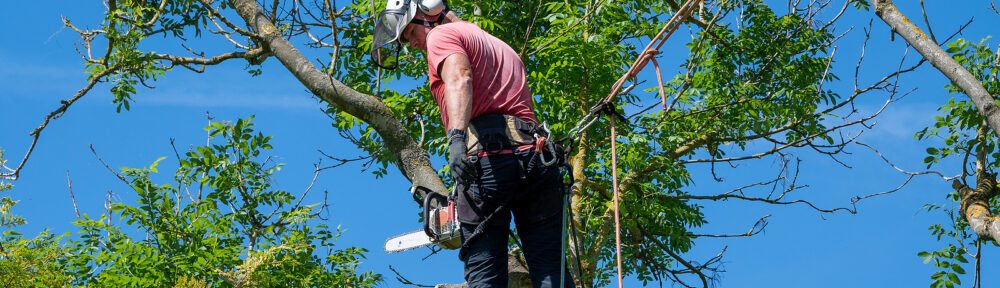
3. Contact a tree care company promptly. An licensed tree service company can evaluate the extent of the damage, identify hidden risks, and recommend whether to prune, brace, or remove the tree. They have the training and equipment to do this work safely.
4. Plan your next steps. Based on the professional assessment, create a clear plan—whether that means a recovery strategy with targeted pruning and ongoing monitoring, or scheduling tree removal before the next storm arrives.
When to Call a Professional Tree Service
Some situations require immediate professional attention:
- The tree is leaning toward a home, outbuilding, vehicle, or power line
- Large limbs are hanging over high-traffic areas
- The trunk has visible major cracks or splits
- The tree has partially uprooted and the root ball is lifting
- You’re unsure whether the tree is safe to leave standing
When in doubt, err on the side of caution. A tree that barely survived one storm—and now has visible structural defects—is a liability when the next major weather event rolls through Indianapolis.
Frequently Asked Questions
Can a storm-damaged tree recover?
Yes, depending on the severity of the damage. Trees with minor branch loss and an otherwise healthy root system often recover with proper pruning and care. Trees with major trunk splits, significant root loss, or extensive canopy damage are less likely to remain structurally safe long-term.
Is it safe to remove branches myself after a storm?
Small branches on the ground are generally manageable. However, broken limbs still attached to the tree, or any debris near structures or power lines, should be left to a professional. Storm-damaged wood holds hidden tension that can make cutting extremely unpredictable and dangerous.
What should I do about exposed or damaged roots?
Exposed roots and soil displacement around the base of a tree signal potential instability. Avoid compacting or disturbing the area further. Contact an arborist to assess whether the root damage is severe enough to compromise the tree’s structural integrity.
How long does tree recovery take after a storm?
Recovery time varies depending on the species, the severity of the damage, and the overall health of the tree before the storm. Trees with minor wounds may stabilize within a single growing season. More significantly damaged trees may show continued decline over several years, making regular professional monitoring important.
Get Expert Help After the Storm
A thorough post-storm inspection protects your property, your family, and the long-term health of your trees. What looks like minor surface damage can sometimes mask a far more serious structural problem—and the only reliable way to know is a professional assessment.
Complete Tree Care in Indianapolis is ready to help. Contact us today for emergency tree removal and storm damage clearance. Our team responds quickly, works safely, and leaves your property clean and protected.
Related Posts:
Expert Guide to Storm Damage Tree Removal in Indianapolis
What To Do After a Storm Leaves Your Trees with Broken Branches
Reviving and Restoring: Tips for Caring for Damaged Trees