A dead ash tree rarely stays still. Branches dry out, bark loosens, and what was once a shady landscape feature becomes a genuine safety concern. If you’re staring at a bare, brittle ash tree in your yard, you’re likely weighing two questions: is it actually dead, and if so, what now?
This guide walks through the clearest signs of a dead ash tree, the safety and property reasons to remove one, situations where leaving it standing might make sense, and what the removal process typically involves. We’ll also cover cost factors and what to do with the space once the tree is gone.
Ash trees across the country have been hit hard by the emerald ash borer (EAB), an invasive beetle whose larvae tunnel under the bark and cut off the tree’s water and nutrient supply. Once EAB takes hold in an area, untreated ash trees typically die within roughly five to ten years. That slow decline means many homeowners are dealing with this exact decision right now.
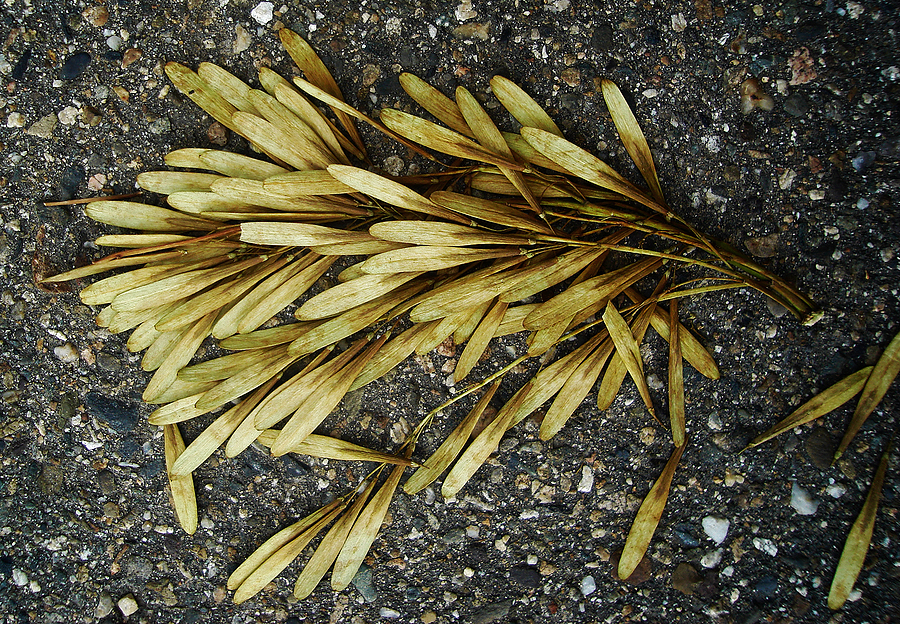
Signs Your Ash Tree Is Dead
Before deciding on removal, confirm the tree is actually dead—not just stressed. A few checks can help:
Lack of Leaves or Buds During Growing Season
If spring and summer pass without new leaves or buds forming, that’s one of the clearest indicators of a dead or dying ash tree.
Brittle Branches That Snap Easily
Try bending a smaller branch. Living wood flexes; dead wood snaps cleanly. You can also perform a simple scratch test on a twig—green cambium underneath the bark means it’s still alive, while brown or dry tissue signals the branch is dead.
Bark Peeling or Splitting
Loose, cracked, or peeling bark often reveals S-shaped tunnels underneath, a telltale sign of EAB activity. Small D-shaped exit holes (about 1/8 inch wide) and increased woodpecker damage are additional clues, since woodpeckers feed on the larvae beneath the bark.
No Visible Growth or New Shoots
A healthy ash tree, even one under stress, often tries to produce new shoots near the base or along the trunk. The complete absence of new growth usually points to a tree that’s beyond recovery.
Why Remove a Dead Ash Tree
Safety Hazards From Falling Branches
Dead wood becomes unpredictable. Branches can snap without warning, and in more advanced stages, the entire crown or trunk can fail. This risk grows with every storm, wind gust, or heavy snowfall.
Disease and Pest Spread to Healthy Trees
A dead ash tree killed by EAB should be treated as infested. Moving the wood off-property, especially more than about 50 miles away, can spread the beetle to new areas. Keeping the tree standing also puts nearby healthy ash trees at continued risk.
Pest Infestations, Especially Emerald Ash Borer
Even after the tree has died, it can continue to harbor pests. Removing it promptly limits the chance that beetles or other wood-boring insects move to still-living trees on your property or in your neighborhood.
Property Value and Curb Appeal
A dead tree, especially a large one near the home, driveway, or street, can hurt a property’s resale value and first impression. Buyers and appraisers notice standing deadwood.
Aesthetic Impact on Your Landscape
Beyond safety, a bare, gray, brittle tree simply doesn’t fit most landscaping goals. Removing it opens the door to a healthier, more cohesive yard design.
Reasons to Keep a Dead Ash Tree
Removal isn’t always the immediate answer. A few scenarios make waiting, or leaving the tree in place, reasonable.
Wildlife Habitat for Birds and Insects
Standing dead trees, sometimes called “snags,” provide nesting cavities and food sources for woodpeckers, owls, and other wildlife. If the tree is far from structures and foot traffic, it may serve an ecological purpose.
Cost Considerations for Removal
Removal costs money, and budgeting matters. If the tree isn’t posing an immediate hazard, some homeowners choose to delay removal while they plan and save for the expense.
Structural Stability, If Still Sound
Not every dead tree is unstable. If the trunk and major limbs remain structurally sound (something only a certified arborist can properly assess) the tree may be safe to leave standing temporarily.
Temporary Shade During Replacement Growth
Some homeowners keep a dead ash in place briefly while a newly planted replacement tree matures nearby, using the old tree as short-term wind or shade cover before it’s finally removed.
The Removal Process
Initial Assessment by a Certified Arborist
A professional evaluation determines the tree’s stability, lean, proximity to structures, and the safest tree removal method. This step also confirms whether the tree is truly dead or still salvageable.
Equipment and Safety Measures Required
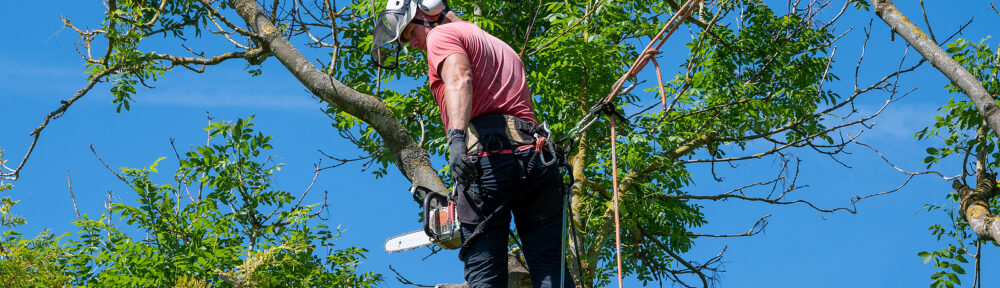
Dead ash trees are often too brittle and unpredictable to climb safely. Many removals require felling the tree in sections or using specialized equipment like a crane or bucket truck, particularly for trees near homes, power lines, or fences. This is generally not a do-it-yourself project for homeowners without professional equipment and training.
Stump Removal Options
After the tree comes down, you can choose to leave the stump, have it ground down, or have it fully excavated. Stump grinding is the most common option, as it clears the area without disturbing the surrounding soil as much as full removal.
Debris Disposal
Because wood from EAB-killed trees should be treated as potentially infested, it’s best handled locally. Common options include chipping it into mulch on-site, using it as firewood within the immediate area, or taking it to an EAB-compliant disposal or recycling site. Avoid transporting the wood long distances.
Cost Factors for Removal
Several variables affect what you’ll pay for ash tree removal:
- Tree size and location: Taller trees, or those with a large trunk diameter, require more labor, time, and equipment.
- Accessibility for equipment: Trees near power lines, fences, or tight side yards often cost more due to the extra precautions required.
- Additional services: Stump grinding, debris hauling, and wood chipping are often priced separately from the base removal.
- Local market rates: Pricing varies by region and by the tree service’s equipment and experience.
As a general reference point, average basic tree removal costs have been estimated in the range of roughly $600 to $760 per tree (Homewyse, 2026), though this figure doesn’t account for size, accessibility, or site-specific factors. The most reliable way to understand your actual cost is an on-site quote from a local tree service.
What to Do After Removal
Stump Grinding or Treatment
Grinding the stump below grade allows you to reclaim the space for lawn, garden beds, or hardscaping. Left untreated, stumps can sprout new growth or attract pests over time.
Replanting Options for Your Landscape
Once the ash is gone, consider diversifying your tree selection rather than planting another ash, since EAB remains active in many regions. Species like oak, maple, elm (disease-resistant varieties), and hackberry are common replacements that offer similar shade and canopy benefits.
Soil Preparation for New Trees
Before replanting, it helps to test and amend the soil, especially if the old root system left compacted or nutrient-depleted ground. A fresh start gives your new tree the best chance to establish itself.
Frequently Asked Questions
How long does ash tree removal take?
Timelines vary by tree size, location, and complexity, but many residential removals are completed within a few hours to a full day. Larger trees near structures or power lines may take longer due to added safety precautions.
Can I remove it myself?
It’s generally not recommended. Dead ash trees are brittle, unpredictable, and often too unstable to climb safely. Without professional-grade equipment and training, DIY removal carries a high risk of injury or property damage. A certified arborist can assess the tree and handle removal safely.
What replaces an ash tree well?
Species like oak, maple, and disease-resistant elm varieties are popular replacements, offering similar shade and size without the same vulnerability to emerald ash borer. A local arborist can recommend species suited to your soil and climate.
Making the Right Call for Your Property
Deciding whether to remove a dead ash tree comes down to safety, the tree’s structural condition, and your own landscaping goals. A tree that’s leaning, hollow, or close to your home or driveway deserves prompt attention. One that’s stable and far from foot traffic might buy you some time.
Either way, a professional assessment takes the guesswork out of the decision. Complete Tree Care in Indianapolis, Indiana, can evaluate your ash tree’s condition and walk you through the safest, most practical next steps for your property.
Related Posts:
Battling Bark and Beyond: Emerald Ash Borer Problems in Indiana
What You Need to Know About Tree Disease Treatment
Dead Tree Removal: Safety Tips for Indianapolis Property Owners