A towering oak or vibrant maple brings shade, beauty, and life to your yard. Because trees appear so sturdy above the ground, it is incredibly easy to assume they are invincible. But a tree’s true strength lies hidden beneath the soil. The root system anchors the heavy trunk, absorbs essential water, and stores the vital nutrients needed for survival.
When a tree’s foundation begins to fail, the entire organism suffers. Root distress often develops silently over months or even years. By the time symptoms appear on the leaves or branches, the damage beneath the surface can be extensive. Catching these hidden problems early gives you the best chance to intervene and save a beloved landscape feature.
This guide will teach you how to recognize early and advanced indicators of root trouble. You will learn what causes subterranean damage, how to diagnose specific issues, and practical ways to restore root health. We will also help you determine when intervention is no longer possible and removal becomes the safest option.
Early Indicators of Root Problems
Trees communicate their stress through subtle above-ground changes. Paying close attention to the canopy and trunk can alert you to root issues long before the tree enters severe decline.
Changes in Leaf Appearance
Leaves are often the first part of the tree to show signs of trouble. You might notice an uneven leaf distribution across the canopy, or the foliage might drop much earlier in the fall than usual. Unusually small leaves, yellowing (chlorosis), or brown, scorched edges frequently point to roots that are struggling to absorb enough moisture and nutrients.
Reduced Tree Growth and Stunted Development
Healthy trees put out vigorous new growth each spring. If you observe that the seasonal twig growth is much shorter than in previous years, the tree is likely conserving energy. Stunted development indicates that the root system cannot support normal expansion.
Cankers or Cracks in the Bark
When roots fail to deliver adequate water and nutrients, the tree’s vascular system weakens. This stress can cause the bark to split or develop sunken, discolored areas known as cankers. These wounds open the door for secondary infections, compounding the tree’s health problems.
Common Causes of Root Distress
Root systems are sensitive to changes in their environment. Many everyday landscaping practices and environmental shifts can inadvertently harm them.
Soil Compaction and Poor Aeration
Roots need oxygen to survive. When heavy machinery, constant foot traffic, or parked cars compress the soil around a tree, all the tiny air pockets are squeezed out. This compaction suffocates the roots and prevents water from draining properly.
Improper Watering Habits
Both drought and overwatering can severely damage a root system. Too little water causes roots to dry up and die. Conversely, leaving roots sitting in soggy, poorly drained soil creates the perfect environment for root rot and suffocation.
Nutrient Deficiencies and Soil Imbalances
Trees require a specific balance of minerals to thrive. Highly alkaline or highly acidic soils can lock up essential nutrients, making them unavailable to the roots. Over-fertilization can also burn tender feeder roots, hindering their ability to absorb water.
Pest Infestations and Fungal Diseases
Soil-borne pathogens thrive in wet, compacted environments. Fungi like Phytophthora and Armillaria aggressively attack compromised roots, causing severe decay. Certain insects also burrow into the soil to feed on tender root tissues, stunting the tree’s growth.
Construction Damage and Root Cutting
Digging trenches for utilities, installing new driveways, or building retaining walls can sever major structural roots. Losing a significant portion of the root system physically destabilizes the tree and instantly cuts off a massive portion of its water supply.
Advanced Signs of Severe Root Damage
If early warning signs are missed, root distress will eventually escalate. Advanced symptoms usually indicate that the tree is in serious danger of structural failure or death.
Visible Root Decay or Fungal Growth
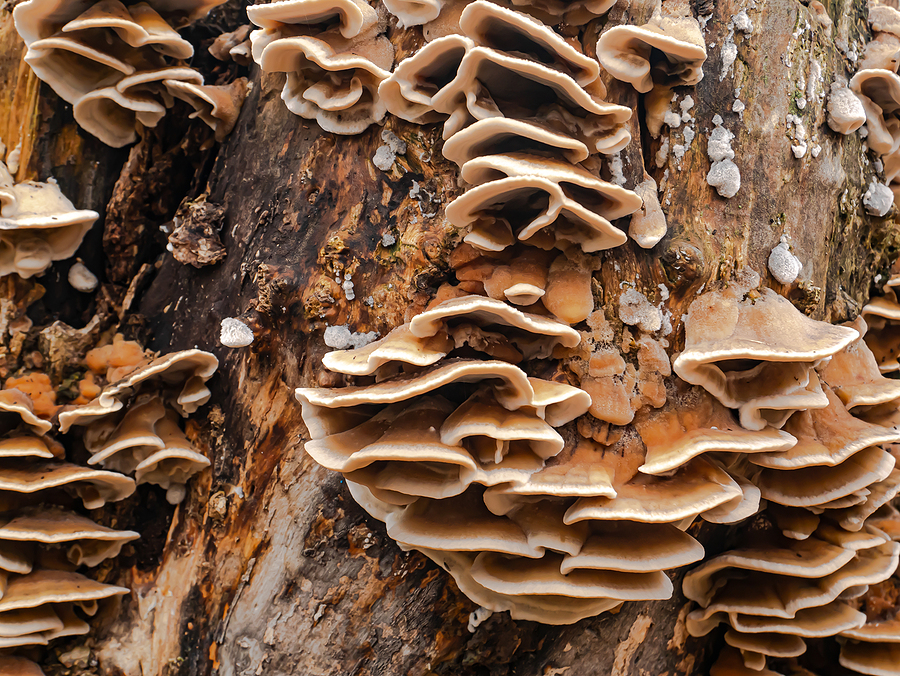
Mushrooms or conks growing around the base of the trunk or directly over major root flares are a major red flag. These fungal fruiting bodies feed on decaying wood, indicating that sections of the root system are already dead and rotting. Root rot often gives off a distinct, foul, musty odor near the soil.
Leaning or Unstable Tree Trunk
A sudden, noticeable lean is a dangerous symptom. If the ground around the tree looks undisturbed but the trunk shifts drastically during a storm, the structural anchor roots have likely snapped or rotted away.
Presence of Dead Branches and Crown Dieback
When roots die, they can no longer support the uppermost parts of the canopy. This results in crown dieback, where large branches at the very top of the tree lose their leaves, dry out, and become brittle.
Heaving Soil Around the Tree Base
If you see a sudden mound of cracked, heaving soil on one side of the trunk, the root plate is lifting out of the ground. This often happens alongside a severe lean and means the tree is in imminent danger of toppling over completely.
Assessing and Diagnosing Root Issues
Accurate diagnosis is essential for effective treatment. Because you cannot easily see the roots, diagnosing problems requires careful investigation.
Visual Inspection Techniques
Start by closely examining the base of the trunk. A healthy tree should have a noticeable root flare where the trunk gently widens and enters the soil. If the trunk looks like a straight telephone pole going into the ground, it was planted too deeply, which suffocates the roots.
The Importance of Professional Arborists
Certified arborists possess the training and tools necessary to evaluate subterranean health. They can perform a root collar excavation, using an air spade to gently blow away soil without damaging the tree. This reveals the exact condition of the structural roots.
Soil Testing and Analysis
A simple soil test can reveal critical information about the tree’s environment. Testing determines the soil’s pH level and identifies any major nutrient deficiencies, allowing you to amend the soil precisely.
Strategies for Restoring Root Health
If the damage is caught early enough, you can take active steps to rehabilitate a stressed root system.
Improving Soil Structure and Aeration
Alleviating soil compaction is one of the most beneficial things you can do. Vertical mulching or air spading can loosen dense soil and reintroduce vital oxygen. Applying a thin, even layer of organic mulch around the base of the tree (keeping it away from the trunk itself) helps regulate soil temperature and retain moisture.
Correcting Watering and Fertilization Practices
Adjust your watering schedule based on the weather and the tree’s specific needs. Water deeply and infrequently to encourage roots to grow further down into the earth. If a soil test indicates a deficiency, apply a slow-release fertilizer tailored to the tree’s requirements.
Pest and Disease Management
Treating fungal infections in the soil is difficult but sometimes possible with professional-grade fungicide drenches. For insect pests, an arborist can apply targeted treatments to protect the remaining healthy roots.
Pruning Strategies to Reduce Stress
When a tree loses a portion of its roots, it struggles to support its full canopy. Selectively pruning out dead, diseased, or dying branches reduces the demand for water and nutrients, allowing the compromised root system to recover.
When to Consider Tree Removal
Sadly, not every tree can be saved. Recognizing when a tree is beyond recovery protects your property and your family from potential hazards.
- Irreparable Root Damage: If more than a third of the tree’s root system has been severed by construction or destroyed by severe rot, the tree is highly unlikely to recover.
- Safety Concerns Due to Instability: A tree with severed anchor roots, severe soil heaving, or a dramatic new lean is a major liability. The risk of the tree falling on a house, car, or person makes immediate tree removal necessary.
- Preventing the Spread of Disease: Some aggressive root pathogens can spread quickly through the soil to nearby healthy trees. Removing a heavily infected tree is often required to protect the rest of your landscape.
Frequently Asked Questions (FAQ)
How often should I water my trees?
The frequency depends on the species, age, and weather conditions. Generally, newly planted trees need regular watering to establish roots. Mature trees prefer deep, soaking watering sessions during dry spells rather than frequent, shallow sprinkling.
Can I save a tree with root rot?
It depends on the severity. If the rot is minor and caught very early, improving soil drainage and applying targeted treatments might save it. However, if the canopy is heavily dying back and mushrooms are growing at the base, the tree is usually beyond saving.
What are the signs of girdling roots?
Girdling roots wrap tightly around the base of the trunk, choking off the flow of water and nutrients. The most common sign is an abnormal, missing, or flat trunk flare on one side of the tree.
Protecting Your Tree’s Foundation
A vibrant, healthy tree requires a strong foundation. By staying vigilant and monitoring your trees for subtle signs of distress, you can address soil compaction, improper watering, and diseases before they become fatal. Early intervention is the absolute best way to ensure your trees remain standing strong for generations to come.
If you have noticed severe root decay, dangerous leaning, or massive crown dieback, it might be too late for rehabilitation. We provide expert tree removal service for dead or dying trees in Indianapolis. Request a free estimate today to keep your property safe and beautiful.
Related Post: Is Your Tree Sick? Signs of Root Rot and Fungal Disease