The Essential Guide to Tree Inspections

Ensuring tree health is an integral part of environmental conservation, and a well-inspected tree is a significant contributor to that goal. In this guide, we aim to equip you with the necessary knowledge and skill set to inspect trees effectively. You’ll be introduced to the basics of tree inspections, how to identify common tree diseases, and the importance of regular checks to maintain tree health.

This guide serves as your first step towards becoming an efficient steward of the environment, helping you understand and appreciate the subtleties of nature’s giants better than ever before. Let’s embark on this journey of learning and discovery together.
Call 317-783-2518 For a Professional Tree Inspection in Indianapolis Indiana

Understanding Tree Inspections

Tree inspections are a crucial aspect of tree care that involves examining trees for any signs of stress, disease, or damage. They play a significant role in maintaining the overall health and well-being of trees while also preventing potential hazards. Regular tree inspections can provide early detection and timely treatment for diseases, ensuring the longevity of trees.

There are two types of tree inspections – routine and hazard-specific. Routine inspections involve regular checks to evaluate the overall health of a tree, while hazard-specific inspections are carried out in response to a potential risk or damage caused by extreme weather conditions.

Identifying Common Tree Diseases

Tree diseases are one of the primary factors that can affect the health and longevity of trees. These diseases can be caused by various factors, such as fungi, bacteria, viruses, and environmental stressors. Some common tree diseases to look out for during inspections include Dutch elm disease, oak wilt, and emerald ash borer.

Dutch Elm Disease: Dutch elm disease is a fungal infection that affects elm trees, specifically those in the Ulmus genus. It was first identified in the Netherlands in the early 1900s and has since spread to other parts of Europe, North America, and Asia. The disease is spread by elm bark beetles, which carry the fungus from infected trees to healthy ones. Once infected, the tree’s water-conducting vessels become blocked, causing wilting and eventually death.

Oak Wilt: Oak wilt is a fungal disease that affects oak trees, particularly species in the red oak group such as red oak and black oak. It was first identified in Wisconsin in 1944 and has since spread to other states in the US. The disease is caused by a fungus that invades the tree’s water-conducting vessels, blocking water flow and causing wilting and death of leaves. It can be spread through root grafts between trees or by sap-feeding beetles.

Emerald Ash Borers: Emerald ash borers are invasive beetles that feed on ash trees’ inner bark, disrupting their ability to transport water and nutrients. They were first discovered in Michigan in 2002 and have since spread to many states in the US as well as Canada. The larvae of these beetles tunnel under the bark of ash trees, creating S-shaped galleries which can eventually kill the tree if left untreated.

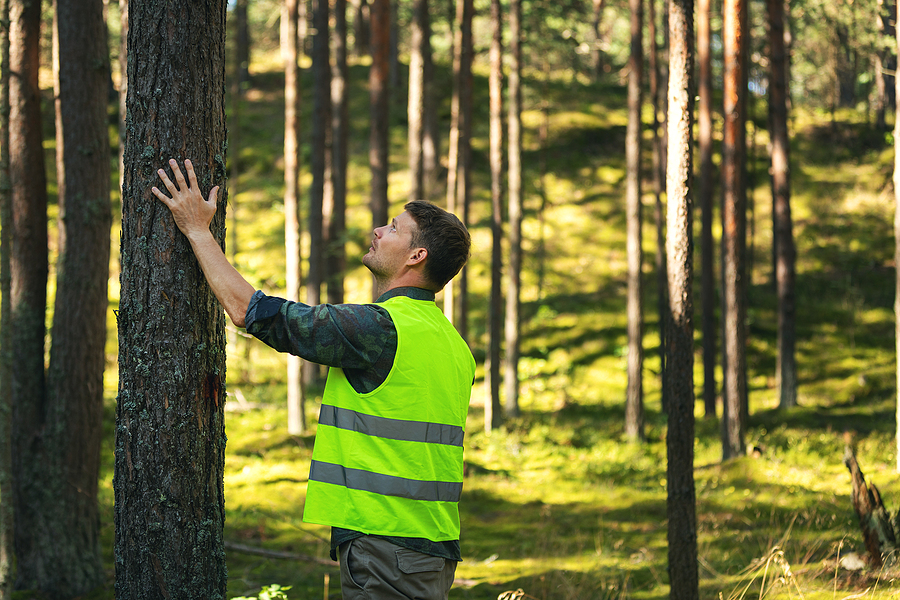
During inspections, it is essential to observe the overall appearance of the tree, including the leaves, bark, and branches. Look for any visible signs of discoloration or abnormal growth. Also, pay attention to any insect activity or fungi growth on the tree.

Importance of Regular Tree Inspections

Regular tree inspections are crucial for maintaining tree health and mitigating potential hazards. Trees can develop diseases slowly, making it difficult to detect them with the naked eye. Through regular inspections, certified arborists and trained tree care professionals can identify early signs of disease and take appropriate measures to prevent further damage. Additionally, tree inspections can also help identify possible safety threats such as weak or damaged branches, which can pose a threat to people and property. By addressing these issues promptly, risks can be minimized and the safety of the surrounding area ensured.

Wrapping Up

Tree inspections are an essential part of maintaining healthy and thriving trees. They not only ensure the longevity of trees but also play a significant role in environmental conservation. By understanding the basics of tree inspections, identifying common tree diseases, and recognizing the importance of regular checks, you can become an effective steward of the environment. Remember to always consult a professional for complex issues and continue learning about different tree species and their unique needs.

If you suspect that your trees could use a professional tree inspection and health assessment, don’t hesitate to get in touch with our team. Contact Complete Tree Care at 317-783-2518 for licensed and insured tree service in Indianapolis, Indiana and get instant advice from a certified arborist today. We serve residential and commercial clients with comprehensive tree care solutions.

Related Posts:

How Regular Tree Maintenance Can Enhance Your Curb Appeal
Why Hiring a Professional Tree Care Service is Worthwhile
Forever Green: The Resilience of Coniferous Trees

Reading Between the Rings: Unlocking Tree Growth Patterns

Welcome to our deep dive into the fascinating world of tree growth patterns, a hidden universe that exists right beneath our fingertips. By unlocking the secrets within tree rings, we can unveil a trove of information about a tree’s health, environmental changes, and even historical events that have left their mark on the tree’s anatomy.

In this blog post, we will journey together through the various layers of bark and wood, decoding the silent messages that trees have been recording for centuries. So, sit back and prepare to explore the incredible science of dendrochronology – the study of tree rings.

Call 317-783-2518 For Professional Tree Services in Indianapolis Indiana

The Basics of Tree Growth

Before we dive into the intricacies of tree rings, let’s start with some basics about how trees grow. Trees are made up of several layers – bark, cambium, sapwood, and heartwood. The outermost layer, known as the bark, is the protective covering that helps shield the tree from external elements such as insects, disease, and harsh weather conditions. Beneath the bark lies the cambium layer – a thin strip of living cells responsible for producing new bark and wood. The sapwood is the layer beneath the cambium that transports nutrients from the roots to the rest of the tree. And at the core of it all is the heartwood – a dense, inactive layer that provides structural support to the tree.

The Story Within Tree Rings

Now that we have a basic understanding of the layers within a tree, let’s zoom in on one specific layer – the sapwood. As trees grow, they produce new sapwood each year, creating visible rings that can be seen when a tree is cut cross-sectionally. These rings tell us more than just the age of a tree; they also provide insight into the tree’s growth patterns. For instance, wide rings indicate that a tree had access to ample resources and compatible growing conditions, while narrow rings suggest periods of stress or limited resources. By analyzing these growth patterns, we can gain valuable information about a tree’s health and overall well-being.

Decoding Environmental Changes

In addition to revealing a tree’s growth patterns, tree rings can also provide clues about past environmental changes. Changes in the width of tree rings can indicate shifts in temperature, precipitation levels, and even natural disasters like droughts or fires. By analyzing the patterns of tree rings over time, scientists can reconstruct past climate conditions and gain a better understanding of how our planet has changed. This information is especially crucial in today’s world, where climate change is a pressing issue that affects us all.

A Window into History

Another fascinating aspect of tree rings is their ability to provide glimpses into history. As trees grow, they record the conditions around them, including any significant events that may have occurred during their lifetime. By studying the widths and patterns of tree rings, scientists can pinpoint the exact year when a tree experienced stress or damage. This information has been used to date historical buildings, track natural disasters, and even confirm events recorded in ancient texts. Who knew that trees could hold such valuable historical data within their very own rings?

In Summary

As we come to the end of our journey through the world of tree rings, we hope that you have gained a better understanding and appreciation for these silent storytellers. By reading between the rings, we can unlock valuable information about a tree’s health, environmental changes, and even historical events. So next time you come across a cut cross-section of a tree trunk or see its rings in a piece of woodwork, take a moment to pause and reflect on the incredible story within those rings. Who knows what secrets they may hold?

Are you looking for trusted, professional tree care near you? Contact Complete Tree Care at 317-783-2518 for licensed and insured tree services in Indianapolis, Indiana. We serve residential and commercial clients with comprehensive tree care solutions.

Related Posts:

Hardiness Zone facts for Trees, Flowers, and Plants
Leaf Peepers Guide: The Beautiful Colors of Deciduous Trees in Fall
What is the Soil Food Web and How Does it Benefit Trees?

Understanding the Role of a Certified Arborist

In the world of arboriculture, the guardians of our green landscapes are often overlooked. These guardians are certified arborists, professionals who dedicate their lives to the health and well-being of trees. Their responsibilities stretch beyond just planting or pruning trees; they are the detectives of tree diseases, the strategists of plant health care, and the preservers of our environment.

This blog post will delve into the vital role that certified arboriculturists play, highlighting their expertise in battling tree diseases and maintaining our verdant surroundings. So, join us, as we unearth the roots of their profession and highlight the importance of their work.

Call 317-783-2518 For Arborist Tree Service in Indianapolis

What is a Certified Arborist?

A certified arboriculturist, also known as a tree doctor or tree surgeon, is an individual who has undergone formal training and has passed a rigorous examination to become knowledgeable in the science of arboriculture. This field encompasses all aspects of tree care, from planting to preservation and everything in between. In addition to their theoretical knowledge, certified arborists must also possess practical skills that enable them to provide the best care for trees. They are trained in proper pruning techniques, the identification and treatment of tree diseases, and how to assess a tree’s health.

The Importance of Tree Health

Trees not only add beauty to our landscapes but also provide many environmental benefits such as improving air quality, reducing erosion, and providing shade. However, like any other living organism, trees are vulnerable to diseases and pests that can affect their health and even cause death. This is where arborists play a crucial role. They have the expertise to identify potential problems and provide timely treatment to save trees from irreversible damage. Their knowledge of tree biology, soil science, and pest management allows them to create tailored plant health care plans for individual trees and larger landscapes. This helps to prevent the spread of diseases and ensure the long-term health of our trees.

Detectives of Tree Diseases

One of the most critical roles of an arborist is to monitor and diagnose tree diseases. Trees can fall victim to a variety of ailments, from fungal infections to insect infestations. Certified arborists are trained in identifying the symptoms of these diseases and determining the best course of treatment. They may also conduct tests, such as soil analysis or tissue sampling, to confirm their diagnosis and ensure that the correct treatment is administered. By staying updated on the latest research and techniques in tree disease management, professional arboriculturists can effectively protect our trees from harm.

Preserving Our Environment

In addition to their expertise in tree care, accredited arborists also play a vital role in environmental preservation. By properly maintaining and preserving trees, they contribute to the overall health of our ecosystems. Trees help mitigate the effects of climate change by absorbing carbon dioxide and releasing oxygen, making them essential for our planet’s well-being. Certified arborists also play a crucial role in urban areas, where trees provide numerous benefits, including reducing the heat island effect and improving air quality. By preserving and caring for trees, professional arborists are helping to create a more sustainable future for us all.

Conclusion

Certified arborists are often unsung heroes in the world of landscaping. Their extensive knowledge and skills in arboriculture allow them to protect our valuable trees and preserve our environment. Their role in battling tree diseases, maintaining tree health, and promoting environmental sustainability is invaluable. So, the next time you take a stroll through a park or admire the trees in your backyard, remember the certified arborists who work tirelessly to keep them healthy and thriving.

Are your landscaping trees in need of some TLC this spring? Contact Complete Tree Care at 317-783-2518 to get advice from a certified arborist in Indianapolis, Indiana. We serve residential and commercial clients with comprehensive tree care solutions.

Related Posts:

Common Diseases Affecting Trees in Indiana and How to Treat Them
Arborist Insights: Proactive Measures for Healthy Trees
Arbor Day Tips for Taking Care of a Newly Planted Tree

How Regular Tree Maintenance Can Enhance Your Curb Appeal

Your home’s exterior is the first impression visitors have of your abode, and a well-manicured landscape can greatly boost its curb appeal. But did you know that regular tree maintenance plays a crucial role in this regard? Beyond their aesthetic value, healthy, well-kept trees contribute to the overall wellness of your environment and can even increase your property value.

From tree trimming and pruning to mulching, watering, and fertilization, employing a professional tree service company can make a world of difference. In this blog post, we will delve into the importance of routine tree care, the signs of a dead tree, and the role of a tree service company in maintaining the health and vibrancy of your trees.

Call 317-783-2518 For Tree Maintenance Service in Indianapolis Indiana

Importance of Routine Tree Maintenance

Trees are living organisms that require proper care and attention to thrive. Neglecting their needs can result in various issues, such as disease, insect infestation, and structural damage. Regular tree maintenance not only ensures the health of your trees but also promotes overall safety and appearance of your property. When left unattended, overgrown branches or dead trees can pose a significant hazard to your home and its surroundings. Additionally, well-maintained trees provide shade and reduce energy costs during summer months, making them an essential asset for any homeowner.

Signs of a Dead Tree

It is important to be aware of the signs of a dead tree on your property, as these are not only unsightly but also pose potential risks. Some common indicators include brittle or decaying branches, discolored leaves or bark, and fungus growth on the trunk. A tree that is leaning or showing signs of root damage may also be a cause for concern. If you notice any of these symptoms, it is crucial to seek professional help from a tree service professional.

Hire a Tree Service Company for Best Results

When it comes to maintaining the health and appearance of your trees, hiring a professional tree service company is highly recommended. These experts have the knowledge, skills, and equipment necessary to perform various tree care tasks safely and efficiently. From trimming overgrown branches to identifying potential tree hazards and providing remedies, they can help keep your trees in top condition year-round.

Recommended Tree Services

A reputable tree service company offers a wide range of services to ensure the health and vitality of your trees. These may include:

Tree Trimming and Pruning: Regular pruning promotes healthy growth, eliminates dead or diseased branches, and improves the overall appearance of your trees.

Mulching: Adding a layer of mulch around the base of your trees helps retain moisture and reduce weed growth, providing essential nutrients for tree health.

Tree Watering: Adequate watering is crucial for the survival of your trees, especially during dry spells. A tree care company can help establish a proper watering schedule to keep your trees healthy and hydrated.

Tree Fertilization: Trees, like any other plants, require nutrients to thrive. Professional tree fertilization services provide the essential elements and promote healthy root development.

Tree Transplanting: Moving a tree to a new location can be challenging, which is why it’s best left to the experts. Tree service contractors have the necessary equipment and expertise to transplant trees without causing damage.

Tree Pest Control: Insects and pests can cause significant damage to your trees if left untreated. A tree service company can identify and provide remedies for pest infestations.

Identifying Tree Hazards: Regular tree inspections by a professional can help identify potential hazards, such as weak branches or unstable root systems. Taking action to address these issues can prevent accidents and property damage.

Wrapping Up

Regular tree maintenance is crucial for maintaining the curb appeal of your property, promoting safety, and ensuring the overall health of your trees. By enlisting the help of a professional tree service company, you can rest assured that your trees will receive the care they need to thrive for years to come.

So why wait? Reach out to a reputable tree service company today and give your landscape the attention it deserves. Call Complete Tree Care at 317-783-2518 for affordable tree services in Indianapolis, Indiana and its surrounding counties. We provide residential and commercial tree services, as well as certified arborist services.

Related Posts:

Tree Trimming: An Essential Part of Landscaping Maintenance
Corrective Pruning vs Maintenance Pruning: What’s the Difference?
Common Diseases Affecting Trees in Indiana and How to Treat Them