Tree Clearing for Fences and Utilities: A Property Owner’s Guide

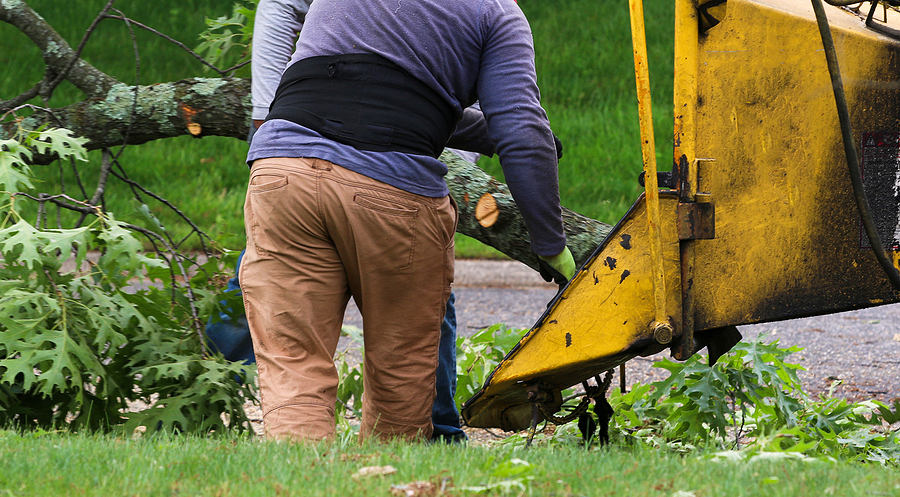
Building a fence or running utility lines along your property line sounds simple enough—until you realize there’s a row of mature trees standing in the way. Tree clearing for property development is a common first step for homeowners and businesses alike, but it involves far more than grabbing a chainsaw and getting to work.

Done right, tree clearing creates a clean, safe path for fences, power lines, water mains, and other infrastructure. Done wrong, it can lead to property damage, legal headaches, and safety hazards. This guide walks you through everything you need to know, from planning and permits to techniques and the value of hiring professionals.

Tree Clearing
Call 317-783-2518 for Professional Tree Clearing in Indianapolis Indiana

Why Tree Clearing Matters for Fences and Utilities

Trees and property infrastructure rarely mix well. Roots can crack foundations, lift fence posts, and damage underground pipes. Overhanging branches threaten power lines, especially during storms. When you’re installing something new along a property line, clearing the path first prevents these problems before they start.

For fences, even a single root system can throw off your post alignment or make digging nearly impossible. For utilities, clearance is often a strict requirement—utility companies need open access to install and maintain their lines safely.

Safety First: Essential Considerations Before Clearing

Tree removal is one of the more dangerous home improvement tasks. Falling limbs, kickback from saws, and unexpected tree splits cause thousands of injuries every year. Before any clearing begins, consider these safety points:

  • Locate underground utilities. Call 811 before you dig to mark gas, electric, and water lines.
  • Check for overhead lines. Never attempt to clear trees near power lines yourself.
  • Assess tree health. Dead or diseased trees can fall unpredictably.
  • Wear proper protective gear. Helmets, eye protection, and steel-toe boots are essential.

When in doubt, leave large or risky removals to trained tree removal professionals.

Planning Your Tree Clearing Project

A successful clearing project starts long before the first cut. Good planning saves time, money, and legal trouble.

Assessing Your Property Lines and Boundaries

Before removing any tree, confirm exactly where your property ends and your neighbor’s begins. A tree growing on the boundary line may be jointly owned, which means you can’t legally remove it without your neighbor’s consent.

If you’re unsure about your boundaries, hire a licensed surveyor to mark them clearly. This small upfront cost can prevent costly disputes down the road.

Permits and Regulations for Tree Removal

Many cities and counties require permits for tree removal, especially for larger trees or those in protected zones. Rules vary widely by location, so check with your local government before you begin.

Common regulations include:

  • Permits for trees above a certain trunk diameter
  • Protections for native or heritage species
  • Restrictions near waterways or wetlands
  • Replanting requirements after removal

Skipping permits can result in steep fines, so always confirm the rules for your area.

Hiring Professional Tree Clearing Services

While small shrubs and saplings are often DIY-friendly, larger trees call for professional help. A licensed tree clearing service bring the equipment, insurance, and expertise needed to handle the job safely. They can also advise you on permits, debris removal, and the best approach for your specific property.

Tree Clearing Techniques and Equipment

The right method depends on the size of your project, the type of trees involved, and your budget.

Manual Tree Removal vs. Mechanized Clearing

Manual removal uses chainsaws, hand tools, and climbers to take down trees piece by piece. It’s precise and ideal for tight spaces or areas near buildings, fences, and utilities.

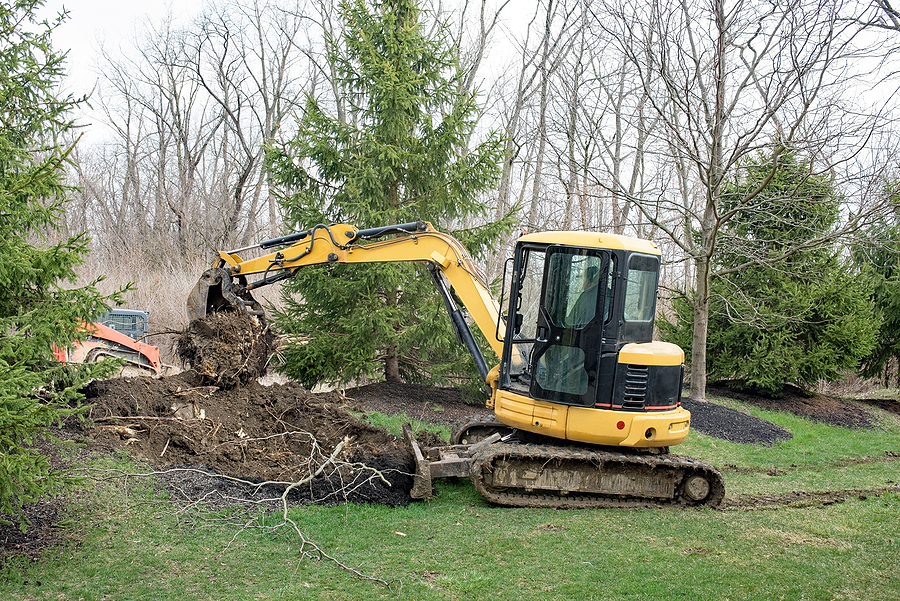
Mechanized clearing relies on heavy equipment like excavators, mulchers, and skid steers. It’s faster and better suited to large areas with many trees. The trade-off is that machines need room to operate and can disturb more of the surrounding land.

For most fence and utility line projects, a mix of both methods often works best—machines for the bulk work and manual cuts for delicate areas.

Environmentally Friendly Clearing Practices

Responsible clearing protects the surrounding ecosystem. Look for practices that minimize impact, such as:

  • Selective clearing that removes only what’s necessary
  • Protecting nearby trees and root systems
  • Avoiding soil compaction and erosion
  • Preserving wildlife habitats where possible

A reputable Indianapolis tree service will prioritize these methods rather than clear-cutting everything in sight.

Disposing of Debris Responsibly

Cleared trees leave behind logs, branches, and stumps. Responsible disposal options include:

  • Mulching branches into wood chips for landscaping
  • Recycling logs into firewood or lumber
  • Hauling debris to a green waste facility
  • Stump grinding to remove remaining stumps below ground level

Many professional services include cleanup and disposal in their pricing, saving you the hassle.

Benefits of Professional Tree Clearing

Hiring experts costs more than going it alone, but the advantages often outweigh the price.

Ensuring Accuracy and Efficiency

Professionals know how to clear a precise path for your fence or utility line without removing more than necessary. Their experience means the job gets done faster and with less guesswork.

Minimizing Risk and Damage

Trained crews carry the proper insurance and follow safety protocols that protect your property, your neighbors, and themselves. They know how to drop trees away from structures and avoid damaging underground lines.

Long-term Property Value and Maintenance

Clean, well-cleared property lines improve curb appeal and make future maintenance easier. A properly cleared site also reduces the risk of falling limbs and root damage, protecting your investment for years to come.

Frequently Asked Questions

Do I need a permit to clear trees on my property?

It depends on your location. Many cities require permits for trees above a certain size or in protected areas. Always check with your local government before starting.

How much does professional tree clearing cost?

Costs vary based on the number of trees, their size, accessibility, and disposal needs. Most companies offer free estimates so you know what to expect before committing.

Can I remove a tree on the property line myself?

Not without your neighbor’s permission. Trees growing directly on a boundary line are often jointly owned, so removing one without consent can lead to legal disputes.

What happens to the debris after clearing?

Reputable services mulch, recycle, or haul away the debris. Many include cleanup and stump grinding as part of the job.

Ready to Clear Your Property Line?

Tree clearing for fences and utilities is a job that rewards careful planning, proper permits, and the right expertise. Whether you’re installing a new fence or making way for utility lines, taking the time to plan and hire qualified help pays off in safety, accuracy, and long-term value.

Need professional tree clearing in Indianapolis, Indiana? We handle both commercial and residential projects with the equipment and experience to get the job done right. Request a free estimate today.

Related Posts:

Hiring Lot Clearing Contractors in Indianapolis: What to Know

Navigating Neighbor’s Trees: Your Property Rights Guide
Tree on a Power Line? Essential Safety Steps to Take Now

Hiring Lot Clearing Contractors in Indianapolis: What to Know
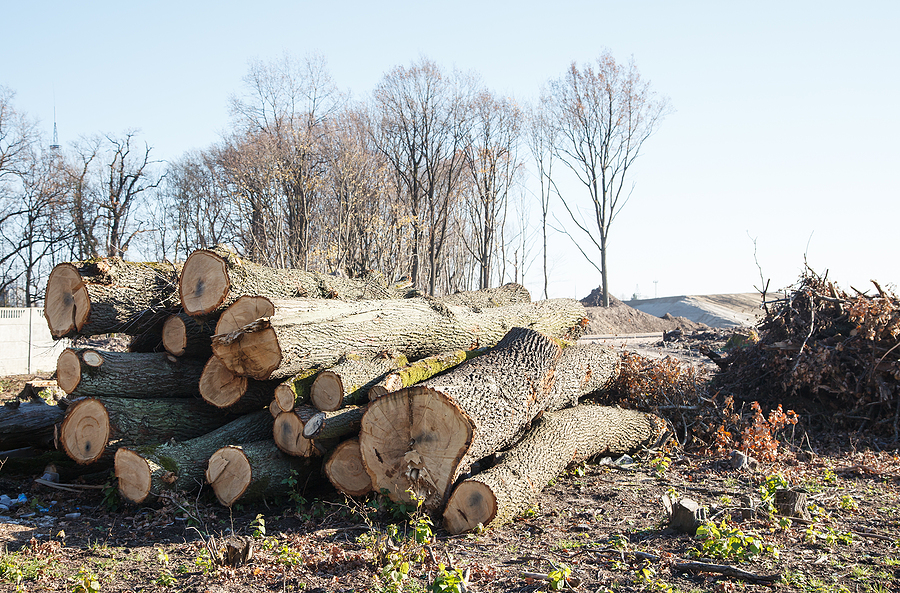
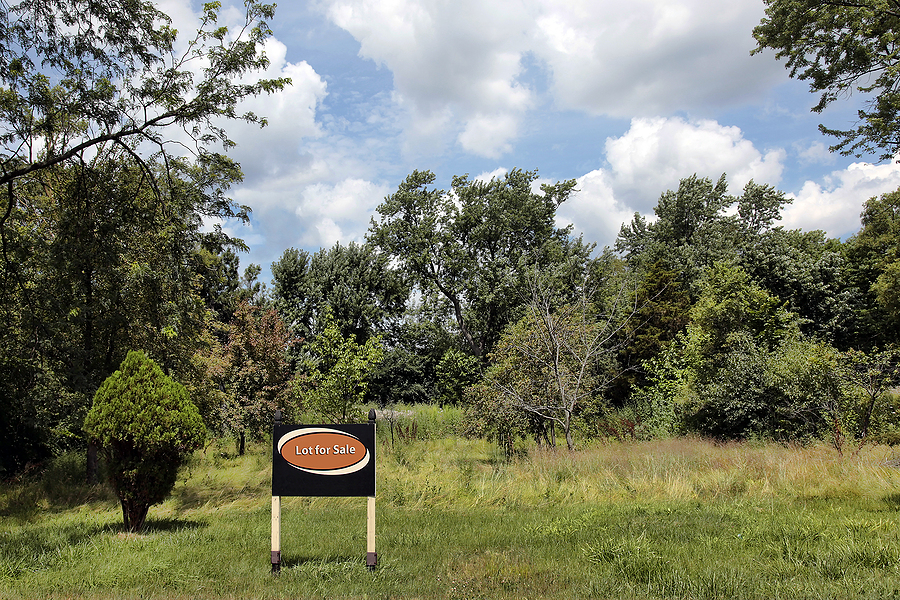
Clearing a lot in Indianapolis can feel overwhelming when you’re staring at a tangle of overgrown brush, mature trees, and stubborn stumps. Whether you’re preparing for new construction, reclaiming a neglected property, or improving a residential lot, the right contractor makes all the difference.

Professional lot clearing isn’t just about brute force. It involves planning, the right equipment, knowledge of local permits, and careful site management. Hiring the wrong contractor can lead to delays, surprise costs, and compliance headaches with Marion County regulations.

This guide walks you through everything you need to know before you sign a contract—from defining your project scope to spotting red flags. Let’s break it down so you can hire with confidence.

Call 317-783-2518 to Reach Our Lot Clearing Contractors in Indianapolis

Know Your Lot Clearing Needs First

Before you contact a single contractor, get clear on what your project actually requires. A well-defined scope helps you compare quotes accurately and avoid scope creep down the line.

Common lot clearing services include:

  • Tree removal — taking down trees of varying sizes and species
  • Brush and vegetation clearing — removing dense undergrowth, shrubs, and weeds
  • Stump grinding — eliminating stumps left after tree removal
  • Debris removal and hauling — clearing away the wood, branches, and waste

Take a walk around your property and make notes. How many trees need to go? Is the land sloped or flat? Are there structures nearby that need protection? The more detail you can provide, the more accurate your quotes will be.

How to Research Local Indianapolis Contractors

Local experience matters more than you might think. A contractor based in or around Indianapolis will already know the Marion County permitting process, drainage requirements, and disposal regulations. That knowledge can save you both time and money.

Check Reviews and Reputation

Start by reading online reviews on platforms like Google, Angi, and the Better Business Bureau. Look for patterns in the feedback. A few negative reviews are normal, but repeated complaints about missed deadlines or hidden fees are warning signs.

Ask friends, neighbors, or your real estate agent for recommendations too. Word-of-mouth referrals often lead to the most reliable contractors.

Verify Credentials and Insurance

This step is non-negotiable. Lot clearing involves heavy machinery and inherent risk, so you want a contractor who is properly licensed and insured.

Before hiring, confirm the contractor carries:

  • Liability insurance — protects you if property damage occurs during the job
  • Worker’s compensation insurance — protects you from liability if a worker is injured on your property
  • Relevant licenses and certifications — proof they’re qualified to operate in the area

Don’t just take their word for it. Ask for copies of their certificates and verify the coverage is current. A reputable lot clearing contractor will provide this information without hesitation.

The Step-by-Step Hiring Process

Once you’ve narrowed down your options, follow these steps to find the best fit for your project.

Get Multiple Quotes

Reach out to at least three contractors for written estimates. In Indianapolis, land clearing costs around $4,662 on average, with most projects ranging from $1,050 to $8,275 depending on acreage, vegetation density, and terrain, according to Angi. Some contractors price by the acre, which can run between $1,046 and $2,136 per acre based on ProMatcher data.

A detailed quote should clearly list the scope of work, equipment to be used, debris removal, timeline, and total cost. Be cautious of vague estimates that leave room for surprise charges.

Interview Your Top Choices

Treat this like a job interview, because it is. Ask each contractor:

  • How many years have you been clearing lots in the Indianapolis area?
  • Can you share examples of similar projects you’ve completed?
  • What equipment will you use on my property?
  • What’s your estimated timeline from start to finish?

Their answers reveal their level of experience and how well they communicate.

Check References

Ask each contractor for references from recent clients. Then actually call them. Find out if the project finished on time, stayed on budget, and met expectations. Ask whether the crew was professional and whether the site was cleaned up properly afterward.

What to Expect from a Professional Service

Knowing what a quality job looks like helps you hold your contractor accountable.

Site Assessment and Planning

A professional contractor starts with an on-site inspection. They’ll evaluate the terrain, identify hazards, and develop a clearing strategy. This is also when they’ll discuss safety protocols to protect your property and their crew.

Efficient Execution

Expect the right equipment matched to your project—bulldozers, excavators, brush mulchers, and stump grinders are common tools. A skilled crew works efficiently while taking steps to minimize damage to the surrounding land and reduce environmental impact.

Post-Clearing Cleanup

The job isn’t done until the site is clean. Professional tree services include hauling away debris and disposing of it properly, leaving you with a clear, usable lot ready for its next purpose.

Common Pitfalls to Avoid

Even with good preparation, a few mistakes can derail your project.

Watch Out for Low-Ball Offers

The cheapest quote is rarely the best deal. Suspiciously low bids often signal cut corners, inadequate insurance, or hidden costs that surface later. Focus on value, not just price.

Insist on Clear Communication

Poor communication is one of the biggest sources of frustration. Choose a contractor who responds promptly, explains the process clearly, and keeps you updated as the work progresses. If they’re hard to reach before you hire them, expect more of the same once work begins.

Do You Need a Permit for Lot Clearing in Indianapolis?

Permit requirements depend largely on the size and nature of your project. In Marion County, a local drainage permit is required when a project disturbs one or more acres of land, or when it’s part of a larger common plan of development, according to the City of Indianapolis.

If your project disturbs less than one acre and doesn’t require Construction Stormwater General Permit (CSGP) coverage, you typically won’t need a local drainage permit. However, other rules still apply. For example, any development within a special flood hazard area requires a local floodplain development permit.

Indianapolis generally allows private property owners to remove trees on their own land without a permit. That said, protected species and trees in certain historic districts may require approval, and work in the public right-of-way requires a flora permit.

Because regulations can change, it’s always smart to confirm current requirements with the Department of Business and Neighborhood Services before you begin. A knowledgeable local contractor can also guide you through this process.

Frequently Asked Questions

How much does lot clearing cost in Indianapolis?

Land clearing in Indianapolis costs about $4,662 on average, with most projects falling between $1,050 and $8,275. Pricing depends on acreage, vegetation density, terrain, and the services you need.

What permits do I need for lot clearing?

A local drainage permit is required if your project disturbs one or more acres or is part of a larger development plan. Smaller projects may not need a drainage permit but could still require floodplain or other approvals. Check with the Department of Business and Neighborhood Services to confirm.

How long does a typical lot clearing project take?

Timelines vary based on lot size, vegetation, and terrain. A small residential lot might take a day or two, while larger or more complex sites can take a week or more. Your contractor should provide a clear estimate upfront.

Hire with Confidence

A well-cleared lot opens the door to your next project, whether that’s building a home, expanding your property, or simply reclaiming usable space. The key is choosing a contractor who is experienced, properly insured, transparent about pricing, and easy to communicate with.

Take your time, ask the right questions, and don’t settle for the first low bid that comes your way. The effort you put in now pays off with a smooth, hassle-free clearing project.

For professional lot clearing services in Indianapolis, Indiana, choose Complete Tree Care. Request a free, on-site quote today.

Call Now

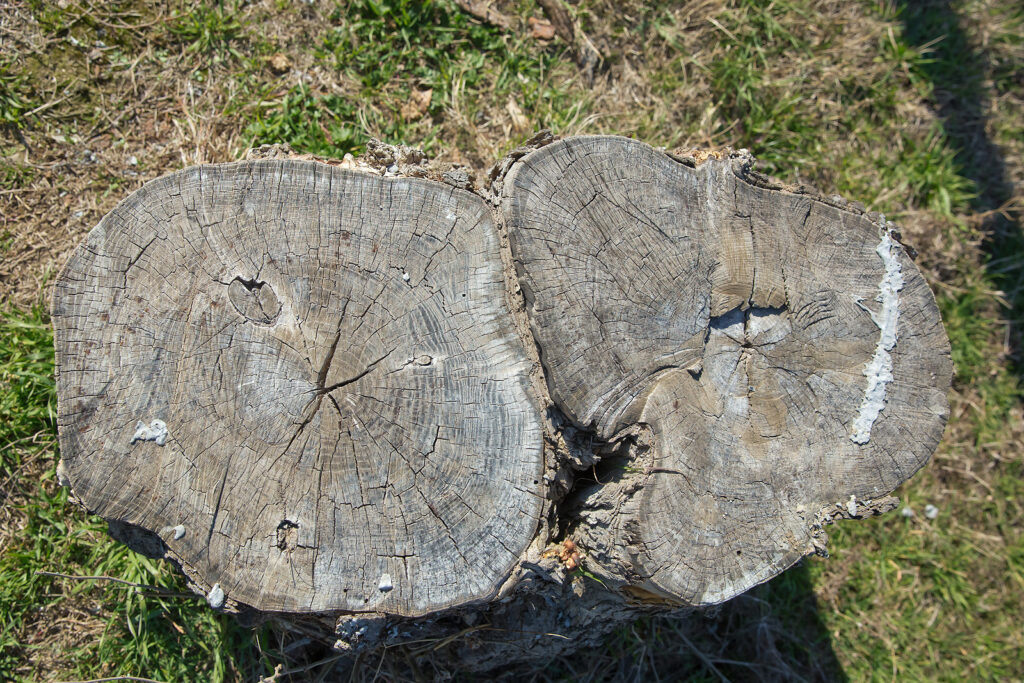
Related Post: Transforming Landscapes: Homeowner’s Handbook to Stump Removal

Beyond the Eyesore: The Dangers of Leaving Tree Stumps in Your Yard

Cutting down a dead or dying tree feels like a major landscaping victory. You have successfully cleared space, improved your view, and removed a potential falling hazard from your property. However, leaving the remaining stump behind can quickly turn that accomplishment into a massive headache.

Many homeowners assume a leftover stump will simply rot away on its own over time. The reality is far less innocent. A decaying piece of wood acts as a magnet for destructive pests, a breeding ground for plant diseases, and an ongoing safety risk for your family. Ignoring it often leads to much larger, more expensive problems down the road.

This guide will highlight the hidden hazards of neglecting those leftover tree bases and explain why dealing with them promptly protects your property. You will also learn the critical differences between stump grinding and complete removal, helping you make the most informed choice for your lawn’s long-term health.

Reduce the Risk of Tree Stump Dangers

A Tripping Hazard Waiting to Happen

A leftover stump is an immediate safety concern. While a fresh cut might be obvious to spot, time changes the landscape. Grass, weeds, and brush quickly grow around the wood, camouflaging it from view.

Children running through the yard can easily trip over these hidden obstacles, resulting in painful injuries. Adults face similar risks while carrying heavy yard equipment or walking at night. If a neighbor or guest trips and falls on your property, you could even be held liable for their medical expenses. Removing the stump entirely eliminates this dangerous obstacle.

Pest Infestation: An Unwanted Ecosystem in Your Yard

Decaying wood acts as an open invitation to a wide variety of pests. As the stump slowly rots, it provides the perfect shelter and food source for insects that you definitely do not want near your house.

Termites: The Silent Destroyers

Termites thrive in dead wood. A rotting stump is the perfect starter home for a termite colony. Once they finish consuming the stump, these destructive insects will naturally seek out their next food source. Often, that next meal is the wooden framework of your home. Removing the stump proactively takes away their initial nesting ground.

Other Unwelcome Guests: Ants, Beetles, and More

Termites are not the only threat. Carpenter ants behave similarly, building massive nests in decaying wood before migrating toward residential structures. In regions like Indiana, dead ash stumps can also harbor remnants of the Emerald Ash Borer or attract other wood-boring beetles. Furthermore, the hollowed-out sections of an old stump provide cozy shelters for rodents, snakes, and wasps, creating an unsafe environment for your family and pets.

Disease Spread to Healthy Trees and Plants

A tree often dies because of a severe fungal infection or root rot. Cutting down the trunk does not instantly kill the disease. The pathogen can easily survive inside the remaining stump and its extensive root system.

These diseases slowly spread through the soil, infecting nearby healthy trees, shrubs, and garden beds. Fungal spores can also grow on the surface of the decaying wood, eventually blowing into other areas of your lawn. Taking out the infected stump is a necessary step to protect the rest of your landscaping from a similar fate.

Hindering New Growth and Landscaping Projects

Stumps take up valuable real estate in your yard. The visible wood is only part of the problem. A massive, tangled root system lies just below the surface, making it incredibly difficult to plant new flowers, lay down sod, or install fencing.

Sometimes, a stump will refuse to die. It may continuously sprout unsightly new shoots, called suckers, around the base. These small shoots steal vital water and nutrients from the surrounding plants you actually want to grow. You will find yourself constantly pruning these suckers just to keep the yard looking neat.

Decreased Property Value and Curb Appeal

Curb appeal matters deeply, especially if you ever plan to sell your home. A beautifully manicured lawn loses its charm when a jagged, rotting stump sits right in the middle of it.

Potential buyers often view a leftover stump as a chore they will have to deal with, which can negatively impact their perception of the property. A clean, clear yard shows that a home has been meticulously maintained.

Stump Grinding vs. Stump Removal: Choosing the Right Solution

Call 317-783-2518 for Tree Trunk Removal in Indianapolis

When you finally decide to deal with the problem, you will face two main options. Both methods achieve the goal of clearing the surface, but they involve very different processes and outcomes.

What is Stump Grinding?

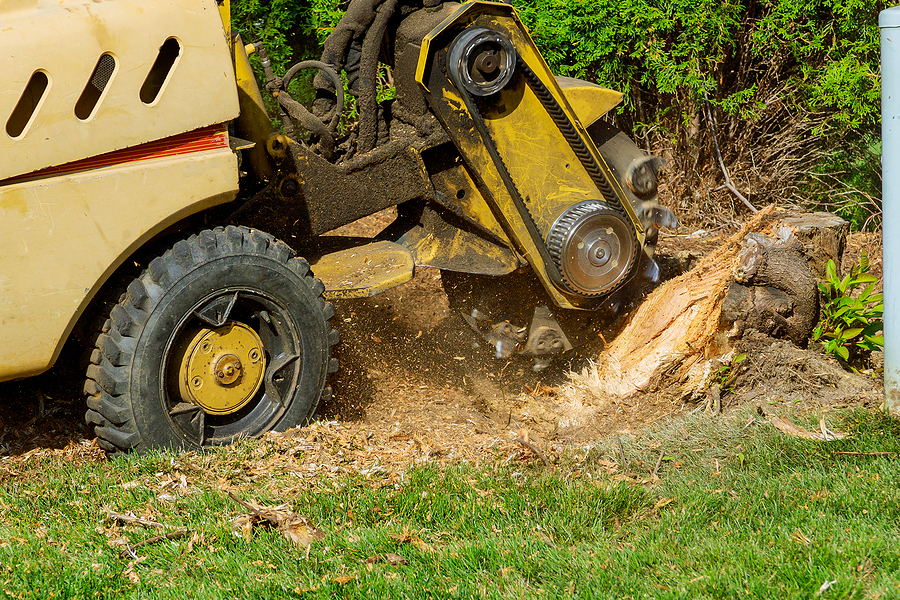
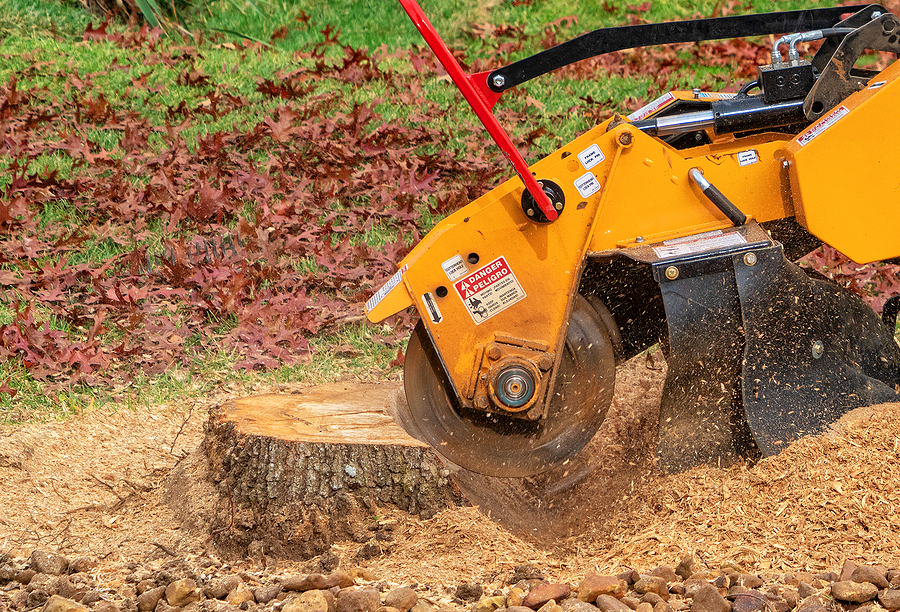
Stump grinding involves using a specialized machine with a spinning, toothed wheel to shred the wood down into small chips. The operator grinds the stump until it rests a few inches below the soil line. The underground root system is left intact to decay naturally over time.

What is Stump Removal?

Stump removal is a much more intensive process. It requires heavy excavation equipment to dig out the wood and pull the entire root ball completely out of the earth. This leaves a sizable hole in the ground that must be filled with fresh topsoil.

Which Option is Best for Your Yard?

Grinding is generally faster, less invasive, and more budget-friendly. It is the ideal choice if you simply want to grow grass over the area or eliminate a tripping hazard. Complete removal is necessary if you plan to pour a concrete foundation, build a patio, or plant a brand new tree in that exact same spot. Removal is also highly recommended if the original tree suffered from a highly contagious root disease.

The DIY Dilemma: Why Professional Help is Crucial

Renting a grinder from a local hardware store might seem like a great way to save money. However, DIY stump extraction comes with severe risks and hidden complications.

Safety First: Avoiding Injury

Commercial grinders are incredibly powerful, heavy machines. Without proper training, they are dangerous to operate. The blades spin at high speeds, throwing wood chips, hidden rocks, and metal debris violently into the air. Professionals wear specialized safety gear and know how to operate the machinery securely.

Specialized Equipment and Expertise

Tree care experts carry out necessary site preparations that the average homeowner might overlook. They know how to check for underground utilities like gas lines, water pipes, and internet cables before the grinding begins. Hitting an underground utility line can cause catastrophic damage and massive repair bills.

Efficient and Effective Results

A project that might take a homeowner an entire grueling weekend can often be completed by a professional team in just a few hours. Experts clean up the wood chips, fill the depression, and leave your yard looking pristine.

FAQ Section

How much does stump grinding cost?

The cost varies based on the diameter of the stump, the type of wood, and the terrain. Grinding is almost always more affordable than complete extraction because it requires less labor and no heavy excavation.

Will the tree grow back after grinding?

Grinding the wood a few inches below the surface usually kills the tree for good. In rare cases with very aggressive species, some root suckers might appear. Treating the remaining roots or grinding deeper easily prevents this issue.

What happens to the hole after the process is done?

Grinding produces a large amount of wood chips. These chips are often mixed with dirt to fill the shallow depression left behind. Over time, the area settles, and you can easily spread topsoil and grass seed over it.

Don’t Let a Stump Be a Setback

A leftover tree stump is a liability masking itself as a harmless piece of wood. From attracting termites to spreading dangerous fungi, the risks of ignoring it far outweigh the initial cost of clearing it away. Taking care of the problem now secures the health of your lawn and the safety of your home.

If you’re dealing with an unsightly or hazardous tree stump on your property, taking action is the best way to safeguard your home and lawn. For professional stump removal and stump grinding services in the Indianapolis, Indiana, area that you can rely on, contact our team and request a free quote today.

Call Now to Book Service

Related Post: Why You Need Professional Tree Stump Grinding

The Benefits of Professional Tree Stump Removal

Are tree stumps taking over your garden or yard? If so, you’re not alone. Tree stumps can be unsightly and difficult to remove on your own. Luckily, there are professional tree stump removal services that can help get rid of them quickly and efficiently. Continue below to learn your options for removing a tree trunk from your property, plus some bonus tips on where to get started.

Call 317-783-2518 For Professional Stump Grinding in Indianapolis Indiana.

Tree Stump Removal Options for Property Owners

Stump Removal

Professional tree stump removal offers several benefits compared to DIY methods. For starters, it’s a lot faster than trying to dig out the tree stump yourself with a shovel or pick-axe! Professional tree stump removers have specialized equipment, such as chippers and grinders, which make quick work of even the most stubborn tree roots and stumps.

In addition, professional tree care operators know how much force is needed for each job—too little won’t do the trick but too much could damage nearby plants and trees. Finally, these professionals will clean up after themselves once they’re done so you don’t have to worry about disposing of any debris afterwards.

All in all, hiring a professional tree stump removal service is one of the best ways to keep your landscape looking neat and tidy without putting in too much effort or time!

Stump Grinding Services

In addition to tree stump removal, there are also tree stump grinding services available. Stump grinding involves using a specific machine to grind away tree stumps until they are almost level with the ground. This is a great option if you want to get rid of tree stumps without having to dig them out altogether. It can also be beneficial if you’re looking to replant or landscape in a tree stump-free area.

Why Choose Professional Tree Services

Overall, tree stump removal and grinding are invaluable services for anyone dealing with tree stumps on their property. Professional tree stump removers and grinders have the expertise and equipment necessary to make quick work of even the toughest tree stumps. They can also offer help with tree stump disposal and clean up after they’re done.  So, if you have tree stumps on your property, don’t hesitate to hire a tree stump removal or grinding service to get the job done quickly and safely!

Stump Removal in Indianapolis

Put your trust in the expert tree specialists at Complete Tree Care! Our certified technicians provide top-notch stump removal services with an unbeatable price tag throughout Central Indiana. We guarantee quality equipment and comprehensive training, ensuring we perform safe and effective stump grinding every time. Let us be your go-to source for commercial or residential service – our experienced team is prepared to take on any project you have!

For fast and reliable tree stump removal and grinding services in Indianapolis, contact us at 317-783-2518. Our team of professional tree technicians provide commercial and residential stump removal and lot clearing services throughout central Indiana. Request a quote, today!

Related Posts:

Top 3 Tree Stump Removal Options in Indiana
Why Tree Stump Removal Might Be the Right Option for Your Landscape
Quick Guide to Tree Stump Burning

Is it Expensive to Remove a Tree That Fell Over?

Removing a fallen tree is an important part of maintaining your property. Not only does it keep your home and yard safe from potential damage, but it also ensures that the tree isn’t blocking any roads or walkways. The cost of removing a fallen tree depends on several factors, including the size of the tree, its location, and how much removal and cleanup is necessary.

Continue reading to learn how much it might cost you to have a fallen or uprooted tree removed from your property, plus a bonus tip on where to get a free quote for tree removal service in Indianapolis.

Call 317-783-2518 For Fallen Tree Removal in Indianapolis, Indiana!

Average Tree Removal Costs

On average, removing a fallen tree can range from $150 for a smaller tree to more than $2,000 for a larger one. In addition to the cost of physically removing the tree, you may also need to factor in additional costs such as stump removal, debris disposal, and any necessary repairs or landscaping. Hiring a professional arborist or tree removal service is recommended to ensure the job is done properly and safely.

The size of the fallen tree plays a major role in determining the cost of removal. A smaller tree may only require one person, while larger trees may need more than one person for the task. If your fallen tree is near power lines or other property, the cost of removal may increase due to the additional specialized equipment and personnel needed for a safe and successful job.

The location of the tree will also come into play when calculating an average cost for removal, as trees in hard-to-reach areas may require special tools or techniques that add to the total cost.

If the tree has caused any damage to your property, you may need additional services such as repairs and landscaping. Cleaning up the debris from a fallen tree can also add to the overall cost.

Tree Removal Costs Will Vary

In conclusion, the average cost of removing a fallen tree can vary widely depending on several factors such as size, location, and potential damage. Hiring a professional arborist or Indianapolis tree removal service is recommended to ensure the job is done safely and correctly. They should be able to provide an estimate of all costs associated with the job, making it easier for you to make the best decision for your property.

Do you have fallen or leaning trees on your property that need to be removed? Contact Complete Tree Care at 317-783-2518 for lot clearing and tree removal in Indianapolis, Indiana you can trust. We serve commercial and residential clients.

Related Posts:

4 Common Tree Removal Jobs and How Much They Cost
Should I Remove a Leaning Tree?
How to Get Indianapolis Tree Service at an Affordable Price

Top 3 Tree Stump Removal Options in Indiana

If you have a stump taking up valuable lawn space, it is time to start considering your options. Continue reading to learn the top 3 methods of getting rid of a tree stump in Indiana, and who to trust for professional stump removal service in Indianapolis.  

How to Get Rid of Tree Stumps

Tree Stump Removal in Indianapolis

Tree removal is only one aspect of taking down a tree. Once the tree is removed, whether for storm damage, safety, or aesthetics, there is always going to be a stump left behind in its place. Until you remove it, this stump will serve as a constant reminder that your work is not yet finished. Stump removal comes in different forms, so it is important to learn all your options in order to choose the most suitable method for your particular landscape.

3 Primary Options for Getting Rid of a Tree Stump:

Stump Grinding

Stump grinding is a method that is best carried out by a professional tree service technician. They have the proper training and equipment to provide the service, safely and efficiently. There are several other steps involved in the process, but essentially, a large machine called a stump grinder is used to chip away at the tree stump until it is level to the ground, or just below. This is a very cost-effective and fast solution, but it does not completely eliminate the stump. In certain cases, a stump cannot be in the ground at all. This would call for stump removal.

Stump Removal

Stump removal is much more invasive and tedious and must also be carried out by a professional tree care team who is trained and experienced. There are several ways to remove a stump, and these methods vary from company to company. The truest method in a fundamental sense is to dig, cut, pull, and repeat. This is more expensive than stump grinding since more labor is involved.

Stump Burning

One such manual stump removal option is stump burning. Although it is strongly recommended to hire a professional for all tree service tasks, those who are confident in their handyman skills may be able to burn out a tree stump themselves. You never want to work with fire outdoors in certain weather conditions. Check your week’s forecast to ensure a calm, dry day for burning, followed by some wet days to ensure all smolders are out. The entire process should take at least 3 to 4 days.

Would you prefer to entrust your tree service and tree stump removal needs to a licensed and insured professional? Contact Complete Tree Care at 317-783-2518 for licensed Indianapolis Indiana tree stump removal you can trust. We serve both residential and commercial clients all throughout Central Indiana.

You Might Also Read:

3 Reasons Why Tree Stump Removal Might Be the Right Option for Your Landscape
Why Choose Complete Tree Care for Commercial Lot Clearing in Indianapolis
Can I Replant a Fallen Tree?

Indianapolis Tree Care 317-783-2518

Tree Removal FAQS All Homeowners Want to Know

Learn what many other home owners want to know about tree removal service. You may find the answers to your tree removal questions, right here!

Indianapolis Indiana Tree Removal
Indianapolis Indiana Tree Removal Services 317-783-2518

Frequently Asked Questions About Removing Trees

Is My Tree Dead or Alive?

To figure out the status of a tree’s health, there is a simple “scratch and snap” test you can administer at any time of the year.  It is a simple test that can prove whether or not your tree is sick, dying, dead, or just dormant.  Start by breaking off a small limb of the tree.  Pay close attention to see if it snaps abruptly and cracks off, or if it bends and bows.  This tests the moisture of the tree.  Dry trees are not producing anything.  Look inside the branch after you break it off; does it have a moist yellowish-green center?  If so, it is a sign of good standing health.  You do not want to see a dry, brittle limb that snaps off quickly and crumbles in your hand. See “Top 4 Signs That Indicate a Tree is Dead.”

Is My Tree a Danger to its Surroundings?

The most common causes for an unsafe tree include undernourishment, tree disease, and pest infestation. These factors can quickly throw a tree’s health into decline, which renders a tree weak and more vulnerable to dying. And a dead or dying tree has a high risk of falling over. The most common indications that a tree is unsafe and poses a threat to its surroundings include leaning trunk, increased wildlife activity, trunk cavities, rotting roots, and more.

When is the Right Time to Have a Tree Removed?

The general rule of thumb in the tree industry is “a tree that is more than 50% damaged cannot be restored, so it should be removed.” When a tree is dead or dying, it doesn’t always fall, which means it doesn’t always need to be removed. A dead or dying tree needs to be removed if it poses a potential hazard to power lines, electrical boxes, homes, buildings, garages, stables, vehicles, car ports, yard décor, patios, decks, pools, play-sets, and more. If the tree stands alone, it can be left to die in place without any human intervention. However, it can still be an eye sore for some properties, which is another reason to have it removed.

How Much Does Tree Removal Cost?

The cost of tree removal depends on a variety of factors. The first factor to assess is the size of the tree.  Larger trees will require more labor and time to remove.  Some trees are so big, they need to be removed in sections, piece by piece, in order to protect the surrounding environment.  Along with size comes quantity, if land clearing is on the agenda, the costs will be much higher. Another facet that affects the total cost of tree removal is location.  If there are utility wires and other dangerous obstacles in the way of removing the tree, the cost will be adjusted to make up for this factor.

Where can I find affordable and trusted tree removal near me? Contact Complete Tree Care at 317-783-2518 for tree removal services in Indianapolis, Indiana, and all surrounding locations. We serve residential and commercial clients.

You Should Also Read:

How to Spot the Signs of Tree Stress
Should I Remove a Leaning Tree?
How to Identify Dead Trees on Your Property

Indianapolis Tree Care 317-783-2518

Tree Care Tips for Homeowners Who Want an In Ground Pool

Adding a pool to your property this spring will certainly raise your home’s value; but be sure to take the proper measures to ensure your beautiful landscaping trees are not negatively affected by the construction and installation process. Trees add property value too! Continue reading to learn what you need to know about tree care before having an in-ground swimming pool installed.

Indianapolis IN Tree Removal Service 317-783-2518

Preventative Maintenance Should Come Before Installation

Before construction begins for your in-ground swimming pool, be sure to talk to your contractor about their internal safety standards and practices in regard to landscape protection. You will want to know where they will need to enter your yard, which equipment will be driven on your lawn, which trees will need to be removed (if any), and much more. You will need to develop a plan together that will protect your trees during the construction process.

Tree Location

If trees are too close to a swimming pool, several inherent risks are posed. Not only can the leaves and pollen jeopardize the clarity of your pool water and add to the amount of manual maintenance you need to do, but it can also affect the tree root system. Trees that are too close are more likely to develop root stability problems, which can lead to tilting, tipping, and falling. This can subsequently cause the tree to experience health issues and eventual decline. As for your pool, the filter can be affected by all the falling tree debris, resulting in costly repair and replacement bills.

The general rule of thumb is to make sure trees are at least 2 ½ times the tree’s trunk diameter away from the lip of the swimming pool. Here’s an example on how to do the math:

Tree Trunk Diameter = 36 Inches
36 x 2.5 = 90 Inches

► This tree should be at least 90 inches (7.5 feet) away from the pool’s edge.

Pool Installation Crew

It is important to discuss how your pool company plans on installing your pool. That is because the impact of construction equipment and crew members can be highly detrimental to existing landscaping trees. Compaction of the critical root zones of trees can be easily prevented by simply discussing the concern upfront, and strategizing a way to avoid tree damage during the construction phase.

Certain tree species are more resilient to this type of stimuli, such as live oaks. However, it is still important to take the necessary precautionary measures anyway. Other tree species are particularly vulnerable under such conditions, such as Hackberry trees. These will quickly split, rot, and decline if impacted negatively by pool construction.

Additional Tree Care Tips For Pool Owners

It is best to install pools in the fall or winter when trees are dormant. The stress of the construction and hot summer heat can take a large toll on landscaping trees. Also, watch out for root damage when the pool installers begin to trench the ground. Roots should be cut cleanly, and never ripped or torn. This could cause uneven regeneration or root rot.

Do you need to remove some trees to make room for a new pool this summer? Contact Complete Tree Care at 317-783-2518 for prompt and professional tree removal service in Indianapolis, Indiana. We serve commercial and residential clients.

You Should Also Like:

The Best Trees for Hanging Seated Swings
How to Identify Dead Trees on Your Property
Quick Guide to Tree Stump Burning

Indianapolis Tree Care 317-783-2518

Why Choose Complete Tree Care for Commercial Lot Clearing in Indianapolis

Lot clearing, like most commercial tree work, is a time-consuming and complex job that requires the knowledge and experience of a trained tree service company. Here at Complete Tree Care, we have developed a concentrated approach for safe and efficient tree, stump, and undergrowth removal for any size commercial lot in Indianapolis.

We are highly trained and qualified tree care specialists with over 30 years of experience in the tree service industry. Our teams are fully-equipped to provide residential and commercial lot clearing services. Regardless of your project’s size or scope, we can deliver exceptional service at a price that you can afford!

Continue below to learn why you should choose Complete Tree Care for commercial tree service, and how to get started with a free lot clearing bid.

Indianapolis Commercial Tree Services
Indianapolis Commercial Tree Services 317-783-2518

Why Choose Us for Commercial Tree Service

Complete Tree Care is a locally owned and operated tree service company in Indianapolis, Indiana. We started our business with the philosophy that expert tree care starts with honesty and proficiency. Our hands-on experience has given our experienced teams of tree service contractors a leading advantage in the local Indianapolis tree service industry, which allows us to provide quality tree care within your budget. If you require tree removal lot clearing services, Complete Tree Care is the company to choose for the highest standards of professionalism and outstanding results. Best of all, we get the job done fast so that you can continue with your commercial build!

Your Trusted Indianapolis Tree Service Company

Complete Tree Care knows the importance of your surrounding landscape, and takes great care to provide effective lot clearing solutions that will not disrupt or destroy your property. When you choose our experienced tree technicians, you can relax knowing that your best interests are our number-one motivation behind delivering exceptional service. No matter how large or small your lot clearing needs are, we are ready to make your project our top priority! From tree removal and tree trimming to stump grinding, tree disease treatment, and more, our professionals are prepared to deliver exceptional tree service for both residential and commercial properties.

Do you need a lot or large piece of land cleared of all its vegetation? Contact us at 317-783-2518 for our superior commercial tree services in Indianapolis, Indiana. We serve residential clients, too.

You Should Also Read:

Get Spring Tree Service Deals in Indianapolis at Complete Tree Care
3 Reasons Why You Should Never Perform Tree Work Yourself
Frequently Asked Questions About Tree Removal

Indianapolis Tree Care 317-783-2518