The Crucial Role of Professional Tree Cable Installation

The grandeur of mature trees can be the crowning glory of any landscape, lending an air of timelessness and tranquility. However, with great beauty comes great responsibility, especially when it comes to preserving and protecting these silent sentinels of nature. Professional tree cable installation may not be the most publicized aspect of arboriculture, but it’s a silent hero that keeps our verdant giants standing strong in the face of adversity.

From safeguarding against storms to enhancing longevity, the importance of tree cable installation is multifaceted. This long-form post will unpack why this service is so critical and why trusting a professional is non-negotiable for homeowners, property owners, and gardeners.
Call 317-783-2518 For Professional Tree Cabling Bracing in Indianapolis Indiana

Why Tree Cable Installation Matters

Preventing Tree Failure and Property Damage

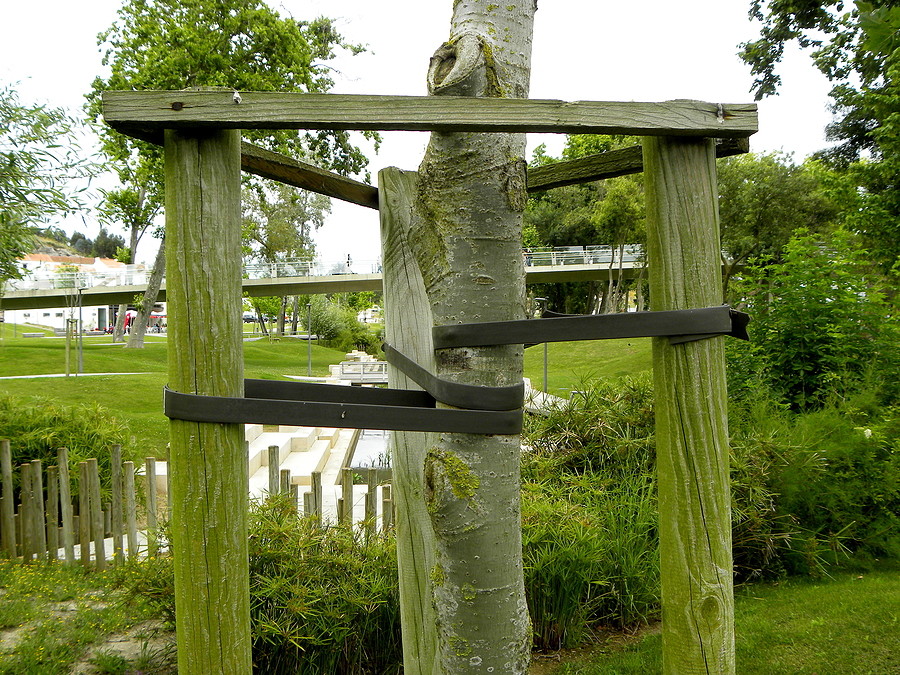
The primary function of tree cabling is to provide support to large, overextended branches, or multiple trunks that are at risk of splitting or failing under their own weight. Without this support, the stakes are high—literally and figuratively. A falling tree can cause untold damage to homes, structures, and anything else in its path. The weight and momentum of a branch can be extraordinary, and a simple crack in the wood can herald a catastrophic failure. Tree cable installation is the simple, yet profound countermeasure to this risk.

Enhancing Tree Health and Longevity

In some cases, cabling can also be a proactive measure to correct existing weaknesses and prevent future issues. By alleviating the strain on tree limbs, cabling promotes healthier growth and can be an essential part of the recovery process for damaged trees. In essence, it’s a crutch for the arboreal world—a temporary measure that can make a world of difference by allowing the natural healing processes to take place.

Improving Safety for Inhabitants and Passersby

The safety of those around trees is paramount. Whether it’s children playing in the yard, pedestrians strolling along the sidewalks, or simply the homeowners, the threat of falling branches or trees is very real. Tree cabling helps manage and distribute the tree’s weight more evenly, which reduces the risk of unpredictable failure. It’s the arboricultural equivalent of ensuring you have a solid foundation in your home.

Increased Property Value

Strong, healthy, and well-maintained trees are a significant asset to any property. They can add to the appeal and value of a home, making it more attractive to potential buyers. However, trees identified as high-risk can have the opposite effect. Professional tree cable installation not only mitigates risks but also represents a commitment to the care and longevity of the trees on your property.

Peace of Mind During Storms

Nature is a force to be reckoned with, and stormy weather is a sure test of a tree’s structural integrity. Trees that are properly supported with cables and bracing are far more likely to weather a storm with little more than a sway in the wind. For homeowners, this can mean peace of mind, knowing that their trees are less likely to pose a threat to their family or property.

Professional vs. DIY Installation

Importance of Expert Assessment and Installation

Professional tree care contractors carry out a detailed assessment of a tree’s structure before cabling, determining the best locations and angles for support. They understand the physics of trees and the correct methods for installing cables to provide the necessary support without inflicting damage. The wrong placement or tension on cables could stress trees further, potentially leading to more harm than good.

Potential Risks of Improper DIY Installation

Attempting to install tree cables without the expertise can do more harm than good. Improperly installed cables can damage the tree, degrade over time, or even fail when they’re needed most—during a storm. DIY cabling is often a shortcut fraught with risks. It’s a bit like fixing a leak in your roof; if you don’t know what you’re doing, you might end up with a bigger problem than when you started.

Conclusion

The myriad benefits of professional tree service for cabling and bracing cannot be overstated. Not only does it play a crucial role in preventing tree failure and property damage, but it also contributes significantly to the health and longevity of trees, improves safety, increases property value, and offers peace of mind during storms. The expertise and precision that professional tree service contractors bring to this service ensure that trees are supported in a way that promotes their welfare and stability.

While the allure of DIY methods might seem tempting, the potential risks and downsides highlight the importance of entrusting this task to the professionals. Proper tree cabling is an investment in the beauty, safety, and resilience of your property’s natural landscape. If you have trees on your property that you suspect may need additional support, don’t hesitate to reach out to a professional tree service company. Your trees are a living investment, and professional tree cable installation is just one way to secure that investment for years to come.

Are you in search of reliable and insured tree care services close to home? Contact Complete Tree Care at 317-783-2518 for affordable tree services in Indianapolis, Indiana and its surrounding counties. We provide residential and commercial tree services, as well as certified arborist services.

Related Posts:

The Importance of Tree Cable Installation For Tree Health
Should I Brace My Trees For Winter?
Should I Remove a Leaning Tree?
Beyond Aesthetics: The Importance of Removing Dead Branches for Tree Health

Trees are the silent behemoths that grace our landscapes, providing us with beauty, shade, and an air of natural tranquility. Branches that sway in gentle breezes seem to dance within the seasonal rhythms, yet there is a duty we often overlook in our arboreal appreciation—tree maintenance. Specifically, the often-neglected task of removing dead branches is a crucial yet underappreciated aspect of caring for our sylvan friends.

Garden enthusiasts, homeowners, and anyone who finds solace in the company of trees can benefit from understanding the health reasons for this practice, ensuring that trees not only look good but thrive in good health for years to come. Let’s dive into the importance of trimming away dead branches and limbs from your landscaping trees!

Call 317-783-2518 For Professional Tree Trimming and Dead Branch Removal in Indianapolis Indiana

Why Remove Dead Branches?

The unsightly nature of bare, dead branches and their potential hazard when they fall are often the most apparent reasons for their removal. However, the impact on a tree’s health is far more reaching and significant.

Enhancing Tree Health and Vitality

Dead branches, sometimes referred to as “broken” or “dormant” branches, are not just inactive but can be a sign of a tree’s underlying health issues. They could be symptomatic of diseases such as cankers or weak internal structures caused by decay. By removing these lifeless appendages, we allow the tree to channel its resources to healthier parts, increasing its overall vitality.

Preventing Disease Spread and Pest Infestation

Trees have a remarkable ability to regenerate and heal, yet dead branches are entry points for pests and diseases. Without proper care, what starts as a single dead branch can lead to a larger problem affecting the entire tree. Regular dead limb removal prevents these issues from spreading and often eliminates the need for drastic measures later on.

Promoting Growth and Structural Integrity

Pruning dead branches encourages new growth and can help shape a tree for better balance and form. Over time, particularly in the case of young trees, proper maintenance can direct and stunt the growth of roots and branches in ways that will support a strong and resilient structure as the tree matures.

Methods of Dead Branch Removal

The process of removing dead branches can be as important as the decision to perform it. Improper techniques can harm the tree and defeat the purpose of pruning entirely.

Pruning Techniques and Tools

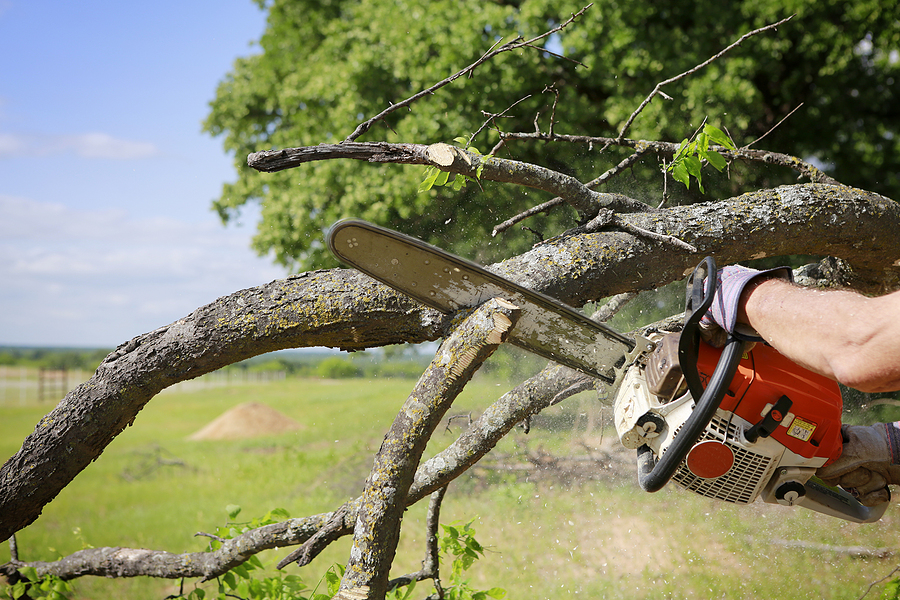
Understanding the basics of tree pruning and the right tools for the job is crucial. You’ll need to learn about different types of cuts—like the “thinning cut,” which involves removing an entire branch at its point of attachment without leaving a stub. Tools range from hand pruners for smaller branches to saws for larger limbs.

Safety Considerations

Safety is paramount when dealing with trees. This includes ensuring the tree is stable and not at risk of falling. Wearing protective equipment and knowing how to use tools properly is vital. If the task is too large for you to handle safely, hiring an arborist is the wisest decision.

Benefits of Regular Maintenance

Establishing a regular tree care routine, including the practice of dead branch removal, offers a multitude of benefits that go well beyond individual tree care.

Long-Term Tree Health and Longevity

Healthy trees live longer. By maintaining a tree’s health throughout its life, we can extend its lifespan and the benefits it provides. Regular inspections and maintenance can reveal issues before they become problems that might require drastic interventions.

Improved Aesthetics Through Natural Growth

Contrary to what one might expect, natural tree growth often ends up more aesthetically pleasing than that which has been unnaturally stunted or redirected. By addressing dead branches and other health concerns early on, you can enjoy the beauty of a tree in its most natural form.

Environmental Impact and Sustainability

Healthy trees are effective carbon sinks and provide immense ecological benefits. A tree that has been cared for diligently becomes an integral part of the local ecosystem, supporting local wildlife and contributing to sustainability efforts.

Wrapping Up

The health of our trees is a responsibility we all share as stewards of the environment. By embracing the practice of regular dead branch removal, each of us can play a part in ensuring that the trees we plant and admire are given the best chance to grow, thrive, and stand strong against the tests of time and nature. In providing garden enthusiasts, homeowners, and all lovers of nature with the knowledge and motivation to take action, we can foster a community that not only appreciates trees for their majestic beauty but also recognizes them as the complex living entities they are, deserving of our care and respect.

It’s not just about making our trees look good—it’s about ensuring they are good, from the inside out. After all, a healthy tree is the best kind of beautiful. Contact Complete Tree Care at 317-783-2518 for licensed tree trimming and pruning in Indianapolis, Indiana. We serve both residential and commercial clients all throughout Central Indiana.

Related Posts:

The Advantages of Tree Pruning and How To Do It Right
Why You Should Remove Tree Branches That Overhang the Roof
The Benefits of Professional Tree Trimming Services

The Parts of a Tree: A Comprehensive Guide

Trees, with their silent whispers in the wind and stoic presence in the face of time, represent an enigma that stands out in our natural landscape. They are much more than just a collection of leaves or a fixture in your yard. Every part of a tree, from the complex root system underground to the smallest twigs that sway in the breeze, plays a unique and essential role in the tree’s lifespan and the broader environment.

In this in-depth guide, we’re peeling back the layers of arboreal anatomy for botanists, nature enthusiasts, and curious minds who want to appreciate the intricate design that allows trees to reign over the Earth with such grace. Understanding the inner workings of a tree isn’t just an academic fascination — it can transform how you care for your backyard giants and how you view the forests you roam.

Call 317-783-2518 For Reliable Tree Service Near Indianapolis

Basic Tree Anatomy

Tree Root System

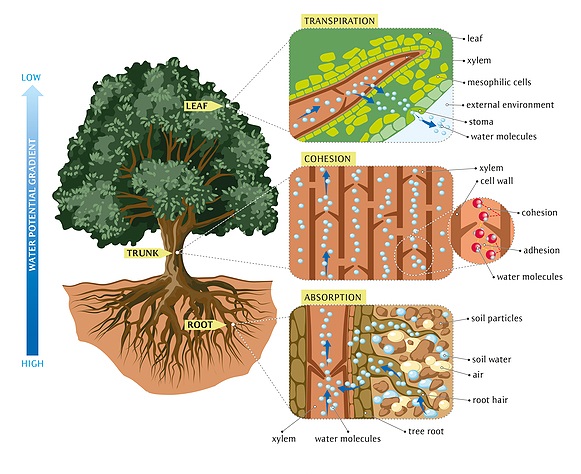
Beneath the surface, where many don’t think to look, tree roots form a complex network that sustains the living sentinel above. Roots are not just a structural support. They are the tree’s mouth, nose, and digestive system all rolled into one. They anchor the tree securely in the ground and absorb water and nutrients from the soil with precision that modern pipelines envy.

Common Types of Tree Roots:

Taproots: Round and sizable, they are the main support for some tree species like oaks and pines.

Fibrous Roots: A tangled mess of delicate roots are great soil stabilizers and nutrient absorbers, common in many shrubs and grasses.

Adventitious Roots: These special roots, which arise from unusual places like stems and leaves, provide additional support or serve as an anchor on rough terrain.

Tree Trunk and Bark

From the outside, the tree trunk is a protective layer of bark. Beneath the surface, it’s a thick fortress of wood, tough enough to withstand the elements and provide support for the leafy crown. Bark isn’t just tree skin — it’s a living, breathing armor that shields against pests, pathogens, and extreme weather. Its colors and textures are as varied as the tree species, each with their own healing, insulating, or camouflaging properties. Slicing through the trunk reveals a story written in concentric circles — the growth rings. They chart the successes and struggles of each past year, providing a remarkably accurate biographical sketch of the tree’s evolving ecosystem.

Branches and Twigs

The framework of a tree extends itself in almighty branches and delicate twigs. How a tree extends its reach can tell us a lot about its species and its history. Branching isn’t random; it’s a response to light, competition, and genetic predisposition. Twigs are the explorers, seeking out the best spaces for leaves to capture sunlight and fulfill the tree’s photosynthetic dream.

Pruning for Health and Aesthetics

Understanding how trees grow can guide us in the art of pruning. Done right, it improves airflow, encourages healthy new growth, and can even save a tree from toppling over in a storm it otherwise might not have survived.

Leaves

Leaves are a tree’s green machines, transforming sunlight into food and oxygen. Leaves come in all shapes and sizes, from the spindly pines to the broad oaks. Each form speaks to the tree’s unique evolutionary path and ecological niche. A leaf’s anatomy is a marvel of natural architecture, optimized for maximum surface area and exposure to the sun. Chlorophyll is the star of the leafy stage, absorbing sunlight and giving leaves their green hue. Discover how this molecule is the bridge between the tree and the sun that sustains life across the globe.

Flowers and Fruits

The reproductive cycle of trees is a wondrous spectacle, often missed in the serene grandeur of their presence. A tree’s ultimate goal is to pass on its heritage. Many trees rely on wind, insects, birds, and even mammals to move pollen from one flower to another. It’s a cooperative effort that encapsulates the interconnectedness of nature. Fruits are nature’s packaging for seeds, often delicious and colorful invitations for creatures to help in the tree’s grand seed dispersal plan.

Conclusion

Trees are more than the sum of their parts. They are complex, living organisms that warrant respect and understanding. By appreciating the intricate details of a tree’s anatomy, we gain a deeper connection to the natural world and the responsibility to preserve it for future generations. As you journey through the woods or pause to feel the rough embrace of a tree’s bark, remember the complex life happening in every fiber. And when you return home, adorned with leaves and awe, let that knowledge inspire the care you give to your own arboreal companions.

Are you in need of expert tree service within the Indy areas? Look no further than Complete Tree Care! We specialize in residential and commercial tree services in Indianapolis, as well as storm damage. Contact us today at 317-783-2518 for a quote!

Related Posts:

The Essential Guide to Tree Inspections
Deciduous vs Coniferous: Understanding the Difference
Hardiness Zone facts for Trees, Flowers, and Plants

Spring Tree Pruning: A Complete Guide for Gardeners

Tree pruning is both an art and a science, practiced by professional arborists and passionate gardeners alike. For those who cherish their green spaces and seek to steward the beauty and well-being of the natural world, the act of pruning can be deeply fulfilling. As springtime brightens our landscapes, the stage is set for the rejuvenating act of spring tree pruning. This comprehensive guide will walk you through everything you need to know to ensure that your trees flourish and remain a majestic presence on your property.

Call 317-783-2518 For Spring Tree Pruning in Indianapolis Indiana

The Importance of Spring Tree Pruning

Spring is a magical season where nature awakens from its wintry slumber. In sync with this renewal, trees undergo a burst of growth—from new leaves to fresh shoots. Just as this is a time for seeds to sprout, so too is it an opportune time for tree pruning to set the stage for a year of healthy expansion. Pruning can shape the direction of growth, encourage fruit production, and maintain overall tree health. It’s also a critical tool for balancing the aesthetic appeal of your landscape.

Why Prune in Spring?

Health And Vitality: By removing dead, diseased, or dying branches, you can prevent the spread of tree ailments and allow for more nutrients to reach the healthy parts of the tree.

Safety First: Overgrown branches can pose hazards, especially during spring storms, where they might break and cause damage to property or injury to people.

Aesthetic Appeal: Encouraging a balanced and aesthetically pleasing form can be a visual delight for you and your neighbors.

Fruitful Labor: If you have fruit-bearing trees, proper spring pruning can significantly increase the quality and quantity of your harvest.

The Right Time is Key

Timing is everything in the art of tree pruning, and this is particularly true in the spring. Pruning at the wrong time can stress the tree or render it vulnerable to disease. To capitalize on the benefits of pruning, you must be mindful of the natural cycles of both the individual tree species and your local climate. Early spring, just before the trees start to bud, is an ideal window for many species. Once buds are visible, the timing for pruning becomes more species-specific.

Furthermore, choose mild, dry days. Doing so mitigates the risk of disease transmission and water-logging of wounds. Always keep the purpose of your pruning in mind—whether it’s to invigorate the tree or correct structural issues.

Pruning Tools and Gear

A carpenter has their toolbox, and the aspiring tree pruner has theirs. The right tools ensure a job well done and minimize the stress on both the tree and the pruner. High-quality pruning shears, loppers for thicker branches, and saws for the largest limbs are essential. Make sure all your tools are sharp and in good condition to make clean cuts. Pruning can be hazardous work, especially at heights. Wear a hard hat, safety glasses, gloves, and non-skid footwear. If you’re dealing with larger trees or branches, consider a safety harness and helmet mounted ear protection. When in doubt, even if just a little, enlist the services of a trained and equipped tree care contractor in your neighborhood.

Correct Pruning Techniques

There is more to tree pruning than snipping branches. Understanding the correct cuts and shaping methods will help you achieve the desired outcome without harming the tree. Learn the three fundamental cuts: thinning, reduction, and heading. Always cut just outside the bark ridge to enable the tree to heal efficiently. Different tree types call for different pruning approaches. For instance, fruit trees benefit from open, spreading shapes, while ornamental trees may require more cosmetic treatments.

Avoiding the Common Pruning Mistakes

As with any garden task, there are rookie mistakes that could undo the benefits of your hard work. Learn from these pruning hiccups to ensure you don’t make the same errors.

Less is More – Beware of over-pruning, which can weaken the tree. It’s a delicate balance between addressing immediate issues and allowing for the tree’s natural growth patterns.

Timing Counts – If you have to wait until mid-spring or later to prune, you might be better off postponing until dormant winter months. Pruning too late can result in excessive sap loss or delayed healing.

The Right Cuts – Improper cuts are not only unsightly but can also lead to decay. Resist the temptation to cut flush with the trunk or limb. This area of the tree is responsible for wound healing,

Post-Pruning Tree Care Advice

Your pruning job isn’t over once the last cut is made. How you manage the pruned branches and care for the tree in the days and weeks following is crucial to long-term tree health. Dispose of pruned branches properly, either by chipping or as city yard waste. Clear the area around the tree to prevent rot or the spread of disease. Giving the tree some water, mulch, or gentle fertilizer can help it recover. It’s also a good time to take a step back and admire your work, appreciating how you’ve helped sculpt a piece of natural art.

Final Thoughts

Spring tree pruning is an opportunity—a partnership with the natural world that allows you to play a role in enhancing the beauty and vitality of your surroundings. With the knowledge and tips provided in this guide, you’re now better equipped to take action and maintain healthy, strong trees that can grace your garden for years to come. Embrace the art of spring pruning, and watch your green spaces thrive.

Whether you’re in need of tree trimming or pruning, Complete Tree Care is here to help. Our team of experienced Indianapolis tree service contractors and certified arborists will ensure that your trees are well-maintained and safe for years to come. Contact us today to learn more about how we can help you keep your trees looking their best.

Related Posts:

How to Prepare Your Trees for Spring Weather Conditions
The Advantages of Tree Pruning and How To Do It Right
Essential Tree Care Tips to Get Your Spring Started