Protect Your Trees: Understanding and Solving Tree Girdling

Tree girdling might not be a term you hear every day, but if you’re a gardener or homeowner, it’s an issue you should know about. Left unchecked, girdling can severely damage or even kill otherwise healthy trees. The good news? With timely intervention and proper care, you can save your trees and prevent future problems.

This blog will walk you through everything you need to know about tree girdling. We’ll cover its causes, effects, how to identify it, and, most importantly, how to solve and prevent it. Let’s get started on protecting your trees and ensuring they thrive.

Call 317-783-2518 For Local Tree Service Company in Indianapolis

What Is Tree Girdling?

Tree girdling occurs when something—be it overgrown roots, man-made objects, or animal activity—creates a constriction around the tree’s trunk or around its roots, restricting the tree’s ability to transport water and nutrients between the roots and the canopy. This damage disrupts the tree’s vascular system and can lead to severe health issues or death if not addressed.

Picture a tightly wrapped string cutting into the bark of a growing tree. Over time, this “stranglehold” prevents the tree from growing properly, making it weaker and more vulnerable to disease and environmental stressors. While the concept is simple, its consequences are dire.

Common Causes of Tree Girdling

Knowing the root cause of girdling is the first step to solving and preventing it. Here are the most common culprits:

1. Improper Planting Techniques

Planting a tree too deeply or failing to spread its roots evenly when planting can cause roots to circle around the trunk, eventually leading to girdling roots that restrict essential growth.

2. Landscape Materials

Objects such as stakes, wire, ties, or tree guards left in place for too long can eventually dig into the tree’s outer layers, causing girdling as the tree grows around them.

3. Natural Root Growth

Some tree species, like maples or lindens, naturally develop circling roots if their growth is restricted by hard soil, compact spaces, or shallow planting areas.

4. Animal Activity

Small animals, such as rodents or rabbits, can chew through bark at the base of a tree, thus creating a severed “belt-like” damage that ultimately disrupts nutrient transport.

5. Damage from Lawn Equipment

Repeatedly hitting a tree’s bark with lawnmowers or string trimmers might not seem like a big deal initially, but over time, this damage can mimic the effects of traditional girdling.

Effects of Girdling on Trees

You might be wondering, “How much damage can a little girdling really cause?” Unfortunately, the effects are far-reaching and devastating for a tree’s health:

  • Restricted Growth: Since girdling cuts off the flow of water, oxygen, and nutrients between the roots and leaves, the tree may experience stunted or uneven growth.
  • Weakened Stability: Over time, a girdled tree’s structural integrity weakens, increasing its vulnerability to strong winds, heavy snowfall, or other environmental stressors.
  • Susceptibility to Disease and Pests: Trees weakened by girdling are more prone to infections, fungal growth, and pest infestations.
  • Eventual Tree Death: Without intervention, girdling can completely sever the transport system within the tree, leading to its slow decline and ultimate death.

How to Identify Girdling in Trees

Spotting girdling early can make all the difference in saving a tree. Here’s what to look for:

  • Visible Root Circling: Check the base of the tree for roots wrapping around the trunk or cutting into the bark.
  • Indented Bark: Look for signs of growth deformities or indents where stakes, wires, or other materials may be cutting into the tree.
  • Thinning Canopy: A tree with a thinner-than-usual canopy or sparse leaves can indicate that it’s struggling to transport nutrients effectively.
  • Overall Weakness: Girdled trees might lean, have a smaller trunk diameter, or take on a weaker appearance compared to non-girdled trees of the same species.

Regular inspections of your trees—especially young ones or those freshly planted—can help you catch girdling before it becomes a bigger problem.

Tree Girdling Solutions

If you’ve identified girdling in one of your trees, don’t worry—it isn’t necessarily a death sentence. Depending on the severity of the issue, the following solutions can help save your girdled tree:

Address Girdling Roots

For girdling caused by roots, carefully remove the soil around the affected area and use a sharp, sterilized tool to cut away the girdling root. Be sure not to damage other nearby roots in the process.

Remove Constricting Materials

If the girdling is caused by wires, stakes, or ties, remove them immediately to allow the tree to resume normal growth. If the tree has grown around these materials, you may need professional assistance to remove them safely.

Grafting

For extreme cases where girdling severely cuts off nutrient flow, bridge grafting (a process where healthy branches or stems are used to bypass the damaged area) can help restore the tree’s vascular system. This solution is best done by a trained arborist.

Bark Repair

For girdling caused by animals or lawn equipment, cover the damaged area with a protective tree wrap or wound sealant to prevent further damage or infection.

Preventing Future Girdling

While solutions exist for girdling, prevention is always the best course of action. Follow these best practices to ensure your trees stay healthy:

  • Plant Properly: Plant trees at the appropriate depth with well-spread roots to prevent future issues. Avoid compacted soil.
  • Inspect Regularly: Check newly planted trees for signs of girdling at least once a year.
  • Use Loose Ties: If you’re staking young trees, use loose ties, and remove them after one to two years when the tree has established itself.
  • Protect Against Animals: Install tree guards or fences to prevent chewing damage from rodents, rabbits, or deer.
  • Mow with Care: Avoid hitting the base of trees with mowers or trimmers. Keep a ring of mulch around the tree to protect its base.

Final Thoughts

Tree girdling is a silent but serious issue that can wreak havoc on the trees in your garden or yard. By understanding its causes, effects, and solutions, you can take the necessary steps to save your trees and prevent future issues.

Healthy trees mean a thriving garden and an inviting home landscape. Take some time to inspect your trees today—and if you’re unsure about what to do next, consult with a local arborist or landscape expert for guidance. Protect your trees, and they’ll reward you with beauty, shade, and fresh air for decades to come.

Are you looking for professional tree care service near the Indy areas? Contact Complete Tree Care at 317-783-2518 for licensed and insured tree services in Indianapolis, Indiana. We serve residential and commercial clients with comprehensive tree care solutions.

Related Posts:

Nurturing Trees from Below: A Guide to Critical Root Zone Care
Facts About Stem Girdling Tree Roots
Protecting the Heartland: A Guide to Mid-West Tree Pests

Common Tree Fungal Diseases in the Midwest and How to Prevent Them

Trees are not just a part of the Midwestern landscape—they are its backbone. From shading our homes to supporting diverse wildlife, trees play a vital role in maintaining the region’s environment and charm. But beneath their green canopies lurks a silent threat that often goes unnoticed until it’s too late—tree fungal diseases. 

Whether you’re a dedicated gardener, a homeowner with a passion for landscaping, or simply a tree lover, understanding these common fungal diseases is essential to keeping your trees healthy and thriving. This blog dives into some of the most prevalent fungal threats in the Midwest and offers practical tips on how to prevent and manage them. Let’s begin! 

Call 317-783-2518 For Professional Tree Removal of Diseased Trees in Indianapolis Indiana
Apple Scab Disease

Common Fungal Diseases in the Midwest 

The Midwest’s unique climate—hot summers, wet springs, and harsh winters—is a breeding ground for fungal diseases in trees. Here are some of the most common fungal problems you might encounter, along with their symptoms and the tree species they typically affect. 

1. Oak Wilt 

Oak wilt, a devastating fungal disease, primarily affects oak trees, particularly red oaks which can succumb within just weeks of infection. The fungus spreads through connected root systems or beetles attracted to fresh tree wounds. 

Symptoms:

  • Wilting and browning of leaves starting from the top of the tree 
  • Discoloration of leaf veins 
  • Rapid leaf loss, even during spring or summer 

Environmental Factors:

  • Warm summers 
  • Trees with pruning wounds or physical injuries 

2. Anthracnose 

Anthracnose is a fungal disease that affects a wide variety of tree species, including maples, sycamores, and dogwoods. While not typically fatal, repeated infections can weaken trees over time. 

Symptoms:

  • Irregular brown spots on leaves 
  • Premature leaf drop  
  • Twigs and branches showing signs of dieback 

Environmental Factors:

  • Cool, wet spring conditions 
  • Poor air circulation around trees 

3. Dutch Elm Disease (DED) 

Dutch elm disease has decimated elm populations across North America. Caused by a fungus spread by elm bark beetles, it is one of the most serious tree fungal diseases in the Midwest. 

Symptoms:

  • Yellowing and wilting of leaves (often called ‘flagging’) 
  • Dieback of branches starting at the crown 
  • Dark streaks or discoloration under the tree bark 

Environmental Factors:

  • Mild spring temperatures 
  • Presence of elm bark beetles 

4. Apple Scab 

While primarily affecting apple and crabapple trees, apple scab is a cosmetic disease that reduces the aesthetic and fruit production value of trees. 

Symptoms:

  • Olive-green or black velvety spots on leaves 
  • Premature defoliation of infected trees 
  • Fruits showing scabby, cork-like lesions 

Environmental Factors:

  • Wet, humid weather in spring and early summer 
  • Trees planted too closely together 

5. Verticillium Wilt 

Verticillium wilt is caused by a soil-borne fungus and affects a variety of tree species, including maples, ash, and redbud. It can persist in the soil for years, making management especially challenging. 

Symptoms:

  • Leaves turning yellow or brown and wilting 
  • Branches dying back 
  • Green or black streaking within the wood beneath the bark 

Environmental Factors:

  • Overly moist or poorly drained soils 

Preventing and Managing Tree Fungal Diseases 

While fungal diseases can pose significant challenges, they are far from inevitable. With targeted practices and proactive care, you can protect your trees from infections and maintain the health of your green space. Here’s how to do it sustainably and effectively. 

Choose the Right Tree Species 

Opt for tree species that are resistant to the fungal diseases most prevalent in your area. A local nursery or tree care specialist can guide you in selecting the best options for Midwestern soil and climate

Plant Trees with Proper Spacing 

Overcrowded landscaping can create humid environments that fungi thrive in. Ensure adequate space between trees to improve air circulation and reduce moisture levels. 

Prune and Maintain Trees Regularly 

  • Remove dead, dying, or diseased branches promptly. 
  • Always disinfect tools between cuts to prevent the spread of fungi. 
  • Avoid pruning oaks during summer, as fresh wounds can attract beetles that carry oak wilt. 

Water Wisely 

Overwatering can create soil conditions that favor fungal growth. Water deeply but infrequently to encourage stronger roots, and avoid getting leaves and trunks wet, especially in the evening. 

Maintain Healthy Soil 

Healthy, nutrient-rich soil supports robust trees that can better resist fungal attacks. Consider periodic soil tests to understand nutrient levels and pH balance, and amend the soil as needed. 

Apply Fungicides When Appropriate 

For severe cases, fungicides can serve as a line of defense. However, they should be used sparingly and as a last resort. Always consult a professional before applying chemical treatments to ensure they are both effective and environmentally safe. 

Practice Seasonal Care 

  • Clean up fallen leaves and debris, particularly from trees with anthracnose or apple scab, to reduce overwintering fungal spores. 
  • Mulch around the base of trees to maintain soil moisture levels, without letting the mulch touch the tree trunk. 

When to Remove a Diseased Tree 

In some cases, tree fungal diseases can cause irreparable damage, leading to the unfortunate need to remove the infected tree. This can be a tough decision for homeowners and property managers, especially if the tree has been a significant part of the landscape for years.

However, removing a diseased tree is often necessary to prevent the disease from spreading to neighboring trees or plants, which could compromise the overall health of your green space. Before taking action, it’s important to consult with a certified tree care company that can assess the condition of the tree and recommend the best course of action.

If removal is the only option, consider replanting with tree species that are more resistant to fungal infections. This proactive approach not only helps maintain the aesthetic appeal of your landscape but also protects the long-term health and sustainability of your outdoor environment.

Wrapping Up

Fungal diseases may be common in the Midwest, but with the right knowledge and care, they don’t have to spell doom for your trees. By recognizing symptoms early and implementing sustainable prevention and management practices, you can ensure that your trees continue to thrive for years to come. 

Need expert guidance for your specific tree care needs? Reach out to a professional tree care contractor who can help diagnose issues and offer tailored solutions for your green space.  Together, let’s protect the beauty of Midwestern landscapes—tree by tree! 

Did a fungal disease kill some trees in your yard? Call Complete Tree Care at 317-783-2518 for affordable tree removal in Indianapolis, Indiana and its surrounding counties. We provide residential and commercial tree services.

Related Posts:

Defending Your Garden from the Quiet Threat of Dutch Elm Disease
Tree Troubles: Identifying and Treating Common Tree Diseases in Indiana

Is My Tree Dead or Diseased?

Your Guide to Photosynthesis in Trees and Shrubs 

Have you ever walked through a lush forest or admired a well-maintained garden and wondered how plants flourish? The secret lies in photosynthesis—a remarkable process that sustains plant life and, by extension, all life on Earth. Whether you’re a gardening enthusiast cultivating vibrant greenery, a biology student exploring plant sciences, or an environmentalist striving to understand our planet’s ecosystems, this guide will introduce you to photosynthesis in trees and shrubs. 

You’ll learn what makes these woody plants unique, how they contribute to our environment, and how you can enhance photosynthesis in your own garden. By the end, you’ll be inspired to deepen your connection with plant life while cultivating healthier, thriving greenery. 

Call 317-783-2518 If You Are Looking For Tree Care Companies in Indianapolis Indiana
Photosynthesis Diagram

What is Photosynthesis? 

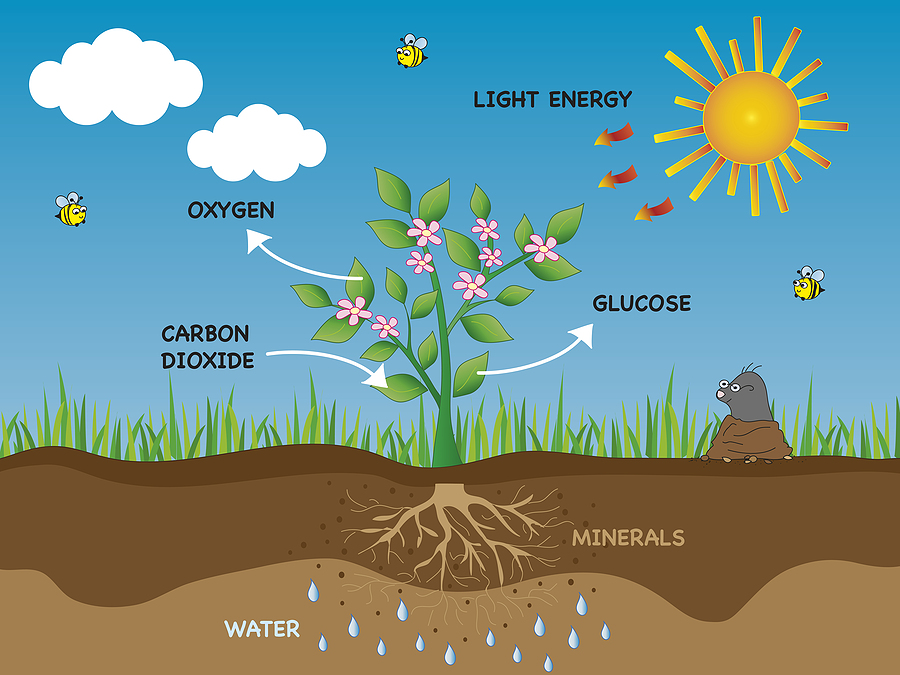
At its core, photosynthesis is life’s engine. It’s the intricate process through which plants convert sunlight into energy. Using sunlight, water, and carbon dioxide, plants produce glucose—a source of food—and release oxygen as a byproduct. This process happens in chloroplasts, which house chlorophyll, the green pigment enabling plants to capture solar energy.

Why is it so significant? Photosynthesis isn’t just vital for plants—it supports every breath you take. Roughly 70% of the Earth’s oxygen is generated via photosynthesis, and it plays a critical role in food production, nutrient cycles, and the regulation of the atmosphere. Without it, life as we know it wouldn’t exist.

But how does this process work in trees and shrubs? Let’s dig deeper. 

Photosynthesis in Trees and Shrubs 

While all green plants perform photosynthesis, woody plants like trees and shrubs have particular adaptations that set them apart. These differences are both fascinating and practical. 

Key Differences in Photosynthesis 

Scale of Photosynthesis 

Trees, being much larger than shrubs, produce more oxygen and consume more carbon dioxide as they photosynthesize on a larger scale. The expansive canopy of a mature tree can host thousands of leaves, each acting like a miniature solar panel, absorbing light and carbon dioxide. 

Sun vs. Shade Adaptations 

Shrubs often grow under tree canopies, which means they adapt to photosynthesize in limited light conditions. Their leaves are typically thinner and darker green, packed with chlorophyll to maximize light absorption in shaded areas.

Lifespan and Efficiency 

Since trees are long-lived, their photosynthetic processes are geared towards sustaining growth over decades or even centuries. Shrubs, on the other hand, experience faster life cycles, allowing for more rapid adaptation to their environment. 

Factors Impacting Photosynthesis 

Understanding what influences photosynthesis can help you optimize care for your trees and shrubs. 

  • Light Availability – Insufficient sunlight reduces the rate of photosynthesis. For example, trees in dense urban environments or gardens overshadowed by buildings may experience slowed growth. 
  • Water Supply – Trees and shrubs rely on a consistent water supply for photosynthesis. Drought conditions or poor irrigation often lead to wilting and reduced energy production. 
  • Climate and Temperature – Most trees and shrubs photosynthesize best between 50–85°F. Extreme heat or freezing temperatures may inhibit their ability to function efficiently. 

The Significance of Photosynthesis in the Environment 

Photosynthesis goes far beyond nourishing individual plants—it’s a foundational process that supports ecosystems and mitigates climate change. 

Contribution to the Carbon Cycle 

Trees and shrubs are crucial players in carbon capture, absorbing carbon dioxide during photosynthesis and storing it as biomass. By sequestering this carbon, they help regulate CO2 levels in the atmosphere, thereby slowing the impacts of global warming. 

Forests, often called the “lungs of the planet,” release oxygen through photosynthesis, enriching the air we breathe. Shrubs, though smaller in scale, collectively make a significant contribution when cultivated in gardens, parks, and forests. 

Support for Climate Change Mitigation 

By fostering large-scale photosynthesis, reforestation projects and urban greening initiatives have become critical tools for combating climate change. Each tree and shrub planted actively works to reverse damage caused by carbon emissions. 

Enhancing Photosynthesis in Your Garden 

Whether you have a sprawling backyard or a small balcony, you can promote photosynthesis to help your plants thrive while boosting your garden’s ecological impact. 

Best Practices for Photosynthesis-Friendly Gardening 

  • Maximize Sunlight Exposure – Place sun-loving plants in areas that receive optimal light, typically 6–8 hours of direct sunlight daily. For shade-adapted shrubs, choose spots under partial cover. 
  • Maintain Healthy Soil – Rich, well-drained soil ensures roots can access the water and nutrients plants need to sustain photosynthesis. Add compost or mulch to enrich nutrient levels naturally. 
  • Water Wisely – Overwatering and underwatering can stress plants and disrupt photosynthesis. Use drip irrigation or soaker hoses for precise and consistent watering. 

Selecting the Right Species 

Make thoughtful plant choices based on your local climate and light conditions. For example:

  • Full Sun: Oak or maple trees, lavender shrubs. 
  • Partial Shade: Dogwood trees, azaleas, or hydrangeas. 
  • Flood-Resistant: Cypresses, willows, or bald cypress trees.

By matching the plant to the environment, you’ll ensure it photosynthesizes efficiently and contributes positively to your garden’s ecosystem. 

The Future of Photosynthesis Research 

Scientific advancements are unlocking exciting possibilities for photosynthesis. 

  • Sustainable Agriculture – Researchers are exploring ways to engineer crops with enhanced photosynthetic efficiency, enabling better yields without expanding farmland. 
  • Bioenergy Innovations – Mimicking photosynthesis, scientists aim to create renewable, carbon-neutral energy sources. Artificial photosynthesis, for instance, could one day produce fuel using sunlight, water, and carbon dioxide. 

These developments hold the potential to revolutionize sustainable living while addressing urgent global challenges like climate change and food security. 

Cultivate a Thriving Garden and a Healthier Planet 

Trees and shrubs are far more than decorative features—they’re critical players in the global ecosystem, powered by the wonder of photosynthesis. By understanding this vital process, you can better care for your greenery while contributing to a healthier planet. 

Whether you’re planting a tree to capture carbon or selecting the perfect shrub for a small garden, every action counts. Start small, keep learning, and grow your connection to the natural world. 

Would you like some professional assistance with your yard’s trees? Contact Complete Tree Care at 317-783-2518 for affordable tree services in Indianapolis, Indiana and its surrounding counties. We provide residential and commercial tree services.

Related Posts:

How to Measure a Tree’s Critical Root Zone
Discovering Nature’s Giants: The General Anatomy of Trees Unveiled
Roots of Change: How Trees Hold the Key to a Cooler Planet