Building a fence or running utility lines along your property line sounds simple enough—until you realize there’s a row of mature trees standing in the way. Tree clearing for property development is a common first step for homeowners and businesses alike, but it involves far more than grabbing a chainsaw and getting to work.
Done right, tree clearing creates a clean, safe path for fences, power lines, water mains, and other infrastructure. Done wrong, it can lead to property damage, legal headaches, and safety hazards. This guide walks you through everything you need to know, from planning and permits to techniques and the value of hiring professionals.

Why Tree Clearing Matters for Fences and Utilities
Trees and property infrastructure rarely mix well. Roots can crack foundations, lift fence posts, and damage underground pipes. Overhanging branches threaten power lines, especially during storms. When you’re installing something new along a property line, clearing the path first prevents these problems before they start.
For fences, even a single root system can throw off your post alignment or make digging nearly impossible. For utilities, clearance is often a strict requirement—utility companies need open access to install and maintain their lines safely.
Safety First: Essential Considerations Before Clearing
Tree removal is one of the more dangerous home improvement tasks. Falling limbs, kickback from saws, and unexpected tree splits cause thousands of injuries every year. Before any clearing begins, consider these safety points:
- Locate underground utilities. Call 811 before you dig to mark gas, electric, and water lines.
- Check for overhead lines. Never attempt to clear trees near power lines yourself.
- Assess tree health. Dead or diseased trees can fall unpredictably.
- Wear proper protective gear. Helmets, eye protection, and steel-toe boots are essential.
When in doubt, leave large or risky removals to trained tree removal professionals.
Planning Your Tree Clearing Project
A successful clearing project starts long before the first cut. Good planning saves time, money, and legal trouble.
Assessing Your Property Lines and Boundaries
Before removing any tree, confirm exactly where your property ends and your neighbor’s begins. A tree growing on the boundary line may be jointly owned, which means you can’t legally remove it without your neighbor’s consent.
If you’re unsure about your boundaries, hire a licensed surveyor to mark them clearly. This small upfront cost can prevent costly disputes down the road.
Permits and Regulations for Tree Removal
Many cities and counties require permits for tree removal, especially for larger trees or those in protected zones. Rules vary widely by location, so check with your local government before you begin.
Common regulations include:
- Permits for trees above a certain trunk diameter
- Protections for native or heritage species
- Restrictions near waterways or wetlands
- Replanting requirements after removal
Skipping permits can result in steep fines, so always confirm the rules for your area.
Hiring Professional Tree Clearing Services
While small shrubs and saplings are often DIY-friendly, larger trees call for professional help. A licensed tree clearing service bring the equipment, insurance, and expertise needed to handle the job safely. They can also advise you on permits, debris removal, and the best approach for your specific property.
Tree Clearing Techniques and Equipment
The right method depends on the size of your project, the type of trees involved, and your budget.
Manual Tree Removal vs. Mechanized Clearing
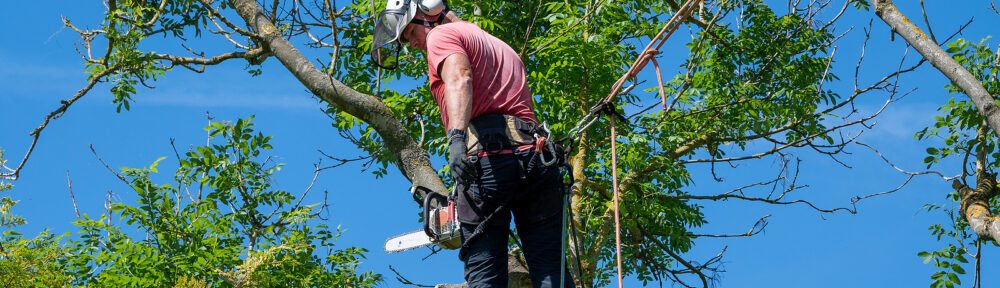
Manual removal uses chainsaws, hand tools, and climbers to take down trees piece by piece. It’s precise and ideal for tight spaces or areas near buildings, fences, and utilities.
Mechanized clearing relies on heavy equipment like excavators, mulchers, and skid steers. It’s faster and better suited to large areas with many trees. The trade-off is that machines need room to operate and can disturb more of the surrounding land.
For most fence and utility line projects, a mix of both methods often works best—machines for the bulk work and manual cuts for delicate areas.
Environmentally Friendly Clearing Practices
Responsible clearing protects the surrounding ecosystem. Look for practices that minimize impact, such as:
- Selective clearing that removes only what’s necessary
- Protecting nearby trees and root systems
- Avoiding soil compaction and erosion
- Preserving wildlife habitats where possible
A reputable Indianapolis tree service will prioritize these methods rather than clear-cutting everything in sight.
Disposing of Debris Responsibly
Cleared trees leave behind logs, branches, and stumps. Responsible disposal options include:
- Mulching branches into wood chips for landscaping
- Recycling logs into firewood or lumber
- Hauling debris to a green waste facility
- Stump grinding to remove remaining stumps below ground level
Many professional services include cleanup and disposal in their pricing, saving you the hassle.
Benefits of Professional Tree Clearing
Hiring experts costs more than going it alone, but the advantages often outweigh the price.
Ensuring Accuracy and Efficiency
Professionals know how to clear a precise path for your fence or utility line without removing more than necessary. Their experience means the job gets done faster and with less guesswork.
Minimizing Risk and Damage
Trained crews carry the proper insurance and follow safety protocols that protect your property, your neighbors, and themselves. They know how to drop trees away from structures and avoid damaging underground lines.
Long-term Property Value and Maintenance
Clean, well-cleared property lines improve curb appeal and make future maintenance easier. A properly cleared site also reduces the risk of falling limbs and root damage, protecting your investment for years to come.
Frequently Asked Questions
Do I need a permit to clear trees on my property?
It depends on your location. Many cities require permits for trees above a certain size or in protected areas. Always check with your local government before starting.
How much does professional tree clearing cost?
Costs vary based on the number of trees, their size, accessibility, and disposal needs. Most companies offer free estimates so you know what to expect before committing.
Can I remove a tree on the property line myself?
Not without your neighbor’s permission. Trees growing directly on a boundary line are often jointly owned, so removing one without consent can lead to legal disputes.
What happens to the debris after clearing?
Reputable services mulch, recycle, or haul away the debris. Many include cleanup and stump grinding as part of the job.
Ready to Clear Your Property Line?
Tree clearing for fences and utilities is a job that rewards careful planning, proper permits, and the right expertise. Whether you’re installing a new fence or making way for utility lines, taking the time to plan and hire qualified help pays off in safety, accuracy, and long-term value.
Need professional tree clearing in Indianapolis, Indiana? We handle both commercial and residential projects with the equipment and experience to get the job done right. Request a free estimate today.
Related Posts:
Hiring Lot Clearing Contractors in Indianapolis: What to Know
Navigating Neighbor’s Trees: Your Property Rights Guide
Tree on a Power Line? Essential Safety Steps to Take Now