
Clearing land is the foundation of every successful construction project. Before a single shovel breaks ground on your new driveway or building, the land beneath it needs to be cleared of trees, stumps, debris, and anything else that could compromise a stable foundation. Skip this step, or rush through it, and you risk uneven surfaces, drainage issues, and costly repairs down the road.
Many homeowners underestimate just how involved land clearing can be. What looks like a simple patch of grass and trees often hides underground utility lines, unstable soil, or root systems that extend far wider than expected. These hidden challenges can quickly turn a straightforward project into a frustrating, expensive ordeal if you’re not prepared.
The good news? With the right planning and approach, land clearing doesn’t have to be overwhelming. Taking time upfront to assess your property, choose the correct clearing method, and understand local regulations will save you significant time and money once construction begins. This guide walks you through every stage of the process, from initial assessment to final inspection.
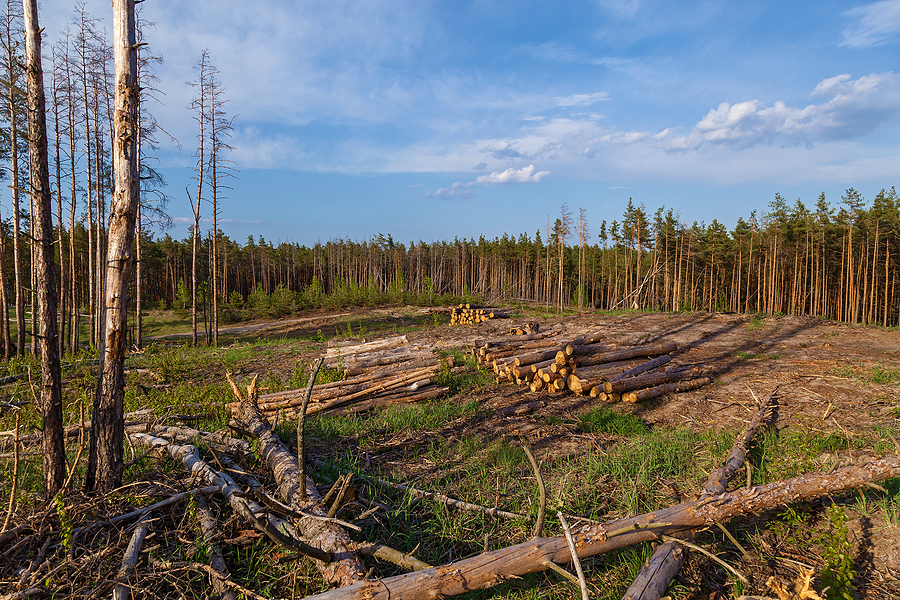
Assessing Your Land Before You Clear It
A thorough assessment is the first step toward a smooth clearing process. Rushing this stage often leads to surprises once equipment is already on-site.
Evaluating Soil Condition and Terrain
Start by examining your soil’s composition and the land’s natural slope. Sandy, rocky, or clay-heavy soil behaves differently once disturbed, and sloped terrain may require additional grading work to prevent erosion or pooling water. Understanding these characteristics early helps you plan a realistic timeline and budget.
Identifying Trees, Stumps, and Vegetation
Walk the property and make a list of every tree, stump, and dense patch of vegetation that stands in the way of your project. Note the size and type of trees, since larger or older trees often come with extensive root systems that take more time and equipment to remove.
Checking for Underground Utilities and Hazards
Before any clearing begins, call your local utility locating service to mark buried gas lines, water pipes, and electrical cables. Striking an underground utility isn’t just dangerous—it can result in costly fines and project delays. This step is non-negotiable, regardless of how small the project seems.
Choosing the Right Land Clearing Method
Not every property needs heavy machinery, and not every job can be done with hand tools. Choosing the right method depends on the size of your project and the density of what needs to be removed.
Manual Clearing for Small Residential Projects
For smaller lots with light brush or a handful of small trees, manual clearing using chainsaws, brush cutters, and hand tools can be a cost-effective option. This approach works well when you’re clearing a limited area for a driveway extension or small shed.
Heavy Equipment Options: Excavators, Bulldozers, and Mulchers
Larger projects typically call for heavy equipment. Excavators dig out stumps and roots efficiently, bulldozers push aside large volumes of debris and soil, and mulchers grind vegetation into usable material on-site. Each piece of equipment serves a specific purpose, and the right combination depends on your land’s size and vegetation density.
When to Hire Professional Land Clearing Services
If your project involves large trees, extensive root systems, or several acres of land, hiring professionals for tree clearance service is almost always the safer and more efficient choice. Experienced crews have the equipment, insurance, and expertise to handle unexpected obstacles, like unstable terrain or protected tree species, without putting your project—or your budget—at risk.
The Step-by-Step Land Clearing Process
Once you’ve assessed your land and chosen a clearing method, the actual work follows a consistent sequence.
Marking Property Lines and Work Zones
Clearly mark your property boundaries and designate specific work zones before equipment arrives. This prevents accidental encroachment onto neighboring properties and keeps the crew focused on the correct areas.
Removing Trees and Large Vegetation Safely
Trees and large shrubs are removed first, typically with chainsaws or specialized tree-cutting equipment. Proper felling techniques matter here, especially near structures, fences, or power lines.
Grubbing Out Stumps and Roots
After trees come down, stumps and root systems need to be excavated or ground down. Leaving roots in place can cause uneven settling later, which is particularly problematic under a driveway or foundation.
Grading and Leveling the Land
With vegetation removed, the land is graded to create a level, stable surface. Proper grading also establishes drainage patterns that direct water away from your new structure.
Final Cleanup and Debris Removal
The last step involves hauling away or disposing of leftover branches, stumps, and soil. Some of this material can be mulched or repurposed, while the rest typically needs to be removed from the site entirely.
Budget Considerations for Land Clearing
Land clearing costs vary widely depending on several factors, so it pays to understand what drives the price before committing to a contractor.
Cost Factors for Different Clearing Methods
Manual clearing tends to cost less upfront but takes more time for larger areas. Heavy equipment increases hourly rates but completes work faster, which can offset the added expense on bigger projects.
Estimating Expenses Based on Land Size and Vegetation Density
Dense, heavily wooded lots cost more to clear than open fields with scattered brush. Terrain, tree size, and soil conditions all factor into the final estimate as well.
Getting Quotes from Multiple Contractors
Always request quotes from at least three tree removal contractors before deciding. Compare not just price, but also included services, equipment used, and estimated timelines to find the best value for your project.
Environmental and Legal Concerns to Address First
Land clearing isn’t just a practical matter. It also comes with legal and environmental responsibilities that homeowners need to address before work begins.
Local Permits and Regulations for Land Clearing
Many municipalities require permits for land clearing, particularly for large-scale projects or properties near protected wetlands. Check with your local building department to confirm what’s required in your area before scheduling any work.
Environmental Impact Considerations
Clearing land can affect local wildlife habitats and water runoff patterns. Responsible contractors take steps to minimize environmental disruption, such as preserving topsoil or replanting vegetation where possible.
Protecting Neighboring Properties During Work
Heavy equipment and falling trees can pose risks to adjacent properties if proper precautions aren’t taken. Clear communication with neighbors and careful planning around property lines help avoid disputes or accidental damage.
Preparing the Land for Construction
Once clearing is complete, a few final steps ensure the land is truly ready for your driveway or building project.
Soil Compaction and Drainage Planning
Proper soil compaction prevents future settling, while thoughtful drainage planning keeps water from pooling around your foundation or driveway. These steps are often overlooked but play a major role in long-term structural stability.
Creating Access Roads for Construction Vehicles
Construction vehicles need a stable, accessible route to the build site. Establishing temporary access roads early prevents delays once construction crews and equipment arrive.
Final Inspections Before Driveway or Building Begins
Before construction starts, a final inspection confirms the land meets grading, drainage, and compaction standards required for your project. This last check helps catch any remaining issues before they become expensive problems.
Frequently Asked Questions
How long does land clearing typically take?
Timelines vary based on lot size, vegetation density, and clearing method, but most residential projects take anywhere from a few days to two weeks.
What happens to cleared debris?
Debris is often mulched for reuse, hauled away for disposal, or, in some cases, burned if local regulations permit it.
Do I need permits for land clearing?
In many areas, yes—especially for larger projects or properties near wetlands or protected zones. Check with your local building department before starting work.
Should I clear the land myself or hire professionals?
Small, light-vegetation projects can often be handled manually, but larger lots with significant trees or uneven terrain are best left to experienced professionals with the right equipment.
Clearing the Way for Your Next Project
Successful land clearing comes down to careful assessment, the right equipment, and attention to local regulations. When each step is handled properly, from initial evaluation to final grading, you set your driveway or building project up for long-term stability and success.
If you’re planning a land clearing project in Indianapolis, Indiana, the team at Complete Tree Care has the experience and equipment to get the job done safely and efficiently. Contact us today to schedule a consultation and take the first step toward a solid foundation for your next project.
Related Posts:
Hiring Lot Clearing Contractors in Indianapolis: What to Know
What Does It Cost to Clear Trees From Your Property?
Tree Clearing for Fences and Utilities: A Property Owner’s Guide