A backyard filled with the gentle chirping of songbirds is a hallmark of a peaceful Indiana afternoon. However, when chirping turns into a cacophony and a few visitors become an invasive flock, that peace can quickly disappear. Many homeowners in Indianapolis and surrounding counties face the challenge of managing nuisance birds that take over trees, leaving behind damage and debris that can be difficult to manage.
While we all appreciate wildlife, an overabundance of aggressive bird species can threaten the health of your trees, damage your property, and even pose health risks. Finding the balance between enjoying nature and protecting your home requires a strategic, humane approach.
This guide will walk you through identifying these visitors, understanding their behaviors, and implementing effective strategies to reclaim your trees without harming the local ecosystem.
Identifying Common Nuisance Birds in Indiana
Before you can effectively manage a bird problem, you must identify who has moved into your canopy. In Indiana, several specific species are known for congregating in large numbers and causing issues for homeowners.
European Starlings
Starlings are perhaps the most notorious nuisance birds in the state. These are stocky, black birds with short tails and triangular wings. In the winter, they are speckled with white dots, while in the summer, they take on an iridescent purple-green sheen. They are aggressive, often driving away native songbirds and nesting in cavities in trees or buildings.
Common Grackles
Slightly larger than starlings, grackles have long, keel-shaped tails and yellow eyes. Males often appear to have an iridescent blue or purple head. They are omnivorous and will eat anything from insects to your garden crops. Their droppings can be particularly damaging to property finishes and lawn health.
House Sparrows
These small, brown, and grey birds are incredibly common in urban and suburban settings. While they may seem harmless individually, they reproduce rapidly and compete aggressively with native species like bluebirds for nesting sites. They are known for pecking holes in fruit and generally making a mess in large numbers.
American Crows
Crows are large, intelligent, and highly social. While they are fascinating to watch, they roost in massive extended family groups during the fall and winter. A roost can contain thousands of birds, leading to significant noise and an overwhelming amount of waste.
Why Birds Are Attracted to Your Trees
To deter birds effectively, you must understand what drew them to your property in the first place. Birds are driven by three primary needs: food, water, and shelter.
Shelter and Roosting Sites
Dense tree canopies provide protection from predators and the elements. Evergreen trees and dense deciduous trees are particularly attractive because they offer excellent coverage. If your trees have dense foliage or dead branches with cavities, they are prime real estate for nesting and roosting.
Abundant Food Sources
Your yard might be an all-you-can-eat buffet. Fruit trees, berry bushes, and open garbage cans are major attractants. Additionally, insects living in your trees are a primary food source for starlings and grackles. If you have bird feeders out for cardinals or finches, you may inadvertently be feeding the nuisance flocks as well.
Safety in Numbers
Flocking birds like starlings and grackles rely on safety in numbers. Once a few birds establish that your tree is a safe spot, they signal others to join them. This behavior creates a cycle where a small group quickly turns into an unmanageable roost.
Schedule Professional Tree Pruning Service in Indianapolis ✏
Humane Deterrents for Indiana Homeowners
The goal of bird management is to make your property less attractive to nuisance species without causing them harm. It is important to note that most bird species are protected by state and federal laws, so lethal methods are rarely an option for homeowners. Instead, focus on habitat modification and exclusion.
Exclusion Netting
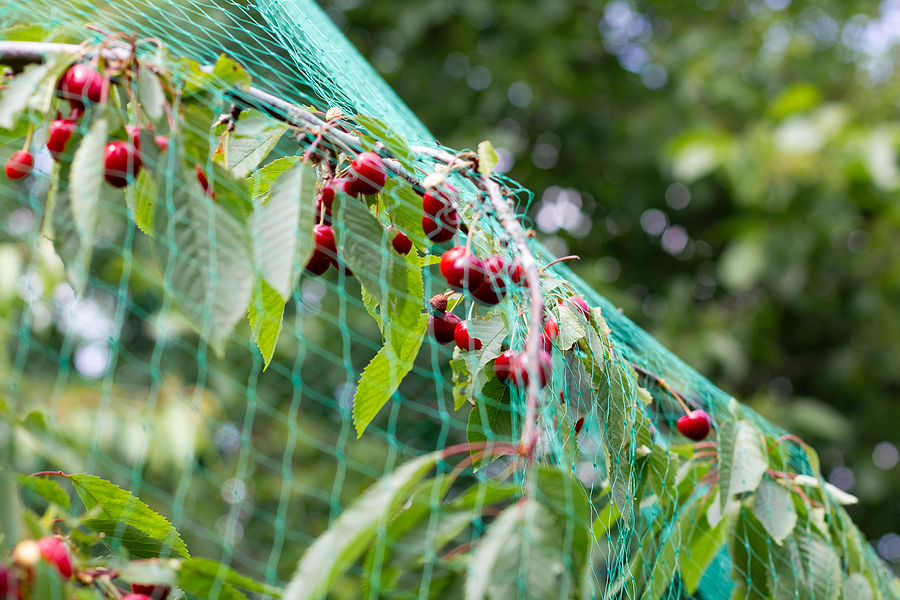
For smaller fruit trees or specific branches, netting is often the most effective solution. Using a ¼ to ½ inch plastic mesh netting prevents birds from accessing the fruit or roosting sites. It is essential to secure the netting to a frame or the trunk so birds cannot get underneath it. This physical barrier is harmless but frustrating enough to send the flock elsewhere.
Visual Scare Devices
Birds have keen eyesight and are wary of predators. Visual deterrents can be effective if used correctly.
- Reflective Tape: Shiny, holographic tape that flutters in the wind creates a visual disturbance that birds dislike.
- Decoys: Plastic owls or hawks can temporarily scare off smaller birds. However, birds are intelligent and will eventually realize the predator isn’t moving. To maintain effectiveness, you must move the decoy to different locations every few days.
- Scare-Eye Balloons: These large balloons with predator eyes painted on them can be hung from branches to mimic a threat.
Auditory Deterrents
Scaring birds with sound can be effective, though it requires consideration for your neighbors. Wind chimes can be a mild deterrent for small numbers of birds. For larger issues, ultrasonic devices emit sounds that are unpleasant to birds but silent to humans. However, these are often less effective in open outdoor spaces compared to enclosed areas.
Habitat Modification
Making your trees less hospitable is a long-term solution.
- Pruning: Thinning out the canopy of your trees reduces the amount of protection they offer. Opening up the structure of the tree by way of pruning allows for more light and wind to penetrate, making it less comfortable for roosting flocks.
- Food Management: If you have fruit trees, harvest the fruit as soon as it ripens. Clean up fallen fruit from the ground immediately. Consider switching to bird feeders that are weight-sensitive, closing off access to heavier birds like grackles and starlings.
When to Call a Professional
While DIY methods can solve minor issues, there are times when professional intervention is necessary.
Protected Species and Legal Risks
The Migratory Bird Treaty Act protects the vast majority of bird species in the United States. This means it is illegal to move active nests, harm birds, or disturb them during nesting season without a federal permit. If you are unsure what species is in your tree, do not attempt to remove a nest yourself. Professional tree service contractors and wildlife control experts can identify the species and ensure any action taken is legal and ethical.
Safety Concerns
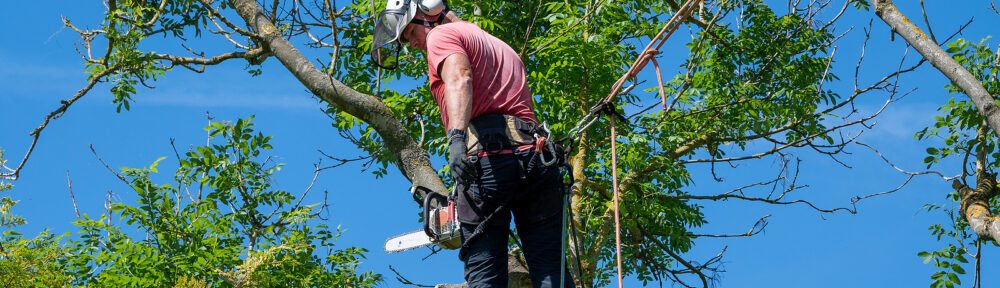
Climbing trees to install netting or prune branches can be dangerous without the proper equipment. If the birds are roosting high in a mature tree, the risk of falling is significant. Furthermore, accumulated bird droppings can harbor diseases like histoplasmosis. Professionals have the necessary safety gear to handle these biological hazards.
Tree Health Assessment
Sometimes, an infestation of birds is a symptom of a sick tree. Woodpeckers, for instance, are often attracted to trees that are already infested with boring insects. A certified arborist or tree care company can provide a tree health inspection and assess whether the bird activity is a sign of underlying decay or disease that needs treatment.
Restoring Balance to Your Backyard
Managing nuisance birds is rarely a one-step process. It often requires a combination of patience, observation, and strategic adjustments to your landscape. By removing the easy food sources, modifying the shelter your trees provide, and using humane deterrents, you can encourage nuisance flocks to move on while keeping your yard safe for the native songbirds we all enjoy.
If your trees have become a haven for unwanted guests, or if you need help safely pruning and thinning your canopy to discourage roosting, don’t tackle the height and hazards alone. Contact Us Today for professional tree service you can trust. We serve Indianapolis and the surrounding counties, providing expert tree care that keeps your property safe, healthy, and beautiful.
Related Post: Garden Tree Care 101: Defending Your Trees from Wildlife
