FAQS About Angiosperms and Gymnosperms

There are various tree species here in Indiana, ranging in color, size, shape, growth patterns, and more. But all trees can be categorized into one of two categories: deciduous or conifer. Deciduous trees shed their foliage in the fall and re-bloom them in the spring. Conifer trees, also known as evergreens, keep their foliage all year long.

When trying to determine if a tree is an angiosperm or gymnosperm, your first step is to determine if it is a deciduous or conifer. Continue reading to learn the difference between an angiosperm and gymnosperm in order to improve your tree identification skills!
Indianapolis Indiana Tree Service 317-783-2518

Frequently Asked Questions About Angiosperms and Gymnosperms

What are Angiosperms?

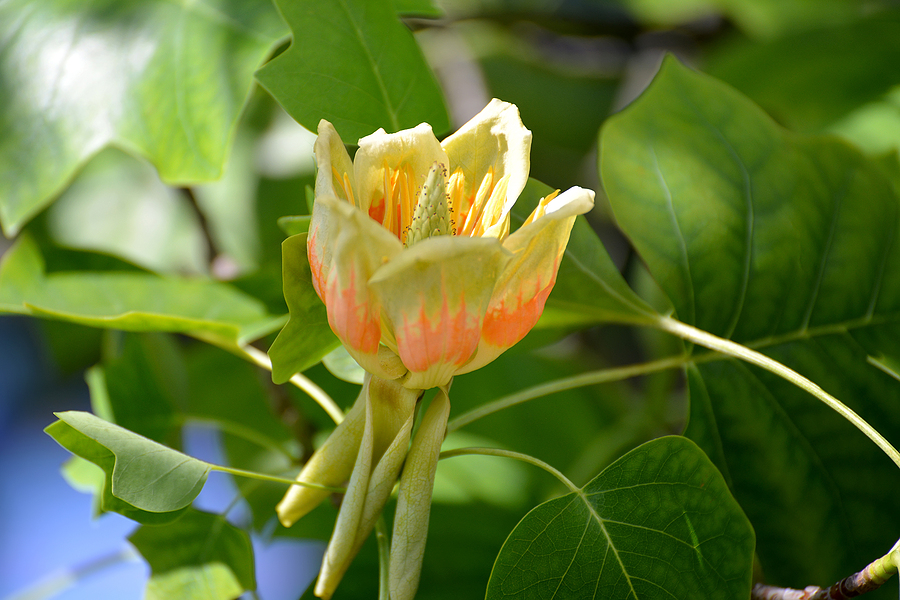
Angiosperms are a taxonomic class of flowering trees. These trees produce seeds that, when matured, is enclosed in an ovule (usually a fruit). For example, an apple is the mature seed that an angiosperm tree produces. The apple is the ovary, or ovule. Angiosperm trees lose their leaves in the fall, and regrow them in the spring, making them a deciduous tree. They are classified as hardwoods, and include species like oaks, maples, dogwoods, and more.

Common Angiosperms:

▷ Lilies
▷ Orchids
▷ Roses
▷ Sunflowers
▷ Oak Trees
▷ Maple Trees
▷ Fruit-Bearing Trees

What are Gymnosperms?

Gymnosperms are a taxonomic class of non-flowering trees that produce a mature seed that is not enclosed inside an ovule of any kind. A pine cone is a perfect example. Also known as “naked seed”, gymnosperm trees are softwoods, and do not lose their foliage in the winter. This makes these conifers. Species include pine trees, cedars, spruces, and firs.

Common Gymnosperms:

▷ Pine Trees
▷ Conifers
▷ Cycads
▷ Spruce Trees
▷ Firs

How Can You Tell the Difference Between the Two?

Here is the general rule to remember: Conifers are gymnosperms and deciduous trees are angiosperms. There are exceptions to the rule, however. You see, some angiosperms keep their leaves in the winter, such as live oak, sweet bay magnolia, and rhododendron trees. And gymnosperm trees do lose their foliage in the winter, such as ginkgo, dawn redwood, and bald cypress trees.

Looking for prompt and professional tree care in your area? Contact Complete Tree Care at 317-783-2518 for Indianapolis Indiana tree services you can trust. We serve residential and commercial clients.

You Might Also Enjoy:

Common Glossary Terms for Tree Leaves
What are Monocots and Dicots?
What are the Layers of a Tree Trunk?
Indianapolis Tree Care 317-783-2518

Tree Care Tips for Homeowners Who Want an In Ground Pool

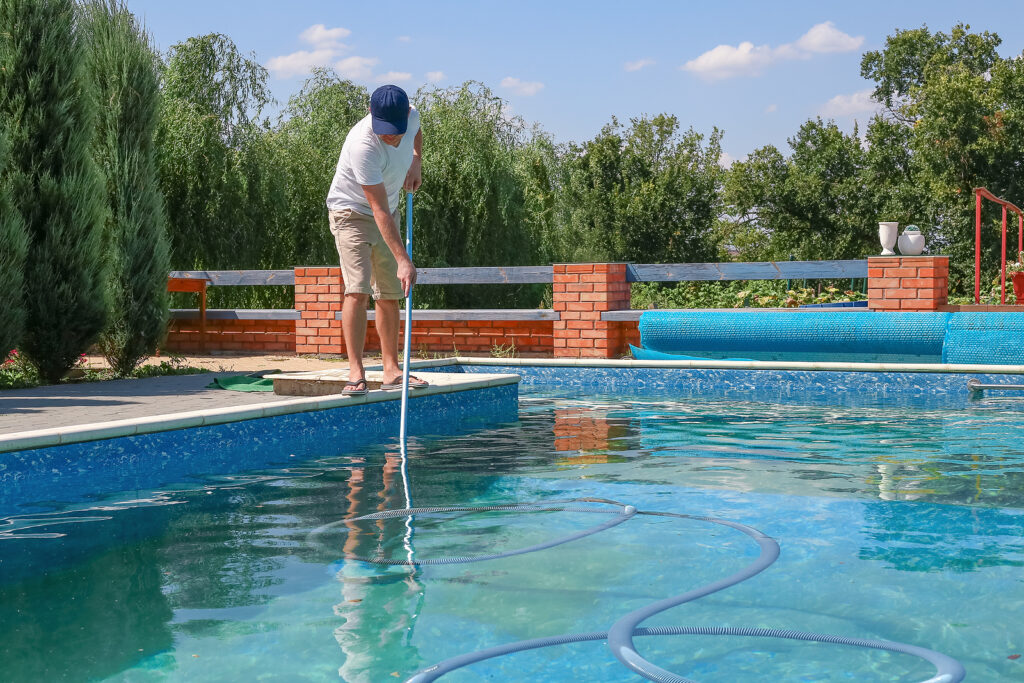
Adding a pool to your property this spring will certainly raise your home’s value; but be sure to take the proper measures to ensure your beautiful landscaping trees are not negatively affected by the construction and installation process. Trees add property value too! Continue reading to learn what you need to know about tree care before having an in-ground swimming pool installed.

Indianapolis IN Tree Removal Service 317-783-2518

Preventative Maintenance Should Come Before Installation

Before construction begins for your in-ground swimming pool, be sure to talk to your contractor about their internal safety standards and practices in regard to landscape protection. You will want to know where they will need to enter your yard, which equipment will be driven on your lawn, which trees will need to be removed (if any), and much more. You will need to develop a plan together that will protect your trees during the construction process.

Tree Location

If trees are too close to a swimming pool, several inherent risks are posed. Not only can the leaves and pollen jeopardize the clarity of your pool water and add to the amount of manual maintenance you need to do, but it can also affect the tree root system. Trees that are too close are more likely to develop root stability problems, which can lead to tilting, tipping, and falling. This can subsequently cause the tree to experience health issues and eventual decline. As for your pool, the filter can be affected by all the falling tree debris, resulting in costly repair and replacement bills.

The general rule of thumb is to make sure trees are at least 2 ½ times the tree’s trunk diameter away from the lip of the swimming pool. Here’s an example on how to do the math:

Tree Trunk Diameter = 36 Inches
36 x 2.5 = 90 Inches

► This tree should be at least 90 inches (7.5 feet) away from the pool’s edge.

Pool Installation Crew

It is important to discuss how your pool company plans on installing your pool. That is because the impact of construction equipment and crew members can be highly detrimental to existing landscaping trees. Compaction of the critical root zones of trees can be easily prevented by simply discussing the concern upfront, and strategizing a way to avoid tree damage during the construction phase.

Certain tree species are more resilient to this type of stimuli, such as live oaks. However, it is still important to take the necessary precautionary measures anyway. Other tree species are particularly vulnerable under such conditions, such as Hackberry trees. These will quickly split, rot, and decline if impacted negatively by pool construction.

Additional Tree Care Tips For Pool Owners

It is best to install pools in the fall or winter when trees are dormant. The stress of the construction and hot summer heat can take a large toll on landscaping trees. Also, watch out for root damage when the pool installers begin to trench the ground. Roots should be cut cleanly, and never ripped or torn. This could cause uneven regeneration or root rot.

Do you need to remove some trees to make room for a new pool this summer? Contact Complete Tree Care at 317-783-2518 for prompt and professional tree removal service in Indianapolis, Indiana. We serve commercial and residential clients.

You Should Also Like:

The Best Trees for Hanging Seated Swings
How to Identify Dead Trees on Your Property
Quick Guide to Tree Stump Burning

Indianapolis Tree Care 317-783-2518