Greening the Future: Celebrating Arbor Day in Indiana

Arbor Day is more than just an annual event; it’s a testament to our commitment to the planet and future generations. As an Indiana resident or a reader with a passion for the environment, this celebration holds tremendous significance. In the heart of the Midwest, where the landscape is as storied as it is vast, each seedling planted can fuel a greener, healthier future for all Hoosiers. This blog post extends its branches to you, inviting you to partake in the legacy of Arbor Day and foster a sustainable smackdown against deforestation.
Celebrate National Arbor Day in Indianapolis Indiana!

What is Arbor Day All About?

Arbor Day, a holiday that celebrates the planting, care, and preservation of trees, is a quintessential “green” day on the calendar. But its scope is far more profound. It’s a reminder of the vital role trees play in our ecosystem and an essential call to action for conservation.

First celebrated over a century and a half ago, its philosophy remains as sturdy as the oldest tree. In this digital age, Arbor Day prompts us to reconnect with nature, to put down roots of our own. It is, essentially, an investment in the future – a statement that we will be wise stewards of the earth’s most precious green assets.

The History of Arbor Day

The inception of Arbor Day was a quiet yet powerful revolt against the decimation of America’s trees. J. Sterling Morton, the Nebraska newspaper editor who proposed the holiday, could foresee the environmental aftermath if no action was taken. His legacy sprouted into a movement that compelled states to observe a day dedicated to tree planting.

The first-ever Arbor Day took place in Nebraska City, Nebraska, where over one million trees were planted. It was a pioneer-like vision to combat the starkness of the plains with flourishing forests. From these humble beginnings, the idea spread like pollen in the wind, taking root in various states and countries.

Today, Arbor Day is celebrated nationwide and internationally, with each location adding its unique twist. In the fertile soils of Indiana, home to 156 native tree species, Arbor Day has transformed into a festival of tree diversity and community resilience.

The Importance of Trees in Our Community

Trees are the lungs of our planet, breathing out the oxygen we need and breathing in carbon dioxide – nature’s ecological cycle in perfect harmony. However, their benefits are as diverse as the canopies they form. Trees keep cities cooler in the summer, control erosion, and provide habitats for countless species of flora and fauna. They also play a pivotal role in mitigating climate change, acting as carbon sinks that trap and store greenhouse gases.

Branching Out the Benefits

Did you know that a mature tree can absorb upwards of 48 pounds of carbon dioxide a year? That’s why each and every tree matters and why, with 3 billion trees in Indiana, there is an unspoken mandate to protect and propagate our forest heritage.

Indiana’s Arbor Day Traditions and Events

In the Hoosier state, Arbor Day is celebrated with a zeal that mirrors its agricultural roots. Various activities and events bring together communities to plant and appreciate trees. Indianapolis residents can often participate in tree planting ceremonies at local parks or take part in educational workshops on tree care and maintenance.

This year, AES Indiana giving away free tree saplings! They will be in the Garfield Park Burrello Family Center (2345 Pagoda Drive). This gives the public an opportunity to plant in their yards and contribute to the state’s green infrastructure.

How Indiana Goes the Extra Mile

The commitment to conservation is deeply ingrained in Indiana’s ethos. Beyond Arbor Day, the state conservation efforts pave way for long-term green spaces. The Nature Conservancy’s ‘Plant a Billion Trees’ campaign, for instance, targets the reforestation of the Central Hardwoods Region, which includes Indiana, promising back the lushness of green that once embodied the area.

Why Arbor Day Should Matter to You

Arbor Day can be personalized to reflect its importance to different facets of society. For homeowners, it offers an annual opportunity to add beauty and value to your property. Business owners have a chance to improve the aesthetics of their establishments and contribute positively to their local environment. The broader community sees Arbor Day as a re-commitment to sustainability, a pledge to build a thriving and verdant Indiana.

Nurturing the Neighborhood

Every tree you plant provides oxygen, soil stability, and a myriad of other ecosystem services. It’s a simple act with an exponential return on investment that benefits not just you, but everyone around you.

How to Participate in Arbor Day

Arbor Day is most powerful when it moves us from thought to deed, from seed to flourishing forest. Here’s how you can contribute on a personal, local, and statewide level:

Indiana’s Planting Plan

Personal: If you have a yard, consider planting a native tree species. It’s like a passport to the area’s natural identity, fostering species that have evolved right under Indiana’s sun.

Community: Organize a tree planting event in your neighborhood. Local parks and green spaces often welcome volunteers to help expand their arboreal canopy.

Statewide: Get involved with organizations such as the Indiana Forest Alliance or DNR’s Forestry Division to participate in larger-scale conservation initiatives.

Conclusion

Arbor Day in Indiana is a testament to the state’s commitment to preserving its natural heritage. To celebrate this day is to cast a vote for a future in which the heart of Indiana thrives with the breath of its trees. Your participation could be the difference between a barren landscape and a bustling woodland.

This Arbor Day, and every one that follows, may we all stand firmly, yet humbly, in the shade of our collective effort to keep Indiana green. Looking for professional tree care for your newly-planted trees? Contact Complete Tree Care at 317-783-2518 for Indianapolis tree trimming and pruning services you can trust. We serve residential and commercial clients.

Related Posts:

Why You Should Not Plant Prunus Trees if You Live Near a Farm
When is the Recommended Time of Year to Transplant a Tree?
What is the Soil Food Web and How Does it Benefit Trees?
The Do’s and Don’ts of Tree Cable Installation

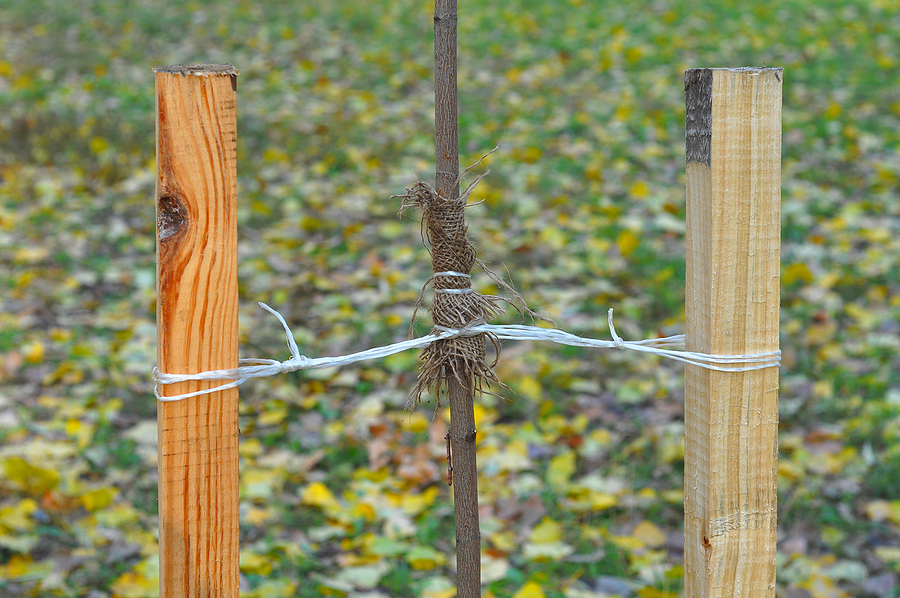
Tree cable installation is an essential process in maintaining the health and stability of trees. It involves the use of cables and braces to provide support for weak or damaged branches, helping them withstand strong winds or heavy loads. However, incorrect installation can cause more harm than good to your trees.

In this blog post, we will discuss the Do’s and Don’ts of tree cable installation to ensure that your trees remain healthy and strong. We will also cover some common mistakes to avoid and provide tips for successful installation. So, let’s dive in and learn how to properly install cables for the benefit of your beloved trees.

Call 317-783-2518 For Professional Tree Cabling Service in Indianapolis Indiana

The Do’s of Tree Cable Installation

Inspect the Tree Before Installing Cables

Before installing any tree cables, inspect the tree carefully to assess its health and structural integrity. Look for any signs of disease or decay, as well as weak branches that may pose a danger. If you are unsure about the condition of your tree, consult a certified arborist.

Use High-Quality Materials

Invest in high-quality materials for your tree cabling and bracing. This includes using galvanized steel cables and hardware that are designed specifically for tree support. Cheaper materials may not be strong enough to provide the necessary support and could potentially fail, causing harm to your tree.

Consult a Tree Service Company

Tree cabling can be a complicated process, especially for larger or more complex trees. It is always recommended to consult a professional tree care service that has the experience and knowledge to properly install cables, stakes, and braces. They can also provide guidance on the best placement and tension for the cables.

Consider Tree Growth

When installing tree cables, it’s important to consider the natural growth patterns of the tree. The cables should be placed in a way that allows for proper movement and growth without causing any restrictions or damage.

Regularly Inspect and Maintain Cables

Tree support systems are not meant to be a permanent solution. They should be regularly inspected and maintained to ensure they are still providing the necessary support for your tree. Any damaged or worn-out cables should be replaced immediately.

The Don’ts of Tree Cabling and Bracing

Don’t Install on Unhealthy Trees

Installing tree cables on unhealthy trees can do more harm than good. Cables will not save a tree that is already in poor health and could potentially cause further damage or even lead to the tree’s death. It’s essential to address any underlying issues before considering cable installation.

Don’t Over-Tighten Cables

Improper tension on tree cables can put unnecessary stress on the branches, causing them to break or weaken. Follow the recommended tension guidelines and regularly check the tension to ensure it is still appropriate.

Don’t Install in Extreme Temperatures

Avoid installing tree cables and braces during extreme temperatures, such as high heat or freezing cold. This can affect the strength and durability of the materials and could lead to failure over time.

Mistakes to Avoid When Installing a Tree Support System

Not Using a Tree Support System

Many people overlook the importance of tree support systems, which can help prevent damage to trees and property during severe weather. It’s crucial to install cables and braces before an emergency occurs rather than as a reactive measure.

Improper Placement of Cables

Cables should be placed above or below the branch union but never through it. Placing the cables through the union can cause damage and weaken the branch.

Using Incorrect Hardware

Using hardware that is not specifically designed for tree support can lead to failure and potential harm to your tree. Always use high-quality, galvanized steel hardware.

Tips for Successful Tree Cable Installation

Consult a Professional

As mentioned earlier, consulting a professional tree service company is crucial for successful tree cable installation. They have the knowledge and experience to properly assess your tree’s needs and install cables in the best possible way.

Regularly Inspect and Maintain

Regularly inspecting and maintaining your tree cables can help identify any potential issues before they become major problems. This includes checking tension levels, hardware, and overall stability of the cables.

Consider Other Tree Care Practices

Tree cabling and bracing should not be the only tree care practice used to maintain your trees’ health and stability. Follow proper pruning techniques, regularly water and fertilize your trees, and address any pest or disease issues promptly.

In Summary

By following these do’s and don’ts of tree cable installation, you can ensure that your trees remain strong, stable, and healthy. Remember to always consult a professional and regularly maintain your cables for the best results. Your trees will thank you for it!  So go ahead and give them the support they need through proper cable installation techniques.

Are you looking for trusted, professional tree support installation near you? Contact Complete Tree Care at 317-783-2518 for licensed and insured tree services in Indianapolis, Indiana. We serve residential and commercial clients with comprehensive tree care solutions.

Related Posts:

The Crucial Role of Professional Tree Cable Installation
The Importance of Tree Cable Installation For Tree Health
Arbor Day Tips for Taking Care of a Newly Planted Tree

Harnessing Tree Injections for a Flourishing Landscape

The bustling canopy of trees adorning our landscapes provides us with more than just aesthetics — they are living, breathing organisms that are vulnerable to a variety of maladies. When our green guardians face challenges like nutrient deficiencies, invasive pests, or hazardous diseases, the threat isn’t just to their individual health; it can have ripple effects on local ecosystems and impact the quality of our living environments.

Enter tree injections, a refined method that delivers targeted care to our leafy comrades. In this comprehensive guide, we’ll venture into the arboreal oasis and unearth the potential that tree injections hold for homeowners and gardeners.

Call 317-783-2518 For Professional Tree Injections in Indianapolis Indiana

Understanding the Essence of Tree Injections

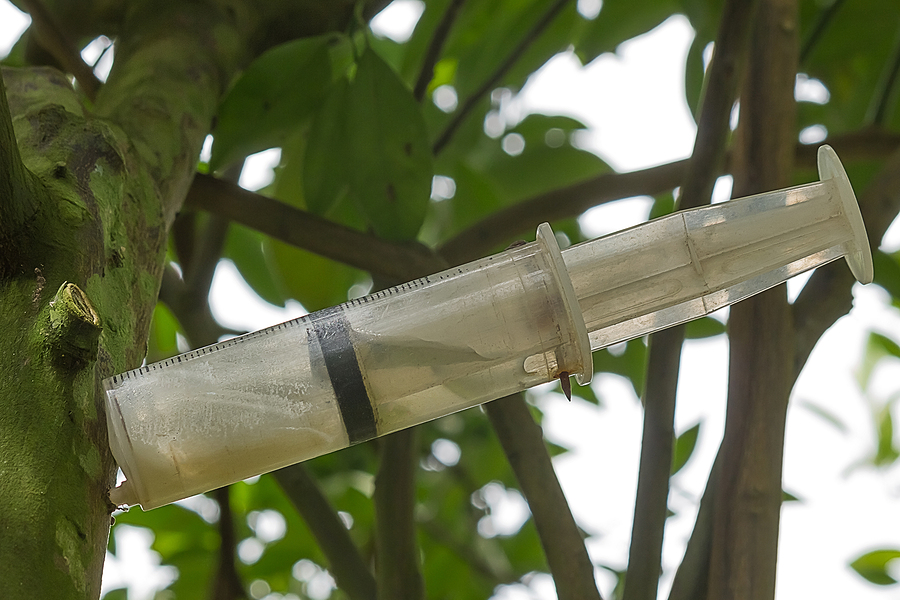
Imaging a tree’s vital fluids — the life force that sustains their impressive growth — coursing through a network of mysterious vascular systems, and you’ll begin to understand the marvel of tree injections. Also known as trunk injections, this method involves introducing essential nutrients, protective pesticides, or curative fungicides directly into a tree’s circulatory system. Such an approach bypasses the soil entirely, ensuring a rapid uptake of the injectate right where the tree needs it most.

A Salve for Ailing Trees

The key selling point of trunk injections is their precision. Whether combating a devastating pest like the emerald ash borer, or responding to a potassium-starved oak tree, this method delivers a direct dose of assistance. The focus on systemic treatment means that every leaf, branch, and root is slated for healing. It’s like the tree is receiving an intravenous drip of defense.

Delving into the Diverse World of Tree Injections

The cocktail of trunk injections varies widely, tailored to the unique requirements of the tree species and the challenges they confront. Here are the main categories:

Nutrient Injections for Growth and Recovery

Deep-root fertilization is a type of tree injection that aids in fortifying the tree’s stature. This slow-release nutrient infusion is particularly effective for trees in urban environments, where soil nutrient depletion is a common concern.

Insecticide and Pesticide Injections for Pest Management

Look to pesticide injections when pests are too pervasive for conventional spraying or when using pesticides can potentially harm beneficial insects. This method is especially effective for bugs that bore into the tree, as traditional sprays often fail to reach them.

Disease Management with Systemic Fungicides

When common fungal diseases like Dutch elm disease strike, systemic fungicides are deployed to arrest further damage. These injections fortify the tree against the spread of infection, giving it a fighting chance to recover.

The Upside of Using Trunk Injections

The benefits of trunk injections are as varied as the solutions they provide. Not only do they offer a more efficient use of resources by targeting the treatment, but they can also be less intrusive overall.

Environmental Considerations – Compared to the wide-spread application of chemicals via sprays, trunk injections minimize collateral damage to surrounding plants and wildlife.

Healthier Trees, Superior Results – Because of their systemic delivery, the results of tree injections are often more profound and durable than those of traditional methods. A well-nourished tree is also more robust against future challenges.

Economic Factors – While the initial cost might seem higher than alternatives, the long-term benefits can lead to savings in maintenance and potential replacement costs of a poorly managed tree.

When to Elect for Tree Injections

Recognizing when a tree might benefit from an injection treatment is crucial. Here are some scenarios where this method shines:

When Time is of the Essence – For trees under immediate stress, such as those afflicted by pests that destroy leaf tissues, injections can rapidly deploy countermeasures.

Chronic Conditions – Long-term nutrient support, such as iron for chlorotic trees, is best administered via injections, catering to the tree’s slow metabolic pace.

Preventive Measures – In some cases, especially in urban settings, periodic injections can be a preemptive strategy to maintain tree health, even in the absence of visible issues.

Mastering the Tree Injection Process

Administering a tree injection is part art, part science. Here’s how the procedure unfolds:

Prepping the Site – Begin by identifying the injection points and preparing the tree for the treatment. Clearing the area around the injection site and ensuring all equipment is sterile is paramount.

Injection Methodology – The actual injection process should be approached with care, with respect for the tree and its health. Injecting too quickly or forcefully can damage the tree’s tissues.

Post-Treatment Care – After the injections are complete, providing the appropriate care, such as watering if needed or monitoring the tree’s response, is essential for optimal results.

Navigating the Potential Pitfalls of Trunk Injections

Even the most meticulous gardeners can run into pitfalls when it comes to trunk injections. Here are some to avoid:

Overlooking Maintenance – Assuming the work is done after the injections can sabotage results. Continue to monitor the tree’s progress and address any additional actions that may be needed.

Poor Injection Placement – Choosing the right injection site is a fine balance. Too high, and you risk compromising structural integrity; too low, and the roots won’t benefit.

Ignoring Professional Advice – In the quest to cut costs, homeowners might undertake tree injections themselves. However, consulting with an arborist can save time, money, and trees in the long run.

Calculating the Cost of Tree Trunk Injections

Understanding the financial aspect of tree trunk injections can help you plan for these services:

Equipment and Material Costs – Initial outlays for injectors, treatments, and protective gear should be factored into your budget.

Labor vs. DIY – Deciding between professional services and a DIY approach depends on several factors, including the number of trees and their individual needs.

Long-term Investment in Tree Health – When viewed as an investment in property and environmental health, the cost of tree injections can seem more justifiable.

Summary

For those with verdant aspirations, tree injections offer a nuanced and potent means of nourishing our arboreal allies. The next time you encounter a tree in need, consider the power of a targeted trunk injection and watch as your landscape thrives under your caring command. Engage with your local arborist or tree service company to explore the possibilities — after all, a safe, flourishing arboretum benefits us all.

Should you believe your trees need a professional inspection and health evaluation, feel free to contact our team. Contact Complete Tree Care at 317-783-2518 for licensed and insured tree service in Indianapolis, Indiana and get instant advice from a certified arborist today. We serve residential and commercial clients with comprehensive tree care solutions.

Related Posts:

Keeping Your Trees Healthy in Indiana’s Spring Season: A How-to Guide
What You Need to Learn About Tree Stress
The Common Process of Tree Fertilization

Defending Our Ash Trees: A Homeowner’s Guide to Emerald Ash Borer Management

Emerald ash borer (EAB) infestations have wreaked havoc on millions of ash trees across the United States, making it one of the most destructive forest pests in the country. The loss of these trees not only alters the landscape but disrupts entire ecosystems and has profound effects on our urban environments. This blog post is designed to arm homeowners and gardeners with the knowledge and tools necessary to protect these vital contributors to our green spaces from the relentless threat of the emerald ash borer.

Call 317-783-2518 For Professional Emerald Ash Borer Treatment in Indianapolis
Ash Tree killed by the invasive Emerald Ash Borer.

Understanding the Emerald Ash Borer

Native to eastern Asia, the emerald ash borer is a metallic, shiny green beetle that feeds on and lays its eggs in ash trees, interfering with the tree’s ability to transport water and nutrients. Its life cycle begins as larvae hatching under the bark, where they tunnel and feed, eventually emerging as adults to continue the cycle. The effects of an EAB infestation can be devastating, often leading to a tree’s demise in just a few years.

Signs of an Emerald Ash Borer Infestation

Homeowners can spot EAB infestations by looking for the following signs:

  • Canopy Dieback: The top of the tree may show signs of decline, with dead branches and barren patches in the leaves.
  • Vertical Splits in Bark: EAB larval tunnels cause visible damage, often leading to splits in the bark as the infestation worsens.
  • Increased Woodpecker Activity: Woodpeckers are natural predators of EAB larvae and will often target infected trees, leaving noticeable holes in the bark.

If left untreated, these signs typically lead to the irreversible decline of the ash tree.

The Importance of Managing EAB Infestations

The value of ash trees can’t be overstated—they provide shade, mitigate pollution, contribute to soil health, and support a variety of wildlife. As natural filters for air and water, they’re essential to the health of our ecosystems. Managing EAB is crucial to preserving these roles and maintaining the integrity of our natural and urban landscapes.

The Role of Trees in Our World

Ash trees are essential components of our environment for several reasons. They offer habitat and sustenance to countless species, including birds and insects that rely on them for survival. They also help prevent erosion, sequester carbon, and contribute to a healthy environment in many urban and suburban settings.

Why Immediate Action is Necessary

Once infested, ash trees can become hazardous, as they become brittle and can pose a threat to people and property. Prompt management is key to reduce the spread and protect other ash trees in the community.

Proactive Tree Care Measures for Homeowners

If you have ash trees on your property, there are proactive steps you can take to mitigate the risk of an EAB infestation and, if caught early, potentially save the tree.

Tree Identification – Knowing whether you have ash trees is the first step. Look for trees with compound leaves and an opposite branching pattern—all features characteristic of ash species.

Treatment Options – There are several treatment options for homeowners, including sprays and soil drenches. It’s important to choose the right treatment and apply it correctly to maximize effectiveness and minimize harm to beneficial insects and other organisms.

Professional Assistance – In some cases, the size or health of the tree may necessitate the expertise of a professional arborist. These specialists can assess the situation and recommend a treatment plan tailored to your specific needs.

Sustainable Tree Pest Protection Solutions

As our understanding of EAB and its effects grows, so does the development of sustainable management solutions that lessen environmental impact.

Biological Control – Biological control methods involve introducing natural predators of the EAB to keep populations in check. This approach can take time to show results but is a promising long-term strategy.

Tree Injections – Tree injections, also known as trunk injections, deliver insecticides directly into the tree’s vascular system. This method is highly effective and has the benefit of minimizing environmental exposure.

In Summary

Emerald ash borers present a significant challenge to homeowners and communities, but with the right knowledge and approach, we can protect our ash trees and the environment they support. Early detection, prompt action, and sustainable management techniques can turn the tide against this invasive pest.

By investing the time and resources to manage EAB, we invest in a greener, healthier future for our communities. If you suspect an EAB infestation in your ash trees, don’t delay—seek professional assistance, and take the necessary steps to protect your valuable green assets. After all, the health of our environment is a collective responsibility and starts right in our own back.

Ready to get rid of your tree pest and disease problems? Contact Complete Tree Care at 317-783-2518 to get assistance from a certified arborist in Indianapolis, Indiana. We serve residential and commercial clients with comprehensive tree care solutions.

Related Posts:

Learn How to Identify Ash Trees
Common Winter Tree Pests in Indiana
Tree Troubles: Identifying and Treating Common Tree Diseases in Indiana