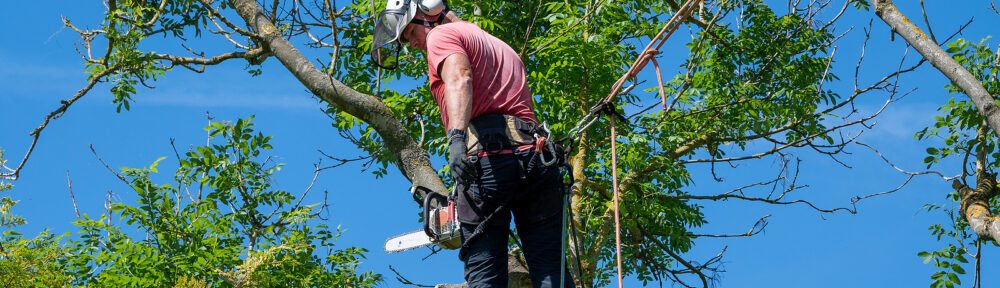
Over-Pruning Trees: The Hidden Damage to Your Landscape

Caring for the trees on your property brings tremendous satisfaction, but good intentions can sometimes lead to unintended consequences. Over-pruning represents one of the most common yet damaging mistakes homeowners make when maintaining their trees. This excessive removal of branches and foliage might seem like thorough care, but it can actually compromise your tree’s health, structure, and longevity.

Understanding the signs and consequences of over-pruning empowers you to make better decisions for your landscape. Whether you’re tending to a majestic oak in your backyard or maintaining arborvitae along your property line, proper pruning techniques protect your investment while enhancing your tree’s natural beauty.

The stakes are higher than many homeowners realize. Trees that suffer from over-pruning face increased vulnerability to disease, structural weakness, and even premature death. Learning to recognize these issues—and knowing when to seek professional help—can save you thousands of dollars in tree replacement costs while preserving the natural beauty of your property.

Call 317-783-2518 If You Are Looking For Tree Pruning Near Indianapolis

Recognizing the Warning Signs of Over-Pruning

Over-pruning typically manifests through several telltale signs that indicate your tree is under stress. The most obvious indicator is the removal of more than 25% of a tree’s canopy in a single season, which violates fundamental tree care principles and puts enormous strain on the tree’s biological systems.

Epicormic Growth

Excessive epicormic growth, commonly called “water sprouts,” frequently appears after aggressive pruning. These weak, rapidly-growing shoots emerge from the trunk or main branches as the tree desperately attempts to replace lost foliage. While they might seem like healthy new growth, these shoots are structurally weak and more susceptible to breaking during storms.

Stub Cuts

Another warning sign is the creation of stub cuts—pruning cuts that leave protruding branch stubs rather than clean cuts at the branch collar. These stubs cannot heal properly and become entry points for decay organisms. Similarly, topping, which involves cutting main branches back to stubs, represents one of the most severe forms of over-pruning and causes irreversible damage to tree structure.

Health Decline

Maple trees, particularly susceptible to pruning stress, may exhibit excessive sap bleeding when cut during active growth periods. Oak trees can develop oak wilt when pruned during vulnerable seasons, while birch trees often struggle to compartmentalize wounds from aggressive pruning, leading to extensive decay.

The Serious Consequences of Excessive Pruning

Tree Stress

Over-pruning creates a cascade of problems that compound over time, fundamentally altering your tree’s ability to thrive. The immediate consequence involves significant stress to the tree’s biological systems, as the remaining foliage must work overtime to produce enough energy through photosynthesis to sustain the entire tree.

Structural Weakness

Structural weakness represents perhaps the most dangerous long-term consequence. When major branches are removed improperly, the tree’s natural architecture becomes compromised. This is particularly problematic for ash trees, which can develop co-dominant stems and weak branch unions when stressed from over-pruning. The resulting structural defects increase the likelihood of branch failure during storms, potentially causing property damage or personal injury.

Diseases and Pests

Disease and pest vulnerability increase dramatically following excessive pruning. Open wounds from improper cuts provide direct access for pathogens, while the tree’s compromised immune system struggles to defend against invasions. Arborvitae, commonly over-pruned in residential landscapes, frequently develop canker diseases when stressed from excessive trimming, leading to brown, dead sections that never recover.

CODIT (Compartmentalization of Decay in Trees)

The tree’s natural defense mechanisms become overwhelmed when too much tissue is removed at once. Healthy trees compartmentalize wounds through a process called CODIT (Compartmentalization of Decay in Trees), but over-pruning can exceed the tree’s ability to wall off damaged areas effectively.

Economic Demands

Economic consequences extend beyond immediate tree care costs. Over-pruned trees often require more frequent maintenance, have shorter lifespans, and may need complete removal years earlier than properly maintained specimens. A mature oak that could have lived for centuries might require removal within a decade if subjected to repeated over-pruning.

Request Professional Tree Pruning Service Today 🌲

Best Practices for Proper Tree Pruning

Follow Established Guidelines 

Effective tree pruning follows established guidelines that prioritize tree health while achieving your aesthetic and safety goals. The ANSI A300 standard provides comprehensive guidelines for tree care practices, including specific requirements for pruning techniques, timing, and extent of removal. Following these industry-recognized standards ensures your pruning enhances rather than harms your trees.

Timing Matters 

Timing plays a crucial role in successful pruning outcomes. Most deciduous trees, including maple and birch, benefit from dormant season pruning when energy reserves are stored in roots and wounds close more readily. However, oak trees should never be pruned during active growing seasons in areas where oak wilt is present, as fresh wounds attract disease-carrying beetles.

Use the Three-Cut Method 

The three-cut method represents the gold standard for removing larger branches safely. This technique involves making an undercut first, followed by a top cut slightly further out on the branch, then a final cut at the proper location near the branch collar. This method prevents bark stripping and ensures clean, healable wounds.

Make Cuts at the Branch Collar 

Proper pruning techniques focus on making cuts at the branch collar—the slightly swollen area where the branch meets the trunk or parent branch. These cuts allow the tree’s natural healing processes to function effectively, creating callus tissue that eventually covers the wound completely.

Understand Your Tree Species 

Understanding your specific tree species improves pruning outcomes significantly. Arborvitae requires minimal pruning and should never be cut back into old wood, as it lacks the ability to regenerate from bare branches. Ash trees benefit from crown thinning to reduce weight on branches, while maintaining their natural form.

The Professional Advantage: Why Expert Tree Care Matters

☑ Expertise in Tree Care 

Professional tree pruning services bring invaluable expertise to your landscape maintenance routine. Licensed tree care contractors understand species-specific requirements, seasonal timing, and proper techniques that maximize tree health while achieving your goals. Their knowledge extends beyond basic cutting to encompass tree biology, disease recognition, and long-term care planning.

☑ Safety and Risk Management 

Safety considerations make professional services essential for significant pruning projects. Tree work involves inherent dangers from falling branches, electrical hazards near power lines, and working at height. Professional tree contractors carry specialized equipment and maintain comprehensive training in safety protocols outlined in ANSI Z133 standards, protecting both themselves and your property during the work.

☑ Specialized Equipment 

Equipment access represents another significant advantage of professional services. Proper pruning requires sharp, clean tools sized appropriately for each cut. Professionals maintain an arsenal of specialized equipment, from hand pruners for small branches to chain saws and bucket trucks for major removals, ensuring each cut is made cleanly and safely.

☑ Efficiency and Time Savings 

The efficiency of professional services saves both time and money in the long run. What might take a homeowner an entire weekend to accomplish, professionals can complete in hours while achieving superior results. Their experience allows them to identify potential problems early, preventing costly issues from developing.

☑ Benefits for Long-Term Tree Health 

Long-term tree health benefits from professional attention extend your trees’ lifespan significantly. Proper pruning enhances structural integrity, reduces disease susceptibility, and maintains the tree’s natural beauty. Professional tree care companies also provide ongoing care recommendations tailored to your specific trees and local conditions.

☑ Compliance with Local Regulations 

Compliance with local regulations ensures your tree work proceeds without legal complications. Many municipalities have specific requirements regarding tree removal, pruning near power lines, and debris disposal. Professional services understand these regulations and ensure all work meets local standards.

☑ Insurance and Liability Coverage 

Insurance coverage protects you from liability during tree work. Professional tree services carry comprehensive insurance that covers property damage and injuries that might occur during pruning operations, removing financial risk from your tree care decisions.

Final Thoughts

The consequences of over-pruning extend far beyond immediate visual damage, affecting your trees’ long-term health, structural integrity, and survival. Understanding proper pruning techniques and recognizing the signs of excessive cutting protects your landscape investment while preserving these valuable natural assets for future generations.

Your trees deserve care that enhances their natural beauty while supporting their biological needs. Whether you’re maintaining a single specimen tree or managing an entire landscape, following established best practices ensures your efforts contribute to tree health rather than compromise it.

Professional tree pruning services offer the expertise, safety measures, and specialized equipment necessary for optimal results. By investing in proper tree care, you’re not just maintaining your landscape—you’re preserving living assets that increase property value, provide environmental benefits, and enhance your quality of life for decades to come.

Contact Complete Tree Care today for professional tree pruning services in Indianapolis that ensure the health and longevity of your trees. Schedule an appointment now and give your trees the care they deserve while enhancing the beauty of your property!

Request a Free Estimate Now

Related Post: Understanding the Basics of Tree Pruning and Why It’s Necessary

Common Maple Tree Species and How to Care for Them

Maple trees stand as magnificent sentinels in landscapes across North America, their vibrant foliage creating breathtaking displays that mark the changing seasons. These remarkable trees offer far more than aesthetic beauty—they provide essential environmental benefits, from purifying air to supporting local wildlife ecosystems. Understanding the different maple species and their specific care requirements can transform your landscape into a thriving sanctuary that flourishes for generations.

Whether you’re planning your first maple tree planting or seeking to improve the health of existing trees, proper identification and care knowledge form the foundation of successful tree stewardship. Each maple species brings unique characteristics and requirements, making species-specific care essential for optimal growth and longevity.

Call 317-783-2518 For Maple Tree Service in Indianapolis Indiana
Silver maple tree (Acer saccharinum)

Identifying Your Maple Trees

Accurate identification serves as the cornerstone of effective maple tree care. Maple trees share certain distinctive features that set them apart from other species, yet each variety displays unique characteristics that require careful observation.

Tree Leaves

The most recognizable feature of maple trees is their palmate leaves, which typically display three to five lobes radiating from a central point. However, leaf shape varies significantly between species. Sugar maples produce leaves with clean, defined edges, while silver maples feature deeply serrated margins that create a more delicate appearance.

Bark Patterns

Bark patterns provide another crucial identification tool. Young maple bark appears smooth and gray, but mature trees develop distinctive textures. Sugar maples develop vertical furrows and plates, creating a rugged, plated appearance. Red maples maintain smoother bark with shallow grooves, while silver maples display flaky, scaly bark that peels away in irregular patches.

Growth Patterns

Tree form and growth patterns offer additional clues for species identification. Sugar maples typically grow into tall, oval-shaped crowns with dense branching. Red maples develop more irregular, rounded crowns with ascending branches. Silver maples create broad, spreading canopies with drooping lower branches that require regular pruning attention.

Species Spotlight: Popular Maple Varieties

Sugar Maple (Acer saccharum)

Sugar maples reign as the crown jewels of North American forests, particularly throughout the Northeast region. These magnificent trees produce the spectacular fall foliage that draws millions of visitors to New England each autumn. Their leaves transform from summer green to brilliant oranges, reds, and yellows, creating nature’s most stunning seasonal display.

Beyond their aesthetic appeal, sugar maples serve as the primary source for maple syrup production. The sugar content in maple sap varies significantly based on weather conditions and tree health, with optimal syrup production occurring during specific temperature fluctuations in early spring.

Sugar maples thrive in USDA hardiness zones 3-8, preferring well-drained, slightly acidic soil with consistent moisture. These trees can live for over 300 years with proper care and maintenance, making them excellent long-term landscape investments.

Red Maple (Acer rubrum)

Red maples earn their name through their striking red characteristics that appear throughout the growing season. Spring brings clusters of small red flowers before leaf emergence, followed by red leaf stems and twigs. Fall foliage ranges from bright yellow to deep crimson, creating spectacular autumn displays.

These adaptable trees excel in various soil conditions, from wet, swampy areas to well-drained upland sites. This versatility makes red maples particularly popular in the Southeast region, where they’re widely planted in both residential and commercial landscapes.

Red maples mature faster than sugar maples, reaching substantial size within 20-30 years. They thrive in USDA hardiness zones 3-9, demonstrating remarkable adaptability to different climate conditions. Their tolerance for urban pollution and soil compaction makes them excellent choices for city environments.

Silver Maple (Acer saccharinum)

Silver maples provide rapid growth and quick shade establishment, making them ideal for urban settings throughout the Midwest region. Their distinctive leaves feature silvery undersides that create a shimmering effect when stirred by wind, giving these trees their common name.

These fast-growing trees can reach impressive heights within just a few decades, making them popular choices for homeowners seeking immediate landscape impact. However, their rapid growth produces somewhat brittle wood that requires careful pruning management to prevent storm damage.

Silver maples tolerate various soil conditions and demonstrate excellent drought resistance once established. They thrive in USDA hardiness zones 3-9, adapting well to urban stresses including air pollution and soil compaction.

Bigleaf Maple (Acer macrophyllum)

Native to the Pacific Northwest, bigleaf maples produce the largest leaves of any North American maple species. These impressive leaves can measure up to 12 inches across, creating dense shade and distinctive landscape character.

Bigleaf maples thrive in the moist, temperate conditions of their native region, preferring areas with consistent rainfall and moderate temperatures. They excel in USDA hardiness zones 6-9, particularly in coastal and valley locations throughout Washington, Oregon, and Northern California.

Interestingly, maple wood from bigleaf maples is highly prized for musical instruments due to its acoustic properties, making these trees valuable for both landscape and commercial purposes.

View Our Expert Tree Services in Indy

Essential Maple Tree Care Tips

Planting Maple Trees

Successful maple tree planting begins with proper site selection and timing. Spring and fall provide optimal planting conditions, allowing trees to establish root systems before extreme weather stress occurs.

Choose locations with appropriate space for mature tree size, considering both height and canopy spread. Most maples require full sun to partial shade, with at least six hours of direct sunlight daily for optimal growth and fall color development.

Dig planting holes twice as wide as the root ball but no deeper than the root ball height. This prevents settling that can bury the root flare and create drainage problems. Amend heavy clay soils with compost to improve drainage, but avoid adding excessive organic matter that can create water-holding pockets.

Watering and Irrigation

Proper watering establishes the foundation for healthy maple tree growth. Newly planted trees require consistent moisture during their first two growing seasons while establishing extensive root systems.

Deep, infrequent watering encourages deep root development and drought tolerance. Apply water slowly at the base of the tree, allowing soil to absorb moisture gradually. Avoid frequent shallow watering that encourages surface root development and increases drought stress susceptibility.

Established maples typically require supplemental watering only during extended dry periods. Monitor soil moisture by checking several inches below the surface—soil should feel slightly moist but not waterlogged.

Fertilizing and Soil Management

Maple trees benefit from regular fertilization, particularly in urban environments where soil nutrients become depleted. Apply balanced tree fertilizer in early spring before new growth begins, following manufacturer recommendations for application rates.

Organic options include compost applications around the tree base, extending to the drip line. This provides slow-release nutrients while improving soil structure and water retention. Avoid placing fertilizer directly against the trunk to prevent root burn.

Soil pH testing helps determine nutrient availability. Most maples prefer slightly acidic soil (pH 6.0-6.8), though red maples tolerate a wider pH range. Adjust soil pH gradually using appropriate amendments based on test results.

Pruning and Tree Trimming

Regular pruning maintains tree shape, removes dead or diseased branches, and prevents structural problems that can lead to storm damage. The best time for maple tree pruning is late fall through early spring while trees remain dormant.

Remove dead, damaged, or crossing branches first, followed by any branches that create structural weaknesses. Avoid heavy pruning that removes more than 25% of the tree’s canopy in a single year, as this can stress the tree and reduce its ability to photosynthesize effectively.

Proper pruning cuts prevent disease entry and promote rapid healing. Cut just outside the branch collar, avoiding flush cuts that damage the trunk or stub cuts that prevent proper healing.

Contact Us to Book Your Next Service!

Common Maple Tree Problems and Solutions

Disease Management

Anthracnose represents one of the most common maple diseases, causing brown leaf spots and early leaf drop. This fungal disease thrives in cool, wet spring conditions and can significantly impact tree appearance.

Treatment options include fungicide applications during spring emergence, though prevention through proper spacing and pruning provides better long-term management. Remove fallen leaves to reduce disease overwintering and improve air circulation through selective pruning.

Verticillium wilt poses a more serious threat, causing branch dieback and potential tree death. This soil-borne fungal disease affects the tree’s vascular system, preventing proper water and nutrient transport.

Early detection and prompt treatment offer the best outcomes. Remove affected branches immediately and dispose of them away from healthy trees. Some trees may recover with proper care, while severely affected trees may require removal.

Pest Management

Aphids commonly infest maple trees, particularly during spring growth periods. These small insects feed on leaf sap, causing yellowing and curling while producing sticky honeydew that attracts secondary problems.

Organic treatment options include insecticidal soap applications and beneficial insect encouragement through diverse plantings. Chemical treatments may be necessary for severe infestations, but should be applied according to label directions to minimize environmental impact.

Maple mites can cause leaf stippling and premature leaf drop during hot, dry conditions. These tiny pests multiply rapidly under stress conditions, making prevention through proper watering and soil management essential.

Environmental Stress Management

Drought stress affects maple trees significantly, causing leaf scorch, early leaf drop, and increased susceptibility to other problems. Maintain consistent soil moisture through proper irrigation and mulching practices.

Salt damage from winter road treatments can cause leaf burn and growth reduction. Plant salt-tolerant species in areas subject to salt spray, and flush soil with water in spring to reduce salt accumulation.

Soil compaction restricts root growth and water infiltration, leading to gradual tree decline. Protect root zones from traffic and construction activities, and consider soil aeration for established trees showing compaction symptoms.

Concluding Thoughts

Caring for maple trees represents an investment in both property value and environmental health. These ancient species, dating back over 100 million years, connect us to natural heritage while providing tangible benefits for generations to come.

Regular maintenance through proper watering, fertilizing, and pruning ensures maximum tree longevity and performance. Professional tree care services can provide specialized treatments and early problem detection that preserve tree health and prevent costly removals.

The time invested in learning proper maple tree care pays dividends through enhanced property beauty, increased shade benefits, and the satisfaction of nurturing these magnificent living monuments. Consider scheduling a tree care consultation to develop a comprehensive maintenance plan tailored to your specific maple species and local conditions.

Look for some professional maple tree service in Indianapolis? Contact Complete Tree Care to schedule a free on-site assessment for trimming, pruning, tree removal, stump grinding, and more. We serve residential and commercial properties with affordable tree service.

Click Here to Get a Free Quote

Related Post: Caring for Ornamental Trees in Indiana

How to Keep Your Trees Hydrated This Summer

Summer brings warmth and sunshine, but it also presents unique challenges for maintaining healthy trees. When temperatures soar and rainfall becomes unpredictable, your trees face significant stress that can lead to serious health issues. Understanding how to properly hydrate your trees during these demanding months is crucial for preserving their beauty and longevity.

Trees are remarkable organisms that provide shade, beauty, and environmental benefits to our landscapes. However, they depend on consistent moisture to perform their vital functions. During summer months, trees lose water rapidly through their leaves while simultaneously working harder to cool themselves and transport nutrients throughout their structure.

This comprehensive guide will explore effective methods and products to keep your trees properly hydrated throughout the summer season. From innovative watering systems to soil amendments, you’ll discover practical solutions that ensure your trees thrive despite challenging weather conditions.

Call 317-783-2518 When You Need a Professional Tree Service Company in Indianapolis

Understanding Summer Stress on Trees

Summer heat creates a perfect storm of conditions that challenge tree health. When temperatures rise, trees accelerate their transpiration process—essentially sweating through their leaves to cool down. This natural cooling mechanism requires substantial amounts of water, often more than what’s available through natural rainfall or standard watering practices.

The impact of inadequate tree hydration extends far beyond simple wilting. Trees experiencing water stress become vulnerable to pest infestations, disease, and structural damage. Their root systems may struggle to absorb nutrients effectively, leading to yellowing leaves, premature leaf drop, and stunted growth.

Indiana’s climate presents particular challenges for tree maintenance. The state’s sudden temperature fluctuations can catch trees off guard, especially when hot spells follow cooler periods. These rapid changes stress tree systems and increase their water demands significantly.

Heat stress manifests in various ways throughout different tree species. Oak trees, common throughout Indiana, may develop leaf scorch—brown, crispy edges on leaves that indicate insufficient moisture. Maple trees might display wilting or drooping branches, while Birch trees often show yellowing leaves starting from the bottom of the canopy.

Effective Tree Hydration Methods

Water Bags: Slow and Steady Wins the Race

Tree watering bags represent one of the most efficient methods for maintaining consistent tree hydration. These innovative products deliver water slowly and directly to the root zone, ensuring deep penetration without waste.

Quality tree watering bags are constructed from heavy-duty PVC material designed to withstand harsh weather conditions. Their slow-release system typically holds 15-20 gallons of water, providing sustained moisture over several hours. The UV-resistant construction ensures these bags maintain their integrity throughout multiple seasons of use.

The primary advantage of water bags lies in their ability to provide deep, thorough watering. Unlike surface watering that may evaporate quickly, water bags deliver moisture directly to the root zone where trees can absorb it most effectively. This method encourages deep root growth, creating stronger, more resilient trees.

Installation is straightforward: simply wrap the bag around the tree trunk, zip it closed, and fill with water. The slow-release mechanism ensures water penetrates deeply into the soil rather than running off the surface. For larger trees, multiple bags can be used simultaneously.

Mulch: Nature’s Water Conservation System

Organic mulch serves as an excellent complement to any tree watering strategy. This natural material helps retain soil moisture while providing additional benefits that support overall tree health.

Shredded hardwood mulch is particularly effective for tree hydration. This type of organic mulch retains moisture exceptionally well while decomposing slowly, which means it provides long-lasting benefits. As it breaks down, it enriches the soil with organic matter that improves water retention and nutrient availability.

Proper mulch application involves creating a 2-4 inch layer around the tree’s drip line—the area directly beneath the outermost branches. Avoid piling mulch against the tree trunk, as this can create moisture problems and encourage pest issues. Instead, maintain a few inches of space between the mulch and the trunk.

The water retention benefits of mulch are substantial. A properly mulched tree can retain up to 25% more soil moisture compared to unmulched areas. This retained moisture reduces the frequency of watering needed while providing a more consistent moisture level for tree roots.

Soaker Hoses: Precision Watering Technology

Soaker hoses offer another excellent option for efficient tree watering. These specialized hoses feature porous material that allows water to seep out slowly along their entire length, delivering moisture directly to root zones.

The key advantage of soaker hoses lies in their water conservation capabilities. By delivering water slowly and directly to the soil, they minimize evaporation loss and eliminate runoff. This targeted approach ensures that water reaches tree roots rather than being wasted on surrounding areas.

Modern soaker hoses are adjustable in length, allowing customization for different tree sizes and landscape configurations. They can be arranged in circular patterns around trees or laid in straight lines for multiple plantings. The porous material maintains consistent water delivery pressure throughout the entire hose length.

Installation requires connecting the soaker hose to a regular garden hose and positioning it strategically around the tree’s root zone. Many homeowners find success burying soaker hoses slightly beneath mulch layers, which helps prevent evaporation while maintaining an aesthetically pleasing appearance.

Contact Us Today for Expert Tree Service 🌳

Additional Tree Hydration Tools and Techniques

Soil Moisture Monitoring

Understanding when your trees need water is just as important as knowing how to provide it. Soil moisture meters eliminate guesswork by providing accurate readings of soil moisture levels at various depths.

Quality soil moisture meters feature easy-to-read displays and durable probes designed for repeated soil insertion. These battery-powered devices provide instant readings that help determine whether trees need immediate watering or if soil moisture levels remain adequate.

To use a soil moisture meter effectively, insert the probe into the soil at multiple locations around the tree’s drip line. Take readings at different depths to understand moisture distribution throughout the root zone. Most trees require consistent moisture in the top 12-18 inches of soil for optimal health.

Root Stimulator Applications

Root stimulator products can enhance your tree’s ability to absorb and utilize water effectively. These liquid concentrates promote root growth and development, creating stronger, more extensive root systems capable of accessing water and nutrients more efficiently.

Quality root stimulators promote root growth while reducing transplant shock in newly planted trees. They enhance nutrient uptake capabilities, allowing trees to make better use of available water and soil nutrients. Regular applications during the growing season can significantly improve tree resilience during stressful summer conditions.

Application involves mixing the liquid concentrate with water according to package directions and applying it to the soil around the tree’s root zone. The enhanced root development that results creates trees better equipped to handle summer stress and maintain proper hydration levels.

Watering Schedules and Best Practices

Establishing an appropriate watering schedule requires understanding your specific trees’ needs and local climate conditions. Most established trees benefit from deep, infrequent watering rather than frequent shallow applications.

During typical summer conditions, most trees require approximately 1-2 inches of water per week, including rainfall. However, Indiana’s climate variability means this amount may need adjustment based on current weather patterns. During extended hot spells, water requirements may increase significantly.

The best time for tree watering is early morning, typically between 6AM and 10 AM. This timing allows trees to absorb water before the day’s heat increases evaporation rates. Morning watering also helps trees prepare for the day’s heat stress by ensuring adequate moisture availability.

Avoid watering during the hottest parts of the day, as much of the water will evaporate before reaching tree roots. Evening watering, while better than midday applications, can sometimes create conditions that encourage fungal problems if water remains on leaves overnight.

Species-Specific Considerations for Indiana Trees

Different tree species common in Indiana have varying water requirements and stress responses. Understanding these differences helps tailor your hydration approach for maximum effectiveness.

Oak trees, prevalent throughout Indiana, prefer deep, infrequent watering. Their extensive root systems can access water from greater depths, but they still require consistent moisture during summer months. Signs of water stress in oaks include leaf scorch and premature acorn drop.

Maple trees typically require more frequent watering than oaks, particularly younger specimens. Their shallow root systems make them more susceptible to surface soil moisture fluctuations. Wilting leaves and early fall color changes often indicate insufficient water.

Birch trees are particularly sensitive to drought conditions. These trees prefer consistently moist soil and may struggle during extended dry periods. Yellowing leaves starting from the bottom of the canopy typically indicate water stress in birches.

Willow trees, as their name suggests, require abundant moisture. These trees naturally occur near water sources and need consistent watering to maintain health. Drooping branches and yellowing leaves are common signs of water stress in willows.

Arborvitae and other evergreen species have different water requirements than deciduous trees. These trees continue transpiring throughout winter, making consistent moisture availability crucial year-round. Brown or yellowing needles often indicate water stress in evergreens.

Ash trees, while facing challenges from emerald ash borer, still require proper hydration to maintain health. Well-watered ash trees are better equipped to resist pest damage and maintain structural integrity.

FAQ About Tree Watering

How often should I water my trees in the summer?

Most established trees need deep watering 1-2 times per week during summer months. The key is providing 1-2 inches of water (including rainfall) weekly. Check soil moisture levels 4-6 inches deep to determine if watering is needed.

What is the best time of day to water my trees?

Early morning (6-10 AM) is the ideal time to water trees. This allows for maximum absorption before evaporation occurs during the hottest part of the day. Avoid watering in the evening as it can create an environment that promotes fungal growth.

What are the signs of an overwatered tree?

Overwatered trees may display yellowing leaves, soft or mushy bark, fungal growth around the base, and poor growth. The soil around overwatered trees often smells sour or remains consistently soggy.

How do I use a soil moisture meter to check if my tree needs water?

Insert the probe 6-8 inches into the soil at multiple locations around the tree’s drip line. Most trees prefer soil moisture levels between 40-60% on the meter’s scale. Take readings at different depths for a complete picture.

Is mulch really necessary for tree hydration? What type is best?

Mulch significantly improves water retention and reduces evaporation. Organic mulches like shredded hardwood or bark chips work best because they decompose slowly and improve soil structure over time.

How do I know if my tree is suffering from heat stress?

Heat stress symptoms include wilting leaves, leaf scorch (brown, crispy edges), premature leaf drop, and stunted growth. Trees may also show signs of pest vulnerability when stressed by heat and drought.

Are tree watering bags effective for all types of trees?

Tree watering bags work well for most tree species, particularly newly planted or young trees. They’re especially beneficial for trees with shallow root systems or those in challenging growing conditions.

Conclusion

Proper hydration is essential for maintaining the health and vitality of your trees. By understanding the signs of under- or over-watering, selecting appropriate watering methods, and timing your watering correctly, you can promote healthy growth and prevent potential damage to your trees. Remember to always prioritize deep root watering and regularly check soil moisture levels to ensure your trees are receiving adequate hydration. With these tips in mind, you can keep your trees thriving for years to come.

For expert care and personalized solutions for your trees, trust the leading professionals in Indianapolis. Contact Complete Tree Care today to schedule your tree service consultation and give your trees the care they deserve.

Book Your Next Tree Service Now

Related Post: 10 Summer Tree Care Tips for Homeowners

Carbon Dioxide and Trees: Why Every Homeowner Matters

Carbon dioxide (CO2) levels in the atmosphere are rising, contributing to climate change and global warming. However, trees, nature’s silent warriors, are essential in balancing these rising CO2 levels. Whether combating global climate challenges or beautifying your Indiana property, trees are vital for health, sustainability, and a greener future. 

This post will explore the crucial relationship between trees and CO2, how they sequester carbon, and what environmentally conscious homeowners like you can do—from tree planting to professional tree care—for maximum impact. 

Call 317-783-2518 for Professional Routine Tree Service in Indianapolis Indiana

Understanding the Basics of the Tree-Carbon Dioxide Relationship 

Trees breathe in our waste. Through photosynthesis, they absorb carbon dioxide and release the oxygen we rely on to survive. But it’s not just about oxygen production; trees act as carbon sinks, storing CO2 and playing a massive role in combating climate change. 

By planting the right mix of native Indiana species such as oak, maple, and hickory, homeowners can reduce their carbon footprint while promoting biodiversity. 

The Science Behind Photosynthesis and Carbon Sequestration 

Photosynthesis is nature’s way of recycling. Trees pull in carbon dioxide through their leaves, use sunlight and water to transform it into energy, and store carbon in their trunks, branches, and roots. A single mature tree can absorb up to 48 pounds of CO2 annually and sequester up to 1 ton of CO2 over its lifetime (Source: EPA). 

Imagine the collective impact if every Indiana property included just three additional oak or maple trees. A localized effort, magnified across properties, could significantly contribute to reducing atmospheric CO2. 

Forests and Their Role in Combating Climate Change 

Forests cover 31% of the world’s land area (Source: FAO), serving as massive natural carbon sinks. Forests absorb around 25% of all human-caused CO2 emissions globally (Source: IPCC). Indiana, with its fertile soil and temperate climate, is particularly suited for hardwood trees that sequester more carbon over time. 

Protecting existing forests and planting more trees isn’t just beneficial for the environment; it protects watersheds, reduces soil erosion, and supports local wildlife. 

Deforestation and Its Effects on Carbon Dioxide Levels 

Unfortunately, global deforestation is a major issue, responsible for nearly 10% of greenhouse gas emissions (Source: WRI). Removing trees not only releases stored carbon but also contributes to a vicious cycle of rising CO2 levels. Indiana homeowners can take action locally by preserving mature trees on their property, opting for sustainable landscaping, and supporting reforestation efforts. 

Planting Trees as a Carbon Reduction Strategy 

While reducing emissions at the source is critical, planting new trees plays an essential role in offsetting CO2 emissions and combating climate change. Trees absorb carbon dioxide as they grow, acting as natural carbon sinks. To maximize the environmental benefits, it’s important to focus on planting native species that thrive in local ecosystems and offer long-term carbon storage. For Indiana homeowners, here are some excellent tree options:

🌳 Oak trees (White Oak, Red Oak): These trees are known for their impressive longevity and ability to store significant amounts of carbon over their lifetime. They also provide excellent wildlife habitat and contribute to biodiversity.

🌳 Maple trees (Sugar Maple, Red Maple): Fast-growing and stunning in autumn, maples are a fantastic choice for maximizing carbon absorption while adding natural beauty to your landscape. They also adapt well to most soil types, making them versatile for Indiana yards.

🌳 Hickory trees (Shagbark Hickory, Bitternut Hickory): These hardy trees are built to thrive in Indiana’s ecosystem, providing strong carbon storage and supporting local wildlife with their nuts.

Best Practices for Tree Planting

To ensure your tree planting efforts have the greatest impact, follow these key practices:

🌱 Plan your planting by carefully selecting locations with plenty of sunlight, sufficient space for root growth, and proper drainage. Trees need room to grow both above and below ground, so consider future growth when planting.

🌱 Opt for professional tree services to guarantee your trees are planted at the correct depth and the soil is well-prepared for their long-term health. Proper tree planting techniques can significantly increase a tree’s survival rate.

🌱 Incorporate biochar into the soil to enhance carbon storage while improving soil health. Biochar helps retain nutrients and moisture, giving your new trees the best chance to grow strong and absorb more carbon over time.

🌱 Focus on proper maintenance, including regular watering, pruning, and mulching. Healthy trees grow faster and live longer, contributing to greater carbon reduction over their lifespan.

By planting the right trees in the right way, you can create a lasting impact on your local environment while supporting global efforts to reduce CO2 emissions. Trees not only store carbon but also provide shade, reduce energy use, and promote biodiversity, making them a vital part of any carbon reduction strategy.

Contact Us for Indianapolis Tree Service

Tree Care Tips for Homeowners 

Healthy trees absorb more carbon. That’s why proper care is essential for maintaining their environmental benefit. 

DIY Tree Maintenance 

  • Water regularly during dry spells. Deep watering ensures roots absorb moisture. 
  • Lightly prune (and very carefully to avoid damage) to remove dead or diseased branches while encouraging growth. 
  • Apply mulch around the base to retain soil moisture and control weeds. 

Professional Tree Services 

For more advanced tree care, such as trimming, pruning, removal, or stump grinding, working with a licensed tree service company is essential to ensure the health and longevity of your trees. Professional companies have the expertise, tools, and training to handle even the most complex tree issues safely and efficiently.

Regular pruning can prevent the spread of disease, improve tree structure, and enhance your property’s overall aesthetics. Additionally, proper tree removal and stump grinding can eliminate potential hazards, creating a safer outdoor environment.

By investing in professional tree services, you not only maintain the beauty and safety of your landscape but also contribute to optimizing carbon sequestration and promoting a healthier ecosystem.

FAQs About Tree Conservation 

💬 How do trees help reduce carbon dioxide in the atmosphere? 

Trees absorb CO2 through photosynthesis, storing it in their biomass while releasing oxygen back into the air. 

💬 How does deforestation impact climate change? 

Deforestation releases stored carbon back into the atmosphere, increasing greenhouse gas levels and contributing to a warming planet. 

💬 What are the benefits of planting native trees in my yard? 

Native trees require less maintenance, support local wildlife, and are better adapted to the climate, making them more effective at carbon sequestration. 

💬 Where can I find professional tree services in Indiana? 

Many Indiana-based arborists specialize in tree planting, maintenance, and conservation. Look up certified local services to get expert advice and care. 

Final Thoughts

With disruptive technologies like genetic engineering and AI monitoring leading the way, the future of carbon sequestration looks promising. But despite technological advancement, the responsibility of incorporating trees into CO2 reduction efforts ultimately falls on all of us. 

By planting and caring for trees, you’re making a simple yet profound contribution to the planet. Whether you’re adding a sugar maple to your yard or protecting majestic oaks already on your property, your efforts create ripples of positive change.  

For a streamlined, expert approach, consider scheduling a professional tree care consultation with Complete Tree Care. Together, we can protect Indiana’s landscapes and leave a legacy of cleaner, greener air for generations to come.  We serve residential and commercial properties throughout the greater Indianapolis areas.

Call for a Free Quote

Related Post: The Devastating Effects of Pollution on Trees And Why It Matters