How To Tell if You Have Dangerous Trees On Your Property

Trees grow and grow and can reach incredible dimensions. They are tall, heavy, and subsequently, dangerous in the case that one was to fall over. Trees are vital parts of our surrounding landscapes and Eco-systems; however, they can also pose several safety threats if not properly maintained.

A fallen tree can damage anything in its path, including vehicles, buildings, homes, patios, bridges, power lines, telephone poles, man-made structures, landscaping, and more. It is important to know what a dangerous tree looks like so that you can prevent serious and costly accidents.

Continue reading to learn the signs of a tree that has a high risk of falling, and who to call for trusted tree removal service near you.
Indianapolis IN Tree Removal Company 317-783-2518

Common Tree Hazards to Look Out For

Many factors can lead to a tree falling over, including construction damage, storm damage, wildlife tampering, disease, and more. The most common causes are undernourishment, tree disease, and pest infestation. These factors can quickly throw a tree’s health into decline, which renders a tree weak and more vulnerable to dying. And a dead or dying tree has a high risk of falling over. When it comes to a tree potentially falling over, here are the top signs to lookout for:

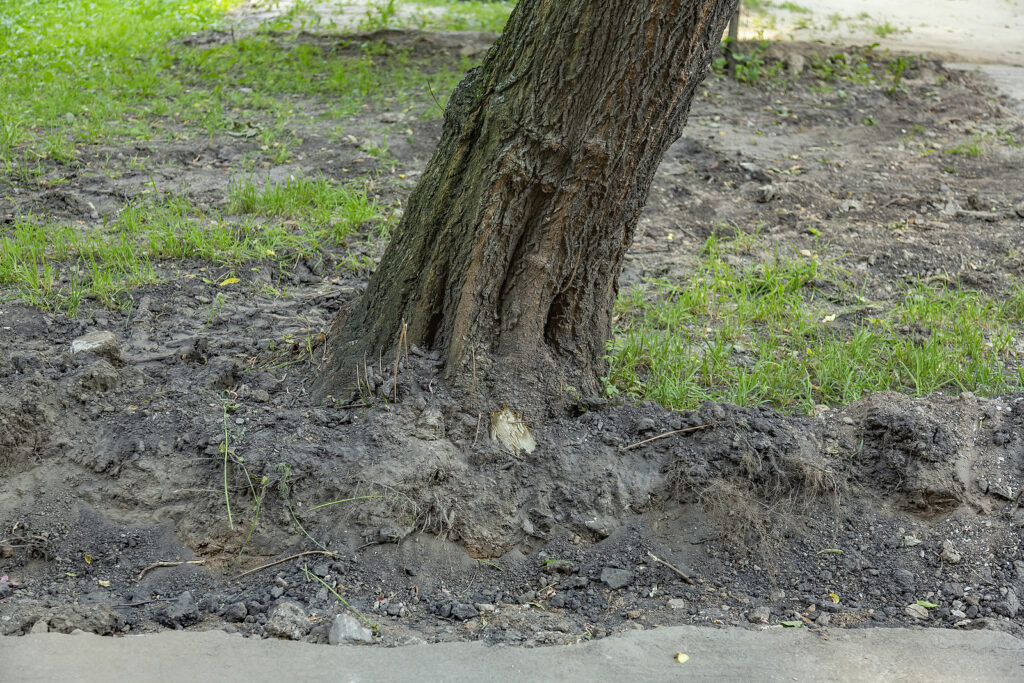
Leaning Trunk – The most obvious sign that a tree might fall over is if it is leaning to one side. This blatant indication of imbalance is a forewarning that something is not right with the tree. This makes the tree a hazard, and it should be removed as soon as possible. Something as minor as a windy day can cause it to finally topple.

Increased Wildlife Activity – A hole in the tree trunk is a great place for wildlife to take shelter, including birds, squirrels, chipmunks, and more. However, too much wildlife activity can be a sign that a tree is not as healthy as it could be. This is especially true with insects. If you notice an increase in bugs, it could be a result of a sick or dying tree.

Trunk Cavities – Many times, a tree will self-prune and drop branches from the trunk. This causes holes in the trunk, which then lead to tree decay, pest infestation, and wildlife activity. However, according to the United States Department of Agriculture Forest Service, as long as there is enough wood surrounding the hole, there is a good chance the tree will not fall.

Rotting Roots – Root rot is a common tree disease that occurs as a result of several factors. And unfortunately, it is hard to spot. Look to the base of the trunk for signs like excessive or sudden mushroom growth or moist bark. Fungi growth generally implies that the tree is rotting from within, which puts the tree in an incredible unstable condition. Also look at the leaves. When a tree loses leaves from the outside in, it is a sign that something is wrong with the root zone.

Do you want to protect your landscaping trees from becoming a liability or hazard in Indiana? Contact Complete Tree Care at 317-783-2518 for Indianapolis Indiana tree services you can trust. We serve residential and commercial clients all through the central parts of the state.

Related Posts:

How to Diagnose a Hazardous Tree
How to Identify Dead Trees on Your Property
Should I Remove a Leaning Tree?
Indianapolis Tree Care 317-783-2518

Why You Should Remove Tree Branches That Overhang the Roof

Trees are valuable assets to any property. The older the better, and homeowners strive to keep their trees healthy and growing exponentially for as long as possible. For this reason, we often feel some hesitation when it comes to trimming back those beloved limbs of our favorite landscaping trees. But in many cases, it is absolutely necessary, like when tree branches get too close to the roof or other structures of your home or building.

Continue reading to learn why it is important to promptly remove or trim back tree branches that are hanging over or touching your rooftop.

Indianapolis Tree Trimming and Removal 317-783-2518

The Concern With Overhanging Tree Limbs

There are many reasons why tree limbs are a threat to roofs and other related or nearby structures, like chimneys, fascia, soffits, vents, and solar power systems. Not only can overgrown or touching tree branches cause structural damages to your most valuable assets, but they can also pose several safety issues for people inside and outside.

Structural Damages

Touching, grazing, or overhanging tree limbs can scrape and scratch shingles and roofing materials, which can lead to premature curling, peeling, shingle loss, and moisture rot. Overtime, this can even lead to holes in the roof, which can cause attic leaks and serious water damage.

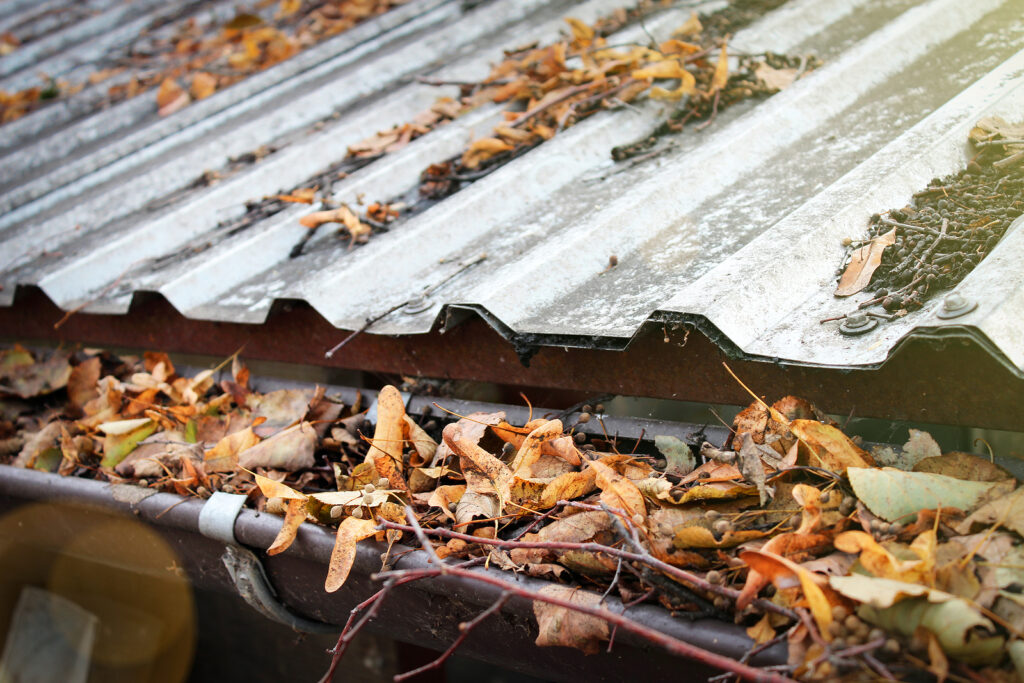
Tree branches that overhang or touch roofs can also cause localized leaf loss, which leads to an accumulation of leaves inside your gutter system and on top of your roofing. Overtime, the sitting foliage and debris will develop excessive moisture, causing mold and mildew growth. Such growth, if never uncovered and treated, can lead to roof deterioration and subsequent leaks.

Safety Risks

When tree limbs are in regular contact with your roof or siding, they will eventually experience damage of their own. As a result, tree limbs weaken and wane, which increases the likelihood of them breaking off and falling onto or nearby your home. A falling tree limb can cause serious injury to people and pets, even if they are small.

How to Manage Overhanging or Overgrown Tree Branches

To prevent a damaging or dangerous situation brought on by overgrown or overhanging tree branches, begin with smart tree planting. Plant trees away from the side of the house or building, taking into account the average growth expectancy of the particular species you are planting. Furthermore, stay current on all routine tree service, including spring and fall tree trimming and pruning.

Always Hire a Professional Tree Removal Company

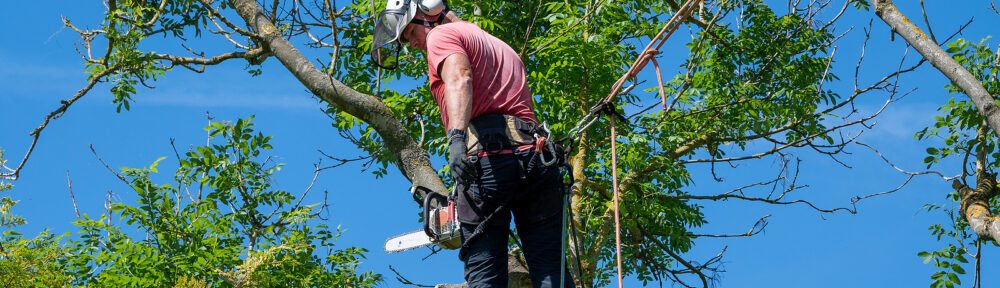
Never attempt to remove overhanging or overgrown tree limbs yourself. One incorrect cut can lead to a serious accident or damage to your property. It is necessary to hire a professional Indianapolis tree removal service to have any overgrown tree branches safely trimmed back and pruned according to ANSI standards. They have the proper tools, equipment, resources, and training to ensure your trees are safely managed, year-round.

Are you looking for professional tree service near you? Contact Complete Tree Care at 317-783-2518 for affordable tree trimming and tree pruning in Indianapolis, Indiana and its surrounding counties. We provide residential and commercial tree services.

Related Posts:

Is it a Good Time to Trim My Tree?
How to Identify Dead Trees on Your Property
Can You Prune Trees in Winter?

Indianapolis Tree Care 317-783-2518

How to Stop Deer Damage to Trees in Fall

Usually when you see a deer, you feel honored and excited. And when it’s a buck, you really feel like you’ve hit the jackpot! However, frequent deer sightings can sometimes veer more towards a nuisance deer problem depending on the impact they have on your property, particularly on your trees. In fact, many homeowners who live near wooded areas begin to question whether or not deer activity can harm their trees.

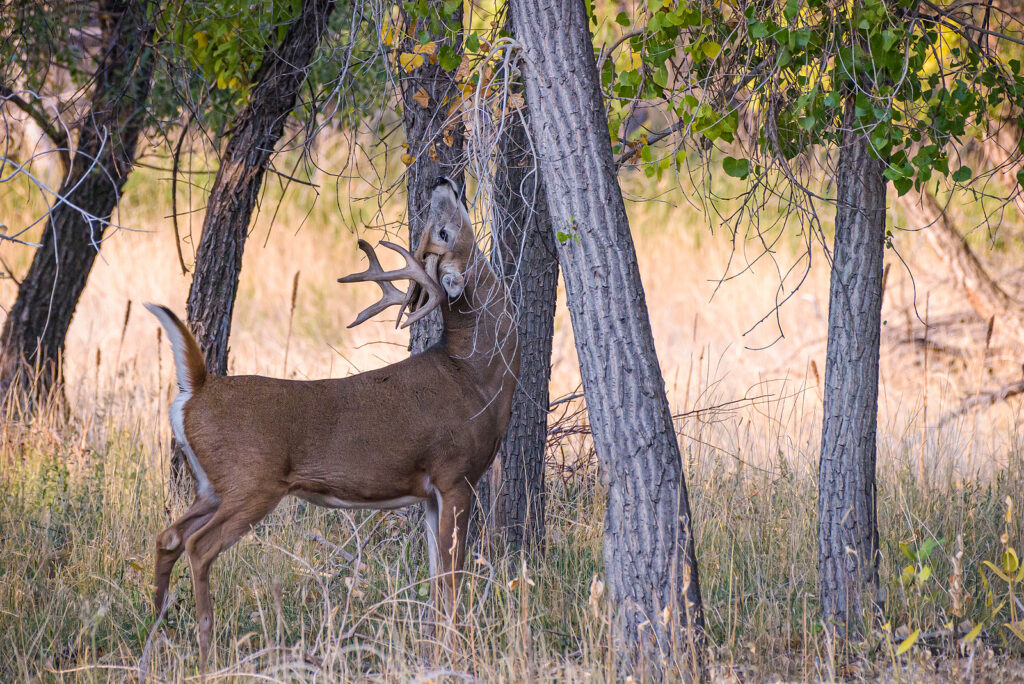
Aside from grazing, many homeowners ask why bucks rub their antlers on newly-planted trees, and if this behavior can injure young trees. These are very good questions, and important information to your overall tree care routine.

Continue reading to learn why bucks are rubbing their antlers on your trees, and how to stop them from causing any damage with this behavior.

Tree Removal Services Indianapolis IN 317-783-2518

The Link Between Bucks and Trees

Bucks rub their antlers against young trees because they are still flexible. This is informally known as buck rubbing. There is a misconception about bucks who rub their antlers on trees. Many people in the past have assumed that it is due to the velvet that initially covers buck antlers.

It was believed that this velvet was itchy, and bucks were simply relieving the irritation. But this can’t be true because antlers do not have nerve endings! Research shows that bucks most likely exhibit this behavior for a number of reasons. But the 3 most common include:

☑ Bucks rub to mark their territory.
☑ Bucks rub to practice or strengthen neck muscles for battle.
☑ Bucks rub to arouse and attract fertile does.

Deer and Buck Damage to Trees

This distinctive buck behavior can harm trees. It can create open wounds in trees and break off bark. This leaves a tree more vulnerable to diseases, infections, and pest infestations. If a tree gets sick, it can quickly decline and die. So, it is necessary to take action because deer will come back to your trees, season after season.

Tree Protection Tips for Deer Tampering

You have a few options to protect your trees from deer interference. You can install a fence around your property, which will inhibit deer from being able to enter your premises. If you are not interested in such a large investment, you can install a perimeter fence just around your trees. You can make these using sheets of welded wire mesh, or you can purchase manufactured tree barriers or ornamental metal grates on the market.

Be sure they are at least 5 to 6 feet tall and reinforced by 8-foot-tall rebar. The rebar should be pounded into the ground at regular intervals around the perimeter of the tree. If this doesn’t work for you, you can use corrugated plastic drainpipe. Cut it in half, lengthwise, and wrap it around the tree.

Do you have trees on your property that need to be removed as a result of deer and buck damages? Contact Complete Tree Care at 317-783-2518 for professional and affordable tree removal in Indianapolis, Indiana. We serve commercial and residential clients.

Related Posts:

How to Protect Young Trees From Buck Damage
4 Common Tree Removal Jobs and How Much They Cost
How to Put a Stop to Vole Girdling

Indianapolis Tree Care 317-783-2518

Bad Tree Mulching Practices to Avoid This Fall

Good tree mulching is easy to achieve. Mulch beds for trees should be wide, deep, and kept at the right moisture level throughout the season. That’s right; trees still need water in the Fall and Winter. But many homeowners fall victim to tree mulching errors this time of year, causing them a slow onset of disappointment come spring since poor mulching can result in tree decline and even death.

Continue reading to learn some of the most common bad tree mulching practices in Fall and how to avoid them.

Tree Care Services Indianapolis Indiana 317-783-2518

Good Tree Mulching

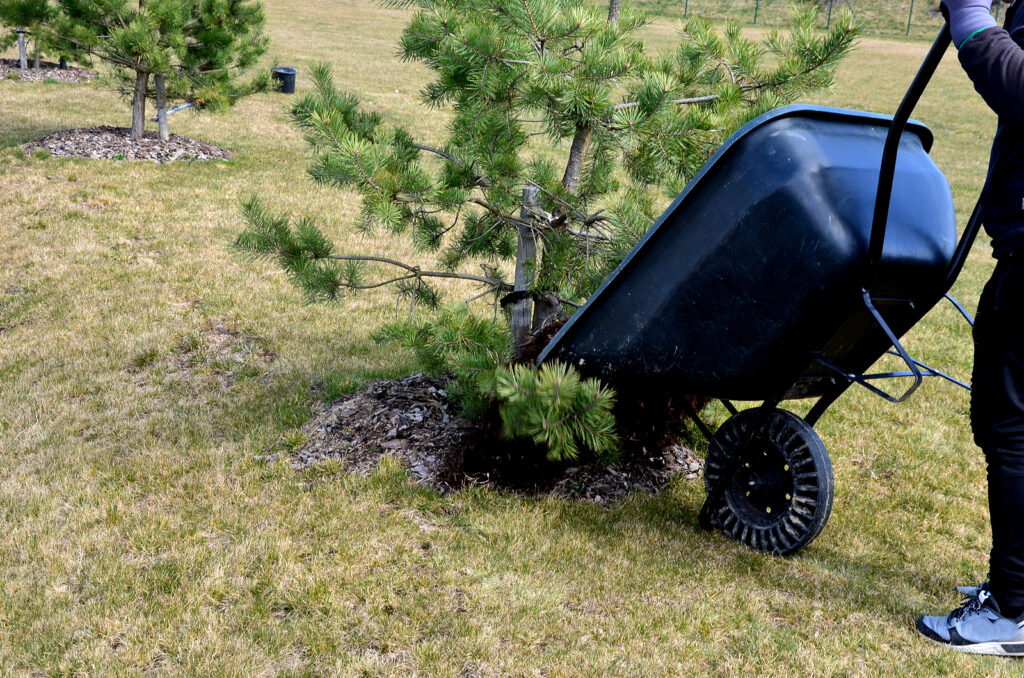
As mentioned, good tree mulching in Fall means making your mulch beds wide enough and deep enough. Tree mulch beds should be at least 3 feet wide and anywhere from 2 to 4 inches deep. These are the “Goldilocks” dimensions for tree mulch beds. Your mulch beds help retain moisture in the tree roots, but they can dry out themselves, so be sure to continue watering your trees during times of drought.

What Bad Tree Mulching Looks Like

The most common tree mulching errors made by homeowners include mulching too high and narrow, using the incorrect type of mulch, letting mulch go sour, and adding more mulching onto of old mulch. These are the bad tree mulching practices you want to avoid this Fall.

Mulch Pyramids

A common mulching mistake is to create a mulch bed that is too high up on the tree trunk and too narrow. This formation looks like a pyramid or volcano. This traps moisture on the tree trunk and roots, which can lead to rot.

Wrong Mulch

When mulching trees, it is important to use a compatible product. A common tree mulching mistake is using mulch that is too fine. Trees need to retain moisture throughout the Fall season, and delicate or finely manufactured mulch can become impermeable and block off water and air.

Sour Mulch

Another big tree mulching mistake you want to avoid this Fall is letting your mulch turn toxic. Mulch can become compacted for many reasons, such as using too fine of a mulch. When it does, air and water are not able to penetrate, causing the mulch to go sour as a result of low oxygen levels. Furthermore, the souring process produces methanol and acetic acid, which are harmful to soil-sharing plants.  

Topping Off Old Mulch With New Mulch

A very common bad mulching practice is to top off old mulch beds with new mulch, without first removing the old mulch. Mulch does not fully decompose, so it is necessary to break up the old mulch with a rake before adding new mulch in the Fall and Spring.

Are you looking for a helpful tree care company to improve the look and quality of your landscaping trees? Contact Complete Tree Care at 317-783-2518 for professional tree services in Indianapolis, Indiana. We serve residential and commercial clients with comprehensive tree care solutions.

Related Posts:

Do Trees Need Care in the Fall?
How to Mulch Around a Tree
Facts About Over-Watering and Under-Watering Trees

Indianapolis Tree Care 317-783-2518

FAQS About Tree Care in the Fall

Just because summer is behind us doesn’t mean that our landscaping trees are through being cared for. In fact, right now is a prime time to tend to your trees. One of the most important things you can do for trees is care for them through all the seasons of the year. Continue reading to review some frequently asked questions about fall tree care to learn what you need to do this season for your landscaping trees.

Fall Tree Care Indianapolis IN 317-783-2518

Frequently Asked Questions About Autumn Tree Care

Do I Need to Mulch a Tree in the Fall?

Mulch is not just necessary in the spring and summer; it is also highly impactful to soil and tree growth conditions in the fall. Be sure to mulch around the base of your trees, around 2 to 3 inches deep, to keep soil moist and protected all winter long.

Do I Need to Water a Mature Tree?

Mature trees have slowed in growth, making them more vulnerable to the hazards in their surrounding environment this time of year. They are more susceptible to pest infestations, diseases, blights, and wildlife tampering. To ensure proper growth and survival, mature trees need regular watering, all the way up until the very first snow fall.

When Do Trees Need to Be Pruned?

The prime time to prune trees happens to be coming up very soon! Pruning is vital to tree growth and overall tree health, as it promotes vigorous, healthy branch growth come spring and summer. The best time to prune trees is in the coldest part of the season, before the first snow falls. By this time, trees are fully in their dormancy stage.

Can I Prune My Trees Myself?

It is not wise to prune trees on your own. Several factors go into the process of tree pruning, so it requires extensive training and experience, as well as professional tools and resources to implement the job safely and effectively. Attempting to prune your trees can put you at risk of having an accident or being seriously injured, and incorrect pruning can harm your trees. Even small trees that do not require the use of a ladder should not be pruned by anyone but a trained professional.

Should I Top My Trees in Fall?

Tree topping also goes by the names, “tipping”, “hat-racking”, “heading”, and “rounding over.” Sadly, many people believe that tree topping is an effective form of pruning. The truth is that it is not an acceptable technique at all. In fact, tree topping is the most harmful tree care practice used for pruning trees. It can cause a long list of damage and health decline, including bark and tissue decay, sunburn, epicormic sprouting, pest infestations, and more.

Can I Plant a Tree in Fall?

The arborvitae industry standard suggests planting trees in the fall or early spring. The reason why the rule of thumb is to plant trees in spring or fall is because trees are in their dormant stage during these times. During dormancy, trees require less water, sunlight, and nutrients. This means their growth is significantly decelerated, making it easier for healthy root development. Dormancy and cool temperatures are the reason why spring and fall continue to be the best times to plant trees. These seasons are more likely to produce a healthy, mature tree.

Do your trees look like they could use some TLC this Fall? Contact Complete Tree Care at 317-783-2518 for prompt and professional tree services in Indianapolis, Indiana. We serve commercial and residential clients all throughout the central parts of the state.

You Should Also Read:

How to Mulch Around a Tree
Fundamental Industry Advice for Tree Pruning
Top Advantages of Choosing Professional Tree Service

Indianapolis Tree Care 317-783-2518

Tree Bark Damage Solutions for Indiana

Pest, infestation, harsh weather, lawn mowers, landscape work, home remodeling projects, nuisance wildlife, and vandalism are just some of the common causes for tree bark defects here in Indiana. Because we love our trees so much and value the numerous benefits they bestow onto us, bark damage and decline are things we never want for our landscaping trees. Fortunately, there may be viable recourse for trees with damaged bark.

Continue reading to learn what your options are for a tree with bark damage, and who to call for trusted tree care advice.

Local Tree Care Services 317-783-2518

Facts About Tree Bark Damage Repair

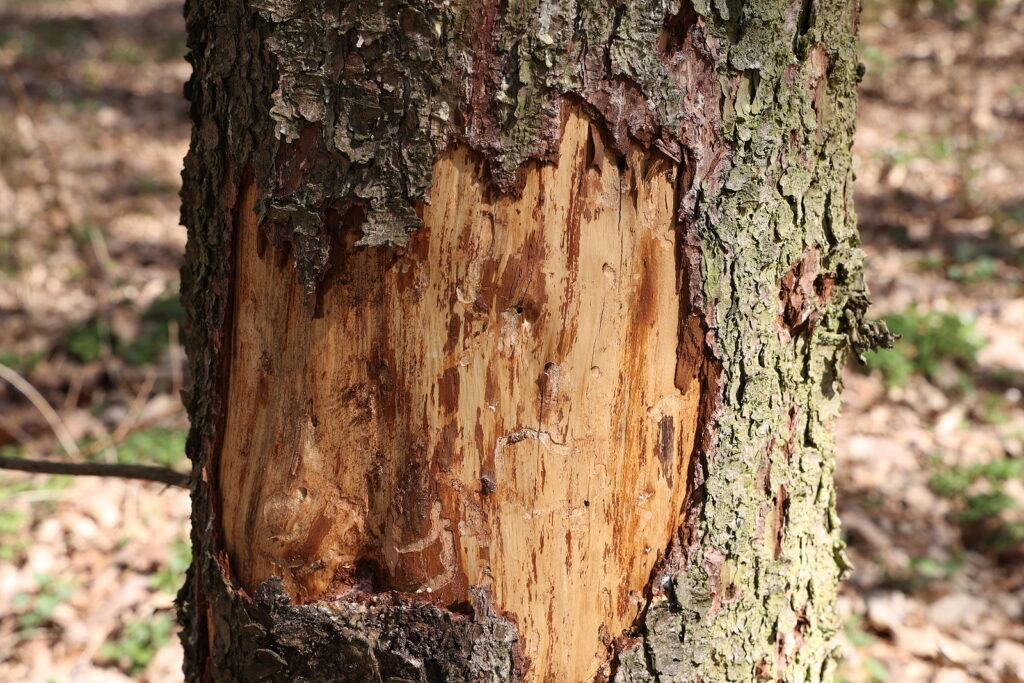
When tree bark is damaged, the underlying tissue and wood can be exposed, which is highly detrimental to the tree.  It is crucial to take action as soon as possible before the tree enters a heightened state of vulnerability. Once a tree is too weak, it can lead to extensive bark damage and overall tree decline. 

When you see damaged tree bark, there are some things you need to do right away. You may need to consult a licensed Indianapolis tree service specialist for advice on where to find the proper supplies, how to use them, and the best post-care instructions for your particular tree species.

To repair tree bark in Indiana, you may need to:

▮ Remove all of the loose tree bark.
▮ Provide adequate irrigation and fertilization for the tree.
▮ Look into the possibility of bridge grafting.
▮ Plan and carry out an all-inclusive agricultural care schedule.
▮ Prevent further damage with environmental modifications and routine tree care.

How to Remove Damaged Tree Bark

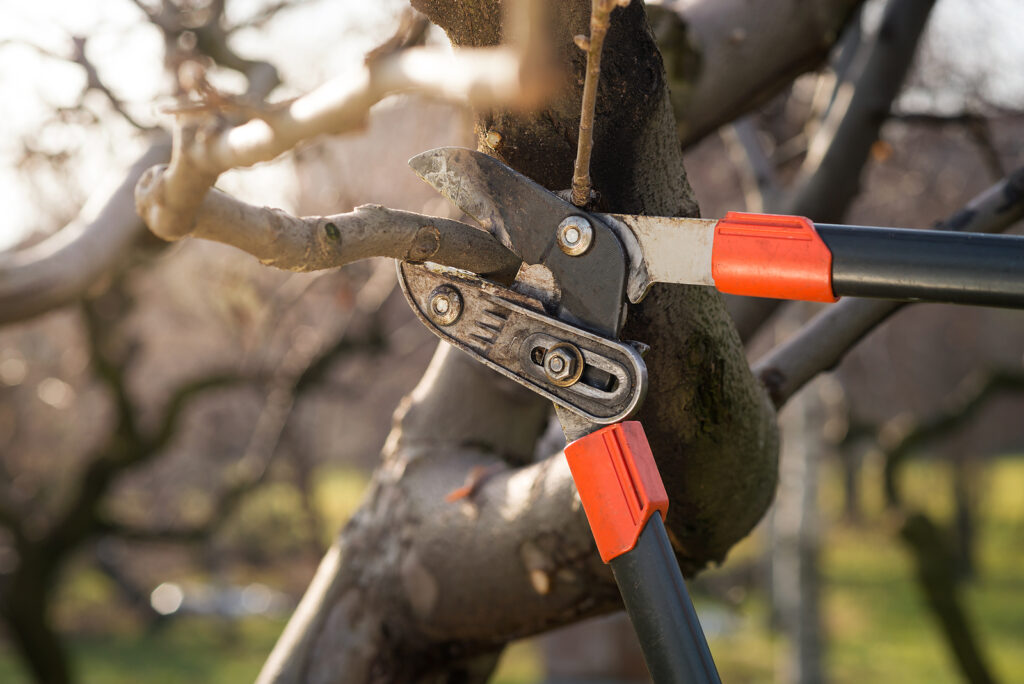
To remove loose tree bark, you will need a set of sharp pruning shears that have been sterilized (or a knife). Then look for any bark that is loose, flapping, or bruised, and cut off any areas that match these descriptions.  It is important to not damage the inner bark and cambium cell layer that is still alive and intact. You only want to remove outer bark.

Cutting right at the line of decay is the best point of reference for safe tree bark removal.  Providing adequate water and fertilizer is crucial in order to reduce the potential for tree disease and vulnerability. It also promotes strong and sturdy tree growth and tissue repair.

When tree bark is wounded or exposed, various wood-eating and burrowing pests can invade the tree. Emerald Ash Borers, Wood Beetles, and more can harm a tree’s health and damage it even further. Be sure that you are taking the necessary precautions to protect a newly-cut tree from pest infestations, bacterial infections, and fungal growth.

Are you looking for professional tree service in Indianapolis, Indiana? Contact Complete Tree Care at 317-783-2518 for expert advice and guidance on residential and commercial tree maintenance. We offer tree removal, tree stump solutions, tree trimming, pruning, and more.

You Might Also Read:

How to Spot the Signs of Tree Stress
Do Trees Need Care in the Fall?
How to Prevent Poor Tree Health

Indianapolis Tree Care 317-783-2518

Top 3 Tree Stump Removal Options in Indiana

If you have a stump taking up valuable lawn space, it is time to start considering your options. Continue reading to learn the top 3 methods of getting rid of a tree stump in Indiana, and who to trust for professional stump removal service in Indianapolis.  

How to Get Rid of Tree Stumps

Tree Stump Removal in Indianapolis

Tree removal is only one aspect of taking down a tree. Once the tree is removed, whether for storm damage, safety, or aesthetics, there is always going to be a stump left behind in its place. Until you remove it, this stump will serve as a constant reminder that your work is not yet finished. Stump removal comes in different forms, so it is important to learn all your options in order to choose the most suitable method for your particular landscape.

3 Primary Options for Getting Rid of a Tree Stump:

Stump Grinding

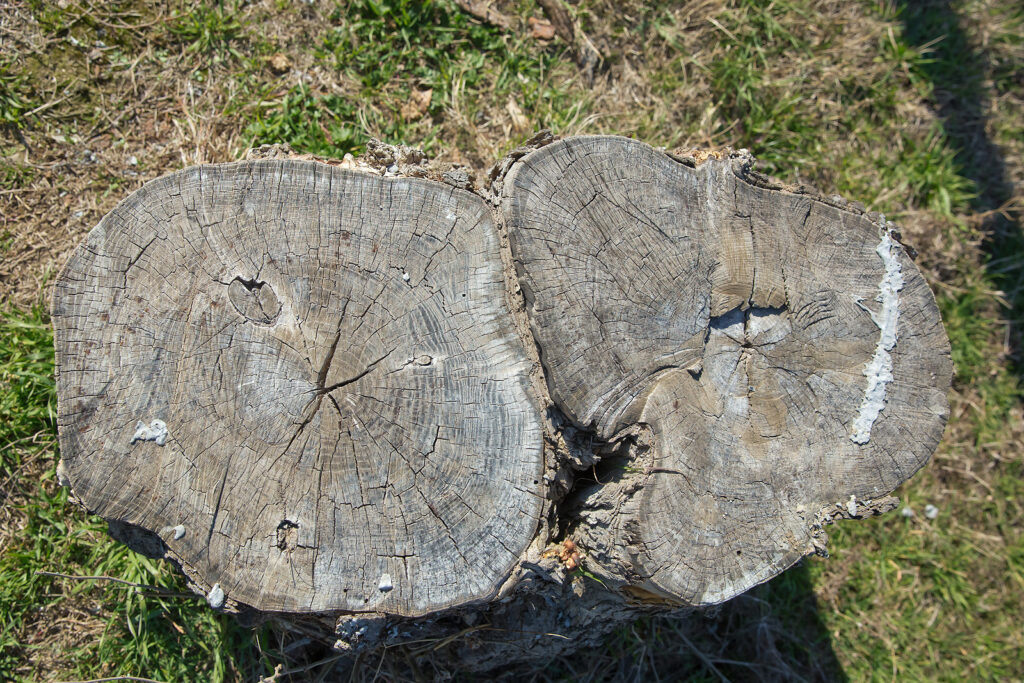
Stump grinding is a method that is best carried out by a professional tree service technician. They have the proper training and equipment to provide the service, safely and efficiently. There are several other steps involved in the process, but essentially, a large machine called a stump grinder is used to chip away at the tree stump until it is level to the ground, or just below. This is a very cost-effective and fast solution, but it does not completely eliminate the stump. In certain cases, a stump cannot be in the ground at all. This would call for stump removal.

Stump Removal

Stump removal is much more invasive and tedious and must also be carried out by a professional tree care team who is trained and experienced. There are several ways to remove a stump, and these methods vary from company to company. The truest method in a fundamental sense is to dig, cut, pull, and repeat. This is more expensive than stump grinding since more labor is involved.

Stump Burning

One such manual stump removal option is stump burning. Although it is strongly recommended to hire a professional for all tree service tasks, those who are confident in their handyman skills may be able to burn out a tree stump themselves. You never want to work with fire outdoors in certain weather conditions. Check your week’s forecast to ensure a calm, dry day for burning, followed by some wet days to ensure all smolders are out. The entire process should take at least 3 to 4 days.

Would you prefer to entrust your tree service and tree stump removal needs to a licensed and insured professional? Contact Complete Tree Care at 317-783-2518 for licensed Indianapolis Indiana tree stump removal you can trust. We serve both residential and commercial clients all throughout Central Indiana.

You Might Also Read:

3 Reasons Why Tree Stump Removal Might Be the Right Option for Your Landscape
Why Choose Complete Tree Care for Commercial Lot Clearing in Indianapolis
Can I Replant a Fallen Tree?

Indianapolis Tree Care 317-783-2518

4 Common Tree Removal Jobs and How Much They Cost

When it comes to tree removal, there are several different services available. The service you need depends on several factors, including the type of tree, the condition of the tree, location, quantity, risk-level, and more. These factors, and many others, will also influence the overall cost for tree removal service.

Continue reading for a general idea of how much tree removal will cost you based on your particular situation.

Indianapolis IN Tree Removal 317-783-2518

Average Cost of Tree Work

Although prices for tree removal service vary from contractor to contractor and job to job, most costs fall into a steady average. You can get a general understanding of your projected cost by determining the type of tree removal you need. Aside from tree removal, you might also require additional tree services, which come at an additional cost. This includes stump grinding, stump removal, underbrush clearance, log splitting, limb chipping, and possibly even transportation and disposal fees.

Fallen Tree Removal

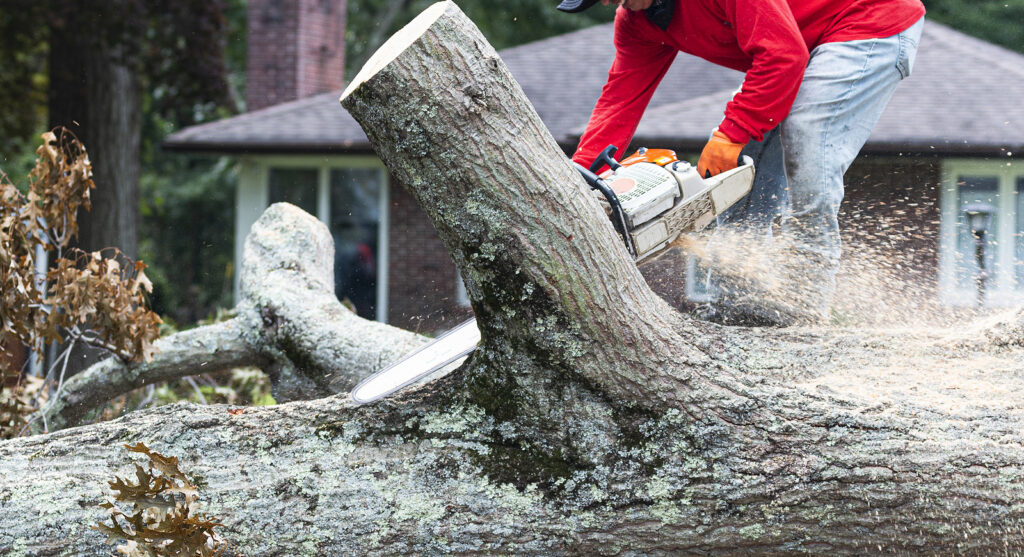
Trees fall. And when they do, there needs to be someone to clear it up. Although it is one of the quicker tree removal jobs, it still requires specialized equipment and labor. For these reasons, a tree service contractor generally charges between $50 and $150 to remove a fallen tree. The final estimate will depend on the size and condition of the tree, as well as, the location, risk-level, quantity, and so on.

Large Tree Removal

If your tree is a large one, meaning it is over 70 feet tall, you can expect to pay an average of $1500 or more to have it removed. Additional costs can accrue if there is more than one, or if it is dead, diseased, fallen, or difficult to get to. A tree of this size requires contractors to assume a certain level of risk. It also requires specialized training and equipment. This is why it is more expensive.

Oak Tree Removal

Oak trees are very hardy and strong. They also have an average height of 60 feet tall. This makes them more challenging to remove. So, expect to pay anywhere between $200 and $1000 for oak tree removal service. The cost can increase depending on the age, size, location, and condition of the tree as well.

Pine Tree Removal

There are several species of pine tree, all of which averaging heights of 60 to 80 feet. This makes them a very large tree, and an expensive one to remove. Pine tree removal can cost an average of $200 to $1500 or more, depending on several factors.

Do you need a dangerous, obstructive, or sick tree removed from your residential and commercial property? Contact Complete Tree Care at 317-783-2518 for prompt and professional tree removal in Indianapolis, Indiana. Request a free quote, today!

You Might Also Like:

The Average Cost of Removing a Fallen Tree
Should I Remove a Leaning Tree?
Quick Guide to Tree Stump Burning

Indianapolis Tree Care 317-783-2518

Fundamental Industry Advice for Tree Pruning

Improper tree pruning can kill trees, so the techniques and methods used to prune trees is very specific. If you care about your landscaping trees, it is wise to learn as much as you can about proper tree care practices, especially when it comes to pruning. Continue reading to review some vital information about tree pruning, trimming, topping, and more.

Indianapolis Tree Pruning Service 317-783-2518

Proper Tree Pruning Standards

The Tree Care Industry Association (TCIA) developed a set of standards for proper tree pruning that is used among true professional tree service contractors. This set of voluntary industry consensus standards was written by the Accredited Standards Committee (ASC), and is called the American National Standards Institute A300, or ASC A300.  They are the generally accepted industry standards for tree care practices. They continue the initiative of developing consensus performance standards based on current research and sound practice for writing specifications to manage trees, shrubs, and other woody plants.  

Storm Damaged Trees

Take the time to inspect your trees after a severe rain or windstorm. If serious tree wounds are left untreated, it can harm the tree. If there is damage to your trees after a storm, contact your trusted tree care contractor for storm damage clearance and tree removal services for fallen trees. They may even need to trim or cut branches to remove hazards and obstacles created from the storm damage.

Harmful Effects of Tree Topping

Tree topping also goes by the names, “tipping”, “hat-racking”, “heading”, and “rounding over.” Sadly, many people believe that tree topping is an effective form of pruning. The truth is it is not an acceptable technique at all. In fact, tree topping is the most harmful tree care practice used for pruning trees. It can cause a long list of damage and health decline, including bark and tissue decay, sunburn, epicormic sprouting, pest infestations, and more.

DIY Tree Pruning

It is not wise to prune trees on your own. Several factors go into the process of tree pruning, so it requires extensive training and experience, as well as professional tools and resources to implement the job safely and effectively. Attempting to prune your trees can put you at risk of having an accident or being seriously injured, and incorrect pruning can harm your trees. Even small trees that do not require the use of a ladder should not be pruned by anyone but a trained professional.

Hire a Professional Tree Service Company

When you need to have your trees pruned, hire a licensed and insured Indianapolis tree service contractor for professional tree trimming and pruning services. They have the proper knowledge, skills, training, and resources to get the job done, safely and efficiently. Be sure to ask them for licensing and insurance information, and whether or not they adhere to ANSI A300 tree pruning standards.

Do you need professional tree shaping, trimming, or pruning assistance? Contact Complete Tree Care at 317-783-2518 for Indianapolis tree trimming and pruning services you can trust. We serve residential and commercial clients.

You Should Also Like:

Can I Trim Dead Branches Off a Tree in Summer?
How to Prevent Poor Tree Health
When is it Time to Trim My Trees?

Indianapolis Tree Care 317-783-2518

Tree Removal FAQS All Homeowners Want to Know

Learn what many other home owners want to know about tree removal service. You may find the answers to your tree removal questions, right here!

Indianapolis Indiana Tree Removal
Indianapolis Indiana Tree Removal Services 317-783-2518

Frequently Asked Questions About Removing Trees

Is My Tree Dead or Alive?

To figure out the status of a tree’s health, there is a simple “scratch and snap” test you can administer at any time of the year.  It is a simple test that can prove whether or not your tree is sick, dying, dead, or just dormant.  Start by breaking off a small limb of the tree.  Pay close attention to see if it snaps abruptly and cracks off, or if it bends and bows.  This tests the moisture of the tree.  Dry trees are not producing anything.  Look inside the branch after you break it off; does it have a moist yellowish-green center?  If so, it is a sign of good standing health.  You do not want to see a dry, brittle limb that snaps off quickly and crumbles in your hand. See “Top 4 Signs That Indicate a Tree is Dead.”

Is My Tree a Danger to its Surroundings?

The most common causes for an unsafe tree include undernourishment, tree disease, and pest infestation. These factors can quickly throw a tree’s health into decline, which renders a tree weak and more vulnerable to dying. And a dead or dying tree has a high risk of falling over. The most common indications that a tree is unsafe and poses a threat to its surroundings include leaning trunk, increased wildlife activity, trunk cavities, rotting roots, and more.

When is the Right Time to Have a Tree Removed?

The general rule of thumb in the tree industry is “a tree that is more than 50% damaged cannot be restored, so it should be removed.” When a tree is dead or dying, it doesn’t always fall, which means it doesn’t always need to be removed. A dead or dying tree needs to be removed if it poses a potential hazard to power lines, electrical boxes, homes, buildings, garages, stables, vehicles, car ports, yard décor, patios, decks, pools, play-sets, and more. If the tree stands alone, it can be left to die in place without any human intervention. However, it can still be an eye sore for some properties, which is another reason to have it removed.

How Much Does Tree Removal Cost?

The cost of tree removal depends on a variety of factors. The first factor to assess is the size of the tree.  Larger trees will require more labor and time to remove.  Some trees are so big, they need to be removed in sections, piece by piece, in order to protect the surrounding environment.  Along with size comes quantity, if land clearing is on the agenda, the costs will be much higher. Another facet that affects the total cost of tree removal is location.  If there are utility wires and other dangerous obstacles in the way of removing the tree, the cost will be adjusted to make up for this factor.

Where can I find affordable and trusted tree removal near me? Contact Complete Tree Care at 317-783-2518 for tree removal services in Indianapolis, Indiana, and all surrounding locations. We serve residential and commercial clients.

You Should Also Read:

How to Spot the Signs of Tree Stress
Should I Remove a Leaning Tree?
How to Identify Dead Trees on Your Property

Indianapolis Tree Care 317-783-2518