Arbor Day Tips for Taking Care of a Newly Planted Tree

✨🌲 Today is Arbor Day! 🌳🍃✨

Hopefully you have plans to plant a brand new tree! If so, you can expect it to require a little more attention than the rest of your landscaping trees. That is because the root system is still being introduced into the soil and acclimating to its new surroundings. So long as you stay committed to a routine tree care schedule, you are likely to have great success with your newly transplanted tree.

So, in honor of Arbor Day and everything it represents, continue below to learn some helpful tips on how to care for a newly planted tree.
Arbor Day Tree Service Indianapolis IN 317-783-2518
Celebrate Arbor Day

Arbor Day Tree Care Tips

You cannot ever guarantee the success of any newly planted tree. Many things can go wrong that you don’t have any control over. However, there is plenty you can do to support a healthy growth cycle and prevent problems with your tree. Specifically, there are 6 things you need to do every week, sometimes every day, for your transplanted tree. These include watering, pruning, fertilizing, stabilizing, mulching, and eliminating risks.

Watering

For the first several months, you must check the soil every day, and water your transplanted tree every few days. Just be sure to not over-water; two or three times a week is a great starting off point. If it rains, check the top few inches of soil around the base of the tree for moisture first. If it is dry, it needs to be watered; if it is still moist, you can skip watering it for the day and recheck tomorrow. Furthermore, always allow the soil to dry completely before re-watering. This watering cycle will help your tree establish a strong root system.

Mulching

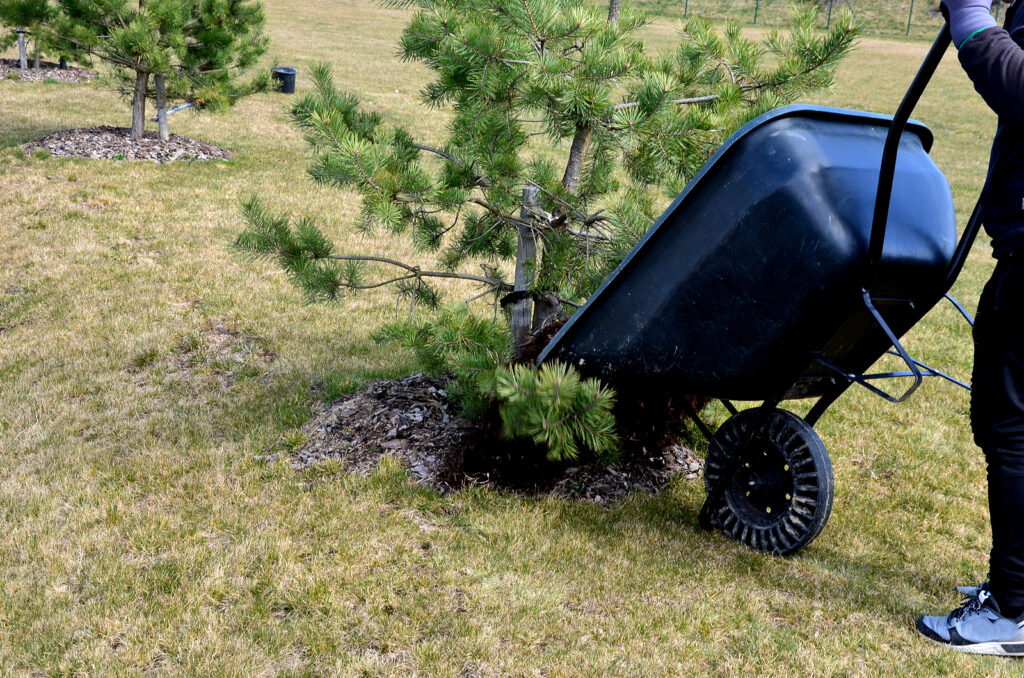
Laying mulch around the base of your trees is a highly effective method of supporting healthy growth and prolonging their life. Although you do not need to re-mulch every week, it is important to check on your mulch beds every day to ensure they are still doing their job. Mulch helps retain moisture and block out excess heat and UV exposure. This helps to keep a tree in good health. If the mulch seems low, put down another layer. Apply new mulch entirely, every year. The rule of thumb when it comes to proper mulching is to keep layers between 2 and 4 inches deep, and at least 6 inches from the base of the trunk.

Pruning

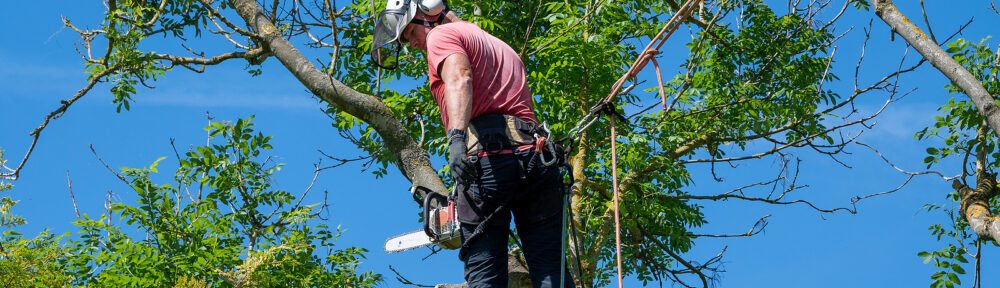
It is important to inspect the branches of your transplanted tree every day to assess its pruning needs. Pruning should take place right after you transplant your tree. Dead, diseased, damaged, and broken branches should be strategically removed before it can develop a good branch structure. Once the tree acclimated to the soil and its surroundings, it can begin to establish a strong root system, which helps lay the foundation to improve branch strength and structure. No more than 25% of a tree’s foliage should be removed in a year. Be sure to have a licensed tree service company perform your annual pruning needs to ensure that the proper ANSI tree pruning standards are applied.

Some Daily Tree Care Considerations to Keep in Mind:

☙ Fertilization

Inspect your tree every day to ensure it is growing as it should. If it is not, fertilizer may be an option. Fertilizer should only be applied AFTER the first year of tree transplanting. Do not think of fertilizer as tree food; instead, think of it as something that should only be used if necessary. Stressed trees should never be fertilized. There are specific application techniques that must be followed in order to have good results. Check with a trusted tree service company for advice regarding your newly planted tree needs.

☙ Stabilization

Check your tree every day to ensure it is upright and steadied. Some newly planted trees require some stabilization in order to withstand strong winds and other inclement weather conditions. Cabling and bracing work well to support weak trunks. If lawn mower damage is a possibility, you may want to also consider a trunk guard.

☙ Risk Abatement

Inspect your transplanted tree every day to ensure there are no imminent dangers lurking around the corner. It is important to minimize the level of danger that can be imposed onto your new tree. This includes taking into consideration lawn mowers, sprinkler systems, nuisance wildlife, pets, herbicides, pesticides, and more.

Do you require professional Spring and Summer tree care service for your newly-planted trees? Contact Complete Tree Care at 317-783-2518 for Indianapolis tree trimming and pruning services you can trust. We serve residential and commercial clients.

Related Posts:

How to Water a New Tree
Why You Should Not Plant Prunus Trees if You Live Near a Farm
Tree Species Than Can Worsen Seasonal Allergies
Winter-Resistant Tree Species for Indiana

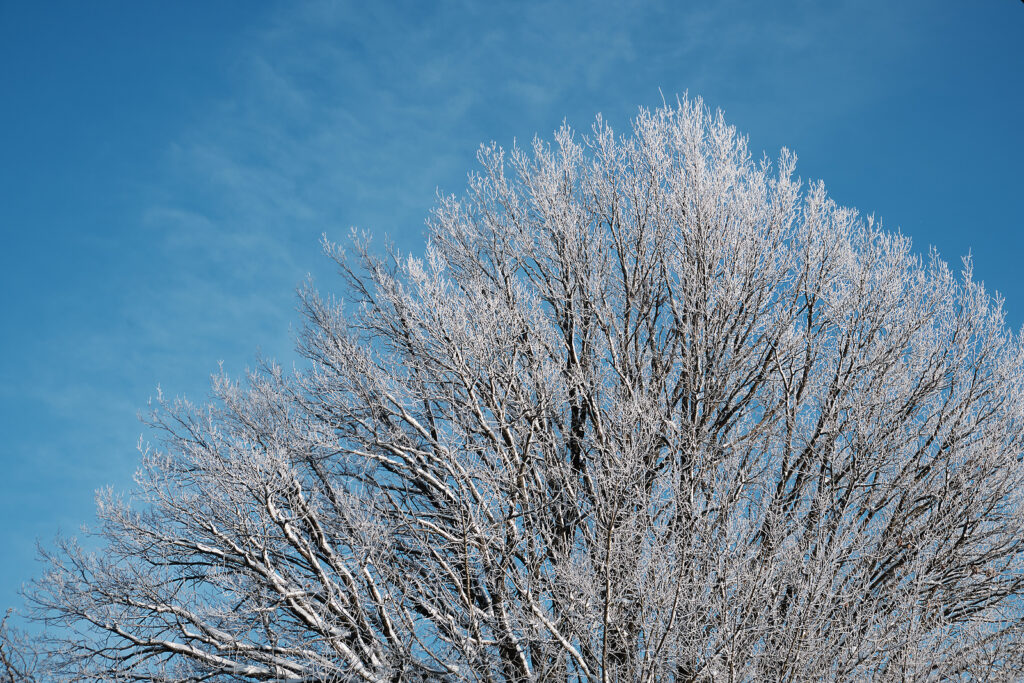
The first day of winter is officially here tomorrow! Are your trees ready for the upcoming season? The ground is not yet frozen, which means you may be able to plant some more trees before dormancy kicks in. In Indiana, we experience a wide range of seasonal changes; one winter may be mild and calm, while the next is harsh and relentless. For this reason, it is important to carefully strategize which trees you will plant, and more importantly, where you will plant them.

Continue reading to learn which tree species are most resistant to ice and winter storm damage, as well as some tips that will help you make a safe, long-term plan for your property.

Indianapolis IN Tree Service Company 317-783-2518

Winter Tree Damage

Wintertime in Indiana is usually unpredictable. We never know if we should expect an early winter with lots of snow and ice, or if winter will come late and we will have an extended fall season instead. This is why tree planning is so important. Not only do you need to consider protecting your trees through the changing seasons, but you must also think about protecting your property and its surroundings.

Winter snow, ice, hail, and harsh winds can cause an extreme amount of damage to a tree, especially if the tree is already diseases, damaged, or dying. In turn, the amount of winter damage can cause structural damages to your home, power lines, vehicles, and worst of all, people. This is why you do not want an unhealthy tree to be located near anything it can fall on top of. With winter-resistant tree species, you can better prevent the possibility of tree damage and fallen trees.

Here are some top-recommended tree species that hold up well in the winter:

▷ American Sweet Gum
▷ Arborvitae
▷ Black Walnut
▷ Blue Beech
▷ Catalpa
▷ Eastern Hemlock
▷ Ginkgo
▷ Ironwood
▷ Kentucky Coffee Tree
▷ Norway Maple
▷ Little Leaf Linden
▷ Silver Linden
▷ Swamp White Oak
▷ White Oak

If Storm Damage Happens

If you have a storm-damaged tree on your property, be sure to have it inspected by a licensed Indianapolis tree service company to ensure it does not pose any safety hazards to people, pets, or property. In the case that a damaged or dying tree is near such areas, it is strongly encouraged to have it removed before the harshest of winter weather conditions are here. Next spring, when you plant your new winter-resistant trees, be sure to also stay on top of routine tree care, such as pruning, watering, and fertilizing.

Are you interested in learning how to protect your trees from winter season damages? Contact Complete Tree Care at 317-783-2518 for licensed Indianapolis Indiana tree service and affordable price. We serve both residential and commercial clients all throughout central Indiana.

Related Posts:

Can You Prune Trees in Winter?
Should I Brace My Trees For Winter?
What is Winter Burn in Trees?

Indianapolis Tree Care 317-783-2518

How To Tell if You Have Dangerous Trees On Your Property

Trees grow and grow and can reach incredible dimensions. They are tall, heavy, and subsequently, dangerous in the case that one was to fall over. Trees are vital parts of our surrounding landscapes and Eco-systems; however, they can also pose several safety threats if not properly maintained.

A fallen tree can damage anything in its path, including vehicles, buildings, homes, patios, bridges, power lines, telephone poles, man-made structures, landscaping, and more. It is important to know what a dangerous tree looks like so that you can prevent serious and costly accidents.

Continue reading to learn the signs of a tree that has a high risk of falling, and who to call for trusted tree removal service near you.

Indianapolis IN Tree Removal Company 317-783-2518

Common Tree Hazards to Look Out For

Many factors can lead to a tree falling over, including construction damage, storm damage, wildlife tampering, disease, and more. The most common causes are undernourishment, tree disease, and pest infestation. These factors can quickly throw a tree’s health into decline, which renders a tree weak and more vulnerable to dying. And a dead or dying tree has a high risk of falling over. When it comes to a tree potentially falling over, here are the top signs to lookout for:

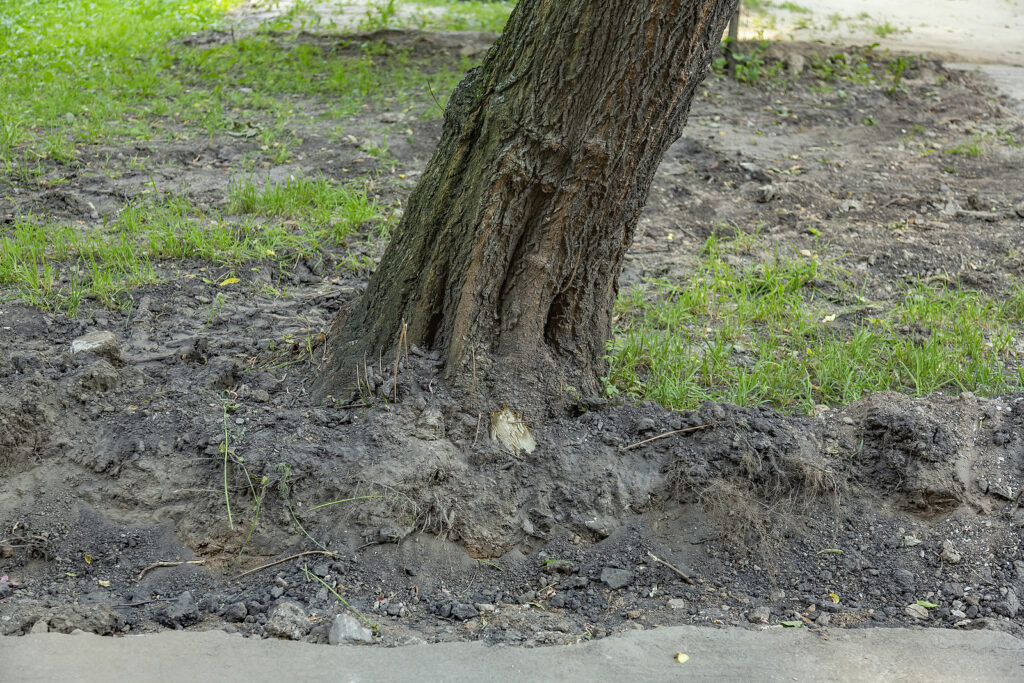
Leaning Trunk – The most obvious sign that a tree might fall over is if it is leaning to one side. This blatant indication of imbalance is a forewarning that something is not right with the tree. This makes the tree a hazard, and it should be removed as soon as possible. Something as minor as a windy day can cause it to finally topple.

Increased Wildlife Activity – A hole in the tree trunk is a great place for wildlife to take shelter, including birds, squirrels, chipmunks, and more. However, too much wildlife activity can be a sign that a tree is not as healthy as it could be. This is especially true with insects. If you notice an increase in bugs, it could be a result of a sick or dying tree.

Trunk Cavities – Many times, a tree will self-prune and drop branches from the trunk. This causes holes in the trunk, which then lead to tree decay, pest infestation, and wildlife activity. However, according to the United States Department of Agriculture Forest Service, as long as there is enough wood surrounding the hole, there is a good chance the tree will not fall.

Rotting Roots – Root rot is a common tree disease that occurs as a result of several factors. And unfortunately, it is hard to spot. Look to the base of the trunk for signs like excessive or sudden mushroom growth or moist bark. Fungi growth generally implies that the tree is rotting from within, which puts the tree in an incredible unstable condition. Also look at the leaves. When a tree loses leaves from the outside in, it is a sign that something is wrong with the root zone.

Do you want to protect your landscaping trees from becoming a liability or hazard in Indiana? Contact Complete Tree Care at 317-783-2518 for Indianapolis Indiana tree services you can trust. We serve residential and commercial clients all through the central parts of the state.

Related Posts:

How to Diagnose a Hazardous Tree
How to Identify Dead Trees on Your Property
Should I Remove a Leaning Tree?

Indianapolis Tree Care 317-783-2518

Bad Tree Mulching Practices to Avoid This Fall

Good tree mulching is easy to achieve. Mulch beds for trees should be wide, deep, and kept at the right moisture level throughout the season. That’s right; trees still need water in the Fall and Winter. But many homeowners fall victim to tree mulching errors this time of year, causing them a slow onset of disappointment come spring since poor mulching can result in tree decline and even death.

Continue reading to learn some of the most common bad tree mulching practices in Fall and how to avoid them.

Tree Care Services Indianapolis Indiana 317-783-2518

Good Tree Mulching

As mentioned, good tree mulching in Fall means making your mulch beds wide enough and deep enough. Tree mulch beds should be at least 3 feet wide and anywhere from 2 to 4 inches deep. These are the “Goldilocks” dimensions for tree mulch beds. Your mulch beds help retain moisture in the tree roots, but they can dry out themselves, so be sure to continue watering your trees during times of drought.

What Bad Tree Mulching Looks Like

The most common tree mulching errors made by homeowners include mulching too high and narrow, using the incorrect type of mulch, letting mulch go sour, and adding more mulching onto of old mulch. These are the bad tree mulching practices you want to avoid this Fall.

Mulch Pyramids

A common mulching mistake is to create a mulch bed that is too high up on the tree trunk and too narrow. This formation looks like a pyramid or volcano. This traps moisture on the tree trunk and roots, which can lead to rot.

Wrong Mulch

When mulching trees, it is important to use a compatible product. A common tree mulching mistake is using mulch that is too fine. Trees need to retain moisture throughout the Fall season, and delicate or finely manufactured mulch can become impermeable and block off water and air.

Sour Mulch

Another big tree mulching mistake you want to avoid this Fall is letting your mulch turn toxic. Mulch can become compacted for many reasons, such as using too fine of a mulch. When it does, air and water are not able to penetrate, causing the mulch to go sour as a result of low oxygen levels. Furthermore, the souring process produces methanol and acetic acid, which are harmful to soil-sharing plants.  

Topping Off Old Mulch With New Mulch

A very common bad mulching practice is to top off old mulch beds with new mulch, without first removing the old mulch. Mulch does not fully decompose, so it is necessary to break up the old mulch with a rake before adding new mulch in the Fall and Spring.

Are you looking for a helpful tree care company to improve the look and quality of your landscaping trees? Contact Complete Tree Care at 317-783-2518 for professional tree services in Indianapolis, Indiana. We serve residential and commercial clients with comprehensive tree care solutions.

Related Posts:

Do Trees Need Care in the Fall?
How to Mulch Around a Tree
Facts About Over-Watering and Under-Watering Trees

Indianapolis Tree Care 317-783-2518

Tree Bark Damage Solutions for Indiana

Pest, infestation, harsh weather, lawn mowers, landscape work, home remodeling projects, nuisance wildlife, and vandalism are just some of the common causes for tree bark defects here in Indiana. Because we love our trees so much and value the numerous benefits they bestow onto us, bark damage and decline are things we never want for our landscaping trees. Fortunately, there may be viable recourse for trees with damaged bark.

Continue reading to learn what your options are for a tree with bark damage, and who to call for trusted tree care advice.

Local Tree Care Services 317-783-2518

Facts About Tree Bark Damage Repair

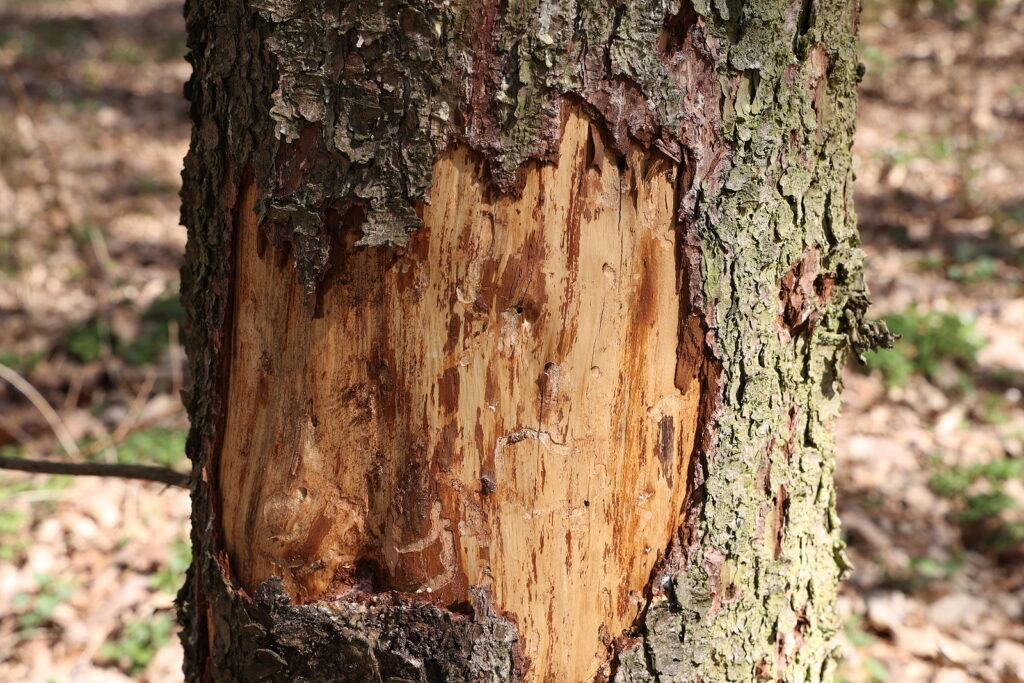
When tree bark is damaged, the underlying tissue and wood can be exposed, which is highly detrimental to the tree.  It is crucial to take action as soon as possible before the tree enters a heightened state of vulnerability. Once a tree is too weak, it can lead to extensive bark damage and overall tree decline. 

When you see damaged tree bark, there are some things you need to do right away. You may need to consult a licensed Indianapolis tree service specialist for advice on where to find the proper supplies, how to use them, and the best post-care instructions for your particular tree species.

To repair tree bark in Indiana, you may need to:

▮ Remove all of the loose tree bark.
▮ Provide adequate irrigation and fertilization for the tree.
▮ Look into the possibility of bridge grafting.
▮ Plan and carry out an all-inclusive agricultural care schedule.
▮ Prevent further damage with environmental modifications and routine tree care.

How to Remove Damaged Tree Bark

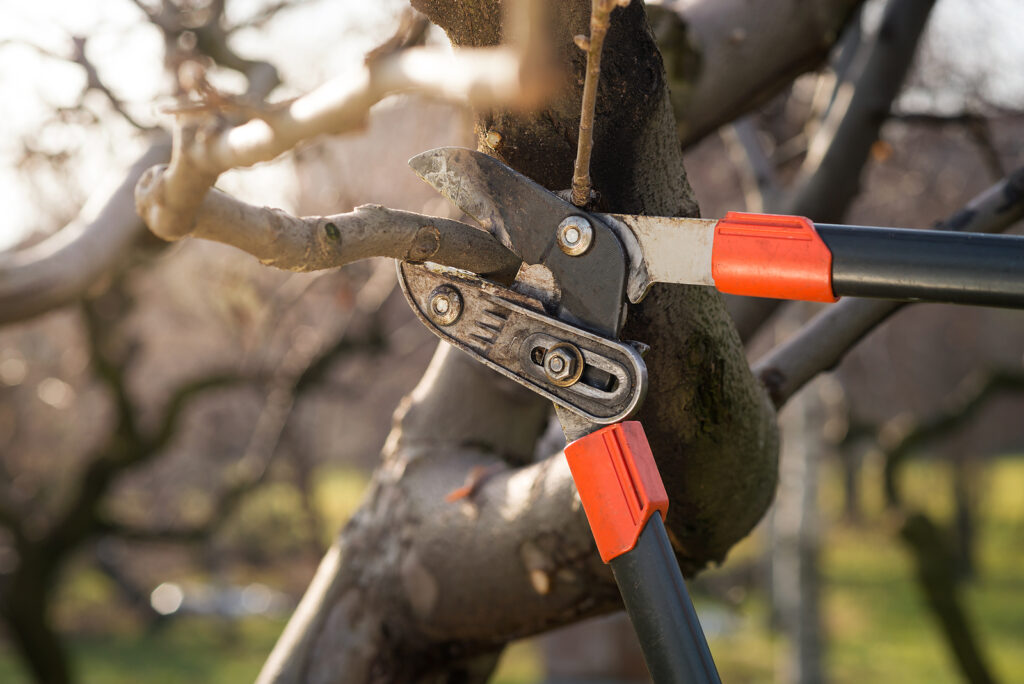
To remove loose tree bark, you will need a set of sharp pruning shears that have been sterilized (or a knife). Then look for any bark that is loose, flapping, or bruised, and cut off any areas that match these descriptions.  It is important to not damage the inner bark and cambium cell layer that is still alive and intact. You only want to remove outer bark.

Cutting right at the line of decay is the best point of reference for safe tree bark removal.  Providing adequate water and fertilizer is crucial in order to reduce the potential for tree disease and vulnerability. It also promotes strong and sturdy tree growth and tissue repair.

When tree bark is wounded or exposed, various wood-eating and burrowing pests can invade the tree. Emerald Ash Borers, Wood Beetles, and more can harm a tree’s health and damage it even further. Be sure that you are taking the necessary precautions to protect a newly-cut tree from pest infestations, bacterial infections, and fungal growth.

Are you looking for professional tree service in Indianapolis, Indiana? Contact Complete Tree Care at 317-783-2518 for expert advice and guidance on residential and commercial tree maintenance. We offer tree removal, tree stump solutions, tree trimming, pruning, and more.

You Might Also Read:

How to Spot the Signs of Tree Stress
Do Trees Need Care in the Fall?
How to Prevent Poor Tree Health

Indianapolis Tree Care 317-783-2518

4 Common Tree Removal Jobs and How Much They Cost

When it comes to tree removal, there are several different services available. The service you need depends on several factors, including the type of tree, the condition of the tree, location, quantity, risk-level, and more. These factors, and many others, will also influence the overall cost for tree removal service.

Continue reading for a general idea of how much tree removal will cost you based on your particular situation.

Indianapolis IN Tree Removal 317-783-2518

Average Cost of Tree Work

Although prices for tree removal service vary from contractor to contractor and job to job, most costs fall into a steady average. You can get a general understanding of your projected cost by determining the type of tree removal you need. Aside from tree removal, you might also require additional tree services, which come at an additional cost. This includes stump grinding, stump removal, underbrush clearance, log splitting, limb chipping, and possibly even transportation and disposal fees.

Fallen Tree Removal

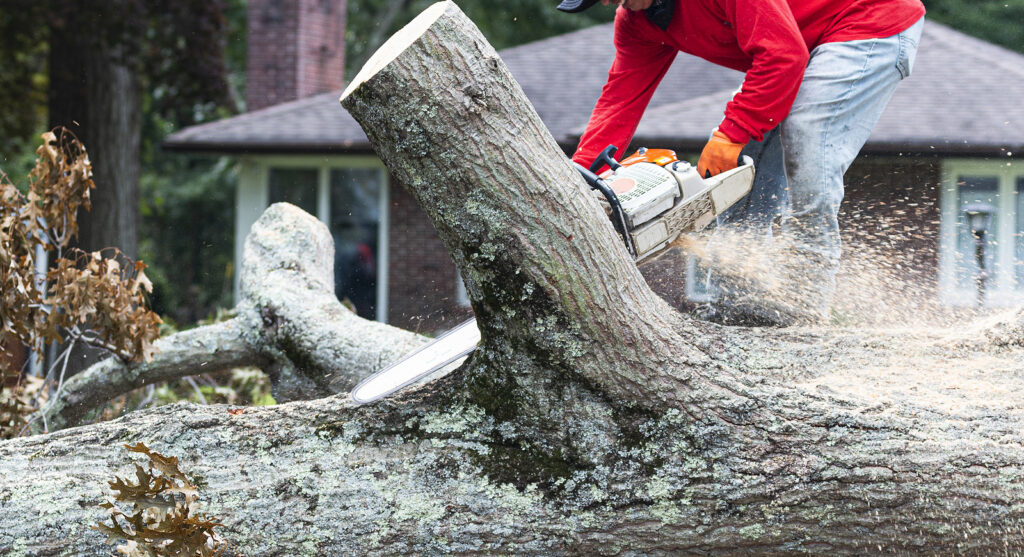
Trees fall. And when they do, there needs to be someone to clear it up. Although it is one of the quicker tree removal jobs, it still requires specialized equipment and labor. For these reasons, a tree service contractor generally charges between $50 and $150 to remove a fallen tree. The final estimate will depend on the size and condition of the tree, as well as, the location, risk-level, quantity, and so on.

Large Tree Removal

If your tree is a large one, meaning it is over 70 feet tall, you can expect to pay an average of $1500 or more to have it removed. Additional costs can accrue if there is more than one, or if it is dead, diseased, fallen, or difficult to get to. A tree of this size requires contractors to assume a certain level of risk. It also requires specialized training and equipment. This is why it is more expensive.

Oak Tree Removal

Oak trees are very hardy and strong. They also have an average height of 60 feet tall. This makes them more challenging to remove. So, expect to pay anywhere between $200 and $1000 for oak tree removal service. The cost can increase depending on the age, size, location, and condition of the tree as well.

Pine Tree Removal

There are several species of pine tree, all of which averaging heights of 60 to 80 feet. This makes them a very large tree, and an expensive one to remove. Pine tree removal can cost an average of $200 to $1500 or more, depending on several factors.

Do you need a dangerous, obstructive, or sick tree removed from your residential and commercial property? Contact Complete Tree Care at 317-783-2518 for prompt and professional tree removal in Indianapolis, Indiana. Request a free quote, today!

You Might Also Like:

The Average Cost of Removing a Fallen Tree
Should I Remove a Leaning Tree?
Quick Guide to Tree Stump Burning

Indianapolis Tree Care 317-783-2518

Fundamental Industry Advice for Tree Pruning

Improper tree pruning can kill trees, so the techniques and methods used to prune trees is very specific. If you care about your landscaping trees, it is wise to learn as much as you can about proper tree care practices, especially when it comes to pruning. Continue reading to review some vital information about tree pruning, trimming, topping, and more.

Indianapolis Tree Pruning Service 317-783-2518

Proper Tree Pruning Standards

The Tree Care Industry Association (TCIA) developed a set of standards for proper tree pruning that is used among true professional tree service contractors. This set of voluntary industry consensus standards was written by the Accredited Standards Committee (ASC), and is called the American National Standards Institute A300, or ASC A300.  They are the generally accepted industry standards for tree care practices. They continue the initiative of developing consensus performance standards based on current research and sound practice for writing specifications to manage trees, shrubs, and other woody plants.  

Storm Damaged Trees

Take the time to inspect your trees after a severe rain or windstorm. If serious tree wounds are left untreated, it can harm the tree. If there is damage to your trees after a storm, contact your trusted tree care contractor for storm damage clearance and tree removal services for fallen trees. They may even need to trim or cut branches to remove hazards and obstacles created from the storm damage.

Harmful Effects of Tree Topping

Tree topping also goes by the names, “tipping”, “hat-racking”, “heading”, and “rounding over.” Sadly, many people believe that tree topping is an effective form of pruning. The truth is it is not an acceptable technique at all. In fact, tree topping is the most harmful tree care practice used for pruning trees. It can cause a long list of damage and health decline, including bark and tissue decay, sunburn, epicormic sprouting, pest infestations, and more.

DIY Tree Pruning

It is not wise to prune trees on your own. Several factors go into the process of tree pruning, so it requires extensive training and experience, as well as professional tools and resources to implement the job safely and effectively. Attempting to prune your trees can put you at risk of having an accident or being seriously injured, and incorrect pruning can harm your trees. Even small trees that do not require the use of a ladder should not be pruned by anyone but a trained professional.

Hire a Professional Tree Service Company

When you need to have your trees pruned, hire a licensed and insured Indianapolis tree service contractor for professional tree trimming and pruning services. They have the proper knowledge, skills, training, and resources to get the job done, safely and efficiently. Be sure to ask them for licensing and insurance information, and whether or not they adhere to ANSI A300 tree pruning standards.

Do you need professional tree shaping, trimming, or pruning assistance? Contact Complete Tree Care at 317-783-2518 for Indianapolis tree trimming and pruning services you can trust. We serve residential and commercial clients.

You Should Also Like:

Can I Trim Dead Branches Off a Tree in Summer?
How to Prevent Poor Tree Health
When is it Time to Trim My Trees?

Indianapolis Tree Care 317-783-2518

5 Ways to Stop Moss Growth on Trees

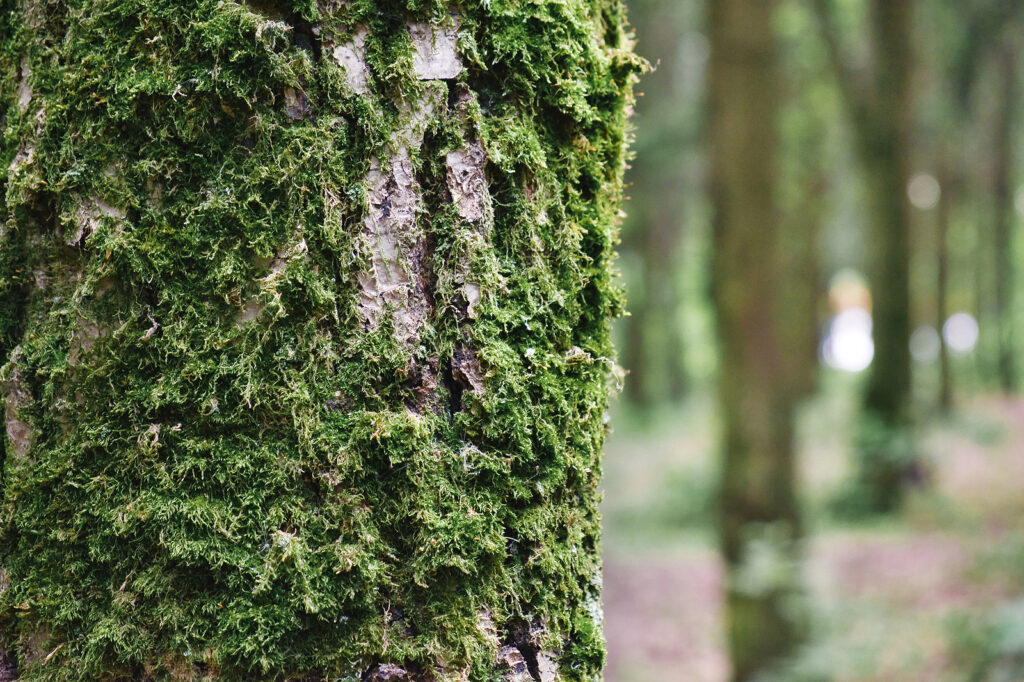
In the right setting, moss can be very attractive: along streams, cascading down a mountain side, clinging to river rock, etc. But in the wrong place, such as trees, moss is actually a detriment, and even a nuisance. That is because moss grows abundantly and fast, taking over lawns, gardens, and anything else in its way. Moss also requires a substantial amount of water to thrive; so, when living on a tree, the moss takes most of the water needed for the tree to survive. The outcome: a distressed, thirsty tree on the brink of death. But the good news is that moss is easy to remove and prevent.

Continue reading to learn about 5 effective ways to stop the growth of moss on your property.

Indianapolis IN Tree Removal Services 317-783-2518

How to Get Rid of Moss on Trees

Watering the Lawn

Water your lawn less frequently. But when you do water your lawn, water it deeply. This way, you can afford to water it less without the risk of your grass drying up and dying. And most importantly, when you water your lawn, be very careful to NOT get the trunks of your trees wet. This is the formula for moss growth.

Test pH Levels in the Soil

Knowing your lawn’s pH levels is helpful when it comes to preventing moss growth. Use a store-bought soil testing kit to determine the pH level of your soil. Acidic soils can be balanced out with lime treatments. This will create unfavorable conditions for moss, preventing it from growing.

Aerate the Lawn

On the topic of soil, it is wise to aerate the lawn to prevent moss growth. If you do not want to aerate the soil, you can introduce new organic topsoil to your existing lawn soil. This will improve drainage, thus preventing standing water and moss growth.

Remove By Hand

If you have loads of moss growing on one or more of your landscaping trees, you can instantly get rid of it by picking it off manually. Just be gentle doing to not jeopardize the integrity of the tree bark. In the wintertime during their dormant stage, you can also use a power washer to remove moss from trees.

Hire a Tree Care Company for Tree Thinning Service

Thinning the branches of your landscaping trees will be beneficial for the trees because it lets in more sunlight to your property. Not only does this promote more food production in the tree, it prevents the cold, wet conditions that can lead to moss growth. Keeping your tree trunk dry is critical to moss prevention.

Do your landscaping trees seem to be suffering this summer? Contact Complete Tree Care at 317-783-2518 for licensed Indianapolis Indiana tree service and affordable price. We serve both residential and commercial clients all throughout central Indiana.

You Might Also Like:

How to Treat Fungus and Algae Growth on Trees
4 Tree Diseases You Should Watch Out For
What You Can Do About Tree Bark Damages

Indianapolis Tree Care 317-783-2518

Questions and Answers About Oak Tree Care

Oak trees are a remarkable ancient species that provide a wide range of benefits for us and the surrounding environment. For these reasons, it is no surprise that you are interested in learning how to take better care of your oaks. Continue reading to review some common questions about oak tree care, and their answers too!

Oak Tree Removal Indianapolis IN
Oak Tree Removal Indianapolis IN 317-783-2518

Oak Tree Care FAQS:

How Big Does an Oak Tree Get?

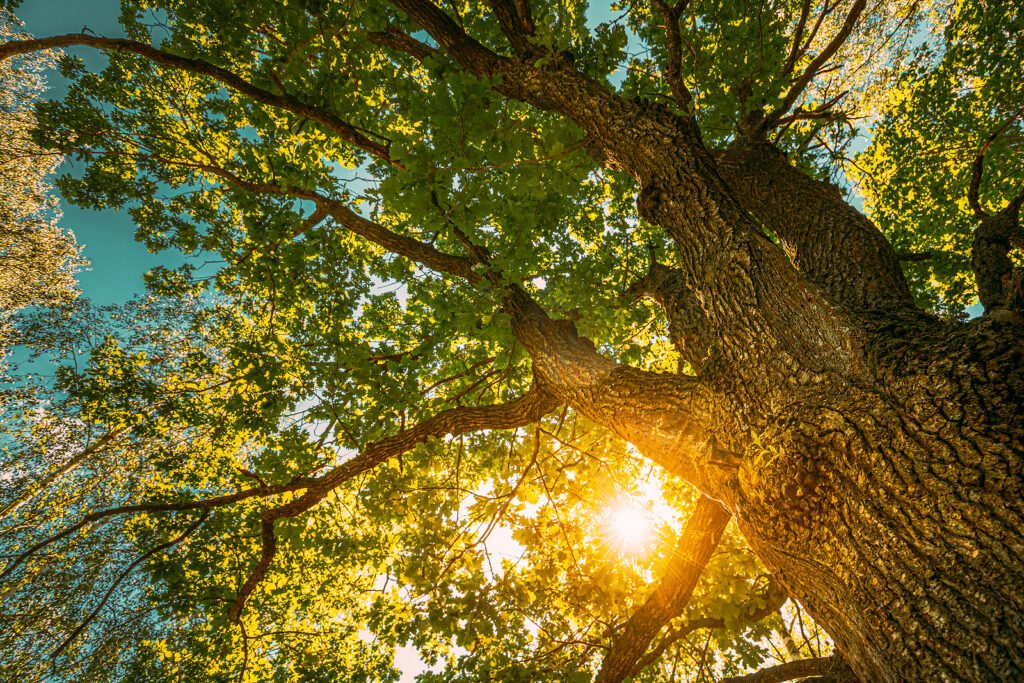
When it comes to how big an oak tree can get, you must think about how old it can get. Oak trees can live up to 1,000 or more, but on average, live to be 200 years old. In fact, the Pechanga Great Oak Tree is considered to be the oldest in the world, coming in at a ripe age of 2,000 years. Although they live very long, they tend to max out in height, averaging between 50 and 70 feet. Branch to branch, their canopies can span as wide as 50 feet or more, and they produce an average of 2,000 acorns per year. White oaks tend to grow the tallest.

What are the Common Types of Oak Trees?

Our continent has the highest number of oak tree species, with 90 species native to the U.S., and 160 more in Mexico. The most prevalent oak trees found in Indiana include Northern and Southern Red oaks, Eastern White oaks, Chestnut oak, Bur oak, Black oaks, Scarlet oak, Pin oak, and Post oak.

Do Oak Trees Need to Be Pruned?

All trees require a specific regiment of care, and one of the most important parts of a tree care plan is annual pruning. Pruning oak trees and removing deadwood is a very delicate task compared to pruning other deciduous trees, so it should always be performed by a trained Indianapolis tree service professional.

Are Oak Trees Susceptible to Disease?

The two most common diseases that kill Oak trees are Sudden Oak Death and Oak Wilt. Sudden Oak Death (Phytophthora ramorum) is a water mold that takes down Oaks in as little as one month. Oak wilt is another lethal tree disease that is caused by the fungus Ceratocystis fagacearum. Additional diseases and pests that can impact an oak tree’s health include Powdery Mildew, Foamy Bark Canker (generally exclusive to California), galls, wood-boring beetles, gall wasps, and gypsy moths.

What Can I Do to Improve the Look of My Oak Trees?

The best way to get bountiful, robust, and brilliant looking oak trees is with a proper tree care plan. Trees require watering, fertilizing, mulching, sunlight, and more in order to grow strong and big. Talk to your professional tree service contractor for advice you can trust.

Do you have oak trees on your property that could use some TLC? Contact Complete Tree Care at 317-783-2518 for oak tree service in Indianapolis, Indiana. We serve commercial and residential clients.

You Might Also Read:

How to Identify and Treat Oak Wilt
How to Identify Dead Trees on Your Property
Should I Remove a Leaning Tree?

Indianapolis Tree Care 317-783-2518

FAQS About Angiosperms and Gymnosperms

There are various tree species here in Indiana, ranging in color, size, shape, growth patterns, and more. But all trees can be categorized into one of two categories: deciduous or conifer. Deciduous trees shed their foliage in the fall and re-bloom them in the spring. Conifer trees, also known as evergreens, keep their foliage all year long.

When trying to determine if a tree is an angiosperm or gymnosperm, your first step is to determine if it is a deciduous or conifer. Continue reading to learn the difference between an angiosperm and gymnosperm in order to improve your tree identification skills!

Indianapolis Indiana Tree Service 317-783-2518

Frequently Asked Questions About Angiosperms and Gymnosperms

What are Angiosperms?

Angiosperms are a taxonomic class of flowering trees. These trees produce seeds that, when matured, is enclosed in an ovule (usually a fruit). For example, an apple is the mature seed that an angiosperm tree produces. The apple is the ovary, or ovule. Angiosperm trees lose their leaves in the fall, and regrow them in the spring, making them a deciduous tree. They are classified as hardwoods, and include species like oaks, maples, dogwoods, and more.

Common Angiosperms:

▷ Lilies
▷ Orchids
▷ Roses
▷ Sunflowers
▷ Oak Trees
▷ Maple Trees
▷ Fruit-Bearing Trees

What are Gymnosperms?

Gymnosperms are a taxonomic class of non-flowering trees that produce a mature seed that is not enclosed inside an ovule of any kind. A pine cone is a perfect example. Also known as “naked seed”, gymnosperm trees are softwoods, and do not lose their foliage in the winter. This makes these conifers. Species include pine trees, cedars, spruces, and firs.

Common Gymnosperms:

▷ Pine Trees
▷ Conifers
▷ Cycads
▷ Spruce Trees
▷ Firs

How Can You Tell the Difference Between the Two?

Here is the general rule to remember: Conifers are gymnosperms and deciduous trees are angiosperms. There are exceptions to the rule, however. You see, some angiosperms keep their leaves in the winter, such as live oak, sweet bay magnolia, and rhododendron trees. And gymnosperm trees do lose their foliage in the winter, such as ginkgo, dawn redwood, and bald cypress trees.

Looking for prompt and professional tree care in your area? Contact Complete Tree Care at 317-783-2518 for Indianapolis Indiana tree services you can trust. We serve residential and commercial clients.

You Might Also Enjoy:

Common Glossary Terms for Tree Leaves
What are Monocots and Dicots?
What are the Layers of a Tree Trunk?

Indianapolis Tree Care 317-783-2518