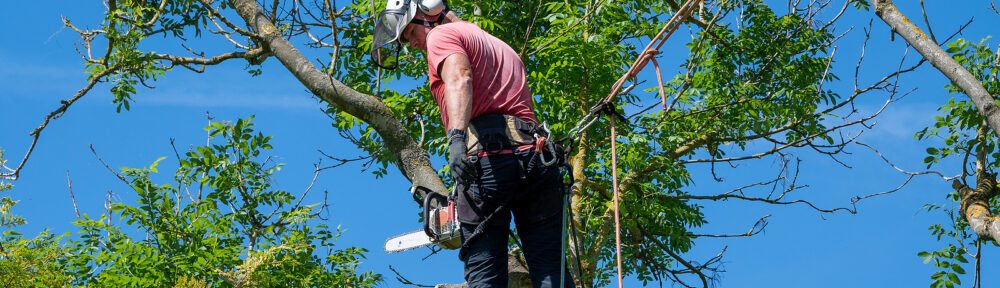
When you need tree service you can count on and at a price you can afford, Complete Tree Care is the right call to make!
Tree Service Indianapolis Indiana 317-783-2518
Indianapolis Tree Service and Tree Removal
Complete Tree Care is a valued tree service company based out of Indianapolis, Indiana. As a family owned and operated business that has served the Central Indiana communities for over 30 years, you can trust us for all your tree care needs. And best of all, you can count on our Indianapolis tree contractors for honest and fair prices.
We understand the value of a dollar, but more importantly, care about providing safe and effective tree service to all those in need. By maintaining economy-based prices, providing honest estimates, and performing outstanding work, we have earned ourselves a steadfast reputation among the surrounding Hoosier communities as a trusted and affordable choice for tree removal and tree service.
Tree Care in Indianapolis at its Finest
When you call Complete Tree Care, you can expect a prompt answer and a warm greeting. We value our customers and remain dedicated to providing unparalleled customer service and support. Our Indianapolis tree service contractors and office managers make your inquiries and tree work needs a top priority. We treat each job as if it were our own properties.
As professional tree specialists, we know precisely how to manage every tree service job requested of us. We only use quality equipment to carry out our tree care services and never neglect safety. And if you have a tree emergency after regular business hours, we offer two separate after-hours phone lines! From tree removal and tree trimming to stump grinding, tree disease treatment, and more, our professionals are prepared to deliver exceptional tree service for both residential and commercial properties.
Central Indiana has seen some harsh storms lately, and it seems as though there are more to come. During heavy wind and rain conditions, homeowners often worry about the health and structural integrity of their landscaping trees. Although inclement weather can make stronger trees, it can also do a lot of damage to them. After a severe storm like the one we experience just a couple days ago, you may be concerned about the condition of some of your trees, or fear that one is close to falling over.
Continue reading to learn the most common signs that a tree could soon fall over, and what you should do upon discovering these signs.
Storm Damage Cleanup and Tree Removal Indianapolis Indiana 317-783-2518
A Tree That Might Fall is a Serious Hazard
It is important to pay attention to your landscaping trees in order to protect your surrounding assets. If a tree falls over, it can damage your home, car, power lines, patio, lawn, gardens, and more. Anything in a falling tree’s path is bound for destruction. After all, trees are often very large and incredibly heavy. A tree that is showing signs that it could be on the brink of cracking, splitting, or collapsing should be inspected by a licensed and insured Indianapolis tree service company as soon as possible.
Common Signs That Suggest a Tree Might Fall Down
Leaning
The number one sign of a tree that might fall over soon is simply, visible leaning. A leaning tree is not always a threat, however, it should always be cause for alarm. Have a leaning tree assessed by a professional tree care specialist to ensure that it is still in a safe and stable condition. In many cases, professionals will recommend removing a leaning tree since it will only get worse overtime. So, although a leaning tree may not be an immediate safety hazard, it will be eventually. This means it is better to just remove it when the leaning becomes evident.
Bark and Foliage Loss
If a tree is excessively shedding its leaves and branches, or has bark falling off of the trunk, it could be a sign of illness or pest infestation. These two factors can cause a tree to weaken overtime, and eventually render it a liability. A weakened tree can be knocked over in a severe rain or windstorm, or as a result of inner trunk or root decay. In fact, tree roots are another common sign of a soon-to-fall tree.
Rotting Tree Roots
If the tree roots are exposed at the base of your tree, and you notice they are growing fungus or decaying, it is not a good sign. If a root system is jeopardized, it can cause a great deal of instability in a tree. The root system plays several major roles in the growth and survival of a tree, but it also serves as an anchor to the ground. If the roots begin to deteriorate, that anchorage and stability is lost. This means the tree could fall at any time.
Central Indiana has seen a significant amount of rain and thunderstorms as of late. For many home and business owners, this increase in thunderous precipitation has had a negative impact on landscaping trees. Because trees are such important assets, and therefore investments, it is important to take good care of them before and after a thunderstorm.
Continue reading to learn how to care for trees before and after storms, plus which company to trust in central Indiana for superior tree removal and tree care services.
Storm Damage Tree Service Indianapolis Indiana 317-783-2518
Storm Season Tree Care
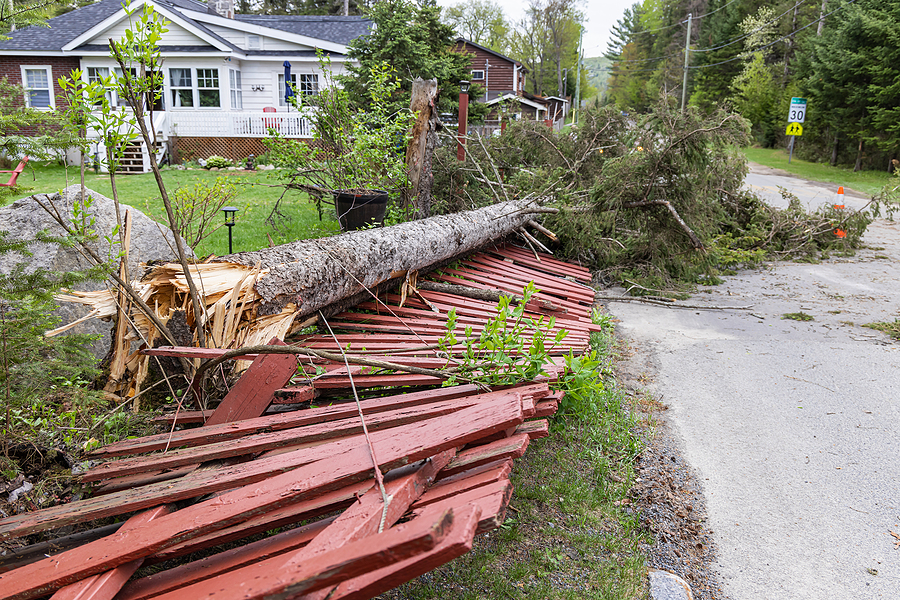
Although tornado and thunderstorm season typically occurs between April and June in Indiana, you never know when a series of threatening rainstorms will sweep through the Hoosier state. Severe weather and rainstorms can wreak havoc on trees, causing broken branches, uprooting, and trees that have fallen on power lines, houses, buildings, vehicles, and roadways.
Fortunately, there are ways to protect your trees against inclement weather like tornado and thunderstorms, both before and after they occur.
Storm Damage Preventative Maintenance for Trees
Before the storm comes, there are several things you can do to ensure the safety and security of your landscaping trees. Pruning is one of the best and most effective methods for abating storm damage in trees. It is important to have your landscaping trees and evaluated by a licensed arborist or tree care professional to assess their vulnerability to storm damage and other external threats and hazards.
Another effective strategy for storm damage tree protection is cabling embracing. Young or newly planted trees are the best candidates for cabling embracing because they are the most vulnerable to the high winds generated in thunderstorms. It may also be necessary to cable embrace trees that are leaning, dying, or declining in health. These two are also vulnerable to storm damages.
When planting trees on your property, it is important to keep them out of range of power lines and telephone poles. If the big storm comes through and knocks the tree down, it will disrupt the local power within the community and risk catching fire.
After planting your trees, it is important to begin a routine tree pruning plan while they’re still young. This will create strong, healthy, and robust trees in maturity. Trees in such quality condition will be more resistant to inclement weather conditions like tornadoes and thunderstorms.
It is important to have your trees routinely inspected and serviced by a professional tree care company in Indianapolis to ensure they are strong and free of any hazard or disease. When your trees are in optimal condition, they are better capable of withstanding storm damages.
Post-Storm Tree Care
After a severe rainstorm has come through, your first step is to inspect the landscaping damages. In most cases, high winds and heavy rains and hail will cause leaves and branches to break off. In this case, you would need to do a little bit of yard cleanup then call a licensed and insured tree care company in Indianapolis for routine tree trimming service. This will get your trees back on track with healthy and optimal growth.
In more serious cases, you might find a tree uprooted, tilted, or completely fallen over. In worst case scenarios, you can have a tree on top of your roof or car. In these more serious cases, you would need to contact a local Indianapolis tree removal service for assistance with removing fallen, storm damaged trees.
Many homeowners wonder how to spot or recognize a dead tree or a tree that is dying in their yard. It is important to ask these questions because a dead or diseased tree can pose a dangerous threat to its’ immediate surroundings. A dead tree will eventually fall and deteriorate, causing structural damage or harm to whatever it hits. Cars, houses, electrical wiring, and even people are potential victims of a perishing tree. It is good for homeowners to wonder about tree care and how to distinguish healthy trees from sick ones.
Continue reading to learn how to tell the difference between diseased, dead, and living trees for the safety of your property and family.
Indianapolis Indiana Dead Tree Removal 317-783-2518
The Distinctions Between Dead Trees and Sick Trees
Dead Trees
A dead tree will not sprout any new buds on its limbs and branches. Every spring, tiny green buds will appear on healthy trees, which signifies new branch or limb growth. If you notice through the seasons that a certain tree is not re-blooming, there could be a problem with the tree’s health.
Dead trees will also have dry and brittle bark. As a test, break off a small branch to see if it bends or snaps right off. If the branch snaps off in a dry and quick manner, then the tree is most likely dead. If the branch is flexible and bends, it is a sign of life. Also, look at the inside of the broken branch; if it looks green and moist then the tree is perfectly fine.
Another easily spotted sign of a dead tree is the trunk bark. Underneath the bark of the tree, there should be a moist, green, and meaty material. This means the tree is healthy and living. Use your fingernail or a small knife and scrape off a small section of the bark and look for these signs. If the bark is dry, dark brown, and flaky, it could mean the tree is dead.
Tree Diseases
A tree doesn’t have to be dead to be a potential danger to its surroundings. Diseased or dying trees are also dangerous to have near properties and high traffic areas. The signs to a diseased and sick tree are very similar to the signs of a dead tree; however, trees expire from the inside out, so a tree that appears fairly healthy may actually be dying.
Several variables can make a tree sick. For example, insects and other pests can cause substantial damage to a tree. One common infestation comes from the Emerald Ash Borer. Over fertilization, mold, storm damage, and more are all other possibilities for a tree to fall ill.
All trees, either dead or diseased, should be removed by a trained and professional tree service technician. They retain the proper equipment and industry knowledge to safely remove or treat dead and diseased trees without posing any further harm to the property. Give a local tree care company a call for advice and information about dead trees in your town.
Are you concerned about the condition of your landscaping trees?Contact Complete Tree Care at 317-783-2518 for licensed Indianapolis Indiana tree service and affordable price. We serve both residential and commercial clients all throughout central Indiana.
If you are having trouble with your newly-planted or transplanted landscaping trees, it could be due to poor soil conditions. It is important for soil to retain the proper pH levels in order to be conducive to tree growth and ongoing health. Continue reading to learn about the top 4 most common soil problems, including what you can do about them.
Indianapolis Tree Service 317-783-2518
Top 4 Soil Problems and How to Solve Them
Clay Soil
Too much clay in your dirt will come with some problems. It hinders water penetration, or at least slows it down dramatically, which means that tree and shrub roots cannot get adequate amounts of water. Unfortunately, it takes anywhere from 5 to 10 years to completely do away with this problem, but start by removing 6 inches of clay, and then filling the bottom with a few inches of quality compost soil. Then continue by planting your tree or shrub on top. This helps to creates new topsoil.
Compacted Soil
Not only does soil compaction reduce the structural integrity of your dirt, but it also prevents adequate water penetration. It is often caused by constant pressure over the years from heavy objects like sheds, playgrounds, and concrete patios, as well as repetitive foot traffic and motor vehicles. To relieve this problem, increase the frequency of hollow tine aeration. If your case is severe, you may need to rip up the soil. Once you have a new foundation of fresh quality topsoil to work with, consider installing pavers or flagstones to relieve heavy traffic.
Hard-to-Dig Soil
Extremely hard soil is very difficult to cultivate. If you can’t dig up enough to create a suitable hole for planting, you can’t plant anything at all. To help ease the struggle of hard-to-dig dirt, you may need to have a secondary irrigation water stubbed into the yard, followed by installing a temporary hose bib into the stubbed secondary water. If this is not possible, culinary water practices may be your best option to moisten soil.
Rocky Soil
The only thing worse than soil that is too hard or compact is soil with too many rocks. Although suitable for plants and trees, it can be very hard to work with. Digging, cultivating, and more are all made more difficult when there is a presence of excess rocks and gravel. TO help this problem, you can choose to use raised garden beds or add a new level of fresh topsoil (at least 6 inches for best results).
Oaks are glorious landscaping trees, and those who have had them on their property for years knows just how big they can get. Oak trees are vital assets to your property, providing natural shade and snow fencing, as well as wind mitigation benefits and a load of delightful wildlife viewing. However, if you’ve noticed that every time you sit beneath or work near your oak tree you end up with all sorts of red and itchy welts, it could be due to an unpleasant type of oak tree wildlife, known as oak mites.
Continue reading to learn more about oak mites, including what you can do to get rid of them, while protecting your oak trees.
Oak Tree Service Indianapolis Indiana 317-783-2518
What are Oak Mites?
Oak mites are just like any other mite. They are microscopic insects that choose oak trees as their natural habitat because they like to feed on the juicy small midget fly larva that live within the bark tissue. Oftentimes, people mistakenly assume that an oak might bite is actually the result of chiggers. Oak mite bites and chigger bites tend to present the same types of symptoms, including large, itchy, red welts and bumps.
However, you can diagnose an oak mite bite from a chigger bite by simply recalling your activity near the oak trees on your property or somewhere else. Oak mites will drop from oak trees or be carried in the wind, eventually landing on you. Using you as a host, they will bite down and go to town on your skin.
Treating Oak Mite Bites
Typically, oak might bite hours later. And when they do, they will reveal themselves as red or pink bumps or welts on the surface of the skin. They also tend to burn an itch. The secret to treating Oak mite bites is to not scratch. Just like mosquito bites, the more you scratch the worse they get and the longer they take to heal. Scratching can also lead to infection.
To help abate the symptoms of itching and burning caused by oak mite bites, you can apply an antihistamine cream or anti-itch ointment throughout the day and until they heal. Cold presses may also help relieve the burning and itching sensations. You can expect oak mite bites to heal within a few days, but in worse cases or for those with sensitive skin, treatment might be less effective, and bites may take weeks to go away.
How to Prevent Oak Mite Attacks
The best way to prevent getting bitten by oak mites is to avoid getting too close to your oak trees during peak season, like spring and summer. If you must get near your oak trees, where long sleeve shirts and pants to avoid skin exposure. After being near oak trees, it is important to shower immediately and launder your clothes since oak mites will remain on your skin and clothing until you wash them off.
It is important to understand that pesticides are not effective for oak mite removal because they only affect live oak mites, not unhatched mites. A pesticide might reduce the oak mite infestation, but it will not get rid of it completely, even with multiple applications.
Looking for professional service for your oak trees and landscaping trees in Indy?Contact Complete Tree Care at 317-783-2518 for Indianapolis Indiana tree services you can trust. We serve residential and commercial clients all through the central parts of the state.
Uprooted trees do not survive for long, especially in the summer heat. Regardless of why your tree has uprooted, it is important to make a decision, fast. Continue below to learn which considerations to think about when deciding between replanting or removing an uprooted tree, plus where to get affordable tree service near you.
Tree Removal Service Indianapolis IN 317-783-2518
Why Do Trees Come Out of the Ground?
There are many causes behind an uprooted tree, the most common being storms and similar types of inclement weather. However, other reasons why trees uproot from the ground include, but are not limited to, construction accidents, landscaping errors, flooding, drainage issues, soil disruption, soil instability, root damages, poor tree structure, gradation changes, and even wind-throw magnitude.
Will an Uprooted Tree Survive?
Whether an uprooted tree can survive a replant or not depends on several factors, mostly the size and condition of the tree, but also the underlying circumstances that caused the uprooting to begin with. Your best course of action would be to contact a local tree service company in Indianapolis to inspect your uprooted tree and analyze its potential for survival.
Smaller, younger trees have a higher chance of survival after an uprooting. Their root systems are fresh, and not as complex as that of a larger, more mature tree. Larger trees pose more challenges because of their size and the complexity of their root system. For this reason, they are hard to reestablish into the ground after they have been uprooted. In most cases, large trees do not survive transplanting.
Reintegrating a Small, Uprooted Tree
As soon as a small tree uproots from the ground, cover the exposed root ball with a tarp to lock in as much moisture as possible. To reintegrate the uprooted tree into the ground, you will need to dig a new hole directly under the root ball. Use the dirt from that hole to refill the hole the tree came out of originally.
Cut off any broken protruding roots, then gently lift the tree upright and position it inside the new hole you just dug. Pack the soil around the base of the tree, then give it ample water. Do not add fertilizer until you have seen new growth on the tree. You may also want to prune any broken tree branches, but this is not a recommended tree practice for summertime.
Transplant Shock
When a tree is removed from its initial growth spot and reburied in a new spot, a lot of things can go wrong. The altered soil composition, potentially delicate root system, moisture levels, light conditions, and many other factors can negatively affect this relocation process. It can cause a tree to go into an adjustment state called transplant shock. When this occurs, the leaves of the tree change to a yellowish-brown color, curl up at the ends, wilt, and fall off. This type of tree decline is called leaf scorch, and it is caused from dehydration and nutrition deficiency, which stems from tree relocation.
Sycamores are magnificent ancient species that deserve so much gratitude. If you have a sycamore tree on your property, you are one lucky homeowner. So, when your sycamore tree starts to show signs of decline or has not sprouted leaves this spring, you may be asking yourself some very important questions. Is my sycamore tree dead? Why did my sycamore tree die? Should I remove a dead sycamore tree? Continued below to learn the answers to these questions and more.
Sycamore Tree Removal Indianapolis IN 317-783-2518
The American Sycamore (Platanus occidentalis)
The American sycamore tree is a prevalent species in U.S. Department of Agriculture (USDA) hardiness zones 4 through 9, which means they are very common here in the Hoosier state. They are one of the tallest growing trees in our region, achieving heights as high as 100 feet! American Sycamores also bear round, button-like fruit that looks similar to a Christmas tree ornament. Each ball is a cluster of seeds, appearing rough on the surface. They bloom in late summer when temperatures are high and steady. They are unique in that the fruit remains attached to the tree through the winter season, rather than dropping in the fall like similar deciduous trees. When spring arrives, the cluster of seeds will break apart and fall to the ground.
How Does Your Sycamore Tree Look Right Now?
Being that is it in fact spring, your sycamore trees should be dropping their fruit right about now. But if your trees haven’t even sprouted leaves at this point, it could be dead. In fact, a sycamore tree that is still bare and leafless in spring is a top sign that it is dead. Additional signs of a dead or dying Sycamore tree include missing bark, damaged bark, dropping branches, past outbreaks, epicormic sprouting at the base of the trunk, or only one side of the tree sprouting leaves.
However, it is possible that only part of the tree is dead when exhibiting such signs. This is where diagnosis gets a little tricky. It is important to consult a licensed and insured Indianapolis tree service company for an accurate diagnosis. They can determine whether your tree is dead and if it should be removed for safety reasons.
When to Remove a Dead or Dying Sycamore Tree
In most cases, a dead sycamore tree will not need to be removed. Those that do will exhibit certain signs. Specifically, a sycamore tree should be removed if it is leaning, dropping branches, or has more than 50% damage to the trunk or canopy. Always enlist the services of a professional Indianapolis tree care contractor for safe tree removal services.
Never attempt to remove a dead sycamore tree on your own. There are several hazards and safety concerns involved in tree work that are beyond the untrained eye. Proper tree removal requires expert knowledge and training, as well as state licensing, industry-specific resources and materials, quality equipment, and more.
Tree pruning is a complicated process for the novice property owner. Just one incorrect cut can lead to a lifetime of health and growth issues for a tree. Furthermore, there is a lot of conflicting information on the best times of year to prune trees. That is partly due to the different hardiness zones throughout the country. Here in Indiana, we are hardiness zone 5B and 6A, which makes a big difference on when to prune and when not to prune.
Continue below for a basic seasonal guide on tree pruning, plus who to trust in Indianapolis for skilled tree service at an affordable price.
Tree Pruning Service Indianapolis Indiana 317-783-2518
Why Should You Prune Your Trees?
There are several important benefits of tree pruning. Mostly, pruning trees supports healthier, stronger tree growth and longer tree life. It will also improve fruit and flower blooms. Additionally, pruning trees improves curb appeal and property aesthetics. Overgrown trees can hover closely to a house or generate too much yard coverage, which can be unappealing and even lower property value. Another reason why pruning is beneficial for trees is safety. Overgrown trees can disrupt power lines, which can lead to fallen telephone poles, fires, or electrocution accidents. Large, overgrown branches can also break off, causing blunt force trauma accidents or property damage.
Tree Pruning Per Season
Spring
Tree pruning can be beneficial for trees that bloom in spring. Spring tree pruning can enhance the flower growth and generate fuller, larger canopies. Prune them soon after the flowers fade away. Trees that bloom in the mid-to-late summer are also best pruned in the springtime, or even earlier in the late winter.
Summer
Summer tree pruning can also be good for trees if done correctly. Pruning off branches that you do not want to grow longer or larger helps to slow down their growth rate. That is due to less leaf presence. The fewer leaves, the less the tree needs to distribute nutrients to the roots. This inhibits growth.
Fall
You do not want to prune trees in the fall season. In the fall, the air is still contaminated with decay-causing fungi that can infect open tree cuts and wounds, and ultimately, cause tree decline. Because tree wounds and cuts in the bark heal slower in the fall, pruning will leave a tree more vulnerable to disease and pest infestation.
Winter
Winter is an acceptable time to prune trees, so long as you wait until the coldest part of the season has passed. Wintertime tree pruning is beneficial because it encourages bigger, better, healthier growth come spring. In the winter, trees are dormant, which makes it a lot safer to incorporate cuts, plus easier to spot problematic branches and limbs.
Hopefully you have plans to plant a brand new tree! If so, you can expect it to require a little more attention than the rest of your landscaping trees. That is because the root system is still being introduced into the soil and acclimating to its new surroundings. So long as you stay committed to a routine tree care schedule, you are likely to have great success with your newly transplanted tree.
So, in honor of Arbor Day and everything it represents, continue below to learn some helpful tips on how to care for a newly planted tree.
Celebrate Arbor Day
Arbor Day Tree Care Tips
You cannot ever guarantee the success of any newly planted tree. Many things can go wrong that you don’t have any control over. However, there is plenty you can do to support a healthy growth cycle and prevent problems with your tree. Specifically, there are 6 things you need to do every week, sometimes every day, for your transplanted tree. These include watering, pruning, fertilizing, stabilizing, mulching, and eliminating risks.
Watering
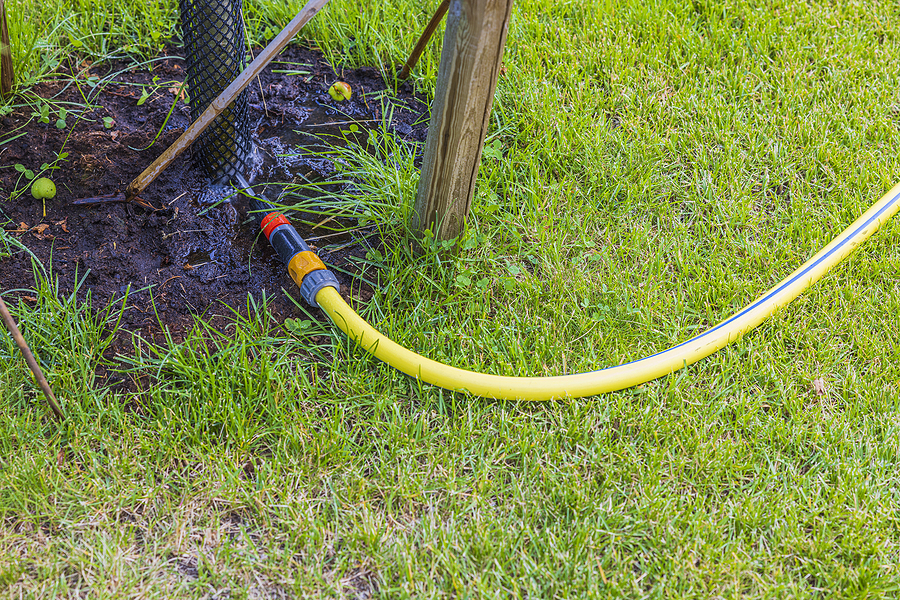
For the first several months, you must check the soil every day, and water your transplanted tree every few days. Just be sure to not over-water; two or three times a week is a great starting off point. If it rains, check the top few inches of soil around the base of the tree for moisture first. If it is dry, it needs to be watered; if it is still moist, you can skip watering it for the day and recheck tomorrow. Furthermore, always allow the soil to dry completely before re-watering. This watering cycle will help your tree establish a strong root system.
Mulching
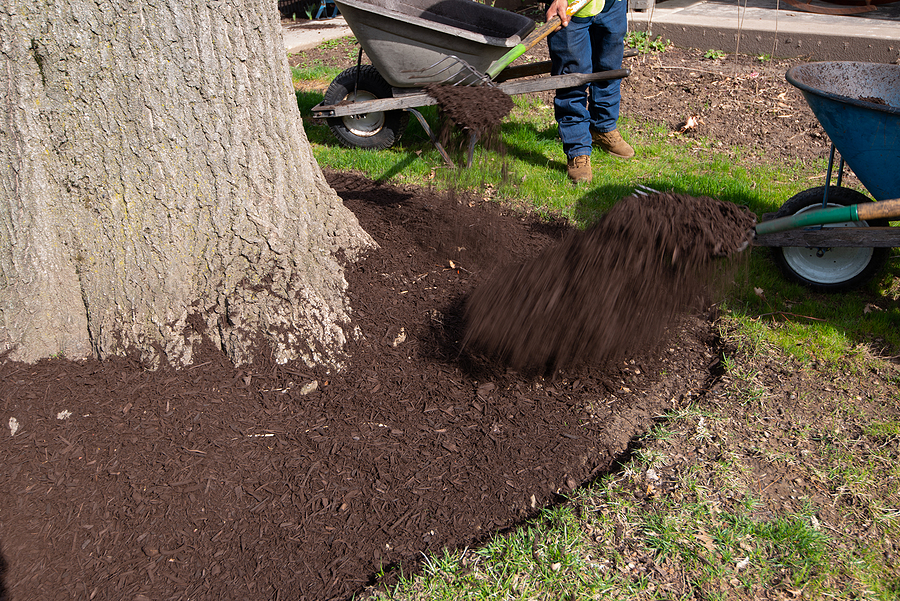
Laying mulch around the base of your trees is a highly effective method of supporting healthy growth and prolonging their life. Although you do not need to re-mulch every week, it is important to check on your mulch beds every day to ensure they are still doing their job. Mulch helps retain moisture and block out excess heat and UV exposure. This helps to keep a tree in good health. If the mulch seems low, put down another layer. Apply new mulch entirely, every year. The rule of thumb when it comes to proper mulching is to keep layers between 2 and 4 inches deep, and at least 6 inches from the base of the trunk.
Pruning
It is important to inspect the branches of your transplanted tree every day to assess its pruning needs. Pruning should take place right after you transplant your tree. Dead, diseased, damaged, and broken branches should be strategically removed before it can develop a good branch structure. Once the tree acclimated to the soil and its surroundings, it can begin to establish a strong root system, which helps lay the foundation to improve branch strength and structure. No more than 25% of a tree’s foliage should be removed in a year. Be sure to have a licensed tree service company perform your annual pruning needs to ensure that the proper ANSI tree pruning standards are applied.
Some Daily Tree Care Considerations to Keep in Mind:
☙ Fertilization
Inspect your tree every day to ensure it is growing as it should. If it is not, fertilizer may be an option. Fertilizer should only be applied AFTER the first year of tree transplanting. Do not think of fertilizer as tree food; instead, think of it as something that should only be used if necessary. Stressed trees should never be fertilized. There are specific application techniques that must be followed in order to have good results. Check with a trusted tree service company for advice regarding your newly planted tree needs.
☙ Stabilization
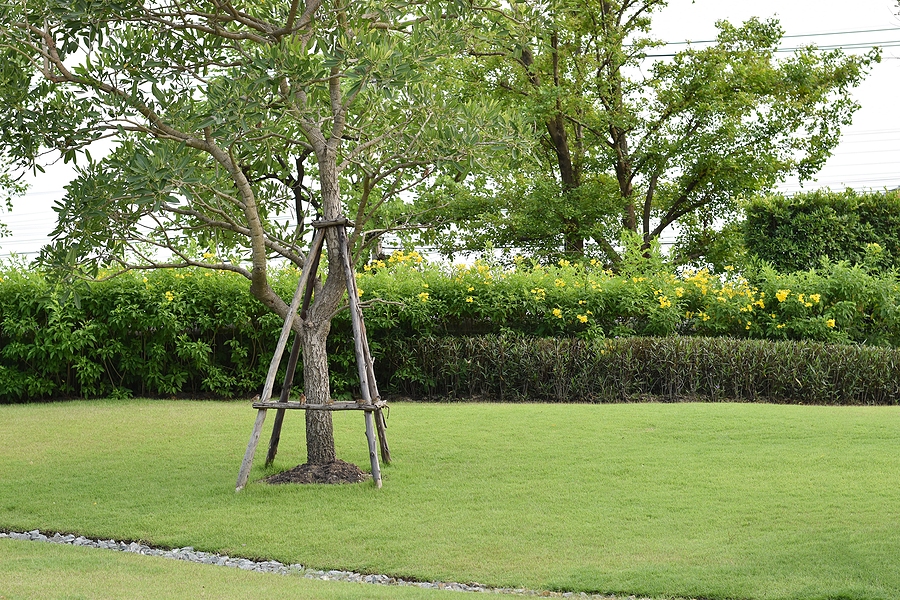
Check your tree every day to ensure it is upright and steadied. Some newly planted trees require some stabilization in order to withstand strong winds and other inclement weather conditions. Cabling and bracing work well to support weak trunks. If lawn mower damage is a possibility, you may want to also consider a trunk guard.
☙ Risk Abatement
Inspect your transplanted tree every day to ensure there are no imminent dangers lurking around the corner. It is important to minimize the level of danger that can be imposed onto your new tree. This includes taking into consideration lawn mowers, sprinkler systems, nuisance wildlife, pets, herbicides, pesticides, and more.