Removing Dead Tree Limbs in Indiana: What You Need to Know

A towering oak or a vibrant maple adds beauty and value to any Indiana property. But when their branches die, they become more than just an eyesore; they pose a significant risk. Proper and timely removal of dead tree limbs is a crucial part of responsible tree ownership, ensuring the safety of your property and the long-term health of your trees.

This guide will walk you through everything you need to know about dead branch removal in Indiana. We’ll cover why it’s so important, the best time of year for tree trimming, the tools you’ll need, and how to safely complete the job. We’ll also discuss when it’s time to call in a professional tree service for help.
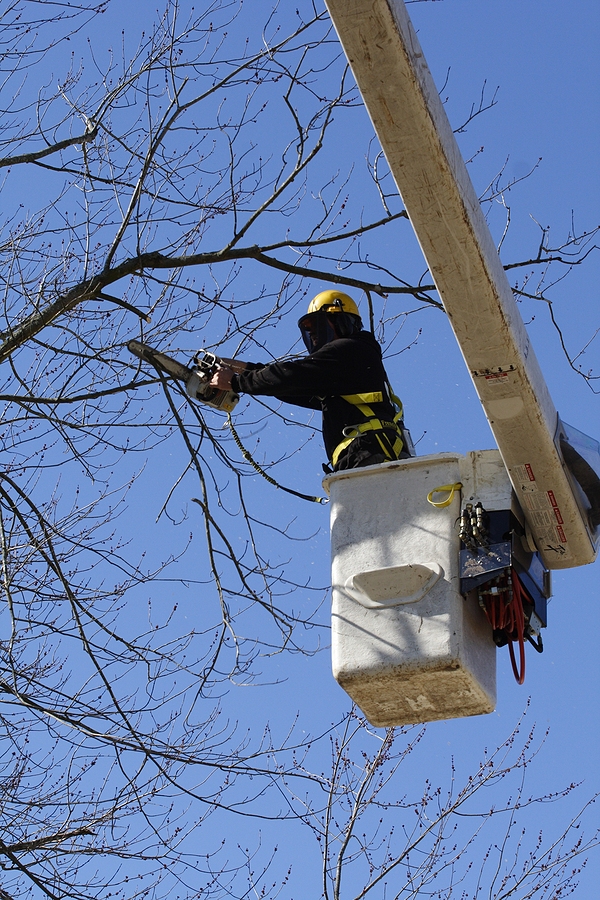
Call 317-783-2518 for Professional Dead Tree Limb Removal in Indianapolis

Why You Should Remove Dead Tree Limbs

Leaving dead branches on your trees might seem harmless, but it can lead to serious problems. Understanding these risks is the first step toward maintaining a safe and healthy yard.

Safety Hazards

Dead branches are weak and can break off at any moment, especially during Indiana’s unpredictable storms, high winds, or heavy snow. Falling limbs can cause severe injury to people, damage your home or car, and even take down power lines.

Tree Health

Dead wood is an open invitation for pests and diseases. Insects like bark beetles and carpenter ants, along with wood-decaying fungi, can move from a dead branch into the healthy parts of the tree, causing a larger infestation or infection that could eventually kill the entire tree. Removing dead limbs helps seal off these entry points.

Aesthetic Improvements

A well-pruned tree simply looks better. Removing dead, decaying branches improves the overall appearance of your tree and enhances your property’s curb appeal. Regular tree trimming encourages healthy new growth, resulting in a fuller, more vibrant canopy.

The Best Time for Tree Pruning in Indiana

Timing is everything when it comes to tree pruning. While you can remove dead branches at any time of year, certain seasons offer distinct advantages for the health of your trees.

Winter (Dormant Season)

Late fall to late winter is widely considered the best time for tree trimming in Indiana.

  • Visibility: With all the leaves gone, the tree’s structure is fully visible, making it easy to identify dead, damaged, or crossing branches.
  • Less Stress: Pruning during dormancy is less stressful for the tree, as it’s not actively growing. The cuts will have time to begin healing before the vigorous growth of spring.
  • Reduced Disease Risk: Many tree diseases, like the fungal pathogens that cause oak wilt, are inactive in cold weather. Pruning now minimizes the risk of spreading infection.

Spring

Light pruning can be done in the spring, but heavy tree trimming should be avoided.

  • Flowering Trees: For trees that bloom in spring, like dogwoods and redbuds, wait until after they have finished flowering to prune. Pruning too early can remove the flower buds.
  • Growth Spurt: Trees are putting a lot of energy into new growth, and extensive pruning can be stressful.

Summer

Summer is generally not the ideal time for major pruning, but it’s a good time for specific tasks.

  • Identifying Dead Wood: It’s easiest to spot dead limbs in the summer because they won’t have any leaves, unlike the surrounding healthy branches.
  • Storm Damage: Summer storms can cause significant damage. It’s important to remove any broken or hazardous limbs immediately for safety.

Fall

Early fall is acceptable for minor trimming, but late-fall pruning should be done with caution.

  • Fungal Growth: Fungi release spores in the fall, and fresh pruning cuts can be susceptible to infection.
  • Delayed Healing: Cuts made late in the season may not have time to heal before winter, leaving the tree vulnerable to cold damage.

For most native Indiana trees like oaks, maples, and hickories, the dormant season is the optimal window for dead branch removal.

Request a Free Estimate for Tree Trimming and Pruning

Tools and Equipment for Dead Branch Removal

Using the right tool for the job makes the work safer and more effective. Here’s what you’ll need for basic dead tree limb removal.

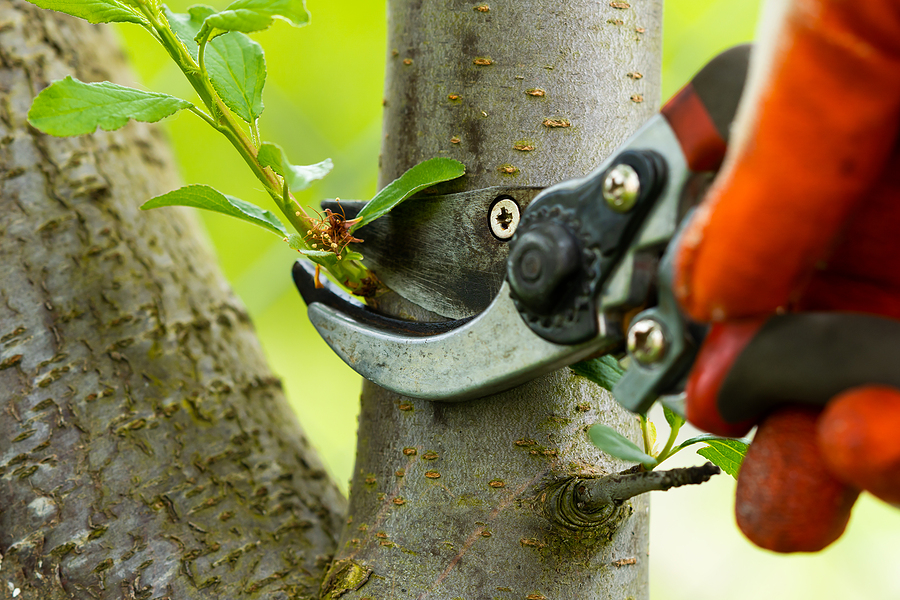
  • Hand Pruners (Secateurs): Best for small branches up to ¾-inch in diameter.
  • Loppers: These have long handles that provide extra leverage for cutting branches up to 2 inches thick.
  • Pruning Saw: A hand saw is necessary for branches between 2 and 5 inches in diameter.
  • Pole Saw: This tool allows you to reach higher branches from the ground, but can be difficult to control.
  • Safety Gear: This is non-negotiable. Always wear safety glasses, sturdy gloves, and a hard hat. For any work above your head, a hard hat is essential to protect you from falling debris.

Step-by-Step Guide to Removing Dead Limbs

Safety must be your top priority. Before you begin, assess the situation. If the branch is large, high up, or near power lines, stop and call a professional. For smaller, accessible limbs, follow these steps.

  1. Clear the Area: Move any vehicles, furniture, or other obstacles from the work zone. Ensure pets and people are safely indoors.
  2. Make the Undercut: About 6-12 inches from the tree trunk, make a cut on the underside of the branch, going about a third of the way through. This prevents the bark from tearing down the trunk when the branch falls.
  3. Make the Relief Cut: A few inches past the undercut (further from the trunk), cut all the way through the branch from the top. The majority of the branch will now fall safely away.
  4. Make the Final Cut: You are now left with a short stub. Cut this stub off just outside the “branch collar”—the swollen area where the branch meets the trunk. Do not cut flush with the trunk, as this collar contains specialized cells that help the wound heal properly.

When to Hire a Professional Tree Service

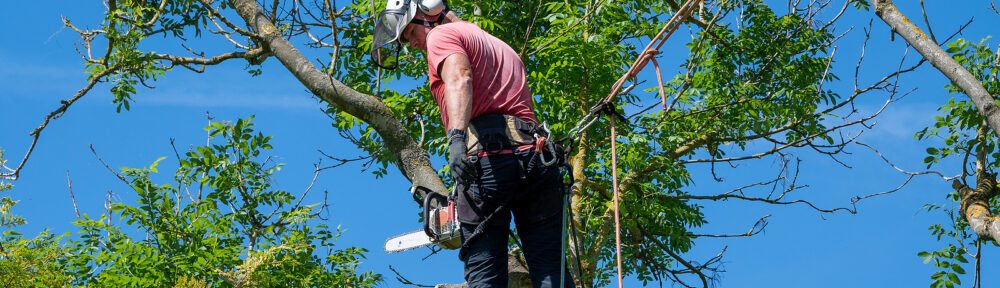
While DIY pruning is possible for small jobs, many situations require an expert. Tree care is a dangerous job that often demands specialized skills and equipment. It’s time to call for professional tree service when:

  • The dead limbs are more than 5 inches in diameter.
  • The branches are high up in the tree and cannot be reached safely from the ground.
  • The tree is located near power lines or structures.
  • You are not confident in your ability to perform the work safely.
  • The tree shows signs of significant decay or disease.

Hiring a certified contractor from a reputable tree care company provides numerous benefits. They have the expertise, proper equipment, and crucial insurance coverage to protect you and your property. Professionals ensure the job is done safely and correctly, promoting the long-term health of your trees.

Frequently Asked Questions

How do I identify a dead limb versus a dormant one?

A simple way to check is the “scratch test.” Gently scratch a small spot on the bark. A living branch will be green and moist underneath, while a dead branch will be brown and dry. In summer, a dead limb will have no leaves while the rest of the tree does.

When is the worst time of year to remove dead limbs in Indiana?

While dead limbs can be removed anytime, the least ideal time for major pruning on living tissue is during spring’s peak growth or late fall when fungal activity is high and healing is slow. However, for strictly dead wood, removal is always a good idea for safety.

How close to the tree trunk should I cut a dead limb?

You should cut just outside the branch collar, which is the slightly swollen area where the branch connects to the trunk. Avoid cutting flush against the trunk, as this can damage the tree and hinder its ability to heal.

What do I do with the removed limbs after cutting them?

Many municipalities in Indiana have specific guidelines for yard waste disposal. You can often bundle smaller branches for curbside pickup, take them to a local compost facility, or rent a wood chipper for larger jobs. Professional tree services will handle all debris removal.

How do I find a reputable and insured tree care service in Indiana?

Look for companies with certified arborists on staff, ask for proof of liability insurance and worker’s compensation, and check for reviews on trusted sites. Getting multiple quotes is also a good practice.

Maintain Healthy, Beautiful Trees

Regularly removing dead tree limbs is a fundamental part of tree care in Indiana. It protects your family and property from harm, prevents the spread of disease, and keeps your landscape looking its best. By understanding when and how to perform dead branch removal, you can confidently maintain the smaller trees on your property. For the big jobs, however, don’t hesitate to rely on the safety and expertise of a professional tree service.

Ready to ensure your trees are safe and healthy? Schedule a professional tree trimming consultation with our certified arborists today.

Call Now to Book Service

Related Post: Beyond Aesthetics: The Importance of Removing Dead Branches for Tree Health
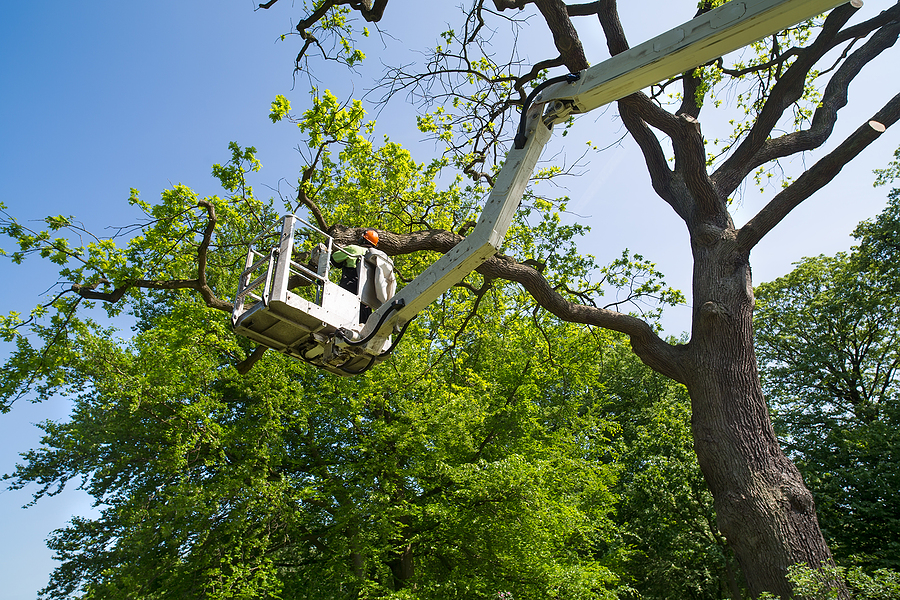
Understanding the Basics of Tree Pruning and Why It’s Necessary

Tree pruning is an essential aspect of tree care, often overlooked by many homeowners and property managers. While trees might seem self-sufficient, they can greatly benefit from regular pruning to boost their health and appearance.

This blog post aims to shed light on the basics of tree pruning, underlining its significance in maintaining tree health. With the right knowledge and techniques, you can enhance the longevity and vitality of the trees in your care. Read on to learn more about the art and science of tree pruning, and why it’s not just necessary but crucial for sustaining urban forestry.

Call 317-783-2518 For Tree Pruning in Indianapolis Indiana
Call 317-783-2518 For Professional Tree Pruning in Indianapolis Indiana

What is Tree Pruning?

Tree pruning refers to the selective removal of specific parts of a tree, such as branches, buds, or roots. It is done for various reasons, including promoting growth and structural integrity, removing damaged or diseased branches, improving aesthetics, and reducing safety hazards. By trimming away unwanted or problematic parts of a tree, you can encourage healthy growth, prevent potential risks, and shape the tree’s overall form.

Why is Tree Pruning Necessary?

Pruning is essential for maintaining the health and well-being of trees. By removing dead, damaged, or diseased branches, you reduce the risk of further decay and infection, which can spread to other parts of the tree. It also allows for better air circulation and sunlight penetration, promoting the growth of new, healthy branches. Additionally, pruning can help prevent branch overcrowding or crossing which can lead to weak attachment points and potential hazards during storms or high winds.

When is the Best Time for Pruning?

The best time for pruning depends on the type of tree and its specific needs. Typically, winter is considered a good time for pruning deciduous trees, as they are in a dormant state and have fewer leaves. This makes it easier to see the tree’s structure and make necessary cuts without causing excessive stress. However, some species, such as maple or birch, may bleed sap if pruned during winter, so it’s best to wait until late spring or early summer for these trees. On the other hand, evergreen trees can be pruned anytime during the year, but it’s recommended to avoid pruning during their active growth period in late spring and early summer.

How to Prune Trees Properly?

Proper tree pruning requires knowledge, skill, and the right tools. It’s important to make clean cuts using sharp, sterile equipment to prevent damage and infection. When pruning, it’s essential to identify the branch collar (the swollen area where a branch meets the trunk) and make cuts just outside of it. This allows for quicker healing and reduces the risk of decay spreading to the main stem. For larger branches, use a three-cut method to prevent tearing and ensure a smooth cut. If you’re not confident in your pruning abilities, it’s best to hire a certified arborist who has the necessary expertise and experience.

Conclusion

In conclusion, tree pruning is a crucial aspect of tree care that should not be overlooked. It helps maintain the health and structural integrity of trees while also promoting their aesthetics and safety. Knowing when and how to prune trees properly can go a long way in sustaining urban forestry and ensuring the longevity of trees. So next time you see a tree in need of pruning, remember its significance and consider hiring a professional tree service company to do it right. Your trees (and your wallet) will thank you for it. 

Looking for a professional tree service company to trim and prune your beautiful trees? Contact Complete Tree Care at 317-783-2518 for licensed tree trimming and pruning in Indianapolis, Indiana. We serve both residential and commercial clients all throughout Central Indiana.

Related Posts:

Corrective Pruning vs Maintenance Pruning: What’s the Difference?
The Benefits of Professional Tree Trimming Services
The Advantages of Tree Pruning and How To Do It Right

Pruning Perfection: The Importance of Correct Pruning Techniques

Pruning is more than just a random snip here and there on your beloved trees. It’s an intricate art – a dance of science and nature that, when done correctly, can lead to thriving, healthy trees. This post aims to shed light on this crucial aspect of tree care. We will delve into the why’s, the when’s, and the how’s of pruning, providing you with a toolkit of knowledge that can help your trees remain lush, robust, and beautiful. So get your pruning shears ready as we delve into the world of tree care and the pivotal role of pruning.

Call 317-783-2518 For Tree Pruning in Indianapolis

Why Prune?

Tree pruning is essential for maintaining tree health, but it serves other purposes as well. Trees that are pruned correctly tend to have stronger and more resilient branches, making them less susceptible to damage from strong winds or heavy snowfall. Additionally, pruning can help shape trees and promote better growth in specific areas. For example, if a tree has a dense canopy, pruning can allow more sunlight to reach the lower branches and encourage growth in those areas. Correct pruning techniques can also prevent overcrowding and reduce the risk of disease by improving air circulation. Ultimately, regular pruning helps trees reach their full potential, making them more robust and aesthetically pleasing.

When to Prune

Timing is crucial when it comes to pruning. It’s best to prune trees during their dormant season, which is typically in late winter or early spring before new growth begins. Pruning during this time allows for minimal stress on the tree, and cuts will heal faster as they are not competing with new growth for nutrients. However, some trees may benefit from specific pruning at different times of the year. For instance, spring-flowering trees should be pruned immediately after they bloom, as their buds form on old wood. Knowing when to prune is vital in ensuring the health and vitality of your trees.

How to Prune

Now that we know the importance of pruning and when it should be done let’s dive into the “how” of correct pruning methods. The first step is to use the right tools, including sharp and clean pruning shears, loppers, and a pruning saw for larger branches. It’s important to make clean cuts at a slight angle just above the branch collar (where the branch meets the trunk), as this allows for proper healing and helps prevent disease from entering the tree.

When approaching pruning, keep in mind that less is often more. Avoid excessive pruning, also known as “topping,” as it can harm the tree and lead to weak regrowth. Instead, focus on removing dead, damaged, or diseased branches first, followed by any crossing or rubbing branches. If shaping is necessary, aim for a natural look rather than an overly uniform shape. It’s also important not to over-prune as this can stress the tree and affect its overall health.

Conclusion

In conclusion, pruning is a crucial aspect of tree care that should not be overlooked. By understanding the importance of pruning, knowing when to prune, and how to do it correctly, you can ensure the health and longevity of your trees. So next time you pick up those pruning shears, remember these tips and strive for pruning perfection. Your trees will thank you with their lush, vibrant beauty.

Remember, proper tree care goes beyond just watering and fertilizing. Contact Complete Tree Care at 317-783-2518 for licensed tree trimming and pruning in Indianapolis, Indiana. We serve both residential and commercial clients all throughout Central Indiana.

Related Posts:

Corrective Pruning vs Maintenance Pruning: What’s the Difference?
Why You Should Remove Tree Branches That Overhang the Roof
The Benefits of Professional Tree Trimming Services

Professional Tips for Winterizing Trees

Just like you would the rest of your home, prior to the cold season arriving, it is important to prepare your trees for winter conditions. Weakened, exposed, or otherwise vulnerable trees can be subjected to irreversible damage caused by inclement weather. Prevent losing your landscaping trees from these causes and more by implementing some winter protection.

Continue below to learn some professional tips on how to winterize your trees before winter is here.

Winter Tree Service Indianapolis Indiana
Winter Tree Service in Indianapolis 317-783-2518

Tree Winterization Advice You Should Consider

Even though trees look like they are dead or inactive in the winter, they are actually alive and well. They are working hard to regulate their metabolism and stay strong till spring season blooming. Even in winter, trees are growing at their roots, limbs, and more. To help trees accomplish this through the winter, implement some important seasonal tree care practices.

Here are some tips for winterizing your trees:

Pruning

Until the ground is frozen and the first full frost has fallen, it is not too late to prune back some of your landscaping trees. Just be sure you are extensively experienced and retain the proper tools for the job, or hire a professional tree service company in Indianapolis for insured work you can trust.

☙ Mulching and Aeration

The changing weather conditions in winter also affect the temperature and moisture levels in the soil, which are important to tree health. For this reason and more, it is wise to aerate the soil surrounding your landscaping trees to ease compaction, and follow up with a proper mulching around the base of the tree trunk.

Fertilization and Watering

Using a balanced fertilizer is optional when it comes to tree winterization, however, it is highly recommended. Be sure you know what you are doing in terms of tree fertilization, otherwise, it is even more recommended to hire a certified arborist for the job. For ornamental and fruit trees, a dormant spray might also be a good addition to pre-winter tree care. Talk to your arborist for advice.

Certified Arborist and Tree Service Experts in Indianapolis, Indiana

Call Complete Tree Care at 317-783-2518 for professional arborist and tree care service in Indianapolis, Indiana and its surrounding counties. We are experienced tree care technicians that can resolve your tree problems, regardless of your projects size or scope. We offer a wide range of tree removal and tree services, for both residential and commercial properties. We even offer free estimates and free tree care advice!

Indianapolis Tree Care 317-783-2518