Can A Split Tree Trunk Be Saved? Solutions for Indiana Homeowners

Discovering a split in your tree’s trunk can be alarming. It’s not just an aesthetic issue; a deep crack can compromise the structural integrity of the entire tree, posing a safety risk to your home and family. While trees are remarkably resilient, they aren’t invincible, and certain types of damage require immediate attention to prevent failure.

In Indiana, our trees face a unique set of challenges—from the bitter freeze-thaw cycles of January to the intense summer storms that roll across the plains. Understanding why these splits happen and knowing when a tree can be saved is crucial for maintaining a safe and beautiful landscape.
Call 317-783-2518 for Damaged Tree Removal Service in Indianapolis

Identifying Common Tree Trunk Splits

Not all cracks are created equal. Some are superficial wounds that heal on their own, while others indicate a tree in distress. Identifying the type of split is the first step toward finding a solution.

Frost Cracks and Sunscald (Southwest Injury)

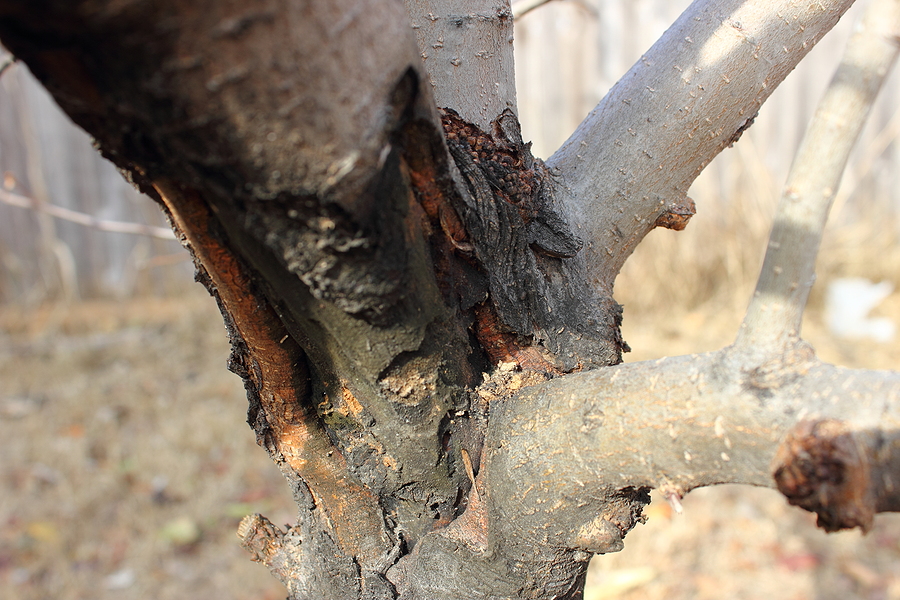
If you notice a long, vertical crack on the south or southwest side of a young tree, you are likely looking at “Southwest Injury.” This is incredibly common in Indiana winters.

It happens when the sun heats up the bark during a cold winter day, stimulating activity in the cells. When the sun sets or goes behind a cloud, temperatures drop rapidly, causing the water inside the cells to freeze and the bark to split. Thin-barked species common in Indianapolis landscapes—such as Maples (Acer), Redbuds (Cercis), and Crabapples (Malus)—are particularly susceptible.

Growth Cracks

Sometimes a tree simply grows faster than its bark can expand. These cracks usually appear as vertical splits where you can see healthy inner bark healing over. They are often a sign of a vigorous, healthy tree rather than a dying one and typically do not require intervention.

Storm Damage and Shear Cracks

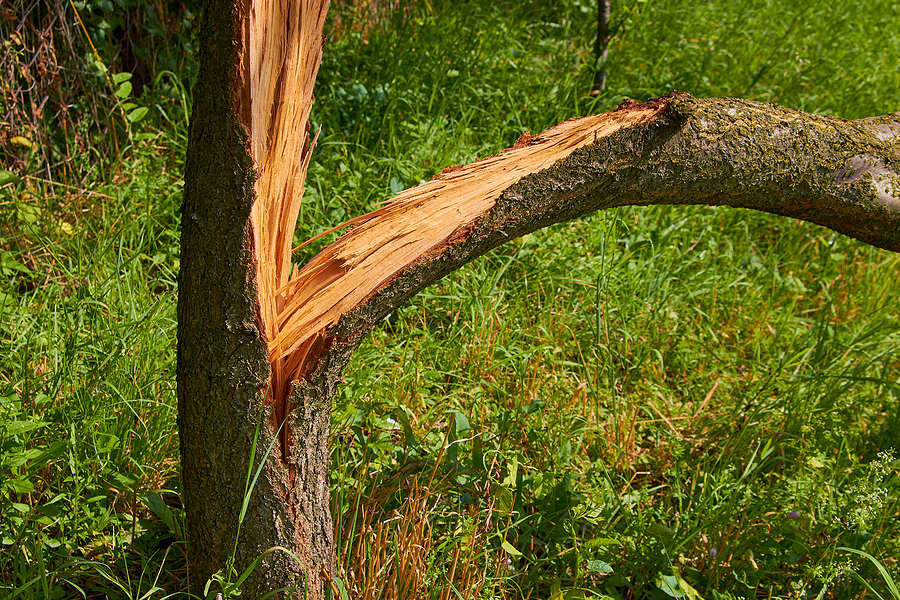
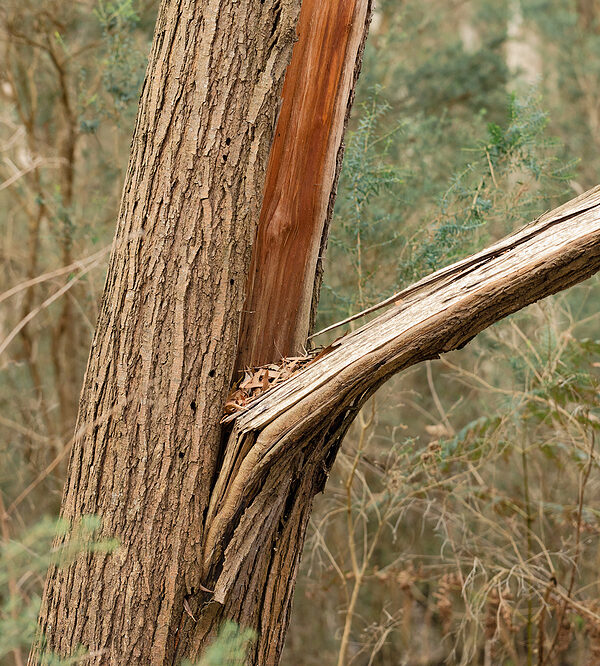
Indiana’s severe thunderstorms and high winds can twist and pull trees, causing the trunk to split violently. These shear cracks often occur at the crotch where two co-dominant stems meet (a “V” shape). Unlike frost cracks, these structural failures are immediate threats to the tree’s stability.

Assessing the Severity of the Damage

Before you rush to the hardware store, you need to assess whether the tree is a candidate for repair or if it has become a hazard.

Signs the Tree Might Be Saved:

  • The split is a simple frost crack that hasn’t penetrated deeply into the wood.
  • The tree has a full, healthy canopy of leaves.
  • There is evidence of “callus tissue” or “wound wood” forming along the edges of the crack (a sign the tree is sealing itself).
  • The tree is young and vigorous.

Signs the Tree May Need Removal:

  • The crack goes completely through the trunk.
  • The split is located at a major fork in the main trunk (co-dominant stems) and is actively widening.
  • You see signs of internal decay, such as mushrooms growing at the base or carpenter ants in the crack.
  • The tree leans significantly or targets a structure, like your house or driveway.
  • More than 25-50% of the trunk’s circumference is damaged.

If you are unsure, do not guess. A tree with significant trunk damage can fall without warning.

Treatment and Repair Options

If the damage is manageable, there are several methods arborists use to help a tree recover. It is important to note that trees do not “heal” like human skin; they “seal” or compartmentalize damage.

Cabling and Bracing

For splits that compromise structural integrity—particularly those at the crotch of two stems—cabling and bracing are the industry standards (specifically ANSI A300 Part 3 standards).

  • Bracing: This involves installing steel rods through the split to bolt the trunk back together. This prevents the crack from twisting or opening further.
  • Cabling: High-strength steel or synthetic cables are installed high in the canopy to limit movement. By reducing how much the branches sway in the wind, the cable reduces the stress on the split trunk below.

Note: This is a complex procedure that should only be performed by a professional arborist to ensure the hardware is sized and installed correctly.

Bark Tracing

For jagged wounds where bark has been torn away (perhaps by a lawnmower or vehicle), you can help the tree by “bark tracing.” This involves using a sharp, sterilized knife to carefully cut away the loose, ragged bark edges back to healthy wood. This creates a clean edge that helps the tree form callus tissue faster.

Request a Free Estimate for Tree Service Today

What Not to Do: Avoid Wound Dressings

For decades, it was common practice to paint tree wounds with tar or “sealant.” We now know this is harmful. Research from Purdue University Extension and other experts shows that wound dressings can trap moisture and decay-causing fungi inside the wound, actually slowing down the tree’s natural sealing process.

Do not paint, seal, or cover the wound. Let the tree seal itself naturally with oxygen and time.

Prevention Techniques for Indiana Trees

The best cure for a split trunk is preventing it in the first place.

  • Wrap Young Trees: To prevent Southwest Injury, wrap the trunks of young, thin-barked trees (like Maples and Redbuds) with white tree guards or paper tree wrap in late autumn. Remove the wrap in early spring to prevent moisture buildup and insect infestation.
  • Proper Pruning: Many structural splits happen because of “co-dominant stems”—two trunks growing side-by-side that push against each other as they expand. Structural pruning when the tree is young can remove these weak attachments before they become a liability.
  • Water During Drought: Drought-stressed trees have brittle wood that is more prone to cracking. During our hot Indiana summers, deep watering can keep the wood flexible and resilient. Look into recommended drought-resistant tree species for Indiana.
  • Mulch Correctly: A ring of mulch around the base (but not touching the trunk!) protects the tree from lawnmower strikes, a common entry point for decay.

When to Call a Professional Tree Service

Tree work can be dangerous, especially when dealing with compromised trunks. You should call a professional tree care contractor if:

  • You need cabling or bracing installed.
  • The tree is large enough to damage property if it falls.
  • You cannot determine if the crack is superficial or structural.
  • The tree shows signs of rot or fungal growth inside the crack.

Conclusion

A split trunk doesn’t always mean the end of your tree’s life, but it is a serious condition that demands respect and a professional assessment. By identifying and addressing cracks early, avoiding the use of harmful sealants that can trap moisture and decay, and implementing proper support systems like cabling or bracing when necessary, you can often preserve these valuable landscape assets, allowing them to thrive for many more years to come.

If you are concerned about a crack in your tree or need an expert opinion on stability, don’t wait for the next storm to test its strength. Contact our team at Complete Tree Care, today. We provide comprehensive tree services across Indianapolis and the surrounding areas. Let us help you keep your trees safe, healthy, and standing tall.

Call to Request a Free Estimate

Related Post: What Causes Bark Splitting in Trees?

Garden Tree Care 101: Defending Your Trees from Wildlife

Imagine investing time, effort, and resources into growing beautiful trees only to see them damaged by local wildlife. Protecting trees from wildlife tampering is crucial for maintaining healthy, vibrant gardens and landscapes.

This blog post will guide gardeners, homeowners, and property managers through protecting trees from wildlife damage. You’ll learn about the common culprits behind tree damage, how to identify signs of tampering, and effective strategies for safeguarding your trees. By the end, you’ll be well-equipped to defend your trees against wildlife threats and ensure they thrive for years to come.

Call 317-783-2518 For Tree Care Assistance in Indianapolis Indiana

Common Wildlife Threats to Trees

Many types of wildlife can pose threats to trees, especially in residential and commercial areas. Insects like beetles and borers can infest tree trunks, while larger animals like deer can damage bark and foliage. Birds, too, can sometimes harm trees by pecking at their bark or nesting in them. Understanding these threats is the first step in protecting your trees and ensuring they remain healthy and vibrant for years to come. Regular monitoring and proper tree care can help mitigate these risks.

  • Deer: Deer are notorious for rubbing their antlers against tree bark, causing significant damage. They also browse on young shoots and leaves, stunting tree growth.
  • Rodents: Rodents such as squirrels, mice, and voles can gnaw on tree bark and roots. Their chewing can girdle a tree, cutting off its nutrient supply and leading to its death.
  • Birds: While birds often help control insect populations, some species can harm trees by pecking at the bark. Woodpeckers, for example, can create holes that leave trees vulnerable to disease and pests.

Identifying Signs of Wildlife Damage

Recognizing the signs of wildlife damage early can save your trees from irreversible harm. Here’s what to look for:

  • Bark Rubbing: Look for areas where the bark has been stripped or rubbed away, often found on the lower trunks of trees. This damage is usually caused by deer.
  • Chewed Bark and Roots: If you notice chew marks or missing bark, rodents are likely the culprits. These marks are typically low on the trunk or around the tree base.
  • Holes in the Bark: Holes drilled into the bark are a clear indicator of bird activity, specifically woodpeckers. These holes can vary in size and depth.

Effective Strategies for Protecting Trees

Protecting your trees requires a multifaceted approach. Here are several strategies to consider:

  • Physical Barriers: Installing physical barriers can deter wildlife from damaging your trees. Fencing, tree guards, and netting are effective options.
  • Fencing: A sturdy fence can keep larger animals like deer away from your trees. Ensure the fence is tall enough—typically at least 8 feet—to prevent deer from jumping over it.
  • Tree Guards: Tree guards made of plastic or metal can protect the lower trunk from gnawing rodents and rubbing deer. Wrap the guard around the base of the tree, ensuring it’s snug but not too tight.
  • Netting: Netting can prevent birds from pecking at your trees. Drape the netting over the tree canopy, securing it to the ground with stakes.

Repellents

Repellents are another effective method for deterring wildlife. They can be chemical or natural and should be applied regularly.

  • Chemical Repellents: Commercial repellents are available for various types of wildlife. These products often contain ingredients that taste or smell unpleasant to animals.
  • Natural Repellents: Natural repellents include homemade sprays made from garlic, hot pepper, or essential oils. These can be just as effective as chemical options and are often more environmentally friendly.

Habitat Modification

Modifying the habitat around your trees can make it less attractive to wildlife.

  • Remove Food Sources: Ensure there are no food sources, such as fallen fruit or bird feeders, that might attract wildlife to your garden.
  • Clear Vegetation: Clear away dense underbrush and tall grass around your trees. This reduces hiding spots for rodents and other small animals.

Sustainable and Wildlife-Friendly Methods

While protecting your trees is essential, it’s also important to consider sustainable and wildlife-friendly methods.

  • Companion Planting: Planting certain types of plants around your trees can naturally repel harmful wildlife. For example, marigolds can deter deer and rabbits.
  • Encouraging Natural Predators: Encourage the presence of natural predators, such as birds of prey and beneficial insects, to control the population of harmful wildlife.
  • Using Eco-friendly Products: Opt for Eco-friendly repellents and barriers that do not harm the environment or non-target species.

Conclusion

Protecting your trees from wildlife damage is crucial for maintaining a healthy and beautiful landscape. By understanding the threats, identifying signs of damage, and implementing effective strategies, you can safeguard your trees against wildlife tampering. Don’t wait until it’s too late—start implementing these tree protection measures today. And if you need professional assistance, don’t hesitate to contact your local tree care company. Your trees will thank you!

For more information and personalized advice on garden tree care, turn to a pro. Contact Complete Tree Care at 317-783-2518 to get assistance from a certified arborist in Indianapolis, Indiana. We serve residential and commercial clients with comprehensive tree care solutions.

Related Posts:

Protecting the Heartland: A Guide to Mid-West Tree Pests
Reviving Your Yard: A Guide to Saving Unhealthy Trees
Common Winter Tree Pests in Indiana

Reviving and Restoring: Tips for Caring for Damaged Trees

Trees, the silent sentinels of our yards and landscapes, often bear the brunt of Mother Nature’s whims. From fierce storms to unrelenting pests, trees are subjected to a myriad of challenges. But with the right knowledge and care, these setbacks don’t have to spell the end for your leafy friends.

Welcome to our blog post, where we delve into the world of tree damage and restoration. This comprehensive guide will equip you with the necessary tools to rehabilitate your damaged trees, transform your green spaces, and get you conversing like a seasoned tree doctor.

Call 317-783-2518 for Tree Damage Repair in Indianapolis Indiana

Understanding Tree Damage

Before we can delve into the methods of tree restoration, it’s essential to understand the different types of damage that can affect trees. The most common forms of tree damage include:

Physical Damage

Physical damage is caused by external factors such as strong winds, heavy snow, ice storms, or lightning strikes. This type of injury often results in broken branches, split trunks, or uprooted trees.

Insect Damage

Insects like beetles, moths, and borers can cause significant damage to trees. Their feeding habits can weaken the tree’s structure and leave it susceptible to diseases.

Disease-Related Damage

Trees can be affected by various diseases such as fungal infections, bacterial infections, or viral diseases. These diseases can cause discoloration, leaf drop, and even death in severe cases.

Tips for Caring for Damaged Trees

Once you’ve identified the type of damage affecting your tree, it’s time to take action. Here are some tips for caring for damaged trees:

Assess the Damage

Before starting any restoration work, assess the extent of the damage. If the damage is minimal, you may be able to handle it yourself. However, if the damage is severe or poses a safety risk, it’s best to call in a professional tree doctor for help.

Prune Carefully

Careful pruning can help remove damaged branches and promote new growth. It’s essential to use proper pruning techniques to avoid causing further harm to the tree. Make clean cuts just above the branch collar, leaving no stubs.

Protect Against Pests

If your tree has been infested with insects, it’s crucial to identify and treat them promptly. You can use natural or chemical methods to control pests, depending on your preference. Remember to follow instructions carefully to avoid harming beneficial insects and wildlife.

Promote Healthy Growth

Damaged trees need extra care to recover. Ensure the tree is getting enough water, sunlight, and nutrients by regularly watering and fertilizing it. You can also add a layer of mulch around the base of the tree to retain moisture and keep weeds at bay.

Be Patient

Tree restoration takes time, patience, and dedication. It may take several months or even years for a damaged tree to fully recover. Be consistent with your care and keep an eye on the tree’s progress.

Conclusion

Caring for damaged trees can be challenging but ultimately rewarding. By understanding the different types of damage, knowing how to properly care for a damaged tree, and being patient, you can help revive and restore your beloved trees. Remember to always prioritize safety and seek professional help when needed. With these tips in mind, you can play a crucial role in protecting the trees in your yard and contributing to a healthier environment for all. Let’s work together to keep our green spaces thriving! So go ahead, put on your tree doctor hat, and watch those damaged trees bloom once again.

Are you concerned about the health and safety of your trees? Contact Complete Tree Care at 317-783-2518 to get advice from a tree service contractor or certified arborist in Indianapolis, Indiana. We serve residential and commercial clients with comprehensive tree care solutions.

Related Posts:

Is My Tree Dead or Diseased?
4 Tree Diseases You Should Watch Out For
What Causes Bark Splitting in Trees?
What Causes Bark Splitting in Trees?
In the grand tapestry of nature, trees stand as silent sentinels, contributing to the beauty, tranquility, and ecological balance of our environments. However, at times, these guardian giants may exhibit certain anomalies that cause concern, one of the most noticeable being bark splitting. This phenomenon can raise alarm bells among tree owners and nature enthusiasts alike.

In this blog post, we’ll delve into the causes of bark splitting in trees, shedding light on this common yet perplexing issue. By understanding what causes trees to undergo such damage, we can better appreciate their needs and contribute to their health and longevity.

Call 317-783-2518 For Tree Bark Repair in Indianapolis Indiana

Common Causes of Splitting Tree Bark

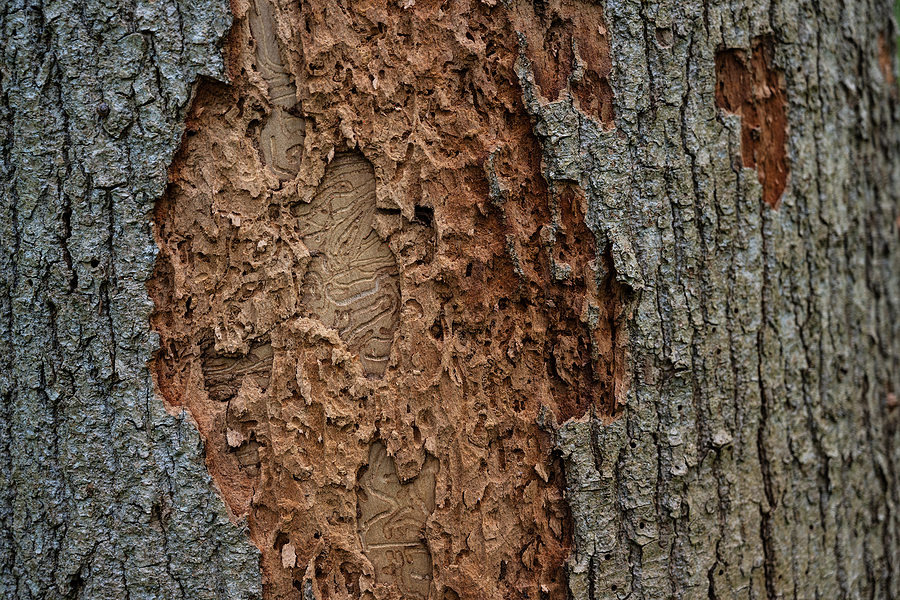
When it comes to bark splitting, there are a few key culprits behind this phenomenon. The most common cause is weather-related damage. Freezing and thawing cycles, drought conditions, and extreme temperatures can all lead to bark splitting in trees. Additionally, insect or animal damage can also be a factor. For example, rodents may gnaw on the bark or eat away at the cambium layer, leading to splitting. Another source of damage can be linked to deer tampering or even fungal infections like Cystophora canker, which can cause bark splitting and other irregularities in some tree varieties.

Prevention and Treatment for Splitting Tree Bark

Fortunately, there are steps we can take to protect trees from tree bark damages. One key element is proper care and maintenance, which includes providing adequate water and nutrition. During extreme weather conditions, winterizing your trees can be beneficial in preventing dividing or other types of damage. Additionally, if you notice any signs of insect infestation or fungal infection, contact an arborist to assess the situation and determine the best course of action for treatment.

Finally, it’s important to practice safe pruning and trimming habits. To reduce stress on trees, prune them in the winter season when they are dormant. Furthermore, take care not to remove excessive amounts of bark as it can weaken the tree and lead to further separating. By being aware of what causes bark splitting in trees and taking the necessary steps, we can help these majestic beings stay strong and healthy for many years to come.

Working with an Arborist for Tree Care

When dealing with trees, it’s a good idea to work with an arborist rather than a typical tree trimming or tree removal service. An arborist is trained in recognizing signs of poor health or damage and can provide valuable insight into the best care for your trees. They can also offer tree pruning, fertilization, and other services to ensure your trees remain healthy throughout their life cycle.

In Conclusion

In conclusion, bark splitting is a common phenomenon that tends to cause concern among tree owners. Knowing what causes this issue and taking preventative steps as well as being aware of the best care practices for trees are important components of keeping them healthy and strong. With proper maintenance, you can look forward to enjoying your tree’s beauty and vital contribution to nature for many years to come. If you need assistance in caring for your trees or have any questions about this topic, do not hesitate to contact a certified arborist for help. They can provide you with the knowledge and resources to ensure your trees stay in good shape for years to come!

By taking a proactive approach to tree care, you’ll be able to identify signs of poor health or damage early on and take steps to remedy them before they become too severe. Contact Complete Tree Care at 317-783-2518 to get advice from a certified arborist in Indianapolis, Indiana. We serve residential and commercial clients with comprehensive tree care solutions.

Related Posts:

10 Ways to Protect Your Trees from Bark Problems
4 Topsoil Problems That Can Negatively Affect Tree Health
Common Diseases Affecting Trees in Indiana and How to Treat Them

What You Can Do About Tree Bark Damages

Trees are inspirational and aesthetically pleasing. They are admired most for their gift of shade, bountiful harvests, beautiful scenery, and their part in nature’s course.  This is why it is troubling to see trees whose bark has been damaged by harsh weather, vandalism, lawn mowers, wild animals, and more. Tree bark is important for a trees health because it protects the conductive wood and tissue beneath.

Continue reading to learn how to repair damaged tree bark, and who to call for accurate and professional tree care advice.

Indianapolis Tree Care Service 317-783-2518

Tree Bark Damage Solutions

When tree bark is damaged, the underlying tissue and wood can be exposed and detrimental to the tree.  It is crucial to act fast before the tree becomes even more vulnerable, leading to extensive bark damage and overall harm.  In short, when you see damaged tree bark, a few things will be in order right away. These include:

Removing the Loose Tree Bark
Facilitate Comprehensive Cultural Care
Provide Adequate Irrigation
Provide Adequate Fertilization
Possible Bridge Grafting
Preventing Further Damages and Threats

To remove loose tree bark, a person will need sterile and sharp pruning shears or a knife. Look for any bark that is loose, flapping, or bruised. This is the bark that will need to be cut off.  It is important for a person to not damage the wood that is still alive and intact. Cutting right at the line of decay is the best point of reference for safe tree bark removal.

Providing adequate water and fertilizer is crucial in order to reduce the potential for tree disease and vulnerability. It also promotes strong and sturdy tree growth and tissue repair. When tree bark is wounded or exposed, various wood-eating and burrowing pests can invade the tree. Emerald Ash Borers, Wood Beetles, and more can harm a tree’s health and damage it even further.

How to Evaluate Your Tree Care Needs in Indianapolis

Call Complete Tree Care at 317-783-2518 to speak with a friendly and knowledgeable Indianapolis tree care professional, and request a free estimate for a tree inspection, today. We have a state-certified arborist available to inspect the health and needs of your landscaping trees. Furthermore, we are a family owned and operated tree care company, which means we understand the value of a dollar, which is why we offer our tree services at fair and reasonable rates. So, get started today with a free quote!

Indianapolis Tree Care 317-783-2518