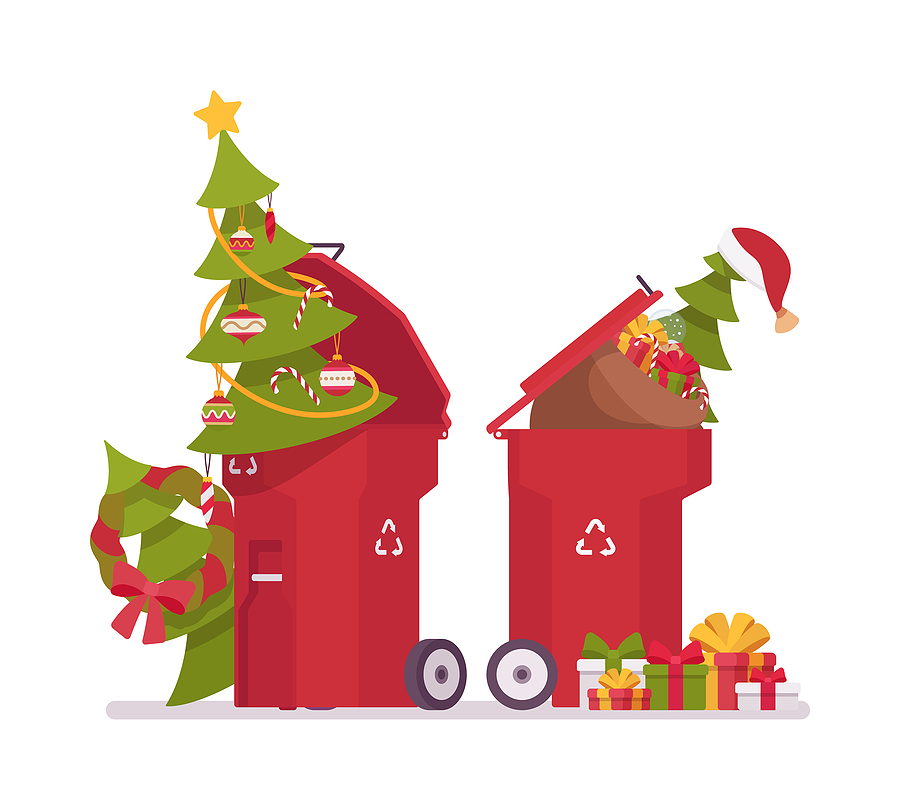
Don’t Dump That Tree: 5 Smart Ways to Upcycle Your Christmas Tree

The festive season has officially wrapped up. The presents are unwrapped, the leftovers are gone, and the ornaments are back in their boxes. Now, you’re left with a drying evergreen taking up space in your living room. While dragging it to the curb might seem like the easiest option, sending your Christmas tree to a landfill is a missed opportunity for the environment.

When organic waste like Christmas trees decomposes in a landfill, it produces methane—a potent greenhouse gas that contributes significantly to climate change. Instead of adding to this problem, you can give your tree a second life. Upcycling your Christmas tree is a sustainable choice that benefits your garden, local wildlife, and even community restoration projects.

Whether you’re an avid gardener or just looking for an eco-friendly disposal method, there are plenty of ways to put that timber to good use. Here is how you can transform your holiday centerpiece into a valuable resource for nature.
Call 317-783-2518 For Local Tree Service in Indianapolis
Upcycle Your Xmas Tree!

What to Do With Your Christmas Tree After the Holiday

1. Turn Your Tree Into Mulch

One of the most practical ways to repurpose a Christmas tree is by turning it into nutrient-rich mulch. Pine needles are excellent for your garden because they dry quickly and decompose slowly, making them a fantastic, mold-free ground cover.

How to mulch at home

If you have access to a wood chipper, you can process the tree yourself. The resulting wood chips can be spread around the base of trees and shrubs in your yard. This layer of organic matter helps retain soil moisture, suppress weeds, and regulate soil temperature during the colder months. As the wood chips break down, they release nutrients back into the soil, feeding your plants naturally.

Community recycling programs

Don’t have a chipper? No problem. Many municipalities offer treecycling programs where they collect trees and chip them into mulch for use in public parks and gardens. For residents in Indianapolis, the Department of Public Works typically offers drop-off locations at major parks (like Ellenberger, Garfield, and Riverside Parks) from late December through January.

Important: Before mulching or dropping off your tree, ensure you remove all tinsel, ornaments, lights, and the stand. These non-biodegradable items can contaminate the mulch and damage chipping equipment.

2. Create a Backyard Bird Feeder

If you have a backyard, your old Christmas tree can become a winter haven for local birds. During the harsh winter months, food and shelter are scarce for wildlife. By repurposing your tree, you provide a critical resource for chickadees, cardinals, and finches.

Setting up the habitat

Move your tree outdoors and secure it in a sturdy stand or anchor it to a fence post to prevent it from tipping over in the wind. This instantly creates a dense, protective structure where birds can hide from predators and take shelter from freezing winds.

Adding food sources

To make the tree even more inviting, decorate it with biodegradable, bird-friendly treats.

  • Popcorn and cranberry strings: Thread plain, air-popped popcorn and fresh cranberries onto a string and drape it over the branches.
  • Suet ornaments: Fill mesh bags or hollowed-out orange peels with suet (animal fat) or peanut butter mixed with birdseed.
  • Pinecone feeders: Coat pinecones in peanut butter and roll them in birdseed, then hang them from the branches with natural twine.

This “living” bird feeder not only supports local biodiversity but also provides wonderful bird-watching opportunities from the comfort of your home.

Learn More About Live Christmas Tree Care

3. Support Dune Restoration Projects (Coastal Residents)

In coastal areas, discarded Christmas trees play a surprising role in protecting shorelines. Beach erosion is a major environmental challenge, with storms and rising sea levels washing away sand dunes that serve as natural barriers against flooding.

How it works

Communities like Gulf Shores, Alabama, and Reid State Park in Maine have implemented programs where old Christmas trees are placed strategically along beaches. The trees act as sand traps; as wind blows sand across the beach, it gets caught in the branches. Over time, this accumulation builds up new dunes and reinforces existing ones. As the trees decompose, they add organic matter to the sand, helping dune grasses take root and further stabilize the shoreline.

If you live near a coast, check with your local parks department to see if a dune restoration program is active in your area. It’s a powerful way to contribute to coastline preservation.

4. Build an Underwater Fish Habitat

Just as trees provide shelter for birds on land, they can offer vital protection for fish underwater. When submerged in private ponds or lakes, old Christmas trees create complex reef-like structures.

The benefits for aquatic life

Small fish and invertebrates use the branches to hide from larger predators. This increases their survival rates and supports a healthy population of baitfish. In turn, these baitfish attract larger game fish, creating a thriving, balanced ecosystem. Over time, algae grow on the wood, providing food for aquatic insects and snails, which further supports the food web.

Safe implementation

Do not dump your tree into a public lake or river without permission. Unauthorized dumping is illegal and can create navigational hazards or disrupt existing ecosystems. However, many state departments of natural resources, such as the Department of Fish and Wildlife, run managed programs where they collect trees specifically for this purpose. If you own a private pond, you can sink the tree yourself by attaching it to a cinder block with robust wire to ensure it stays submerged.

5. Use Branches for Garden Insulation

If you don’t have the means to chip your whole tree, you can still use the branches to protect your garden beds.

Winter protection

Cut the boughs off the trunk and lay them over perennials, strawberries, or tender bulbs. This evergreen blanket acts as insulation, protecting sleeping plants from the freeze-thaw cycles that can heave roots out of the ground. In the spring, simply remove the branches—by then, the needles will likely have fallen off to become mulch, and the bare wood can be added to a compost pile or brush heap.

In Summary

The end of the holiday season doesn’t have to mean the end of your tree’s usefulness. By choosing to upcycle, you transform waste into a resource that nourishes the earth, supports wildlife, and protects our natural landscapes. Whether you choose to mulch, feed the birds, or support a local conservation project, your decision makes a tangible difference.

Next year, before you buy your tree, plan its afterlife. Knowing how you’ll repurpose it can make the tradition feel even more meaningful.

Looking for routine tree service or tree removal this winter? Complete Tree Care is here to help! Contact Us Today to schedule your service or to request a free, onsite estimate.

Call Now to Book Service

Related Post: Where to Recycle Your Christmas Tree in Indianapolis
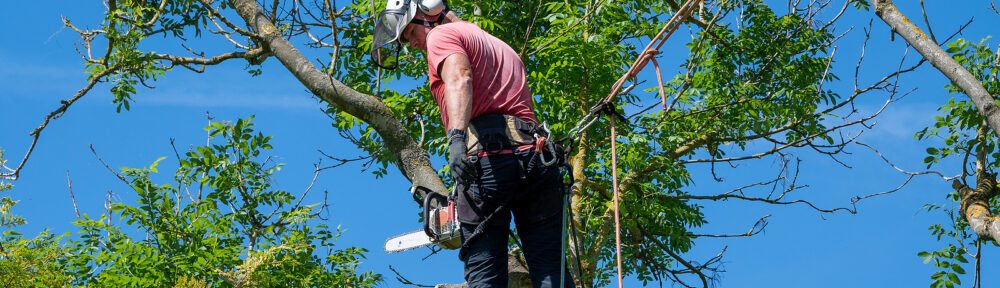
The Dangers of DIY: Why Large Tree Removal Requires a Pro

There is something undeniably majestic about a mature tree standing guard over a home. It provides shade in the summer, structural beauty in the winter, and a sense of permanence that new landscaping simply cannot replicate. However, trees are living organisms with a finite lifespan. Whether due to disease, storm damage, or simply encroaching on a foundation, there comes a time when even the most beautiful tree must come down.

When that time comes, the sheer size of the task can be deceptive. Standing on the ground looking up, it’s easy to underestimate the weight of heavy limbs or the complexity of bringing them down safely. The temptation to handle the removal yourself—perhaps to save money or tackle a weekend project—is understandable. You might have a chainsaw and a ladder, and on paper, the physics seem straightforward.

But tree removal, especially for large specimens, is rarely straightforward. It is a high-stakes operation that sits at the intersection of biology and physics. A tree that looks solid may be hollow inside; a limb that looks light can weigh hundreds of pounds. This guide explores why the removal of large trees is a task best left to professionals and the serious risks involved in attempting it as a DIY project.

Call 317-783-2518 for Large Tree Removal in Indianapolis

Why Professional Tree Removal is Crucial

When you hire a professional tree service, you aren’t just paying for muscle and machinery; you are paying for expertise. Specifically, you should look for companies that employ certified arborists. These individuals have studied the science of planting, caring for, and maintaining trees.

Understanding the biology of the tree is critical during removal. For instance, a certified arborist can assess the structural integrity of the trunk before anyone climbs it. They can identify signs of internal decay that might make the tree unstable and unsafe to scale. A novice looking at the bark might see a sturdy tree, while an expert sees a potential collapse waiting to happen.

Furthermore, professionals understand the physics of falling wood. They know how different wood species react to being cut—some wood is brittle and snaps suddenly, while other types are fibrous and hold on until the last second. Knowing how a specific tree will react to a chainsaw cut ensures that limbs fall exactly where they are intended to, rather than swinging back toward the climber or crashing onto a roof.

The Risks of Removing a Tree Yourself

The statistics regarding amateur tree work are sobering. The Centers for Disease Control and Prevention (CDC) consistently lists logging and tree work among the most dangerous professions in the country. When untrained homeowners attempt these tasks without the proper safety protocols, the risks skyrocket.

The Danger of Gravity and Height

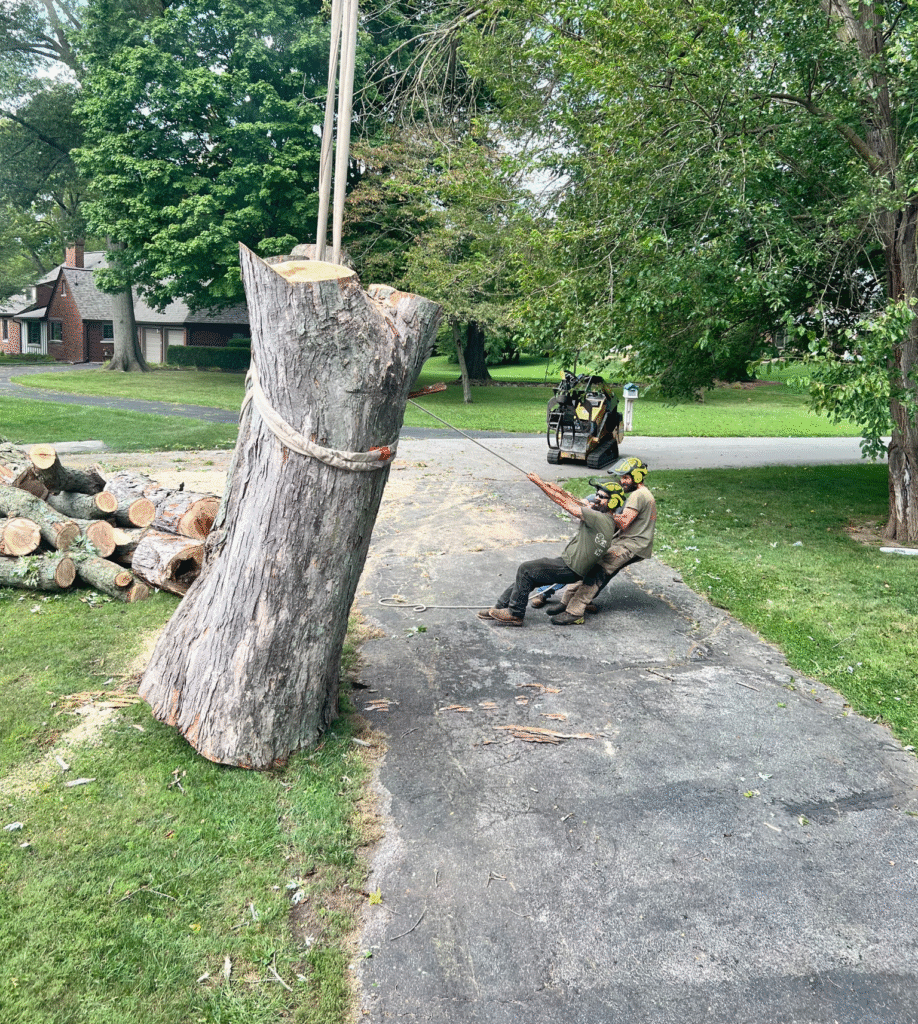
The most obvious risk is working at heights. Removing a large tree often requires ascending high into the canopy to remove limbs piece by piece. Homeowners often rely on ladders for this, which is a significant safety error. A ladder creates an unstable platform, especially when you are applying force to a chainsaw or when a falling branch shakes the tree trunk. Professionals use ropes, harnesses, and bucket trucks to secure themselves, ensuring that if they slip, they don’t fall.

Unpredictable Falling Zones

Directional felling—making a tree fall in a specific spot—is an art form. It requires precise cutting techniques, including the scarf cut and the back cut. If these cuts are off by even a fraction of an inch, or if the tree has a hidden lean or uneven weight distribution, the tree can fall sideways or backward. In a suburban environment, a miscalculation doesn’t just mean the tree lands on the lawn; it could land on your home, your car, or your neighbor’s property.

Chainsaw Kickback

Chainsaws are powerful, efficient tools, but they are also unforgiving. One of the most common causes of injury is “kickback,” which occurs when the moving chain at the tip of the guide bar touches an object, or when the wood closes in and pinches the saw chain in the cut. This can instantly throw the saw back toward the operator with immense force.

Professional tree fellers wear specialized protective chaps, helmets, and face shields to mitigate this risk, gear that most homeowners do not own.

Request a Free Quote for Large Tree Removal

Benefits of Professional Tree Removal

Beyond simply avoiding injury, there are practical and financial benefits to hiring a professional service. The efficiency and thoroughness of a professional crew can save you days of backbreaking labor and leave your property looking pristine.

Advanced Equipment and Rigging

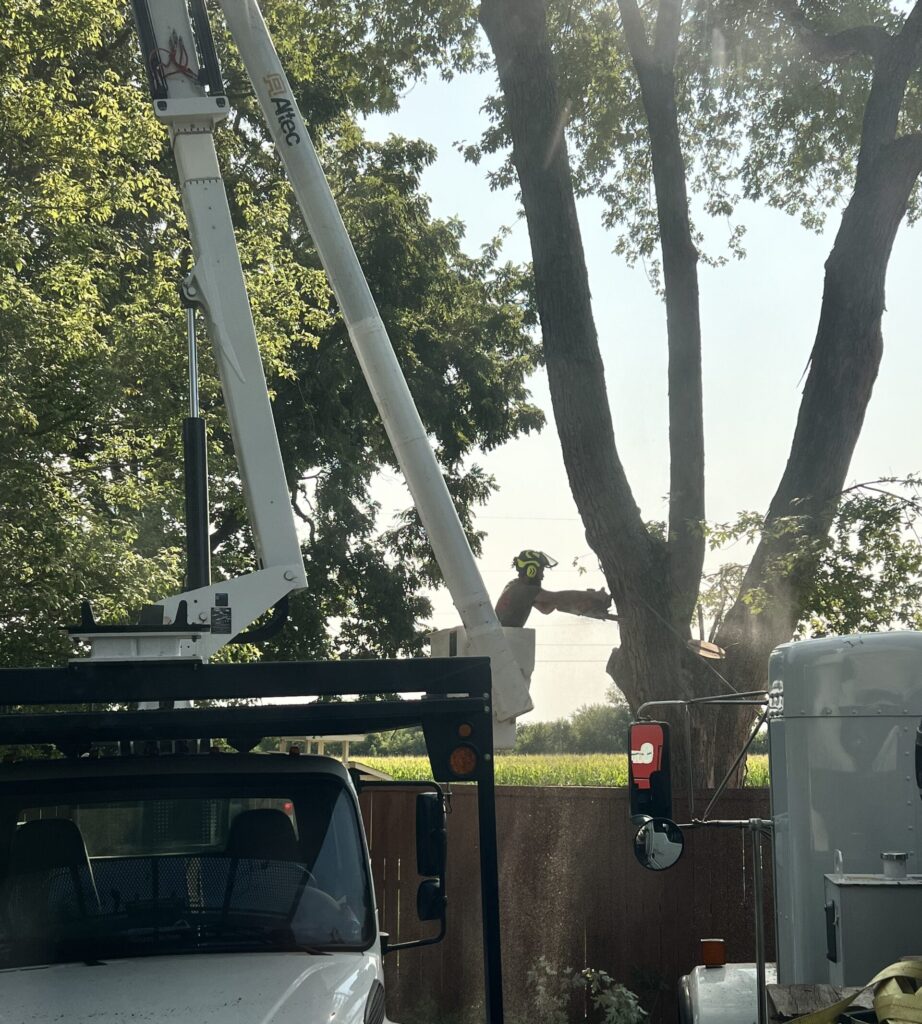
Large trees cannot simply be felled in one piece in a residential area. They must be dismantled. This process, known as rigging, involves securing ropes and pulleys to lower large sections of wood to the ground slowly and in control. This prevents heavy logs from creating craters in your lawn or smashing pavement. Professional tree services also utilize cranes for trees that are too dangerous to climb or are located in tight spaces where debris cannot be dropped.

Proper Waste Disposal

One aspect of tree removal that homeowners often overlook is the volume of debris. A single large oak tree can produce tons of wood and brush. Processing this material requires industrial wood chippers and heavy-duty trucks. If you cut down a tree yourself, you are left with a massive pile of debris that can be difficult and expensive to dispose of. Professional services handle the cleanup, hauling away the wood and raking the area clean, so you aren’t left with a mess.

Insurance and Liability Protection

Reputable tree care companies carry liability insurance and workers’ compensation insurance. This is a crucial safeguard for you as a homeowner. If a professional damages your roof during the job, their insurance covers the repairs. If a worker is injured on your property, their workers’ comp covers their medical bills. If you or a friend get hurt while doing it yourself, you could be facing significant medical costs and potential legal liability.

Factors That Affect Tree Removal Cost

Cost is often the primary driver for DIY attempts, but understanding what goes into a professional quote can help you see the value. Tree removal pricing is rarely a flat rate; it varies based on the specific challenges of the job.

Size and Location

Naturally, larger trees require more time, labor, and equipment to remove. However, location is equally important. A massive tree in the middle of an empty field is cheaper to remove than a medium-sized tree wedged between a house and a power line. Accessibility matters—if the crew can drive a bucket truck right up to the tree, it will be faster and less expensive than if they have to climb and carry all debris out by hand through a narrow gate.

Tree Condition and Complexity

A dead or rotting tree can actually be more expensive to remove than a healthy one because it is more dangerous. If a tree is unsafe to climb, the crew may need to bring in a crane, which increases the operational cost. Additionally, trees with multiple trunks or complex branching structures take longer to dismantle.

Stump Removal

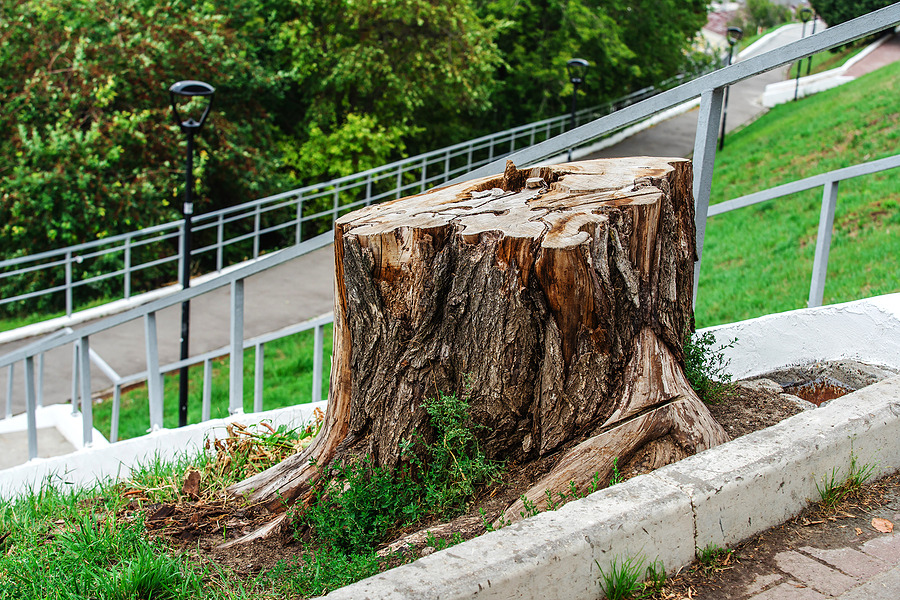
Standard tree removal usually includes cutting the tree down to a stump close to ground level. Stump grinding—using a machine to chew the stump down below the soil grade—is typically an add-on service. While it adds to the cost, it allows you to replant grass or landscaping over the area, removing the final trace of the tree.

Conclusion

The decision to remove a large tree is significant, but the method you choose to do it is even more critical. While the DIY route may seem like a way to save money, the potential costs in terms of safety, property damage, and liability far outweigh the savings. Professional arborists bring the training, equipment, and insurance necessary to handle these giants safely and efficiently. By hiring a pro, you protect your home, your family, and yourself from the unpredictable nature of tree work.

If you are dealing with a hazardous or unwanted tree, don’t wait for a storm to make the decision for you.

Need help with a difficult tree? Contact Us Today to schedule your free estimate for large tree removal service in Indianapolis and let our experts handle the heavy lifting.

Place Your Call Now

Related Post: When to Remove a Tree: Essential Signs Every Property Owner Should Know

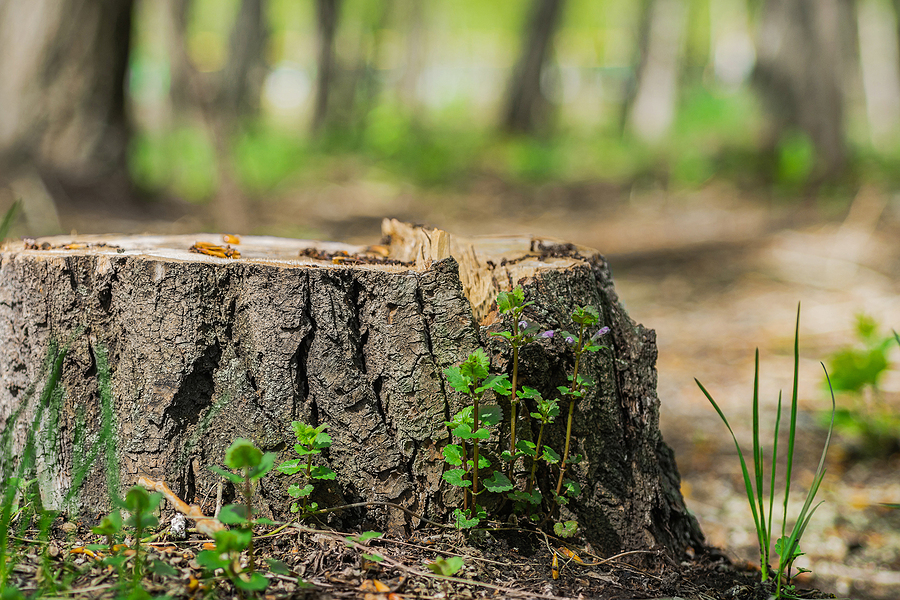
DIY Stump Removal Dangers: What You Need to Know

After a tree is cut down, you’re often left with an unsightly stump. It can be a frustrating obstacle in your yard, getting in the way of lawnmowers and disrupting the look of your landscape. The immediate thought for many homeowners is to handle the removal themselves. A quick search online might make it seem like a straightforward weekend project, promising a quick and inexpensive solution.

However, removing a tree stump is a task that carries significant risks. It’s more than just a physical challenge; it involves potential dangers to your safety, property, and finances. What seems like a simple DIY job can quickly become a complex and hazardous undertaking. This guide will walk you through the hidden dangers of DIY tree stump removal, helping you understand why sometimes, the best approach is to call in a professional.

Call 317-783-2518 for Affordable Tree Stump Removal Service in Indianapolis

Safety Hazards of DIY Tree Stump Removal

Attempting to remove a tree stump on your own can expose you to several serious safety risks. The tools required are powerful and can be dangerous if not handled with expertise, and the physical labor involved is more demanding than most people anticipate.

Physical Injuries

The most immediate danger comes from the equipment itself. Tools like chainsaws, axes, and stump grinders require proper training and experience to operate safely.

  • Chainsaw and Ax Accidents: These tools can easily cause severe cuts and lacerations if they slip or kick back. A moment of inattention is all it takes for a serious accident to occur.
  • Stump Grinder Incidents: Stump grinders are heavy, powerful machines that can be difficult to control. They can throw debris like rocks and wood chips at high speeds, posing a risk to you and anyone nearby. Improper handling can also lead to the machine tipping over or causing direct injury.
  • Back and Muscle Strain: The process of digging around a stump, chopping roots, and trying to pull it out of the ground involves intense physical exertion. This can lead to back strain, pulled muscles, and other musculoskeletal injuries, especially if you’re not accustomed to heavy manual labor.

Environmental and Chemical Risks

Some DIY methods suggest using chemicals to accelerate the stump’s decay. While this might seem like a less physically demanding option, it introduces its own set of risks.

  • Chemical Burns: Products containing potassium nitrate or other strong chemicals can cause severe skin and eye burns if handled improperly.
  • Environmental Contamination: These chemicals can seep into the soil and contaminate groundwater, harming nearby plants and potentially affecting local water sources. This can have a lasting negative impact on your yard’s ecosystem.
  • Fire Hazards: Another popular DIY method involves burning a stump. This is not only difficult to control but also poses a significant fire risk, especially during dry conditions. An uncontrolled stump fire can spread underground through the root system, smoldering for days before emerging elsewhere and threatening your home and property.

The Hidden Costs of Tools and Equipment

One of the main reasons people opt for DIY stump removal is to save money. However, the costs can quickly add up, often making it a less economical choice than initially believed.

To remove a stump effectively, you need specialized equipment. Renting a stump grinder, for instance, can be expensive. A daily rental fee might seem reasonable, but you also need to factor in transportation costs to get the heavy machine to and from your property. You may also need to purchase safety gear, such as steel-toed boots, safety glasses, and heavy-duty gloves.

If you choose a chemical stump removal method, the cost of the chemicals themselves, along with a powerful drill to create holes in the stump, can accumulate. When you compare these expenses to the flat fee of a professional service—which includes all necessary tools, labor, and expertise—the DIY route often proves to be surprisingly costly.

Schedule Professional Stump Grinding in Indianapolis

The Investment of Time and Labor

Removing a tree stump is not a quick task. It is a labor-intensive process that can consume an entire weekend, or even longer, depending on the size and type of the tree. The work involves much more than just attacking the visible part of the stump.

First, you must dig a trench around the stump to expose the main roots. Then, these thick, stubborn roots need to be cut with an ax, saw, or chainsaw, which is physically draining work. After severing the major roots, you still have the challenge of prying the heavy stump out of the ground. This entire process requires a significant amount of stamina and persistence. For many, the sheer amount of time and physical effort involved is far greater than they ever anticipated.

Potential for Property Damage

Your yard is a complex environment with more going on beneath the surface than you might realize. DIY stump removal can inadvertently cause significant and costly damage to your property.

  • Underground Utilities: Many properties have underground utility lines for gas, water, and electricity, as well as internet cables. Accidentally hitting one of these lines with a grinder or while digging can lead to dangerous leaks, service outages, and expensive repairs.
  • Irrigation Systems: If you have a sprinkler or irrigation system, the pipes are often buried just below the surface. It’s very easy to damage these lines during stump removal, leading to leaks and the need for extensive repairs.
  • Landscaping and Hardscaping: The force and vibration from a stump grinder, or the upheaval from trying to pull a stump out, can damage nearby patios, walkways, driveways, and garden beds. The surrounding lawn is also likely to be torn up in the process.

The Risk of Ineffective Removal

Even after all the effort, cost, and risk, there’s no guarantee your DIY attempt will be successful. A common issue is incomplete removal. If the main taproot and a significant portion of the root system are left behind, the tree can begin to regrow. Shoots and suckers may start to sprout from the remaining stump and roots, leaving you back where you started.

Furthermore, a partially removed stump can begin to rot, attracting pests like termites, ants, and beetles. These insects can then spread to other healthy trees in your yard or even find their way into your home. A professional tree service company ensures the entire stump and major root system are ground down completely, eliminating the possibility of regrowth and infestation.

Let the Professionals Handle It

Hiring a professional tree service for stump removal offers peace of mind and guarantees the job is done right. Professionals bring expertise, specialized equipment, and a commitment to safety that you simply can’t replicate with a DIY approach. They can efficiently and thoroughly remove the stump, handle all the cleanup, and do so without damaging your property.

If you have an unsightly stump in your yard, consider the real costs and dangers of removing it yourself. For safe, efficient, and complete tree and stump removal services in the Indianapolis area, Contact Our Team of experts today. We have the skills and equipment to restore the beauty and safety of your landscape.

Place Your Call Now

Related Post: Transforming Landscapes: Homeowner’s Handbook to Stump Removal

When to Remove a Tree: Essential Signs Every Property Owner Should Know

Trees enhance property value and provide environmental benefits, but knowing when to remove one can protect your family and investment. A compromised tree poses serious risks—from falling branches that damage roofs to root systems that undermine foundations. Understanding the warning signs helps you make informed decisions about tree removal before a minor concern becomes a major hazard.

Property owners face this dilemma more often than expected. A beautiful oak that’s provided shade for decades might harbor hidden decay, or a towering maple could develop structural issues that threaten nearby buildings. The key lies in recognizing these problems early and taking appropriate action.

Professional tree removal ensures safety while preserving the health of surrounding vegetation. The process requires expertise, proper equipment, and knowledge of local regulations. However, before contacting a tree removal company, you need to identify the warning signs that indicate removal is necessary.

Call 317-783-2518 If You Are Looking For Professional Tree Removal Service Near Indianapolis

Understanding Your Property’s Tree Removal Needs

Recognizing Signs of a Dead or Dying Tree

Dead and dying trees present immediate safety hazards and require prompt attention. Several clear indicators help identify trees in decline, though some signs are more obvious than others.

Visible Decay and Structural Compromise

Extensive bark loss often signals underlying problems. Healthy trees maintain intact bark that protects internal tissues from disease and pests. When large sections of bark fall away or appear damaged, the tree’s defense system has failed.

Fungi growth around the base or on the trunk indicates internal rot. Mushrooms, shelf fungi, or other growths suggest the tree is decomposing from within. This decay weakens structural integrity and makes the tree susceptible to failure.

Foliage Changes and Branch Conditions

Sparse or absent foliage during growing season signals distress. Healthy trees produce full canopies appropriate for their species and local conditions. Dead or dying trees may produce few leaves, display premature color changes, or fail to leaf out entirely.

Dead branches throughout the crown create falling hazards. While some dead wood is normal, extensive branch death indicates systemic problems. Large dead limbs pose immediate risks to people and property below.

Assessing Critical Structural Damage

Structural issues often develop gradually but can lead to sudden tree failure. Understanding these problems helps property owners recognize when professional intervention is necessary.

Trunk Problems and Cavities

Large cracks in the trunk compromise structural integrity. Vertical cracks that extend through significant portions of the trunk indicate the tree may split during storms or high winds. These fractures often develop from internal decay, lightning strikes, or mechanical damage.

Trunk cavities create weak points that reduce load-bearing capacity. Maple trees with significant trunk cavities pose falling hazards, especially during severe weather. Even small openings can indicate extensive internal decay that’s not visible from outside.

Root System Issues

Root damage or decay affects tree stability in ways that aren’t immediately apparent. Oak trees with extensive root rot can impact nearby structures as the compromised root system fails to anchor the tree properly. Surface roots that appear decayed or damaged suggest broader root system problems.

Dangerous Leaning

While some trees naturally grow at slight angles, significant leaning often indicates root or structural problems. Trees that suddenly develop a lean or increase their lean angle require immediate evaluation. This condition frequently precedes tree failure, especially during storms.

Identifying Disease and Pest Infestations

Tree diseases and pest problems can rapidly compromise tree health and create safety hazards. Early identification allows for intervention, but advanced cases often require removal.

Common Disease Indicators

Discolored or wilting leaves outside normal seasonal patterns suggest disease problems. Many tree diseases cause distinctive symptoms that trained professionals can identify. However, property owners should watch for unusual leaf patterns, premature leaf drop, or abnormal growth.

Cankers or lesions on bark indicate fungal or bacterial infections. These wounds provide entry points for secondary infections and weaken the tree’s structure. Large cankers can girdle branches or trunks, cutting off nutrient flow.

Specific Pest Problems

Ash trees suffering from Emerald Ash Borer infestation face almost certain death without treatment. This invasive pest has killed millions of ash trees across North America. Signs include D-shaped exit holes, serpentine galleries under the bark, and crown dieback.

Other pests create different damage patterns, but extensive infestation often requires tree removal. Bark beetles, borers, and other insects can weaken trees beyond recovery, creating hazardous conditions.

Contact Us for Indianapolis Tree Removal Service!

Location and Encroachment Risks

Sometimes healthy trees require removal due to their location or growth patterns. These situations involve balancing tree preservation with safety and property protection.

Proximity to Structures and Utilities

Trees located near power lines create fire risks and potential service interruptions. Utility companies often require removal of trees that grow too close to power lines, especially those that could contact lines during storms.

Large trees close to buildings pose risks from falling branches or complete tree failure. Even without structural problems, trees can cause damage through normal growth or storm-related failure.

Property and Garden Impact

Overgrown trees blocking sunlight to essential garden areas may require removal to maintain landscape health. While this situation doesn’t involve immediate safety concerns, it affects property use and value.

Trees with aggressive root systems can damage foundations, septic systems, or underground utilities. Some species are particularly problematic in these situations and may require removal despite good health.

Professional Evaluation and Large Tree Removal

Professional assessment provides accurate evaluation of tree conditions and removal needs. Certified arborists have training and experience to identify problems that property owners might miss.

When to Call Professionals

Consulting with a licensed tree care company ensures accurate assessment of tree health and safety risks. These professionals can distinguish between treatable conditions and situations requiring removal. They also understand local regulations and permit requirements.

Large tree removal requires professional expertise and specialized equipment. The complexity of safely removing mature trees, especially in confined spaces or near structures, makes DIY removal extremely dangerous and potentially costly.

Understanding Tree Removal Cost Factors

Several factors influence tree removal cost, helping property owners budget for necessary work:

  • Tree size and height significantly affect labor and equipment needs. Larger trees require more time, specialized equipment, and additional crew members, increasing overall costs.
  • Location and accessibility impact complexity and expense. Trees in tight spaces, near buildings, or with limited access require extra precautions and specialized techniques.
  • Tree species considerations affect pricing, especially for hazardous or diseased trees that require special handling or disposal methods.
  • Obstacles and complications such as power lines, structures, or underground utilities increase risk and expense through additional safety measures.
  • Additional tree services like stump removal, debris hauling, and permit acquisition add to total costs but provide complete solutions.

Frequently Asked Questions

How do I know if my tree is truly dead or just dormant?

Dead trees show no signs of new growth during appropriate seasons and often display extensive bark damage, fungi growth, or structural problems. Dormant trees retain healthy bark and branch structure while simply lacking foliage during inactive seasons. Consulting an arborist provides definitive assessment.

Can I remove a large tree myself, or do I always need a professional?

Large tree removal requires professional expertise due to safety risks and complexity. DIY removal attempts often result in property damage, personal injury, or incomplete removal. Professional tree removal companies have proper equipment, training, and insurance to handle these challenging projects safely.

What are the potential consequences of not removing a hazardous tree?

Failing to remove hazardous trees can result in property damage, personal injury, or liability issues. Storm damage, falling branches, or complete tree failure can cause expensive repairs and potential legal problems if neighboring properties are affected.

How much does tree removal typically cost, and what factors influence the price?

Tree removal costs vary widely based on size, location, species, and complexity. Factors including accessibility, obstacles, emergency situations, permit requirements, and additional services all influence pricing. Professional estimates provide accurate cost information for specific situations.

In Summary

Recognizing when tree removal is necessary protects both property and people from potential hazards. The warning signs discussed—from structural damage and disease to location risks—help property owners make informed decisions about their trees.

Remember that tree assessment requires expertise beyond what most property owners possess. While you can identify obvious problems, subtle signs of decay, disease, or structural compromise often need professional evaluation. Certified arborists provide the knowledge and experience necessary for accurate assessment.

Don’t wait for emergency situations to address tree problems. Proactive evaluation and timely removal prevent larger issues and reduce overall costs. Storm damage, falling trees, and property damage often result from delayed action on known problems.

Ready to ensure your property’s safety? Contact us today for professional tree removal services and expert evaluation of your trees’ health and safety risks.

Call Now to Get Started 📱

Related Post: Top Signs You Need Tree Removal Service ASAP

Top Signs You Need Tree Removal Service ASAP

Healthy trees can be a stunning addition to any property, providing shade, privacy, and aesthetic appeal. But what happens when a tree becomes a hazard? A dangerous tree isn’t just an eyesore; it can pose risks to safety, property, and even public structures. Knowing how to identify hazardous tree signs early can save you from costly damage and potential danger.

Below, we’ll walk you through the top signs that indicate it’s time to call a professional tree removal service in Indianapolis.

Call 317-783-2518 For Local Tree Removal Service in Indianapolis

Signs That Suggest You Need to Remove a Tree

1. A Dead or Dying Tree

One of the most obvious signs you need to remove a tree is when it’s dead or dying. Dead trees can deteriorate quickly, becoming brittle and prone to falling without warning.

How to Identify a Dead or Dying Tree:

  • Bare Branches Year-Round: Dead trees may shed all their leaves and fail to grow new ones, even during the growing season.
  • Bark Damage: Check for peeling bark or large sections of missing bark (called “canopy dieback”).
  • Mushrooms: Fungal growth at the base of the tree may indicate internal decay.
  • Branches Breaking Easily: A dead tree’s branches become fragile and snap off easily in light winds.

Leaving a dead tree untouched can lead to falling branches or even the entire tree collapsing. Calling in professionals trained in tree removal can prevent accidents and protect your property.

2. A Leaning Tree

While some trees grow at a slight angle, a tree that suddenly starts to lean poses a severe risk to your safety and should be assessed immediately.

Why a Leaning Tree is Hazardous:

  • Root Damage: Trees lean when their root systems become destabilized. This could be from soil erosion, flooding, or nearby construction.
  • Imbalance: A leaning tree becomes top-heavy, increasing the likelihood of falling.
  • Storm Risk: Strong, Midwest winds and storms can exacerbate the lean, sending the tree crashing onto homes, power lines, or vehicles.

Professional tree removal experts like Complete Tree Care in Indianapolis can assess whether the tree can be saved through bracing or if removal is the safer choice.

3. Root Damage

The roots are the foundation of any tree. When the roots are compromised, the entire tree becomes unstable, even if the trunk and branches appear healthy.

Signs of Root Damage:

  • Exposed Roots: Roots visible above ground, especially after heavy rain or soil erosion, can indicate damage.
  • Fungal Growth: Mushrooms or mold growing near the roots might signify decay.
  • Limited Growth: Damaged roots prevent the tree from absorbing water and nutrients, leading to stunted growth.

Root damage may not always be obvious, which is why regular tree health assessments by professionals are critical.

Request a Free Tree Removal Quote!

4. Disease or Infestation

Tree diseases and pest infestations can spread rapidly, causing long-term damage if not addressed. Diseased trees often weaken over time, making them a danger to your property and nearby healthy trees.

Common Diseases and Pests in Indianapolis:

  • Emerald Ash Borer: A notorious pest that has destroyed millions of trees in Indiana, burrowing into tree trunks and causing structural instability.
  • Dutch Elm Disease: A fungal infection that blocks water flow within the tree.
  • Cankers: Indented, discolored wounds on the trunk, often the result of fungal infections.

Signs such as wilting leaves, holes in the bark, or an unusual sticky residue indicate it’s time to call for a professional assessment.

5. Proximity to Buildings or Structures

Trees growing too close to your home or other structures can lead to costly damage, even if the tree itself is healthy.

Risks of Overgrowth Near Structures:

  • Roof Damage: Overhanging branches can fall during storms, causing harm to roofs, windows, or gutters.
  • Foundation Issues: Roots can crack concrete or disrupt plumbing lines.
  • Blocked Visibility: Tall trees growing near windows can block natural light, affecting your home’s energy efficiency.

If your tree has outgrown its space, it’s wise to discuss removal or trimming options with a professional.

Why Professional Tree Removal Services Matter

Attempting to remove a tree yourself is dangerous, even for smaller trees. Professional tree removal services eliminate risks by using advanced equipment, experienced crews, and compliant safety measures.

Key Benefits of Professional Tree Removal:

  • Safe removal of hazardous trees
  • Prevent damage to surrounding property
  • Proper disposal of branches, logs, and debris
  • Optional stump removal for a clean finish

Indiana property owners should also remember that they’re responsible for maintaining trees on their property and ensuring they don’t pose a risk to public safety. Additionally, permits may be required for some tree removals, depending on the location. Professional services can handle these permits for you, saving time and hassle.

What Influences Tree Removal Costs?

Several factors can impact the price of tree removal:

  • Size and Type of Tree: Larger and denser trees cost more to remove.
  • Location: Trees near buildings, power lines, or in hard-to-access areas require specialized equipment.
  • Condition: Diseased or dangerously weak trees may require additional safety measures.
  • Additional Services: Stump removal or grinding adds to the overall cost.
  • Permits: Some removals in Indianapolis may require city permits.

While costs vary, one thing is certain: delaying the removal of a hazardous tree can lead to much greater expenses in the long run.

FAQs About Tree Removal

How do I know if my tree is dead or dying? 

Look for signs such as peeling bark, bare branches during the growing season, or mushroom growth at the base. A professional tree health assessment can confirm the diagnosis.

What are the dangers of a leaning tree? 

Leaning trees put extra strain on their roots and are at higher risk of falling during storms or strong winds, especially in Indianapolis’ unpredictable weather.

Do I need a permit to remove a tree in Indianapolis? 

Some tree removals may require a permit, particularly if the tree is near public spaces. Professional services can handle this for you.

How much does tree removal cost in Indianapolis? 

Costs vary depending on the tree’s size, location, and condition. Stump removal or grinding will add to the total cost.

Can I remove a tree myself, or do I need a professional? 

Tree removal is dangerous without proper equipment and training. It’s safer and more efficient to hire experts.

What should I do if a tree falls on my property during a storm? 

Contact a professional tree removal service immediately to safely assess and handle the situation.

How to Get Started

Recognizing hazardous tree signs early is vital for keeping your property safe and beautiful. Whether you’re dealing with a dead tree, leaning tree, or signs of disease, a professional tree removal service can make the process efficient and worry-free.

Need help assessing your trees? Request a free tree removal quote from Complete Tree Care today. Our Indianapolis-based experts can guide you through the tree removal process and offer tailored solutions for your property.

Contact Us Now

Related Post: Tree Removal Insurance Claims: Your Indianapolis Guide

Tree Removal Insurance Claims: Your Indianapolis Guide

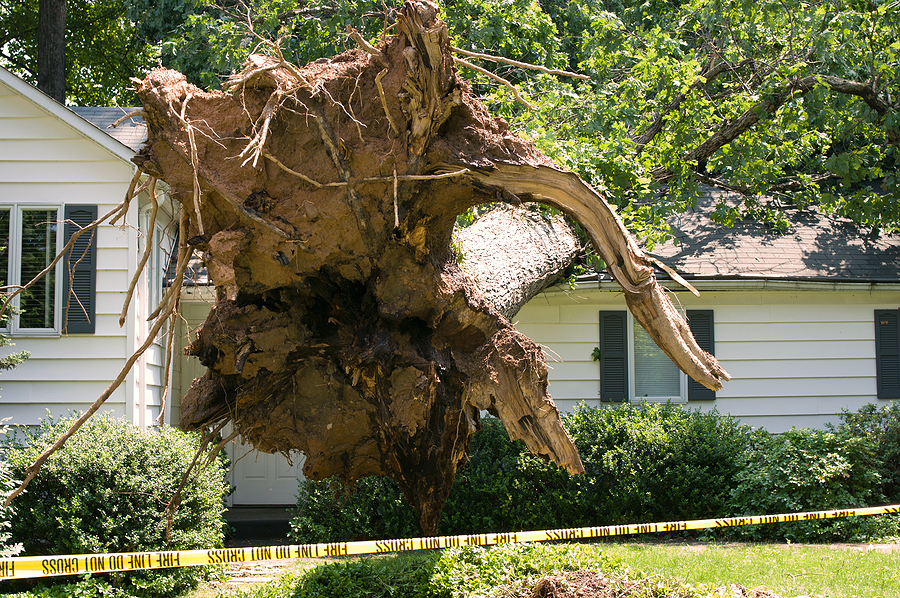
When a towering oak crashes onto your driveway or a storm-damaged maple threatens your home’s foundation, the immediate concern goes beyond cleanup—it’s understanding what your homeowners’ insurance will and won’t cover. Tree removal insurance claims can be complex, especially when you’re dealing with the aftermath of property damage and navigating policy details you may have never needed to understand before.

For Indianapolis homeowners, tree-related incidents are particularly common due to the city’s mature canopy and seasonal weather patterns. Whether you’re in the tree-lined streets of Meridian-Kessler or dealing with storm damage near the White River, knowing how your homeowners’ insurance coverage applies to tree removal can save you thousands of dollars and prevent costly mistakes.

This comprehensive guide will walk you through everything you need to know about filing insurance claims for tree removal, understanding your policy’s limitations, and navigating the specific regulations that apply to Indianapolis residents.

Call 317-783-2518 for Professional Storm Damage Tree Removal in Indianapolis
Call 317-783-2518 for Emergency Storm Damage Tree Removal in Indianapolis

Understanding Your Homeowners’ Insurance Coverage

Homeowners’ insurance policies approach tree removal coverage with specific conditions that many property owners don’t fully understand until they need to file a claim. The key distinction lies in whether the fallen tree caused damage to a covered structure like your home, garage, or fence.

Most standard policies will cover tree removal costs when the tree damages an insured structure. However, if a tree falls in your yard without hitting anything, coverage becomes much more limited. Many insurers provide minimal coverage—often between $500 to $1,000—for debris removal in these situations.

Coverage varies significantly based on several policy factors:

Tree health plays a crucial role in coverage decisions. Insurance companies typically cover healthy trees that fall due to covered perils like wind, lightning, or fire. However, diseased, decaying, or obviously unstable trees may not qualify for coverage, as insurers expect homeowners to maintain their property and address known hazards.

Policy limits create another important consideration. Even when coverage applies, most policies cap tree removal expenses at specific amounts, regardless of actual costs. These limits can range from $1,000 to $5,000 per tree, with annual maximums that may affect multiple claims.

Deductibles also impact your out-of-pocket expenses. You must meet your policy deductible before insurance coverage begins, which could make smaller tree removal claims financially impractical to pursue.

When Insurance Typically Covers Tree Removal

Understanding the specific scenarios where homeowners’ insurance covers tree removal helps you set realistic expectations and avoid claim denials. Coverage generally applies in these situations:

Storm Damage and Weather Events

When severe weather causes healthy trees to fall and damage your home, garage, or other covered structures, insurance typically provides comprehensive coverage. This includes removal costs, structure repairs, and debris cleanup. Indianapolis experiences significant storm activity, particularly during spring and summer months, making storm damage tree removal the most common covered scenario.

Fire Damage

Trees damaged or destroyed by fire, especially when the fire spreads to or threatens your home, usually qualify for coverage. This includes both removal of burned trees and replacement of damaged landscaping in some policies.

Lightning Strikes

Direct lightning strikes that cause trees to fall or become hazardous typically receive full coverage, including removal and any resulting property damage.

Filing Your Tree Removal Insurance Claim

Successfully filing an insurance claim for tree damage requires careful documentation and following specific procedures. Here’s how to navigate the process effectively:

Assess and Document the Damage

Begin by thoroughly photographing the fallen tree from multiple angles, showing its relationship to any damaged structures. Take wide shots that capture the entire scene and close-ups that detail specific damage to your home, vehicles, or other covered property. Video documentation can provide additional context that photos might miss.

Contact Your Insurance Company

Report the incident as soon as safely possible. Most insurers have 24-hour claim reporting hotlines, and prompt notification helps establish your claim’s timeline. Provide basic details about when the tree fell, what caused it to fall, and what damage occurred.

Review Your Policy Terms

Before proceeding, carefully review your policy’s tree removal coverage, including limits, deductibles, and exclusions. Understanding these details helps you prepare realistic expectations and gather appropriate documentation.

Obtain Professional Estimates

Get detailed written estimates from multiple reputable tree removal companies. In Indianapolis, companies like Complete Tree Care can provide comprehensive assessments that include removal costs, debris hauling, and any necessary equipment rentals. These estimates should clearly separate tree removal costs from structure repair expenses.

Submit Complete Documentation

File your claim with all supporting materials, including photos, videos, professional estimates, and a detailed incident description. Include information about weather conditions if applicable, and be prepared to provide additional documentation as requested.

Work with the Insurance Adjuster

Your insurance company will assign an adjuster to evaluate your claim. Cooperate fully with their investigation, provide access to the property, and be prepared to answer detailed questions about the incident and your property’s condition before the damage occurred.

Book Professional Tree Removal Service Today 🌳

Common Reasons for Claim Denials

Tree removal insurance claims face denial for several predictable reasons. Understanding these factors helps you avoid common pitfalls and strengthen your claim.

Insufficient Property Damage

The most frequent denial reason occurs when fallen trees don’t damage covered structures. If a tree falls entirely within your yard without hitting your home, garage, fence, or other insured property, coverage becomes extremely limited.

Pre-existing Tree Conditions

Insurance companies thoroughly investigate tree health before approving claims. Evidence of tree disease, decay, or structural instability that existed before the incident often leads to denial. Regular tree maintenance and professional inspections can help prevent these situations.

Policy Exclusions

Specific policy exclusions may eliminate coverage for certain types of damage. Some policies exclude coverage for trees that fall due to their own weight, while others may not cover removal costs that exceed specific dollar amounts.

Maintenance Negligence

Claims may be denied if evidence suggests the homeowner knew about hazardous tree conditions but failed to address them. This emphasizes the importance of regular property maintenance and prompt attention to obviously dangerous trees.

Cost Factors for Tree Removal in Indianapolis

Several factors influence tree removal costs in Indianapolis, affecting both your out-of-pocket expenses and insurance claim amounts.

Tree size and species significantly impact removal costs. Large oak or maple trees common in Indianapolis neighborhoods require specialized equipment and more labor than smaller trees. Emergency removal services, often necessary after storm damage, typically cost 50-100% more than standard removal.

Location accessibility affects pricing substantially. Trees near power lines, close to structures, or in areas with limited equipment access increase complexity and costs. Indianapolis’ urban density often creates these challenging removal situations.

Equipment requirements vary based on tree condition and location. Crane services, stump grinding, and debris hauling each add to total costs. Emergency situations may require multiple specialized services simultaneously.

Frequently Asked Questions

Does insurance cover tree removal if the tree doesn’t hit anything?

Most policies provide limited coverage ($500-$1,000) for tree debris removal even when no structures are damaged, but this varies significantly between insurers and policy types.

What if my neighbor’s tree falls on my property?

Generally, your insurance covers damage to your property regardless of where the tree originated, unless negligence can be proven against the neighbor.

How long does claim processing typically take?

Most tree removal claims are processed within 7-14 days for straightforward cases, though complex situations involving significant damage may take several weeks.

Can I choose any tree removal company?

Most insurers allow you to select your preferred contractor, but they may have preferred provider networks that could affect your claim settlement.

What documentation do I need for my claim?

Essential documentation includes photos, professional removal estimates, weather reports if applicable, and detailed incident descriptions.

Taking Action After Tree Damage

Understanding your homeowners’ insurance coverage for tree removal protects you from unexpected expenses and ensures you receive appropriate compensation when covered incidents occur. Regular policy reviews, proper property maintenance, and prompt claim filing create the foundation for successful insurance claims.

If you’re currently dealing with tree damage or want to prepare for potential future incidents, start by reviewing your policy’s tree removal coverage limits and exclusions. Consider whether your current coverage adequately protects your property’s value and your financial situation.

For immediate tree removal needs or to understand your coverage options better, getting professional assessments helps you make informed decisions. Ready to get a free tree removal quote? Contact Complete Tree Care to schedule a free, detailed estimate that supports your insurance claim while ensuring safe, compliant service.

Schedule a Free Assessment

Related Post: Understanding Insurance Coverage for Property Damage Caused by Fallen Trees and Limbs

Why You Should Consider Removing Callery Pear Trees

Callery pear trees, once celebrated for their rapid growth and beautiful spring blossoms, have become a growing concern for homeowners, gardeners, and environmentalists alike. While they may appear attractive in urban and suburban landscapes, these trees pose significant drawbacks that can negatively impact the environment and local ecosystems. Understanding the issues surrounding Callery pear trees is crucial for making informed decisions about their place in your yard or community.

Keep reading to learn why it might be time to replace these ornamental trees with more sustainable and beneficial alternatives –and how you can make $400 or get a free tree/shrub replacement for removing a Callery pear tree on your property in Hamilton County, Indiana!

Call 317-783-2518 For Callery Pear Tree Removal in Hamilton County Indiana

Factors That Might Inspire You to Remove a Callery Pear Tree

1. Invasive and Harmful to Native Ecosystems

  • Callery Pears aggressively outcompete native trees and plants, disrupting local ecosystems and reducing biodiversity.
  • They spread rapidly through seed dispersal by birds, making it difficult to control their growth.

2. Weak Branch Structure = Safety Hazard

  • Known for their brittle, weak wood, Callery Pears are highly prone to splitting and breaking, especially in storms.
  • This can lead to property damage, injury, or even power outages during severe weather events.

3. Short Lifespan & High Maintenance

  • Callery Pears have a relatively short life expectancy of just 15-25 years.
  • They require frequent pruning, cleanup, and general maintenance to stay healthy and safe.

4. Unpleasant Odor When Blooming

  • While the white blossoms of the Callery Pear may seem attractive, they emit a foul, rotting odor in the spring, which many people find off-putting.

5. Poor Wildlife Value

  • Unlike native trees, Callery Pears provide little to no food or shelter for local wildlife, making them a poor choice for supporting biodiversity.

6. Bans in Some Areas

  • Due to their invasive nature, Callery Pears are banned in multiple states, including Ohio and South Carolina. This highlights the growing concern about their negative impact.

7. Encouraged Replacement with Native Species

  • Many local programs offer free or discounted native trees as a sustainable replacement for Callery Pears, supporting both your landscape and the environment.

Ready to Remove Your Callery Pear Tree?

At Complete Tree Care, we specialize in safe, efficient Callery Pear tree removal services in Indianapolis. Don’t let this invasive species threaten your property and local ecosystem. Contact us today for a free consultation, and let us help you restore your landscape with native trees!

Call now at 317-783-2518 or Request a Free Estimate online to get started.

Hamilton County Invasive Species Trade-In Program

Did you know that by removing invasive species like Callery Pear trees from your property, you can help support local Hamilton County ecosystems and get a free native tree or shrub in return?

Through the Invasive Species Trade-In Program offered by the Hamilton County Invasives Partnership and the Hamilton County Soil and Water Conservation District (SWCD), property owners in Hamilton County, Indiana can receive at least one free native tree or shrub specimen by showing proof of removal of an invasive species on their property. This initiative encourages homeowners and landowners to remove harmful species like the Callery Pear and replace them with native plants that benefit the local environment.

How It Works:

  1. Remove Invasive Species: Start by removing an invasive species like Callery Pear from your property. This can include trees, shrubs, or other invasive plants that threaten the health of the local ecosystem.
  2. Provide Proof of Removal: Once the invasive species has been removed, you’ll need to show proof of removal. This can be done through photos or a receipt from a licensed tree care company like Complete Tree Care.
  3. Submit the Trade-In Application Form: Fill out and submit the trade-in application with all required documentation by the September 1st, 2025 deadline.
  4. Claim Your Free Native Tree: Once your removal is verified, you’re eligible to receive at least one free native tree or shrub specimen of your choice during the SWCD Fall Native Tree Sale.

Why Participate?

  • Support Biodiversity: By replacing invasive species with native trees and shrubs, you’re helping restore the local habitat, which supports a wide range of beneficial wildlife.
  • Get a Free Native Tree: The SWCD’s Fall Native Tree Sale offers a great selection of trees and shrubs suited to our local climate. It’s a win-win—you contribute to conservation while beautifying your property with sustainable, native plants.
  • Help the Environment: Every invasive species removed helps reduce the spread of these harmful plants and strengthens the health of our natural landscapes.

$400 Callery Pear Tree Removal Grant

Potentially Save $400 on Callery Pear Tree Removal in Hamilton County, Indiana

If you live in Hamilton County, Indiana, you may be eligible for a $400 rebate on the removal of invasive Callery Pear trees through the Callery Pear Removal Program, offered by the Hamilton County Soil and Water Conservation District.

⚠️ Please note: Current funding has been fully distributed. However, you can join the waitlist to be notified when additional funds become available.

How the Program Works:

  1. Get Notified – Sign up to receive updates once the program reopens.
  2. Review Requirements – Carefully read the program policy guidelines (PDF) and application instructions.
  3. Get a Quote – Contact a local contractor of your choice for a written quote specifically for Callery Pear tree removal. Any additional work must be quoted separately.
  4. Submit Application – Complete the online cost-share application, which includes:
  5. Photos of each Callery Pear tree
  6. Tree circumference measurements
  7. The contractor’s quote
  1. Wait for Approval – Applications are reviewed on a rolling basis. Expect a response within three weeks.
  2. Complete the Removal – Once approved, you have 60 days to complete the work and submit:
  3. Before and after photos
  4. A copy of the contractor’s invoice marked “paid in full”

💡 Important: You must receive approval before any tree removal begins.

Ready to Remove Your Invasive Species and Claim Your Free Native Tree or Grant?

Complete Tree Care is proud to support this important initiative. Our experienced team can safely and efficiently remove invasive species from your property, ensuring you meet the requirements for the Invasive Species Trade-In Program.

Get in touch with us today to schedule your Callery pear tree removal and take the first step toward a greener, more sustainable landscape. Plus, we can help you navigate the process to claim your free native tree!

Call Complete Tree Care at 317-783-2518 or request a free quote online. Together, we can help protect and preserve Hamilton County’s natural beauty!

Related Post: Why You Should Not Plant Prunus Trees if You Live Near a Farm

Battling Bark and Beyond: Emerald Ash Borer Problems in Indiana

The trees of Indiana are under threat, and it’s not from storms or drought. This silent predator, the Emerald Ash Borer (EAB), is wreaking havoc on ash trees—one of Indiana’s significant native tree species. For homeowners, tree enthusiasts, and Indiana residents, understanding and combating this invasive pest is crucial to preserving our landscapes and the ecosystems they support.

This guide covers everything you need to know about the Emerald Ash Borer, from identifying infestations to implementing solutions. By the end of this blog, you’ll have actionable steps to help protect Indiana’s ash trees and contribute to the fight against one of the nation’s most destructive tree pests.

Call 317-783-2518 For Professional Ash Tree Removal in Indianapolis Indiana

Understanding the Threat – What Is the Emerald Ash Borer?

The Emerald Ash Borer (EAB) is a small, metallic green beetle native to Asia. While it might look harmless, this insect is anything but. It first appeared in the United States in the early 2000s, likely hitchhiking in wooden packing materials for shipping. By the time it was detected in Indiana, it had already begun its devastating march across the Midwest.

But why is this beetle such a threat? Female EAB beetles lay their eggs on the bark of ash trees. Once hatched, the larvae bore into the tree and feed on the inner bark, disrupting the tree’s ability to transport water and nutrients. This activity essentially starves the tree, leading to its rapid decline and eventual death.

The result? Over 30 million ash trees have already succumbed to EAB infestations across North America—and Indiana’s ash trees remain at severe risk.

Signs of EAB Infestation – Is Your Tree Affected?

Recognizing the signs of an Emerald Ash Borer infestation early can make all the difference in saving a tree. Here’s what to look for:

  • D-Shaped Exit Holes – Emerald Ash Borer adults emerge from the tree, leaving small, distinct D-shaped exit holes in the bark. These are often one of the first indicators of an infestation.
  • Canopy Dieback – Infested ash trees often exhibit thinning or dying branches at the top of the canopy. This dieback tends to worsen year after year.
  • Splitting Bark – EAB larval activity under the bark can cause the bark to split. This may expose galleries, or winding tunnels, left by the larvae.
  • Increased Woodpecker Activity – Woodpeckers often feed on EAB larvae, so an unusual increase in woodpecker activity around an ash tree may indicate an infestation.
  • Suckering Shoots – Infested trees may grow new shoots, or “suckers,” at their base, as the tree attempts to compensate for the damage.

If you notice these symptoms in your yard or community, it’s vital to act quickly and determine whether Emerald Ash Borers are the culprits.

Why It Matters – The Consequences of Ignoring EAB

Failing to address the Emerald Ash Borer problem doesn’t just threaten individual ash trees—it has far-reaching environmental and economic consequences.

Environmental Impact

Ash trees are vital components of Indiana’s ecosystems. They provide shade, stabilize the soil, and offer habitats for animals and insects. The loss of ash trees can lead to:

  • Increased soil erosion
  • Reduced biodiversity
  • Disrupted ecosystems that depend on ash trees

Economic Impact

For homeowners, the death of large ash trees near a property can lead to serious removal fees, often ranging from $500 to $3,000 per tree. Municipal efforts to manage EAB, meanwhile, strain local budgets. Indiana communities have spent millions to manage this pest, and these costs will only rise if the problem isn’t addressed collaboratively.

Solutions and Prevention – Protecting Ash Trees in Indiana

While the Emerald Ash Borer poses a significant threat, there are effective ways to combat it. Here’s how you can protect your ash trees and minimize the spread of this invasive species:

Inspect Regularly

Periodic inspection of ash trees in your yard or community can help detect signs of infestation early, giving you a better chance at saving them.

Treat with EAB Solutions

There are numerous treatment options available, including:

  • Systemic insecticides: Products like imidacloprid and emamectin benzoate can be injected into the tree to kill EAB larvae and adults. These treatments are most effective when applied early.
  • Professional EAB treatment services: Seek the help of certified arborists or tree care experts to assess and treat affected trees.

Remove and Replace

If a tree is beyond saving, safely remove and replace it. Replacing infested ash trees with native, pest-resistant species can help restore biodiversity and reduce the impact of EAB.

Practice Responsible Firewood Use

EAB can spread to new locations via infested firewood. Always buy firewood locally and avoid transporting it across state lines to prevent unintentional spread.

Monitor Government Resources

Stay informed about Indiana’s tree pest management initiatives. Many communities offer resources, grants, or assistance programs to tackle Emerald Ash Borer infestations.

Community Effort – Battling EAB Together

Combatting the Emerald Ash Borer isn’t a battle for individuals—it’s a community effort. Here’s how Indiana residents can come together to protect their trees:

  • Attend Workshops: Many local organizations host information sessions or workshops on EAB mitigation strategies and tree care.
  • Join Local Tree Care Groups: Volunteer with conservation and reforestation groups to assist in tree replacement efforts and education initiatives.
  • Report Infestations: If you notice symptoms of EAB in your area, report it to the Indiana Department of Natural Resources. Early reporting can help slow the spread.

Together, we can reduce the impact of this invasive pest and protect Indiana’s natural heritage for generations to come.

Wrapping Up

The emerald sheen of the Emerald Ash Borer hides its devastating impact. But with proactive steps and community action, Indiana residents can make a considerable difference. Whether you’re inspecting your yard, treating infested trees, or joining local conservation efforts, every action counts in the battle against EAB.

Don’t wait for signs of damage—act now to safeguard Indiana’s ash trees and help preserve the beauty of the Hoosier State.

Do you have a dead or dying tree that has been affected by tree beetles or another pest? Contact Complete Tree Care at 317-783-2518 for licensed and insured tree removal in Indianapolis, Indiana. We serve both residential and commercial clients all throughout Central Indiana.

Related Posts:

Defending Our Ash Trees: A Homeowner’s Guide to Emerald Ash Borer Management
Learn How to Identify Ash Trees
Common Winter Tree Pests in Indiana

Is Your Tree Sick? How to Spot the Signs and Save Your Greenery

Trees are among nature’s most magnificent creations. They provide shade, improve air quality, and enhance the beauty of any landscape. However, like all living things, trees can become sick. Recognizing the signs of a sick tree early can be crucial in saving it and preserving the environment around you. This guide is tailored for homeowners, gardeners, and environmental enthusiasts who want to maintain the health of their trees and ensure their longevity.

Call 317-783-2518 For Professional Tree Care Services

The Importance of Trees in Our Environment

Trees play a vital role in maintaining ecological balance. They absorb carbon dioxide and release oxygen, providing the air we breathe. They offer habitats for countless species, including birds, insects, and mammals. Furthermore, trees contribute to soil health, prevent erosion, and enhance water quality by filtering rainwater. For homeowners and gardeners, trees add significant aesthetic value and can increase property value.

However, when a tree becomes sick, it can quickly turn from an asset into a liability. A sick or dying tree may lose its structural integrity, posing a risk to property and safety. Additionally, it can become a breeding ground for pests that might spread to other plants. Thus, understanding and identifying the signs of a sick tree is essential for both environmental and personal safety.

Understanding the Signs of a Sick Tree

Changes in Leaves: Color, Size, and Texture

One of the first indicators of a tree’s health is its leaves. Healthy leaves are typically vibrant in color and consistent in size and texture. If you notice any discoloration, such as yellowing or browning, it could be a sign of nutrient deficiency or disease. Leaves that are smaller than usual or have a different texture, such as becoming brittle or curling, are also red flags.

Leaf loss outside of the typical seasonal patterns can indicate underlying health issues. If your tree is shedding leaves prematurely, it’s time to investigate further. Consistent monitoring of leaf condition can provide valuable insights into the tree’s overall health.

Bark Abnormalities: Cracks, Peeling, or Discoloration

The bark serves as the protective layer for a tree, much like skin for humans. Healthy tree bark is firm and intact. Cracks, peeling, or discoloration could indicate a sick tree. Cracks might develop due to rapid temperature changes or underlying diseases, while peeling bark can be a natural process for some species but a concerning symptom for others.

Discoloration often points to fungal infections or pest infestations. Regularly checking your tree’s bark can help identify these issues early, potentially saving your tree from further damage.

Growth Patterns: Stunted Growth or Unusual Branches

Trees have a natural growth rhythm. Any deviations, such as stunted growth or unusual branching patterns, might indicate health problems. A tree that is not growing in height or girth as expected could be suffering from root problems, lack of nutrients, or disease.

Unusual branches, including those that grow at odd angles or appear weak, may suggest internal decay or pest issues. Observing and comparing your tree’s growth with others of the same species can offer clues about its health status.

Fungal Growth: Mushrooms or Fungi on the Trunk or Soil

Fungi can be both a sign and a cause of tree sickness. While mushrooms at the base of a tree or on the trunk can indicate decaying wood, certain fungi are beneficial and part of a tree’s ecosystem. However, if you notice an abundance of mushrooms or unfamiliar fungal growths, it might be a sign of rot or disease.

These fungi often feed on decaying organic matter, suggesting that the tree might already be weakened. Early detection and proper identification are key to addressing these issues effectively.

Pests and Diseases: Visible Insects, Webs, or Holes

Pests can wreak havoc on trees, leading to irreversible damage if not controlled. Look for visible insects, webs, or holes in the bark and leaves. Common tree pests include beetles, aphids, and caterpillars, each leaving distinct signs of their presence.

Diseases often accompany pest infestations, further complicating tree health. Observing and managing these issues promptly can prevent them from spreading to other plants.

The Consequences of Ignoring Sick Trees

Ignoring the signs of a sick tree can have severe consequences. Structurally compromised trees pose a significant risk to property and people. Falling branches or even entire trees can cause damage and injury. Additionally, sick trees can spread diseases and pests to healthy ones, leading to widespread landscape damage.

From an environmental perspective, losing a tree means losing vital ecological benefits, such as air purification and wildlife habitat. Addressing tree health issues promptly can prevent these negative outcomes and maintain the balance of your local ecosystem.

Tree Care Tips to Prevent Tree Problems

Proper Watering and Soil Management

Adequate watering is fundamental to tree health. Both overwatering and underwatering can stress a tree, making it more susceptible to disease. Understanding the specific water needs of your tree species and adjusting according to local climate conditions is crucial.

Healthy soil is equally important. Regularly testing soil for nutrient levels and pH can help maintain optimal conditions for tree growth. Adding organic matter, such as compost, can improve soil structure and fertility.

Regular Pruning and Inspection

Pruning helps maintain tree shape, remove dead or diseased branches, and promote healthy growth. Regular inspection allows for early detection of potential issues. It’s essential to prune correctly to avoid causing harm. Hiring a professional arborist is advisable for large or mature trees.

Inspection involves checking for the signs discussed earlier and noting any changes over time. Keeping detailed records can assist in identifying patterns and making informed decisions about tree care.

Identifying and Treating Tree Diseases

Early identification of diseases is key to effective treatment. Familiarize yourself with common tree diseases and their symptoms. Employ targeted treatments, such as fungicides or insecticides, when necessary.

Consulting with a tree care professional can provide access to specialized knowledge and resources. They can offer guidance on safe and effective treatments tailored to your specific situation.

Key Takeaways

Recognizing and addressing the signs of a sick tree is vital for maintaining the health and beauty of your environment. By being proactive in tree care, you can prevent many of the issues that lead to tree sickness. Healthy trees contribute significantly to ecological balance and property aesthetics.

Remember, early detection and intervention are crucial. If you’re unsure about the health of your trees or need assistance, consider consulting a professional tree service. Taking these steps will ensure your trees continue to thrive and provide benefits for years to come.

For those passionate about preserving their greenery, exploring further resources and expert advice can enrich your understanding and approach to tree care. Together, let’s foster a healthier environment, one tree at a time.

Are you looking for trusted, professional tree support installation near you? Contact Complete Tree Care at 317-783-2518 for licensed and insured tree services in Indianapolis, Indiana. We serve residential and commercial clients with comprehensive tree care solutions.

Related Posts:

Reviving Your Yard: A Guide to Saving Unhealthy Trees
How to Identify Tree Hazards Before They Become a Problem
10 Ways to Protect Your Trees from Bark Problems

Creating Childhood Memories: A Guide to Healthy Trees and Safe Playtime

Remember the days when hanging out on a tree branch or swinging high up in the air was the highlight of your childhood? Trees have always played a magical role in our lives, creating memories that last a lifetime. Not only do they enhance the beauty of our surroundings, but they also offer countless benefits to our environment and well-being.

For many Eco-conscious parents, outdoor enthusiasts, and homeowners, ensuring tree safety for their little ones is a top priority. In this guide, we’ll explore the importance of protecting these treasured trees, how to identify safe trees for playtime, tips for hanging swings safely, and ways to engage children in tree protection.

Call 317-783-2518 When You Need Tree Trimming Services or Tree Removal in Indianapolis

Understanding the Value of Trees

Benefits of Trees for Children

Trees provide more than just shade and beauty. They offer a space for children to explore, play, and develop their physical and cognitive skills. Climbing trees can improve coordination and balance, while the natural environment stimulates creativity and imagination. Kids who play outdoors tend to have better focus, reduced stress levels, and a stronger connection to nature.

Benefits of Trees for Communities

Trees play a vital role in creating healthier, more vibrant communities. They improve air quality by absorbing pollutants and releasing oxygen. They provide habitats for wildlife, enhancing biodiversity. Trees also contribute to the aesthetic appeal of neighborhoods, potentially increasing property values. Community spaces with ample tree cover encourage social interactions and outdoor activities, fostering a sense of community well-being.

Trees and the Environment

Beyond their immediate benefits, trees are crucial for our planet’s health. They act as carbon sinks, absorbing CO₂ and mitigating climate change. Their roots help prevent soil erosion, and they play a part in the water cycle by intercepting rainfall and reducing runoff. Protecting trees means protecting our future.

Identifying Safe Trees for Playtime

Spotting Tree Hazards

Before allowing children to play on or around trees, it’s essential to identify potential hazards. Look for dead or decaying branches, which can break easily and pose a risk. Check for visible cracks or splits in the trunk, as these can indicate structural weaknesses. Be cautious of trees with fungal growth, as fungi can weaken the wood.

Choosing the Right Trees for Swings and Hammocks

Not all trees are suitable for hanging swings or hammocks. Opt for strong, healthy trees with sturdy branches. Oak, maple, and beech trees are excellent choices due to their robust wood. Ensure the branch you select is at least 8 inches in diameter and shows no signs of damage or decay. Avoid using young or newly planted trees, as they might not withstand the weight.

Preventing Kids from Climbing Too High

While climbing trees is a fun activity, setting boundaries is crucial for safety. Teach children to stay within safe heights, generally no more than 10 feet off the ground. Establish clear rules about which branches are off-limits and explain the importance of staying within these limits. Regularly inspect the tree and surrounding area to ensure it remains safe for play. Moreover, strategic pruning can help alleviate the temptation to climb risky limbs.

Tips for Hanging Swings from Trees

Needed Tools for Safe Installation

To hang a swing safely, you’ll need a few essential tools:

  • A sturdy rope or chain
  • A drill with a long bit
  • Eye bolts or tree straps
  • A level to ensure even hanging
  • A carabiner or quick link

Best Practices for Hanging Swings

Start by choosing the right branch. Ensure it is horizontal and at least 8 inches in diameter. Drill holes through the branch and insert eye bolts, securing them tightly. Alternatively, use tree straps to minimize damage. Attach the swing ropes or chains to the eye bolts or straps, making sure the swing hangs evenly. For added safety, use a carabiner or quick link for easy removal and adjustment.

Common Mistakes to Avoid

Avoid using nails or screws directly into the tree, as they can cause significant damage. Ensure the swing ropes or chains are free of knots or frays that could weaken them over time. Always double-check the stability of the swing before letting children use it. Regularly inspect the swing and tree for any signs of wear and tear.

Engaging Children in Tree Protection

Educational Activities

Teaching children about the importance of tree protection can be both fun and educational. Organize nature walks where kids learn about different tree species and their benefits. Create craft projects using leaves, bark, and other natural materials. Encourage them to keep a nature journal, documenting their observations and discoveries. Celebrate Arbor Day and World Environment Day each year!

Tree Planting Events

Get involved in local tree planting events to instill a sense of responsibility and community in children. These events not only help replenish tree populations but also provide a hands-on learning experience. Kids will gain a deeper appreciation for nature and understand the importance of caring for the environment.

Playground Safety and Awareness

Educate children about the importance of playground safety, especially when it comes to playing on or around trees. Teach them to recognize potential hazards and the importance of following safety rules. Create a culture of awareness and respect for nature, ensuring they understand the value of protecting the trees they love to play on.

Conclusion

Trees are more than just a backdrop for our childhood memories; they are an essential part of our environment and well-being. By understanding the value of trees, identifying safe play areas, following best practices for hanging swings, and engaging children in tree protection, we can create a safer and more enjoyable outdoor experience for everyone. Let’s make a commitment to safeguarding these natural treasures for future generations.

Do your trees need a trim for a new tree house or playset installation? For professional tree trimming and removal services in Indianapolis, contact Complete Tree Care at 317-783-2518, today. Together, we can ensure your trees remain healthy and safe for years to come. We serve residential and commercial clients with comprehensive tree care solutions.

Related Posts:

The Best Trees for Hanging Seated Swings
How to Spot the Signs of Tree Stress
Tree Care Tips for Homeowners Who Want an In Ground Pool