Should I Remove a Dead Sycamore Tree?

Sycamores are magnificent ancient species that deserve so much gratitude. If you have a sycamore tree on your property, you are one lucky homeowner. So, when your sycamore tree starts to show signs of decline or has not sprouted leaves this spring, you may be asking yourself some very important questions. Is my sycamore tree dead? Why did my sycamore tree die? Should I remove a dead sycamore tree? Continued below to learn the answers to these questions and more.
Sycamore Tree Removal Indianapolis IN 317-783-2518

The American Sycamore (Platanus occidentalis)

The American sycamore tree is a prevalent species in U.S. Department of Agriculture (USDA) hardiness zones 4 through 9, which means they are very common here in the Hoosier state. They are one of the tallest growing trees in our region, achieving heights as high as 100 feet! American Sycamores also bear round, button-like fruit that looks similar to a Christmas tree ornament. Each ball is a cluster of seeds, appearing rough on the surface. They bloom in late summer when temperatures are high and steady. They are unique in that the fruit remains attached to the tree through the winter season, rather than dropping in the fall like similar deciduous trees. When spring arrives, the cluster of seeds will break apart and fall to the ground.

How Does Your Sycamore Tree Look Right Now?

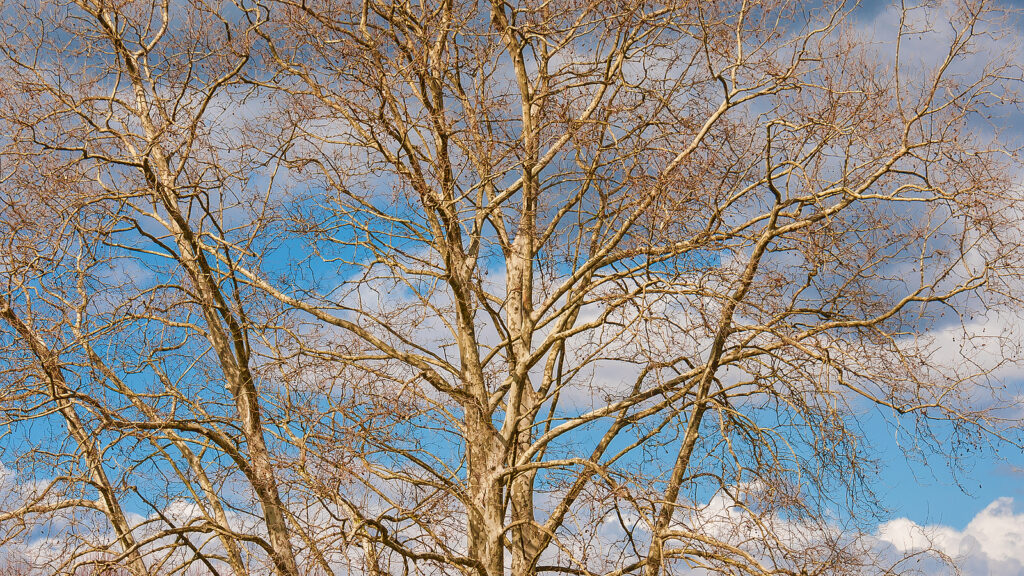
Being that is it in fact spring, your sycamore trees should be dropping their fruit right about now. But if your trees haven’t even sprouted leaves at this point, it could be dead. In fact, a sycamore tree that is still bare and leafless in spring is a top sign that it is dead. Additional signs of a dead or dying Sycamore tree include missing bark, damaged bark, dropping branches, past outbreaks, epicormic sprouting at the base of the trunk, or only one side of the tree sprouting leaves.

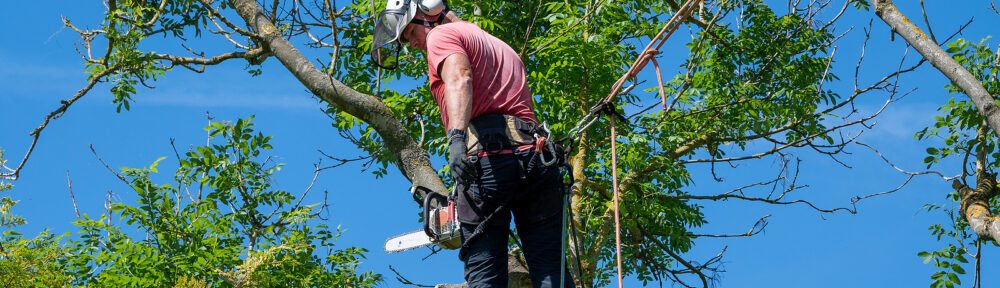
However, it is possible that only part of the tree is dead when exhibiting such signs. This is where diagnosis gets a little tricky. It is important to consult a licensed and insured Indianapolis tree service company for an accurate diagnosis. They can determine whether your tree is dead and if it should be removed for safety reasons.

When to Remove a Dead or Dying Sycamore Tree

In most cases, a dead sycamore tree will not need to be removed. Those that do will exhibit certain signs. Specifically, a sycamore tree should be removed if it is leaning, dropping branches, or has more than 50% damage to the trunk or canopy. Always enlist the services of a professional Indianapolis tree care contractor for safe tree removal services.

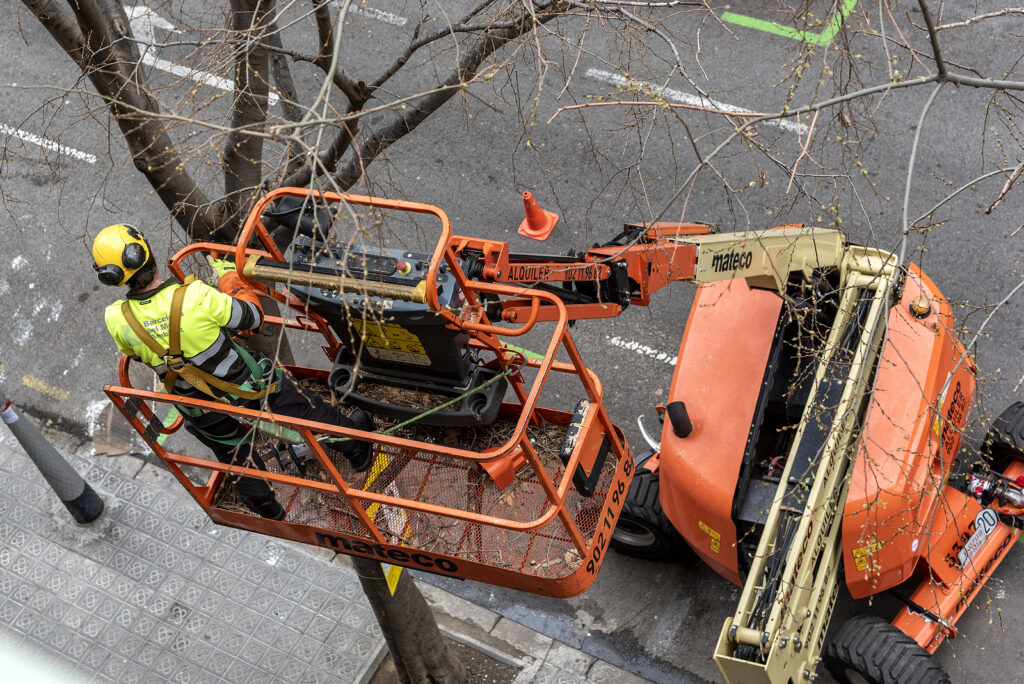
Never attempt to remove a dead sycamore tree on your own. There are several hazards and safety concerns involved in tree work that are beyond the untrained eye. Proper tree removal requires expert knowledge and training, as well as state licensing, industry-specific resources and materials, quality equipment, and more.

Do you have a dead tree that needs to be removed on your lot? Contact Complete Tree Care at 317-783-2518 for licensed and insured tree removal in Indianapolis, Indiana and its surrounding counties. We serve residential and commercial clients.

Related Posts:

The Difference Between a Sycamore Tree and a Sweetgum Tree
Questions and Answers About Oak Tree Care
How To Tell if You Have Dangerous Trees On Your Property
How Much Will Tree Removal Cost?
Spring to Winter Seasonal Pruning Tips for Trees

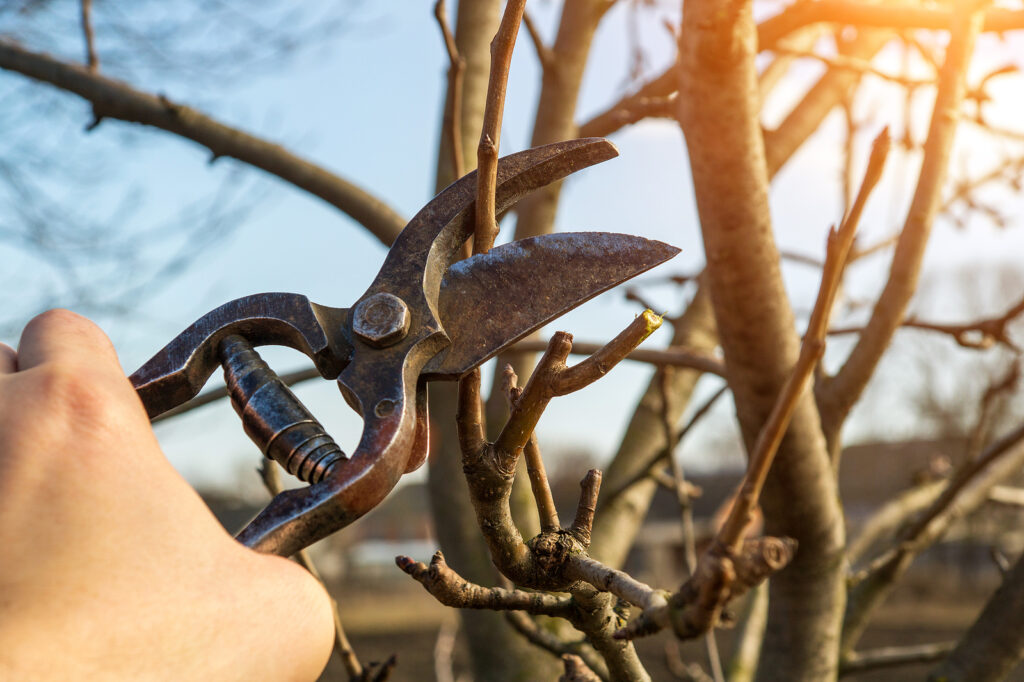
Tree pruning is a complicated process for the novice property owner. Just one incorrect cut can lead to a lifetime of health and growth issues for a tree. Furthermore, there is a lot of conflicting information on the best times of year to prune trees. That is partly due to the different hardiness zones throughout the country. Here in Indiana, we are hardiness zone 5B and 6A, which makes a big difference on when to prune and when not to prune.

Continue below for a basic seasonal guide on tree pruning, plus who to trust in Indianapolis for skilled tree service at an affordable price.

Tree Pruning Service Indianapolis Indiana 317-783-2518

Why Should You Prune Your Trees?

There are several important benefits of tree pruning. Mostly, pruning trees supports healthier, stronger tree growth and longer tree life. It will also improve fruit and flower blooms. Additionally, pruning trees improves curb appeal and property aesthetics. Overgrown trees can hover closely to a house or generate too much yard coverage, which can be unappealing and even lower property value. Another reason why pruning is beneficial for trees is safety. Overgrown trees can disrupt power lines, which can lead to fallen telephone poles, fires, or electrocution accidents. Large, overgrown branches can also break off, causing blunt force trauma accidents or property damage.

Tree Pruning Per Season

Spring

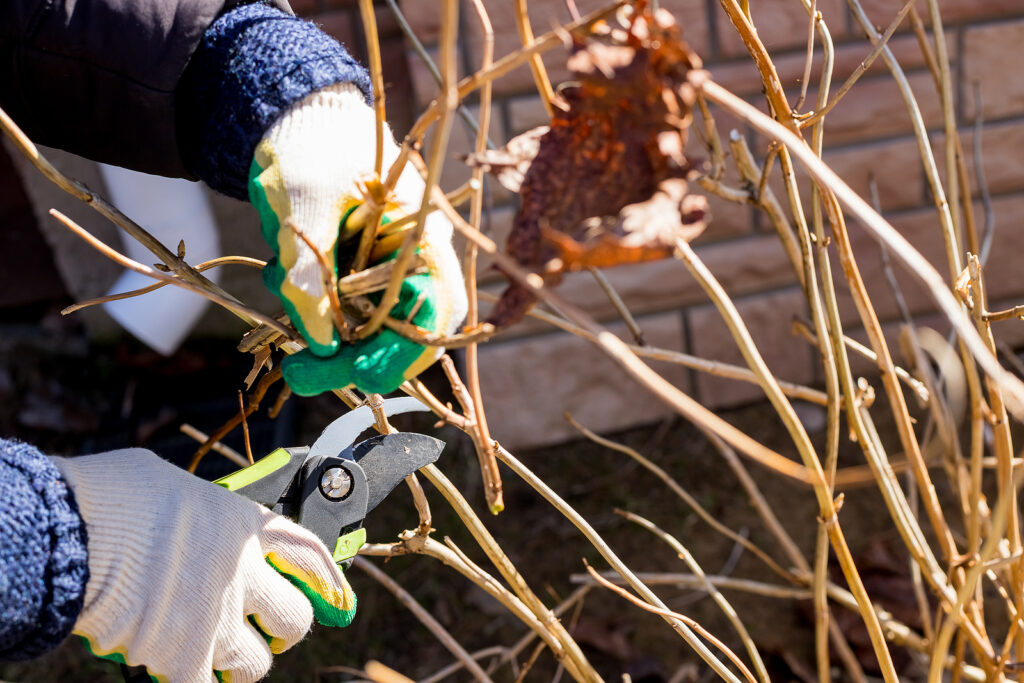
Tree pruning can be beneficial for trees that bloom in spring. Spring tree pruning can enhance the flower growth and generate fuller, larger canopies. Prune them soon after the flowers fade away. Trees that bloom in the mid-to-late summer are also best pruned in the springtime, or even earlier in the late winter.

Summer

Summer tree pruning can also be good for trees if done correctly. Pruning off branches that you do not want to grow longer or larger helps to slow down their growth rate. That is due to less leaf presence. The fewer leaves, the less the tree needs to distribute nutrients to the roots. This inhibits growth.

Fall

You do not want to prune trees in the fall season. In the fall, the air is still contaminated with decay-causing fungi that can infect open tree cuts and wounds, and ultimately, cause tree decline. Because tree wounds and cuts in the bark heal slower in the fall, pruning will leave a tree more vulnerable to disease and pest infestation.

Winter

Winter is an acceptable time to prune trees, so long as you wait until the coldest part of the season has passed. Wintertime tree pruning is beneficial because it encourages bigger, better, healthier growth come spring. In the winter, trees are dormant, which makes it a lot safer to incorporate cuts, plus easier to spot problematic branches and limbs.

Spring Tree Care Checklist:

□ Pruning
□ Mulching
□ Watering
□ Fertilizing
□ Trimming
□ Shaping
□ Stabilization/Staking
□ Risk Abatement
□ Wildlife Protection
□ Inspections

Are you looking for professional tree care services near you? Contact Complete Tree Care at 317-783-2518 for affordable tree trimming and tree pruning in Indianapolis, Indiana and its surrounding counties. We provide residential and commercial tree services.

Related Posts:

Is it a Good Time to Trim My Tree?
How to Prevent Poor Tree Health
Can I Trim Dead Branches Off a Tree in Summer?

Arbor Day Tips for Taking Care of a Newly Planted Tree

✨🌲 Today is Arbor Day! 🌳🍃✨

Hopefully you have plans to plant a brand new tree! If so, you can expect it to require a little more attention than the rest of your landscaping trees. That is because the root system is still being introduced into the soil and acclimating to its new surroundings. So long as you stay committed to a routine tree care schedule, you are likely to have great success with your newly transplanted tree.

So, in honor of Arbor Day and everything it represents, continue below to learn some helpful tips on how to care for a newly planted tree.

Arbor Day Tree Service Indianapolis IN 317-783-2518
Celebrate Arbor Day

Arbor Day Tree Care Tips

You cannot ever guarantee the success of any newly planted tree. Many things can go wrong that you don’t have any control over. However, there is plenty you can do to support a healthy growth cycle and prevent problems with your tree. Specifically, there are 6 things you need to do every week, sometimes every day, for your transplanted tree. These include watering, pruning, fertilizing, stabilizing, mulching, and eliminating risks.

Watering

For the first several months, you must check the soil every day, and water your transplanted tree every few days. Just be sure to not over-water; two or three times a week is a great starting off point. If it rains, check the top few inches of soil around the base of the tree for moisture first. If it is dry, it needs to be watered; if it is still moist, you can skip watering it for the day and recheck tomorrow. Furthermore, always allow the soil to dry completely before re-watering. This watering cycle will help your tree establish a strong root system.

Mulching

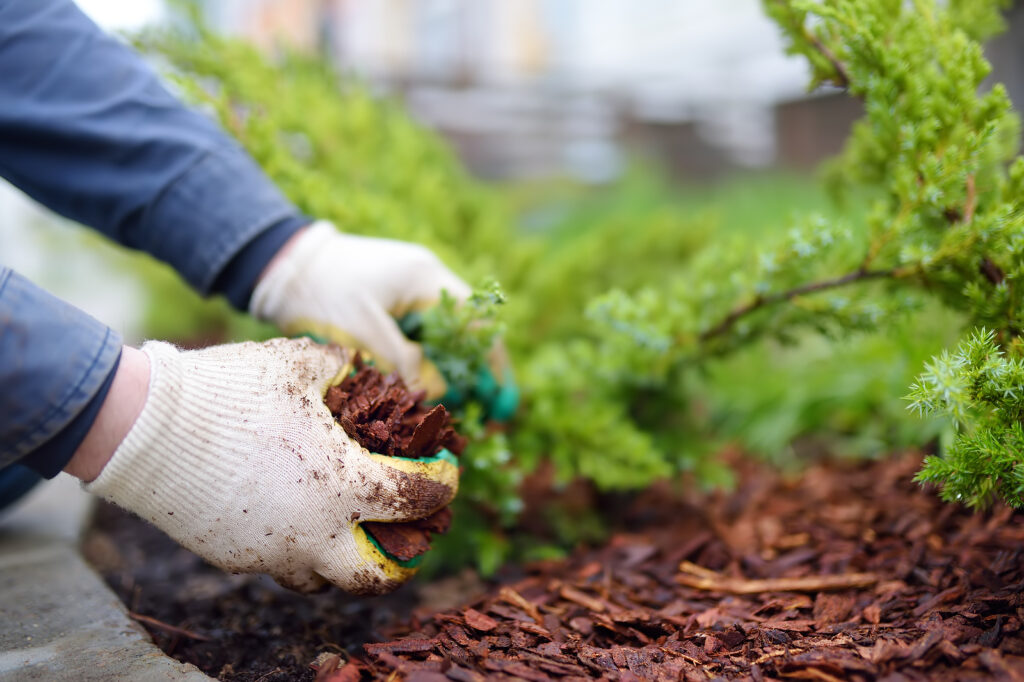
Laying mulch around the base of your trees is a highly effective method of supporting healthy growth and prolonging their life. Although you do not need to re-mulch every week, it is important to check on your mulch beds every day to ensure they are still doing their job. Mulch helps retain moisture and block out excess heat and UV exposure. This helps to keep a tree in good health. If the mulch seems low, put down another layer. Apply new mulch entirely, every year. The rule of thumb when it comes to proper mulching is to keep layers between 2 and 4 inches deep, and at least 6 inches from the base of the trunk.

Pruning

It is important to inspect the branches of your transplanted tree every day to assess its pruning needs. Pruning should take place right after you transplant your tree. Dead, diseased, damaged, and broken branches should be strategically removed before it can develop a good branch structure. Once the tree acclimated to the soil and its surroundings, it can begin to establish a strong root system, which helps lay the foundation to improve branch strength and structure. No more than 25% of a tree’s foliage should be removed in a year. Be sure to have a licensed tree service company perform your annual pruning needs to ensure that the proper ANSI tree pruning standards are applied.

Some Daily Tree Care Considerations to Keep in Mind:

☙ Fertilization

Inspect your tree every day to ensure it is growing as it should. If it is not, fertilizer may be an option. Fertilizer should only be applied AFTER the first year of tree transplanting. Do not think of fertilizer as tree food; instead, think of it as something that should only be used if necessary. Stressed trees should never be fertilized. There are specific application techniques that must be followed in order to have good results. Check with a trusted tree service company for advice regarding your newly planted tree needs.

☙ Stabilization

Check your tree every day to ensure it is upright and steadied. Some newly planted trees require some stabilization in order to withstand strong winds and other inclement weather conditions. Cabling and bracing work well to support weak trunks. If lawn mower damage is a possibility, you may want to also consider a trunk guard.

☙ Risk Abatement

Inspect your transplanted tree every day to ensure there are no imminent dangers lurking around the corner. It is important to minimize the level of danger that can be imposed onto your new tree. This includes taking into consideration lawn mowers, sprinkler systems, nuisance wildlife, pets, herbicides, pesticides, and more.

Do you require professional Spring and Summer tree care service for your newly-planted trees? Contact Complete Tree Care at 317-783-2518 for Indianapolis tree trimming and pruning services you can trust. We serve residential and commercial clients.

Related Posts:

How to Water a New Tree
Why You Should Not Plant Prunus Trees if You Live Near a Farm
Tree Species Than Can Worsen Seasonal Allergies

How to Hire an Honest Indianapolis Tree Service Company

Trees are incredibly valuable to the planet and every living organism that lives here. This also makes trees significant assets to property owners. Trees can grow for hundreds of years, and so long as you implement routine tree care, they achieve outstanding strength and height. Plus, they provide a wide range of benefits, including oxygen, viable Eco-systems, shade, privacy, increased energy efficiency, sound barriers, snow fencing, and so much more. All of these advantages make trees an important part of your property’s overall investment, as well as your quality of life.

For these reasons, choosing an Indianapolis tree service professional is something that you should take seriously. There are hundreds of contractors who claim to have the credentials to perform tree work, but not all of them are the best choice for your landscaping needs.

Continue reading to learn how to separate the real tree service professionals in Indianapolis from the ones that are not to be trusted with your hard-earned cash.

Indianapolis Tree Service 317-783-2518

What to Look For in a Tree Service Contractor

Licensing

Having a professional license shows that a tree service company is qualified to perform the duties they are advertising to provide. Check to make sure you are hiring a tree care service that has the proper permits, licenses, and most importantly, sufficient insurance coverage in the case of an accident on your property. These documents prove that they are a qualified tree service company.

Experience

The first attribute you want to look for in an Indianapolis tree care contractor is experience. Ask them how long they have been in business as their own company, as well as, when they began their hands-on experience. Their total combined experience is a good indication of their knowledge, skills, and understanding of the industry’s best practices.

At least ten years’ experience is a good number to start with; after this amount of time, a person should have acquired the necessary knowledge and skills. Furthermore, it shows that they are good at what they do; after all, who would stay in a job they weren’t any good at?

Company Ratings

In this day and age, we have the internet, which provides us with an abundant amount of information. One of the most reliable resources to use on the internet, when it comes to assessing a business, is customer reviews and testimonials. Read what past clients have to say about the tree care providers in your area and choose one that has a larger number of positive testimonials than negative ones.

Keep in mind that no one is perfect, and sometimes people exaggerate, so if there are a few poor reviews, it is not always an indication of their service or skills. If a tree care company has several poor reviews, then you can probably assume they are not operating with good business practices.

Would you like to skip the hassle of researching dozens of tree care companies in the Indy area and just go straight to the best source for trusted tree service near you? Contact Complete Tree Care at 317-783-2518 for professional tree services in Indianapolis, Indiana. We serve residential and commercial clients with comprehensive tree care solutions.

Related Posts:

Why Choose Complete Tree Care
Top Advantages of Choosing Professional Tree Service
How To Tell if You Have Dangerous Trees On Your Property

Why You Should Not Plant Prunus Trees if You Live Near a Farm

The Prunus species includes over 400 deciduous and evergreen trees and shrubs that yield stone fruit.  The most common stone fruit trees include cherry, plum, almond, apricot, peach, and nectarine. Although these fruit and ornament-bearing trees are lovely all year-round and provide a long list of benefits for both society and nature, they do threaten the health and vitality of livestock, including horses. If you are looking to buy new farmland for your livestock and equines, it is wise to look out for Prunus trees. All 400+ species are poisonous to livestock, donkeys, and horses.

Continue reading to learn more about Prunus toxicity, and which parts of stone fruit trees are toxic to livestock.

Tree Removal Service Indianapolis Indiana 317-783-2518

Toxicity Levels of a Prunus Tree

All parts of Prunus trees are poisonous to livestock, expect the ripened fruit. The fruit is entirely edible when mature, and will not have an adverse effect on livestock, cattle, and equines. This refers to the actual cherries, plums, nectarines, peaches, almonds, and apricots. However, all other parts of the tree are toxic if ingested. A host of cyanogenic glycosides are the compounds in Prunus trees that make them toxic to livestock and many other animals.

Cyanogenic glycosides are cyanide molecules attached to sugar molecules, and they are located inside plant cell vacuoles. When the plant cell vacuoles of a Prunus tree are ruptured, the glycosides are released and allowed to come into contact with other parts of the plant tissue. When this happens, the compounds break down into their constituent molecules, both sugar and hydrogen cyanide, which is a poison.

So, when livestock chews on any Prunus plant material, whether twigs or leaves, they ingest these compounds. And once ingested, the poison prevents the animal’s red blood cells from releasing oxygen, which leads to suffocation. As little as two pounds of Prunus leaves can be fatal to full-grown cattle in a matter of minutes.

Prunus Tree Removal is Recommended

It is strongly recommended to remove Prunus trees if you live near a farm or livestock animal shelter of any kind. If you have Prunus trees on your land, it is understandable if you cannot remove all of them. With large numbers, that could be unreasonable. So, for those you cannot remove and are accessible to your livestock, be sure to have plenty of other forages for them to choose from.

Livestock is very unlikely to eat Prunus species of tree unless they do not have an ample selection of fodder. Fencing-in animals or fencing-in Prunus trees are other effective methods of prevention. Be sure to also check your fields after a heavy storm to make sure branches and leaves of Prunus trees are accessible to your animals.

Do you have Prunus trees on your property that need to be removed? Contact Complete Tree Care at 317-783-2518 for lot clearing and tree removal in Indianapolis, Indiana you can trust. We serve commercial and residential clients.

Related Posts:

FAQS About Angiosperms and Gymnosperms
How to Identify Dead Trees on Your Property
Should I Remove a Leaning Tree?

The Advantages of Tree Pruning in Winter

Most would agree the spring and summer seasons in are the prime time to care for your landscaping and trees. But the truth is, it is important to pay attention to your trees during the wintertime as well. Winter tree care is highly beneficial for your landscaping trees in many ways, especially tree pruning.

Continue reading to learn all the advantages of winter tree pruning, and protocol for prompt and professional tree service you can trust in your neighborhood.

Tree Pruning Trimming Indianapolis IN
Tree Pruning Trimming Indianapolis IN 317-783-2518

Winter Tree Pruning Promotes Healthy Growth

Treat pruning is the practice of trimming and cutting back tree branches for the purpose of stimulating new healthy growth. This is why tree pruning is so vital for winter. The harsh conditions are influential enough on landscaping trees, but add that with neglect, in your trees are not likely to survive the season. Tree pruning in the wintertime is a common practice because it promotes vigorous, healthy branch growth come spring and summer. The best time to prune trees is in the coldest part of the season. By then, trees are fully in their dormancy stage.

A Haircut for a Tree?

You can think of it as getting a haircut for yourself; if you want your hair to grow and be healthy, it requires occasional trimming, as well as other forms of care, like routine cleansing, conditioning, eating a healthy diet, taking vitamins, and more. In a similar sense, trees require the same type of care in order to grow strong and healthy. And winter tree pruning is exactly what they need this time of year.

Why Prune in the Wintertime?

There are several advantages to pruning trees in the wintertime. These advantages are most visible come spring and summer when foliage and branches are full-grown and bursting with life and color. This includes flowers, leaves, and fruits. Pruning during the dormancy stage of trees also allows the exposed cuts to recover and heal better. This reduces the likelihood of tree diseases, pest infestations, and infections. There is also less of a chance for trees to wilt due to a lack of water. During the dormancy stage, trees to not require the same amount of water as they do during the growing seasons.

Ready to schedule your seasonal tree services? Contact Complete Tree Care at 317-783-2518 for licensed and insured tree trimming and pruning in Indianapolis, Indiana. We serve residential and commercial clients.

Related Posts:

Is it a Good Time to Trim My Tree?
Can I Prune My Trees Yet?
The ANSI Standards for Tree Pruning

Why You Should Mulch Your Trees Every Spring and Winter

Winter is here, and the Spring season is next, so let’s talk about the importance of mulching your trees. Continue below to learn why tree mulching is so vital, not only to the survival of your trees, but also for the curb appeal of your property!

Local Tree Service Indianapolis Indiana 317-783-2518

Mulching is a Vital Part of Tree Care

Mulch is a man-made product generally composed of organic materials like wood chips, pine needles, manure, and other types of compost. But it can also be made from non-organic materials like rock, stone, geo-textile fabrics, and pulverized rubber. When applied properly, mulch allows soil to retain sufficient levels of moisture. This not only improves the condition of the soil, but it does also so much more!

The Visible Benefits of Tree Mulching:

☑ Promotes overall tree health
☑ Controls weed growth
☑ Insulates soil
☑ Protects tree roots from extreme temperatures
☑ Prevents certain plant diseases
☑ Improves soil aeration and drainage
☑ Gives landscaping a well-groomed look
☑ Mulch decomposition improves soil fertility

The Best Times of Year to Mulch Your Trees

Trees should be mulched at the start of spring, after the ground has thawed from a frozen state. Trees should also be mulched at the start of winter before the ground freezes through. Mulching is an important part of the tree care process, so be sure to stay current on your program. You can choose from a wide selection of mulches, ranging in color, texture, shape, and more. Talk to your trusted Indianapolis tree service provider for recommendations on tree mulching practices for your property. Don’t forget to mulch your shrubs and bushes too!

Tree Protection in Winter

Aside from pruning and mulching, there are several other initiatives you can take on to ensure wintertime survival and optimal spring tree growth. Such undertakings include cabling and bracing, bark repair, integrated pest management, routine inspection, and even dead or hazardous tree removal.

Are you concerned about the condition of your landscaping trees? Contact Complete Tree Care at 317-783-2518 for licensed Indianapolis Indiana tree service and affordable price. We serve both residential and commercial clients all throughout central Indiana.

Related Posts:

Bad Tree Mulching Practices to Avoid This Fall
How to Mulch Around a Tree
Can I Plant a Tree This Time of Year?

Indianapolis Tree Care 317-783-2518

Top 3 Winter Tree Damages and How to Prevent Them

Wintertime is not a great time for trees. Not only are they more susceptible to health and structural difficulties, but it is also more challenging for you to implement the proper inspections needed to ensure they remain in good health throughout the entirety of the season. For these reasons, it is wise to hire a professional tree service provider for all your winter tree care needs. Otherwise, your landscaping trees may fall victim to one of the top 3 most common winter tree problems.

Continue reading to learn what these common winter tree problems are, and where to find the best tree service in town.

Winter Tree Service Indianapolis Indiana 317-783-2518

The Most Common Tree Damage Threats in the Winter

Among all of the possible problems that trees can experience in the winter, the top three you need to watch out for are cold damage, frost heaving, and seasonal drought. For each, here is a brief explanation of their causes, symptoms, and prevention strategies:

❶ Cold Damage

The high and low seasonal temperature spectrum can greatly affect trees, especially if they are already weakened or sick. The afternoon sun can be very warm for trees, and then the nightly lows bring them back into a freeze. These changes cause a condition informally known as “cold damage”, which is often distinguishable by a wide range of symptoms, such as cracked or peeling bark, and even inner bark damage. Trees that experience late seasonal growth are more vulnerable to cold damage.

To reverse cold damage, you will need to implement a customized and strategic tree care plan with the help of an industry professional. To prevent cold damage in your landscaping trees, you will need to do the same, except ahead of time, before the winter season is upon us again next year.

❷ Frost Heaving

Frost heaving is a typically winter tree problem, especially in regions where snow and ice are abundant. This condition starts in the soil. As the outdoor climates freeze and fluctuate, the underground water within the soil beneath trees also freezes. This occurrence develops ice in the soil, which causes the soil to swell upwards towards the base of the tree trunk. You may have seen the ramifications of this condition before in concrete, sidewalks, and pavements.  Frost heaving is a problem for tree because it weakens and damages roots, which can then make a tree more susceptible to toppling over.

Frost heaving is not something you can really prevent. If it does occur, you will need professional tree service to ensure the tree is not a hazard or liability. Routine tree care is vital to grow strong, healthy, resistant trees; if you stay on top of tree care, a tree has a better chance of surviving frost heave.

❸ Seasonal Drought

You would think that trees get plenty of water in the winter with all of the snow, but the reality is that freezing temperatures can cause a tree to lose water reserves at a much faster rate; so fast, they cannot absorb enough water from the ground in time to replace the loss. This results in winter drought, which can be identified through a number of symptoms like branch loss, cracking bark, wildlife infestation, and death. Seasonal drought can also lead to late growth in spring, sunburned leaves in the summer, and premature foliage loss in fall.

How to Prevent Damage to Trees in the Wintertime

To help trees avoid seasonal drought, your best approach would include the assistance of an Indianapolis IN tree care company. They have the knowledge and resources necessary to ensure your landscaping trees are healthy and ready to take on winter conditions. In addition to tree service, you can also help tree’s retain moisture through adequate mulching, year-round.

Are your landscaping trees suffering this winter? Contact Complete Tree Care at 317-783-2518 for licensed Indianapolis Indiana tree service and affordable price. We serve both residential and commercial clients all throughout Central Indiana.

Related Posts:

Can You Prune Trees in Winter?
Winter-Resistant Tree Species for Indiana
Should I Brace My Trees For Winter?

Indianapolis Tree Care 317-783-2518

How Much Will Tree Removal Cost?
There are several reasons why property owners have to remove trees. And even more reasons that influence the cost of tree removal services. Storm-damaged trees, dead trees, dying trees, and trees that are obstructions in some form or another, are often removed to enhance a property’s appeal, function, and safety. And in most cases, it is highly necessary or strongly recommended to do so.

If you believe you have a tree, or trees, that need removed, but you are unsure of how much it will cost you out-of-pocket, continue reading for a general guide to tree removal costs.

Indianapolis Tree Removal Services 317-783-2518

Top 5 Factors That Influence Tree Removal Prices

So how do you know if you need to remove your tree? There are few clues to look for. If it is causing structural damage to your home or surrounding property, it definitely needs to be removed. If it is a safety or navigational hazard, it should also be removed.

And if you suspect that it is sick, dying, or dead, then you may need tree removal service. But don’t panic over outrageous tree removal prices. There are a few ways to gauge how much it will cost to remove your tree. A reputable tree care company can provide free estimates and advice as well.

Consider these 5 factors when trying to estimate the cost of your tree removal needs:

Size – This will have one of the largest impacts on the overall price of your tree removal project. A tiny, skinny tree will cost much less than a large one because less labor and equipment is needed.

Location – Also having a huge impact on the overall total price is the location of a tree. The degree of accessibility, danger, and effort all play a major role in your estimate.

Health – Trees that are dead, diseased, or infested tend to cost more to remove because additional labor, time, and equipment are needed. Also, it is a safety hazard. 

Stumps – After you have a tree removed, there is still a stump remaining. If you opt to leave the stump as-is, you can significantly decrease the cost of your tree removal project. But if you want the stumps removed or ground down, this will be an additional cost.

Quantity – The number of trees you need removed will be the final deciding factor on how much your total project cost will be. Take the above four factors to estimate the cost of tree removal per tree, then multiply that sum by the number of trees you need taken down. Although it won’t be exact, this calculation can give you a rough estimate of what it might cost for your tree removal job.

Dead or Diseased Tree Removal

If you have a dead, diseased, or dying tree on your property, be sure to play it safe. Do not try to remove it or treat it yourself. Do not allow pets or children near the tree. And always call a trusted tree service provider for a professional assessment.

Do you have a tree that needs to be removed or a lot that needs clearing? Contact Complete Tree Care at 317-783-2518 for Indianapolis IN tree removal at the most competitive prices around. We serve residential and commercial clients.

Related Posts:

Should I Remove a Leaning Tree?
The Average Cost of Removing a Fallen Tree
Why You Should Remove Tree Branches That Overhang the Roof

Indianapolis Tree Care 317-783-2518

Winter-Resistant Tree Species for Indiana

The first day of winter is officially here tomorrow! Are your trees ready for the upcoming season? The ground is not yet frozen, which means you may be able to plant some more trees before dormancy kicks in. In Indiana, we experience a wide range of seasonal changes; one winter may be mild and calm, while the next is harsh and relentless. For this reason, it is important to carefully strategize which trees you will plant, and more importantly, where you will plant them.

Continue reading to learn which tree species are most resistant to ice and winter storm damage, as well as some tips that will help you make a safe, long-term plan for your property.

Indianapolis IN Tree Service Company 317-783-2518

Winter Tree Damage

Wintertime in Indiana is usually unpredictable. We never know if we should expect an early winter with lots of snow and ice, or if winter will come late and we will have an extended fall season instead. This is why tree planning is so important. Not only do you need to consider protecting your trees through the changing seasons, but you must also think about protecting your property and its surroundings.

Winter snow, ice, hail, and harsh winds can cause an extreme amount of damage to a tree, especially if the tree is already diseases, damaged, or dying. In turn, the amount of winter damage can cause structural damages to your home, power lines, vehicles, and worst of all, people. This is why you do not want an unhealthy tree to be located near anything it can fall on top of. With winter-resistant tree species, you can better prevent the possibility of tree damage and fallen trees.

Here are some top-recommended tree species that hold up well in the winter:

▷ American Sweet Gum
▷ Arborvitae
▷ Black Walnut
▷ Blue Beech
▷ Catalpa
▷ Eastern Hemlock
▷ Ginkgo
▷ Ironwood
▷ Kentucky Coffee Tree
▷ Norway Maple
▷ Little Leaf Linden
▷ Silver Linden
▷ Swamp White Oak
▷ White Oak

If Storm Damage Happens

If you have a storm-damaged tree on your property, be sure to have it inspected by a licensed Indianapolis tree service company to ensure it does not pose any safety hazards to people, pets, or property. In the case that a damaged or dying tree is near such areas, it is strongly encouraged to have it removed before the harshest of winter weather conditions are here. Next spring, when you plant your new winter-resistant trees, be sure to also stay on top of routine tree care, such as pruning, watering, and fertilizing.

Are you interested in learning how to protect your trees from winter season damages? Contact Complete Tree Care at 317-783-2518 for licensed Indianapolis Indiana tree service and affordable price. We serve both residential and commercial clients all throughout central Indiana.

Related Posts:

Can You Prune Trees in Winter?
Should I Brace My Trees For Winter?
What is Winter Burn in Trees?

Indianapolis Tree Care 317-783-2518