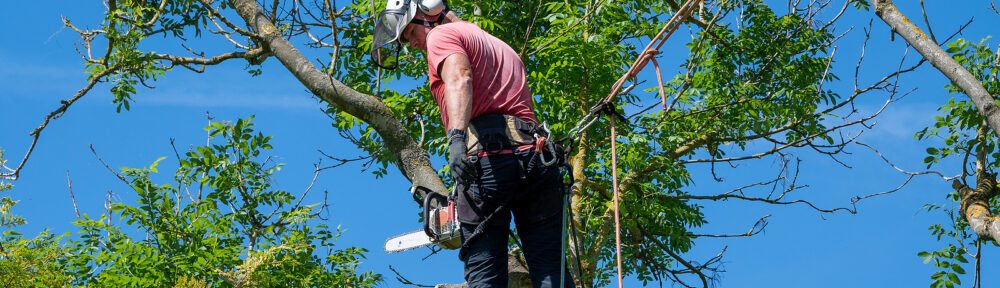
10 Tips to Help Trees Survive the Colder Weather

As winter approaches and temperatures start to drop, it’s important to be mindful of how the colder weather can affect your trees. While winter is an important part of the tree’s growth cycle, extreme winter weather can cause damage and even death if not properly cared for. Fortunately, there are some simple steps you can take to help ensure that your trees survive the winter months safely and healthily.

Continue below to learn the top 10 tips for winter tree care that will help keep your trees in top condition throughout the coldest season of the year!

For Winter Tree Service in Indianapolis, Call  317-783-2518 Today!
For Winter Tree Service in Indianapolis, Call 317-783-2518 Today!

Winter Tree Care Tips That Promote Longevity

For your trees to stay happy and healthy through winter, some simple caring steps will help you on your way. Taking the time to prepare your trees now may prove fruitful come springtime. Follow these helpful tips for winter tree care so that your trees remain in optimal condition even during the chilliest season:

1. Water Your Trees Regularly: It might seem counterintuitive, but winter is actually a great time to water your trees – even if it’s cold outside! Giving your trees a deep and thorough watering will help them stay hydrated during periods of extreme cold. Be sure to use lukewarm or slightly warm water for winter watering – cold water can cause damage to tree roots.

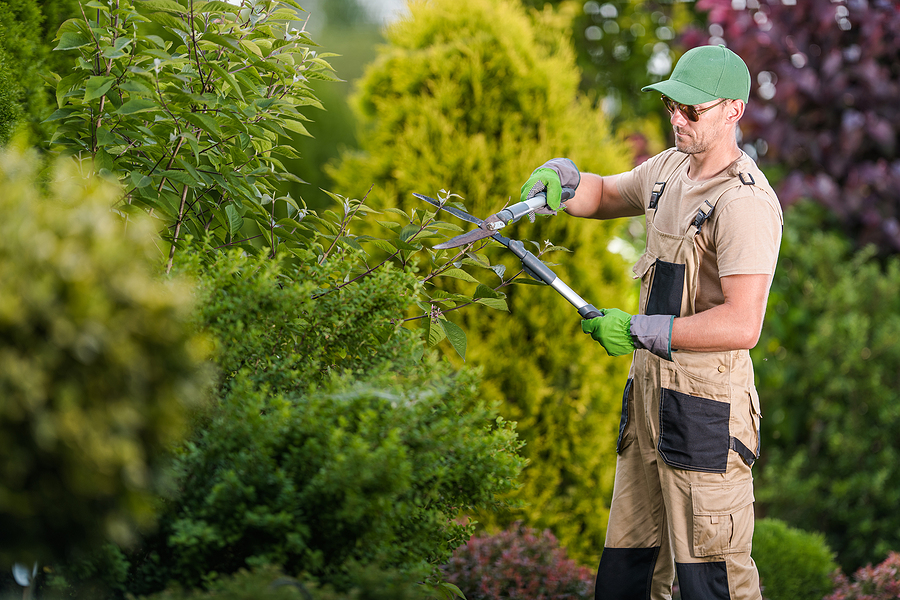
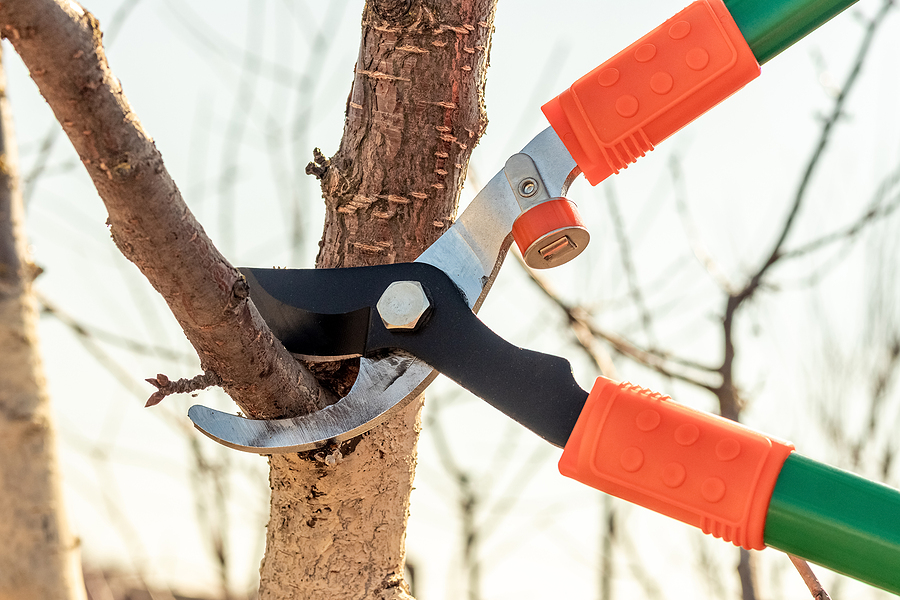
2. Prune Your Trees: Winter is the best time of year for pruning, as it gives trees a chance to heal and grow in the spring. Be sure to use sharp tools and follow correct pruning techniques so you don’t cause any unnecessary damage to your trees.

3. Wrap Your Trees: Wrapping your trees before winter arrives can help protect them from extreme weather conditions such as strong winds, ice storms and heavy snow. Make sure you use wrapped that is rated for winter tree protection and fit it snugly around the trunk of the tree without restricting its growth.

4. Fertilize Your Trees: Applying winter fertilizer before winter arrives will help your trees stay healthy and strong. Choose a winter-specific fertilizer that is designed to meet the needs of winter tree care.

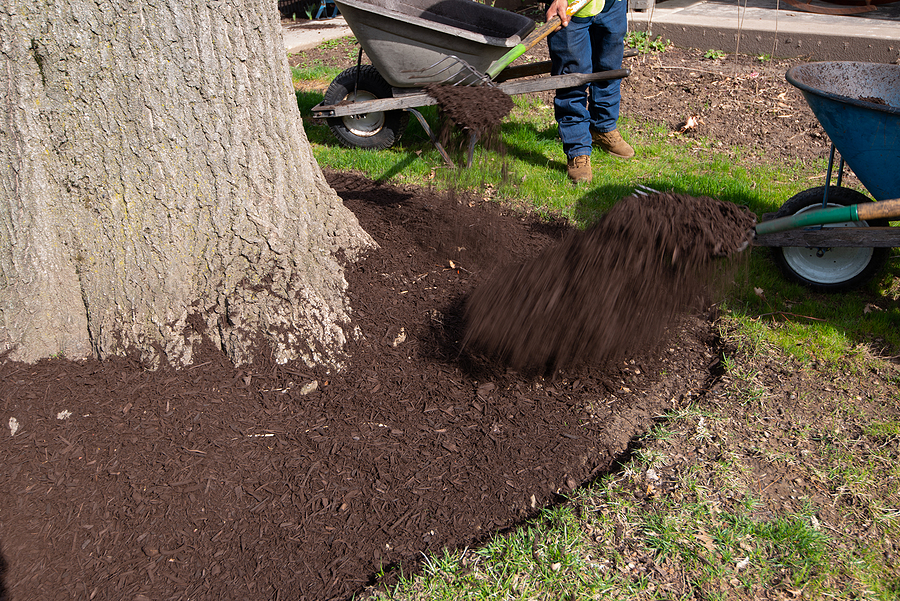
5. Mulch Around Trees: A thick layer of mulch around the base of your trees can help insulate their roots from cold temperatures and help the soil retain moisture. Be sure not to over-mulch, however, as too much mulching can actually cause tree roots to rot!

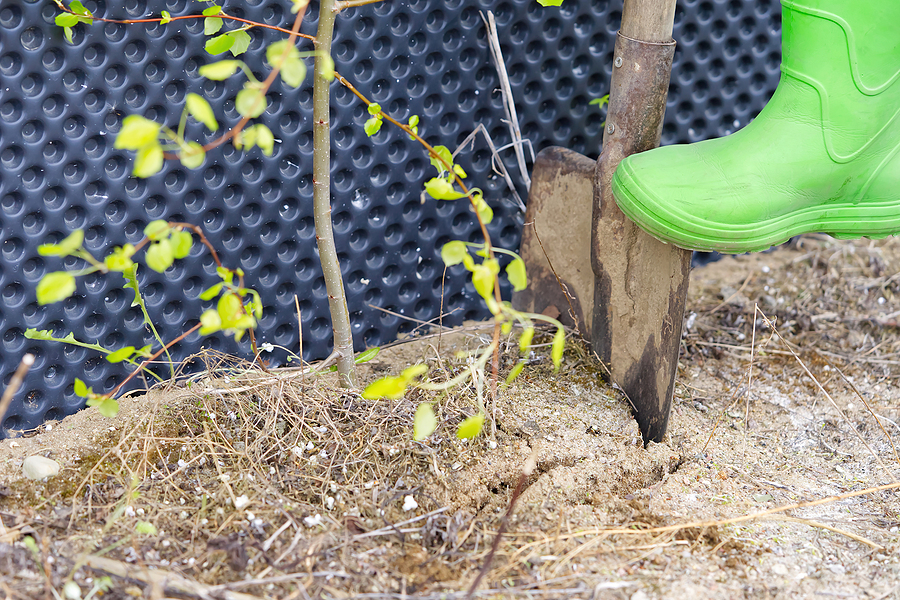
6. Avoid Planting Trees in Winter: While winter may seem like a great time for planting trees, it’s important to remember that winter is a tough season for tree survival. Avoid planting trees in winter and wait until spring when temperatures are milder.

7. Look Out for Pests: Winter is a prime time for pests such as rodents, insects, and even disease to attack your trees. Take some time to inspect your trees regularly throughout winter and look out for any signs of damage or distress.

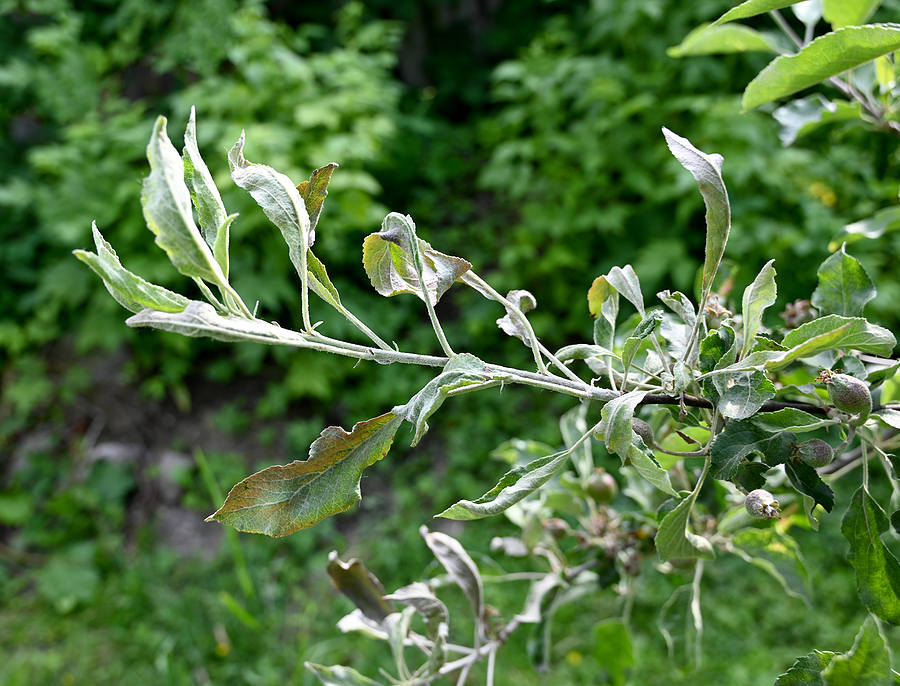
8. Monitor for Signs of Stress: Extreme winter weather can cause trees to become stressed, so it’s important to monitor your trees regularly and look out for signs of stress such as yellowing leaves or wilting branches. If you notice any concerning signs, contact a tree service company immediately.

9. Protect Trees From Snow and Ice: If your area is prone to heavy snowfall, it’s important to make sure that your trees are protected from the weight of the snow. Place some winter tree guards around the trunks of your trees to reduce the pressure from heavy snow.

10. Seek Professional Help: If you’re having problems with winter tree care or are unsure how to proceed with winter tree protection, it’s always best to consult a professional tree care company in Indianapolis. The team at your local tree service company can provide expert advice and assistance in winter tree maintenance that will help keep your trees healthy and safe throughout winter.

Indianapolis Winter Tree Service is a Phone Call Away

Following these 10 tips for winter tree care is the best way to make sure your trees survive winter safely and healthily. Taking the time to properly care for your trees during winter will ensure that they stay strong and resilient when the warmer weather arrives.

Complete Tree Care is your premier winter tree service provider in the Indy region. Contact us today at 317-783-2518 to request more information about our winter tree services in Indianapolis, Indiana. We provide residential and commercial tree services, as well as storm damage tree service.

Related Posts:

Top 3 Winter Tree Damages and How to Prevent Them
Why You Should Remove Tree Branches That Overhang the Roof
The Advantages of Tree Pruning in Winter

Is it Too Cold to Water My Trees?

It’s almost winter, so you’re probably wondering if it’s too cold to water your outdoor landscaping trees. In this post, we’ll explore the answer to that question and more! Keep reading to learn everything you need to know about watering trees in cold weather.

Call 317-783-2518 to Speak With a Licensed Tree Service Contractor in Indianapolis.

Tree Watering Tips for Winter

When it comes to watering trees in cold weather, the most important thing to remember is that even though temperatures may be lower, proper watering is still essential. Trees can become stressed or even die if they don’t receive enough water during the cold season. So, what are some tips for keeping your trees healthy during winter?

1. Do not water too much or too frequently in cold weather. It’s easy to think that your trees need more water when the temperatures drop, but this is actually a mistake. Too much water can lead to root rot and other problems. Instead, focus on providing enough moisture for the tree’s roots without over-watering.

2. Avoid using sprinklers in cold weather. Sprinklers can be great for watering your lawn, but they’re not the best option when it comes to trees. The water droplets created by a sprinkler can actually freeze on the tree and cause damage. Instead, use a hose to supply the needed moisture.

3. Water in the morning. In cold temperatures, it’s best to water your trees in the morning when there’s still some warmth in the air. This will help ensure that your tree has time to absorb the moisture and avoid freezing overnight.

4. Check soil moisture levels regularly. The key to successful tree watering in cold weather is to check soil moisture levels regularly. This will help you determine when your trees need more water and how much they need.

Watering trees in cold weather can be tricky, but with the right tips and information, you can keep your trees healthy all winter long. So don’t let the colder temperatures prevent you from providing your trees with the care they need! With a bit of knowledge, your tree will thank you come springtime.

Recommended Tree Care in Winter

Taking care of trees in winter is essential for keeping them healthy and strong for the upcoming year. During cold weather, frost can cause significant damage to trees and shrubs if not properly cared for. To ensure your trees are in the best condition possible, here are a few tips on recommended tree care during the winter season.

The first step is to protect your trees from the cold. This can be done by wrapping them in burlap or frost cloth and tying it securely around the trunk of the tree. Not only will this provide insulation, but it also helps prevent sunscald, a condition where scorching winter sunlight causes bark tissue to dry out and crack.

Another important step in tree care during the winter is pruning. Pruning helps trees grow more evenly, protects them from disease and promotes healthy growth in the spring. When pruning, be sure to cut only dead or diseased branches and never over-prune, as that can damage your tree’s health.

Lastly, you should protect your trees from wildlife. Squirrels and other animals may try to feed on new growth, so consider using repellents or protective netting around the tree’s base.

By following these simple steps, you can help ensure that your trees are in top condition for the upcoming year. Winter is a critical time for tree care, so make sure you’re taking all the necessary steps to keep them healthy and strong!

Are you in need of professional and affordable tree service within the Indianapolis County or its surrounding areas? Look no further than Complete Tree Care! We specialize in residential and commercial tree services in Indianapolis, as well as storm damage. Contact us today at 317-783-2518 for a quote!

Related Posts:

Do I Need to Water My Trees?
Is My Tree Dead or Diseased?
The Advantages of Tree Pruning in Winter

Tree Mulch Maintenance Tips For Fall

As the weather cools down and the leaves begin to change color, it’s time to start thinking about fall tree care. One important task is mulch maintenance. Mulch helps protect tree roots from extreme temperatures, keeps moisture in the soil, and provides nutrients for the tree.

Continue below to learn what you need to know about mulching maintenance in the fall and winter season, plus who to trust for licensed tree services in your area.

For Tree Care in Indianapolis, Call  317-783-2518 Today!
For Tree Care in Indianapolis, Call 317-783-2518 Today!

How to Mulch Trees in the Fall

Below are some top tips for maintaining your tree’s mulch in the fall season. By following these tips, you can help your tree stay healthy and strong through the fall and winter.

Every year, tree roots grow and expand. As they do, the mulch around the tree can start to break down and become compacted. This can reduce the amount of air and water that can reach tree roots. To prevent this, add a layer of fresh mulch around your tree in the fall.

If you live in an area with heavy rainfall, you may need to replace your tree’s mulch more often. Heavy rains can wash away nutrients and compact the soil.

Fall is a good time to check the depth of your tree’s mulch. Mulch beds should be no more than 3 inches deep. Any deeper and it can start to suffocate tree roots.

Best Types of Mulch for Trees

Mulch is an important part of tree care. It helps protect trees from extreme temperatures, keeps roots moist, and prevents weeds from growing. There are many different types of mulch, so it’s important to choose the right one for your tree. Here are some of the best types of mulch for trees:

Wood Chips: Wood chips are a great type of mulch for trees. They help insulate the roots from extreme temperatures, retain moisture, and prevent weed growth.

Bark: Bark is another great type of mulch for trees. It helps protect the roots from extreme temperatures and prevents weed growth.

Compost: Compost is a great type of mulch for trees. It helps retain moisture and provides nutrients for the tree.

Straw: Straw is a great type of mulch for trees. It helps insulate the roots from extreme temperatures and retains moisture.

Grass Clippings: Grass clippings are a great type of mulch for trees. They help retain moisture and prevent weed growth.

Are you looking for reputable tree care in the Indy areas? Contact Complete Tree Care at 317-783-2518 for licensed and insured tree services in Indianapolis, Indiana, and its surrounding counties. We offer tree removal, tree stump solutions, tree trimming, pruning, and more for both residential and commercial customers.

Related Posts:

Bad Tree Mulching Practices to Avoid This Fall
Why You Should Mulch Your Trees Every Spring and Winter
Common Tree Problems That Happen in the Fall

Fundamental Tree Transplanting Tips

One of the most fundamental aspects of gardening is learning how to transplant a tree. This process is not difficult, but there are a few key tips to keep in mind to ensure that your tree thrives in its new location. Continue below to learn some fundamental tips to help you transplant a tree safely.

Tree Transplanting Service Indianapolis Indiana 317-783-2518

How to Transplant a Tree

When you transplant a tree, you are essentially moving it from one location to another. This can be a daunting task, but with proper planning and execution, it can be done successfully. Here is what you need to know about tree transplanting:

Choose the Right Time of Year

When transplanting a tree, it’s important to choose the right time of year. The best time to transplant is in the fall or winter when the tree is dormant. This will give the tree time to adjust to its new location before the growing season begins.

Pick the Right Tree for the Job

Not all trees are well-suited for transplanting. Some species of trees have shallow root systems that make them more susceptible to transplant shock, while others have deep taproots that are difficult to dig up. Choose a tree that is right for the job and has a good chance of surviving the transplant process.

Dig a Large Hole

When you dig the hole for the new location of the tree, make sure it is at least twice as wide as the root ball of the tree and just deep enough so that the root ball is level with the ground. This will give the roots plenty of room to grow and establish themselves in their new home.

Prepare the Root Ball

Before you transplant the tree, it is important to prepare the root ball. This involves gently removing the tree from its current location and making sure that the roots are not damaged in the process. Once the tree is out of the ground, you can prune away any damaged or diseased roots.

Transplant the Tree

After you have prepared the root ball, it is time to transplant the tree. Carefully place the tree in the hole, making sure that the roots are covered with soil. Water the tree well, and then add mulch around the base to help protect the roots.

Monitor the Tree

Once the tree is transplanted, it is important to monitor it closely. Make sure that the tree is getting enough water and watch for signs of stress such as wilting leaves. With proper care, your tree should thrive in its new location.

Are you looking for licensed and insured tree care services near you? Contact Complete Tree Care at 317-783-2518 for affordable tree removal, tree trimming, tree pruning, and all other tree services in Indianapolis, Indiana and its surrounding counties. We provide residential and commercial tree services, as well as certified arborist services.

Related Posts:

Should an Uprooted Tree Be Replanted or Removed?
4 Topsoil Problems That Can Negatively Affect Tree Health
Arbor Day Tips for Taking Care of a Newly Planted Tree

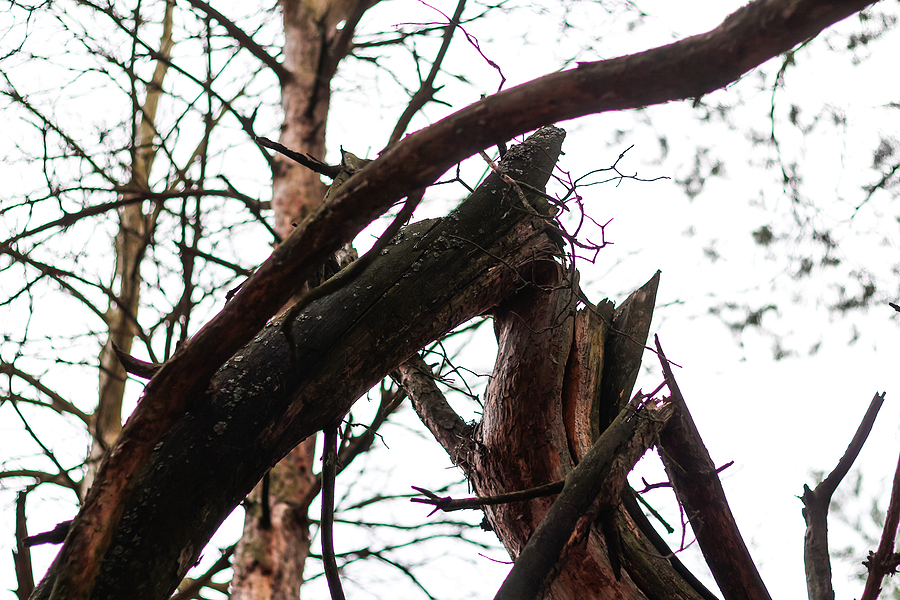
Common Tree Problems That Happen in the Fall

Trees play an important role in our environment. They help clean the air we breathe and provide homes for wildlife. Trees also add beauty to our landscape. But, like all living things, trees need care to stay healthy. Unfortunately, with every passing season comes the risk of certain tree problems, from disease and pest outbreaks to undernourishment, animal tampering, environmental discourse, and more.

This season, be sure to keep your eyes on your landscaping trees. Do not let them become victim to some of the most common tree problems that happen in the Fall. Continue below to learn which problems you should be watching out for.

Tree Trimming Indianapolis Indiana 317-783-2518
Tree Trimming and Tree Care Indianapolis Indiana 317-783-2518

Typical Threats to Landscaping Trees This Time of Year

Most trees experience the majority of their problems during the Fall season. Many of these problems are caused by the changing weather and environmental conditions. Here are some of the most common tree problems that occur during Fall:

Leaf Drop

This is one of the most common problems experienced by trees during Fall. As temperatures cool and days grow shorter, trees begin to drop their leaves. While this is a natural process, it can be problematic for trees that are already struggling. Leaf drop can cause further stress and damage to the tree and can even lead to death in some cases.

Disease

Fall is also a prime time for diseases to take hold in trees. Many diseases thrive in the cooler, wetter conditions of Fall. If a tree is already weak or stressed, it is more likely to succumb to disease. Common diseases that affect trees during Fall include leaf spot, powdery mildew, and root rot.

Pests

Pests are also a major problem for trees during Fall. Many pests, such as aphids, mites, and scale insects, are attracted to the sweet nectar produced by trees during this time of year. These pests can cause serious damage to trees and can even kill them in some cases.

Wind and Frost damage

Strong winds are common during Fall, and they can cause serious damage to trees. High winds can snap branches, uproot trees, and topple weak or dead trees. Frost can also cause serious damage to trees during Fall. Frost can kill leaves, branches, and even the entire tree in some cases. It is important to protect trees from frost damage by providing them with adequate water and mulch.

Tree Care Tips

Here are some tips on how to keep your trees healthy:

Water your trees regularly. Trees need at least 1-2 inches of water per week, depending on the weather. The best time to water your trees is in the early morning hours before the sun gets too hot.

Mulch your trees. Mulching helps retain moisture in the soil and keeps roots cool in the summer months. Apply a layer of mulch around the tree base but be sure not to pile it too high against the trunk.

Prune your trees regularly. Pruning helps remove dead or diseased branches and encourages new growth. Be sure to prune your trees during their dormant season (winter for most trees).

Watch for pests and diseases. Keep an eye out for signs of pests or diseases, such as discolored leaves or branches. If you see something suspicious, contact a certified arborist for help.

By following these simple tips, you can help keep your trees healthy and looking their best! Need some professional tree care? Contact Complete Tree Care at 317-783-2518 for licensed Indianapolis tree service at an affordable price. We serve both residential and commercial clients all throughout Central Indiana.

Related Posts:

Bad Tree Mulching Practices to Avoid This Fall
How to Stop Deer Damage to Trees in Fall
Winter-Resistant Tree Species for Indiana

Do I Need to Water My Trees?

One of the most important parts of taking care of your trees is to make sure they have adequate water. This is especially true for newly planted trees and young trees. Tree watering is an essential factor in the health and longevity of your landscaping trees; and since trees provide a wide range of benefits and increase property value, it is in your best interest as a homeowner to invest more time and care into your property. It would be difficult to suggest an exact amount of watering for your trees, but with this helpful guide, you will have the knowledge necessary to grow happy, healthy trees.

Continue reading to learn about tree watering, plus where to look for professional tree care solutions when you need it.

Tree Care Indianapolis Indiana 317-783-2518

Tree Watering Tips

New or Young Trees

A newly planted tree will require a different level of tree care and watering compared to an older tree. After a new tree is planted, it is important to water it immediately. Continue watering regularly over the next two years of its life. During this time, young trees are exerting a lot of energy to establish strong root systems in the soil. Spring and summer will call for more water than fall since your young tree will have a harder time dealing with drought and heat.

Mulching your trees helps to keep the soil moist and protect your tree’s roots from damage. As for watering, keep in mind that too much water can be just as harmful as not having enough. Soggy soil is too saturated, while damp soil still allows adequate oxygen to permeate the soil and feed the root system. So, it is important to use just the right amount to keep your trees in good health.

How to Water a Tree

It is important to water a tree correctly. Deeply water them for one minute with a garden hose. Avoid using sprinklers since wet bark can be damaging and problematic to a tree. How often you should do this depends on the amount of moisture in the soil. To check, use your garden trowel to penetrate the soil 2 inches deep. Pry the soil back, creating a small narrow trench. Then simply feel the soil and assess how moist it is. If it is dry, it will require more water. If it is wet or damp. It is good for the day!

Are you looking for Fall and winter tree care service for your landscaping trees? Contact Complete Tree Care at 317-783-2518 for licensed and insured Indianapolis tree services you can trust. We serve residential and commercial clients.

Related Posts:

Facts About Over-Watering and Under-Watering Trees
Spring to Winter Seasonal Pruning Tips for Trees
FAQS About Tree Care in the Fall

How to Get Indianapolis Tree Service at an Affordable Price

When you need tree service you can count on and at a price you can afford, Complete Tree Care is the right call to make!

Tree Service Indianapolis Indiana 317-783-2518

Indianapolis Tree Service and Tree Removal

Complete Tree Care is a valued tree service company based out of Indianapolis, Indiana. As a family owned and operated business that has served the Central Indiana communities for over 30 years, you can trust us for all your tree care needs. And best of all, you can count on our Indianapolis tree contractors for honest and fair prices.

We understand the value of a dollar, but more importantly, care about providing safe and effective tree service to all those in need. By maintaining economy-based prices, providing honest estimates, and performing outstanding work, we have earned ourselves a steadfast reputation among the surrounding Hoosier communities as a trusted and affordable choice for tree removal and tree service.

Tree Care in Indianapolis at its Finest

When you call Complete Tree Care, you can expect a prompt answer and a warm greeting. We value our customers and remain dedicated to providing unparalleled customer service and support. Our Indianapolis tree service contractors and office managers make your inquiries and tree work needs a top priority. We treat each job as if it were our own properties.

As professional tree specialists, we know precisely how to manage every tree service job requested of us. We only use quality equipment to carry out our tree care services and never neglect safety. And if you have a tree emergency after regular business hours, we offer two separate after-hours phone lines! From tree removal and tree trimming to stump grinding, tree disease treatment, and more, our professionals are prepared to deliver exceptional tree service for both residential and commercial properties.

Are you ready to schedule your autumn tree care needs? Contact Complete Tree Care at 317-783-2518 for Indianapolis Indiana tree services you can trust. We serve residential and commercial clients.

You Should Also Read:

Get Spring Tree Service Deals in Indianapolis at Complete Tree Care
3 Reasons Why You Should Never Perform Tree Work Yourself
Frequently Asked Questions About Tree Removal

How to Care for Trees Before and After Storms

Central Indiana has seen a significant amount of rain and thunderstorms as of late. For many home and business owners, this increase in thunderous precipitation has had a negative impact on landscaping trees. Because trees are such important assets, and therefore investments, it is important to take good care of them before and after a thunderstorm.

Continue reading to learn how to care for trees before and after storms, plus which company to trust in central Indiana for superior tree removal and tree care services.

Storm Damage Tree Service Indianapolis Indiana 317-783-2518

Storm Season Tree Care

Although tornado and thunderstorm season typically occurs between April and June in Indiana, you never know when a series of threatening rainstorms will sweep through the Hoosier state. Severe weather and rainstorms can wreak havoc on trees, causing broken branches, uprooting, and trees that have fallen on power lines, houses, buildings, vehicles, and roadways.

Fortunately, there are ways to protect your trees against inclement weather like tornado and thunderstorms, both before and after they occur.

Storm Damage Preventative Maintenance for Trees

Before the storm comes, there are several things you can do to ensure the safety and security of your landscaping trees. Pruning is one of the best and most effective methods for abating storm damage in trees. It is important to have your landscaping trees and evaluated by a licensed arborist or tree care professional to assess their vulnerability to storm damage and other external threats and hazards.

Another effective strategy for storm damage tree protection is cabling embracing. Young or newly planted trees are the best candidates for cabling embracing because they are the most vulnerable to the high winds generated in thunderstorms. It may also be necessary to cable embrace trees that are leaning, dying, or declining in health. These two are also vulnerable to storm damages.

When planting trees on your property, it is important to keep them out of range of power lines and telephone poles. If the big storm comes through and knocks the tree down, it will disrupt the local power within the community and risk catching fire.

After planting your trees, it is important to begin a routine tree pruning plan while they’re still young. This will create strong, healthy, and robust trees in maturity. Trees in such quality condition will be more resistant to inclement weather conditions like tornadoes and thunderstorms.

It is important to have your trees routinely inspected and serviced by a professional tree care company in Indianapolis to ensure they are strong and free of any hazard or disease. When your trees are in optimal condition, they are better capable of withstanding storm damages.

Post-Storm Tree Care

After a severe rainstorm has come through, your first step is to inspect the landscaping damages. In most cases, high winds and heavy rains and hail will cause leaves and branches to break off. In this case, you would need to do a little bit of yard cleanup then call a licensed and insured tree care company in Indianapolis for routine tree trimming service. This will get your trees back on track with healthy and optimal growth.

In more serious cases, you might find a tree uprooted, tilted, or completely fallen over. In worst case scenarios, you can have a tree on top of your roof or car. In these more serious cases, you would need to contact a local Indianapolis tree removal service for assistance with removing fallen, storm damaged trees.

Are you looking for a trusted tree care professional who can help you understand the best routine maintenance plan for your landscaping trees? Contact Complete Tree Care at 317-783-2518 for affordable tree service in Indianapolis, Indiana and its surrounding counties. We provide residential and commercial tree services, as well as storm damage tree service.

Related Posts:

4 Winter Storm Preparation Tips for Landscaping Trees
How to Prepare Your Trees for Spring Weather Conditions
How Much Does it Cost to Remove a Tree That Fell Over?

Is My Tree Dead or Diseased?

Many homeowners wonder how to spot or recognize a dead tree or a tree that is dying in their yard.  It is important to ask these questions because a dead or diseased tree can pose a dangerous threat to its’ immediate surroundings.  A dead tree will eventually fall and deteriorate, causing structural damage or harm to whatever it hits.  Cars, houses, electrical wiring, and even people are potential victims of a perishing tree.  It is good for homeowners to wonder about tree care and how to distinguish healthy trees from sick ones. 

Continue reading to learn how to tell the difference between diseased, dead, and living trees for the safety of your property and family.

Indianapolis Indiana Dead Tree Removal 317-783-2518

The Distinctions Between Dead Trees and Sick Trees

Dead Trees

A dead tree will not sprout any new buds on its limbs and branches.  Every spring, tiny green buds will appear on healthy trees, which signifies new branch or limb growth.  If you notice through the seasons that a certain tree is not re-blooming, there could be a problem with the tree’s health.

Dead trees will also have dry and brittle bark.  As a test, break off a small branch to see if it bends or snaps right off.  If the branch snaps off in a dry and quick manner, then the tree is most likely dead.  If the branch is flexible and bends, it is a sign of life.  Also, look at the inside of the broken branch; if it looks green and moist then the tree is perfectly fine.

Another easily spotted sign of a dead tree is the trunk bark.  Underneath the bark of the tree, there should be a moist, green, and meaty material.  This means the tree is healthy and living.  Use your fingernail or a small knife and scrape off a small section of the bark and look for these signs.  If the bark is dry, dark brown, and flaky, it could mean the tree is dead.

Tree Diseases

A tree doesn’t have to be dead to be a potential danger to its surroundings.  Diseased or dying trees are also dangerous to have near properties and high traffic areas.   The signs to a diseased and sick tree are very similar to the signs of a dead tree; however, trees expire from the inside out, so a tree that appears fairly healthy may actually be dying.

Several variables can make a tree sick.  For example, insects and other pests can cause substantial damage to a tree.  One common infestation comes from the Emerald Ash Borer.  Over fertilization, mold, storm damage, and more are all other possibilities for a tree to fall ill.

All trees, either dead or diseased, should be removed by a trained and professional tree service technician.  They retain the proper equipment and industry knowledge to safely remove or treat dead and diseased trees without posing any further harm to the property.  Give a local tree care company a call for advice and information about dead trees in your town.

Are you concerned about the condition of your landscaping trees? Contact Complete Tree Care at 317-783-2518 for licensed Indianapolis Indiana tree service and affordable price. We serve both residential and commercial clients all throughout central Indiana.

Related Posts:

Should I Remove a Dead Sycamore Tree?
4 Tree Diseases You Should Watch Out For
Can I Trim Dead Branches Off a Tree in Summer?

4 Topsoil Problems That Can Negatively Affect Tree Health

If you are having trouble with your newly-planted or transplanted landscaping trees, it could be due to poor soil conditions. It is important for soil to retain the proper pH levels in order to be conducive to tree growth and ongoing health. Continue reading to learn about the top 4 most common soil problems, including what you can do about them.

Indianapolis Tree Service 317-783-2518

Top 4 Soil Problems and How to Solve Them

Clay Soil

Too much clay in your dirt will come with some problems. It hinders water penetration, or at least slows it down dramatically, which means that tree and shrub roots cannot get adequate amounts of water. Unfortunately, it takes anywhere from 5 to 10 years to completely do away with this problem, but start by removing 6 inches of clay, and then filling the bottom with a few inches of quality compost soil. Then continue by planting your tree or shrub on top. This helps to creates new topsoil.

Compacted Soil

Not only does soil compaction reduce the structural integrity of your dirt, but it also prevents adequate water penetration. It is often caused by constant pressure over the years from heavy objects like sheds, playgrounds, and concrete patios, as well as repetitive foot traffic and motor vehicles. To relieve this problem, increase the frequency of hollow tine aeration. If your case is severe, you may need to rip up the soil. Once you have a new foundation of fresh quality topsoil to work with, consider installing pavers or flagstones to relieve heavy traffic.

Hard-to-Dig Soil

Extremely hard soil is very difficult to cultivate. If you can’t dig up enough to create a suitable hole for planting, you can’t plant anything at all. To help ease the struggle of hard-to-dig dirt, you may need to have a secondary irrigation water stubbed into the yard, followed by installing a temporary hose bib into the stubbed secondary water. If this is not possible, culinary water practices may be your best option to moisten soil.

Rocky Soil

The only thing worse than soil that is too hard or compact is soil with too many rocks. Although suitable for plants and trees, it can be very hard to work with. Digging, cultivating, and more are all made more difficult when there is a presence of excess rocks and gravel. TO help this problem, you can choose to use raised garden beds or add a new level of fresh topsoil (at least 6 inches for best results).

Are you interested in enhancing the health of your landscaping trees through routine tree maintenance like trimming, pruning, and deep root fertilization? Contact Complete Tree Care at 317-783-2518 for licensed and insured tree services in Indianapolis, Indiana, and its surrounding counties. We offer tree removal, tree stump solutions, tree trimming, pruning, and more for both residential and commercial customers.

Related Posts:

How to Spot the Signs of Tree Stress
How to Mulch Around a Tree
How to Prevent Poor Tree Health