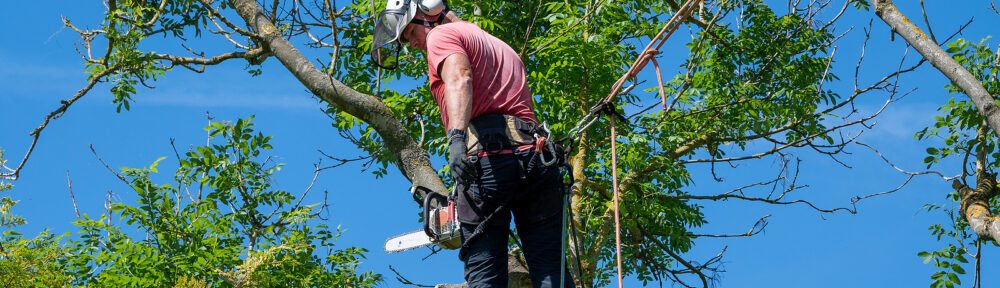
Year Round Mulching Guide for Tree Lovers

Mulching might just be the unsung hero of tree care and gardening. If you’re a homeowner, gardener, or landscaping enthusiast in the Midwest, mastering the art of mulching can elevate your garden’s health and appearance year-round. Discover how this simple practice can enhance tree health, improve soil quality, and provide sustainable solutions for maintaining your landscape.

Call 317-783-2518 If You Are Looking For Tree Care Companies in Indianapolis
Call 317-783-2518 If You Are Looking For Tree Care Companies in Indianapolis Indiana

The Basics of Tree Mulching

Mulching is more than just a decorative layer on your garden beds. It’s an essential practice that offers a plethora of benefits for your plants and trees. Mulch serves as a protective barrier, locking in moisture, suppressing weeds, and adding vital nutrients back into the soil. In the Midwest, where seasonal changes can be extreme, proper mulching can be the key to thriving plants.

Understanding the role of mulch is crucial for effective garden management. It acts as an insulator against harsh weather, keeps root systems cool during hot months, and provides warmth in winter. For Midwest homeowners and gardeners, a well-mulched garden means healthier plants and less maintenance. Mulching is not just about throwing some wood chips around your plants. It’s an art that requires choosing the right type of mulch, applying it correctly, and knowing when to renew it.

Types of Mulch for Midwest Climates

Not all mulch is created equal. Different types offer unique benefits and are suited to various climates and garden needs. In the Midwest, where temperatures can swing wildly, selecting the appropriate mulch type is crucial.

Wood Mulch: Wood Mulch is a popular choice because of its aesthetic appeal and ability to improve soil composition. It decomposes slowly, releasing nutrients back into the soil and improving its structure. However, it’s important to monitor wood mulch for any signs of compaction, which can restrict water flow.

Bark Mulch: Bark Mulch offers a natural look and is excellent for moisture retention. It breaks down at a moderate rate and is suitable for both flower beds and tree bases. When using bark mulch, ensure it’s applied at the correct depth to avoid suffocating plant roots.

Leaf Mulch: Leaf Mulch is an Eco-friendly option that recycles fallen leaves. It enriches the soil with organic matter and is ideal for vegetable gardens. Leaf mulch decomposes quickly, so regular renewal is essential to maintain its benefits.

Stone Mulch: This mulch provides a long-lasting solution for areas where organic mulch may not be suitable. It works well in garden paths and dry areas but offers little in terms of nutrient-return to the soil. Ensure stone mulch doesn’t trap too much heat around delicate plants.

Seasonal Mulching Guide for the Midwest

To maximize the benefits of mulch, it’s essential to adjust your approach with the seasons. Each time of year presents unique challenges that require specific mulching strategies.

Spring Preparations for the Growing Season

Spring is a time of renewal and growth, making it an ideal season to focus on preparing your garden beds. Start by clearing away winter debris and checking the existing mulch layer. Add a fresh layer of mulch to help retain moisture as new plant growth begins.

Incorporate compost or well-decomposed leaf mulch to enrich the soil with nutrients. This practice supports healthy plant development and prepares your garden for the demands of summer. Be sure to maintain a consistent mulch depth to prevent erosion and weed growth.

Consider using a mix of wood and bark mulch during spring. This combination provides a balanced approach, offering both aesthetic appeal and essential nutrients for your plants. Regularly inspect the mulch for any signs of pest infestations and address them promptly.

Summer Strategies for Moisture and Heat Protection

During the hot Midwest summers, mulch acts as a crucial barrier against the sun’s harsh rays. It helps retain soil moisture, reducing the need for frequent watering. Apply a thicker layer of mulch, especially around trees and shrubs, to shield their roots from intense heat.

Select mulches that reflect sunlight, such as straw or light-colored wood chips. This approach helps keep the soil temperature down and prevents heat stress on your plants. Ensure mulch remains loose and aerated to facilitate water penetration.

Incorporating drip irrigation under the mulch layer can provide consistent moisture without over-saturating the soil. This method supports plant health by delivering water directly to the roots, minimizing evaporation losses.

Fall Focus for Winterizing and Plant Protection

Fall is the season to prepare your garden for the upcoming cold months. Mulching during this time helps protect plant roots from freezing temperatures and minimizes soil erosion caused by winter rains.

Use a thick layer of organic mulch, such as shredded leaves or straw, to insulate plants. This layer acts as a natural blanket, keeping roots warm and preventing frost damage. Be cautious not to pile mulch directly against the stems of trees and shrubs, as this can lead to rot.

Fall mulching also aids in weed suppression, reducing competition for nutrients during the dormant winter months. Replenish the mulch layer as needed to maintain its protective properties throughout the cold season.

Winter Insulation and Weed Suppression Techniques

Winter is a critical time for maintaining mulch in your garden. While plants are dormant, mulch provides insulation and suppresses weeds that may emerge during mild spells. Use evergreen boughs or wood chips to cover perennial beds and tree bases. These materials offer excellent insulation and add a touch of winter beauty to your landscape. Regularly check the mulch layer for any signs of compaction and fluff it if necessary.

Mulch also helps prevent soil heaving caused by freeze-thaw cycles. By maintaining a consistent soil temperature, mulch reduces stress on plant roots and enhances their resilience for the coming spring.

Mastering Mulch Application for Optimal Results

Applying mulch effectively is key to maximizing its benefits. The right depth and technique can make all the difference in tree health and garden vitality.

Depth and Application Techniques

For most garden beds, a mulch depth of 2 to 4 inches is ideal. This thickness retains moisture while allowing air circulation. When mulching around trees, use a technique known as the “doughnut” method, leaving a gap around the trunk to prevent rot and disease.

Spread mulch evenly and avoid creating a mound, which can lead to water runoff and poor root development. Ensure the mulch is loose and not compacted, as this can restrict water and air movement to the roots.

Common Mistakes to Avoid

Avoid using fresh grass clippings or sawdust, as these materials can create a dense mat that repels water. Additionally, refrain from piling mulch directly against plant stems or trunks, as this can encourage pests and disease. Be cautious with dyed or colored mulches, which may contain chemicals that can leach into the soil. Opt for natural, untreated mulch materials whenever possible.

Mulching for Specific Plants and Garden Types

Different plants and garden types have unique mulching needs. Tailoring your approach ensures optimal growth and health for your entire landscape.

Trees and Shrubs

Mulching trees and shrubs provides insulation and moisture retention, which are crucial for their health. Use wood or bark mulch for long-lasting protection and maintain a circle of mulch that extends to the drip line of the tree.

Flower Beds and Ornamentals

For flower beds, consider using leaf or bark mulch. These materials decompose quickly, enriching the soil and enhancing flower growth. Apply mulch around perennials in a ring to allow room for expansion as they grow.

Vegetable Gardens

Leaf mulch or straw is ideal for vegetable gardens. These materials enrich the soil and promote healthy plant development. Add mulch between rows to suppress weeds and maintain consistent moisture levels.

Choosing Sustainable Mulch Options

Sustainability is an important consideration when selecting mulch. Choose materials that are renewable and environmentally friendly to support healthy ecosystems. Consider using locally-sourced mulch to reduce transportation emissions.

Organic mulches, such as leaves or compost, are excellent choices that promote soil health without the risk of chemical leaching. Avoid using mulch from urban areas, as it may contain contaminants. By choosing sustainably-produced mulch, you contribute to environmental conservation and promote healthy plant growth.

Maintaining and Renewing Your Mulch

Regular maintenance is essential to keep your mulch effective throughout the year. Inspect the mulch layer often and replenish it as needed to maintain the desired depth. Fluff the mulch with a rake to prevent compaction and improve water absorption.Remove any debris or weeds that may have infiltrated the mulch and replace any degraded material. Renew the mulch layer annually to ensure consistent protection and nutrient contribution. This simple practice supports healthy plant growth and vibrant landscapes.

In Summary

Mulching is a powerful tool for Midwest homeowners, gardeners, and landscaping enthusiasts. By understanding its benefits, choosing suitable materials, and applying it correctly, you can enhance tree health and garden vitality.

Take these mulching tips to heart and watch your landscape thrive in every season. For more in-depth guidance and personalized advice, consider consulting with local experts who can tailor mulching strategies to your specific needs. Ready to transform your garden with the magic of mulch? The possibilities are endless!

Looking for professional tree care for your newly-mulched trees? Contact Complete Tree Care at 317-783-2518 for Indianapolis tree trimming and pruning services you can trust. We serve residential and commercial clients.

Related Posts:

Tree Mulch Maintenance Tips For Fall
Why You Should Mulch Your Trees Every Spring and Winter
How to Mulch Around a Tree

Defending Your Garden from the Quiet Threat of Dutch Elm Disease

Home gardening offers a rewarding blend of nature, creativity, and personal satisfaction. However, maintaining a beautiful and healthy garden requires vigilance against threats like Dutch Elm Disease (DED). This blog explores the depths of DED, its historical impact, and how you, as a homeowner or home gardener, can protect your cherished elm trees. By the end of this post, you’ll be equipped with knowledge and actionable steps to safeguard your garden from this silent menace.

Call 317-783-2518 For Dead Tree Removal in Indianapolis

The History of Dutch Elm Disease (DED)

Dutch Elm Disease has left a permanent scar on landscapes around the world. Originating in Asia, this fungal disease found its way to Europe in the early 20th century and later spread to North America. The disease earned its name not because it originated in the Netherlands but due to the pioneering research of Dutch plant pathologists who first identified the fungus responsible. DED has decimated elm populations, transforming once lush, tree-lined avenues into stark reminders of nature’s vulnerability.

The devastation wrought by DED in the 20th century is a testament to the disease’s virulence. Elm trees, which once graced city streets and rural areas with their elegant canopies, faced drastic declines. In England alone, millions of elms succumbed to the disease, altering landscapes and ecosystems. This historical context underscores the importance of vigilance and proactive measures in managing Dutch Elm Disease today.

Despite significant losses, efforts to combat DED have evolved. Researchers and arborists have developed resistant elm varieties and innovative management strategies. The resilience of these endeavors gives hope for the future of elm trees, highlighting the need for continued dedication to this cause.

Spotting the Signs of Dutch Elm Disease

Early detection of Dutch Elm Disease is crucial for effective management. Understanding the symptoms can help homeowners and gardeners take timely action. The initial signs are subtle, making it imperative to inspect elm trees regularly.

One of the first indications of DED is wilting leaves. Homeowners may notice that leaves turn yellow and curl prematurely, often in isolated branches. This wilting generally progresses to browning and leaf drop, signaling a severe infection. Observing these symptoms early can mean the difference between saving and losing a tree.

Another key symptom is dark streaking beneath the bark. By carefully removing a small section of bark, one might observe brown streaks following the grain of the wood. This discoloration is a clear indication of the fungal activity associated with Dutch Elm Disease. Recognizing such signs can prompt timely intervention, potentially saving the affected tree and others nearby.

The Spread of Tree Disease

Several factors contribute to the rapid spread of Dutch Elm Disease. Understanding these can help homeowners implement effective preventive measures. One primary vector of DED is the elm bark beetle, which carries the fungal spores from infected to healthy trees. These tiny insects bore into the bark, creating pathways for the fungus to spread.

Environmental conditions also play a significant role in DED proliferation. Wet, humid climates favor the growth and spread of the fungus, while wind can carry elm bark beetles over long distances. These conditions can exacerbate the spread, making it crucial for homeowners to remain vigilant, especially during peak growing seasons.

Human activity further aids the spread of DED. Moving infected firewood, for instance, can introduce the fungus to new areas. Home gardeners and homeowners must be aware of these contributing factors and take action to minimize risks, such as sourcing firewood locally and monitoring local tree health.

Dutch Elm Disease Prevention and Control

Preventing Dutch Elm Disease requires a multifaceted approach. Home gardeners and homeowners can adopt several strategies to protect their elm trees and prevent the spread of disease in their gardens.

Regular maintenance and monitoring are essential. Pruning dead or dying branches not only improves tree health but also reduces the likelihood of beetle infestation. It’s important to remove pruned materials promptly, as they can harbor pests and pathogens. Consistent care fortifies trees, making them more resilient to disease.

Chemical treatments offer another line of defense. Fungicidal injections can protect trees from infection, particularly valuable for prized or historically significant elms. While these treatments demand professional application, they can be a worthwhile investment in areas prone to DED outbreaks.

For those seeking a more natural approach, introducing diversity into your garden can create a healthier ecosystem. Including a variety of tree species can reduce susceptibility to disease and enhance overall garden resilience. Knowledgeable tree service providers can offer guidance on suitable species and planting practices.

Protecting Our Future Trees

The future of elm trees depends on our actions today. By understanding Dutch Elm Disease and implementing preventive measures, homeowners and gardeners can play a pivotal role in preserving these majestic trees for generations to come.

Research continues to advance, offering hope for resistant elm varieties and innovative control methods. Staying informed about these developments is crucial for effective DED management. Engaging with local gardening clubs or tree conservation organizations can provide access to the latest knowledge and support networks.

Final Thoughts

In conclusion, Dutch Elm Disease poses a significant challenge to home gardeners and homeowners, but it’s a challenge that can be met with knowledge and action. By staying vigilant, employing effective prevention strategies, and seeking professional tree service when needed, you can protect your garden from this destructive disease.

For those with concerns about dead or dying trees, professional tree service providers offer vital assistance. Timely removal of infected trees can prevent further spread, safeguarding the health of your garden and community. Take action today to ensure the beauty and vitality of your landscape endure.

Taking Action Today

Are you ready to protect your garden from Dutch Elm Disease? Start by conducting regular inspections of your elm trees and adopting preventive measures. Reach out to a reputable tree service provider for expert guidance and support. Together, we can preserve the legacy of elm trees and create a sustainable future for our gardens.

For more information and resources on Dutch Elm Disease and elm tree care, consider joining gardening forums, subscribing to arboriculture publications, or visiting local botanical gardens. Let’s work together to safeguard our natural heritage and enjoy the beauty of elm trees for years to come.

If your trees are dead or dying, let us restore the safety and tranquility of your property. Contact Complete Tree Care at 317-783-2518 for licensed and insured tree services in Indianapolis, Indiana. We serve both residential and commercial clients all throughout Central Indiana.

Related Posts:

Saving Your Trees from Oak Wilt Disease and Devastation
Tree Troubles: Identifying and Treating Common Tree Diseases in Indiana
Is My Tree Dead or Diseased?

Composting 101: Sustainable Practices for Greener Gardens

In a world that’s becoming increasingly aware of environmental footprints, composting stands out as a simple yet powerful way to contribute to sustainability. Whether you’re an Eco-conscious homeowner, a gardening enthusiast, or a passionate advocate for sustainability, composting offers a practical solution to reduce waste and enrich your garden. This guide will walk you through essential composting tips, from getting started to advanced techniques, ensuring your garden thrives while you do your part for the planet.

Call 317-783-2518 For Tree Care Assistance in Indianapolis Indiana

The Basics of Composting

Composting is the process of recycling organic waste into a rich, nutrient-filled soil amendment known as compost. This natural fertilizer is a treasure trove for any garden, teeming with beneficial microorganisms that improve soil structure and fertility. By diverting organic waste from landfills, composting reduces methane emissions, playing a crucial role in mitigating climate change. It’s an effortless way to close the loop in the food cycle, transforming kitchen scraps and yard waste into something valuable.

The benefits of composting extend beyond the garden. Environmentally, it helps reduce the burden on landfills and cuts down greenhouse gas emissions. Economically, it decreases the need for chemical fertilizers, saving you money while promoting healthier plant growth. Socially, composting fosters a sense of community as neighbors share tips, advice, and even the resulting compost. By engaging in composting, you’re part of a larger movement towards sustainable living.

How to Compost at Home

Choosing the right composting method is crucial to success, especially when considering your space and lifestyle. For those with large yards, traditional backyard composting bins might be ideal. These bins accommodate a sizable amount of material and can be placed in a sunny spot to accelerate decomposition. If space is limited or you’re living in an apartment, consider using a worm bin or a small kitchen composter.

When selecting a composting method, think about how much organic waste you generate. For households producing substantial kitchen waste, vermicomposting, or worm composting, can be a practical choice. It’s efficient and odorless, making it suitable for indoor use. Alternatively, Bokashi composting offers a fermentation-based option that’s perfect for those who want to compost meat and dairy safely.

Once you’ve chosen a method, it’s time to set up your system. Place your compost bin in a convenient location, ensuring it’s easy to access for adding materials and turning the pile. Make sure any containers you use have proper ventilation and drainage to facilitate aeration and moisture control. Start collecting materials and prepare to transform waste into a valuable resource for your garden.

Items to Put in Your Compost Pile

A successful compost pile is all about balance, requiring a mix of green and brown materials. Green materials are rich in nitrogen and include items such as fruit and vegetable scraps, coffee grounds, and fresh grass clippings. Brown materials, on the other hand, provide carbon and include dried leaves, tree mulch, and shredded paper. Striking the right balance between these two types of materials is essential for efficient decomposition.

While many organic materials are compostable, certain items should be avoided. Meat, bones, and dairy products can attract pests and create unpleasant odors, making them unsuitable for home composting systems. Similarly, diseased plants or those treated with pesticides should not be added to the pile, as they can introduce harmful pathogens or chemicals.

Understanding what materials can and cannot be composted ensures a healthy, balanced compost pile that breaks down efficiently. Keep a handy list in your kitchen or garden shed to remind you of compost-friendly materials and avoid potential pitfalls.

Types of Composting Techniques

There are several composting techniques to choose from, each with its own advantages and requirements. Hot composting is a fast method that involves creating a large pile with balanced materials, which heats up as it decomposes. This technique requires regular turning to maintain aeration and speed up the process, producing finished compost in just a few weeks.

Cold composting, in contrast, is a slower but more hands-off approach. Simply add materials to the pile as you collect them and allow nature to take its course. This method takes longer, often several months to a year, but requires minimal effort. It’s ideal for those with limited time or who prefer a more passive approach.

Vermicomposting, or worm composting, uses worms to break down organic material, creating rich, high-quality compost known as worm castings. This method is perfect for indoor use, as it requires little space and produces minimal odor. Plus, it’s an excellent educational tool for teaching children about waste reduction and sustainability.

Troubleshooting Common Composting Issues

Even experienced composters encounter challenges, but most problems can be easily resolved. If your compost pile isn’t heating up, it may lack the right balance of green and brown materials or need more moisture. Adding additional green materials or water can help kickstart the decomposition process and restore balance.

Odors are a common issue, usually caused by excess moisture or an imbalance in materials. To eliminate unpleasant smells, turn the pile to improve aeration and ensure a proper mix of materials. If necessary, add more brown materials like dried leaves or garden mulch to absorb excess moisture and restore balance.

Pests, such as rodents and flies, can be deterred by avoiding meat and dairy in your pile and ensuring it’s covered with a layer of brown material. Additionally, turning the pile regularly and using a secure compost bin can help keep unwanted visitors at bay. By addressing these common issues, you’ll maintain a healthy, productive compost system.

Using Compost in Your Garden

Once your compost is ready, the possibilities are endless. Compost is a fantastic soil amendment, improving soil structure, drainage, and fertility. Use it as a top dressing around plants to promote healthy growth or mix it into garden beds before planting to enrich the soil with nutrients.

Compost tea is another excellent way to harness the power of compost. Made by steeping compost in water, this nutrient-rich liquid can be used to water plants or as a foliar spray. It’s an effective way to deliver nutrients directly to plants, promoting robust growth and resistance to pests and diseases.

Tree mulch is another popular use for compost, providing a protective barrier around trees and shrubs. It helps retain soil moisture, suppresses weeds, and slowly releases nutrients into the soil. By creatively using your compost, you can enhance your garden’s health and vitality.

How Composting Helps the Planet

Composting plays a vital role in sustainability, reducing waste and minimizing our environmental impact. By recycling organic material, you’re contributing to a healthier planet, reducing methane emissions, and conserving resources. It’s an essential practice for those passionate about sustainable gardening and Eco-conscious living.

Incorporating composting into your lifestyle fosters a deeper connection to the environment and encourages mindfulness about resource consumption. It’s an opportunity to educate friends and family about the benefits of waste reduction and sustainable gardening practices. By sharing your knowledge and experience, you can inspire others to join the movement.

Ultimately, composting is a small action with a significant impact, promoting healthier gardens, communities, and ecosystems. It’s a testament to the power of individual choices in creating a more sustainable future for generations to come.

Conclusion

Composting is more than just a gardening practice; it’s a commitment to sustainability and environmental stewardship. By following these composting tips and techniques, you can transform waste into a valuable resource, enriching your garden while reducing your ecological footprint. Whether you’re a beginner or a seasoned composter, these insights will help you create a thriving, sustainable garden.

We hope this guide has inspired you to start composting and explore the many possibilities it offers. For more information and resources on sustainable gardening, be sure to check out related content on our blog. Together, we can cultivate a greener, more sustainable world.

Let us give your trees the professional attention they need after providing them with nutrient-rich composted soil! Contact Complete Tree Care at 317-783-2518 for licensed and insured tree services in Indianapolis, Indiana. We serve residential and commercial clients with comprehensive tree care solutions.

Related Posts:

What is the Soil Food Web and How Does it Benefit Trees?
Tree Mulch Maintenance Tips For Fall
Nurturing the Earth: Trees, World Environment Day, and You

Sow, Grow, and Nourish: Everything You Need to Know About Tree Planting

Planting a tree is more than just digging a hole and placing a sapling in the ground. It’s an act of hope, a commitment to nurturing life, and a means of fostering a healthier planet. For Eco-conscious consumers, home gardeners, and environmentalists, tree planting is a rewarding endeavor that contributes positively to both personal well-being and the environment.

In this blog post, we’ll explore the many facets of tree planting, from understanding its significance to mastering the art of nurturing a sapling to maturity. We’ll cover everything you need to know to plant, grow, and care for trees in your own backyard or community spaces.

Call 317-783-2518 For Professional Tree Care in Indianapolis Indiana

Why Plant a Tree?

Planting a tree is one of the simplest yet impactful actions you can take to combat climate change and enhance biodiversity. Trees are incredible carbon sinks; they absorb carbon dioxide, a major greenhouse gas, and release oxygen into the atmosphere. This process not only purifies the air but also helps mitigate the effects of global warming.

Beyond their environmental benefits, trees play a crucial role in creating habitats for countless species. Birds, insects, and small mammals rely on trees for shelter, food, and nesting sites. By planting trees, you’re contributing to preserving these vital ecosystems and promoting biodiversity.

Trees also offer numerous advantages to human life. They provide shade, reduce noise pollution, and improve mental health by offering serene, green spaces for relaxation. In urban areas, trees help lower temperatures, reducing the urban heat island effect and improving the overall quality of life.

Choosing the Right Tree

Selecting the right tree species for your planting site is essential for ensuring its survival and growth. Start by assessing your local climate and soil type. Some trees thrive in sunny, dry conditions, while others require moist, shaded environments. Consider factors like temperature ranges, rainfall patterns, and soil drainage before making your choice.

Research native trees that are naturally adapted to your area’s conditions. Native species often require less maintenance and are more resilient to local pests and diseases. They also support local wildlife, maintaining the natural balance of the ecosystem.

When selecting a tree, think about the size and shape it will eventually reach. Ensure there’s enough space for the tree to grow without interfering with power lines, buildings, or other structures. Planting a tree that suits your landscape will save you time and effort in the long run.

Planting Techniques

The first step in planting a tree correctly is to prepare the planting hole. Dig a hole that’s twice as wide as the root ball but no deeper than its height. This allows the roots to spread easily and establish a strong foundation. If the surrounding soil is compacted, loosen it with a fork to allow better root penetration and drainage.

Before placing the tree in the hole, remove any packaging or containers, and gently tease out any circling roots. Position the tree so that the root flare (where the trunk meets the roots) is level with the ground surface. This ensures the tree isn’t planted too deeply, which can lead to poor growth and disease.

Once the tree is positioned, backfill the hole with the original soil, gently pressing it around the roots to eliminate air pockets. Thoroughly water the tree to help settle the soil and ensure strong root-to-soil contact. Mulch around the base with organic material like bark chips or straw to conserve moisture, regulate temperature, and suppress weeds.

Caring for Your Tree

After planting, it’s crucial to provide regular care to ensure your tree thrives. Watering is vital, especially during the first few years when the tree is establishing its root system. Aim to keep the soil consistently moist but not waterlogged. Deep, infrequent watering encourages roots to grow deeper and stronger.

Fertilization can give your tree a nutritional boost, but it’s important to use the right type and amount. Choose a balanced, slow-release fertilizer and apply it during the growing season. Be cautious not to over-fertilize, as this can damage the roots and inhibit growth.

Regularly inspect your tree for signs of pests and diseases, and take action promptly if any issues arise. Pruning is another important aspect of tree care. Remove dead or damaged branches to promote healthy growth and improve the tree’s structure. Pruning is best done during the dormant season to minimize stress on the tree.

The Long-Term Impact

Planting a tree is an investment in the future. Over time, the tree you plant will grow into a majestic presence, providing numerous benefits to the environment and community. Beyond its immediate contributions, such as shading and improving air quality, a mature tree enhances property values and beautifies the landscape.

By planting and caring for trees, you’re acting as a steward of the environment, playing a part in the global effort to combat climate change and protect biodiversity. Each tree planted contributes to the collective impact, making your efforts significant and valuable.

Trees also serve as an educational tool, for both children and adults, to learn about nature’s cycles and the importance of conservation. By sharing your tree-planting experiences with others, you inspire them to join the movement and take positive action for the planet.

Conclusion

In conclusion, planting a tree is a simple yet powerful way to make a difference in the world. Whether you’re an Eco-conscious consumer, a dedicated home gardener, or a passionate environmentalist, your actions contribute to a healthier, greener future for all.

Now that you’re equipped with the knowledge and tools to plant a tree successfully, it’s time to take action. Gather your resources, choose the right tree species, and start planting. Every tree counts, and together, we can create a sustainable world with flourishing natural landscapes.

For further resources and guidance, consider joining local tree-planting initiatives or consulting with tree care professionals. Let’s sow the seeds of change and nurture our planet, one tree at a time.

Now that your trees are grounded and growing, give them the expert attention they deserve. Call Complete Tree Care at 317-783-2518 for affordable tree services in Indianapolis, Indiana and its surrounding counties. From precision pruning to soil analysis, pest management, and beyond, we offer comprehensive care tailored to your unique green space. We provide commercial tree services as well.

Related Posts:

Why You Should Not Plant Prunus Trees if You Live Near a Farm
When is the Recommended Time of Year to Transplant a Tree?
Arbor Day Tips for Taking Care of a Newly Planted Tree

Is Your Tree Sick? How to Spot the Signs and Save Your Greenery

Trees are among nature’s most magnificent creations. They provide shade, improve air quality, and enhance the beauty of any landscape. However, like all living things, trees can become sick. Recognizing the signs of a sick tree early can be crucial in saving it and preserving the environment around you. This guide is tailored for homeowners, gardeners, and environmental enthusiasts who want to maintain the health of their trees and ensure their longevity.

Call 317-783-2518 For Professional Tree Care Services

The Importance of Trees in Our Environment

Trees play a vital role in maintaining ecological balance. They absorb carbon dioxide and release oxygen, providing the air we breathe. They offer habitats for countless species, including birds, insects, and mammals. Furthermore, trees contribute to soil health, prevent erosion, and enhance water quality by filtering rainwater. For homeowners and gardeners, trees add significant aesthetic value and can increase property value.

However, when a tree becomes sick, it can quickly turn from an asset into a liability. A sick or dying tree may lose its structural integrity, posing a risk to property and safety. Additionally, it can become a breeding ground for pests that might spread to other plants. Thus, understanding and identifying the signs of a sick tree is essential for both environmental and personal safety.

Understanding the Signs of a Sick Tree

Changes in Leaves: Color, Size, and Texture

One of the first indicators of a tree’s health is its leaves. Healthy leaves are typically vibrant in color and consistent in size and texture. If you notice any discoloration, such as yellowing or browning, it could be a sign of nutrient deficiency or disease. Leaves that are smaller than usual or have a different texture, such as becoming brittle or curling, are also red flags.

Leaf loss outside of the typical seasonal patterns can indicate underlying health issues. If your tree is shedding leaves prematurely, it’s time to investigate further. Consistent monitoring of leaf condition can provide valuable insights into the tree’s overall health.

Bark Abnormalities: Cracks, Peeling, or Discoloration

The bark serves as the protective layer for a tree, much like skin for humans. Healthy tree bark is firm and intact. Cracks, peeling, or discoloration could indicate a sick tree. Cracks might develop due to rapid temperature changes or underlying diseases, while peeling bark can be a natural process for some species but a concerning symptom for others.

Discoloration often points to fungal infections or pest infestations. Regularly checking your tree’s bark can help identify these issues early, potentially saving your tree from further damage.

Growth Patterns: Stunted Growth or Unusual Branches

Trees have a natural growth rhythm. Any deviations, such as stunted growth or unusual branching patterns, might indicate health problems. A tree that is not growing in height or girth as expected could be suffering from root problems, lack of nutrients, or disease.

Unusual branches, including those that grow at odd angles or appear weak, may suggest internal decay or pest issues. Observing and comparing your tree’s growth with others of the same species can offer clues about its health status.

Fungal Growth: Mushrooms or Fungi on the Trunk or Soil

Fungi can be both a sign and a cause of tree sickness. While mushrooms at the base of a tree or on the trunk can indicate decaying wood, certain fungi are beneficial and part of a tree’s ecosystem. However, if you notice an abundance of mushrooms or unfamiliar fungal growths, it might be a sign of rot or disease.

These fungi often feed on decaying organic matter, suggesting that the tree might already be weakened. Early detection and proper identification are key to addressing these issues effectively.

Pests and Diseases: Visible Insects, Webs, or Holes

Pests can wreak havoc on trees, leading to irreversible damage if not controlled. Look for visible insects, webs, or holes in the bark and leaves. Common tree pests include beetles, aphids, and caterpillars, each leaving distinct signs of their presence.

Diseases often accompany pest infestations, further complicating tree health. Observing and managing these issues promptly can prevent them from spreading to other plants.

The Consequences of Ignoring Sick Trees

Ignoring the signs of a sick tree can have severe consequences. Structurally compromised trees pose a significant risk to property and people. Falling branches or even entire trees can cause damage and injury. Additionally, sick trees can spread diseases and pests to healthy ones, leading to widespread landscape damage.

From an environmental perspective, losing a tree means losing vital ecological benefits, such as air purification and wildlife habitat. Addressing tree health issues promptly can prevent these negative outcomes and maintain the balance of your local ecosystem.

Tree Care Tips to Prevent Tree Problems

Proper Watering and Soil Management

Adequate watering is fundamental to tree health. Both overwatering and underwatering can stress a tree, making it more susceptible to disease. Understanding the specific water needs of your tree species and adjusting according to local climate conditions is crucial.

Healthy soil is equally important. Regularly testing soil for nutrient levels and pH can help maintain optimal conditions for tree growth. Adding organic matter, such as compost, can improve soil structure and fertility.

Regular Pruning and Inspection

Pruning helps maintain tree shape, remove dead or diseased branches, and promote healthy growth. Regular inspection allows for early detection of potential issues. It’s essential to prune correctly to avoid causing harm. Hiring a professional arborist is advisable for large or mature trees.

Inspection involves checking for the signs discussed earlier and noting any changes over time. Keeping detailed records can assist in identifying patterns and making informed decisions about tree care.

Identifying and Treating Tree Diseases

Early identification of diseases is key to effective treatment. Familiarize yourself with common tree diseases and their symptoms. Employ targeted treatments, such as fungicides or insecticides, when necessary.

Consulting with a tree care professional can provide access to specialized knowledge and resources. They can offer guidance on safe and effective treatments tailored to your specific situation.

Key Takeaways

Recognizing and addressing the signs of a sick tree is vital for maintaining the health and beauty of your environment. By being proactive in tree care, you can prevent many of the issues that lead to tree sickness. Healthy trees contribute significantly to ecological balance and property aesthetics.

Remember, early detection and intervention are crucial. If you’re unsure about the health of your trees or need assistance, consider consulting a professional tree service. Taking these steps will ensure your trees continue to thrive and provide benefits for years to come.

For those passionate about preserving their greenery, exploring further resources and expert advice can enrich your understanding and approach to tree care. Together, let’s foster a healthier environment, one tree at a time.

Are you looking for trusted, professional tree support installation near you? Contact Complete Tree Care at 317-783-2518 for licensed and insured tree services in Indianapolis, Indiana. We serve residential and commercial clients with comprehensive tree care solutions.

Related Posts:

Reviving Your Yard: A Guide to Saving Unhealthy Trees
How to Identify Tree Hazards Before They Become a Problem
10 Ways to Protect Your Trees from Bark Problems

Roots of Change: How Trees Hold the Key to a Cooler Planet

Ever stopped to wonder how the air we breathe remains so perfectly balanced? Carbon dioxide (CO2) plays a crucial role in this balance, acting as a natural thermostat for Earth’s atmosphere. However, when CO2 levels rise unchecked, they contribute to global warming and climate change. Enter trees, the unsung heroes of our planet, standing tall as nature’s carbon sequestration powerhouse. By capturing carbon dioxide through their leaves and storing it within their trunks, trees help maintain the delicate equilibrium essential for life on Earth.

Throughout this blog post, we’ll explore the fascinating world of carbon sequestration by trees, understand the role of deforestation in carbon emissions, and discover how each of us can contribute to this vital cause.

Call 317-783-2518 For Tree Care Assistance in Indianapolis Indiana
Call 317-783-2518 For Professional Tree Care Assistance in Indianapolis Indiana

The Role of Trees in Carbon Sequestration

Trees perform the miraculous process known as photosynthesis, where they use sunlight to transform carbon dioxide and water into energy, releasing oxygen as a by-product. This process not only sustains the tree itself but also contributes significantly to reducing CO2 levels in the atmosphere. During photosynthesis, trees absorb carbon dioxide through small openings in their leaves called stomata. The carbon is then incorporated into the tree’s biomass—trunks, branches, roots, and leaves—thereby sequestering it for decades or even centuries.

Forest ecosystems act as vast carbon reservoirs, with mature forests storing more carbon than any other ecosystem on Earth. These ecosystems are complex networks of trees, plants, and soil that work together to capture and store carbon for the long term. Through a process called carbon storage, forests not only provide a habitat for countless species but also play a critical role in mitigating climate change by capturing and storing carbon dioxide from the atmosphere. This makes forests indispensable allies in our fight against global warming.

The role of trees in carbon sequestration goes beyond just absorbing CO2 during their lifetime. Even after they die, trees continue to play an important part in carbon storage. Fallen leaves, branches, and decaying wood contribute to soil carbon, enriching forest floors and promoting the growth of new vegetation. This ongoing cycle ensures that carbon remains trapped within forest ecosystems, highlighting the importance of preserving existing forests and planting new ones.

The Impact of Deforestation on Carbon Levels

Deforestation, the large-scale removal of forests, is a major contributor to rising carbon emissions worldwide. According to the Food and Agriculture Organization (FAO), deforestation accounts for nearly 10% of all human-induced greenhouse gas emissions. This alarming statistic underscores the urgent need to address deforestation and its impact on our climate. The destruction of forests not only releases stored carbon back into the atmosphere but also eliminates the trees’ future capacity to absorb CO2, creating a double-edged sword in the fight against climate change.

The global impact of deforestation is felt far beyond the immediate areas where trees are removed. When forests are cleared, the carbon stored within them is released as carbon dioxide, contributing to the greenhouse effect and accelerating climate change. Additionally, deforestation disrupts local ecosystems, leading to loss of biodiversity and altering natural water cycles, which can result in changes to weather patterns and increased vulnerability to natural disasters.

Addressing deforestation is crucial for maintaining the planet’s health and stability. By halting the destruction of forests and promoting sustainable land-use practices, we can significantly reduce carbon emissions and protect the vital ecosystems that support life on Earth. Combating deforestation requires global cooperation, as well as local efforts, to ensure that forests remain a powerful tool in the fight against climate change.

Innovative Solutions and Projects

Around the world, innovative reforestation and afforestation initiatives are taking root, offering hope for reversing the effects of deforestation. Reforestation means replanting trees in areas where forests have been cut down, whereas afforestation involves planting trees in areas that have never had forests before. Both approaches aim to restore ecosystems, enhance biodiversity, and increase carbon sequestration capacity.

Countries like Ethiopia have made significant strides in reforestation, setting ambitious goals and planting billions of trees to combat desertification and improve their environment. In addition to government-led efforts, organizations like the Trillion Trees initiative have brought together global partners to conserve, restore, and grow one trillion trees by 2050. These projects demonstrate the power of collective action and the potential for large-scale impact.

Technological advancements are also playing a crucial role in monitoring and enhancing carbon sequestration. Remote sensing technologies, such as satellite imagery and drones, allow scientists to track changes in forest cover and measure carbon storage more accurately than ever before. Furthermore, innovations in tree-planting techniques, like drone reforestation, streamline the planting process, making it faster and more efficient. These technological advancements provide valuable tools for conserving and expanding forests worldwide.

How Individuals Can Contribute

While large-scale projects are essential, individuals can also contribute to reforestation efforts and reduce their personal carbon footprints. Start by supporting organizations dedicated to tree-planting initiatives, either through donations or by volunteering your time. Many of these organizations offer programs that allow you to plant trees in your name or as a gift, creating a meaningful and lasting impact.

Lifestyle changes can also help reduce your carbon footprint. Consider adopting a plant-based diet, reducing energy consumption, and choosing sustainable products. Small changes, when adopted by many, can lead to significant reductions in carbon emissions and help protect our planet for future generations.

Additionally, educating others about the importance of trees and their role in mitigating climate change can amplify your impact. Share your knowledge with friends, family, and community members, encouraging them to join tree-planting initiatives and make environmentally conscious choices. Together, we can create a ripple effect that leads to lasting change.

Conclusion

Trees are vital allies in our quest to combat climate change. Their ability to sequester carbon dioxide not only helps maintain the delicate balance of our atmosphere but also supports life on Earth in countless ways. By understanding the role of trees in carbon sequestration and recognizing the impact of deforestation, we can take meaningful steps to protect and expand our planet’s forests.

Now is the time to act. Support tree-planting initiatives, make sustainable choices, and inspire others to join the movement. Together, we can harness the power of trees to create a healthier, more sustainable future for all. Let’s root for change and nurture the world we want to see.

Would you like professional assistance with the valuable, C02-giving trees in your yard? Call Complete Tree Care at 317-783-2518 for affordable tree services in Indianapolis, Indiana and its surrounding counties. We provide residential and commercial tree services, as well as certified arborist services.

Related Posts:

Nurturing the Earth: Trees, World Environment Day, and You
What is the Soil Food Web and How Does it Benefit Trees?
How Regular Tree Maintenance Can Enhance Your Curb Appeal

From Roots to Canopy: Essential Tips for Homeowners on Mature Tree Care

Mature trees are more than just a part of your landscape; they are pillars of strength and beauty that add character and value to your home. For homeowners and gardeners alike, understanding the importance of mature trees is crucial. These towering giants not only provide shade and improve air quality but also enhance the overall aesthetic of your property.

But why is mature tree care essential? Like any living organism, trees require proper care to thrive. Neglecting them can lead to diseases, structural issues, or even their premature death. This blog post will guide you through maintaining and caring for your mature trees, ensuring they remain healthy and robust for years to come.

From identifying a healthy tree to understanding the role of professional arborists, we’ll explore everything you need to know about mature tree maintenance. By the end of this blog, you’ll be equipped with the knowledge required to keep your trees flourishing, contributing significantly to your home’s environment and your well-being.

Call 317-783-2518 For Mature Tree Care in Indianapolis Indiana

Signs of a Healthy Mature Tree

Determining the health of your mature trees is the first step in tree maintenance. Healthy trees exhibit specific signs that are easy to spot if you know what to look for. A full canopy of rich green leaves, a strong and sturdy trunk, and smooth bark with no cracks are indicators of a thriving tree. Additionally, check the tree’s branches for vitality—dead or broken branches can signal underlying health issues.

Regular maintenance plays a vital role in preserving these signs of health. Watering your trees adequately, especially during dry periods, is crucial for their survival. Mulching around the base can help retain soil moisture and protect the tree’s roots from extreme temperature changes.

Pruning is another essential maintenance task that promotes healthy growth. By removing dead or diseased branches, you not only improve the tree’s appearance but also prevent the spread of decay. However, be cautious and avoid over-pruning, as it can cause stress to the tree and hinder its growth.

Common Tree Care Mistakes and How to Avoid Them

Despite the best intentions, several common mistakes can hinder your tree maintenance efforts. Over-watering is a frequent error that can lead to root rot. It’s important to water deeply but infrequently, allowing the soil to dry out between watering sessions.

Improper pruning is another pitfall. Cutting branches too close to the trunk or leaving stubs can expose the tree to disease. Always use clean, sharp tools and follow proper pruning techniques to ensure the tree’s health and safety.

Failing to recognize signs of stress or disease can be detrimental. Look out for symptoms like discolored leaves, unusual growth patterns, or fungus growing on the bark. Addressing these issues promptly with the help of an arborist can prevent long-term damage and keep your tree thriving.

Seasonal Tree Care Guidance

Tree maintenance is a year-round commitment that varies with the seasons. Spring is the time for assessing winter damage and fertilizing your trees to encourage new growth. A balanced fertilizer can replenish nutrients that may have been depleted over the winter months.

Summer focuses on routine watering and monitoring for pests. Keep an eye out for signs of pest infestations, such as holes in leaves or unusual sap patterns. Early detection can prevent larger issues down the road.

In fall, prepare your trees for the winter by applying mulch and scheduling any necessary pruning. This is also the time to inspect for any structural weaknesses that may become problematic during heavy winter snowfalls. Finally, winter offers a chance to prune branches while the tree is dormant, minimizing stress and promoting healthy growth come spring.

The Role of Professional Arborists in Maintaining Mature Trees

Professional arborists are an invaluable resource in mature tree care. These experts possess the knowledge and skills to assess tree health, diagnose issues, and implement effective maintenance strategies. If you’re unsure about the condition of your trees, an arborist can provide a detailed evaluation and recommend a tailored care plan.

Arborists are particularly beneficial for complex tasks such as disease management and advanced pruning. They have access to specialized tools and techniques that can enhance the health and longevity of your trees. Engaging an arborist ensures that your mature trees receive the best possible care, reducing the risk of accidents and damage to your property.

In addition to individual consultations, many arborists offer ongoing maintenance programs. These programs provide regular assessments and treatments, ensuring your trees remain healthy and vibrant throughout the year. Contacting an arborist can be a proactive step in safeguarding your investment and enjoying the benefits of mature trees for generations.

Environmental and Economic Benefits of Mature Tree Care

The benefits of mature tree care extend beyond your immediate property. Trees play a vital role in the environment by sequestering carbon dioxide, releasing oxygen, and providing habitats for wildlife. A well-maintained tree contributes to biodiversity and supports a healthy ecosystem, making your community a greener, more sustainable place to live.

Economically, mature trees can significantly increase your property’s value. A landscape with healthy, mature trees can boost curb appeal and attract potential buyers if you decide to sell. Additionally, trees can reduce energy costs by providing natural shade and windbreaks, decreasing the need for heating and cooling.

Beyond environmental and economic advantages, mature trees enhance your quality of life. They offer a calm, serene space for relaxation and recreation, improving mental well-being. By investing in tree maintenance, you invest in a healthier, happier future for yourself and the planet.

Conclusion

Caring for mature trees is a rewarding endeavor that brings numerous benefits to homeowners and gardeners alike. By understanding the signs of a healthy tree, avoiding common care mistakes, and enlisting the help of professional arborists, you can ensure your trees thrive for years to come.

Remember, tree maintenance is a year-round commitment that pays off in environmental, economic, and personal dividends. Whether you’re a seasoned gardener or a new homeowner, prioritizing mature tree care can enhance your home’s beauty, value, and sustainability.

We encourage you to take the next step in your tree care journey by contacting a tree service company for professional advice and services. With expert guidance and a dedication to responsible maintenance, you can enjoy the many benefits of mature trees for generations.

Don’t wait for small issues to become big problems. Give your older trees the expert attention they deserve. Call Complete Tree Care at 317-783-2518 for affordable tree services in Indianapolis, Indiana and its surrounding counties. From precision pruning to soil analysis, pest management, and beyond, we offer comprehensive care tailored to your unique green space. We provide residential and commercial tree services, as well as certified arborist services.

Related Posts:

How Regular Tree Maintenance Can Enhance Your Curb Appeal
The Essential Guide to Tree Inspections
Oldest Known Fossilized Trees Discovered in New York City

Saving Your Trees from Oak Wilt Disease and Devastation

Oak trees are majestic and provide shade and beauty to landscapes in North America. However, they face a silent threat in the form of oak wilt disease. This fungal affliction has been wreaking havoc on oak trees, causing them to wilt and die if not addressed promptly. For homeowners and gardeners alike, understanding oak wilt disease is essential to ensure the health and longevity of these magnificent trees. In this blog post, we’ll explore the ins and outs of oak wilt, from its symptoms and causes to effective prevention and treatment options.

Call 317-783-2518 When You Need Oak Wilt Tree Disease Treatment in Indianapolis

What is Oak Wilt Disease?

Oak wilt disease is a fungal infection that affects oak trees, particularly in the Midwest and South of the United States. The disease is caused by the fungus Ceratocystis fagacearum, which clogs the tree’s water-conducting vessels, leading to wilting and, eventually, death. The impact of oak wilt is significant, as it can decimate entire oak populations in affected areas. Recognizing the importance of early detection is crucial for preventing its spread and preserving the beauty of your landscapes.

Understanding oak wilt disease begins with acknowledging its impact on the environment. Not only do oak trees enhance the aesthetic appeal of a property, but they also play a vital role in supporting local ecosystems. The loss of these trees can lead to reduced biodiversity and habitat destruction. This makes it imperative for homeowners and gardeners to stay vigilant and proactive in managing oak wilt.

The good news is that oak wilt disease can be managed effectively with the right knowledge and strategies. This blog post will guide you through the process of identifying the disease, understanding its causes, and implementing preventive measures. By taking action, you’ll protect your oak trees and contribute to the overall health of your community’s green spaces.

The Symptoms of Oak Wilt

Recognizing the symptoms of oak wilt disease is the first step in combating its spread. The signs can vary depending on the type of oak, but some common indicators should raise red flags for any homeowner or gardener.

One of the earliest symptoms of oak wilt is leaf discoloration. Affected leaves may develop yellow or brown veins, giving them a distinctive appearance. This discoloration often starts at the edges and progresses inward, eventually causing the leaves to brown and die. If you notice these changes in your oak tree’s foliage, it’s essential to investigate further.

In addition to leaf discoloration, wilting is another telltale sign of oak wilt. The leaves may droop and curl, as if the tree is suffering from drought stress. This wilting can happen rapidly, sometimes within a few weeks of infection. It’s a clear indication that the tree’s internal water supply is compromised and requires immediate attention.

Defoliation is a severe consequence of oak wilt. Infected trees may shed their leaves prematurely, leaving them bare and vulnerable. This can occur during the growing season, setting oak wilt apart from natural leaf drop in autumn. If you observe sudden leaf loss, especially during spring or summer, it’s crucial to consider oak wilt as a potential cause.

Causes and Transmission of Oak Wilt

Understanding how oak wilt spreads is essential for implementing effective prevention and management strategies. The disease is primarily transmitted through two primary mechanisms, both of which homeowners and gardeners should be aware of.

The first mode of transmission is through fungal spores. These spores are produced on infected trees and can be carried by wind, insects, or even human activity. When spores land on open wounds, such as those caused by pruning or storm damage, they can infiltrate the tree’s vascular system and initiate infection. This highlights the importance of avoiding unnecessary injuries to oak trees and maintaining proper wound care.

A second pathway for oak wilt transmission is through root grafts. Oaks within close proximity can develop interconnected root systems, allowing the disease to move from one tree to another underground. This is particularly common in dense stands of oak trees. Understanding this mechanism is crucial for identifying areas at higher risk and implementing measures to disrupt root graft connections.

Environmental conditions also play a role in the spread of oak wilt. The disease thrives in warm, humid climates, making regions with hot summers more susceptible. Additionally, oak wilt tends to spread rapidly in areas with high oak populations. By recognizing these factors, homeowners and gardeners can take proactive steps to mitigate the risk of oak wilt infestation.

Oak Wilt Prevention Strategies

Prevention is a critical component of managing oak wilt disease effectively. By adopting proactive measures, homeowners and gardeners can significantly reduce the risk of infection and ensure the health of their oak trees.

One key prevention strategy is proper tree care and maintenance. Regularly inspect your oak trees for any signs of stress, injury, or disease. Avoid pruning during the growing season when the risk of infection is higher, as fresh wounds can serve as entry points for the fungus. Instead, prune during late fall or winter when the trees are dormant and less susceptible to infection.

In areas prone to oak wilt, consider implementing a root barrier system. This involves creating physical barriers between trees to prevent root graft formation and the subsequent spread of the disease. Consulting with certified arborists or tree care professionals can help determine the best approach for your specific landscape.

Promoting overall tree health is another essential prevention tactic. Ensure that your oak trees receive adequate water, nutrients, and sunlight to strengthen their defenses against diseases. Applying a layer of mulch around the base of the tree can help retain moisture and improve soil quality. By fostering a healthy environment, you’ll enhance your trees’ resilience to oak wilt and other stressors.

The Importance of Early Detection and Diagnosis

Early detection and accurate diagnosis are crucial for managing oak wilt effectively. By promptly identifying the disease, homeowners and gardeners can implement targeted interventions to minimize its impact.

Begin by conducting regular visual inspections of your oak trees. Look for symptoms such as leaf discoloration, wilting, and defoliation, as discussed earlier. Keep detailed records of any changes you observe over time. If you suspect oak wilt, it’s essential to take action quickly to prevent further spread.

Consulting with professionals is a valuable step in the detection process. Arborists or tree care experts can conduct thorough assessments and perform diagnostic tests to confirm the presence of oak wilt. These tests may involve collecting samples of affected leaves or wood for laboratory analysis. Their expertise can provide you with the information needed to make informed decisions about treatment and management.

It’s important to note that early detection can significantly improve the chances of successful intervention. Once oak wilt has progressed to an advanced stage, treatment options become limited, and the tree’s survival prospects diminish. By staying vigilant and seeking professional guidance, you can take proactive measures to protect your valuable oak trees.

Treatment Options for Oak Wilt Disease

When it comes to treating oak wilt disease, several methods are available to homeowners and gardeners. While no cure exists, certain interventions can help manage the disease and prevent its spread.

Fungicide injections are a common treatment option for oak wilt. These injections involve delivering fungicides directly into the tree’s vascular system to inhibit the growth and spread of the pathogen. It’s important to note that fungicide treatments are most effective when applied early in the infection process. Consulting with an experienced arborist can help determine the appropriate timing and dosage for your specific situation.

Root graft disruption is another treatment method used to combat oak wilt. This approach involves severing the root connections between infected and healthy trees to prevent the disease from spreading through root grafts. Specialized equipment is often required for this procedure, making it essential to work with professionals who have experience in root graft disruption techniques.

In some cases, removal of infected trees may be necessary to prevent further transmission of oak wilt. Severely affected trees that are beyond treatment and pose a risk of spreading the disease should be carefully removed and disposed of according to local regulations. This step can help protect nearby healthy trees and minimize the overall impact of oak wilt on your landscape.

Conclusion and Next Steps

Oak wilt disease is a formidable adversary, but with the right knowledge and strategies, homeowners and gardeners can take proactive measures to protect their oak trees. By understanding the symptoms, causes, and prevention methods, you can effectively manage this fungal threat and preserve the beauty and health of your landscape.

Remember, early detection is key to successful intervention. Regularly monitor your oak trees for any signs of oak wilt and consult with professionals if you suspect an infection. Take advantage of available treatment options, such as fungicide injections and root graft disruption, to minimize the impact of the disease.

For further guidance and personalized assistance, consider reaching out to an expert tree care service. These professionals can provide tailored recommendations based on your specific landscape and help you implement effective oak wilt management strategies. Together, we can combat oak wilt and ensure the longevity of our beloved oak trees.

By staying informed and proactive, you’ll contribute to the preservation of oak trees and the overall well-being of your community’s green spaces. Let’s work together to combat oak wilt and protect the vital role these trees play in our environment.

Would you like some professional assistance with your majestic oak trees? Contact Complete Tree Care at 317-783-2518 for affordable tree services in Indianapolis, Indiana and its surrounding counties. We provide residential and commercial tree services, as well as certified arborist services.

Related Posts:

Is My Tree Dead or Diseased?
Common Diseases Affecting Trees in Indiana and How to Treat Them
What You Need to Know About Tree Disease Treatment

Thriving in Dry Spells: Drought-Tolerant Trees for Indiana Landscapes

Indiana is renowned for its picturesque landscapes, with lush green fields and a variety of trees that add to the state’s charm. However, as climate conditions shift and droughts become more common, gardeners and landscape designers face a new challenge—how to maintain these beautiful outdoor spaces in the face of dwindling water resources. One effective solution is to incorporate drought-tolerant trees into Indiana landscapes.

In this blog post, we will explore the importance of using drought-tolerant trees in your landscaping, highlight the best tree species suited for Indiana’s unique hardiness zone, and provide essential tips for planting and nurturing these trees to ensure they thrive even during dry spells.

Black Locust Tree - Robinia pseudoacacia
Black Locust Tree – Robinia pseudoacacia

Importance of Drought-Tolerant Trees

Reducing Water Usage

One of the most significant benefits of incorporating drought-tolerant trees into your landscape is their ability to thrive with minimal water once established. Unlike traditional tree species that require regular watering, these trees have adapted to survive in dry conditions by developing deep root systems and efficient water retention capabilities. By choosing drought-accommodating varieties, homeowners and landscape designers can significantly reduce their overall water usage.

Lowered Maintenance Needs

In addition to conserving water, tree species with a high drought tolerance often require less maintenance than their more water-dependent counterparts. They are more resilient to pests and diseases, reducing the need for chemical treatments and other interventions. Furthermore, many drought-tolerant species have slower growth rates, which means less frequent pruning and shaping. This not only saves time and labor but also reduces costs associated with tree care.

Enhancing Biodiversity

Incorporating native drought-accommodating tree species into your landscape can also enhance local biodiversity. These trees provide essential habitat and food sources for various wildlife, including birds, insects, and small mammals. By creating a diverse and thriving ecosystem in your garden, you contribute to the overall health of Indiana’s natural environment.

Best Drought-Tolerant Trees for Indiana

Bur Oak (Quercus macrocarpa)

With its impressive size and distinctive lobed leaves, the Bur Oak is a standout choice for Indiana landscapes. This native tree is highly drought-tolerant once established, making it an excellent option for homeowners looking to reduce water usage. Bur Oaks can reach heights of up to 80 feet and provide ample shade, making them perfect for larger properties.

Red Maple (Acer rubrum)

While commonly associated with wetter environments, the Red Maple is surprisingly adaptable and can tolerate periods of drought. This tree is known for its striking fall color, turning vibrant shades of red and orange. Red Maples prefer moist, well-drained soils and thrive in full sun to partial shade.

Eastern Redbud (Cercis canadensis)

The Eastern Redbud is a smaller, ornamental tree that is perfect for gardens and residential landscapes. It is drought-accommodating once established and produces stunning pink to purple flowers in early spring, adding a splash of color to your yard. This tree prefers well-drained soils and can tolerate a range of light conditions, from full sun to partial shade.

Kentucky Coffeetree (Gymnocladus dioicus)

The Kentucky Coffeetree is a unique addition to Indiana landscapes, known for its large, compound leaves and irregular branching structure. This tree is highly drought-tolerant and can thrive in poor soil conditions. Its open canopy allows light to filter through, making it a great choice for planting under power lines or in areas where a full, dense tree would not be suitable.

Black Locust (Robinia pseudoacacia)

The Black Locust is a fast-growing tree that is well-suited to Indiana’s climate and soil conditions. This tree is drought-tolerant and hardy, making it an excellent choice for homeowners looking to establish shade quickly. Its fragrant white flowers attract pollinators, adding to the tree’s appeal in a sustainable landscape.

Tree Planting and Maintenance Tips

Best Times to Plant a Tree

To ensure the successful establishment of your drought-accommodating trees, it’s essential to choose the right time for planting. The best time to plant trees in Indiana is during the early spring or fall, when temperatures are cooler and rainfall is more consistent. Planting during these seasons allows the roots to establish before facing the heat of summer or the cold of winter.

Proper Soil Preparation

Proper soil preparation is key to the long-term success of your trees. Before planting, test your soil’s pH and nutrient levels using a soil test kit, available at local garden centers or through university extension services. Most tree species that have high drought tolerance thrive in slightly acidic to neutral soil (pH 6.0 to 7.0) and benefit from the addition of organic matter, such as compost or well-rotted manure, to improve soil structure and fertility.

If your soil drains poorly, consider amending it with sand or creating raised beds to promote better drainage. For trees like the Red Maple, which prefer more moisture, ensure that the planting area is located in a spot that retains some water without becoming waterlogged.

Steadfast Watering Schedule

While drought-tolerant trees are designed to withstand dry conditions, they still require regular watering during their establishment phase. After planting, water your trees deeply once a week for the first year. This encourages deep root growth and helps the tree acclimate to its new environment.

Once established, you can gradually reduce watering frequency. During extended dry spells, monitor your trees for signs of stress, such as wilting leaves or leaf drop, and provide additional water as needed. Mulching around the base of the tree can also help retain soil moisture and regulate temperature.

Correct Pruning Techniques

Regular pruning is essential for maintaining the health and appearance of your drought-accommodating trees. During the first few years after planting, focus on shaping the tree’s structure by removing any dead, damaged, or crossing branches. This will encourage a strong central leader and improve air circulation within the canopy.

Once your trees are established, annual pruning during the dormant season (late winter to early spring) can help control their size and shape. Be cautious not to remove too much foliage, as this can stress the tree and reduce its ability to withstand drought conditions.

Final Thoughts

Incorporating drought-tolerant trees into your Indiana landscape is a smart and sustainable choice that offers numerous benefits, from reduced water usage to lower maintenance needs. By selecting the right tree species and following proper planting and care guidelines, homeowners and landscape designers can create stunning outdoor spaces that thrive even in the face of changing climate conditions.

If you’re considering adding drought-tolerant trees to your landscape, don’t hesitate to reach out to a local professional tree care company. Their expertise can help ensure your trees are planted and cared for properly, setting the stage for a flourishing and resilient yard for years to come.

Have you recently planted some new trees in your yard? Call Complete Tree Care at 317-783-2518 for affordable tree services in Indianapolis, Indiana and its surrounding counties. From precision pruning to soil analysis, pest management, and beyond, we offer comprehensive care tailored to your unique green space. We provide residential and commercial tree services, as well as certified arborist services.

Related Posts:

Winter-Resistant Tree Species for Indiana
Indiana Hardy Trees That Can Be Planted in Full Sun Locations
Why You Should Not Plant Prunus Trees if You Live Near a Farm
Tree Species Than Can Worsen Seasonal Allergies

Garden Tree Care 101: Defending Your Trees from Wildlife

Imagine investing time, effort, and resources into growing beautiful trees only to see them damaged by local wildlife. Protecting trees from wildlife tampering is crucial for maintaining healthy, vibrant gardens and landscapes.

This blog post will guide gardeners, homeowners, and property managers through protecting trees from wildlife damage. You’ll learn about the common culprits behind tree damage, how to identify signs of tampering, and effective strategies for safeguarding your trees. By the end, you’ll be well-equipped to defend your trees against wildlife threats and ensure they thrive for years to come.

Call 317-783-2518 For Tree Care Assistance in Indianapolis Indiana

Common Wildlife Threats to Trees

Many types of wildlife can pose threats to trees, especially in residential and commercial areas. Insects like beetles and borers can infest tree trunks, while larger animals like deer can damage bark and foliage. Birds, too, can sometimes harm trees by pecking at their bark or nesting in them. Understanding these threats is the first step in protecting your trees and ensuring they remain healthy and vibrant for years to come. Regular monitoring and proper tree care can help mitigate these risks.

  • Deer: Deer are notorious for rubbing their antlers against tree bark, causing significant damage. They also browse on young shoots and leaves, stunting tree growth.
  • Rodents: Rodents such as squirrels, mice, and voles can gnaw on tree bark and roots. Their chewing can girdle a tree, cutting off its nutrient supply and leading to its death.
  • Birds: While birds often help control insect populations, some species can harm trees by pecking at the bark. Woodpeckers, for example, can create holes that leave trees vulnerable to disease and pests.

Identifying Signs of Wildlife Damage

Recognizing the signs of wildlife damage early can save your trees from irreversible harm. Here’s what to look for:

  • Bark Rubbing: Look for areas where the bark has been stripped or rubbed away, often found on the lower trunks of trees. This damage is usually caused by deer.
  • Chewed Bark and Roots: If you notice chew marks or missing bark, rodents are likely the culprits. These marks are typically low on the trunk or around the tree base.
  • Holes in the Bark: Holes drilled into the bark are a clear indicator of bird activity, specifically woodpeckers. These holes can vary in size and depth.

Effective Strategies for Protecting Trees

Protecting your trees requires a multifaceted approach. Here are several strategies to consider:

  • Physical Barriers: Installing physical barriers can deter wildlife from damaging your trees. Fencing, tree guards, and netting are effective options.
  • Fencing: A sturdy fence can keep larger animals like deer away from your trees. Ensure the fence is tall enough—typically at least 8 feet—to prevent deer from jumping over it.
  • Tree Guards: Tree guards made of plastic or metal can protect the lower trunk from gnawing rodents and rubbing deer. Wrap the guard around the base of the tree, ensuring it’s snug but not too tight.
  • Netting: Netting can prevent birds from pecking at your trees. Drape the netting over the tree canopy, securing it to the ground with stakes.

Repellents

Repellents are another effective method for deterring wildlife. They can be chemical or natural and should be applied regularly.

  • Chemical Repellents: Commercial repellents are available for various types of wildlife. These products often contain ingredients that taste or smell unpleasant to animals.
  • Natural Repellents: Natural repellents include homemade sprays made from garlic, hot pepper, or essential oils. These can be just as effective as chemical options and are often more environmentally friendly.

Habitat Modification

Modifying the habitat around your trees can make it less attractive to wildlife.

  • Remove Food Sources: Ensure there are no food sources, such as fallen fruit or bird feeders, that might attract wildlife to your garden.
  • Clear Vegetation: Clear away dense underbrush and tall grass around your trees. This reduces hiding spots for rodents and other small animals.

Sustainable and Wildlife-Friendly Methods

While protecting your trees is essential, it’s also important to consider sustainable and wildlife-friendly methods.

  • Companion Planting: Planting certain types of plants around your trees can naturally repel harmful wildlife. For example, marigolds can deter deer and rabbits.
  • Encouraging Natural Predators: Encourage the presence of natural predators, such as birds of prey and beneficial insects, to control the population of harmful wildlife.
  • Using Eco-friendly Products: Opt for Eco-friendly repellents and barriers that do not harm the environment or non-target species.

Conclusion

Protecting your trees from wildlife damage is crucial for maintaining a healthy and beautiful landscape. By understanding the threats, identifying signs of damage, and implementing effective strategies, you can safeguard your trees against wildlife tampering. Don’t wait until it’s too late—start implementing these tree protection measures today. And if you need professional assistance, don’t hesitate to contact your local tree care company. Your trees will thank you!

For more information and personalized advice on garden tree care, turn to a pro. Contact Complete Tree Care at 317-783-2518 to get assistance from a certified arborist in Indianapolis, Indiana. We serve residential and commercial clients with comprehensive tree care solutions.

Related Posts:

Protecting the Heartland: A Guide to Mid-West Tree Pests
Reviving Your Yard: A Guide to Saving Unhealthy Trees
Common Winter Tree Pests in Indiana