How to Determine When it’s Time to Call a Tree Trimmer

Trees are a spectacular addition to any landscape, providing shade, privacy, and a dose of nature’s beauty. However, they also require care and maintenance, just like any other plant in your garden. As essential as they are, trees can pose safety risks and potentially damage property if not properly maintained. Knowing when it’s time to call a professional tree trimmer can be a bit of a puzzle for most homeowners.

This blog post aims to shed light on the signs you need to look out for and the factors you should consider in determining when to hire a tree trimming service. So, let’s get into the nitty-gritty of tree pruning and when it’s time to bring in the professionals.

Call 317-783-2518 For Tree Trimmer Near Indianapolis

Understanding Tree Trimming

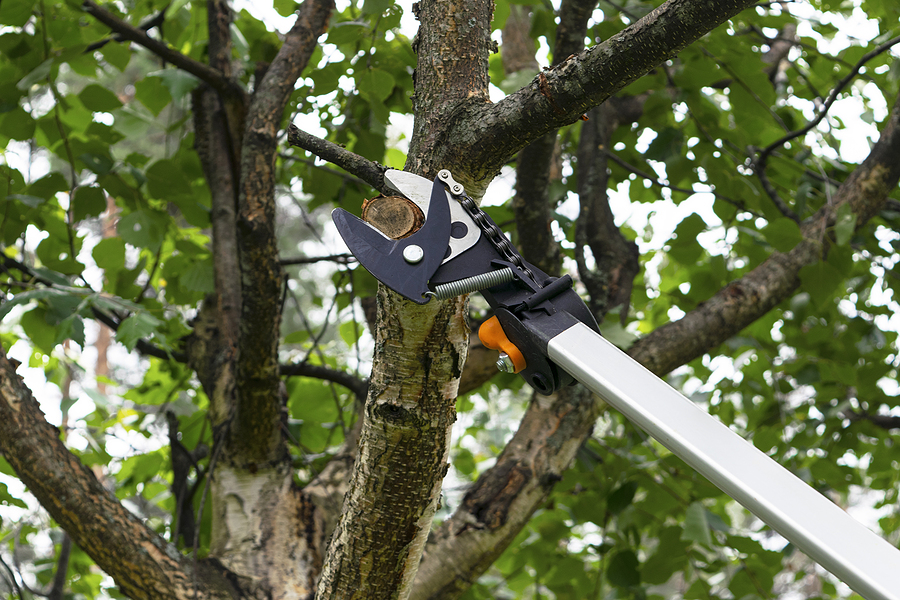
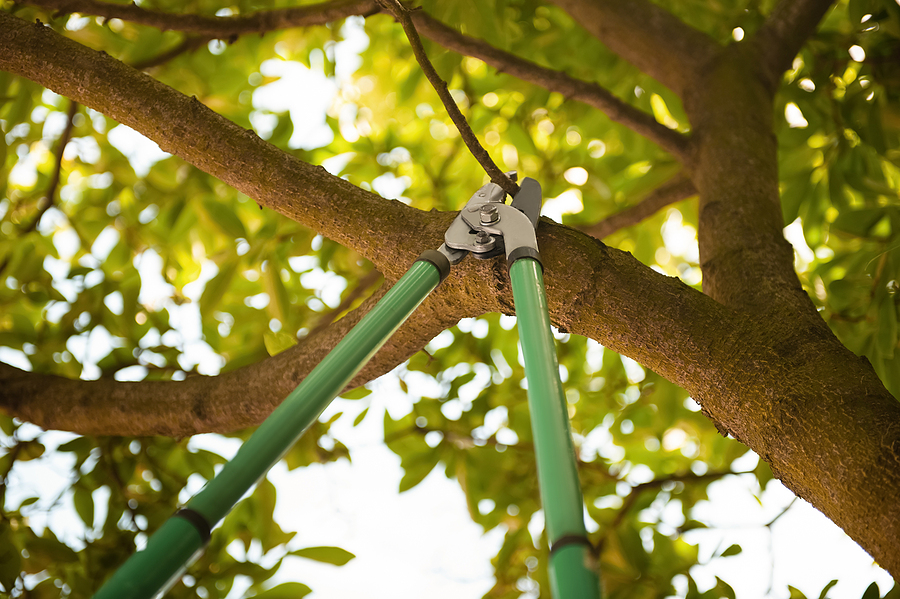
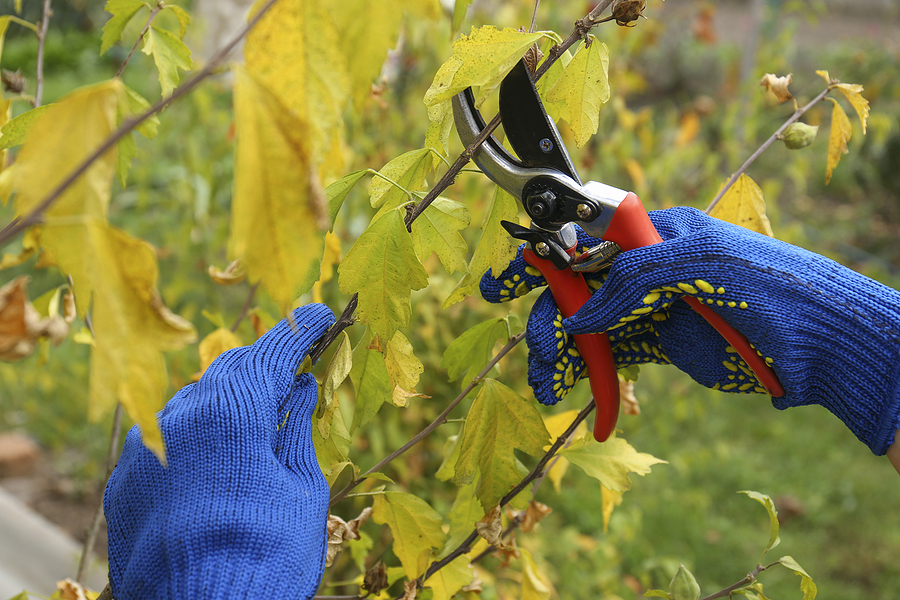
Tree trimming, also known as tree pruning, involves removing specific branches or parts of a tree to improve its health and appearance. Regular tree trimming can keep your trees healthy, prevent potential hazards, and enhance their overall aesthetic appeal. However, not all trees require the same level of pruning, and it’s crucial to understand the needs of each tree species to determine when and how often to trim them.

Signs it’s Time for Tree Trimming

While regular tree maintenance is recommended, there are specific signs that indicate your tree needs immediate trimming. Here are the top warning signs to look out for:

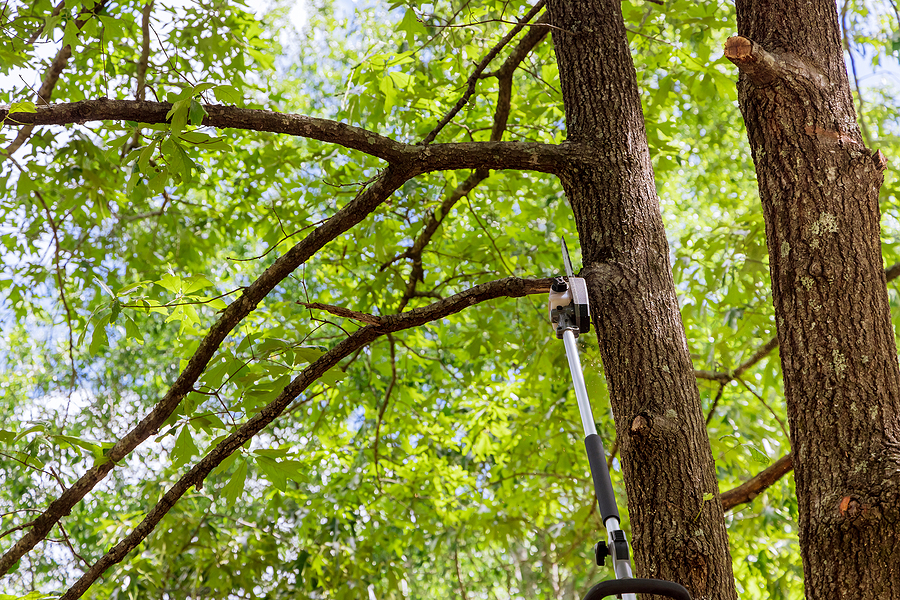
Overgrown Branches: If you notice branches extending over your roof or into power lines, it’s time for a trim. These branches pose significant safety risks and can cause damage to your property or utility lines.

Diseased or Dead Branches: Dead or diseased branches are a liability, as they can fall at any time and injure someone or cause property damage.

Obstructed View: If tree branches obstruct the view from your home, it’s time for a trim. By removing these branches, you can improve your view and let more natural light into your home.

Signs of Disease: Look out for signs of disease such as discoloration, wilting leaves, or abnormal growth patterns. These are indicators that your tree may need pruning to prevent the spread of the disease.

Tree Trimming Factors to Consider

Apart from the warning signs mentioned above, there are other factors to consider when determining if it’s time for tree trimming. These include:

Tree Species: Different trees have different pruning needs. Some may require annual pruning, while others can go several years without being trimmed.

Season: The timing of tree trimming is crucial. Trimming in the wrong season can stress out the tree or expose it to pests and diseases. It’s best to consult a professional tree trimmer to determine the ideal time for pruning your specific tree species.

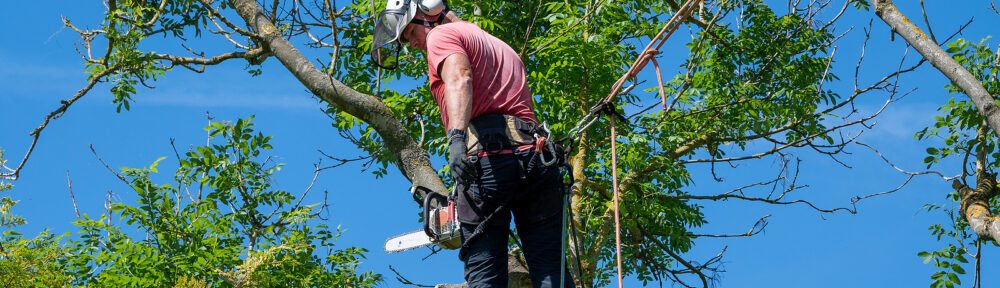
DIY vs. Professional: While minor trimming can be done by homeowners, larger or more complex jobs should be left to professionals. Trimming trees can be dangerous, and it’s essential to hire a reputable and experienced tree trimming service for the job.

Wrapping Up

Tree trimming is an essential aspect of tree care and maintenance. It’s crucial to pay attention to warning signs and understand the specific needs of your trees to determine when it’s time for pruning. Regular trimming can help keep your trees healthy, enhance their appearance, and prevent potential hazards. When in doubt, always consult a professional tree trimmer to ensure the safety of both you and your trees. Remember, a well-maintained tree is a happy tree! So, don’t neglect your trees and give them the love and care they deserve. 

Whether it’s for safety reasons or simply to improve the overall look of your landscape, we can help with routine tree service. Contact Complete Tree Care at 317-783-2518 for licensed tree trimming and pruning in Indianapolis, Indiana. We serve both residential and commercial clients all throughout Central Indiana.

Related Posts:

Top 7 Reasons Why Regular Tree Trimming is Essential for Your Property
Corrective Pruning vs Maintenance Pruning: What’s the Difference?
How to Identify Tree Hazards Before They Become a Problem

Pruning Perfection: The Importance of Correct Pruning Techniques

Pruning is more than just a random snip here and there on your beloved trees. It’s an intricate art – a dance of science and nature that, when done correctly, can lead to thriving, healthy trees. This post aims to shed light on this crucial aspect of tree care. We will delve into the why’s, the when’s, and the how’s of pruning, providing you with a toolkit of knowledge that can help your trees remain lush, robust, and beautiful. So get your pruning shears ready as we delve into the world of tree care and the pivotal role of pruning.

Call 317-783-2518 For Tree Pruning in Indianapolis

Why Prune?

Tree pruning is essential for maintaining tree health, but it serves other purposes as well. Trees that are pruned correctly tend to have stronger and more resilient branches, making them less susceptible to damage from strong winds or heavy snowfall. Additionally, pruning can help shape trees and promote better growth in specific areas. For example, if a tree has a dense canopy, pruning can allow more sunlight to reach the lower branches and encourage growth in those areas. Correct pruning techniques can also prevent overcrowding and reduce the risk of disease by improving air circulation. Ultimately, regular pruning helps trees reach their full potential, making them more robust and aesthetically pleasing.

When to Prune

Timing is crucial when it comes to pruning. It’s best to prune trees during their dormant season, which is typically in late winter or early spring before new growth begins. Pruning during this time allows for minimal stress on the tree, and cuts will heal faster as they are not competing with new growth for nutrients. However, some trees may benefit from specific pruning at different times of the year. For instance, spring-flowering trees should be pruned immediately after they bloom, as their buds form on old wood. Knowing when to prune is vital in ensuring the health and vitality of your trees.

How to Prune

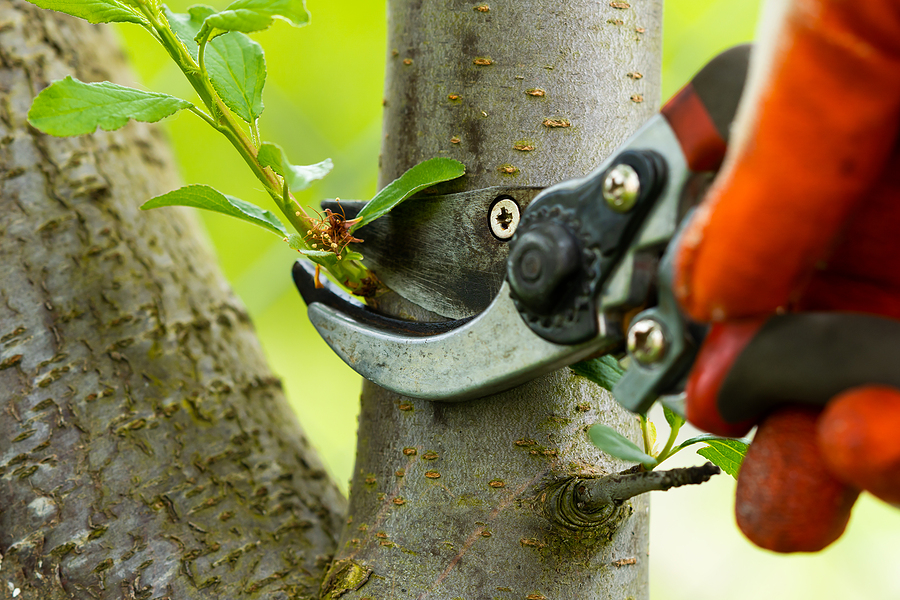
Now that we know the importance of pruning and when it should be done let’s dive into the “how” of correct pruning methods. The first step is to use the right tools, including sharp and clean pruning shears, loppers, and a pruning saw for larger branches. It’s important to make clean cuts at a slight angle just above the branch collar (where the branch meets the trunk), as this allows for proper healing and helps prevent disease from entering the tree.

When approaching pruning, keep in mind that less is often more. Avoid excessive pruning, also known as “topping,” as it can harm the tree and lead to weak regrowth. Instead, focus on removing dead, damaged, or diseased branches first, followed by any crossing or rubbing branches. If shaping is necessary, aim for a natural look rather than an overly uniform shape. It’s also important not to over-prune as this can stress the tree and affect its overall health.

Conclusion

In conclusion, pruning is a crucial aspect of tree care that should not be overlooked. By understanding the importance of pruning, knowing when to prune, and how to do it correctly, you can ensure the health and longevity of your trees. So next time you pick up those pruning shears, remember these tips and strive for pruning perfection. Your trees will thank you with their lush, vibrant beauty.

Remember, proper tree care goes beyond just watering and fertilizing. Contact Complete Tree Care at 317-783-2518 for licensed tree trimming and pruning in Indianapolis, Indiana. We serve both residential and commercial clients all throughout Central Indiana.

Related Posts:

Corrective Pruning vs Maintenance Pruning: What’s the Difference?
Why You Should Remove Tree Branches That Overhang the Roof
The Benefits of Professional Tree Trimming Services

Autumn Tree Care: Essential Tips and Tricks

As the vibrant hues of autumn start to paint the landscape, it’s a clear indication for homeowners and garden enthusiasts alike to turn their attention towards tree care. Autumn presents a unique set of challenges and opportunities when it comes to maintaining the health and vigor of your trees.

In this blog post, we will delve into some essential tips and tricks for autumn tree care. Our aim is to equip you with the knowledge to ensure that your trees remain healthy, strong, and ready to weather the winter months. From understanding the importance of tree service to learning how to boost tree health, we’ve got you covered. So, let’s embark on this journey of responsible tree care together.

Call 317-783-2518 For Autumn Tree Service in Indianapolis Indiana

Why Is Tree Care Important in Autumn?

Autumn is a crucial time for trees to prepare themselves for the harsh winter conditions ahead. As the temperatures begin to drop, deciduous trees start to shed their leaves and go into dormancy. This process enables them to conserve energy and survive through the colder weather. However, this also means that they are more vulnerable and require extra care to ensure their survival. Neglecting tree care in autumn can result in damaged or diseased trees, which can be hazardous and costly to deal with. Therefore, it is essential to prioritize tree care during this season.

Tip #1: Inspect Your Trees

The first step towards autumn tree care is conducting a thorough inspection of your trees. Look for any signs of damage, disease, or pest infestations. Pay attention to the leaves, branches, and trunk of your trees. Keep an eye out for any cracks, splits, or holes that may indicate underlying issues. Catching these problems early on can prevent them from worsening and save you time and money in the long run.

Tip #2: Prune with Caution

Tree pruning is a vital aspect of tree care, but it must be done with caution during autumn. Avoid pruning your trees if you can, as this can cause stress and make them more susceptible to diseases. If it is necessary, only prune dead or damaged branches and avoid heavy pruning. It is best to consult an expert tree care company for proper guidance on pruning techniques and timing.

Tip #3: Clean Up Fallen Leaves

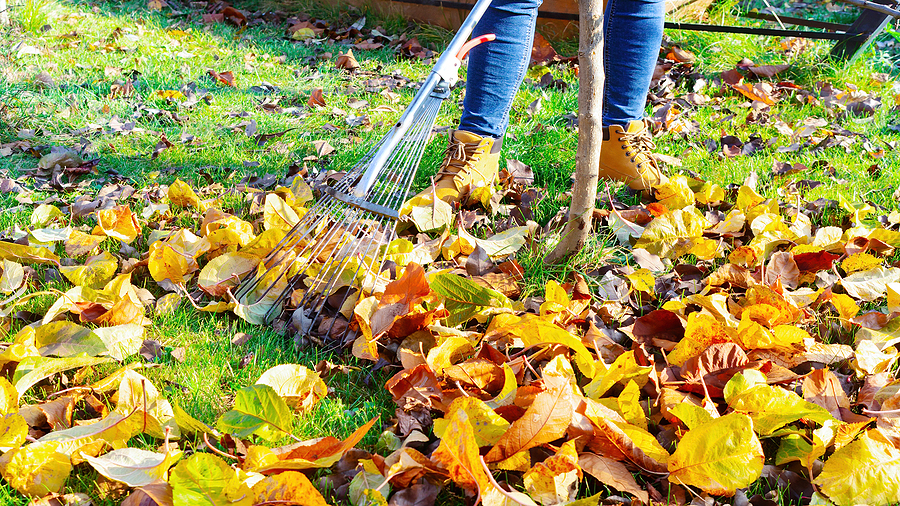
Raking and removing fallen tree leaves from your yard is a tedious task, but it is essential for tree health. Thick layers of leaves can smother grass and other plants, leading to decay and diseases. Additionally, wet leaves can cause fungal growth and attract pests that can harm your trees. Consider composting the fallen leaves or using them as mulch for your trees and shrubs. This will not only save you time and effort but also provide valuable nutrients to the soil.

Tip #4: Water Wisely

As the weather cools down, it is easy to forget about watering your trees. However, they still need water to stay healthy during autumn. Adequate hydration ensures that they have enough moisture to endure the dry winter months. Water your trees deeply and less frequently, rather than shallow watering. This will encourage deep root growth and make them more resilient.

Tip #5: Protect from Pests

Pests can be quite active during autumn, and they can wreak havoc on your trees if left unchecked. Be on the lookout for pests like aphids, caterpillars, and borers that can damage the foliage and weaken your trees. Consider using natural pest control methods such as ladybugs or introducing beneficial insects to keep pests at bay.

Tip #6: Consult a Professional Tree Service

While these tips will help you care for your trees during the fall season, nothing beats the expertise of a professional tree service company in Indianapolis. They have the knowledge, skills, and equipment to handle all your tree care needs. From pruning to pest control, they can help keep your trees in top shape throughout the year.

Conclusion

Autumn is a critical time for tree care, and by following these essential tips and tricks, you can ensure that your trees stay healthy and strong. Remember to inspect your trees regularly, prune with caution, clean up fallen leaves, water wisely, protect from pests, and seek professional help when needed. With these practices in place, your trees will be ready to bloom come springtime.

As the vibrant hues of autumn start to paint the landscape, it’s a clear indication for homeowners and garden enthusiasts alike to turn their attention towards tree care. Contact Complete Tree Care at 317-783-2518 for licensed and insured Autumn tree service in Indianapolis, Indiana. We serve residential and commercial clients with comprehensive tree care solutions.

Related Posts:

Tree Mulch Maintenance Tips For Fall
How to Stop Deer Damage to Trees in Fall
FAQS About Tree Care in the Fall

Recognizing the Signs: When to Call a Tree Doctor

When it comes to maintaining a healthy garden, trees are often overlooked. Yet, just like any other plant, trees can become ill too. They can show signs of distress, disease, or even face the risk of dying. The key to preventing such unfortunate circumstances is to recognize the signals early and consult a professional, often referred to as a tree doctor or arborist.

In this blog post, we’ll take a closer look at those signs that indicate your tree may be sick and when it’s time to call in the experts. Armed with this knowledge, you can ensure your trees continue to thrive, adding beauty and value to your property.

Call 317-783-2518 When You Need a Certified Tree Doctor in Indianapolis Indiana

What Can a Tree Doctor Do for You?

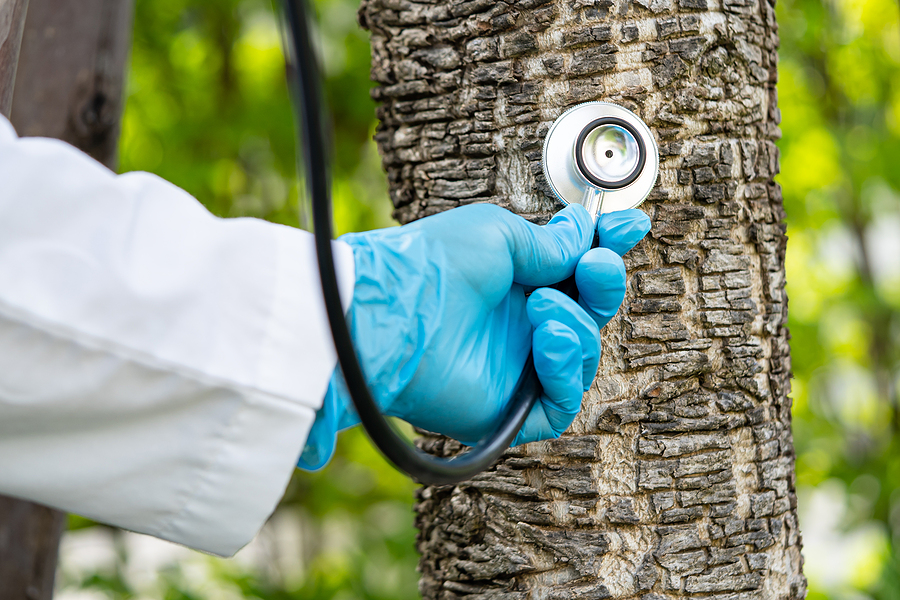
A tree doctor is another name for a certified arborist who is knowledgeable in the care and maintenance of trees, as well as diagnosing and treating diseases. They have experience in identifying tree health problems that may seem subtle or even invisible to the untrained eye. By working with an experienced tree doctor, you can ensure your trees receive the proper treatment and care needed to stay healthy.

Arborist services encompass many aspects of tree health, from preventing diseases with proactive preventive maintenance to diagnosing and treating existing problems like root rot and pests. With their help, you can ensure your trees are not only healthy but also remain an asset to your property for years to come.

When Should You Call a Tree Doctor?

It’s important to recognize the signs that indicate your tree may be sick or stressed. Some common symptoms of poor tree health may include wilting leaves, discoloration, spots on the bark, and dead branches. If you notice any of these signals appearing, it’s time to call in an arborist. Additionally, trees can become weakened by a variety of environmental factors, such as soil compaction or damage from harsh weather conditions. A tree doctor can assess the situation and provide the best course of action to take for your trees.

Finally, it’s important to note that even if there are no visible signs of distress, it’s still beneficial to contact an arborist for regular check-ups. With their help, you can create a plan to keep your trees healthy, as well as spot potential problems before they become an issue.

Common Tree Diseases in Indiana

In Indiana, the humid summer months are perfect for a variety of tree diseases to develop. Some of the most common include oak wilt, Dutch elm disease, and anthracnose. Oak wilt causes leaves to dry out and die while Dutch elm disease results in leaf wilting and discoloration. Anthracnose is a fungal infection that spreads across a tree’s branches, causing brown spots and dead leaves to appear. Other tree diseases and pest problems in Indiana include Armillaria root rot, cankers, Emerald Ash Borer infestations, and gypsy moth infestations.

How to Prevent Tree Diseases in Indiana

The best way to prevent tree diseases is with proactive preventive maintenance. This could include mulching around the base of the trees, performing regular pruning of dead or diseased branches, and applying fertilizers and insecticides as needed. Additionally, regular watering is important for maintaining a healthy tree, but it’s just as important to make sure the soil drains properly. If your trees are in an area with heavy clay soil, you may need to install additional drainage systems around your trees. This will help prevent root rot and other diseases from developing due to standing water.

Finally, it’s essential to hire a qualified arborist to inspect your trees on a regular basis. These professionals can spot potential problems before they become serious issues and provide the necessary treatments to keep your trees healthy and strong.

Conclusion

In conclusion, recognizing the signs of tree sickness and bringing in a professional tree doctor or arborist when needed is essential for keeping your trees healthy and safe. Don’t wait until it’s too late – if you notice any signs of distress, call an Indianapolis tree doctor as soon as possible. With regular inspections and preventive maintenance, your trees can remain healthy and an asset to your property for years to come.

If you live in Indiana and are looking for an experienced arborist who can provide the best care for your trees, you are in the right place. Contact Complete Tree Care at 317-783-2518 to get advice from a certified arborist in Indianapolis, Indiana. We serve residential and commercial clients with comprehensive tree care solutions.

Related Posts:

Is My Tree Dead or Diseased?
4 Tree Diseases You Should Watch Out For
What Causes Bark Splitting in Trees?

Corrective Pruning vs Maintenance Pruning: What’s the Difference?

When it comes to maintaining the health and aesthetics of your trees, pruning is an essential practice. However, did you know there are different methods of pruning, each serving a unique purpose? In this blog, we’ll delve into the differences between corrective pruning and maintenance pruning. We’ll explore when and why each method should be employed, and how they can benefit the health and longevity of your trees. So, if you’ve ever found yourself scratching your head over the intricacies of tree trimming, keep reading – this guide is for you.

Call 317-783-2518 For Corrective Pruning in Indianapolis Indiana

What is Corrective Pruning?

Corrective pruning is a form of tree trimming that focuses on improving the structural integrity and health of trees. This may include removing weak or diseased branches, reducing overcrowding, and encouraging more vibrant growth. Ultimately, corrective pruning serves to strengthen the overall structure of the tree, ensuring that it remains safe and healthy for years to come.

What is Maintenance Pruning?

In contrast, maintenance pruning is designed to improve the aesthetics of trees. This often involves removing branches that are growing too close together, reducing the overall size or shape of a tree, and thinning out foliage in order to redirect energy away from overgrown areas. Unlike corrective pruning, maintenance pruning is primarily for aesthetic reasons.

When Should You Prune?

The timing of tree pruning is critical to its success. For corrective pruning, the best time to trim trees is during the dormant season, when trees are least active and more tolerant of pruning-related stress. This usually occurs during winter in most areas. For maintenance pruning, the timing is less strict – this type of tree trimming can be done any time during the year. However, it’s generally best to avoid doing any major pruning during summer, as the warm temperatures make trees more prone to disease and shock.

How Can Pruning Benefit Your Trees?

Whether you opt for corrective pruning or maintenance pruning, the benefits to your trees are undeniable. Not only does regular pruning keep your trees looking their best, but it can also protect them from disease and other problems. By removing excess branches and foliage, you can ensure that your trees receive enough light and air to stay healthy. Additionally, pruning can reduce the risk of branches intruding on power lines or overhanging buildings, ensuring that your trees pose no danger to you or your property.

Tree Trimming Versus Tree Pruning

It’s important to note the difference between tree trimming and tree pruning. Tree trimming refers to removing small, excess branches and foliage from a tree, while tree pruning involves more substantial cuts that are designed to shape the structure of the entire tree. Both types of work should only be undertaken by trained professionals with experience in tree care, as improper techniques can damage or even kill trees.

The Bottom Line

Corrective pruning and maintenance pruning are two distinct types of tree trimming, each serving its own purpose. Corrective pruning is ideal for strengthening the structure of a tree, while maintenance pruning can be used to improve its aesthetic appeal. Both methods should only be undertaken by trained professionals, and timing is key – corrective pruning is best done during winter when trees are dormant, while maintenance pruning can be done at any time, though it’s best to avoid doing extensive work during summer. Pruning your trees regularly can help keep them healthy and looking their best – a win-win for everyone!

Whether you’re in need of tree trimming or pruning, Complete Tree Care is here to help. Our team of experienced Indianapolis tree service contractors and certified arborists will ensure that your trees are well-maintained and safe for years to come. Contact us today to learn more about how we can help you keep your trees looking their best.

Related Posts:

The Essentials of Tree Pruning: What Every Homeowner Should Know
The Advantages of Tree Pruning and How To Do It Right
Spring to Winter Seasonal Pruning Tips for Trees

Arborist Insights: Proactive Measures for Healthy Trees

Caring for trees goes beyond mere aesthetics; it’s a commitment to nurturing the environment and enhancing the biodiversity of our planet. As an arborist, understanding the intricacies of tree care is paramount to fostering vibrant, healthy trees.

This blog will discuss some proactive measures that can be taken to maintain the well-being of our leafy friends. We will delve into expert insights, blending the art and science of arboriculture, to guide you through effective tree maintenance strategies that will ensure your trees live a long, healthy life. So, whether you are a budding green thumb or a seasoned tree lover, read on to gain a deeper understanding of the captivating world of tree care.

Call 317-783-2518 For Tree Maintenance in Indianapolis
Call 317-783-2518 For Tree Maintenance in Indianapolis Indiana

Essential Tree Maintenance Tasks

Healthy, happy trees are a sight to behold – and they don’t stay that way without proper care. Here is a list of essential tree maintenance tasks that should be regularly executed for optimal tree health:

Pruning and Trimming: Regular pruning and trimming are important for the health of your trees. Tree pruning helps to remove dead or diseased branches, as well as promoting new growth and improving the overall shape of your tree.

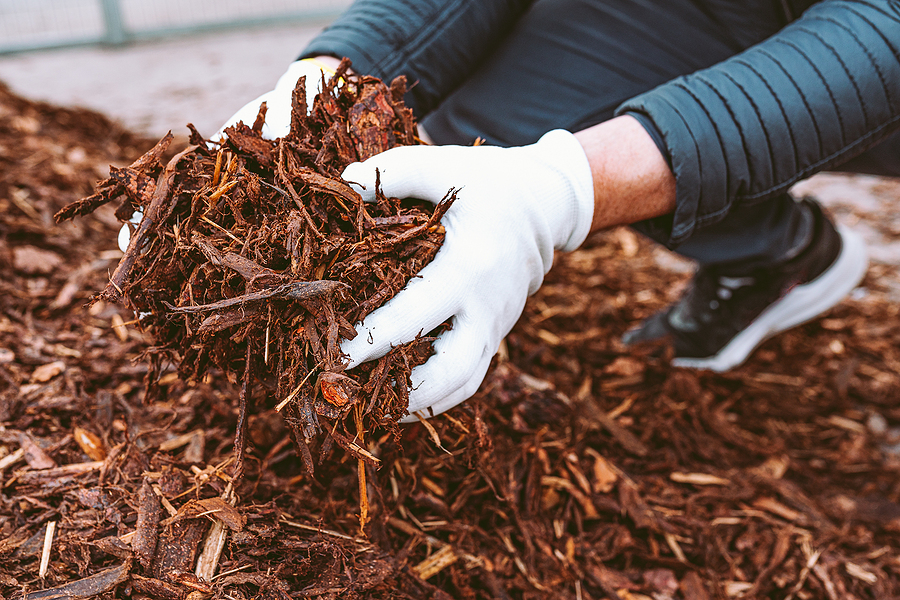
Mulching: Mulching trees helps keep them hydrated by slowing evaporation from the soil. Mulch maintenance also encourages beneficial microbes that help break down organic material in the soil, which can provide essential nutrients for your trees.

Fertilizing: Trees need a steady supply of nutrients to stay healthy and vibrant. This is where tree fertilization comes into play. A balanced fertilizer should be applied once or twice a year (depending on your tree’s needs) to ensure your trees are getting the nourishment they require.

Watering: Regularly watering your trees is essential for their well-being, especially during times of prolonged drought. Make sure to provide adequate water for your trees and keep the roots moist (but not waterlogged).

Certified Arborist Services

Having a certified arborist assess the health of your trees can be invaluable in ensuring they stay healthy and beautiful. An arborist can provide an array of services, from diagnosing diseases to pruning and trimming. They can also provide advice and help you create a customized maintenance plan for your trees.

Tree Care Tips

The following tree care tips are truly essential for keeping your landscaping and ornamental trees in good shape:

Plant trees in the right location. When planting new trees, make sure they are planted in an appropriate area with sufficient sunlight and space to grow. 

Pay attention to the soil. Soil condition is one of the most important factors in healthy tree growth. Make sure your trees are planted in well-draining, nutrient-rich soil and add organic matter as needed.

Be mindful of changes in weather. Trees are vulnerable to extreme temperatures or sudden weather shifts. Monitor your trees for signs of distress during these times and take appropriate action.

Inspect your trees regularly. Visually inspecting your trees for signs of damage or disease is an important part of maintaining their health. Look out for dead branches, leaves with discoloration, and any other abnormalities that may indicate a problem.

Arborist insights can be an invaluable resource when it comes to tree care. With the right knowledge and a proactive approach, you can ensure your trees remain healthy for years to come. Taking the time to care for them properly will not only benefit you, but also help protect the environment in which we live. So go ahead, show your trees some love – they’ll thank you!

Conclusion

Tree maintenance is an important part of protecting and preserving our environment. Following the tips and advice outlined in this blog can help you ensure your trees remain healthy and vibrant for years to come. A professional arborist can be a great asset when it comes to maintaining your trees, so don’t hesitate to seek out their expertise – it will be well worth it!

Are you in search of reliable and insured tree care services close to home? Contact Complete Tree Care at 317-783-2518 for affordable tree services in Indianapolis, Indiana and its surrounding counties. We provide residential and commercial tree services, as well as certified arborist services.

Related Posts:

Top Tips for Avoiding Transplant Shock in Trees
The Common Process of Tree Fertilization
4 Topsoil Problems That Can Negatively Affect Tree Health

Best Practices for Tree Thinning: A Comprehensive Guide

Welcome to our comprehensive guide on tree thinning. This essential practice contributes significantly to the overall health, aesthetics, and longevity of your trees. Whether you’re a professional arborist or a homeowner with a passion for landscaping, understanding the best practices for tree thinning, trimming, and pruning is vital.

In this guide, we aim to equip you with the knowledge to successfully carry out these tasks, ensuring your trees’ optimal health and growth while maintaining the safety and beauty of your outdoor space. Let’s dive into this enlightening world of tree maintenance together.

Call 317-783-2518 For Tree Thinning Service in Indianapolis Indiana

What is Tree Thinning?

Tree thinning is an important process of pruning trees. It involves selectively removing branches to reduce the density of a tree’s foliage, improve its structure, and help it better withstand environmental stresses such as wind and snow. Thinning can be used to maintain or reduce the size of a tree while preserving its overall shape and form.

Benefits of Tree Thinning

Tree thinning comes with numerous benefits for both the tree and its owner. By strategically removing branches, you can improve the health and safety of your trees. Here are some advantages of this practice:

▷ Improves air circulation to reduce disease pressure from fungal pests and other diseases, as well as increase light penetration.

▷ Maximizes a tree’s growth potential by redirecting nutrients and energy to healthy, more robust branches.

▷ Enhances the aesthetic appeal of your trees by creating a symmetrical shape and allowing sunlight to pass through the canopy more effectively.

▷ Reduces the risk of damage from high winds, heavy snowfall, or ice storms.

▷ Increases the usability of the space around your trees, creating more space for outdoor activities.

When to Thin a Tree

Tree thinning should be done when the tree is still young and pliable so it can easily adapt to pruning. Typically, this stage starts between three and five years after planting. As a general rule of thumb, you should aim to thin your trees every two to three years or when a tree’s crown density reaches 50% or higher.

How to Thin a Tree

Before getting started with the actual thinning process, it’s important to familiarize yourself with the anatomy of a tree. This understanding will help you make more informed decisions as you work and determine the most efficient way to thin your trees. When it comes to actually thinning a tree, there are two main approaches you can take: directional pruning and removal of entire branches.

Directional pruning is a method of removing small parts of individual branches in order to reduce the amount of foliage or improve air flow and light penetration. When removing entire branches, keep in mind that you should remove no more than 25-30% of a tree’s crown at any one time.

Additionally, you should always make sure to use proper pruning tools such as shears, saws, or pole pruners to get the job done safely and accurately. It’s also important to keep the plant’s natural shape in mind. Avoid making drastic cuts on the same branch and try to keep a symmetrical shape as much as possible.

Final Thoughts

Tree thinning is an essential practice that can help maintain healthy, attractive trees in any outdoor space. By following these best practices for tree thinning, you can ensure optimal tree growth and health while preserving the beauty and usability of your yard. With a little practice, you’ll be able to confidently thin and prune your trees like a pro!

Would you prefer a more professional approach to tree care? Contact Complete Tree Care at 317-783-2518 for licensed and insured tree trimming and pruning in Indianapolis, Indiana. We serve residential and commercial clients with comprehensive tree care solutions.

Related Posts:

The Essentials of Tree Pruning: What Every Homeowner Should Know
10 Summer Tree Care Tips for Homeowners
The Benefits of Professional Tree Trimming Services

The Essentials of Tree Pruning: What Every Homeowner Should Know

Tree care is an often overlooked but vital aspect of homeownership. As “silent guardians” of our homes, trees provide not just shade and beauty, but also enhance the overall property value. However, trees, like every living organism, require pruning and maintenance to stay healthy and flourish. Many homeowners might find tree trimming and pruning daunting due to their perceived complexity, but fear not.

This blog post aims to unravel the complexities of residential tree service, focusing on the essentials of tree pruning that every homeowner should know. So, let’s embark on this journey of nurturing your green friends together.

Call 317-783-2518 For Indianapolis Pruning Services

What Is Tree Pruning and Why Should You Do It?

Tree pruning is the practice of removing dead or damaged parts of a tree, such as branches, buds, roots, etc. It’s usually done as a part of regular maintenance to ensure that the tree stays healthy while still looking aesthetically pleasing. Pruning can also help to control the shape and size of the tree, as well as reduce disease susceptibility.

Now that you know what pruning is all about, let’s move on to why it’s beneficial for your trees. Pruning allows light to reach parts of the tree that would otherwise be in darkness, providing vital nutrients and energy to dormant buds which will help them grow new leaves and branches. It also helps to remove diseased or infested parts of the tree, reducing damage from pests and disease. Additionally, pruning reduces the risk of tree hazards, such as low-hanging branches that could potentially injure people or cause property damage.

What are the Different Types of Pruning?

Tree pruning generally falls under two categories – corrective pruning and maintenance pruning.

Corrective Pruning: This type of tree pruning is done when a tree is in need of immediate attention due to structural issues, such as damage from storms or other natural disasters. It’s important to note that corrective pruning should only be done by experienced tree service professionals who retain  comprehensive knowledge of ANSI tree pruning standards and specialized equipment, as it can be dangerous and cause more harm than good if done incorrectly.

Maintenance Pruning: This type of tree pruning is meant to keep a tree healthy over time, and usually includes removal of dead or damaged branches and thinning out the canopy for better light penetration. Maintenance pruning should always be done by a professional tree contractor as they are experienced in removing the right branches at the right time.

How Often Should You Prune Your Trees?

The answer to this question depends on the type of tree and its specific needs, but generally speaking, trees should be pruned every two to three years. It’s important to note that pruning too often can do more harm than good, so it’s best to leave the job to a licensed tree care professional who can identify any potential issues and address them accordingly.

Tips For Tree Pruning

Now that you know some basics of tree pruning, here are a few tips to keep in mind when it comes time for your trees to be pruned:

Only hire knowledgeable professionals with proper certification and insurance to handle your tree pruning.

Prune during the dormant season (fall or winter) to reduce the risk of shock or infection from cuts that are made.

Keep an eye out for signs of disease and insect infestation, and address them as quickly as possible.

Be sure to remove any dead or broken branches as soon as possible to prevent further damage.

Make sure to Sterilize your tools after each use, or dispose of them if they cannot be properly sterilized.

Never top a tree (cutting the main stem at a drastically reduced height). This can cause severe stress and weaken the tree’s structure.

Final Thoughts

Tree care may seem daunting and complicated, but with the right knowledge and experience it can be a straightforward process. Understanding the basics of tree pruning is an essential part of being a responsible homeowner, as it helps to ensure that your trees stay healthy and safe for years to come. So, take the time to research and hire knowledgeable professionals who can help you keep your trees in perfect shape. Your green friends will thank you!

Are you in need of a skilled tree service provider to expertly trim and prune your magnificent trees? Contact Complete Tree Care at 317-783-2518 for licensed tree trimming and pruning in Indianapolis, Indiana. We serve both residential and commercial clients all throughout Central Indiana.

Related Posts:

7 Reasons Why You Should Prune Your Trees This Summer
Fundamental Industry Advice for Tree Pruning
How to Choose the Right Tree Trimming Service Near You

What Causes Bark Splitting in Trees?

In the grand tapestry of nature, trees stand as silent sentinels, contributing to the beauty, tranquility, and ecological balance of our environments. However, at times, these guardian giants may exhibit certain anomalies that cause concern, one of the most noticeable being bark splitting. This phenomenon can raise alarm bells among tree owners and nature enthusiasts alike.

In this blog post, we’ll delve into the causes of bark splitting in trees, shedding light on this common yet perplexing issue. By understanding what causes trees to undergo such damage, we can better appreciate their needs and contribute to their health and longevity.

Call 317-783-2518 For Tree Bark Repair in Indianapolis Indiana

Common Causes of Splitting Tree Bark

When it comes to bark splitting, there are a few key culprits behind this phenomenon. The most common cause is weather-related damage. Freezing and thawing cycles, drought conditions, and extreme temperatures can all lead to bark splitting in trees. Additionally, insect or animal damage can also be a factor. For example, rodents may gnaw on the bark or eat away at the cambium layer, leading to splitting. Another source of damage can be linked to deer tampering or even fungal infections like Cystophora canker, which can cause bark splitting and other irregularities in some tree varieties.

Prevention and Treatment for Splitting Tree Bark

Fortunately, there are steps we can take to protect trees from tree bark damages. One key element is proper care and maintenance, which includes providing adequate water and nutrition. During extreme weather conditions, winterizing your trees can be beneficial in preventing dividing or other types of damage. Additionally, if you notice any signs of insect infestation or fungal infection, contact an arborist to assess the situation and determine the best course of action for treatment.

Finally, it’s important to practice safe pruning and trimming habits. To reduce stress on trees, prune them in the winter season when they are dormant. Furthermore, take care not to remove excessive amounts of bark as it can weaken the tree and lead to further separating. By being aware of what causes bark splitting in trees and taking the necessary steps, we can help these majestic beings stay strong and healthy for many years to come.

Working with an Arborist for Tree Care

When dealing with trees, it’s a good idea to work with an arborist rather than a typical tree trimming or tree removal service. An arborist is trained in recognizing signs of poor health or damage and can provide valuable insight into the best care for your trees. They can also offer tree pruning, fertilization, and other services to ensure your trees remain healthy throughout their life cycle.

In Conclusion

In conclusion, bark splitting is a common phenomenon that tends to cause concern among tree owners. Knowing what causes this issue and taking preventative steps as well as being aware of the best care practices for trees are important components of keeping them healthy and strong. With proper maintenance, you can look forward to enjoying your tree’s beauty and vital contribution to nature for many years to come. If you need assistance in caring for your trees or have any questions about this topic, do not hesitate to contact a certified arborist for help. They can provide you with the knowledge and resources to ensure your trees stay in good shape for years to come!

By taking a proactive approach to tree care, you’ll be able to identify signs of poor health or damage early on and take steps to remedy them before they become too severe. Contact Complete Tree Care at 317-783-2518 to get advice from a certified arborist in Indianapolis, Indiana. We serve residential and commercial clients with comprehensive tree care solutions.

Related Posts:

10 Ways to Protect Your Trees from Bark Problems
4 Topsoil Problems That Can Negatively Affect Tree Health
Common Diseases Affecting Trees in Indiana and How to Treat Them

The Pros and Cons of Mulching Around Trees in Hot Weather

As summer temperatures soar, you might be wondering how to best care for your trees. One common method is using tree mulch, a practice that brings with it a host of advantages and some disadvantages. Mulching trees can be a great way to protect them and provide nutrients in hot weather, but it also requires careful thought and execution.

In this blog, we will delve into the pros and cons of mulching around trees during the hottest time of the year. We aim to provide you with an informative guide to help you make the best decisions for your trees’ health and longevity. So, grab a cool beverage and settle in as we embark on this journey of tree care.

Call 317-783-2518 For Tree Care Service in Indianapolis

The Pros of Mulching Around Trees in Hot Weather

Why mulch around a tree? Mulching trees is a great way to keep them healthy during the summer months and beyond. It provides many benefits, including:

Improved Soil Quality: Mulch helps protect the soil from erosion and temperature changes while also providing valuable organic matter to improve its quality.

Reduced Water Loss: Mulch acts as a barrier, reducing the amount of water that evaporates from the soil and helping to keep trees hydrated during hot weather.

Increased Nutrient Retention: By trapping nutrients in the soil, mulch helps trees absorb more of them from their environment and better survive periods of drought or extreme heat.

Improved Insulation: A layer of mulch acts like a blanket, helping to protect the roots of trees from extreme temperatures.

The Cons of Mulching Around Trees in Hot Weather

While there are many benefits of choosing to mulch your trees, it’s important to consider the potential drawbacks as well:

Increased Risk of Disease and Pests: A thick layer of mulch can trap moisture, creating an ideal environment for pests and diseases to flourish.

Attraction to Animals: Mulch can be a tasty snack for animals such as deer, rabbits, or squirrels that may dig up the area around trees in search of food.

Poor Air Flow: Too much mulch can inhibit air flow around tree roots, leading to oxygen deprivation and potential damage.

3 Tree Mulching Tips for Summer

Tree mulching can be a great way to keep them healthy in hot weather, but it should be done carefully. Here are some tips to ensure that your mulching efforts don’t do more harm than good:

Use the right type of mulch. Certain types of mulch are better for trees in hot weather, such as straw or wood chips. Avoid using sawdust or shredded paper, which can create a barrier that prevents water and oxygen from getting to the roots.

Don’t over-mulch. A layer of mulch should be no more than 3 inches deep. Any deeper, and you run the risk of trapping moisture and creating an environment where diseases can flourish.

Don’t spread mulch too close to the trunk. It’s important to leave a small gap between the mulch and the trunk to ensure that air can still flow freely around it.

How to Choose the Right Mulch for Your Trees

When it comes to choosing the best type of tree mulch, there are a few important factors to consider. Start by determining what kind of environment you’re dealing with: is it hot and sunny or cool and shady? Once you know this, you can select the type of mulch most suitable for your tree’s needs. For example, organic mulches like straw or wood chips are great for hot, sunny areas, whereas bark or pine needles are better suited to cool, shady spots.

It is also important to take into account the type of tree you are dealing with and its particular needs. Some trees may require a certain type of mulch to thrive. If you aren’t sure what type of mulch is best for your tree, consult a certified arborist or tree care company for their expert advice.

In Conclusion

Mulching around trees in hot weather can be a great way to keep them healthy and protected from extreme temperatures. However, it is important to be aware of the potential drawbacks and take steps to ensure that your mulch isn’t putting your trees at risk. With proper care and maintenance, you can enjoy all the benefits of mulching without worry! 

Are you trees in need of professional attention? Contact Complete Tree Care at 317-783-2518 for licensed and insured tree service in Indianapolis, Indiana. We serve residential and commercial clients with comprehensive tree care solutions.

Related Posts:

Are Insects a Threat to Tree Health During the Summer?
5 Essential Steps to Protecting Your Trees from Droughts
How to Prepare Your Trees for the Heat of Summer