How to Diagnose a Hazardous Tree

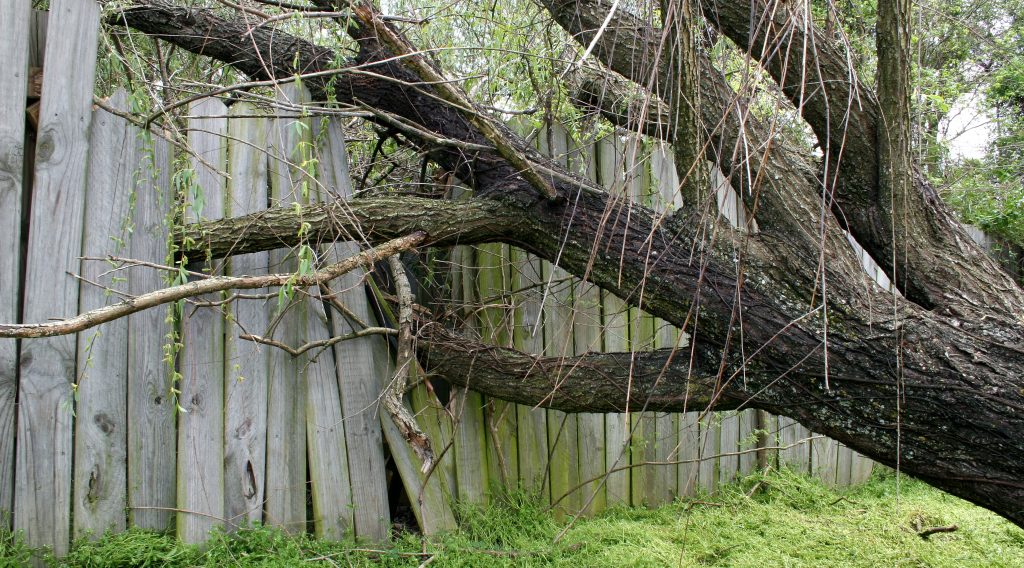
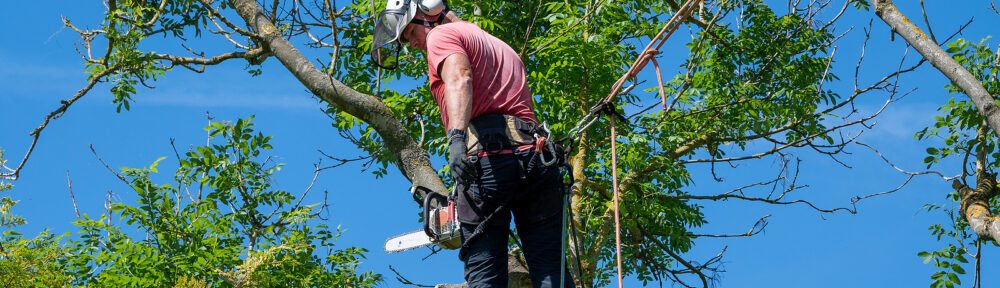
Sometimes a tree can be a hazard to its surroundings. In order to know whether or not a tree is dangerous, you will need to have it inspected by a licensed and qualified tree service company. They alone have the knowledge and experience to make an accurate determination of your tree’s condition. Prior to contacting a tree professional, you can make your own assessments by taking a closer look at your questionable tree.

Continue reading to learn the signs of a dangerous tree, and which steps you should take if you suspect yours could be a hazard to people, pets, and property.
Indianapolis Tree Removal 317-783-2518

Possible Causes of Hazardous Trees

Trees that are prone to being a hazard are usually those that have not had a healthy upbringing or have been exposed to certain conditions. There are many external factors that can lead to tree failure, and ultimately, property damage or injury. Common factors include tree disease, pest infestations, nuisance wildlife interference, land development, construction, lawn care, landscaping work, inclement weather (droughts, wind, ice, storms, etc.), vandalism, pollution, and more.

Other times, factors can be internal, involving a tree’s health or makeup, such as co-dominant stems, basal rot, heavy and/or overextended limbs, nutrient or water deficiency, and more. Whatever cause has led to a tree’s decline, the most important aspect is catching the signs on time, before any harm can take place. Once you do catch the signs of a hazardous tree, it is necessary to have it inspected by a licensed Indianapolis tree service contractor for expert evaluation and assistance.

Here are some common signs of a dangerous tree:

? Heavily Leaning in One Direction
? Overgrown Foliage and Limbs
? Obstructive Branches and Limbs
? Substantial Pest Infestation
? Peeling Bark
? Fungal Growth
? Cracked or Split Trunk
? Rotted Trunk
? Rotting Tree Roots

How Can I Tell if My Tree is Dead or Alive?

A dead tree will eventually fall and deteriorate, so it is important to know the signs. For instance, dead trees do not have leaves, and will not sprout new buds on its limbs and branches. Furthermore, they will have dry, brittle bark that snaps in half. And if you snap a twig in half, it will not be green or fleshy yellow on the inside.

What To Do About a Dangerous Tree

Call Complete Tree Care at 317-783-2518 for experienced Indianapolis tree removal service you can trust. We offer a wide range of residential and commercial tree work, including tree removal, trimming, pruning, stump removal, lot clearing, inspections, and more. Call 317-783-2518 to request a free estimate, today.
Indianapolis Tree Care 317-783-2518

Is There a Difference Between Tree Sap and Tree Resin?

One of the most common questions about trees has to do with their secretions. Sap and resin, although similar in thought, are actually quite different from each other. Continue reading to learn some interesting facts about tree resin and tree sap, including the qualities that make them so different.

Indianapolis Tree Service 317-783-2518

Tree Sap

All trees produce a “sap”, to some degree. Tree sap is a translucent, thin, watery, slightly amber colored substance (just a tad little thinner than standard honey) that develops within the xylem and phloem cells of the trees. These cells are responsible for transporting water and nutrients throughout the tree, and carry water, hormones, sugar, and other minerals elements.

As a result, sap contains sugar and water, and extracted from trees using buckets and spiles. Maple syrup comes from the sap of Maple trees. A tree uses sap in two ways; they either: 1) pull sap from the water in the soil, transport it up through its trunk, and send it out through its leaf pores (stomata), or 2) sap flows down off of the leaves, towards the roots and other parts of the tree, because it contains the vital sugar (food) the tree synthesized in its leaves during photosynthesis.

Tree Resin

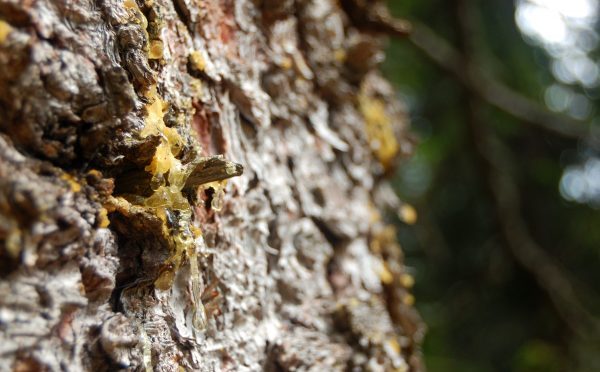
Also known as “pitch”, tree resin is thicker, tackier, and darker than tree sap. Deciduous trees do not make resin; it is only produced by trees that belong to the Pinaceae family, such as pine, fir, and cedar. Resin forms in the outer cells of the trees, also known as the inner and outer bark. Outer bark is also known as the phloem. You can make a cut into a resin-producing tree, and see the resin ooze out of the bark. The resin is meant to work like a scab; it closes up the wound and protects it from outer elements while it heals.

Resin is sticky and clear, and composed differently than tree sap. It is composed of compounds secreted by or deposited in the tree and sometimes contains high levels of chemical properties. For this reason, it is used for a variety of commercial and industrial applications; maple syrup is not one of them. Resin is used to manufacture commodities like ink, lacquer, varnish, jewelry perfumes, and many other commercial products.

Indianapolis Tree Service

Call Complete Tree Care at 317-783-2518 for Indianapolis tree service you can trust. We are highly trained and experienced tree care technicians that offer commercial and residential tree services at affordable prices. Request an estimate or advice anytime. Call 317-783-2518 to learn more about tree care in Indianapolis, IN today.

Indianapolis Tree Care 317-783-2518

Frequently Asked Questions About Tree Removal

Indianapolis Tree Removal 317-783-2518

Indianapolis Tree Removal 317-783-2518

Can I Remove A Live Tree?

Trees that are dead are often removed to prevent accidents and property damage. However, living trees are removed all the time, and for many reasons. Some common reasons why a live tree might need to be removed involve convenience and necessity. For instance, lots must be cleared for new construction (homes, buildings, barns, pools, etc.), large trees must be removed if they interfere with power lines and telephone poles, and more.

Is My Tree Dangerous?

A weakened tree can be a hazard on your property. There are many circumstances that can weaken a tree, including improper tree care, pest infestation, nutrient or water deficiency, co-dominant stems, trunk and basal rot, overextended limbs, limbs with too much weight, wildlife interference, weather damage, construction damage, and more.

Once weakened, a tree loses strength and stability and experiences a reduction in function and performance, which makes it unpredictable, and therefore, unsafe to be around. To identify a tree hazard, there are specific signs to look for. Below are the most evident signs of a dangerous tree. These include over-leaning trunk, large or multiple dead branches, fallen branches, hole in the trunk, leaf loss, rotted root system, and pest infestations.

How Can I Tell if My Tree is Dead or Alive?

A dead tree will eventually fall and deteriorate, so it is important to know the signs. For instance, dead trees do not have leaves, and will not sprout new buds on its limbs and branches. Furthermore, they will have dry, brittle bark that snaps in half. And if you snap a twig in half, it will not be green or fleshy yellow on the inside.

Can an Uprooted Tree Be Planted Again?

When a tree is uprooted from the ground, a number of roots are snapped in half, making them extremely vulnerable. So in many cases, it does not survive. This is because the root system is too damaged to fully recover. This is especially true for large or mature trees. But sometimes, a tree can be saved by replanting it, but only under certain circumstances. And even if the tree can be revived by putting it back into the ground, it could experience problems such as transplant shock. This is why post-replanting care is so vital for the survival of a tree that has been uprooted by inclement weather.

Can I Plant a Tree in Summer?

If you really want to plant a tree in the summer, you will be taking on a risk since heat and dry soil put a lot of stress on a young sapling that is trying to establish a root system. It may last through the summer, but it will have trouble coming out of dormancy for the following season. The reason why the rule of thumb is to plant trees in spring or fall is because trees are in their dormant stage during these times. During dormancy, trees require less water, sunlight, and nutrients. This means their growth is significantly decelerated, making it easier for healthy root development.

How Do I Get Rid of a Tree Stump?

You have two main options for getting rid of a tree stump. These are stump removal and stump grinding. The option you choose depends on your personal preference, budget, and landscaping. Stump removal is the process of pulling the entire stump and most of the root ball out of the ground, entirely. Stump grinding involves using a heavy piece of machinery to chip away and shave down the stump to ground level. From there, the stump can be covered with grass or plants, and a leftover hole from stump removal can be filled with dirt and covered with sod.

How Do I Remove a Tree?

Call Complete Tree Care at 317-783-2518 for experienced Indianapolis tree removal you can trust. We offer a wide range of residential and commercial tree work, including tree removal, trimming, pruning, stump removal, lot clearing, and more. Get started by requesting a free estimate, today.

Indianapolis Tree Care 317-783-2518

Indianapolis Tree Care 317-783-2518

Top 4 Signs That Indicate a Tree is Dead

Now that spring is here, you should be seeing some changes in your landscape. Grass is getting greener, plants are starting to bud, and wildlife activity is increasing every day. With a little more time, all the trees and flowers will soon be blooming and producing as they do every year. However, some trees do not make it through the winter, which is why now it is a good time to check your trees and ensure they are still alive and healthy.

If your trees are currently in decline, there may be a chance to restore them with proper tree care and treatment. If your trees are dead, they may need to be removed or trimmed back. A licensed tree service specialist can make this determination for you after just one visit.

In the meantime, continue reading to learn the top 4 common signs that indicate a tree could be dead.

Dead Tree Removal 317-783-2518

Dead Tree Removal 317-783-2518

Bare Branches

One of the most obvious signs that a tree is not healthy is branch loss. If you notice that a tree on your property looks bare this spring because it failed to produce a full canopy of foliage, it could be having health issues or close to dying. In the case that half of the tree’s canopy is full and bright and the other half is bare, it could be a sign that the tree is sick with a disease. Common tree diseases that cause foliage loss include Oak Wilt, Fire Blight, Emerald Ash Borer, Root Rot, and Crown Rot. If a large tree is diseased and loses half its canopy, it could become a safety hazard since the imbalance of foliage weight can cause the tree to fall.

Trunk Damage

After you take a look at the tree’s canopy, you need to inspect the trunk. A tree’s trunk will provide good evidence if it becomes ill or malnourished. Look closely for vertical cracks. This kind of tree damage is a good indication that it is not doing well in terms of health. It may still be alive, but something is interfering with its health and structural integrity. Tree trunks should have bark that protects the inner parts of the trunk responsible for nutrient and water absorption and distribution. If you see patches on the trunk that are completely smooth and bark-free (almost like finished wood), whether large or small, it is a bad sign.

Fungal Growth

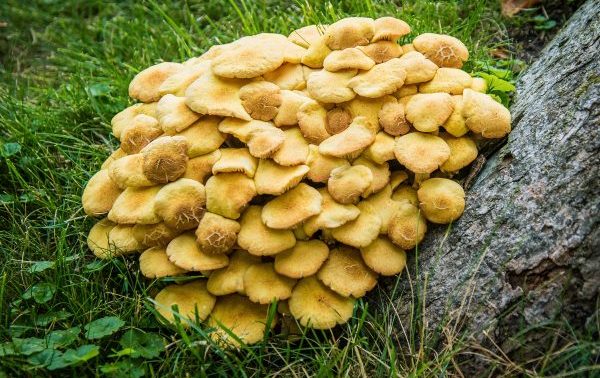
The appearance of mushrooms and similar fungal growths are a common sign of a dead tree, or tree decline. To look for fungal growth, pay close attention to trunk and the base of the tree. This is where it likes to grow since it is usually darker and cooler. If you see fungus on the trunk, it is likely that the trunk is rotted on the inside and the tree is dead.

Root Damage

Root damage can be hard to spot on a relatively young or newly planted tree. However, you can sometimes spot root damage yourself. For instance, look to see if the tree is leaning to one particular side. This is an indication that the root system is damaged or weakened. You can also look for epicormic shoots. These look like misplaced branches growing out of the bottom of a tree trunk. These two signs often indicate that a tree has damaged roots. If the tree roots are very large and stick out of the ground, look for damages done by lawn mowers, construction, wildlife, and pests. To confirm accurately if a tree has root damage, you would need to contact a licensed Indianapolis tree service for a professional inspection and assessment.

Still Unsure if Your Tree is Dead or Alive?

? Perform a Scratch Test!

Pull a few twigs from the tree and scratch a portion of the bark off. If the inner tissue is moist and green, the tree is alive. If it is brittle and dry, the tree is dead. Be sure to test three or four branches to be sure.

Indianapolis Tree Service

Call A Complete Tree Care at 317-783-2518 for prompt and professional Indianapolis tree service. We are experienced tree care technicians that can resolve your tree problems, regardless of your projects size or scope. We offer a wide range of tree removal and tree services, for both residential and commercial properties. We even offer free estimates and free tree care advice!

Indianapolis Tree Care 317-783-2518

Indianapolis Tree Care 317-783-2518

Is it a Good Time to Trim My Tree?

There are certainly ideal times of the year for tree trimming. And if you want healthy results and long-lasting trees, you must do it right. Professionals recommend adhering to the industry best practices suggested by the American National Standards Institute. These standards are known as ANSI A300, and they are highly effective guidelines for tree pruning.

Continue reading to learn when you should trim your trees, and if now is a good time to get started.

Indianapolis Tree Care 317-783-2518

Indianapolis Tree Care 317-783-2518

Prune Trees Before Spring

It is important to prune trees because it promotes new healthy growth in the spring. For this reason, the best time to prune trees are when they are dormant, which is during the winter. During dormancy, trees are not growing, but they are still alive. This, coupled with the fact that winter time poses less of a risk of pest and wildlife interference, is why tree pruning is most effective in the winter season.

This does not mean that trees should be pruned when temperatures are below freezing and snow is covering the ground. Instead, you want to wait until the coldest parts of winter are over. Therefore, NOW is the perfect time to prune your landscaping trees!

Do Not Miss Your Window of Opportunity

If you wait until spring or summer to trim trees, it can put them at a higher risk of pest infestations, bark damages, unhealed tree wounds, and overall tree decline that can last the rest of the tree’s life. If you wait until fall to trim trees, it can lead to slower healing, which can put them at risk of being infected by airborne decay-causing fungi and/or insects.

Exceptions to the Rule

Flowering trees that bloom in the mid-to-late summer may get by with spring-time pruning since their blossoms appear so late in the year. However, trees that blossom their flowers in the spring should always be pruned as soon as their flowers disappear. That usually occurs between the late summer and early fall. It is best to always discuss your tree pruning needs and options with a trusted Indianapolis tree service expert for professional advice.

Indianapolis Tree Pruning

Call Complete Tree Care at 317-783-2518 for experienced Indianapolis tree trimming and pruning you can trust. We offer a wide range of residential and commercial tree work, including tree removal, trimming, pruning, stump removal, lot clearing, and more. Call 317-783-2518 to request a free estimate, today.
Indianapolis Tree Care 317-783-2518

Indianapolis Tree Care 317-783-2518

What is Winter Burn in Trees?

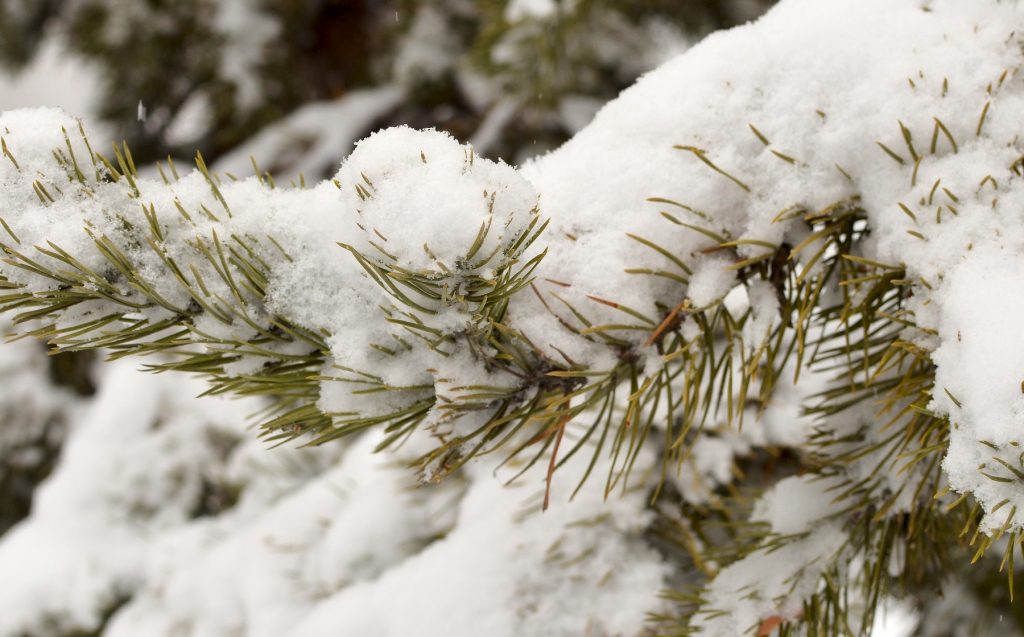
Also known as desiccation, winter burn is a potentially-fatal seasonal problem among evergreen trees. The most common causes for winter burn are insufficient levels of moisture in soil, freezing temperatures, and inclement winds. These factors cause trees to lose moisture faster than they can replace it, as a result of the frozen ground and soil conditions. Because of these conditions, trees suffering from winter burn often die before spring arrives.

If you suspect your evergreen trees are suffering from desiccation, continue reading to learn more facts about treatment, prevention, and professional service.

Indianapolis Tree Care 317-783-2518
Winter Tree Care 317-783-2518

Common Signs of Winter Burn

The signs and symptoms of winter burn in trees vary depending on the species. For instance, the needles of Fir trees might turn yellow or red, whereas spruces and pines will experience yellow to brown discoloration, leading to red tipped needles. The “ombre” needle coloring is the most common sign of winter burn. Usually, one side of a tree is affected more than the other because of wind and sun exposure. So a half discolored evergreen could be suffering from desiccation.

Treatment and Prevention

To treat winter burn, you must start by preventing it from happening in the first place. That is because most trees that come down with desiccation are not curable, especially for newly planted or young trees. Once needles discolor or die, they will not come back until next spring; and that’s only if you take the proper precautions throughout the rest of the year.

Common Methods of Prevention:

Regular Watering (12-18 inches of saturation per week)
Fertilization
Mulching
Pest Management
Wind Barriers
Routine Tree Pruning
Regularly Water Newly Planted/Young Trees

Indianapolis Tree Services

Call Complete Tree Care at 317-783-2518 for experienced Indianapolis tree service you can trust. We offer a wide range of residential and commercial tree work, including tree removal, trimming, pruning, stump removal, lot clearing, and more. Call 317-783-2518 to request a free estimate, today.
Indianapolis Tree Care 317-783-2518

Is My Tree Hazardous?

If your property is surrounded by a landscape of trees, it is important to know how to properly identify a dangerous tree or tree hazard in order to prevent structural damages, accidents, and injuries. This is especially important for properties located on wooded lots.

Dangerous Tree Removal 317-783-2518

Dangerous Tree Removal 317-783-2518

Factors That Cause Tree Instability

There are many circumstances that can weaken a tree, including improper tree care, pest infestation, nutrient or water deficiency, co-dominant stems, trunk and basal rot, overextended limbs, limbs with too much weight, wildlife interference, weather damage, construction damage, and more. Once weakened, a tree loses strength and stability and experiences a reduction in function and performance, which makes it unpredictable, and therefore, unsafe to be around.

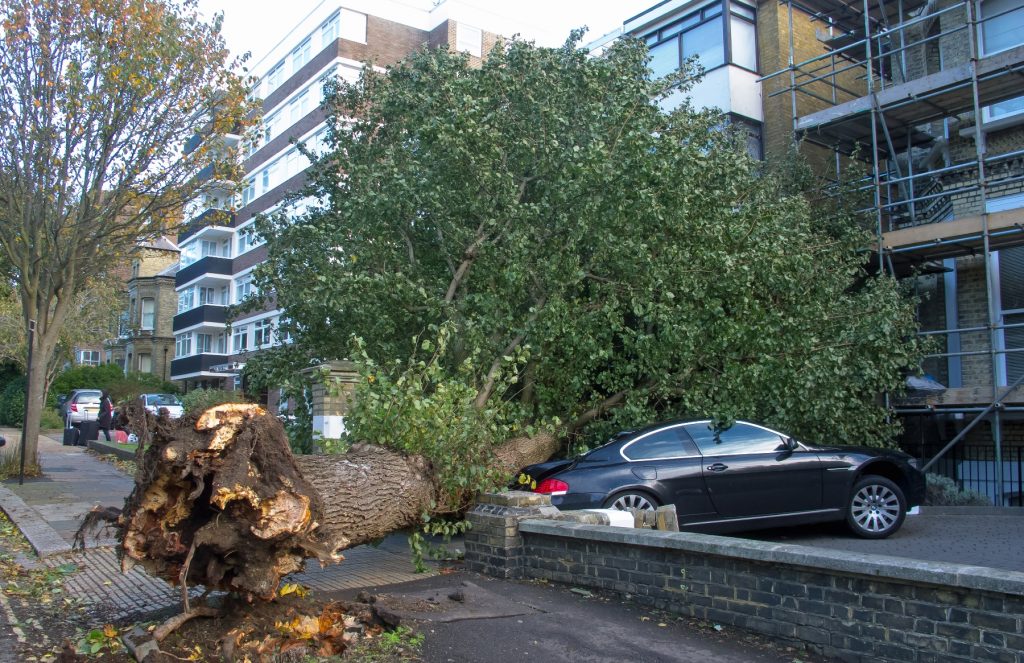
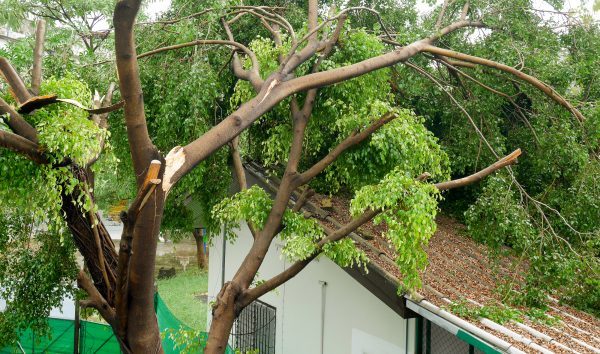
Something as simple as a strong storm or heavy winds can send a tree falling, or break off large limbs and branches. This can jeopardize homes, buildings, cars, power lines, telephone poles, and worse, people. When you know how to point out a tree hazard, you are one step ahead of protecting yourself, your family, and your assets. Continue reading to learn the signs of a dangerous tree, what to do if you find one, and how to prevent tree hazards.

How to Identify a Dangerous Tree

Be sure to inspect your landscaping trees regularly to catch problems and concerns early on. Addressing problem areas in their early stages is generally less expensive and time-consuming. Depending on the season, it is recommended to inspect your landscaping trees once a month, and additionally, after heavy storms. To identify a tree hazard, there are specific signs to look for. Below are the most evident signs of a dangerous tree.

Over-Leaning Trunk. This is one of the most evident signs that a tree is a potential hazard and could fall over at any moment. If a tree’s lean exceeds 15 degrees, it needs to be removed. A tree that leans naturally is not a hazard.

Large or Multiple Dead Branches. When your tree is full of dead or dying branches, especially very large ones, it is not unlikely that they will eventually drop off. And it could happen at any time, even without strong winds or storms.

Fallen Branches. When a tree starts to lose multiple branches and bits of twig, it is a sign that something is going wrong. This type of tree behavior could be for a list of reasons, so you must seek professional assistance.

Hole in the Trunk. If a tree has a large hole in it, there might not be enough support holding up the trunk. This is usually caused by internal tree trunk decay, which can be caused by self-pruning and more. As long as there is enough strong wood surrounding the hole, it should be safe.

Leaf Loss. If your tree is losing leaves from the outside of the canopy and inward, it is not a good sign. This type of leaf loss pattern is a common indication of a root problem. If a tree has an unhealthy root system, it can be prone to falling over.

Rotted Root System. It is challenging to spot root rot without experience, however, with routine tree inspections, you can catch the signs early enough to prevent dangerous tree decline. A common sign of inner root rot is fungus growth on the bark.

Common Solutions for Tree Hazards:

Tree Removal
Cable and Bracing
Routine Tree Care
Tree Thinning
Tree Topping

Indianapolis Tree Service

Call Complete Tree Care at 317-783-2518 for Indianapolis tree service you can trust. We are highly trained and experienced tree care technicians that offer commercial and residential tree services at affordable prices. Request an estimate or advice anytime. Call 317-783-2518 to learn more about tree care in Indianapolis, IN today.

Indianapolis Tree Care 317-783-2518

Indianapolis Tree Care 317-783-2518

FAQS About Christmas Tree Care

If you bought yourself a live Christmas this year kudos to you! This is a terrific way to truly experience the seasonal surroundings. Just be sure you take good care of it so that it lasts to New Year’s Day!

Indianapolis Tree Care 317-783-2518

? What Do I Do With My Tree After I Buy it?

When it comes to buying a precut Christmas tree, the first thing you want to do while you are still at the tree lot is ask the staff to cut off an inch of the trunk. If you are far away from home, wait to cut the trunk yourself when you get back. A freshly cut tree needs to be placed in water within 2 hours for the best results. Before you bring your tree outside, be sure to give it a thorough shake to release any dead pine needles. This will save you some vacuuming time. Once it is time to place the tree into your stand, be sure to prune sparingly. You shouldn’t have to cut off more than 6 inches to make the tree fit the stand.

? Which Type of Tree Stand Do I Use?

There are so many different brands, styles, and varieties of tree stands out there. The one you choose will mostly depend on the size of your tree and your personal preference. Just be sure the stand comfortably holds at least one gallon of water. Many homeowners say that wide-set adjustable screw tree stands are better because they are easy to use and won’t damage floors or tip over.

? How Often Do I Need to Water My Christmas Tree?

Just like any other living plant, you will need to water it regularly to maintain its robust and colorful appearance, and prolong its lifespan. The recommended amount of water for a Christmas tree is one gallon of water each day. This simply means keeping the 1 gallon tree stand reservoir full at all times. Simply check it throughout the day to ensure it has plenty.

? Should I Add Aspirin to My Christmas Tree Water?

There are plenty of misconceptions about tree additives. One is that adding aspirin is helpful for prolonging life and resilience, but it is really not necessary. Your Christmas tree doesn’t need any additives; it only needs plenty of fresh clean water.

? Where is the Best Place to Put a Christmas Tree?

Many people only consider aesthetics when deciding where to put their Christmas tree. And although it is nice for it too look good, safety is a vital aspect to consider first and foremost. For instance, you do not want to place your tree near fire hazards like fireplaces, candles, exposed light bulbs, and strong drafts. Furthermore, you do not want to dry your tree out prematurely by placing near heaters and open vents.

Indianapolis Tree Service

Call Complete Tree Care at 317-783-2518 for professional Indianapolis tree service you can trust. We serve all of Central Indiana with a wide range of skilled tree removal and tree care services, for both residential and commercial properties. Whether you need a single tree removed, or simply require routine tree service, like trimming or pruning, we can deliver prompt and professional service at a fair price. Call 317-783-2518 to request a free estimate, today.
Indianapolis Tree Care 317-783-2518

Recommended Evergreen Shrubs for Hardiness Zone 6

If you are looking for quality shrubs and bushes to add to your landscaping, it is wise to go with evergreen species. Not only do they last year round and require very little maintenance, they add an unparalleled level of beauty and appeal to any property. Continue reading to learn some of the top recommended evergreen tree shrubs to consider for Indiana, which falls within Hardiness Zone Six.

Indianapolis Tree Service 317-783-2518

Indianapolis Tree Service 317-783-2518

Woodward Globe Arborvitae

Thuja occidentalis ‘Woodwardi’

This is a round-shaped evergreen shrub that exhibits a lacey, finely-textured appearance. It grows well in Hardiness Zones 3 to 7, reaching average heights between 4 and 10 inches tall, and 8 to 15 feet wide. In terms of cost, average prices range between $8 and $10, depending on the retailer and time of year. The Woodward Globe is the perfect addition to any residential or commercial landscaping that requires hedge lines.

Korean Boxwood

Buxus sinica var. insularis

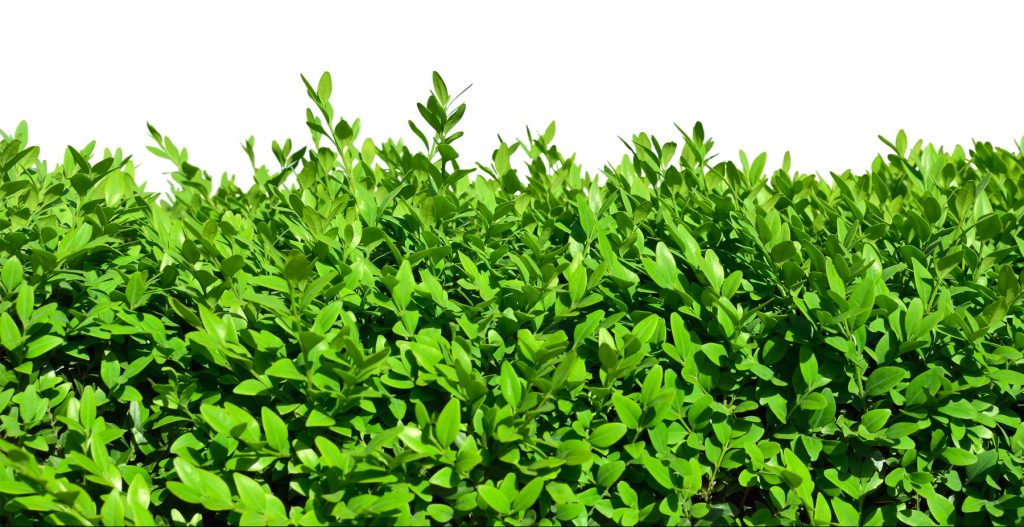
This popular shrub is a great choice for those looking for attractive, low hedges since its foliage is dark and dense, and averages 2 ½ feet in height and 6 feet in width. Good for both residential and commercial landscaping in hardiness zones 5 through 9, the Korean Boxwood can also be easily pruned into ornamental shapes. For this reason, it is commonly used as a bordering shrub, and often seen along drives, driveways, lots, and more. It is a reasonably-priced bush, ranging between $4 and $7 per plant.

Youngstown Juniper

Juniperus horizontalis ‘Plumo

This shrub is highly revered for its brightly colored, shiny green foliage. Said to have almost a silver hue, the Youngstown Juniper grows low and spreads across its landscaping like a sheath of finely-textured evergreen grass. Its thin branches extend merely a foot off the ground. It is good for hardiness zones 3 through 9, and costs an average of $5 to $8, depending on the retailer.

Canadian Hemlock

Tsuga canadensis

Now there’s a name you can trust. Hemlocks are revered trees here in Indiana, so it is no surprise that an evergreen shrub of the same phylogeny is a recommended option. The Canadian Hemlock is a popular choice for hardiness zones 3 through 8 because it is a dependable privacy hedge. It grows well in either full sun or shade, or in both, making it low maintenance as well. Expect average costs to be between $3 and $5 per bush.

Indianapolis Tree Care You Can Trust

Call Complete Tree Care at 317-783-2518 for experienced tree service in Indianapolis and throughout Central Indiana. We offer a wide range of residential and commercial tree services, including tree removal, tree trimming, stump grinding, stump removal, lot clearing, and more. If you want professional and efficient service you can trust, call Complete Tree Care at 317-783-2518 for all your tree care needs.

Indianapolis Tree Care 317-783-2518

Indianapolis Tree Care 317-783-2518

Common Tree Emergencies and Their Recommended Course of Action

If you are ever faced with a tree emergency, be sure to get your trusted tree service company on the phone right away for advice unique to your specific situation. In the meantime, below are some of the most common types of tree emergencies, and the course of action required for each.

Indianapolis Tree Removal 317-783-2518

Storm and Lightening Damages

If a severe storm damages your tree, thus causing it to become a hazard, you will need emergency tree removal service. A professional tree service company can properly assess safety and provide necessary strategies to manage the situation. Depending on the extent of damage, the location, and the degree of risk involved, prices for tree removal will vary from case to case.

Flash Floods

When major water accumulation from flooding occurs around your trees, you will need to monitor them on a daily basis as the waters gradually dissipate. Look for leaning trunks and lifted roots or soil around the base of the trunks. This is an indication that the tree is losing stability and may fall. In this case, it would need to be stabilized or removed depending on its condition and location.

Motor Vehicle Accident

If a vehicle collides with a tree on your property, you will need to take the proper steps to ensure your protection. Take pictures of the tree and vehicle, record the license plate number of the vehicle, and get the driver’s insurance and contact information. If the driver is injured and cannot provide their own information, get a police report from a reporting officer. They can help you get the information you need to file a claim.

Severed Roots

If you find a tree on your property with severely severed or uplifted roots, it can be a sign that the tree is in jeopardy of falling, making it a serious hazard. In this situation, you would need to contact a tree service company to inspect the tree and make the proper adjustments or recommendations.

Branches Touching Utility Lines

If the branches and leaves of your trees are touching telephone poles or utility lines, call your utility company right away. Be sure to stay far away from the tree until the safety hazard no longer exists.

Fallen Tree

If a tree falls on your property, you will need to contact a tree service company to have it hauled away. Some companies will cut the tree up into firewood for you at an additional cost. Do not go near a fallen tree if it is close to a power line. If it is on a power line, call the utility company. If it is in the street, contact the city.

Indianapolis Tree Removal Company

Call Complete Tree Care at 317-783-2518 for professional Indianapolis tree removal you can trust. We provide residential and commercial tree service at the most competitive prices in town. Request a free estimate, information, or advice, anytime. Call 317-783-2518 to learn more, today.

Indianapolis Tree Care 317-783-2518