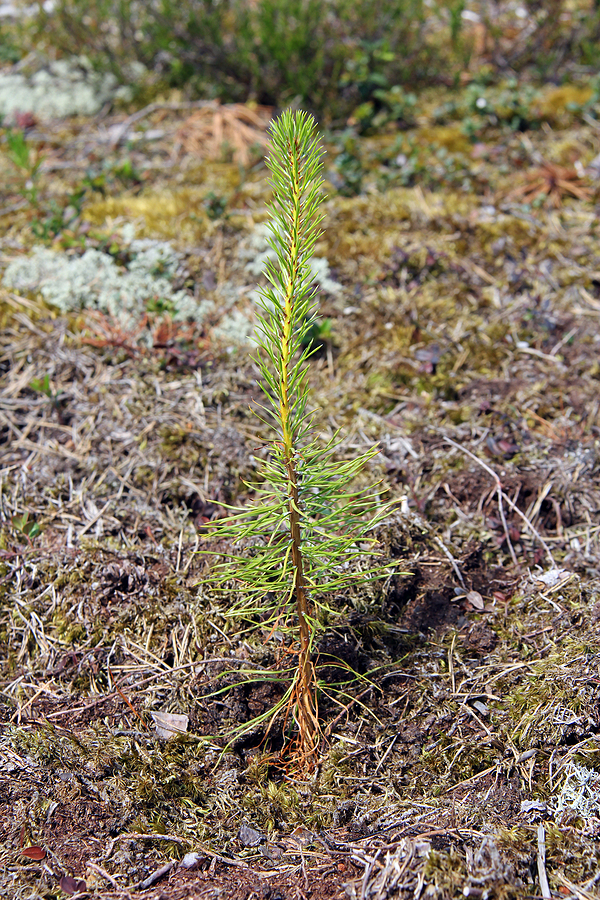
Planting a tree feels like a small act of faith. You dig the hole, settle the roots into place, and picture the shade it’ll cast decades from now. But that hopeful sapling is far more fragile than it looks, especially during its first few years in Indiana soil.
Somewhere between 50% of newly planted urban trees fail to survive past their first or second year, according to research from the South Carolina Forestry Commission. The reasons vary, but one threat towers above the rest: water stress caused by transplant shock. Understanding why this happens, and how Indiana’s climate makes it worse, can mean the difference between a thriving shade tree and a costly replacement.
Why Inadequate Watering Is the Biggest Risk to Young Trees
When a tree is dug up at the nursery, it loses more than 95% of its root system. That’s not a typo. Less than 5% of the roots that once supported the tree make the journey into your yard. The remaining root ball simply can’t absorb enough water to keep up with what the crown loses through its leaves.
This imbalance is called transplant shock, and it’s the root cause behind most newly planted tree failures. A stressed tree becomes an easy target for insects, disease, and drought—problems that a well-hydrated, established tree could shrug off without issue.
Signs Your Tree Is Struggling with Water Stress
Keep an eye out for these warning signs during the first three years after planting:
- Wilting or drooping leaves, even in the morning
- Leaf scorch, where edges turn brown and crispy
- Premature leaf drop, especially in summer
- Smaller-than-normal leaves
- Yellowing foliage that doesn’t correspond to fall color change
How Much Water Does a New Tree Actually Need?
Most Indiana trees need about 1 inch of water per week during their first growing season, but a more precise method is to measure your tree’s trunk diameter and multiply it by 1.5. That number equals the gallons of water it needs per session. A tree with a 3-inch trunk, for example, needs roughly 4.5 gallons at each watering.
Overwatering carries its own risks. Saturated soil pushes out the oxygen roots need to grow, which can be just as damaging as drought. Before watering, check the soil about 6 inches down near the drip line. If it forms a loose ball in your hand, hold off. If it’s dry and crumbly, it’s time to water.
How Indiana’s Climate Adds to the Pressure
Indiana’s weather doesn’t do young trees any favors. Hot, humid summers can dry out topsoil quickly, while sudden cold snaps in fall and winter can shock a tree that hasn’t fully hardened off. This back-and-forth between extremes makes consistent tree care and routine tree service essential rather than optional.
Seasonal Timing Matters More Than You’d Think
Spring and fall are the two best windows for planting trees in Indiana. Fall planting often gives trees an edge because cooler air reduces stress while the still-warm soil encourages root growth without the added demand of producing leaves. Spring planting works too, but trees planted late in the season can face heat stress before their root systems are ready for it.
Indiana’s Soil Adds Another Layer of Difficulty
Many Indiana neighborhoods sit on dense, compacted clay soil, sometimes with an alkaline pH between 7.5 and 8.0. Since most trees prefer a soil pH between 6.0 and 6.5, alkaline clay can limit nutrient uptake and stunt root growth. Species like pin oak, red maple, sugar maple, river birch, and sweetgum tend to struggle most in these conditions, so matching the right tree to your yard’s soil type is worth the extra research upfront.
Pests and Diseases That Target Stressed Trees
A tree already weakened by transplant shock is more vulnerable to pests and disease than a well-established one. Two threats stand out in Indiana:
Emerald ash borer has devastated ash tree populations across the state. Infested trees typically lose most of their canopy within two years and die within three to four. If you’re planting an ash tree, talk to a local arborist about protective treatment options.
Verticillium wilt is one of the most destructive diseases affecting shade trees in Indiana, according to Purdue University Extension. This soil-borne fungus infects through the root system and is especially damaging to redbud and hard maple trees. Trees under drought or nutrient stress are far more susceptible, which is yet another reason consistent watering matters so much in those first few seasons.
Why Root Development Deserves Your Attention
A tree’s long-term survival hinges on how quickly it can rebuild its root system after transplanting. Smaller trees recover faster. A 1-inch caliper tree can restore its full root diameter within a single year under good conditions, while a 4-inch caliper tree may take five growing seasons to catch up.
Urban and suburban planting sites often complicate this process further. Compacted subsoil, common throughout Indiana developments, makes it harder for roots to access oxygen and expand. Loosening the soil in a wide area around the planting hole, rather than just the hole itself, gives new roots more room to establish themselves near the surface where conditions are best.
Getting Mulch and Sunlight Right
Mulching the Right Way
A 3- to 4-inch layer of wood chips or bark around the base of a new tree helps retain soil moisture, regulate temperature, and choke out grass that would otherwise compete for water and nutrients. Just keep the mulch a few inches away from the trunk itself. Piling it against the bark traps moisture against the tree and invites rot and fungal growth.
Matching Light Needs to Placement
Before planting, confirm your tree species’ sunlight requirements. A tree planted in deep shade when it needs full sun (or vice versa) will struggle to thrive regardless of how well you water or mulch it.
Setting Your Tree Up for Long-Term Success
A few additional habits go a long way during the establishment period:
- Skip the stakes when possible. Trees allowed to move naturally in the wind often develop stronger, more resilient trunks. Staking is generally unnecessary for trees under 1.5 inches in caliper.
- Hold off on fertilizer during the first year. A stressed root system isn’t ready to process added nutrients, and fertilizing too early can do more harm than good.
- Avoid heavy pruning right after planting. The tree needs all the leaf surface it has to generate the energy required for root growth.
Frequently Asked Questions
How often should I water a newly planted tree in Indiana?
Water deeply once a week during the first growing season, providing about 1 inch of water or roughly 1.5 gallons per inch of trunk diameter. Adjust based on rainfall and soil moisture rather than sticking to a rigid schedule.
What’s the best time of year to plant a tree in Indiana?
Fall and spring both work well, though many experts consider fall slightly better. Cooler air temperatures reduce stress on the tree while the soil is still warm enough to support root growth.
When should I remove tree stakes?
If staking is necessary, remove it after the first growing season, typically around one year. Leaving stakes in place too long can prevent the trunk from developing the strength it needs to stand on its own.
Give Your Newly Planted Tree the Best Chance to Thrive
The first few years after planting determine whether a tree becomes a lasting part of your landscape or a costly do-over. Consistent watering, the right soil conditions, and early attention to pests and disease all play a part in getting your tree successfully established.
If you’re planting new trees in the Indianapolis area, or you’re concerned about ones you’ve already planted, Complete Tree Care is here to help. Contact us today for expert guidance on tree selection, planting, and long-term care tailored to Indiana’s unique growing conditions.
Related Posts:
How to Plant a New Tree in Indiana for Lifelong Growth
Common Indiana Tree Pests and Abatement Strategies
Midwest Tree Planting: A Hardiness Zone Guide