Are Insects a Threat to Tree Health During the Summer?

Summertime is a great time to enjoy the outdoors, but it can also be a difficult season for trees. During this time of year, insect populations tend to increase and become more active. These pests are capable of causing major damage to your tree’s health if left unchecked. That’s why it’s important to take steps now to protect the trees on your property from any potential threats posed by insects during the summer months.

In this blog post, we’ll discuss some common insect threats that could cause harm to your tree’s health this summer and how you can prevent them from doing so. We’ll also provide tips on when you should call in professional tree care services for help with pest control or other issues related to tree health. So, read on as we explain what you need to know about protecting your trees from insects during the hot summer months!
Call 317-783-2518 For Tree Care in Indianapolis

Insects That Commonly Target Trees

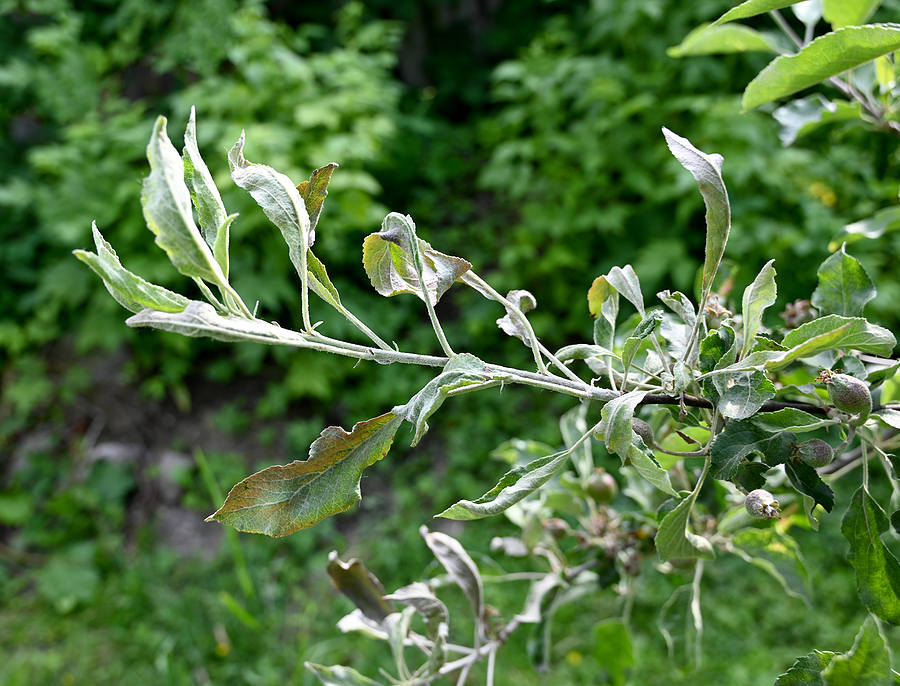
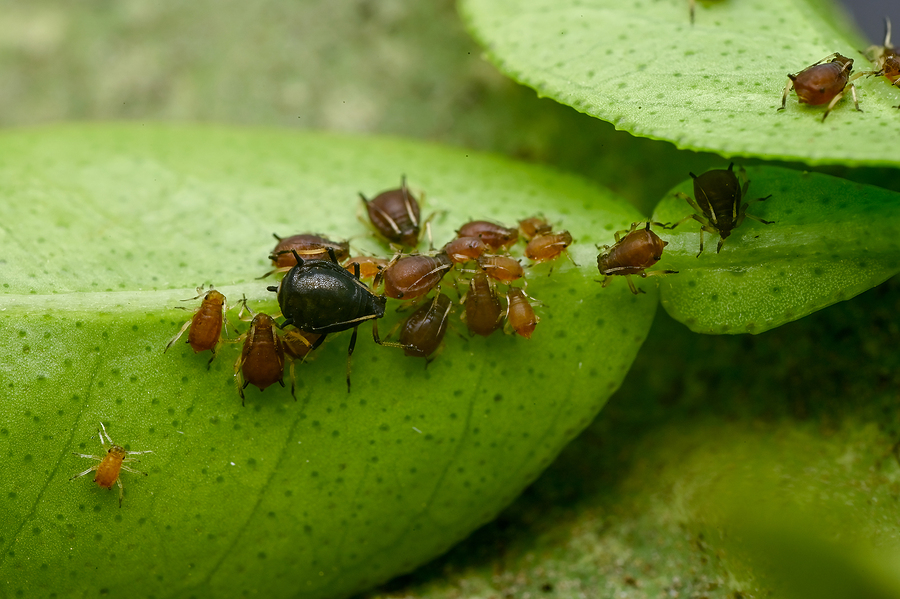
First, let’s take a look at some of the most common insect pests that can be harmful to your trees. These include aphids, scale, leafhoppers, borers, caterpillars, and sawflies. Aphids are small sap-sucking pests that can infect leaves and branches with bacteria and cause them to become discolored or distorted in shape. Scale insects attach themselves to stems or bark and feed on plant juices leaving behind a sticky residue called honeydew that can attract ants and other pests.

Leafhoppers are light green bugs that feed on the underside of leaves leaving white spots in their wake. Borers are wood-boring larvae that live inside tree trunks or branches causing them to weaken over time. Caterpillars are the larvae of various moths and butterflies that feed on leaves leaving ragged holes behind. Sawflies are small wasps that are capable of defoliating entire trees by eating their leaves.

How to Protect Trees Against Pests

Fortunately, there are a few things you can do to help protect your trees from insect damage this summer. Start by regularly checking for any signs of pest infestation such as discoloration or wilting of leaves or branches, honeydew deposits, sawdust-like residue, and other physical changes in the tree’s appearance. If you notice any of these issues, it’s important to call in professional tree services right away so they can assess the damage and prescribe appropriate treatments to eliminate pests and preserve your tree’s health.

Routine Tree Care

In addition to checking for signs of infestation, it’s also important to practice proper tree care in order to prevent pests from taking hold in the first place. Start by regularly watering your trees and pruning away dead or dying branches that could provide food sources for insects. Mulching around the base of the tree can help retain moisture and reduce competition with weeds that could attract bugs as well. Lastly, avoid using chemical pesticides unless they are absolutely necessary since they can be harmful to beneficial insect species that help keep pest populations under control.

Maintain Prime Tree Health Year Round

By following these tips and staying vigilant about monitoring your trees for any potential threats, you can help protect them from becoming victims of insect infestations this summer. If you do encounter any major pest problems, don’t hesitate to call a professional tree care services for help. The experts can diagnose the problem quickly and provide effective treatments, so your trees stay healthy and strong all season long!

In Summary

So, there you have it—all the information you need about keeping insects from damaging your trees during the summer months. Keep these tips in mind as you enjoy the warm weather outdoors! With proper tree care and some vigilance, you’ll be able to keep pests away and preserve the beauty of your property for years to come.

Ready to get your trees in shape this summer? Start now! Contact Complete Tree Care at 317-783-2518 to get advice from a certified arborist in Indianapolis, Indiana. We serve residential and commercial clients with comprehensive tree care solutions.

Related Posts:

10 Summer Tree Care Tips for Homeowners
The Common Process of Tree Fertilization
4 Topsoil Problems That Can Negatively Affect Tree Health
10 Summer Tree Care Tips for Homeowners

Summer is officially here and it’s a busy time for homeowners. With warmer weather, there are so many outdoor projects to tackle – from mowing the lawn and trimming hedges to planting flowers and taking care of trees. But when it comes to tree care, summer can be especially tricky. That’s why we’ve put together this list of 10 summer tree care tips for homeowners. These tips will help you keep your trees healthy during the hottest months of the year, so you can enjoy their beauty all season long! Keep reading to learn more about how you can take proper care of your trees this summer.

Call 317-783-2518 For Tree Service in  Indianapolis
Call 317-783-2518 For Tree Service in Indianapolis

How to Take Care of Trees in the Summer

1. Water Regularly: Make sure your trees are getting the proper amount of water in order to thrive. The best time to water is early morning, before the heat of the day sets in. Aim for deep, thorough irrigation so that water reaches down into soil roots and helps keep your trees healthy and hydrated during summer’s hottest days. Just be sure to not over water trees, as this can do more harm than good.

2. Prune Correctly: Summer pruning is important for keeping trees healthy and free from disease. But be careful not to over prune – too much tree trimming can leave them vulnerable to pests and diseases. When it comes to pruning, concentrate on removing dead or damaged branches that have been affected by weather or disease, rather than taking off a lot of foliage unnecessarily.

3. Fertilize: Fertilizing trees in the summer can help them stay healthy and strong. Look for a fertilizer specially made for trees, as it will contain all the necessary nutrients your tree needs to thrive. Make sure you follow instructions carefully and don’t over fertilize – too much fertilizer can burn roots and cause damage to your tree.

4. Monitor Pests: Summer is prime time for bugs like aphids, caterpillars, scales, borers, and beetles that can wreak havoc on trees if they’re not kept in check. Keep an eye out for any signs of infestation such as discolored leaves or wilting branches and use pesticide sprays and traps to keep these pests under control.

5. Check for Diseases: Diseases like powdery mildew, cankerworms, and anthracnose can quickly overtake trees if not treated in time. Inspect your trees often for any signs of disease and take action as soon as possible by spraying the affected area with a fungicide or contacting a tree service professional for assistance.

6. Mulch Correctly: Mulching around the base of your trees helps retain moisture and keeps roots cool during summer’s hottest days. But it’s important to mulch properly – too much or too little can be bad for your tree’s health. Aim for 3-4 inches of mulch spread out evenly around the base of the tree, avoiding piling it too thickly around the trunk.

7. Protect From Sunburn: Just like you, your trees can suffer from sunburn if overexposed to harsh sunlight. To prevent this, make sure to provide adequate shade – especially for young and vulnerable saplings. Planting shrubs and trees near them can help protect them from direct sunlight, or you can use a specialized protective paint on more mature specimens to shield them from ultraviolet rays.

8. Avoid Stressing Out Your Trees: Stress is bad for any living organism, including trees! That’s why it’s important to avoid unnecessary stress on your trees by not planting too deeply or compacting soil around their roots when working. To keep your trees healthy, always use the appropriate tools and techniques when cultivating around them.

9. Limit Pruning During Summer: Summer is not the ideal time to make drastic changes and heavy pruning to your trees. Some tree trimming may be necessary for safety reasons or for aesthetic purposes but try to limit it as much as possible since trees already have a lot of stress during the hot months of the year.

10. Call a Professional: If you’re ever in doubt about how best to care for your trees – or if you notice any signs of disease or pest infestation – it’s best to call in a professional tree service provider who can assess the situation and recommend treatments accordingly. With the help of a professional, your trees will stay healthy and happy all summer long!

Summer Tree Care Advice You Can Use All Season

These 10 tips should help you keep your trees looking their best during the hot summer months. Remember to water regularly, prune correctly, fertilize properly, monitor pests, check for diseases, mulch accordingly, protect from sunburn, avoid stressing out your trees, limit pruning during summer and call in a professional tree service company in Indianapolis if needed. Following these steps will help ensure your trees survive and thrive throughout the season – so you can enjoy their beauty year-round!

Are your landscaping trees in need of some TLC this summer? Contact Complete Tree Care at 317-783-2518 for licensed and insured tree service in Indianapolis, Indiana. We serve residential and commercial clients with comprehensive tree care solutions.

Related Posts:

Can I Trim Dead Branches Off a Tree in Summer?
Do I Need to Water My Trees?
5 Ways to Stop Moss Growth on Trees

10 Ways to Protect Your Trees from Bark Problems

Trees are an important part of our environment and provide us with plenty of benefits. However, trees can be vulnerable to bark problems which can cause damage and even kill the tree if left unchecked. Fortunately, there are some simple steps you can take to protect your trees from trunk and bark problems. Continue below to learn 10 ways you can help ensure your trees stay healthy for years to come.

Call 317-783-2518 For Indianapolis Tree Care You Can Trust

How to Avoid Tree Bark Problems: 10 Tips

1. Regularly Inspect Your Trees: Keep an eye on the bark of your trees to check for any signs of damage or decay. Make sure you do this throughout all seasons so can identify potential issues early and take action before they get worse.

2. Prune Properly: Trimming away dead, diseased, or damaged branches helps promote healthy tree growth and prevents bark problems from spreading to other parts of the tree. Make sure you prune in a way that follows the natural shape of the tree’s canopy by using the right tools and techniques.

3. Provide Adequate Water & Nutrients: Trees need plenty of water and nutrients to stay healthy, so make sure you give your trees the right amount of water and fertilizer to keep them healthy. However, be sure not to over-water or over-fertilize as this can lead to tree bark problems.

4. Monitor Pests: Make sure you’re regularly checking your trees for any signs of pests, such as aphids, mites, beetles, and more. If you do spot any pests, take steps to get rid of them quickly before they cause further damage to the tree’s bark.

5. Protect Trees from Injury: Trees are vulnerable to damage from things like lawnmowers, vehicles driving too close by, or construction work in the area. Whenever possible try and keep these sorts of activities away from your trees to reduce the risk of injury.

6. Choose Trees that are Suited to Your Climate: Different tree species can be better suited to different climates and environments, so make sure you choose trees that are right for your climate zone and soil type to reduce the chance of bark problems occurring.

7. Plant Away from Foundations & Structures: Planting too close to a home or other structure can cause tree bark problems due to the competition for resources or damage from activities like digging around foundations. Whenever possible, try and give trees enough space from structures when planting them in your yard.

8. Use Mulch Properly: Spread mulch around the base of your trees but avoid putting too much down, as this can cause the bark to rot. Always leave a few inches between the trunk of the tree and the mulch and avoid piling up too much against the base of the tree.

9. Consider Protective Wraps: If you’re worried about sun or extreme weather damage, consider using protective wraps which can help protect the bark from direct exposure to sunlight, wind, rain, and snow. These are available in different materials, like burlap or fabric.

10. Seek Professional Help: Sometimes trees may need professional help if they’ve been damaged or infected with a disease. Make sure you get advice from an expert arborist who can provide guidance on how best to care for your trees as well as recommend any necessary treatments to help protect them from bark problems.

Maintain Healthy Trees With Routine Tree Service

By following these tips, you can help ensure your trees stay healthy and protected from bark problems. It’s also a good idea to get regular check-ups with an arborist if you need additional advice or assistance with tree care. Taking care of the trees in your yard will help keep them safe, strong, and beautiful for years to come.

Are your landscaping trees peeling or rotting? Contact Complete Tree Care at 317-783-2518 to get advice from a certified arborist in Indianapolis, Indiana. We serve residential and commercial clients with comprehensive tree care solutions.

Related Posts:

Tree Bark Damage Solutions for Indiana
What is the Soil Food Web and How Does it Benefit Trees?
How to Identify Tree Hazards Before They Become a Problem

Top Tips for Avoiding Transplant Shock in Trees

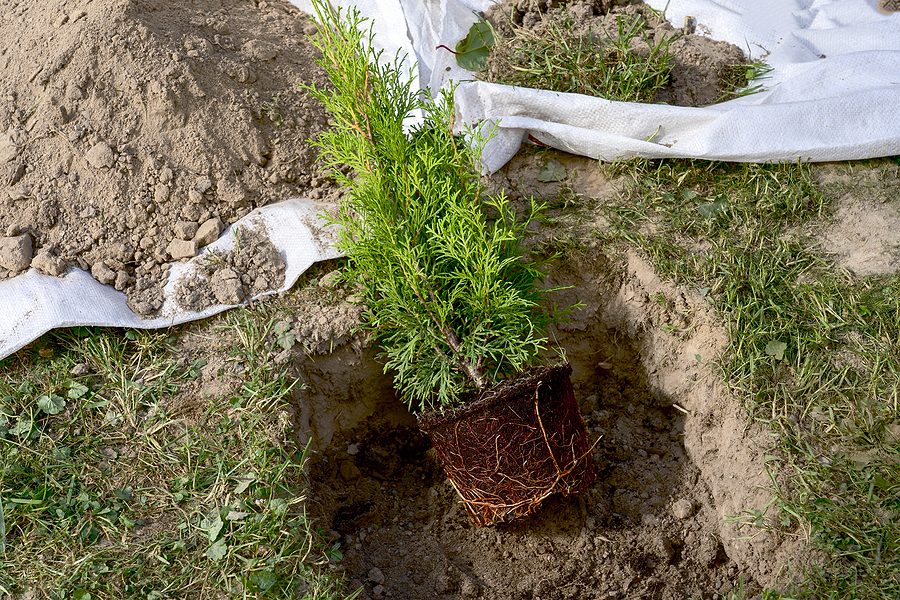
Transplant shock is a common problem that can affect newly planted trees, and it’s important to understand how to prevent it. Transplant shock occurs when the tree is moved from its original environment, resulting in stress on the roots which can cause leaf discoloration and decreased growth. Fortunately, there are steps you can take to reduce the risk of transplant shock for your trees. Continue below to learn some top tips for avoiding transplant shock in trees.

Call 317-783-2518 For Arborist Services in Indianapolis Indiana

What is Transplant Shock?

Transplant shock is a common condition that may affect plants when they are moved or replanted. The stress of the transplantation process can cause a variety of symptoms, such as wilting, leaf drop, stunted growth, and yellowed leaves. This can be concerning for gardeners, but it’s important to understand that transplant shock is a natural response to change, and most plants will recover with time and proper care. To avoid transplant shock, it’s essential to handle plants gently, water them regularly, and provide them with a suitable environment that matches their needs. With patience and a little effort, your plants can thrive in their new home.

How to Avoid Transplant Shock in Newly Planted Trees

Plant During the Cooler Months: The best time to plant a tree is in the late fall or early spring, when temperatures are milder. This can help reduce stress on the roots and make it easier for trees to adjust to their new environment.

Water Properly: Newly planted trees should be watered regularly, at least twice per week for the first two months after planting. Soaker hoses work well for this purpose and can ensure that your tree gets enough water without getting too much.

Prune Carefully: Pruning newly planted trees should be done with caution, as pruning too severely can cause more stress on the roots and therefore increase transplant shock symptoms. Additionally, make sure any cuts are made cleanly and at the right angle.

Monitor Growth: Trees should be monitored regularly in order to identify any signs of transplant shock as soon as possible. Early detection can allow for corrective action to be taken more quickly, which can often result in a better outcome for the tree.

Hire an Arborist. An arborist is a tree expert who has received extensive training and certification to care for trees. Their role is not just limited to trimming branches or cutting down trees. Instead, arborists undertake complex procedures to ensure that trees are healthy, safe, and aesthetically pleasing.

By following these tips, you can help ensure that your newly planted trees adjust well to their new environment and avoid transplant shock. Proper tree care is important for ensuring the health and longevity of your trees, so take steps now to reduce the risk of transplant shock. If you ever have questions about proper tree care or how to prevent transplant shock in your trees, contact a local arborist for advice.

Benefits of Arborist Services

Arborist services can be invaluable for maintaining and caring for trees on your property. Knowing how to care for trees appropriately can help ensure their longevity. Those who do not have expertise in this area, however, may need assistance from a professional arborist. A certified arborist will provide consultation and hands-on services such as pruning, trimming, fertilizing and pest control that are necessary to keep trees healthy.

They have the necessary knowledge and experience to identify problems with trees at an early stage while they are still manageable and act promptly to address them. They also use specialized safety equipment to carry out their duties and work closely with other professionals such as landscapers, architects, and engineers to ensure that trees are properly integrated into the larger ecosystem. Ultimately, an arborist service can help you maintain a beautiful landscape of healthy trees on your property.

Are you looking for a state-certified arborist to help bring your landscaping trees back to their full glory? Here at Complete Tree Care, our Indianapolis arborist is licensed in tree disease diagnosis, as well as, tree insect identification, for all Indiana tree species. Call 317-783-2518 to request service, today.

Related Posts:

Fundamental Tree Transplanting Tips
How to Protect Storm Damaged Trees
Common Diseases Affecting Trees in Indiana and How to Treat Them

What You Need to Know About Tree Disease Treatment

If you’re a homeowner, chances are you have trees in your yard. It is important to recognize the signs of tree diseases and understand how to prevent them. Tree disease treatments can be expensive, so it’s best to know what steps to take for proper tree care ahead of time. An experienced arborist should be consulted if you think any of your trees may be suffering from a serious ailment or infection.

In this blog post, we will discuss some common tree diseases and how they can be treated by an arborist. We will also look at ways that homeowners can practice good tree care in order to reduce the risk of their trees becoming diseased in the first place. By following these tips and working with an experienced professional, you’ll ensure that your outdoor oasis stays beautiful and healthy for years to come!

Call 317-783-2518 For Arborist Services in Indianapolis Indiana

Common Tree Diseases and Their Causes

Tree diseases can be caused by a variety of factors, including fungal or bacterial infections, insect infestations, and environmental stressors. Common tree diseases include Anthracnose, Dutch Elm Disease, Powdery Mildew, and Fire Blight. Each of these requires different treatment strategies to address the underlying cause of the problem. An arborist will inspect your trees for signs of disease and then develop a tailored plan for treating them. This could involve chemical treatments such as fungicides or herbicides, physical pruning techniques, or other methods that are intended to protect your trees from further damage.

ANTHRACNOSE – Anthracnose is an incredibly widespread disease. It often strikes out of nowhere, quickly spreading its devastating presence to vulnerable trees of all sizes and varieties. From gigantic pines standing tall among the canopy of a pristine forest, to small bushes nestled underneath cozy porches, this tree disease shows no signs of mercy as it chips away at each living limb. As summer creeps up with its hot days and long sunlit hours, heightened damage from seasonal anthracnose can appear seemingly overnight and create lasting complications for entire woody landscapes.

DUTCH ELM DISEASE – Dutch Elm Disease is an ominous threat to many trees. It has left marks of destruction on elm woodlands across North America, Europe, and Asia for more than a century. The vascular conditions caused by Dutch Elm Disease can weaken or even kill off infected trees in just one season. This means that the disease spreads rapidly amongst trees and can lead to significant losses for forest environments. Direct contact between healthy and diseased plants spread its spores quickly, making it incredibly difficult to contain without drastic measures such as complete tree removal. On top of this, Dutch Elm Disease also threatens city streets since a variety of elm species are popular decorative trees planted in urban areas around the world. In short, Dutch Elm Disease truly is a common and devastating tree disease.

POWDERY MILDEW – Powdery Mildew is a fungus that attacks different parts of trees. It appears as a white to gray powdery substance, which can cause leaf spots or even mortality in certain tree species such as Elm, Maple, Oak, and Ash trees. Symptoms may appear slowly on the underside of leaves and gradually become more prominent as time passes. In some cases, these spots grow together, causing large necrotic patches that can cause extensive damage to branches. This infection can have serious consequences for the health of your trees and spread easily throughout orchards, greenhouses and nurseries containing susceptible species. Early preventive treatment is essential if you want to keep your trees safe from Powdery Mildew.

FIRE BLIGHT – Fire Blight is a bacterial infection seen routinely in trees, especially those in the Rosaceae family. This group includes such perennials as Pear, Crabapple, and Cotoneaster species. While this disease can be disheartening to observe, it can occur with even younger trees that haven’t had time to fully mature. Certain environmental conditions prove favorable for Fire Blight to thrive, and usually begins at blooming season. Weather temperatures in the upper 80s during days of humidity over 75%, when combined with rainy spells intensifies the rate of infection while allowing bacteria spread.

Routine Tree Care

In addition to professional tree care services in Indianapolis, it’s important that homeowners practice proper tree care throughout the year in order to reduce the risk of disease. This includes regular pruning, mulching, and fertilizing to ensure that your trees stay healthy and strong. It’s also important to avoid over-watering or under-watering your trees, as both can lead to nutrient deficiency and other problems. Lastly, be sure to inspect your trees for signs of disease on a regular basis so you can take swift action if any issues arise.

Now You Can Maintain Healthy Trees Year-Round

By following these tips and working with an experienced professional arborist in Indianapolis, you’ll help ensure that your outdoor oasis stays beautiful and healthy for years to come! If you think one of your trees may be suffering from a serious ailment or infection, it is best to consult an arborist right away; they can develop a tailored plan for effective tree disease treatment. With the right care and attention, you’ll be able to keep your trees healthy and beautiful for years to come!

Are your landscaping trees in need of some TLC this spring? Contact Complete Tree Care at 317-783-2518 to get advice from a certified arborist in Indianapolis, Indiana. We serve residential and commercial clients with comprehensive tree care solutions.

Related Posts:

Common Diseases Affecting Trees in Indiana and How to Treat Them
Is My Tree Dead or Diseased?
Why You Should Mulch Your Trees Every Spring and Winter

Common Diseases Affecting Trees in Indiana and How to Treat Them

Indiana is known for its lush forests and wide variety of trees. However, these trees can be vulnerable to a number of diseases that can cause serious damage if left untreated. Common tree diseases in Indiana include anthracnose, oak wilt, fire blight, Dutch elm disease, and Phytophthora root rot. Understanding the symptoms and causes of these diseases is key to protecting your trees from harm and preserving their beauty for years to come.

In this blog post, we will discuss the most common tree diseases affecting Indiana trees as well as how you can identify them and treat them effectively.

Call 317-783-2518 to Speak With a Licensed Arborist in Indianapolis Indiana.
Dutch Elm Disease (DED) (Ophiostoma ulmi)

Indiana Tree Diseases and Treatments

Anthracnose

Anthracnose is a common fungal disease that affects many tree species in Indiana. It is caused by fungi that thrive on wet, humid weather and can cause deep, dark spots on leaves and twigs as well as leaf loss. Anthracnose can be treated with fungicides applied to the affected area or entire tree depending on how severe the infection is. It’s important to note that fungicides must be used carefully and according to instructions to avoid harming other organisms in your garden or landscape.

Oak Wilt

Oak wilt is another common tree disease found in Indiana, particularly affecting red oak species. Oak wilt is caused by a fungus which rapidly spreads from tree to tree through their root systems. Symptoms of oak wilt include yellowing, wilting and curling of foliage, as well as dieback of branches. Treatment for this disease requires injecting the tree with a fungicide or removing infected branches to prevent further spread.

Fire Blight

Fire blight is another destructive fungal disease that affects many fruit trees in Indiana. It is characterized by cankers on twigs and branches as well as blackening of fruit. Treatment for fire blight typically involves pruning away affected branches and applying a chemical solution to the tree to prevent further spread.

Dutch Elm

Dutch elm disease is another serious fungal infection that affects many species of elm trees in Indiana, particularly older trees. It is characterized by wilting and yellowing of leaves, as well as dieback of branches. Treatment for this disease requires pruning away infected branches and using a fungicide to prevent further spread.

Phytophthora

Phytophthora root rot is a fungal infection that causes severe damage to tree roots. Symptoms include wilting and yellowing of foliage, as well as dieback of branches. Treatment typically involves removing affected roots and applying a fungicide to the tree or soil to prevent further spread.

Routine Tree Care is Key

Tree care is essential in order to keep your trees healthy and beautiful. It’s important to check your trees regularly for signs of disease and act quickly if any are spotted. While it may be tempting to try and treat tree diseases yourself, it’s important to seek professional help in order to ensure the best results and prevent further damage. A qualified arborist can inspect your trees for any signs of disease, recommend an appropriate treatment plan and provide advice on how to best care for your trees.

Protect Indiana’s Trees

Protecting Indiana’s treasured forests is essential to maintaining the state’s natural beauty. By recognizing common tree diseases and taking steps to prevent and treat them, you can help ensure that our forests remain healthy and vibrant for years to come.

Are you  having trouble keeping your trees healthy year-round? Contact Complete Tree Care at 317-783-2518 to get advice from a certified arborist in Indianapolis, Indiana. We serve residential and commercial clients with comprehensive tree care solutions.

Related Posts:

Top 3 Winter Tree Damages and How to Prevent Them
Tree Bark Damage Solutions for Indiana
Is My Tree Dead or Diseased?

Common Tree Problems That Happen in the Fall

Trees play an important role in our environment. They help clean the air we breathe and provide homes for wildlife. Trees also add beauty to our landscape. But, like all living things, trees need care to stay healthy. Unfortunately, with every passing season comes the risk of certain tree problems, from disease and pest outbreaks to undernourishment, animal tampering, environmental discourse, and more.

This season, be sure to keep your eyes on your landscaping trees. Do not let them become victim to some of the most common tree problems that happen in the Fall. Continue below to learn which problems you should be watching out for.

Tree Trimming Indianapolis Indiana 317-783-2518
Tree Trimming and Tree Care Indianapolis Indiana 317-783-2518

Typical Threats to Landscaping Trees This Time of Year

Most trees experience the majority of their problems during the Fall season. Many of these problems are caused by the changing weather and environmental conditions. Here are some of the most common tree problems that occur during Fall:

Leaf Drop

This is one of the most common problems experienced by trees during Fall. As temperatures cool and days grow shorter, trees begin to drop their leaves. While this is a natural process, it can be problematic for trees that are already struggling. Leaf drop can cause further stress and damage to the tree and can even lead to death in some cases.

Disease

Fall is also a prime time for diseases to take hold in trees. Many diseases thrive in the cooler, wetter conditions of Fall. If a tree is already weak or stressed, it is more likely to succumb to disease. Common diseases that affect trees during Fall include leaf spot, powdery mildew, and root rot.

Pests

Pests are also a major problem for trees during Fall. Many pests, such as aphids, mites, and scale insects, are attracted to the sweet nectar produced by trees during this time of year. These pests can cause serious damage to trees and can even kill them in some cases.

Wind and Frost damage

Strong winds are common during Fall, and they can cause serious damage to trees. High winds can snap branches, uproot trees, and topple weak or dead trees. Frost can also cause serious damage to trees during Fall. Frost can kill leaves, branches, and even the entire tree in some cases. It is important to protect trees from frost damage by providing them with adequate water and mulch.

Tree Care Tips

Here are some tips on how to keep your trees healthy:

Water your trees regularly. Trees need at least 1-2 inches of water per week, depending on the weather. The best time to water your trees is in the early morning hours before the sun gets too hot.

Mulch your trees. Mulching helps retain moisture in the soil and keeps roots cool in the summer months. Apply a layer of mulch around the tree base but be sure not to pile it too high against the trunk.

Prune your trees regularly. Pruning helps remove dead or diseased branches and encourages new growth. Be sure to prune your trees during their dormant season (winter for most trees).

Watch for pests and diseases. Keep an eye out for signs of pests or diseases, such as discolored leaves or branches. If you see something suspicious, contact a certified arborist for help.

By following these simple tips, you can help keep your trees healthy and looking their best! Need some professional tree care? Contact Complete Tree Care at 317-783-2518 for licensed Indianapolis tree service at an affordable price. We serve both residential and commercial clients all throughout Central Indiana.

Related Posts:

Bad Tree Mulching Practices to Avoid This Fall
How to Stop Deer Damage to Trees in Fall
Winter-Resistant Tree Species for Indiana

How to Identify and Treat Oak Wilt

Oak Wilt is a debilitating vascular fungal disease that can affect all species of oak trees. Learn what causes this transmittable tree disease, how to identify the signs, and what you can do to stop it from killing your majestic oaks. Continue reading to cover these topics and more.

Oak Tree Care Indianapolis IN
Call 317-783-2518 For Oak Tree Service in Indianapolis Indiana

Oak Wilt Tree Disease

As mentioned, oak wilt is a vascular fungal disease. It is caused by a fungus that enters and obstructs a tree’s inner vascular system where water and nutrients are distributed throughout the tree. Since the fungus enters this internal transportation system, it affects the entire tree rather than an isolated spot. Furthermore, if these food and water lines are inhibited, it can cause a tree to enter a quick decline. For this reason, it is important to address an oak wilt outbreak before it can take over your tree.

Distribution

There are many ways tree diseases can be spread, however, oak wilt is primarily transmitted through beetles or root grafting. Beetles can carry the fungus from one tree to the next, while underground roots of an infected oak tree can share water and nutrient lines with the root system of a nearby tree. This also spreads the fungus. Once an oak tree is dead from the disease, it is no longer transmittable, unless it is a Red oak. Red oak trees should be properly burned and disposed to prevent further outbreaks.

Signs and Symptoms

Live oaks and red oaks exhibit different signs of oak wilt. For live oaks, one of the most common signs is a called veinal necrosis. Leaves develop chlorotic and necrotic veins, in which the leaf veins turn yellow, and then turn brown. This occurrence is usually one of the first noticeable signs of oak wilt disease. From there, additional leaf decline and rapid foliage loss usually takes place, followed by a 1 to 6 month health decline period, and eventually, death. Red oak trees infected with oak wilt do not experience veinal necrosis. Instead, leaves simply wilt and turn colors of pale green, brown, and bronze. They remain attached for the most part, but red oak trees will only survive anywhere from 3 to 4 weeks once infected.

Treatment

Certain species of oaks are not likely to die from oak wilt, including Post oaks, chinquapins, and bur oaks. The most common treatment for oak wilt is a series of bimonthly fungicide injections called Propiconazole. This fungicide is applied through macro-injection of the root flares. This application technique generally gives the best results, however, the fungicide treatment does not guarantee the tree’s survival. Propiconazole fungicide treatments are also effective methods of oak wilt prevention. Talk to your local Indianapolis tree service company about your options for Oak wilt prevention.

Call Complete Tree Care at 317-783-2518 for Indianapolis tree service you can trust. We are highly trained and experienced tree care technicians that offer commercial and residential tree services at affordable prices. Request an estimate or advice anytime. Call 317-783-2518 to learn more about tree care in Indianapolis, Indiana today.