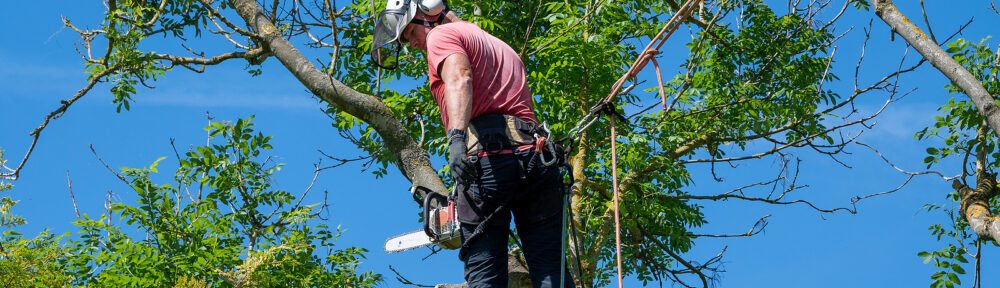
Indiana Winter Tree Care: Essential Steps for Healthy Trees

As the temperature drops and Indiana settles into the heart of winter, your trees require special attention to stay healthy and thrive. This blog post aims to shed light on essential winter tree care practices, primarily focusing on tree mulching and tree cable installation. These preventive measures can ensure the well-being of your trees during the harsh winter season. So, let’s dive in and explore how you can help your trees withstand the Indiana winter with grace and emerge in spring, robust and full of life.

Call 317-783-2518 For Winter Tree Services in Indianapolis Indiana

Winter Tree Care

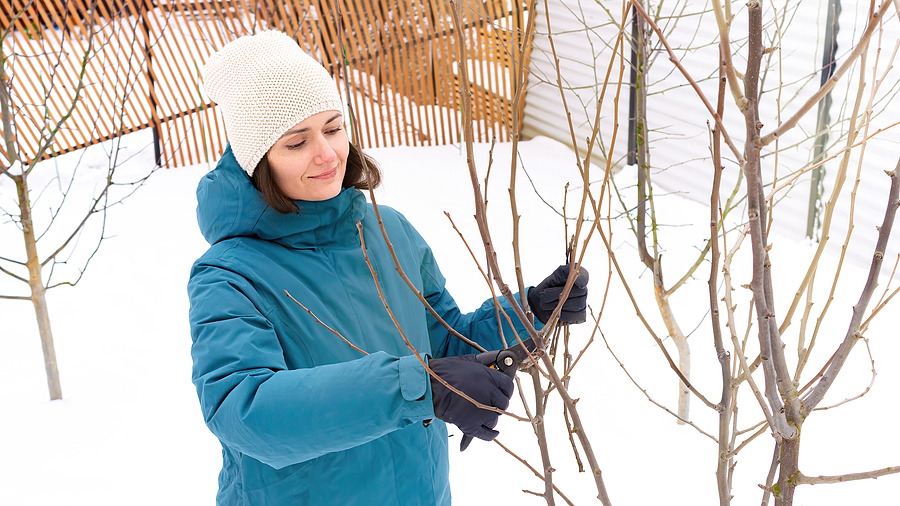
Winter poses unique challenges to trees, including freezing temperatures, snow accumulation, and harsh winds. These elements can cause damage to the tree’s branches, bark, and roots, leaving them vulnerable to disease and pest infestation. Therefore, it is crucial to take proper care of your trees during this time of the year. You might want to also consider planting winter-resistant tree species that are hardy to Indiana climate.

Tree Mulching in Winter

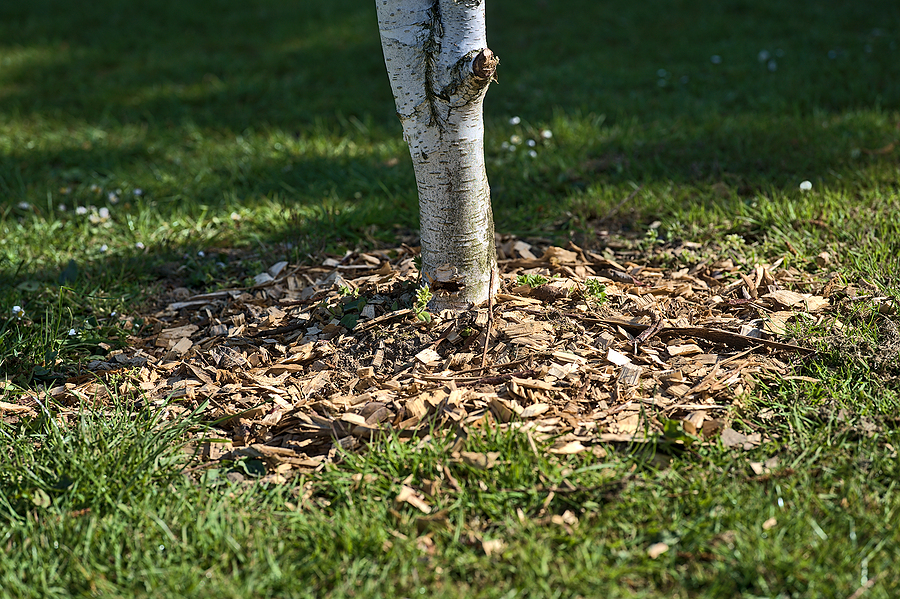
One of the most critical aspects of winter tree care is mulching. Mulch acts as a protective layer around the tree, insulating it from extreme temperatures and maintaining soil moisture levels. Additionally, mulching helps to suppress weed growth and provides essential nutrients to the soil.

When mulching your trees for the winter, keep in mind the following tips:

► Use organic materials such as wood chips, bark, or pine needles.

► Spread mulch in a 2-3 inch layer around the base of the tree, leaving some space between the trunk and the mulch to prevent rotting.

► Avoid piling up mulch against the tree’s bark as it can create a favorable environment for pests and diseases.

Tree Cable Installation

Winter storms can bring strong winds, causing trees to sway and potentially break. Tree cable installation is a preventive measure that can help reduce the risk of tree damage during these storms. It involves installing cables and braces to support weak or damaged branches, providing additional stability to the tree. Tree cable installation should be done by a professional tree service company that can assess the tree’s structure and determine where support is needed. This process typically involves drilling into the tree’s branches and attaching cables to provide extra strength.

Tree Watering in Winter

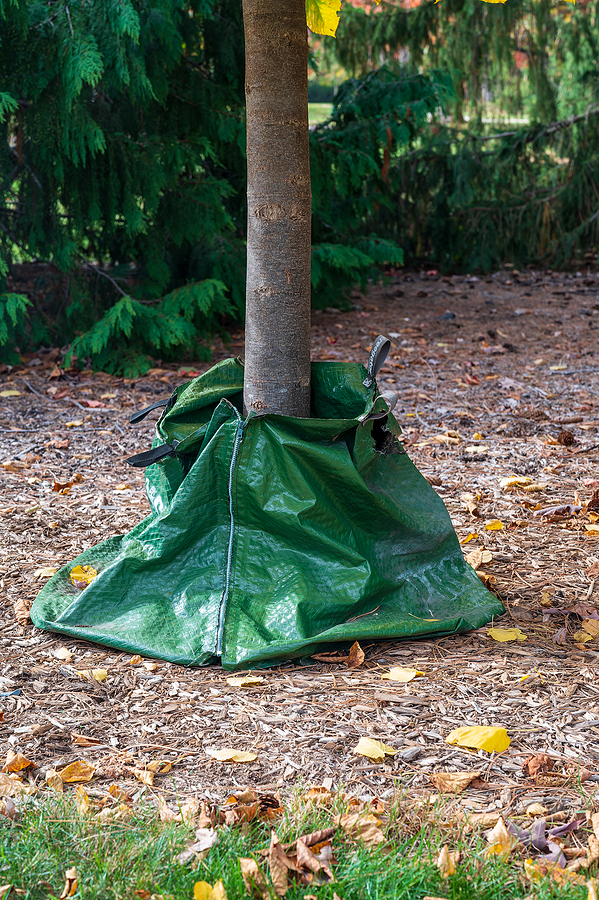
Though trees require less water during the winter, they still need some moisture to survive. During extended periods of dry weather, watering your trees can prevent root damage and dehydration. It is best to water your trees when the temperature is above freezing.

Winter Pests That Can Damage Trees

Pests are a common problem for trees during the winter, especially when they are weakened due to extreme temperatures and lack of water. Some common winter tree pests that can cause damage to your landscaping trees during this time include:

Bark beetles: These insects target weak or stressed trees and can cause severe damage by boring into the bark.

Mice and rabbits: These critters can gnaw on tree bark, causing significant harm to the tree’s health.

Deer: In search of food, deer can strip bark from trees with their antlers and hooves. This is known as bark rubbing, which leaves trees vulnerable to disease and infection.

To prevent pests from damaging your trees during winter, consider installing barriers or deterrents around your trees and keeping a watchful eye for signs of infestation.

Conclusion

Proper winter tree care can make a significant difference in the overall health and well-being of your trees. By mulching, watering, installing tree cables, and protecting trees against pests, you can protect your trees from harsh weather conditions and give them the best chance for survival. Remember, it’s always best to consult with a professional arborist for expert advice on tree care and maintenance. With these essential steps, your trees will be ready to bloom again come springtime.  So, enjoy the winter wonderland while taking good care of your trees!

If you’re in need of a professional tree care this winter season, don’t hesitate to get in touch with our team. Contact Complete Tree Care at 317-783-2518 for licensed and insured tree service in Indianapolis, Indiana. We serve residential and commercial clients with comprehensive tree care solutions.

Related Posts:

Top 3 Winter Tree Damages and How to Prevent Them
Spring to Winter Seasonal Pruning Tips for Trees
The Advantages of Tree Pruning in Winter

Leaf Peepers Guide: The Beautiful Colors of Deciduous Trees in Fall

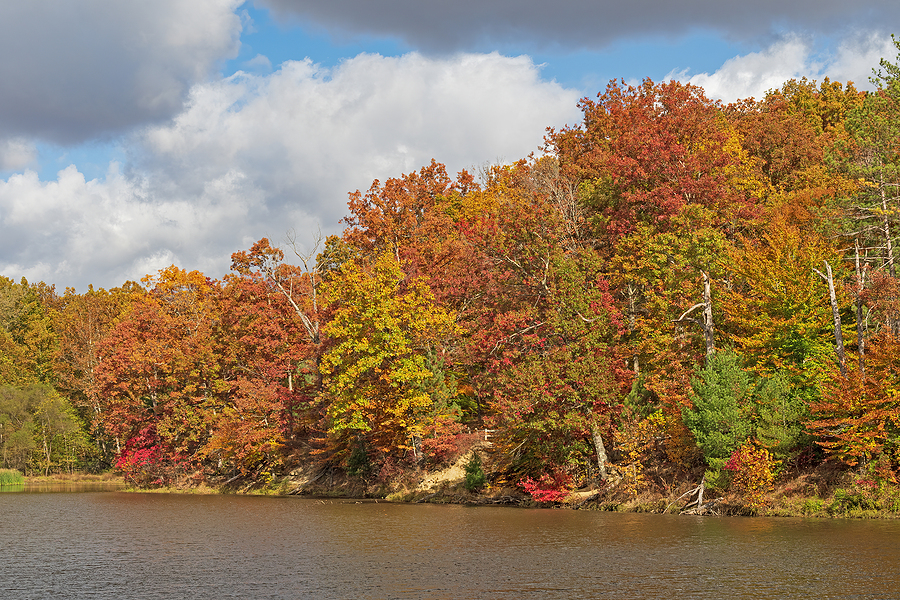
Autumn in Indiana is a visual melody of vibrant hues, where the deciduous trees steal the limelight, shedding their summer greens for a spectacular display of flaming reds, blazing oranges, and glittering golds. Every year, this transformation captivates nature lovers, photographers, and ‘leaf peepers’ alike, each leaf telling a unique story of change.

This blog post dives into the world of Indiana’s deciduous trees and their mesmerizing leaf transformations during the fall. So, whether you’re a seasoned leaf peeper or just starting out, this guide will help you appreciate and understand the beautiful colors of deciduous trees in fall. Get ready to fall in love with Fall!

Call 317-783-2518 For Tree Care Services Near Indianapolis

The Magic of Deciduous Trees

Deciduous trees are a diverse group of plants that shed their leaves annually during the autumn season. Found in various regions across Indiana, these trees include popular favorites like maple, oak, and birch, each with its own unique color transformation. But what exactly causes this magical change? It all begins with the changing daylight hours and temperature as autumn sets in.

As the days get shorter and temperatures drop, the production of chlorophyll (the green pigment responsible for photosynthesis) slows down and eventually stops, revealing the other pigments present in the leaves. These pigments, including carotenoids (which produce yellow and orange hues) and anthocyanins (which produce reds and purples), create the stunning fall colors that we all adore.

Best Places to See Fall Foliage in Indiana

Now that you know the science behind the colorful transformation, let’s explore some of the best places to witness this spectacle in Indiana:

Brown County State Park: Known as the “Little Smokies” due to its resemblance to the Great Smoky Mountains, this park is a popular spot for leaf peepers. With over 16,000 acres of forested land, you’ll find an array of deciduous trees here, including maples and oaks, which create a stunning backdrop of colors.

Turkey Run State Park: Located in Parke County, this park boasts scenic trails through steep gorges and sandstone cliffs lined with a variety of deciduous trees. The visually stunning landscapes make it a must-visit destination during fall.

The Hoosier National Forest: Covering over 200,000 acres in southern Indiana, this forest is home to an abundance of deciduous trees that offer breathtaking views during the autumn season. Must-see areas include the Charles C. Deam Wilderness and Lake Monroe.

Tips for Leaf Peeping

To make the most of your leaf peeping experience, here are some tips to keep in mind:

🍂 Plan ahead and check peak foliage times for specific areas as they may vary.

🍂 Early mornings and sunny days are ideal for capturing vibrant colors in photographs.

🍂 Don’t just stick to the popular spots, explore lesser-known areas for a more intimate and unique experience.

🍂 Don’t forget to look down! Fallen leaves can create beautiful patterns and colors on the ground.

🍂 Take your time and enjoy the moment. The beauty of fall foliage is fleeting, so don’t rush through it.

In Summary

As you can see, Indiana is a prime destination for leaf peepers during the fall season, thanks to its abundance of deciduous trees and stunning landscapes. So, grab your camera, put on your hiking boots, and immerse yourself in the beautiful colors of nature. Whether you’re a seasoned leaf peeper or just starting out, this guide will help you appreciate and understand the magic behind the fall foliage.

Are you in search of reliable tree care this fall? Contact Complete Tree Care at 317-783-2518 for affordable tree services in Indianapolis, Indiana and its surrounding counties. We provide residential and commercial tree services, as well as certified arborist services.

Related Posts:

Autumn Tree Care: Essential Tips and Tricks
Common Tree Problems That Happen in the Fall
Common Glossary Terms for Tree Leaves

Deciduous vs Coniferous: Understanding the Difference

In the vast world of dendrology, or the study of wooded plants, two broad categories often take center-stage: deciduous and coniferous trees. These two terms, while perhaps familiar, may spark a question: what precisely defines each group, and how do they differ from one another?

This blog post will explore these fascinating classifications of trees, delving into their unique characteristics, seasonal behaviors, and their roles in the ecosystem. Whether you’re a seasoned botanist, an avid gardener, or a curious nature lover, strap in for an enlightening journey through the distinctive worlds of deciduous and coniferous trees.

Call 317-783-2518 For Indy Tree Services

What Makes a Tree Deciduous?

Firstly, let’s define the term deciduous. Derived from the Latin word “decidere,” meaning to fall off, deciduous trees are those that lose their leaves in the autumn and remain bare throughout winter until new growth appears in the spring. Some may refer to these trees as “broadleaf” trees, as their leaves typically have a wide and flat shape. Examples of deciduous tree species include maple, oak, birch, and cherry.

The Life Cycle of a Deciduous Tree

Deciduous trees are thriving in many regions globally. They’re most abundant in temperate climates such as North America, Europe, and parts of Asia. These environments experience seasonal changes, which influence the life cycle of deciduous trees. In the spring and summer months, when sunlight and warmth are plentiful, these trees produce an abundance of chlorophyll. This green pigment helps them absorb energy from sunlight to fuel their growth. As autumn arrives and days become shorter, deciduous trees prepare for winter by shedding their leaves. They do this to conserve their energy and protect themselves from harsh weather conditions. In the winter, without leaves or photosynthesis, deciduous trees enter a dormant state until spring returns.

The Evergreen Nature of Coniferous Trees

Unlike deciduous trees, coniferous trees are called “evergreens” because they retain their foliage year-round. They have thin needle-shaped or scaled leaves that allow them to withstand cold, harsh winters. These trees are also more common in colder regions, such as Canada, Scandinavia, and parts of Russia. Species like pine, spruce, and cedar fall under the coniferous category.

The Adaptations of Coniferous Trees

Conifers have several unique adaptations that enable them to thrive in colder climates. Their needle-like leaves have a smaller surface area, minimizing water loss and reducing the risk of frost damage. They also produce a waxy coating on their needles, which further helps retain moisture. Conifers are also known for their deep root systems, which allow them to gather nutrients from deeper soil layers where they can remain unfrozen during winter months.

The Role of Deciduous and Coniferous Trees in the Ecosystem

Both deciduous and coniferous trees play essential roles in their respective ecosystems. Deciduous trees provide habitats, food, and shelter for a variety of animals, insects, birds, and microorganisms. Their fallen leaves also enrich the soil with nutrients as they decompose. In contrast, conifers provide year-round shelter and food for wildlife, including birds and small mammals. Their dense foliage also helps protect the soil from erosion and provides a natural barrier against wind and snow.

Understanding the Differences

While deciduous trees lose their leaves in winter as part of their natural cycle, conifers maintain their evergreen nature all year round. Deciduous tree leaves are typically broad and flat, while coniferous tree leaves have a needle-like shape or are scaled. Deciduous trees grow in temperate regions, whereas conifers thrive in colder climates. Their adaptations and roles within the ecosystem also differ. However, both deciduous and coniferous trees contribute to the beauty and diversity of our natural world.

In Conclusion

Deciduous vs. Coniferous: two unique categories of trees, each with their defining characteristics and roles in the ecosystem. As we’ve explored, these differences go beyond their seasonal behaviors and foliage shapes; they’re also shaped by their environments and adaptations. Whether you prefer the bold colors of autumn leaves or the tranquil greenery of evergreens, both types of trees are essential to our planet’s health and biodiversity. So next time you take a walk in the woods, remember to appreciate the beauty and significance of both deciduous and coniferous trees.

Are you in search of reliable and insured tree care services close to home? Contact Complete Tree Care at 317-783-2518 for affordable tree services in Indianapolis, Indiana and its surrounding counties. We provide residential and commercial tree services, as well as certified arborist services.

Related Posts:

Questions and Answers About Oak Tree Care
Should I Spray Anti-Desiccants on My Evergreen Trees?
Common Glossary Terms for Tree Leaves

The Pros and Cons of Mulching Around Trees in Hot Weather

As summer temperatures soar, you might be wondering how to best care for your trees. One common method is using tree mulch, a practice that brings with it a host of advantages and some disadvantages. Mulching trees can be a great way to protect them and provide nutrients in hot weather, but it also requires careful thought and execution.

In this blog, we will delve into the pros and cons of mulching around trees during the hottest time of the year. We aim to provide you with an informative guide to help you make the best decisions for your trees’ health and longevity. So, grab a cool beverage and settle in as we embark on this journey of tree care.

Call 317-783-2518 For Tree Care Service in Indianapolis

The Pros of Mulching Around Trees in Hot Weather

Why mulch around a tree? Mulching trees is a great way to keep them healthy during the summer months and beyond. It provides many benefits, including:

Improved Soil Quality: Mulch helps protect the soil from erosion and temperature changes while also providing valuable organic matter to improve its quality.

Reduced Water Loss: Mulch acts as a barrier, reducing the amount of water that evaporates from the soil and helping to keep trees hydrated during hot weather.

Increased Nutrient Retention: By trapping nutrients in the soil, mulch helps trees absorb more of them from their environment and better survive periods of drought or extreme heat.

Improved Insulation: A layer of mulch acts like a blanket, helping to protect the roots of trees from extreme temperatures.

The Cons of Mulching Around Trees in Hot Weather

While there are many benefits of choosing to mulch your trees, it’s important to consider the potential drawbacks as well:

Increased Risk of Disease and Pests: A thick layer of mulch can trap moisture, creating an ideal environment for pests and diseases to flourish.

Attraction to Animals: Mulch can be a tasty snack for animals such as deer, rabbits, or squirrels that may dig up the area around trees in search of food.

Poor Air Flow: Too much mulch can inhibit air flow around tree roots, leading to oxygen deprivation and potential damage.

3 Tree Mulching Tips for Summer

Tree mulching can be a great way to keep them healthy in hot weather, but it should be done carefully. Here are some tips to ensure that your mulching efforts don’t do more harm than good:

Use the right type of mulch. Certain types of mulch are better for trees in hot weather, such as straw or wood chips. Avoid using sawdust or shredded paper, which can create a barrier that prevents water and oxygen from getting to the roots.

Don’t over-mulch. A layer of mulch should be no more than 3 inches deep. Any deeper, and you run the risk of trapping moisture and creating an environment where diseases can flourish.

Don’t spread mulch too close to the trunk. It’s important to leave a small gap between the mulch and the trunk to ensure that air can still flow freely around it.

How to Choose the Right Mulch for Your Trees

When it comes to choosing the best type of tree mulch, there are a few important factors to consider. Start by determining what kind of environment you’re dealing with: is it hot and sunny or cool and shady? Once you know this, you can select the type of mulch most suitable for your tree’s needs. For example, organic mulches like straw or wood chips are great for hot, sunny areas, whereas bark or pine needles are better suited to cool, shady spots.

It is also important to take into account the type of tree you are dealing with and its particular needs. Some trees may require a certain type of mulch to thrive. If you aren’t sure what type of mulch is best for your tree, consult a certified arborist or tree care company for their expert advice.

In Conclusion

Mulching around trees in hot weather can be a great way to keep them healthy and protected from extreme temperatures. However, it is important to be aware of the potential drawbacks and take steps to ensure that your mulch isn’t putting your trees at risk. With proper care and maintenance, you can enjoy all the benefits of mulching without worry! 

Are you trees in need of professional attention? Contact Complete Tree Care at 317-783-2518 for licensed and insured tree service in Indianapolis, Indiana. We serve residential and commercial clients with comprehensive tree care solutions.

Related Posts:

Are Insects a Threat to Tree Health During the Summer?
5 Essential Steps to Protecting Your Trees from Droughts
How to Prepare Your Trees for the Heat of Summer

5 Essential Steps to Protecting Your Trees from Droughts

We all know that droughts can have devastating consequences on our environment, and trees are especially vulnerable. Trees need a steady supply of water to survive, so when drought conditions hit, they may not be able to get the nutrients they need from the soil. That’s why it’s important to take steps to protect your trees during periods of drought.

In this blog post, we’ll go over five essential steps you can take to ensure your trees stay healthy even in dry weather conditions. From proper tree care techniques like mulching and watering correctly, to using protective sprays and choosing drought-tolerant species for your landscape design – these tips will help you maintain beautiful green foliage year round!

Call 317-783-2518 For Indianapolis Tree Care Service

The Negative Affects of Drought on Trees

Drought is a natural phenomenon that can heavily impact the health of trees. These long periods of dry weather can cause damage to the delicate root system of the tree, causing stress and ultimately weakening their overall health. Without adequate moisture, trees struggle to take in nutrients from the soil and they may not grow as well as they typically would. To protect them in times of drought, it is important to provide proper tree care, such as regular watering and mulching. By ensuring that your trees are healthy and well-maintained, you can help them withstand the harsh conditions that come with drought. Remember, prevention is key when it comes to avoiding tree damage during periods of dry weather.

How to Protect Your Trees From Droughts

1. Mulching: One of the best ways to protect your trees from drought conditions is by mulching them. Mulching adds a layer of organic material around the base of the tree, which helps retain moisture and reduce evaporation from the soil. Make sure that you don’t pile the mulch too high; four to six inches should do it.

2. Watering: During periods of extreme drought, it’s important to give your trees extra water if needed. This can be done either through a drip irrigation system or manually with a hose or watering can. When doing this, make sure not to over-water – only give them enough so that they receive adequate moisture without becoming waterlogged.

3. Protective Sprays: If you live in an area with high levels of UV radiation, it may be a good idea to use protective sprays on your trees. These sprays will help reduce transpiration and protect the leaves from drying out in extreme temperatures.

4. Choose Drought-Tolerant Species: Another great way to protect your trees from drought is by choosing species that are adapted to dry climates. Planting drought-tolerant species like Oak trees and Maple trees can help ensure they’ll stay healthy even during periods of low rainfall or water restrictions.

5. Regular Tree Care: Finally, remember that regular tree care is essential for protecting your trees from droughts. Prune your trees regularly and ensure they get enough fertilizer, as this will help them to stay strong and healthy even in dry conditions.

Achieve Year-Round Tree Protection

By following these five essential steps, you can protect your trees from droughts and keep them looking their best year-round! If you need help with tree care or want to learn more about which species are best for drought-prone climates, contact a certified arborist today. They’ll be able to provide expert advice tailored to your specific climate and landscape design needs.

Do you want to get your trees ready for the summer climate? Now is the time to start! Contact Complete Tree Care at 317-783-2518 for comprehensive tree services in Indianapolis, Indiana. We serve residential and commercial clients with comprehensive tree care solutions.

Related Posts:

How to Prepare Your Trees for the Heat of Summer
General Tree Care Tips for the Summer Season
Facts About Over-Watering and Under-Watering Trees

The Ultimate Guide to Tree Stump Removal Options

Having a tree stump in your yard can be an eyesore and a nuisance. If you’ve recently had a tree removed, then it’s time to think about the best way to get rid of the remaining stump. There are several methods available for tree trunk removal, including grinding, burning, and chemical treatments. Each method has its own pros and cons, so it’s important to understand them before making any decisions.

In this guide we’ll cover all the different options available for removing those pesky stumps from your property. From DIY solutions like burning or digging out the root ball to professional tree care services such as stump grinding or chemical treatment – we’ve got you covered! So, continue reading to find out which tree stump removal option is right for you!

Call 317-783-2518 For Stump Removal Service in Indianapolis Indiana

What You Need to Know Before Removing a Tree Stump

If you’re planning on removing a tree stump from your yard, there are a few things you need to know before getting started. First and foremost, it’s important to understand the potential risks that come with stump removal. Removing a tree stump can be a dangerous task if not done properly, so it’s crucial to hire a professional if you’re unsure of what you’re doing. Ultimately, the decision to remove a tree stump should be based on your individual needs and circumstances but be sure to consider all your options and take appropriate precautions before beginning the process.

Top Options for Stump Removal

🪵 Stump Grinding: One of the most popular methods for removing tree trunks from the ground is to grind them down into smaller pieces. This process uses a large machine that grinds away the stump, leaving behind small mulch-like pieces of wood. Stump grinding can be done by professionals or as a DIY project. The biggest advantage of this method is that it’s fast and relatively inexpensive.

🪵 Stump Burning: Another option for tree stump removal is burning it out with fire. This process requires building a fire around the trunk base and keeping it lit until the wood has burned down completely, which could take several hours depending on the size of the stump. While burning may seem like an easy solution, there are some potential risks associated with this method. If done improperly, stump burning can result in an out-of-control fire that could spread to nearby buildings or vegetation.

🪵 Chemical Treatments: Chemical treatments are another option for tree stump removal. This process involves applying a chemical solution directly onto the stump, which causes the wood to decay over time and eventually disappear completely. This is generally the safest and most environmentally friendly way to remove a stubborn stump from your property, but it’s also one of the slowest processes – it can take up to a few months for the stump to completely decompose using this method.

🪵 Digging Out the Root Ball: For large stumps where other methods may not be practical, you can always try digging out the root ball. This process requires digging around the stump and removing as much of the roots as possible. While this method may take some time and effort to complete, it can be effective in getting rid of stubborn stumps that are difficult to remove using other methods.

In Summary

Removing a tree stump doesn’t have to be a hassle! With these different methods available, you can find one that works best for your specific situation. As always, if you’re unsure about which option is right for you or if you feel unsafe attempting any of these processes on your own, then don’t hesitate to contact a professional who can help!

Are you interested in learning just how affordable and convenient professional tree stump removal services can be in the Indy areas? Contact Complete Tree Care at 317-783-2518 for licensed stump removal and stump grinding in Indianapolis and surrounding counties. We provide residential and commercial tree services throughout Central Indiana.

Related Posts:

The Benefits of Professional Tree Stump Removal
Why Tree Stump Removal Might Be the Right Option for Your Landscape
Quick Guide to Tree Stump Burning

How to Identify Tree Hazards Before They Become a Problem

Nobody wants to face the danger of a dangerous tree. Yet, trees can become hazardous if they are not properly maintained and monitored. If you’re a homeowner or property manager, it’s important to stay vigilant for potential hazards so that steps can be taken before an incident occurs.

In this blog post, we’ll discuss how you can identify any tree hazards that may exist on your property before they become a problem – and what to do about them if necessary. We’ll also provide some tips for choosing the right tree service provider when it comes time to take action. Continue below to learn more!

Call 317-783-2518 For Tree Removal in Indianapolis

Maintain Safe and Hazard-Free Property With Tree Care

As a responsible homeowner or property manager, staying vigilant about the safety of trees on your property is crucial. Neglecting necessary maintenance and monitoring can transform once harmless trees into looming hazards. By proactively assessing trees for potential weaknesses or disease and taking corrective action right away, you can help ensure the natural beauty of trees does not come at the cost of risking damage or injury. Though beautiful and beneficial, trees require mindful care to avoid morphing into dangerous threats. Staying informed and taking swift precautions are vital to sidestepping preventable arboreal peril.

Common Signs of a Hazardous Tree

Some common signs that a tree may pose a hazard include:

▶ Large, visible cracks or splits in the trunk or major branches

▶ Fungus or insect infestation that is damaging the tree

▶ Leaning or off-balance tree that looks unstable

▶ Low-hanging or dead branches that could fall

▶ Roots that are lifting sidewalks or damaging foundations

If you spot any of these potential hazards, it’s best to have a professional tree care contractor inspect the tree. They can thoroughly check the tree for any issues and determine if removal or trimming is necessary. An experienced tree service professional will have the proper equipment and training to safely address any hazards. When choosing a tree service, look for certifications, licensing, insurance, and a good reputation. Cost estimates should be provided in writing.

Should a Dead Tree Be Removed?

Dead trees should be removed before they become a safety hazard or fall on their own. Dead tree removal is a task best left to the professionals. A tree service contractor will assess the tree to determine the safest way to remove it, whether through dismantling it piece by piece or felling it in one whole piece. Their experienced crew uses proper safety equipment and techniques to remove the tree and grind the stump and roots. They can also assess nearby trees for disease or damage and provide treatment or removal if needed. While it’s an expense, removing dead trees is important to protect your home and property.

Routine Tree Service is Vital for Healthy Trees

By staying on the alert about potential tree hazards on your property, you can help ensure the safety of your home and surrounding area. Regular inspections, especially after major storms, are a good idea to catch any issues early. If you do spot signs of trouble, don’t hesitate to contact a professional Indianapolis tree service company to assess the situation. With proper maintenance and monitoring, you can keep your trees healthy and avoid dangerous problems down the road.

Looking for a professional tree service company to take good care of your landscaping trees? Contact Complete Tree Care at 317-783-2518 for licensed tree removal and tree care service in Indianapolis, Indiana. We serve both residential and commercial clients all throughout Central Indiana.

Related Posts:

What To Do After a Storm Leaves Your Trees with Broken Branches
Can I Protect My Trees From Lightning Strikes?
Is My Tree Going to Fall Over?

10 Tips to Help Trees Survive the Colder Weather

As winter approaches and temperatures start to drop, it’s important to be mindful of how the colder weather can affect your trees. While winter is an important part of the tree’s growth cycle, extreme winter weather can cause damage and even death if not properly cared for. Fortunately, there are some simple steps you can take to help ensure that your trees survive the winter months safely and healthily.

Continue below to learn the top 10 tips for winter tree care that will help keep your trees in top condition throughout the coldest season of the year!

For Winter Tree Service in Indianapolis, Call  317-783-2518 Today!
For Winter Tree Service in Indianapolis, Call 317-783-2518 Today!

Winter Tree Care Tips That Promote Longevity

For your trees to stay happy and healthy through winter, some simple caring steps will help you on your way. Taking the time to prepare your trees now may prove fruitful come springtime. Follow these helpful tips for winter tree care so that your trees remain in optimal condition even during the chilliest season:

1. Water Your Trees Regularly: It might seem counterintuitive, but winter is actually a great time to water your trees – even if it’s cold outside! Giving your trees a deep and thorough watering will help them stay hydrated during periods of extreme cold. Be sure to use lukewarm or slightly warm water for winter watering – cold water can cause damage to tree roots.

2. Prune Your Trees: Winter is the best time of year for pruning, as it gives trees a chance to heal and grow in the spring. Be sure to use sharp tools and follow correct pruning techniques so you don’t cause any unnecessary damage to your trees.

3. Wrap Your Trees: Wrapping your trees before winter arrives can help protect them from extreme weather conditions such as strong winds, ice storms and heavy snow. Make sure you use wrapped that is rated for winter tree protection and fit it snugly around the trunk of the tree without restricting its growth.

4. Fertilize Your Trees: Applying winter fertilizer before winter arrives will help your trees stay healthy and strong. Choose a winter-specific fertilizer that is designed to meet the needs of winter tree care.

5. Mulch Around Trees: A thick layer of mulch around the base of your trees can help insulate their roots from cold temperatures and help the soil retain moisture. Be sure not to over-mulch, however, as too much mulching can actually cause tree roots to rot!

6. Avoid Planting Trees in Winter: While winter may seem like a great time for planting trees, it’s important to remember that winter is a tough season for tree survival. Avoid planting trees in winter and wait until spring when temperatures are milder.

7. Look Out for Pests: Winter is a prime time for pests such as rodents, insects, and even disease to attack your trees. Take some time to inspect your trees regularly throughout winter and look out for any signs of damage or distress.

8. Monitor for Signs of Stress: Extreme winter weather can cause trees to become stressed, so it’s important to monitor your trees regularly and look out for signs of stress such as yellowing leaves or wilting branches. If you notice any concerning signs, contact a tree service company immediately.

9. Protect Trees From Snow and Ice: If your area is prone to heavy snowfall, it’s important to make sure that your trees are protected from the weight of the snow. Place some winter tree guards around the trunks of your trees to reduce the pressure from heavy snow.

10. Seek Professional Help: If you’re having problems with winter tree care or are unsure how to proceed with winter tree protection, it’s always best to consult a professional tree care company in Indianapolis. The team at your local tree service company can provide expert advice and assistance in winter tree maintenance that will help keep your trees healthy and safe throughout winter.

Indianapolis Winter Tree Service is a Phone Call Away

Following these 10 tips for winter tree care is the best way to make sure your trees survive winter safely and healthily. Taking the time to properly care for your trees during winter will ensure that they stay strong and resilient when the warmer weather arrives.

Complete Tree Care is your premier winter tree service provider in the Indy region. Contact us today at 317-783-2518 to request more information about our winter tree services in Indianapolis, Indiana. We provide residential and commercial tree services, as well as storm damage tree service.

Related Posts:

Top 3 Winter Tree Damages and How to Prevent Them
Why You Should Remove Tree Branches That Overhang the Roof
The Advantages of Tree Pruning in Winter

Common Tree Problems That Happen in the Fall

Trees play an important role in our environment. They help clean the air we breathe and provide homes for wildlife. Trees also add beauty to our landscape. But, like all living things, trees need care to stay healthy. Unfortunately, with every passing season comes the risk of certain tree problems, from disease and pest outbreaks to undernourishment, animal tampering, environmental discourse, and more.

This season, be sure to keep your eyes on your landscaping trees. Do not let them become victim to some of the most common tree problems that happen in the Fall. Continue below to learn which problems you should be watching out for.

Tree Trimming Indianapolis Indiana 317-783-2518
Tree Trimming and Tree Care Indianapolis Indiana 317-783-2518

Typical Threats to Landscaping Trees This Time of Year

Most trees experience the majority of their problems during the Fall season. Many of these problems are caused by the changing weather and environmental conditions. Here are some of the most common tree problems that occur during Fall:

Leaf Drop

This is one of the most common problems experienced by trees during Fall. As temperatures cool and days grow shorter, trees begin to drop their leaves. While this is a natural process, it can be problematic for trees that are already struggling. Leaf drop can cause further stress and damage to the tree and can even lead to death in some cases.

Disease

Fall is also a prime time for diseases to take hold in trees. Many diseases thrive in the cooler, wetter conditions of Fall. If a tree is already weak or stressed, it is more likely to succumb to disease. Common diseases that affect trees during Fall include leaf spot, powdery mildew, and root rot.

Pests

Pests are also a major problem for trees during Fall. Many pests, such as aphids, mites, and scale insects, are attracted to the sweet nectar produced by trees during this time of year. These pests can cause serious damage to trees and can even kill them in some cases.

Wind and Frost damage

Strong winds are common during Fall, and they can cause serious damage to trees. High winds can snap branches, uproot trees, and topple weak or dead trees. Frost can also cause serious damage to trees during Fall. Frost can kill leaves, branches, and even the entire tree in some cases. It is important to protect trees from frost damage by providing them with adequate water and mulch.

Tree Care Tips

Here are some tips on how to keep your trees healthy:

Water your trees regularly. Trees need at least 1-2 inches of water per week, depending on the weather. The best time to water your trees is in the early morning hours before the sun gets too hot.

Mulch your trees. Mulching helps retain moisture in the soil and keeps roots cool in the summer months. Apply a layer of mulch around the tree base but be sure not to pile it too high against the trunk.

Prune your trees regularly. Pruning helps remove dead or diseased branches and encourages new growth. Be sure to prune your trees during their dormant season (winter for most trees).

Watch for pests and diseases. Keep an eye out for signs of pests or diseases, such as discolored leaves or branches. If you see something suspicious, contact a certified arborist for help.

By following these simple tips, you can help keep your trees healthy and looking their best! Need some professional tree care? Contact Complete Tree Care at 317-783-2518 for licensed Indianapolis tree service at an affordable price. We serve both residential and commercial clients all throughout Central Indiana.

Related Posts:

Bad Tree Mulching Practices to Avoid This Fall
How to Stop Deer Damage to Trees in Fall
Winter-Resistant Tree Species for Indiana

Do I Need to Water My Trees?

One of the most important parts of taking care of your trees is to make sure they have adequate water. This is especially true for newly planted trees and young trees. Tree watering is an essential factor in the health and longevity of your landscaping trees; and since trees provide a wide range of benefits and increase property value, it is in your best interest as a homeowner to invest more time and care into your property. It would be difficult to suggest an exact amount of watering for your trees, but with this helpful guide, you will have the knowledge necessary to grow happy, healthy trees.

Continue reading to learn about tree watering, plus where to look for professional tree care solutions when you need it.

Tree Care Indianapolis Indiana 317-783-2518

Tree Watering Tips

New or Young Trees

A newly planted tree will require a different level of tree care and watering compared to an older tree. After a new tree is planted, it is important to water it immediately. Continue watering regularly over the next two years of its life. During this time, young trees are exerting a lot of energy to establish strong root systems in the soil. Spring and summer will call for more water than fall since your young tree will have a harder time dealing with drought and heat.

Mulching your trees helps to keep the soil moist and protect your tree’s roots from damage. As for watering, keep in mind that too much water can be just as harmful as not having enough. Soggy soil is too saturated, while damp soil still allows adequate oxygen to permeate the soil and feed the root system. So, it is important to use just the right amount to keep your trees in good health.

How to Water a Tree

It is important to water a tree correctly. Deeply water them for one minute with a garden hose. Avoid using sprinklers since wet bark can be damaging and problematic to a tree. How often you should do this depends on the amount of moisture in the soil. To check, use your garden trowel to penetrate the soil 2 inches deep. Pry the soil back, creating a small narrow trench. Then simply feel the soil and assess how moist it is. If it is dry, it will require more water. If it is wet or damp. It is good for the day!

Are you looking for Fall and winter tree care service for your landscaping trees? Contact Complete Tree Care at 317-783-2518 for licensed and insured Indianapolis tree services you can trust. We serve residential and commercial clients.

Related Posts:

Facts About Over-Watering and Under-Watering Trees
Spring to Winter Seasonal Pruning Tips for Trees
FAQS About Tree Care in the Fall