Protecting the Heartland: A Guide to Mid-West Tree Pests

Trees are a fundamental part of the landscape in the Mid-West, offering not just beauty but essential benefits such as shade, air purification, and habitat for wildlife. However, these natural giants face a growing threat from various tree pests.

For gardeners, homeowners, and property managers, understanding these threats is crucial for maintaining healthy trees and vibrant landscapes. In this guide, we will explore common tree pests in the Mid-West, their impact on the environment and economy, and practical strategies for prevention and management.

Call 317-783-2518 When You Need a Tree Arborist in Indianapolis Indiana

Tree Pests in the Mid-West

Emerald Ash Borer (Agrilus planipennis)

The Emerald Ash Borer (EAB) is one of the most notorious tree pests in the Mid-West. This metallic green beetle, originally from Asia, has wreaked havoc on ash tree populations across the region.

  • Behavior: EAB larvae burrow into the bark of ash trees, feeding on the inner tissues and disrupting the tree’s ability to transport water and nutrients.
  • Signs of Infestation: Look for D-shaped exit holes on the bark, thinning canopy, and increased woodpecker activity (as they hunt for larvae).
  • Affected Trees: Primarily ash trees (Fraxinus species).

Gypsy Moth (Lymantria dispar)

The Gypsy Moth is another invasive species that poses significant threats to Mid-West forests, particularly to oak trees.

  • Behavior: Gypsy moth larvae are voracious feeders, capable of defoliating entire trees within a few weeks.
  • Signs of Infestation: Noticeable leaf damage, egg masses on tree trunks and branches, and caterpillars crawling on trees.
  • Affected Trees: Oak, birch, elm, maple, and many other hardwood species.

Dutch Elm Disease (Ophiostoma novo-ulmi)

Dutch Elm Disease (DED) is a devastating fungal disease spread by elm bark beetles. It has led to the decline of American elm trees across the Mid-West.

  • Behavior: The fungus invades the vascular system of the tree, causing wilting and eventually death.
  • Signs of Infestation: Yellowing and wilting of leaves, often starting from the top of the tree and progressing downward.
  • Affected Trees: Primarily American elm (Ulmus americana).

Impact on the Environment and Economy

The infestation of tree pests in the Mid-West has far-reaching implications. Environmentally, the loss of trees can lead to reduced biodiversity, increased soil erosion, and altered local climates. Economically, the costs associated with tree removal, treatment, and replacement can be substantial for communities and property owners. Moreover, the tourism industry, which relies on the aesthetic and recreational value of forests, can suffer significantly from pest-induced tree losses.

Tree Pest Prevention and Management

Early Detection and Monitoring

  • Regular Inspections: Conduct periodic inspections of your trees, looking for signs of pest activity such as unusual holes, frass (insect excrement), and changes in foliage.
  • Use of Technology: Employ apps and tools designed for tree health monitoring to keep track of changes over time.

Proper Tree Care

  • Watering and Mulching: Ensure trees receive adequate water, especially during dry spells, and use mulch to retain soil moisture and regulate temperature.
  • Pruning: Regularly prune trees to remove dead or weakened branches, which can be more susceptible to pest infestations.
  • Pest-Resistant Trees: Consider planting species known for their resistance to common pests. For example, some hybrid elm varieties show resistance to Dutch Elm Disease.

Natural Predators and Biological Controls

  • Beneficial Insects: Introduce natural predators of pests, such as ladybugs for aphid control or nematodes for soil-dwelling larvae.
  • Biological Insecticides: Use products like Bacillus thuringiensis (Bt), a bacterium that targets specific pests without harming beneficial insects.

Chemical Treatments

  • Insecticides: When necessary, use appropriate insecticides to manage severe infestations. Always follow label instructions and consider the impact on non-target species.
  • Systemic Treatments: In some cases, systemic insecticides can be applied to the soil or injected into the tree, providing internal protection against pests.

Professional Services

  • Arborists: Engage certified arborists for expert diagnosis and treatment plans. They can offer specialized knowledge and tools for managing tree health.
  • Tree Removal: In the event of severe infestations or disease, professional tree removal may be necessary to prevent the spread to nearby healthy trees.

Conclusion

Protecting our trees from pests is not just about preserving individual specimens but safeguarding entire ecosystems and communities. By staying informed and proactive, you can help mitigate the impact of tree pests in the Mid-West.

Remember, the health of our trees depends on collective action. Share this knowledge with your friends, neighbors, and community members. Together, we can ensure that our trees continue to thrive and provide the myriad benefits we often take for granted.

Are you dealing with tree pest outbreaks and tree decline problems within the Indy areas? Call Complete Tree Care at 317-783-2518 for affordable certified arborist services in Indianapolis, Indiana and its surrounding counties. From tree health inspection and soil analysis to pest management and beyond, we offer comprehensive arboriculture care tailored to your unique space. We provide residential and commercial tree services, as well as.

Related Posts:

The Essential Guide to Tree Inspections
Reviving Your Yard: A Guide to Saving Unhealthy Trees
Common Winter Tree Pests in Indiana

Reviving Your Yard: A Guide to Saving Unhealthy Trees

Trees are the silent guardians of our yards, offering shade, beauty, and a touch of nature’s serenity to our daily lives. For homeowners and gardeners alike, the health of these leafy giants is paramount, as they play a crucial role in enhancing the aesthetic appeal and ecological balance of our surroundings.

However, just like any living organism, trees can become unhealthy due to a variety of factors, affecting not only their appearance and vitality but also the overall landscape’s health and safety. Recognizing the signs of distress and understanding how to nurture them back to health is essential for any diligent property owner. Continue reading to learn more about how to revive unhealthy trees and restore their natural beauty.

Call 317-783-2518 When You Need a Certified Tree Doctor Near Indianapolis Indiana

Signs of Unhealthy Trees

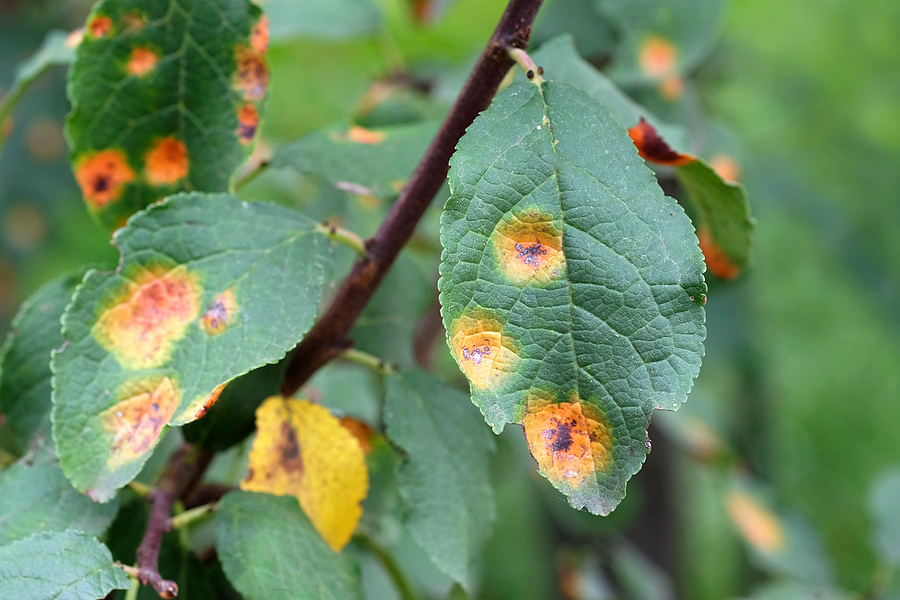
The initial step in rejuvenating the greenery in your yard involves recognizing the indicators that a tree may be in distress. Unhealthy trees typically display a variety of visible signs, serving as a warning system for potential issues. These cues include discolored leaves, stunted growth, and unusual leaf drop, among others.

Observing these signs closely can help you identify a struggling tree early on, enabling you to take corrective action to nurse it back to health. Early detection of these symptoms can be crucial for the successful treatment and recovery of sick trees.

  • Leaf Discoloration: Leaves that turn yellow or brown outside of the fall season can indicate nutritional deficiencies or disease.
  • Dead Branches: Limbs that lack leaves or have dry, brittle wood are a clear sign of distress.
  • Loose Bark: Peeling or cracking bark can suggest internal issues, such as infections or pest infestations.
  • Fungus Growth: The presence of mushrooms or other fungi at the base of the tree or on its trunk can indicate decay within.

Common Causes of Unhealthy Trees

Several factors can contribute to the decline of tree health. By understanding these causes, homeowners can take proactive steps to prevent future issues:

Knowledge of these common pitfalls can guide homeowners in creating a nurturing environment for their trees.

Tree Health Care Tips

Maintaining tree health involves more than just addressing issues as they crop up; it’s about preventing problems before they start through diligent care and maintenance. This proactive approach ensures trees remain vibrant and healthy, safeguarding their well-being for years to come.

  • Watering Wisely: Ensure trees receive adequate water, especially during dry spells. Deep, infrequent watering encourages strong root growth.
  • Mulching: Putting mulch around the base of trees aids in maintaining soil moisture, controlling temperature, and minimizing weed growth.
  • Pruning: Regular pruning removes dead or diseased branches, promotes airflow, and shapes the tree for healthy growth.
  • Professional Inspections: Sometimes, the best course of action is to seek the expertise of certified arborists who can provide a tree inspection, as well as specialized treatment.

Common Signs of Dead or Dying Trees

Despite our best efforts, there may be instances when trees are beyond saving. Recognizing the signs of a dead tree or one that is dying is vital. It can prevent potential hazards and ensure the safe removal of dead trees.

  • No Leaf Growth: If a tree fails to produce leaves for two consecutive years, it is most likely dead.
  • Lack of Bark Coverage: Trees with little to no bark coverage are usually in decline, as the bark helps transport nutrients and protect against damage.
  • Hollow Trunks: A tree with a hollow trunk often lacks structural stability and is likely dying.

If you suspect your tree has died or is on its way to death, it’s best to consult a professional for guidance.

Conclusion

The lush canopy of a healthy tree not only beautifies your yard but also supports local wildlife and contributes to the overall well-being of the community. By staying vigilant for signs of distress, understanding the causes of tree health decline, and following through with appropriate care, homeowners and gardeners can ensure their trees thrive for years to come. If you suspect your trees are unhealthy, don’t hesitate to contact a professional tree inspection service for a thorough assessment and tailored treatment plan. Together, we can revive our yards and keep our arboreal companions strong and vibrant.

Are you ready to schedule a tree health assessment with a professional tree service company in Indy? Contact Complete Tree Care at 317-783-2518 to get assistance from a certified arborist in Indianapolis, Indiana. We serve residential and commercial clients with comprehensive tree care solutions.

Related Posts:

Is My Tree Dead or Diseased?
How to Prevent Poor Tree Health
Beyond Aesthetics: The Importance of Removing Dead Branches for Tree Health

Greening the Future: Celebrating Arbor Day in Indiana

Arbor Day is more than just an annual event; it’s a testament to our commitment to the planet and future generations. As an Indiana resident or a reader with a passion for the environment, this celebration holds tremendous significance. In the heart of the Midwest, where the landscape is as storied as it is vast, each seedling planted can fuel a greener, healthier future for all Hoosiers. This blog post extends its branches to you, inviting you to partake in the legacy of Arbor Day and foster a sustainable smackdown against deforestation.

Celebrate National Arbor Day in Indianapolis Indiana!

What is Arbor Day All About?

Arbor Day, a holiday that celebrates the planting, care, and preservation of trees, is a quintessential “green” day on the calendar. But its scope is far more profound. It’s a reminder of the vital role trees play in our ecosystem and an essential call to action for conservation.

First celebrated over a century and a half ago, its philosophy remains as sturdy as the oldest tree. In this digital age, Arbor Day prompts us to reconnect with nature, to put down roots of our own. It is, essentially, an investment in the future – a statement that we will be wise stewards of the earth’s most precious green assets.

The History of Arbor Day

The inception of Arbor Day was a quiet yet powerful revolt against the decimation of America’s trees. J. Sterling Morton, the Nebraska newspaper editor who proposed the holiday, could foresee the environmental aftermath if no action was taken. His legacy sprouted into a movement that compelled states to observe a day dedicated to tree planting.

The first-ever Arbor Day took place in Nebraska City, Nebraska, where over one million trees were planted. It was a pioneer-like vision to combat the starkness of the plains with flourishing forests. From these humble beginnings, the idea spread like pollen in the wind, taking root in various states and countries.

Today, Arbor Day is celebrated nationwide and internationally, with each location adding its unique twist. In the fertile soils of Indiana, home to 156 native tree species, Arbor Day has transformed into a festival of tree diversity and community resilience.

The Importance of Trees in Our Community

Trees are the lungs of our planet, breathing out the oxygen we need and breathing in carbon dioxide – nature’s ecological cycle in perfect harmony. However, their benefits are as diverse as the canopies they form. Trees keep cities cooler in the summer, control erosion, and provide habitats for countless species of flora and fauna. They also play a pivotal role in mitigating climate change, acting as carbon sinks that trap and store greenhouse gases.

Branching Out the Benefits

Did you know that a mature tree can absorb upwards of 48 pounds of carbon dioxide a year? That’s why each and every tree matters and why, with 3 billion trees in Indiana, there is an unspoken mandate to protect and propagate our forest heritage.

Indiana’s Arbor Day Traditions and Events

In the Hoosier state, Arbor Day is celebrated with a zeal that mirrors its agricultural roots. Various activities and events bring together communities to plant and appreciate trees. Indianapolis residents can often participate in tree planting ceremonies at local parks or take part in educational workshops on tree care and maintenance.

This year, AES Indiana giving away free tree saplings! They will be in the Garfield Park Burrello Family Center (2345 Pagoda Drive). This gives the public an opportunity to plant in their yards and contribute to the state’s green infrastructure.

How Indiana Goes the Extra Mile

The commitment to conservation is deeply ingrained in Indiana’s ethos. Beyond Arbor Day, the state conservation efforts pave way for long-term green spaces. The Nature Conservancy’s ‘Plant a Billion Trees’ campaign, for instance, targets the reforestation of the Central Hardwoods Region, which includes Indiana, promising back the lushness of green that once embodied the area.

Why Arbor Day Should Matter to You

Arbor Day can be personalized to reflect its importance to different facets of society. For homeowners, it offers an annual opportunity to add beauty and value to your property. Business owners have a chance to improve the aesthetics of their establishments and contribute positively to their local environment. The broader community sees Arbor Day as a re-commitment to sustainability, a pledge to build a thriving and verdant Indiana.

Nurturing the Neighborhood

Every tree you plant provides oxygen, soil stability, and a myriad of other ecosystem services. It’s a simple act with an exponential return on investment that benefits not just you, but everyone around you.

How to Participate in Arbor Day

Arbor Day is most powerful when it moves us from thought to deed, from seed to flourishing forest. Here’s how you can contribute on a personal, local, and statewide level:

Indiana’s Planting Plan

Personal: If you have a yard, consider planting a native tree species. It’s like a passport to the area’s natural identity, fostering species that have evolved right under Indiana’s sun.

Community: Organize a tree planting event in your neighborhood. Local parks and green spaces often welcome volunteers to help expand their arboreal canopy.

Statewide: Get involved with organizations such as the Indiana Forest Alliance or DNR’s Forestry Division to participate in larger-scale conservation initiatives.

Conclusion

Arbor Day in Indiana is a testament to the state’s commitment to preserving its natural heritage. To celebrate this day is to cast a vote for a future in which the heart of Indiana thrives with the breath of its trees. Your participation could be the difference between a barren landscape and a bustling woodland.

This Arbor Day, and every one that follows, may we all stand firmly, yet humbly, in the shade of our collective effort to keep Indiana green. Looking for professional tree care for your newly-planted trees? Contact Complete Tree Care at 317-783-2518 for Indianapolis tree trimming and pruning services you can trust. We serve residential and commercial clients.

Related Posts:

Why You Should Not Plant Prunus Trees if You Live Near a Farm
When is the Recommended Time of Year to Transplant a Tree?
What is the Soil Food Web and How Does it Benefit Trees?

The Do’s and Don’ts of Tree Cable Installation

Tree cable installation is an essential process in maintaining the health and stability of trees. It involves the use of cables and braces to provide support for weak or damaged branches, helping them withstand strong winds or heavy loads. However, incorrect installation can cause more harm than good to your trees.

In this blog post, we will discuss the Do’s and Don’ts of tree cable installation to ensure that your trees remain healthy and strong. We will also cover some common mistakes to avoid and provide tips for successful installation. So, let’s dive in and learn how to properly install cables for the benefit of your beloved trees.

Call 317-783-2518 For Professional Tree Cabling Service in Indianapolis Indiana

The Do’s of Tree Cable Installation

Inspect the Tree Before Installing Cables

Before installing any tree cables, inspect the tree carefully to assess its health and structural integrity. Look for any signs of disease or decay, as well as weak branches that may pose a danger. If you are unsure about the condition of your tree, consult a certified arborist.

Use High-Quality Materials

Invest in high-quality materials for your tree cabling and bracing. This includes using galvanized steel cables and hardware that are designed specifically for tree support. Cheaper materials may not be strong enough to provide the necessary support and could potentially fail, causing harm to your tree.

Consult a Tree Service Company

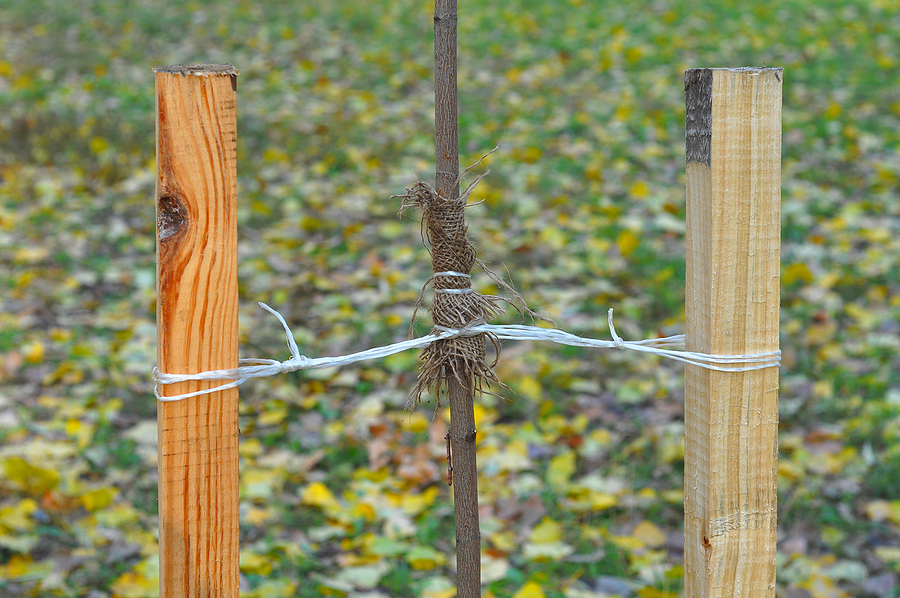
Tree cabling can be a complicated process, especially for larger or more complex trees. It is always recommended to consult a professional tree care service that has the experience and knowledge to properly install cables, stakes, and braces. They can also provide guidance on the best placement and tension for the cables.

Consider Tree Growth

When installing tree cables, it’s important to consider the natural growth patterns of the tree. The cables should be placed in a way that allows for proper movement and growth without causing any restrictions or damage.

Regularly Inspect and Maintain Cables

Tree support systems are not meant to be a permanent solution. They should be regularly inspected and maintained to ensure they are still providing the necessary support for your tree. Any damaged or worn-out cables should be replaced immediately.

The Don’ts of Tree Cabling and Bracing

Don’t Install on Unhealthy Trees

Installing tree cables on unhealthy trees can do more harm than good. Cables will not save a tree that is already in poor health and could potentially cause further damage or even lead to the tree’s death. It’s essential to address any underlying issues before considering cable installation.

Don’t Over-Tighten Cables

Improper tension on tree cables can put unnecessary stress on the branches, causing them to break or weaken. Follow the recommended tension guidelines and regularly check the tension to ensure it is still appropriate.

Don’t Install in Extreme Temperatures

Avoid installing tree cables and braces during extreme temperatures, such as high heat or freezing cold. This can affect the strength and durability of the materials and could lead to failure over time.

Mistakes to Avoid When Installing a Tree Support System

Not Using a Tree Support System

Many people overlook the importance of tree support systems, which can help prevent damage to trees and property during severe weather. It’s crucial to install cables and braces before an emergency occurs rather than as a reactive measure.

Improper Placement of Cables

Cables should be placed above or below the branch union but never through it. Placing the cables through the union can cause damage and weaken the branch.

Using Incorrect Hardware

Using hardware that is not specifically designed for tree support can lead to failure and potential harm to your tree. Always use high-quality, galvanized steel hardware.

Tips for Successful Tree Cable Installation

Consult a Professional

As mentioned earlier, consulting a professional tree service company is crucial for successful tree cable installation. They have the knowledge and experience to properly assess your tree’s needs and install cables in the best possible way.

Regularly Inspect and Maintain

Regularly inspecting and maintaining your tree cables can help identify any potential issues before they become major problems. This includes checking tension levels, hardware, and overall stability of the cables.

Consider Other Tree Care Practices

Tree cabling and bracing should not be the only tree care practice used to maintain your trees’ health and stability. Follow proper pruning techniques, regularly water and fertilize your trees, and address any pest or disease issues promptly.

In Summary

By following these do’s and don’ts of tree cable installation, you can ensure that your trees remain strong, stable, and healthy. Remember to always consult a professional and regularly maintain your cables for the best results. Your trees will thank you for it!  So go ahead and give them the support they need through proper cable installation techniques.

Are you looking for trusted, professional tree support installation near you? Contact Complete Tree Care at 317-783-2518 for licensed and insured tree services in Indianapolis, Indiana. We serve residential and commercial clients with comprehensive tree care solutions.

Related Posts:

The Crucial Role of Professional Tree Cable Installation
The Importance of Tree Cable Installation For Tree Health
Arbor Day Tips for Taking Care of a Newly Planted Tree

The Parts of a Tree: A Comprehensive Guide

Trees, with their silent whispers in the wind and stoic presence in the face of time, represent an enigma that stands out in our natural landscape. They are much more than just a collection of leaves or a fixture in your yard. Every part of a tree, from the complex root system underground to the smallest twigs that sway in the breeze, plays a unique and essential role in the tree’s lifespan and the broader environment.

In this in-depth guide, we’re peeling back the layers of arboreal anatomy for botanists, nature enthusiasts, and curious minds who want to appreciate the intricate design that allows trees to reign over the Earth with such grace. Understanding the inner workings of a tree isn’t just an academic fascination — it can transform how you care for your backyard giants and how you view the forests you roam.

Call 317-783-2518 For Reliable Tree Service Near Indianapolis

Basic Tree Anatomy

Tree Root System

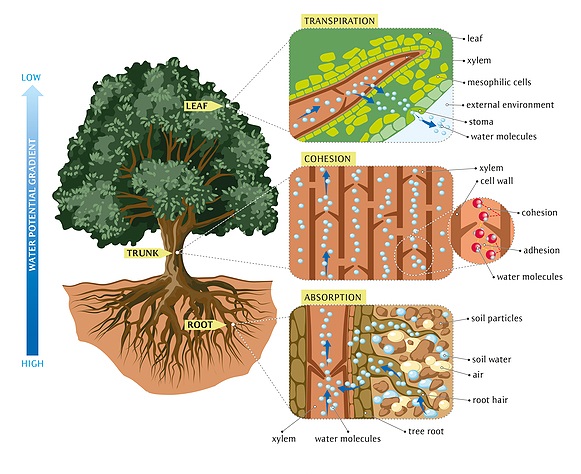
Beneath the surface, where many don’t think to look, tree roots form a complex network that sustains the living sentinel above. Roots are not just a structural support. They are the tree’s mouth, nose, and digestive system all rolled into one. They anchor the tree securely in the ground and absorb water and nutrients from the soil with precision that modern pipelines envy.

Common Types of Tree Roots:

Taproots: Round and sizable, they are the main support for some tree species like oaks and pines.

Fibrous Roots: A tangled mess of delicate roots are great soil stabilizers and nutrient absorbers, common in many shrubs and grasses.

Adventitious Roots: These special roots, which arise from unusual places like stems and leaves, provide additional support or serve as an anchor on rough terrain.

Tree Trunk and Bark

From the outside, the tree trunk is a protective layer of bark. Beneath the surface, it’s a thick fortress of wood, tough enough to withstand the elements and provide support for the leafy crown. Bark isn’t just tree skin — it’s a living, breathing armor that shields against pests, pathogens, and extreme weather. Its colors and textures are as varied as the tree species, each with their own healing, insulating, or camouflaging properties. Slicing through the trunk reveals a story written in concentric circles — the growth rings. They chart the successes and struggles of each past year, providing a remarkably accurate biographical sketch of the tree’s evolving ecosystem.

Branches and Twigs

The framework of a tree extends itself in almighty branches and delicate twigs. How a tree extends its reach can tell us a lot about its species and its history. Branching isn’t random; it’s a response to light, competition, and genetic predisposition. Twigs are the explorers, seeking out the best spaces for leaves to capture sunlight and fulfill the tree’s photosynthetic dream.

Pruning for Health and Aesthetics

Understanding how trees grow can guide us in the art of pruning. Done right, it improves airflow, encourages healthy new growth, and can even save a tree from toppling over in a storm it otherwise might not have survived.

Leaves

Leaves are a tree’s green machines, transforming sunlight into food and oxygen. Leaves come in all shapes and sizes, from the spindly pines to the broad oaks. Each form speaks to the tree’s unique evolutionary path and ecological niche. A leaf’s anatomy is a marvel of natural architecture, optimized for maximum surface area and exposure to the sun. Chlorophyll is the star of the leafy stage, absorbing sunlight and giving leaves their green hue. Discover how this molecule is the bridge between the tree and the sun that sustains life across the globe.

Flowers and Fruits

The reproductive cycle of trees is a wondrous spectacle, often missed in the serene grandeur of their presence. A tree’s ultimate goal is to pass on its heritage. Many trees rely on wind, insects, birds, and even mammals to move pollen from one flower to another. It’s a cooperative effort that encapsulates the interconnectedness of nature. Fruits are nature’s packaging for seeds, often delicious and colorful invitations for creatures to help in the tree’s grand seed dispersal plan.

Conclusion

Trees are more than the sum of their parts. They are complex, living organisms that warrant respect and understanding. By appreciating the intricate details of a tree’s anatomy, we gain a deeper connection to the natural world and the responsibility to preserve it for future generations. As you journey through the woods or pause to feel the rough embrace of a tree’s bark, remember the complex life happening in every fiber. And when you return home, adorned with leaves and awe, let that knowledge inspire the care you give to your own arboreal companions.

Are you in need of expert tree service within the Indy areas? Look no further than Complete Tree Care! We specialize in residential and commercial tree services in Indianapolis, as well as storm damage. Contact us today at 317-783-2518 for a quote!

Related Posts:

The Essential Guide to Tree Inspections
Deciduous vs Coniferous: Understanding the Difference
Hardiness Zone facts for Trees, Flowers, and Plants

The Essential Guide to Tree Inspections

Ensuring tree health is an integral part of environmental conservation, and a well-inspected tree is a significant contributor to that goal. In this guide, we aim to equip you with the necessary knowledge and skill set to inspect trees effectively. You’ll be introduced to the basics of tree inspections, how to identify common tree diseases, and the importance of regular checks to maintain tree health.

This guide serves as your first step towards becoming an efficient steward of the environment, helping you understand and appreciate the subtleties of nature’s giants better than ever before. Let’s embark on this journey of learning and discovery together.

Call 317-783-2518 For a Professional Tree Inspection in Indianapolis Indiana

Understanding Tree Inspections

Tree inspections are a crucial aspect of tree care that involves examining trees for any signs of stress, disease, or damage. They play a significant role in maintaining the overall health and well-being of trees while also preventing potential hazards. Regular tree inspections can provide early detection and timely treatment for diseases, ensuring the longevity of trees.

There are two types of tree inspections – routine and hazard-specific. Routine inspections involve regular checks to evaluate the overall health of a tree, while hazard-specific inspections are carried out in response to a potential risk or damage caused by extreme weather conditions.

Identifying Common Tree Diseases

Tree diseases are one of the primary factors that can affect the health and longevity of trees. These diseases can be caused by various factors, such as fungi, bacteria, viruses, and environmental stressors. Some common tree diseases to look out for during inspections include Dutch elm disease, oak wilt, and emerald ash borer.

Dutch Elm Disease: Dutch elm disease is a fungal infection that affects elm trees, specifically those in the Ulmus genus. It was first identified in the Netherlands in the early 1900s and has since spread to other parts of Europe, North America, and Asia. The disease is spread by elm bark beetles, which carry the fungus from infected trees to healthy ones. Once infected, the tree’s water-conducting vessels become blocked, causing wilting and eventually death.

Oak Wilt: Oak wilt is a fungal disease that affects oak trees, particularly species in the red oak group such as red oak and black oak. It was first identified in Wisconsin in 1944 and has since spread to other states in the US. The disease is caused by a fungus that invades the tree’s water-conducting vessels, blocking water flow and causing wilting and death of leaves. It can be spread through root grafts between trees or by sap-feeding beetles.

Emerald Ash Borers: Emerald ash borers are invasive beetles that feed on ash trees’ inner bark, disrupting their ability to transport water and nutrients. They were first discovered in Michigan in 2002 and have since spread to many states in the US as well as Canada. The larvae of these beetles tunnel under the bark of ash trees, creating S-shaped galleries which can eventually kill the tree if left untreated.

During inspections, it is essential to observe the overall appearance of the tree, including the leaves, bark, and branches. Look for any visible signs of discoloration or abnormal growth. Also, pay attention to any insect activity or fungi growth on the tree.

Importance of Regular Tree Inspections

Regular tree inspections are crucial for maintaining tree health and mitigating potential hazards. Trees can develop diseases slowly, making it difficult to detect them with the naked eye. Through regular inspections, certified arborists and trained tree care professionals can identify early signs of disease and take appropriate measures to prevent further damage. Additionally, tree inspections can also help identify possible safety threats such as weak or damaged branches, which can pose a threat to people and property. By addressing these issues promptly, risks can be minimized and the safety of the surrounding area ensured.

Wrapping Up

Tree inspections are an essential part of maintaining healthy and thriving trees. They not only ensure the longevity of trees but also play a significant role in environmental conservation. By understanding the basics of tree inspections, identifying common tree diseases, and recognizing the importance of regular checks, you can become an effective steward of the environment. Remember to always consult a professional for complex issues and continue learning about different tree species and their unique needs.

If you suspect that your trees could use a professional tree inspection and health assessment, don’t hesitate to get in touch with our team. Contact Complete Tree Care at 317-783-2518 for licensed and insured tree service in Indianapolis, Indiana and get instant advice from a certified arborist today. We serve residential and commercial clients with comprehensive tree care solutions.

Related Posts:

How Regular Tree Maintenance Can Enhance Your Curb Appeal
Why Hiring a Professional Tree Care Service is Worthwhile
Forever Green: The Resilience of Coniferous Trees

Reading Between the Rings: Unlocking Tree Growth Patterns

Welcome to our deep dive into the fascinating world of tree growth patterns, a hidden universe that exists right beneath our fingertips. By unlocking the secrets within tree rings, we can unveil a trove of information about a tree’s health, environmental changes, and even historical events that have left their mark on the tree’s anatomy.

In this blog post, we will journey together through the various layers of bark and wood, decoding the silent messages that trees have been recording for centuries. So, sit back and prepare to explore the incredible science of dendrochronology – the study of tree rings.

Call 317-783-2518 For Professional Tree Services in Indianapolis Indiana

The Basics of Tree Growth

Before we dive into the intricacies of tree rings, let’s start with some basics about how trees grow. Trees are made up of several layers – bark, cambium, sapwood, and heartwood. The outermost layer, known as the bark, is the protective covering that helps shield the tree from external elements such as insects, disease, and harsh weather conditions. Beneath the bark lies the cambium layer – a thin strip of living cells responsible for producing new bark and wood. The sapwood is the layer beneath the cambium that transports nutrients from the roots to the rest of the tree. And at the core of it all is the heartwood – a dense, inactive layer that provides structural support to the tree.

The Story Within Tree Rings

Now that we have a basic understanding of the layers within a tree, let’s zoom in on one specific layer – the sapwood. As trees grow, they produce new sapwood each year, creating visible rings that can be seen when a tree is cut cross-sectionally. These rings tell us more than just the age of a tree; they also provide insight into the tree’s growth patterns. For instance, wide rings indicate that a tree had access to ample resources and compatible growing conditions, while narrow rings suggest periods of stress or limited resources. By analyzing these growth patterns, we can gain valuable information about a tree’s health and overall well-being.

Decoding Environmental Changes

In addition to revealing a tree’s growth patterns, tree rings can also provide clues about past environmental changes. Changes in the width of tree rings can indicate shifts in temperature, precipitation levels, and even natural disasters like droughts or fires. By analyzing the patterns of tree rings over time, scientists can reconstruct past climate conditions and gain a better understanding of how our planet has changed. This information is especially crucial in today’s world, where climate change is a pressing issue that affects us all.

A Window into History

Another fascinating aspect of tree rings is their ability to provide glimpses into history. As trees grow, they record the conditions around them, including any significant events that may have occurred during their lifetime. By studying the widths and patterns of tree rings, scientists can pinpoint the exact year when a tree experienced stress or damage. This information has been used to date historical buildings, track natural disasters, and even confirm events recorded in ancient texts. Who knew that trees could hold such valuable historical data within their very own rings?

In Summary

As we come to the end of our journey through the world of tree rings, we hope that you have gained a better understanding and appreciation for these silent storytellers. By reading between the rings, we can unlock valuable information about a tree’s health, environmental changes, and even historical events. So next time you come across a cut cross-section of a tree trunk or see its rings in a piece of woodwork, take a moment to pause and reflect on the incredible story within those rings. Who knows what secrets they may hold?

Are you looking for trusted, professional tree care near you? Contact Complete Tree Care at 317-783-2518 for licensed and insured tree services in Indianapolis, Indiana. We serve residential and commercial clients with comprehensive tree care solutions.

Related Posts:

Hardiness Zone facts for Trees, Flowers, and Plants
Leaf Peepers Guide: The Beautiful Colors of Deciduous Trees in Fall
What is the Soil Food Web and How Does it Benefit Trees?

How Regular Tree Maintenance Can Enhance Your Curb Appeal

Your home’s exterior is the first impression visitors have of your abode, and a well-manicured landscape can greatly boost its curb appeal. But did you know that regular tree maintenance plays a crucial role in this regard? Beyond their aesthetic value, healthy, well-kept trees contribute to the overall wellness of your environment and can even increase your property value.

From tree trimming and pruning to mulching, watering, and fertilization, employing a professional tree service company can make a world of difference. In this blog post, we will delve into the importance of routine tree care, the signs of a dead tree, and the role of a tree service company in maintaining the health and vibrancy of your trees.

Call 317-783-2518 For Tree Maintenance Service in Indianapolis Indiana

Importance of Routine Tree Maintenance

Trees are living organisms that require proper care and attention to thrive. Neglecting their needs can result in various issues, such as disease, insect infestation, and structural damage. Regular tree maintenance not only ensures the health of your trees but also promotes overall safety and appearance of your property. When left unattended, overgrown branches or dead trees can pose a significant hazard to your home and its surroundings. Additionally, well-maintained trees provide shade and reduce energy costs during summer months, making them an essential asset for any homeowner.

Signs of a Dead Tree

It is important to be aware of the signs of a dead tree on your property, as these are not only unsightly but also pose potential risks. Some common indicators include brittle or decaying branches, discolored leaves or bark, and fungus growth on the trunk. A tree that is leaning or showing signs of root damage may also be a cause for concern. If you notice any of these symptoms, it is crucial to seek professional help from a tree service professional.

Hire a Tree Service Company for Best Results

When it comes to maintaining the health and appearance of your trees, hiring a professional tree service company is highly recommended. These experts have the knowledge, skills, and equipment necessary to perform various tree care tasks safely and efficiently. From trimming overgrown branches to identifying potential tree hazards and providing remedies, they can help keep your trees in top condition year-round.

Recommended Tree Services

A reputable tree service company offers a wide range of services to ensure the health and vitality of your trees. These may include:

Tree Trimming and Pruning: Regular pruning promotes healthy growth, eliminates dead or diseased branches, and improves the overall appearance of your trees.

Mulching: Adding a layer of mulch around the base of your trees helps retain moisture and reduce weed growth, providing essential nutrients for tree health.

Tree Watering: Adequate watering is crucial for the survival of your trees, especially during dry spells. A tree care company can help establish a proper watering schedule to keep your trees healthy and hydrated.

Tree Fertilization: Trees, like any other plants, require nutrients to thrive. Professional tree fertilization services provide the essential elements and promote healthy root development.

Tree Transplanting: Moving a tree to a new location can be challenging, which is why it’s best left to the experts. Tree service contractors have the necessary equipment and expertise to transplant trees without causing damage.

Tree Pest Control: Insects and pests can cause significant damage to your trees if left untreated. A tree service company can identify and provide remedies for pest infestations.

Identifying Tree Hazards: Regular tree inspections by a professional can help identify potential hazards, such as weak branches or unstable root systems. Taking action to address these issues can prevent accidents and property damage.

Wrapping Up

Regular tree maintenance is crucial for maintaining the curb appeal of your property, promoting safety, and ensuring the overall health of your trees. By enlisting the help of a professional tree service company, you can rest assured that your trees will receive the care they need to thrive for years to come.

So why wait? Reach out to a reputable tree service company today and give your landscape the attention it deserves. Call Complete Tree Care at 317-783-2518 for affordable tree services in Indianapolis, Indiana and its surrounding counties. We provide residential and commercial tree services, as well as certified arborist services.

Related Posts:

Tree Trimming: An Essential Part of Landscaping Maintenance
Corrective Pruning vs Maintenance Pruning: What’s the Difference?
Common Diseases Affecting Trees in Indiana and How to Treat Them

Forever Green: The Resilience of Coniferous Trees

In the ever-changing landscape of Indiana, there exists a steadfast resilience symbolized by the deep greens of our coniferous trees. These evergreens, with their year-round foliage, offer a striking contrast against the backdrop of the state’s deciduous forests that shift through the hues of the seasons.

This post will delve into the captivating world of these ‘forever green’ trees, exploring their key characteristics, adaptability, and profound role in Indiana’s forest ecology. Stay with us as we journey through the enduring resilience of Indiana’s coniferous trees, underlining why they truly are the state’s evergreen treasures.

Call 317-783-2518 For Evergreen Tree Service in Indianapolis Indiana

The Coniferous Trees of Indiana

Conifers, also known as evergreens, are a diverse group of trees that belong to the Pinophyta division, including over 600 species. In Indiana’s forests, you will find several types of conifers, such as Eastern White Pine, Red Cedar, and American Arborvitae. These trees stand out for their needle-like or scale-like leaves that remain on the branches throughout the year, providing a constant source of greenery in otherwise bare winter landscapes. Their cones and seeds are also distinctive features, with some species bearing cones larger than a baseball.

Adaptability of Conifers

Conifers thrive in Indiana’s varying climatic conditions, having adapted to several niches within the state’s landscape. In the northern regions, conifers like Eastern Hemlock and White Spruce are commonly found, while southern Indiana boasts tree species such as Shortleaf Pine and Loblolly Pine. These evergreens have also evolved to withstand harsh winters, with their needle-like leaves reducing surface area for water loss and producing a wax coating to prevent freezing. Additionally, conifers have deep root systems that help them absorb nutrients and withstand strong winds, making them well-suited for Indiana’s sometimes turbulent weather.

The Importance of Coniferous Trees

Not only do conifers add to the aesthetic beauty of Indiana’s forests, but they also play a crucial role in maintaining the ecological balance. These trees provide shelter and food for a wide variety of wildlife, such as birds, squirrels, and deer. They also prevent soil erosion and maintain water quality by stabilizing the soil with their deep roots. Furthermore, conifers are valuable sources of timber for the state’s forestry industry, contributing to Indiana’s economy.

The ability of conifers to adapt to changing environmental conditions is a testament to their resilience. While other trees may lose their leaves or undergo significant changes during the winter, conifers continue to thrive and provide essential ecological services. In Indiana’s unpredictable climate, these evergreens offer a sense of stability and steadfastness, reminding us of the beauty and strength found in nature.

Tree Care Tips for Conifers

If you have coniferous trees in your yard, there are a few simple steps you can take to ensure their health and longevity. First, avoid compacting the soil around the base of the tree, as this can harm its root system. It is also crucial to provide adequate water for younger conifers during dry spells to help them establish strong roots. Additionally, pruning should be done during the tree’s dormant season to avoid damaging its new growth. By taking care of these beautiful trees, we can continue to enjoy their resilience and beauty for years to come.

Wrapping Up

Coniferous trees are an integral part of Indiana’s forest ecosystem, offering year-round greenery and contributing to the state’s economy. Their resilience in adapting to various environmental conditions makes them a symbol of Indiana’s enduring spirit. As we continue to witness the ever-changing landscape of our state, let us take comfort in the constant presence of these ‘forever green’ trees, reminding us that with resilience and adaptation, anything is possible.  So, let’s cherish and preserve these evergreen treasures for generations to come. 

Would you like some professional assistance with your evergreen trees? Contact Complete Tree Care at 317-783-2518 for affordable tree services in Indianapolis, Indiana and its surrounding counties. We provide residential and commercial tree services, as well as certified arborist services.

Related Posts:

Deciduous vs Coniferous: Understanding the Difference
Should I Spray Anti-Desiccants on My Evergreen Trees?
Recommended Evergreen Trees That Grow Fast

Indiana Winter Tree Care: Essential Steps for Healthy Trees

As the temperature drops and Indiana settles into the heart of winter, your trees require special attention to stay healthy and thrive. This blog post aims to shed light on essential winter tree care practices, primarily focusing on tree mulching and tree cable installation. These preventive measures can ensure the well-being of your trees during the harsh winter season. So, let’s dive in and explore how you can help your trees withstand the Indiana winter with grace and emerge in spring, robust and full of life.

Call 317-783-2518 For Winter Tree Services in Indianapolis Indiana

Winter Tree Care

Winter poses unique challenges to trees, including freezing temperatures, snow accumulation, and harsh winds. These elements can cause damage to the tree’s branches, bark, and roots, leaving them vulnerable to disease and pest infestation. Therefore, it is crucial to take proper care of your trees during this time of the year. You might want to also consider planting winter-resistant tree species that are hardy to Indiana climate.

Tree Mulching in Winter

One of the most critical aspects of winter tree care is mulching. Mulch acts as a protective layer around the tree, insulating it from extreme temperatures and maintaining soil moisture levels. Additionally, mulching helps to suppress weed growth and provides essential nutrients to the soil.

When mulching your trees for the winter, keep in mind the following tips:

► Use organic materials such as wood chips, bark, or pine needles.

► Spread mulch in a 2-3 inch layer around the base of the tree, leaving some space between the trunk and the mulch to prevent rotting.

► Avoid piling up mulch against the tree’s bark as it can create a favorable environment for pests and diseases.

Tree Cable Installation

Winter storms can bring strong winds, causing trees to sway and potentially break. Tree cable installation is a preventive measure that can help reduce the risk of tree damage during these storms. It involves installing cables and braces to support weak or damaged branches, providing additional stability to the tree. Tree cable installation should be done by a professional tree service company that can assess the tree’s structure and determine where support is needed. This process typically involves drilling into the tree’s branches and attaching cables to provide extra strength.

Tree Watering in Winter

Though trees require less water during the winter, they still need some moisture to survive. During extended periods of dry weather, watering your trees can prevent root damage and dehydration. It is best to water your trees when the temperature is above freezing.

Winter Pests That Can Damage Trees

Pests are a common problem for trees during the winter, especially when they are weakened due to extreme temperatures and lack of water. Some common winter tree pests that can cause damage to your landscaping trees during this time include:

Bark beetles: These insects target weak or stressed trees and can cause severe damage by boring into the bark.

Mice and rabbits: These critters can gnaw on tree bark, causing significant harm to the tree’s health.

Deer: In search of food, deer can strip bark from trees with their antlers and hooves. This is known as bark rubbing, which leaves trees vulnerable to disease and infection.

To prevent pests from damaging your trees during winter, consider installing barriers or deterrents around your trees and keeping a watchful eye for signs of infestation.

Conclusion

Proper winter tree care can make a significant difference in the overall health and well-being of your trees. By mulching, watering, installing tree cables, and protecting trees against pests, you can protect your trees from harsh weather conditions and give them the best chance for survival. Remember, it’s always best to consult with a professional arborist for expert advice on tree care and maintenance. With these essential steps, your trees will be ready to bloom again come springtime.  So, enjoy the winter wonderland while taking good care of your trees!

If you’re in need of a professional tree care this winter season, don’t hesitate to get in touch with our team. Contact Complete Tree Care at 317-783-2518 for licensed and insured tree service in Indianapolis, Indiana. We serve residential and commercial clients with comprehensive tree care solutions.

Related Posts:

Top 3 Winter Tree Damages and How to Prevent Them
Spring to Winter Seasonal Pruning Tips for Trees
The Advantages of Tree Pruning in Winter