10 Ways to Protect Your Trees from Bark Problems

Trees are an important part of our environment and provide us with plenty of benefits. However, trees can be vulnerable to bark problems which can cause damage and even kill the tree if left unchecked. Fortunately, there are some simple steps you can take to protect your trees from trunk and bark problems. Continue below to learn 10 ways you can help ensure your trees stay healthy for years to come.

Call 317-783-2518 For Indianapolis Tree Care You Can Trust

How to Avoid Tree Bark Problems: 10 Tips

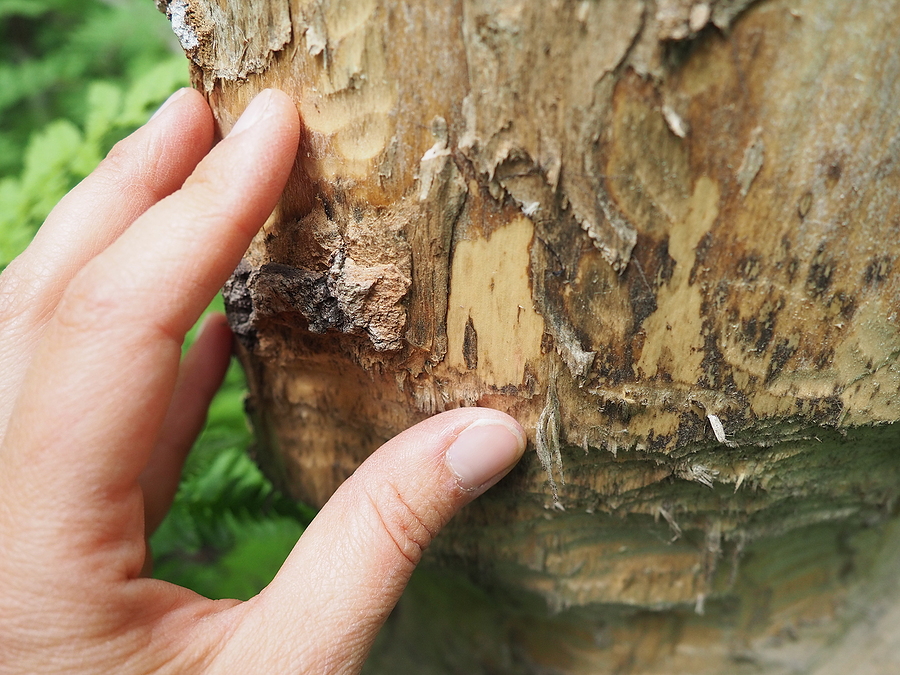
1. Regularly Inspect Your Trees: Keep an eye on the bark of your trees to check for any signs of damage or decay. Make sure you do this throughout all seasons so can identify potential issues early and take action before they get worse.

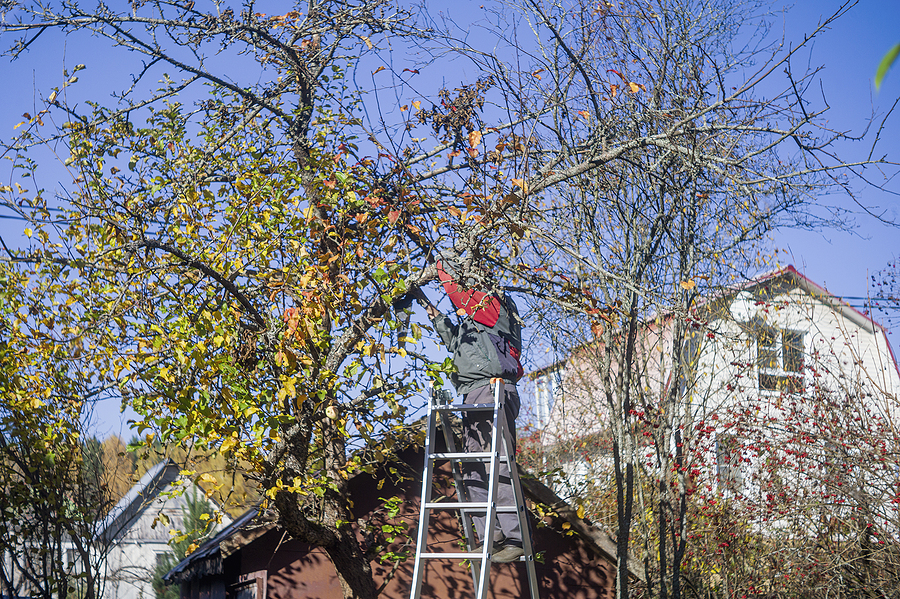
2. Prune Properly: Trimming away dead, diseased, or damaged branches helps promote healthy tree growth and prevents bark problems from spreading to other parts of the tree. Make sure you prune in a way that follows the natural shape of the tree’s canopy by using the right tools and techniques.

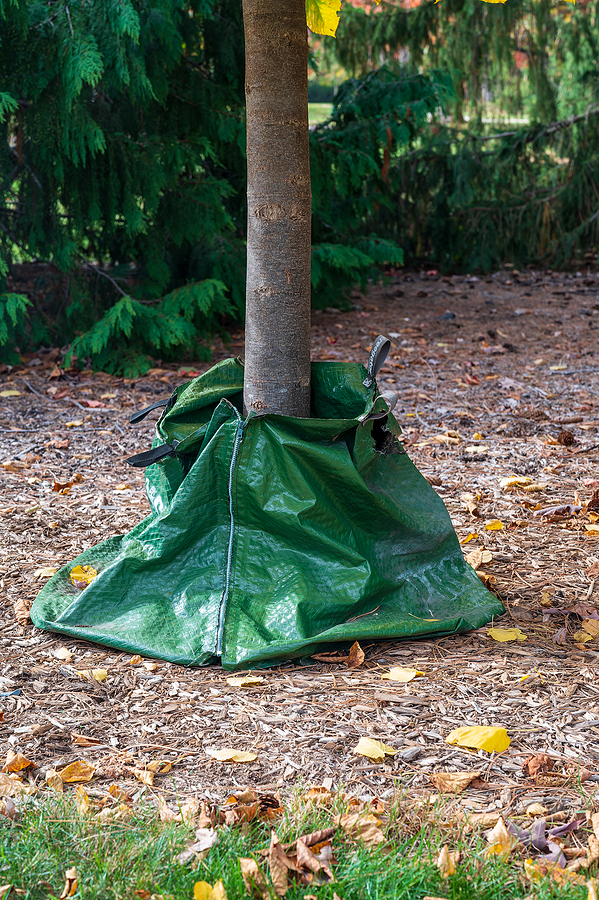
3. Provide Adequate Water & Nutrients: Trees need plenty of water and nutrients to stay healthy, so make sure you give your trees the right amount of water and fertilizer to keep them healthy. However, be sure not to over-water or over-fertilize as this can lead to tree bark problems.

4. Monitor Pests: Make sure you’re regularly checking your trees for any signs of pests, such as aphids, mites, beetles, and more. If you do spot any pests, take steps to get rid of them quickly before they cause further damage to the tree’s bark.

5. Protect Trees from Injury: Trees are vulnerable to damage from things like lawnmowers, vehicles driving too close by, or construction work in the area. Whenever possible try and keep these sorts of activities away from your trees to reduce the risk of injury.

6. Choose Trees that are Suited to Your Climate: Different tree species can be better suited to different climates and environments, so make sure you choose trees that are right for your climate zone and soil type to reduce the chance of bark problems occurring.

7. Plant Away from Foundations & Structures: Planting too close to a home or other structure can cause tree bark problems due to the competition for resources or damage from activities like digging around foundations. Whenever possible, try and give trees enough space from structures when planting them in your yard.

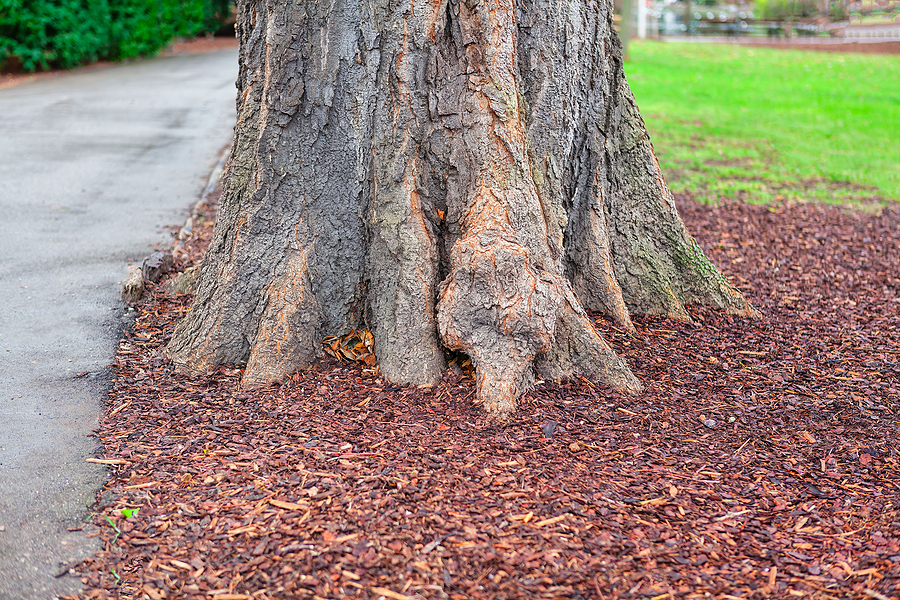
8. Use Mulch Properly: Spread mulch around the base of your trees but avoid putting too much down, as this can cause the bark to rot. Always leave a few inches between the trunk of the tree and the mulch and avoid piling up too much against the base of the tree.

9. Consider Protective Wraps: If you’re worried about sun or extreme weather damage, consider using protective wraps which can help protect the bark from direct exposure to sunlight, wind, rain, and snow. These are available in different materials, like burlap or fabric.

10. Seek Professional Help: Sometimes trees may need professional help if they’ve been damaged or infected with a disease. Make sure you get advice from an expert arborist who can provide guidance on how best to care for your trees as well as recommend any necessary treatments to help protect them from bark problems.

Maintain Healthy Trees With Routine Tree Service

By following these tips, you can help ensure your trees stay healthy and protected from bark problems. It’s also a good idea to get regular check-ups with an arborist if you need additional advice or assistance with tree care. Taking care of the trees in your yard will help keep them safe, strong, and beautiful for years to come.

Are your landscaping trees peeling or rotting? Contact Complete Tree Care at 317-783-2518 to get advice from a certified arborist in Indianapolis, Indiana. We serve residential and commercial clients with comprehensive tree care solutions.

Related Posts:

Tree Bark Damage Solutions for Indiana
What is the Soil Food Web and How Does it Benefit Trees?
How to Identify Tree Hazards Before They Become a Problem

The Cost of Tree Removal: What Every Homeowner Should Know

As a homeowner, you may find yourself in need of tree removal services at some point. Whether it’s due to storm damage, disease, or simply wanting to update your landscaping design, removing a tree can be costly and time consuming. Before taking the plunge into hiring a tree service company for the job, there are several factors to consider when calculating the cost of tree removal.

Let’s take a look at what every homeowner should know about the cost of tree removal and how it can affect their budget. Scroll below to get started.

Call 317-783-2518 For Indianapolis Tree Removal Services

Factors That Impact Tree Removal Cost

The largest factor in tree removal cost is the size of the tree and its location on your property. Trees that are tall, wide, or close to buildings will typically require more work and thus a higher fee. Other factors include how closely the tree is surrounded by other trees or wires, the health of the tree, and the type of equipment needed for removal and haul away.

Additionally, stump removal can add to the total cost as it requires additional labor and machinery. The average cost of tree stump removal varies depending on several factors, including the size and location of the stump. One of the most popular methods for removing a stump is through stump grinding. This technique involves using a machine to grind the stump down into small pieces, allowing it to decompose over time. While it may not be the cheapest option, many homeowners find that the cost of stump grinding is well worth the time and effort it saves in the long run.

It’s important to note that some cities may also require homeowners to obtain permits for certain types of tree removals, which could lead to extra fees.

Average Tree Removal Rates:

Fallen Trees: $75 – $250
Large Trees: $1500+
Oak Tree Removal: $200 – $1000
Pine Tree Removal: $200 – $1500

* The final cost will depend on the size and condition of the tree, as well as, the location, risk-level, quantity, and so on.

Tree Removal Estimates

When selecting a professional tree service company to hire for your project, be sure to get multiple quotes from various providers so you can compare costs and services. This way, you can compare rates among local tree service contractors and get a better understanding of what’s fair in terms of tree removal rates. Most companies will provide free estimates or on-site inspections so you don’t have to worry about any upfront or out-of-pocket obligation to learn what your job will cost.

Professional Tree Service Company

It is important to choose a reputable and experienced tree service company to ensure you get fair prices for tree work. Word of mouth is also a great way to get good recommendations from people who have used these services before. Take the time to listen to reviews from past customers and see if they had a successful experience with their chosen company. This could determine whether or not this business is the right fit for you. Ultimately, making an informed decision about who will do your tree work is important for satisfaction in job quality, service, and value!

Conclusion

Tree removal is no simple task, but with the right precautions and knowledge it doesn’t have to be an overwhelming experience. Understanding the cost of tree removal and all its associated factors is the first step in making sure your project runs smoothly and within your budget. With careful consideration, you can rest assured that hiring a professional will ensure safe and efficient removal of your tree.

Are you in need of affordable and safe tree work in Indy? Contact Complete Tree Care at 317-783-2518 for licensed tree removal in Indianapolis, Indiana. Our full-service tree care solutions are available to both residential and commercial clients. You can also count on us for stump removal, lot clearing, and even arborist assistance!

Related Posts:

How Much Will Tree Removal Cost?
How Much Does it Cost to Remove a Tree That Fell Over?
The Benefits of Professional Tree Stump Removal

How to Identify Tree Hazards Before They Become a Problem

Nobody wants to face the danger of a dangerous tree. Yet, trees can become hazardous if they are not properly maintained and monitored. If you’re a homeowner or property manager, it’s important to stay vigilant for potential hazards so that steps can be taken before an incident occurs.

In this blog post, we’ll discuss how you can identify any tree hazards that may exist on your property before they become a problem – and what to do about them if necessary. We’ll also provide some tips for choosing the right tree service provider when it comes time to take action. Continue below to learn more!

Call 317-783-2518 For Tree Removal in Indianapolis

Maintain Safe and Hazard-Free Property With Tree Care

As a responsible homeowner or property manager, staying vigilant about the safety of trees on your property is crucial. Neglecting necessary maintenance and monitoring can transform once harmless trees into looming hazards. By proactively assessing trees for potential weaknesses or disease and taking corrective action right away, you can help ensure the natural beauty of trees does not come at the cost of risking damage or injury. Though beautiful and beneficial, trees require mindful care to avoid morphing into dangerous threats. Staying informed and taking swift precautions are vital to sidestepping preventable arboreal peril.

Common Signs of a Hazardous Tree

Some common signs that a tree may pose a hazard include:

▶ Large, visible cracks or splits in the trunk or major branches

▶ Fungus or insect infestation that is damaging the tree

▶ Leaning or off-balance tree that looks unstable

▶ Low-hanging or dead branches that could fall

▶ Roots that are lifting sidewalks or damaging foundations

If you spot any of these potential hazards, it’s best to have a professional tree care contractor inspect the tree. They can thoroughly check the tree for any issues and determine if removal or trimming is necessary. An experienced tree service professional will have the proper equipment and training to safely address any hazards. When choosing a tree service, look for certifications, licensing, insurance, and a good reputation. Cost estimates should be provided in writing.

Should a Dead Tree Be Removed?

Dead trees should be removed before they become a safety hazard or fall on their own. Dead tree removal is a task best left to the professionals. A tree service contractor will assess the tree to determine the safest way to remove it, whether through dismantling it piece by piece or felling it in one whole piece. Their experienced crew uses proper safety equipment and techniques to remove the tree and grind the stump and roots. They can also assess nearby trees for disease or damage and provide treatment or removal if needed. While it’s an expense, removing dead trees is important to protect your home and property.

Routine Tree Service is Vital for Healthy Trees

By staying on the alert about potential tree hazards on your property, you can help ensure the safety of your home and surrounding area. Regular inspections, especially after major storms, are a good idea to catch any issues early. If you do spot signs of trouble, don’t hesitate to contact a professional Indianapolis tree service company to assess the situation. With proper maintenance and monitoring, you can keep your trees healthy and avoid dangerous problems down the road.

Looking for a professional tree service company to take good care of your landscaping trees? Contact Complete Tree Care at 317-783-2518 for licensed tree removal and tree care service in Indianapolis, Indiana. We serve both residential and commercial clients all throughout Central Indiana.

Related Posts:

What To Do After a Storm Leaves Your Trees with Broken Branches
Can I Protect My Trees From Lightning Strikes?
Is My Tree Going to Fall Over?

What is the Soil Food Web and How Does it Benefit Trees?

Have you ever heard of the soil food web? If not, it’s something that could benefit your trees in a big way. The soil food web is a complex network of organisms that interact with one another to create a healthy and balanced Ecosystem within the soil. This system helps trees get the nutrients they need to thrive and can even help protect them from diseases or pests.

In this blog post, we will discuss what the soil food web is, how it works, and why it’s important for tree care. We will also provide some tips on how to maintain and encourage healthy levels of beneficial organisms in your soil so you can keep your trees as healthy as possible!

Call 317-783-2518 For Tree Care Contractors in Indianapolis Indiana

Soil Food Web Facts

The soil food web is made up of organisms such as bacteria, fungi, earthworms, and nematodes. These organisms help cycle nutrients from the soil to the trees’ roots. This cycling process helps ensure that the tree is getting all the essential nutrients it needs for growth, including nitrogen, phosphorus, potassium, and other trace minerals.

As these tiny organisms decompose organic matter in the soil, they also produce substances that can help protect trees from pests and diseases by attacking them before they have a chance to do any damage. Additionally, these same beneficial microorganisms play a crucial role in improving soil structure by creating air pockets in the dirt and binding together particles of sand or clay so water can move freely throughout it.

Another type of organism in the soil food web is mycorrhizal fungi, which form a symbiotic relationship with plant roots. This type of fungus helps increase the surface area for water and nutrient absorption and may even be able to transfer nutrients from one tree to another!

Maintain Healthy Trees With Optimal Soil Biology

Overall, the soil food web plays an incredibly important role in maintaining healthy trees. Without it, trees would not be able to get all the necessary nutrients they need for growth or have any protection against pests and diseases. Therefore, it’s important that we do our part as tree owners/caretakers by encouraging healthy levels of beneficial organisms in our soils. This can be done through practices such as using compost or mulch around trees, avoiding over-fertilizing, and minimizing soil compaction. By following these simple steps, we can ensure that our trees are getting the best possible care.

Soil Testing

Testing your soil can be an important and necessary step to ensure that your landscape is healthy for trees. It helps diagnose potential problems with the fertilizer or nutrient content of the soil, ensuring a healthy environment for all plants on your property. Having an understanding of what kind of nutrients, you have in the soil is key to providing the trees the best environment possible. It will improve their growth potential, provide greener leaves, and make the sizes larger among other benefits. Regularly testing your soil at least once a year will help guarantee optimal health for your tree investment.

Conclusion

In conclusion, the soil food web is an incredibly complex network of organisms that interact with one another to provide essential nutrients and protection for trees. It’s important to understand how this system works so you can take proper care of your trees and make sure they get all the benefits it provides. With a little bit of effort on our part, we can ensure that our trees stay healthy for many years to come!

Ready to get your trees in shape for summer? Start now! Contact Complete Tree Care at 317-783-2518 to get advice from a certified arborist in Indianapolis, Indiana. We serve residential and commercial clients with comprehensive tree care solutions.

Related Posts:

Top Tips for Avoiding Transplant Shock in Trees
The Common Process of Tree Fertilization
4 Topsoil Problems That Can Negatively Affect Tree Health

Can I Protect My Trees From Lightning Strikes?

Lightning strikes can be devastating to trees, causing irreparable damage and even death. But there are steps you can take to protect your trees from a lightning strike. With some simple tree care practices and proper tree service, you can help ensure that your trees stay safe no matter what the weather brings.

In this blog post, we’ll explore how to effectively protect your trees from lightning strikes, so read on for more information!

Call 317-783-2518 For Professional Tree Removal Service in Indianapolis IN

How to Protect Trees Against Lightning Strikes

Routine Tree Care

The first step to protecting your trees from lightning strikes is proper tree maintenance. Make sure that you are regularly pruning, fertilizing, mulching, and watering your trees, as this will help them stay healthy and strong enough to withstand a lightning strike. In addition, make sure that the tree is free from dead or dying limbs and branches. These can easily be ignited by lightning and cause severe damage to the rest of the tree. If cuts on the tree need to be made for any reason, it’s best to contact a professional Indianapolis tree service so they can do it properly without risking any further damage.

Lightning Rods

It’s also important to note that lightning rods can be installed around trees in order to protect them from lightning strikes. These rods are placed near the tree and provide an alternate path for the electricity to travel, redirecting it away from the tree and preventing damage. If you live in an area prone to lightning storms, this may be a great option for protecting your trees.

Weather Forecasting

Finally, make sure that you stay up-to-date on weather forecasts during stormy seasons. If there is a forecast of severe thunderstorms or high winds, take extra precautions to protect your trees by pruning back dead or dying limbs and branches and removing any objects close to the trees which could conduct electricity. Also, if possible, try to keep all people and pets away from the trees during a thunderstorm just in case a lightning strike does occur. 

Conclusion

By following these tips and taking the right precautions, you can help protect your trees from lightning strikes. Proper tree care and maintenance is key, as well as having a professional tree service on hand to help with any necessary tasks. If you need more information or advice about how to keep your trees safe from lightning strikes, contact an experienced tree service contractor at Complete Tree Care, today. They’ll be able to answer any questions and provide valuable insight into the best ways to protect your trees.

Remember: Lightning safety isn’t something to take lightly; it’s important to stay aware of weather forecasts and take extra measures when storms are forecasted. With the right precautions in place, you can ensure that your trees remain safe during even the worst of weather.

Tree Removal for Dead or Damaged Trees

When it comes to dead or storm damaged trees, removal is often the best course of action. Not only can dead or damaged trees be unsightly, but they can also pose a danger to your property and those around it. Dead trees are particularly problematic as they are more susceptible to falling during a storm or high winds.

Additionally, they are often home to pests and diseases that can spread to other trees in the area. It’s important to consult with a professional tree service company in Indianapolis to discuss your tree removal options. These actions will ensure the job is done safely and efficiently. So, if you have a tree that’s seen better days, don’t hesitate to take action and have it removed before it causes any more problems.

Complete Tree Care is a top tree service provider serving the Indianapolis region. Contact us today at 317-783-2518 to request more information about our winter tree services in Indianapolis, Indiana. We provide residential and commercial tree services, as well as storm damage tree service.

Related Posts:

Is My Tree Dead or Diseased?
Is it Expensive to Remove a Tree That Fell Over?
What To Do After a Storm Leaves Your Trees with Broken Branches

Top Tips for Avoiding Transplant Shock in Trees

Transplant shock is a common problem that can affect newly planted trees, and it’s important to understand how to prevent it. Transplant shock occurs when the tree is moved from its original environment, resulting in stress on the roots which can cause leaf discoloration and decreased growth. Fortunately, there are steps you can take to reduce the risk of transplant shock for your trees. Continue below to learn some top tips for avoiding transplant shock in trees.

Call 317-783-2518 For Arborist Services in Indianapolis Indiana

What is Transplant Shock?

Transplant shock is a common condition that may affect plants when they are moved or replanted. The stress of the transplantation process can cause a variety of symptoms, such as wilting, leaf drop, stunted growth, and yellowed leaves. This can be concerning for gardeners, but it’s important to understand that transplant shock is a natural response to change, and most plants will recover with time and proper care. To avoid transplant shock, it’s essential to handle plants gently, water them regularly, and provide them with a suitable environment that matches their needs. With patience and a little effort, your plants can thrive in their new home.

How to Avoid Transplant Shock in Newly Planted Trees

Plant During the Cooler Months: The best time to plant a tree is in the late fall or early spring, when temperatures are milder. This can help reduce stress on the roots and make it easier for trees to adjust to their new environment.

Water Properly: Newly planted trees should be watered regularly, at least twice per week for the first two months after planting. Soaker hoses work well for this purpose and can ensure that your tree gets enough water without getting too much.

Prune Carefully: Pruning newly planted trees should be done with caution, as pruning too severely can cause more stress on the roots and therefore increase transplant shock symptoms. Additionally, make sure any cuts are made cleanly and at the right angle.

Monitor Growth: Trees should be monitored regularly in order to identify any signs of transplant shock as soon as possible. Early detection can allow for corrective action to be taken more quickly, which can often result in a better outcome for the tree.

Hire an Arborist. An arborist is a tree expert who has received extensive training and certification to care for trees. Their role is not just limited to trimming branches or cutting down trees. Instead, arborists undertake complex procedures to ensure that trees are healthy, safe, and aesthetically pleasing.

By following these tips, you can help ensure that your newly planted trees adjust well to their new environment and avoid transplant shock. Proper tree care is important for ensuring the health and longevity of your trees, so take steps now to reduce the risk of transplant shock. If you ever have questions about proper tree care or how to prevent transplant shock in your trees, contact a local arborist for advice.

Benefits of Arborist Services

Arborist services can be invaluable for maintaining and caring for trees on your property. Knowing how to care for trees appropriately can help ensure their longevity. Those who do not have expertise in this area, however, may need assistance from a professional arborist. A certified arborist will provide consultation and hands-on services such as pruning, trimming, fertilizing and pest control that are necessary to keep trees healthy.

They have the necessary knowledge and experience to identify problems with trees at an early stage while they are still manageable and act promptly to address them. They also use specialized safety equipment to carry out their duties and work closely with other professionals such as landscapers, architects, and engineers to ensure that trees are properly integrated into the larger ecosystem. Ultimately, an arborist service can help you maintain a beautiful landscape of healthy trees on your property.

Are you looking for a state-certified arborist to help bring your landscaping trees back to their full glory? Here at Complete Tree Care, our Indianapolis arborist is licensed in tree disease diagnosis, as well as, tree insect identification, for all Indiana tree species. Call 317-783-2518 to request service, today.

Related Posts:

Fundamental Tree Transplanting Tips
How to Protect Storm Damaged Trees
Common Diseases Affecting Trees in Indiana and How to Treat Them

What You Need to Know About Tree Disease Treatment

If you’re a homeowner, chances are you have trees in your yard. It is important to recognize the signs of tree diseases and understand how to prevent them. Tree disease treatments can be expensive, so it’s best to know what steps to take for proper tree care ahead of time. An experienced arborist should be consulted if you think any of your trees may be suffering from a serious ailment or infection.

In this blog post, we will discuss some common tree diseases and how they can be treated by an arborist. We will also look at ways that homeowners can practice good tree care in order to reduce the risk of their trees becoming diseased in the first place. By following these tips and working with an experienced professional, you’ll ensure that your outdoor oasis stays beautiful and healthy for years to come!

Call 317-783-2518 For Arborist Services in Indianapolis Indiana

Common Tree Diseases and Their Causes

Tree diseases can be caused by a variety of factors, including fungal or bacterial infections, insect infestations, and environmental stressors. Common tree diseases include Anthracnose, Dutch Elm Disease, Powdery Mildew, and Fire Blight. Each of these requires different treatment strategies to address the underlying cause of the problem. An arborist will inspect your trees for signs of disease and then develop a tailored plan for treating them. This could involve chemical treatments such as fungicides or herbicides, physical pruning techniques, or other methods that are intended to protect your trees from further damage.

ANTHRACNOSE – Anthracnose is an incredibly widespread disease. It often strikes out of nowhere, quickly spreading its devastating presence to vulnerable trees of all sizes and varieties. From gigantic pines standing tall among the canopy of a pristine forest, to small bushes nestled underneath cozy porches, this tree disease shows no signs of mercy as it chips away at each living limb. As summer creeps up with its hot days and long sunlit hours, heightened damage from seasonal anthracnose can appear seemingly overnight and create lasting complications for entire woody landscapes.

DUTCH ELM DISEASE – Dutch Elm Disease is an ominous threat to many trees. It has left marks of destruction on elm woodlands across North America, Europe, and Asia for more than a century. The vascular conditions caused by Dutch Elm Disease can weaken or even kill off infected trees in just one season. This means that the disease spreads rapidly amongst trees and can lead to significant losses for forest environments. Direct contact between healthy and diseased plants spread its spores quickly, making it incredibly difficult to contain without drastic measures such as complete tree removal. On top of this, Dutch Elm Disease also threatens city streets since a variety of elm species are popular decorative trees planted in urban areas around the world. In short, Dutch Elm Disease truly is a common and devastating tree disease.

POWDERY MILDEW – Powdery Mildew is a fungus that attacks different parts of trees. It appears as a white to gray powdery substance, which can cause leaf spots or even mortality in certain tree species such as Elm, Maple, Oak, and Ash trees. Symptoms may appear slowly on the underside of leaves and gradually become more prominent as time passes. In some cases, these spots grow together, causing large necrotic patches that can cause extensive damage to branches. This infection can have serious consequences for the health of your trees and spread easily throughout orchards, greenhouses and nurseries containing susceptible species. Early preventive treatment is essential if you want to keep your trees safe from Powdery Mildew.

FIRE BLIGHT – Fire Blight is a bacterial infection seen routinely in trees, especially those in the Rosaceae family. This group includes such perennials as Pear, Crabapple, and Cotoneaster species. While this disease can be disheartening to observe, it can occur with even younger trees that haven’t had time to fully mature. Certain environmental conditions prove favorable for Fire Blight to thrive, and usually begins at blooming season. Weather temperatures in the upper 80s during days of humidity over 75%, when combined with rainy spells intensifies the rate of infection while allowing bacteria spread.

Routine Tree Care

In addition to professional tree care services in Indianapolis, it’s important that homeowners practice proper tree care throughout the year in order to reduce the risk of disease. This includes regular pruning, mulching, and fertilizing to ensure that your trees stay healthy and strong. It’s also important to avoid over-watering or under-watering your trees, as both can lead to nutrient deficiency and other problems. Lastly, be sure to inspect your trees for signs of disease on a regular basis so you can take swift action if any issues arise.

Now You Can Maintain Healthy Trees Year-Round

By following these tips and working with an experienced professional arborist in Indianapolis, you’ll help ensure that your outdoor oasis stays beautiful and healthy for years to come! If you think one of your trees may be suffering from a serious ailment or infection, it is best to consult an arborist right away; they can develop a tailored plan for effective tree disease treatment. With the right care and attention, you’ll be able to keep your trees healthy and beautiful for years to come!

Are your landscaping trees in need of some TLC this spring? Contact Complete Tree Care at 317-783-2518 to get advice from a certified arborist in Indianapolis, Indiana. We serve residential and commercial clients with comprehensive tree care solutions.

Related Posts:

Common Diseases Affecting Trees in Indiana and How to Treat Them
Is My Tree Dead or Diseased?
Why You Should Mulch Your Trees Every Spring and Winter

What To Do After a Storm Leaves Your Trees with Broken Branches

A windstorm or violent rainstorm can wreak havoc on your trees, leaving behind broken branches and damaged foliage. While it’s not always possible to prevent this kind of destruction from occurring, there are a few steps you can take after the storm has passed to help your trees recover. From assessing the damage and removing any hazardous debris to calling in a professional tree service for assistance, here is what you need to do when dealing with broken branches in the aftermath of a storm.

Call 317-783-2518 For Tree Branch Removal in Indianapolis, Indiana.

How to Manage Broken Tree Branches

The first and most important step is to assess the damage the storm has caused. Look for broken or snapped branches, as well as any uprooted trees that may need to be removed. If you find any hazardous debris such as large branches hanging from power lines or obstructing walkways, it’s important to act fast by calling your local utility company for help in removing them.

Hire a Tree Service Company

Once you have identified any potential safety hazards, you should then contact a reputable tree care company for assistance in dealing with the damaged trees. A professional tree service contractor will be able to identify the extent of the damage and what steps can be taken to restore your trees back to their healthy condition. This could involve pruning away dead or diseased branches, adding fertilizer or soil amendments to the roots, and providing support for weak or unstable branches.

Tree Removal Service

In some cases, it may be necessary to completely remove a tree that has been badly damaged in the storm. This is especially true if there is any risk of further damage if it’s left in place. However, before removing a tree you should consult with your local tree contractor first as they can help determine whether a different approach such as cabling and bracing might be more appropriate.

Consider Your Own Safety Before Attempting DIY Tree Work

When it comes to dealing with broken branches in the aftermath of a storm, safety should always come first. If you suspect any hazardous debris or damaged trees on your property after a storm has passed, make sure to call in an experienced professional tree service business for help in assessing the damage and restoring your trees back to health. With the right approach, you can ensure that your trees remain strong and healthy in the face of any future storms.

Are you in search of reliable and insured tree care services close to home? Contact Complete Tree Care at 317-783-2518 for affordable tree removal, tree trimming and pruning, and all other tree services in Indianapolis, Indiana and its surrounding counties. We provide residential and commercial tree services, as well as certified arborist services.

Related Posts:

Is My Tree Dead or Diseased?
Is it Expensive to Remove a Tree That Fell Over?
Why You Should Remove Tree Branches That Overhang the Roof

How to Protect Storm Damaged Trees

When storm season rolls around each year, the strong winds and heavy rains can wreak havoc on trees. While some species are less vulnerable to storm damage than others, it’s important to take steps to protect your trees from storm-related destruction. Taking a proactive approach when it comes to tree care can help ensure that your trees stay healthy and safe during stormy weather.

Continue reading to learn some tips on how to protect storm damaged trees and prevent further harm in the seasons to come.

Call 317-783-2518 For Storm Damage Tree Service in Indianapolis

Recommended Maintenance for Trees With Storm Damage

1. Inspect Your Trees: Storm damage can often go unnoticed until signs of distress become visible, so it’s important to regularly inspect your trees for storm damage. Look for broken branches, torn bark and uprooted roots. If you notice any of these signs, contact a tree service right away to assess the extent of the storm damage and develop an appropriate treatment plan.

2. Prune Branches: Pruning storm-damaged trees is essential in order to prevent further harm from occurring. Be sure to prune away any hanging or broken branches that may be hazardous if they fall off during another storm. Pruning should also be done when storm damaged trees are diseased or structurally unsound, as this will help protect the tree from further damage.

3. Support Uprooted Trees: If storm winds cause a tree to be uprooted, support the tree with stakes or cables to keep it upright and reduce additional stress. If the tree is mostly intact but leaning over, mullein can be used to restore its original shape. In some cases, storm-damaged trees may need more intensive treatment and should be assessed by a professional tree service for possible removal.

4. Provide Care: Once storm damage has been addressed, your storm damaged trees will require extra care in order to survive. Deep watering during periods of drought can help prevent weakened roots from drying out completely and dying off altogether. Mulching around the base of your storm-damaged trees can also help retain moisture and reduce weeds.

Be Prepared For Storm Seasons in Indiana

When storm season arrives each year, it’s important to take steps to protect your trees from storm-related damage. By following these tips on how to protect storm damaged trees, you can keep your trees healthy and safe during stormy weather. If the storm damage is extensive or if you simply need additional advice on tree care, contact a professional tree service for assistance.

Following these tips on how to protect storm damaged trees can help make sure that your property is safe from storm-related destruction. Contact Complete Tree Care at 317-783-2518 for licensed Indianapolis tree service at an affordable price. We serve both residential and commercial clients all throughout Central Indiana.

Related Posts:

10 Tips to Help Trees Survive the Colder Weather
Common Diseases Affecting Trees in Indiana and How to Treat Them
Is My Tree Going to Fall Over?

How to Choose the Right Tree Trimming Service Near You

Tree trimming can be a tricky job, and it is important to make sure that you are using the right professional tree service to get the job done safely and correctly. Choosing a reliable tree care company isn’t always easy, but with these tips you can find the perfect fit for your needs. 

Call 317-783-2518 For Professional Tree Trimming Service in Indianapolis Indiana

Tips For Finding Trusted Tree Trimming Services

With knowledge of what to look for in a quality tree trimming service, you will have peace of mind knowing that your trees are in good hands. Knowing how to choose the right professional tree trimming services will ensure that your trees remain healthy and safe from potential damage caused by improper pruning techniques or equipment malfunctions.

Here’s what to look for in a tree trimming business:

► Experience and Knowledge

When selecting a tree care company, it is important to look for one with experience and expertise in the field of tree trimming. A reputable tree service will have certified arborists on staff who understand proper pruning techniques and can provide expert advice on how to properly maintain your trees. They should also be familiar with local regulations regarding tree removal, so they can help ensure that you are following all necessary safety protocols.

► Equipment and Resources

In addition to finding an experienced tree service, you should also ask questions about their equipment and make sure that they use quality tools when trimming your trees. Good equipment ensures that the job is done right the first time and reduces the chances of potential damage. It is also important to inquire about any training or certifications that the tree service company may have.

► Online Reviews

Finally, be sure to check customer reviews and obtain references before hiring a tree trimming service. This will give you an idea of their reputation in the community and whether or not they can be trusted to do a good job. By taking the time to research potential tree care companies, you can ensure that your trees are well-cared for and get the professional trimming services they need.  With careful consideration and research, you can easily find the right tree care company for your needs. 

Let the Pros Give Your Trees a Trim

By following these simple steps, you can easily ensure that you are choosing the right professional tree trimming service for your needs. A reliable tree care company will provide quality work, up-to-date safety protocols, and trained arborists to help manage your trees. With a trusted tree trimming service in place, you can be sure that your trees remain healthy and safe while they are being maintained. 

Additional Tree Care Needs:

🍃 Tree Pruning

Tree pruning is another tree service that should be performed on a regular basis. Tree pruning involves the removal of branches that are growing in an undesirable direction. This helps to improve the shape of your trees and also helps to prevent damage to your property.

🍃 Tree Removal

If you have a tree that is dead, diseased, or damaged beyond repair, you may need to have it removed. Tree removal is a tree service that should be performed by a professional in order to avoid damage to your property.

🍃 Stump Grinding

Once a tree has been removed, you will be left with a stump. Stump grinding is a tree service that involves the use of special equipment to grind the stump down into small pieces. This helps to improve the appearance of your property and also helps to prevent trip hazards.

🍃 Tree Disease Treatment

It might be necessary to look into treatments for tree disease. Paying attention to any possible symptoms of illness can go a long way in keeping your trees healthy. Keeping an eye out for leaf yellowing, early discoloring on the bark, thinning or sparse foliage, or signs of cracking can help confirm that your tree is unwell.

Looking for a professional tree care company to trim and prune your landscaping trees? Contact Complete Tree Care at 317-783-2518 for licensed tree trimming and pruning in Indianapolis, Indiana. We serve both residential and commercial clients all throughout Central Indiana.

Related Posts:

The Advantages of Tree Pruning and How To Do It Right
Spring to Winter Seasonal Pruning Tips for Trees
Why You Should Remove Tree Branches That Overhang the Roof