Arborist Insights: Proactive Measures for Healthy Trees

Caring for trees goes beyond mere aesthetics; it’s a commitment to nurturing the environment and enhancing the biodiversity of our planet. As an arborist, understanding the intricacies of tree care is paramount to fostering vibrant, healthy trees.

This blog will discuss some proactive measures that can be taken to maintain the well-being of our leafy friends. We will delve into expert insights, blending the art and science of arboriculture, to guide you through effective tree maintenance strategies that will ensure your trees live a long, healthy life. So, whether you are a budding green thumb or a seasoned tree lover, read on to gain a deeper understanding of the captivating world of tree care.
Call 317-783-2518 For Tree Maintenance in Indianapolis
Call 317-783-2518 For Tree Maintenance in Indianapolis Indiana

Essential Tree Maintenance Tasks

Healthy, happy trees are a sight to behold – and they don’t stay that way without proper care. Here is a list of essential tree maintenance tasks that should be regularly executed for optimal tree health:

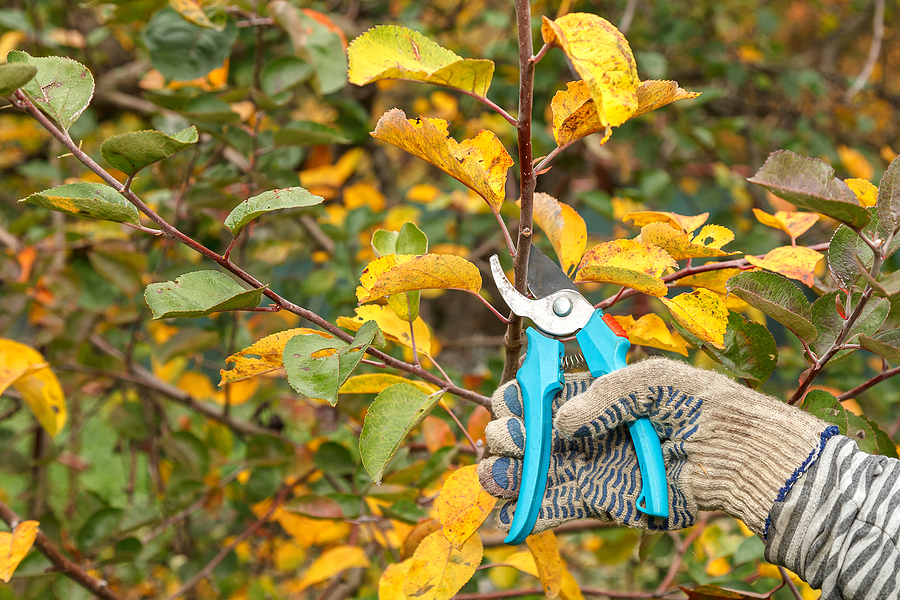
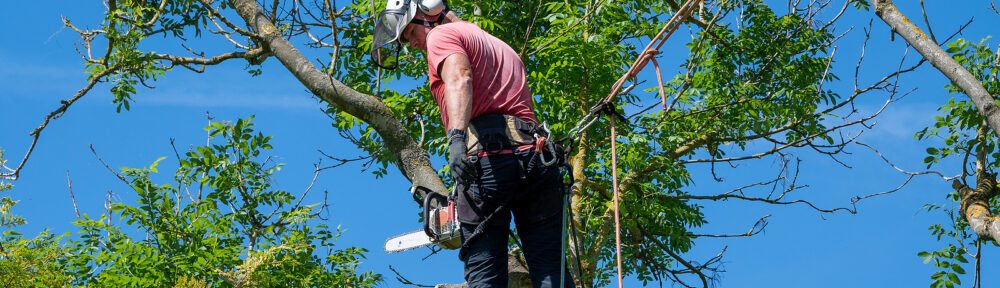
Pruning and Trimming: Regular pruning and trimming are important for the health of your trees. Tree pruning helps to remove dead or diseased branches, as well as promoting new growth and improving the overall shape of your tree.

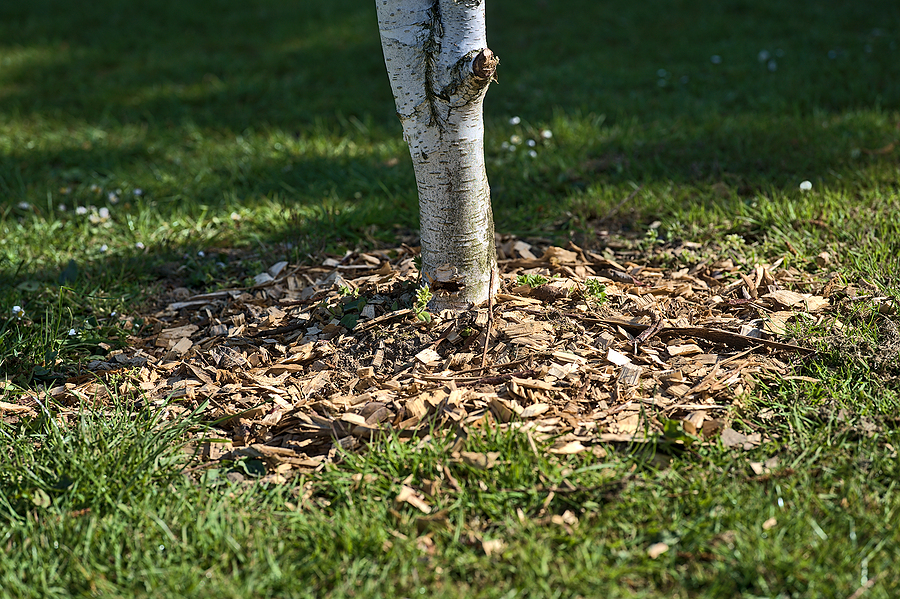
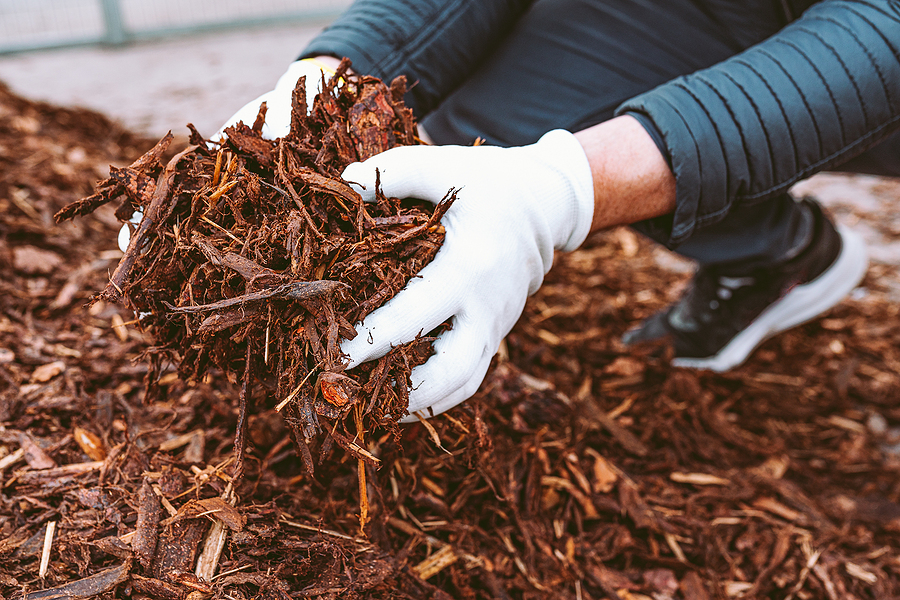
Mulching: Mulching trees helps keep them hydrated by slowing evaporation from the soil. Mulch maintenance also encourages beneficial microbes that help break down organic material in the soil, which can provide essential nutrients for your trees.

Fertilizing: Trees need a steady supply of nutrients to stay healthy and vibrant. This is where tree fertilization comes into play. A balanced fertilizer should be applied once or twice a year (depending on your tree’s needs) to ensure your trees are getting the nourishment they require.

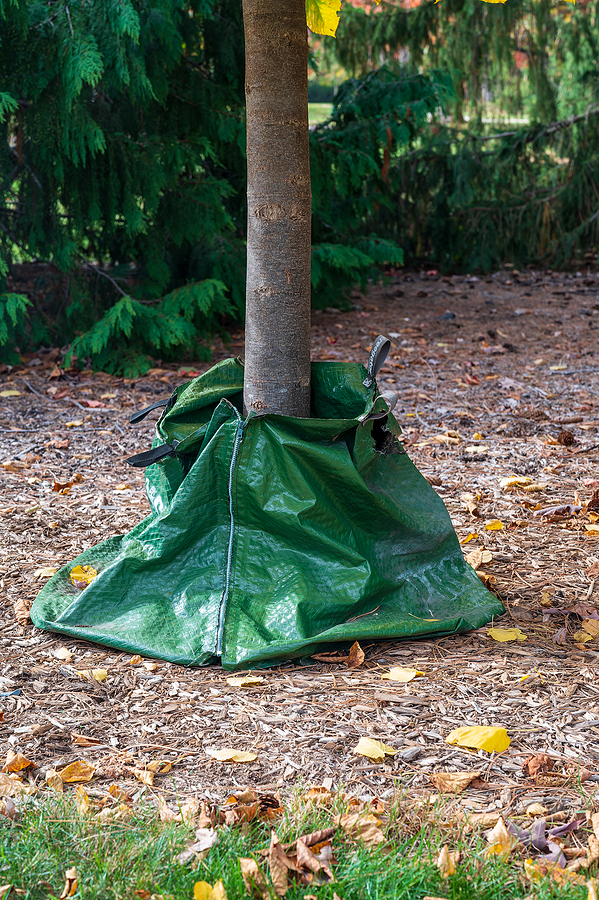
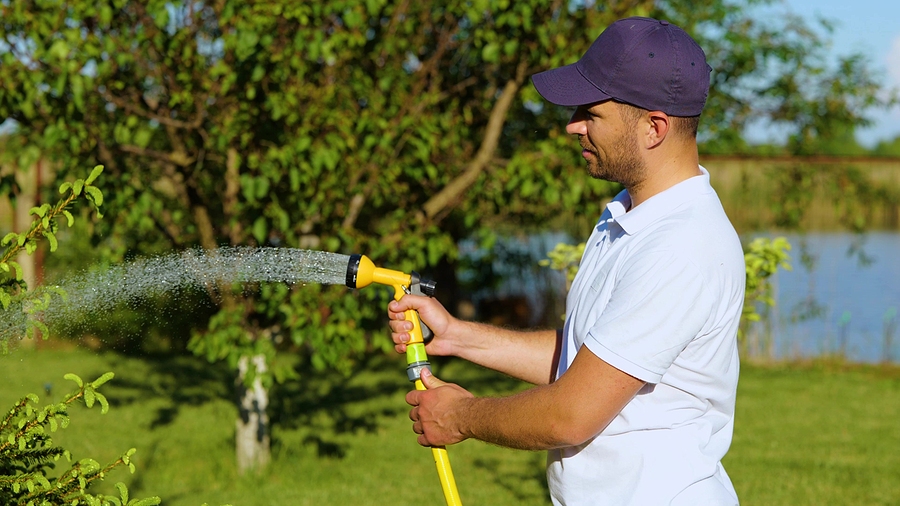
Watering: Regularly watering your trees is essential for their well-being, especially during times of prolonged drought. Make sure to provide adequate water for your trees and keep the roots moist (but not waterlogged).

Certified Arborist Services

Having a certified arborist assess the health of your trees can be invaluable in ensuring they stay healthy and beautiful. An arborist can provide an array of services, from diagnosing diseases to pruning and trimming. They can also provide advice and help you create a customized maintenance plan for your trees.

Tree Care Tips

The following tree care tips are truly essential for keeping your landscaping and ornamental trees in good shape:

Plant trees in the right location. When planting new trees, make sure they are planted in an appropriate area with sufficient sunlight and space to grow. 

Pay attention to the soil. Soil condition is one of the most important factors in healthy tree growth. Make sure your trees are planted in well-draining, nutrient-rich soil and add organic matter as needed.

Be mindful of changes in weather. Trees are vulnerable to extreme temperatures or sudden weather shifts. Monitor your trees for signs of distress during these times and take appropriate action.

Inspect your trees regularly. Visually inspecting your trees for signs of damage or disease is an important part of maintaining their health. Look out for dead branches, leaves with discoloration, and any other abnormalities that may indicate a problem.

Arborist insights can be an invaluable resource when it comes to tree care. With the right knowledge and a proactive approach, you can ensure your trees remain healthy for years to come. Taking the time to care for them properly will not only benefit you, but also help protect the environment in which we live. So go ahead, show your trees some love – they’ll thank you!

Conclusion

Tree maintenance is an important part of protecting and preserving our environment. Following the tips and advice outlined in this blog can help you ensure your trees remain healthy and vibrant for years to come. A professional arborist can be a great asset when it comes to maintaining your trees, so don’t hesitate to seek out their expertise – it will be well worth it!

Are you in search of reliable and insured tree care services close to home? Contact Complete Tree Care at 317-783-2518 for affordable tree services in Indianapolis, Indiana and its surrounding counties. We provide residential and commercial tree services, as well as certified arborist services.

Related Posts:

Top Tips for Avoiding Transplant Shock in Trees
The Common Process of Tree Fertilization
4 Topsoil Problems That Can Negatively Affect Tree Health
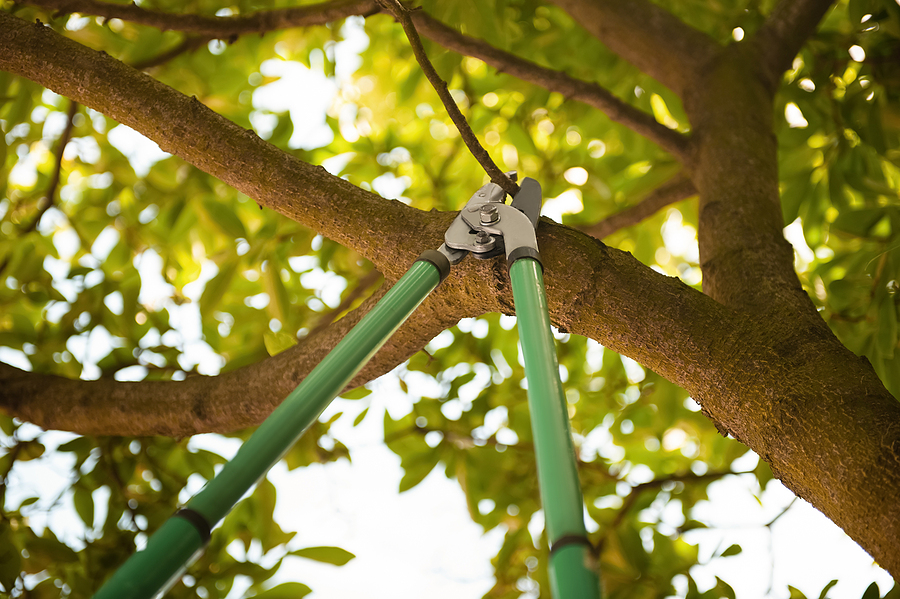
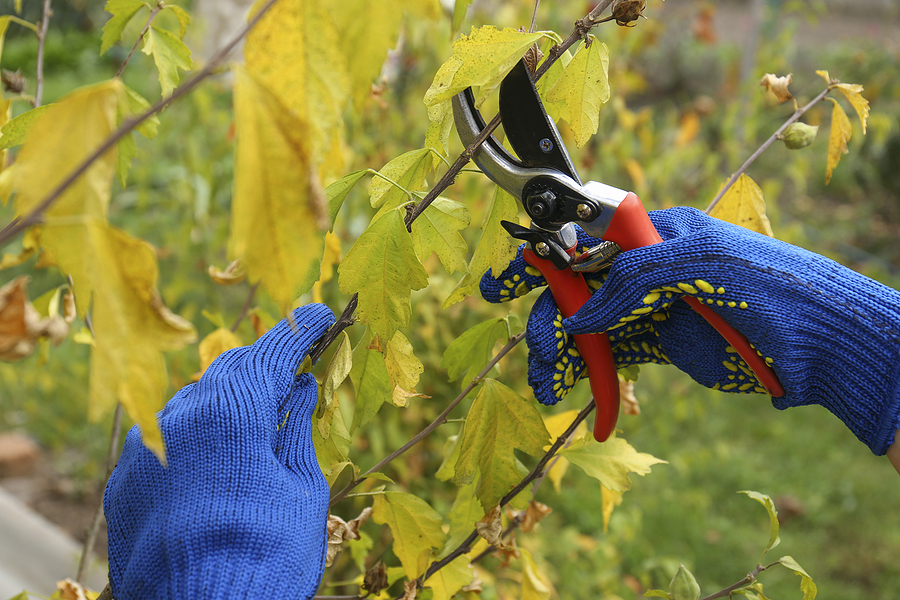
Best Practices for Tree Thinning: A Comprehensive Guide

Welcome to our comprehensive guide on tree thinning. This essential practice contributes significantly to the overall health, aesthetics, and longevity of your trees. Whether you’re a professional arborist or a homeowner with a passion for landscaping, understanding the best practices for tree thinning, trimming, and pruning is vital.

In this guide, we aim to equip you with the knowledge to successfully carry out these tasks, ensuring your trees’ optimal health and growth while maintaining the safety and beauty of your outdoor space. Let’s dive into this enlightening world of tree maintenance together.

Call 317-783-2518 For Tree Thinning Service in Indianapolis Indiana

What is Tree Thinning?

Tree thinning is an important process of pruning trees. It involves selectively removing branches to reduce the density of a tree’s foliage, improve its structure, and help it better withstand environmental stresses such as wind and snow. Thinning can be used to maintain or reduce the size of a tree while preserving its overall shape and form.

Benefits of Tree Thinning

Tree thinning comes with numerous benefits for both the tree and its owner. By strategically removing branches, you can improve the health and safety of your trees. Here are some advantages of this practice:

▷ Improves air circulation to reduce disease pressure from fungal pests and other diseases, as well as increase light penetration.

▷ Maximizes a tree’s growth potential by redirecting nutrients and energy to healthy, more robust branches.

▷ Enhances the aesthetic appeal of your trees by creating a symmetrical shape and allowing sunlight to pass through the canopy more effectively.

▷ Reduces the risk of damage from high winds, heavy snowfall, or ice storms.

▷ Increases the usability of the space around your trees, creating more space for outdoor activities.

When to Thin a Tree

Tree thinning should be done when the tree is still young and pliable so it can easily adapt to pruning. Typically, this stage starts between three and five years after planting. As a general rule of thumb, you should aim to thin your trees every two to three years or when a tree’s crown density reaches 50% or higher.

How to Thin a Tree

Before getting started with the actual thinning process, it’s important to familiarize yourself with the anatomy of a tree. This understanding will help you make more informed decisions as you work and determine the most efficient way to thin your trees. When it comes to actually thinning a tree, there are two main approaches you can take: directional pruning and removal of entire branches.

Directional pruning is a method of removing small parts of individual branches in order to reduce the amount of foliage or improve air flow and light penetration. When removing entire branches, keep in mind that you should remove no more than 25-30% of a tree’s crown at any one time.

Additionally, you should always make sure to use proper pruning tools such as shears, saws, or pole pruners to get the job done safely and accurately. It’s also important to keep the plant’s natural shape in mind. Avoid making drastic cuts on the same branch and try to keep a symmetrical shape as much as possible.

Final Thoughts

Tree thinning is an essential practice that can help maintain healthy, attractive trees in any outdoor space. By following these best practices for tree thinning, you can ensure optimal tree growth and health while preserving the beauty and usability of your yard. With a little practice, you’ll be able to confidently thin and prune your trees like a pro!

Would you prefer a more professional approach to tree care? Contact Complete Tree Care at 317-783-2518 for licensed and insured tree trimming and pruning in Indianapolis, Indiana. We serve residential and commercial clients with comprehensive tree care solutions.

Related Posts:

The Essentials of Tree Pruning: What Every Homeowner Should Know
10 Summer Tree Care Tips for Homeowners
The Benefits of Professional Tree Trimming Services

The Essentials of Tree Pruning: What Every Homeowner Should Know

Tree care is an often overlooked but vital aspect of homeownership. As “silent guardians” of our homes, trees provide not just shade and beauty, but also enhance the overall property value. However, trees, like every living organism, require pruning and maintenance to stay healthy and flourish. Many homeowners might find tree trimming and pruning daunting due to their perceived complexity, but fear not.

This blog post aims to unravel the complexities of residential tree service, focusing on the essentials of tree pruning that every homeowner should know. So, let’s embark on this journey of nurturing your green friends together.

Call 317-783-2518 For Indianapolis Pruning Services

What Is Tree Pruning and Why Should You Do It?

Tree pruning is the practice of removing dead or damaged parts of a tree, such as branches, buds, roots, etc. It’s usually done as a part of regular maintenance to ensure that the tree stays healthy while still looking aesthetically pleasing. Pruning can also help to control the shape and size of the tree, as well as reduce disease susceptibility.

Now that you know what pruning is all about, let’s move on to why it’s beneficial for your trees. Pruning allows light to reach parts of the tree that would otherwise be in darkness, providing vital nutrients and energy to dormant buds which will help them grow new leaves and branches. It also helps to remove diseased or infested parts of the tree, reducing damage from pests and disease. Additionally, pruning reduces the risk of tree hazards, such as low-hanging branches that could potentially injure people or cause property damage.

What are the Different Types of Pruning?

Tree pruning generally falls under two categories – corrective pruning and maintenance pruning.

Corrective Pruning: This type of tree pruning is done when a tree is in need of immediate attention due to structural issues, such as damage from storms or other natural disasters. It’s important to note that corrective pruning should only be done by experienced tree service professionals who retain  comprehensive knowledge of ANSI tree pruning standards and specialized equipment, as it can be dangerous and cause more harm than good if done incorrectly.

Maintenance Pruning: This type of tree pruning is meant to keep a tree healthy over time, and usually includes removal of dead or damaged branches and thinning out the canopy for better light penetration. Maintenance pruning should always be done by a professional tree contractor as they are experienced in removing the right branches at the right time.

How Often Should You Prune Your Trees?

The answer to this question depends on the type of tree and its specific needs, but generally speaking, trees should be pruned every two to three years. It’s important to note that pruning too often can do more harm than good, so it’s best to leave the job to a licensed tree care professional who can identify any potential issues and address them accordingly.

Tips For Tree Pruning

Now that you know some basics of tree pruning, here are a few tips to keep in mind when it comes time for your trees to be pruned:

Only hire knowledgeable professionals with proper certification and insurance to handle your tree pruning.

Prune during the dormant season (fall or winter) to reduce the risk of shock or infection from cuts that are made.

Keep an eye out for signs of disease and insect infestation, and address them as quickly as possible.

Be sure to remove any dead or broken branches as soon as possible to prevent further damage.

Make sure to Sterilize your tools after each use, or dispose of them if they cannot be properly sterilized.

Never top a tree (cutting the main stem at a drastically reduced height). This can cause severe stress and weaken the tree’s structure.

Final Thoughts

Tree care may seem daunting and complicated, but with the right knowledge and experience it can be a straightforward process. Understanding the basics of tree pruning is an essential part of being a responsible homeowner, as it helps to ensure that your trees stay healthy and safe for years to come. So, take the time to research and hire knowledgeable professionals who can help you keep your trees in perfect shape. Your green friends will thank you!

Are you in need of a skilled tree service provider to expertly trim and prune your magnificent trees? Contact Complete Tree Care at 317-783-2518 for licensed tree trimming and pruning in Indianapolis, Indiana. We serve both residential and commercial clients all throughout Central Indiana.

Related Posts:

7 Reasons Why You Should Prune Your Trees This Summer
Fundamental Industry Advice for Tree Pruning
How to Choose the Right Tree Trimming Service Near You

What Causes Bark Splitting in Trees?

In the grand tapestry of nature, trees stand as silent sentinels, contributing to the beauty, tranquility, and ecological balance of our environments. However, at times, these guardian giants may exhibit certain anomalies that cause concern, one of the most noticeable being bark splitting. This phenomenon can raise alarm bells among tree owners and nature enthusiasts alike.

In this blog post, we’ll delve into the causes of bark splitting in trees, shedding light on this common yet perplexing issue. By understanding what causes trees to undergo such damage, we can better appreciate their needs and contribute to their health and longevity.

Call 317-783-2518 For Tree Bark Repair in Indianapolis Indiana

Common Causes of Splitting Tree Bark

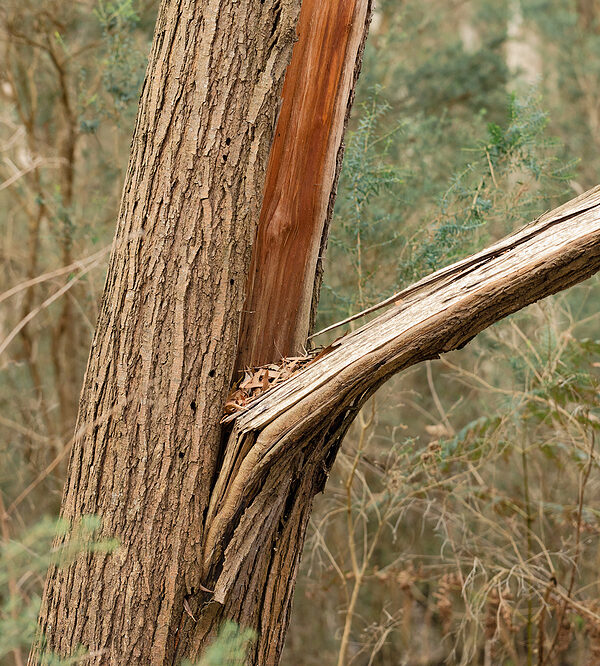
When it comes to bark splitting, there are a few key culprits behind this phenomenon. The most common cause is weather-related damage. Freezing and thawing cycles, drought conditions, and extreme temperatures can all lead to bark splitting in trees. Additionally, insect or animal damage can also be a factor. For example, rodents may gnaw on the bark or eat away at the cambium layer, leading to splitting. Another source of damage can be linked to deer tampering or even fungal infections like Cystophora canker, which can cause bark splitting and other irregularities in some tree varieties.

Prevention and Treatment for Splitting Tree Bark

Fortunately, there are steps we can take to protect trees from tree bark damages. One key element is proper care and maintenance, which includes providing adequate water and nutrition. During extreme weather conditions, winterizing your trees can be beneficial in preventing dividing or other types of damage. Additionally, if you notice any signs of insect infestation or fungal infection, contact an arborist to assess the situation and determine the best course of action for treatment.

Finally, it’s important to practice safe pruning and trimming habits. To reduce stress on trees, prune them in the winter season when they are dormant. Furthermore, take care not to remove excessive amounts of bark as it can weaken the tree and lead to further separating. By being aware of what causes bark splitting in trees and taking the necessary steps, we can help these majestic beings stay strong and healthy for many years to come.

Working with an Arborist for Tree Care

When dealing with trees, it’s a good idea to work with an arborist rather than a typical tree trimming or tree removal service. An arborist is trained in recognizing signs of poor health or damage and can provide valuable insight into the best care for your trees. They can also offer tree pruning, fertilization, and other services to ensure your trees remain healthy throughout their life cycle.

In Conclusion

In conclusion, bark splitting is a common phenomenon that tends to cause concern among tree owners. Knowing what causes this issue and taking preventative steps as well as being aware of the best care practices for trees are important components of keeping them healthy and strong. With proper maintenance, you can look forward to enjoying your tree’s beauty and vital contribution to nature for many years to come. If you need assistance in caring for your trees or have any questions about this topic, do not hesitate to contact a certified arborist for help. They can provide you with the knowledge and resources to ensure your trees stay in good shape for years to come!

By taking a proactive approach to tree care, you’ll be able to identify signs of poor health or damage early on and take steps to remedy them before they become too severe. Contact Complete Tree Care at 317-783-2518 to get advice from a certified arborist in Indianapolis, Indiana. We serve residential and commercial clients with comprehensive tree care solutions.

Related Posts:

10 Ways to Protect Your Trees from Bark Problems
4 Topsoil Problems That Can Negatively Affect Tree Health
Common Diseases Affecting Trees in Indiana and How to Treat Them

The Pros and Cons of Mulching Around Trees in Hot Weather

As summer temperatures soar, you might be wondering how to best care for your trees. One common method is using tree mulch, a practice that brings with it a host of advantages and some disadvantages. Mulching trees can be a great way to protect them and provide nutrients in hot weather, but it also requires careful thought and execution.

In this blog, we will delve into the pros and cons of mulching around trees during the hottest time of the year. We aim to provide you with an informative guide to help you make the best decisions for your trees’ health and longevity. So, grab a cool beverage and settle in as we embark on this journey of tree care.

Call 317-783-2518 For Tree Care Service in Indianapolis

The Pros of Mulching Around Trees in Hot Weather

Why mulch around a tree? Mulching trees is a great way to keep them healthy during the summer months and beyond. It provides many benefits, including:

Improved Soil Quality: Mulch helps protect the soil from erosion and temperature changes while also providing valuable organic matter to improve its quality.

Reduced Water Loss: Mulch acts as a barrier, reducing the amount of water that evaporates from the soil and helping to keep trees hydrated during hot weather.

Increased Nutrient Retention: By trapping nutrients in the soil, mulch helps trees absorb more of them from their environment and better survive periods of drought or extreme heat.

Improved Insulation: A layer of mulch acts like a blanket, helping to protect the roots of trees from extreme temperatures.

The Cons of Mulching Around Trees in Hot Weather

While there are many benefits of choosing to mulch your trees, it’s important to consider the potential drawbacks as well:

Increased Risk of Disease and Pests: A thick layer of mulch can trap moisture, creating an ideal environment for pests and diseases to flourish.

Attraction to Animals: Mulch can be a tasty snack for animals such as deer, rabbits, or squirrels that may dig up the area around trees in search of food.

Poor Air Flow: Too much mulch can inhibit air flow around tree roots, leading to oxygen deprivation and potential damage.

3 Tree Mulching Tips for Summer

Tree mulching can be a great way to keep them healthy in hot weather, but it should be done carefully. Here are some tips to ensure that your mulching efforts don’t do more harm than good:

Use the right type of mulch. Certain types of mulch are better for trees in hot weather, such as straw or wood chips. Avoid using sawdust or shredded paper, which can create a barrier that prevents water and oxygen from getting to the roots.

Don’t over-mulch. A layer of mulch should be no more than 3 inches deep. Any deeper, and you run the risk of trapping moisture and creating an environment where diseases can flourish.

Don’t spread mulch too close to the trunk. It’s important to leave a small gap between the mulch and the trunk to ensure that air can still flow freely around it.

How to Choose the Right Mulch for Your Trees

When it comes to choosing the best type of tree mulch, there are a few important factors to consider. Start by determining what kind of environment you’re dealing with: is it hot and sunny or cool and shady? Once you know this, you can select the type of mulch most suitable for your tree’s needs. For example, organic mulches like straw or wood chips are great for hot, sunny areas, whereas bark or pine needles are better suited to cool, shady spots.

It is also important to take into account the type of tree you are dealing with and its particular needs. Some trees may require a certain type of mulch to thrive. If you aren’t sure what type of mulch is best for your tree, consult a certified arborist or tree care company for their expert advice.

In Conclusion

Mulching around trees in hot weather can be a great way to keep them healthy and protected from extreme temperatures. However, it is important to be aware of the potential drawbacks and take steps to ensure that your mulch isn’t putting your trees at risk. With proper care and maintenance, you can enjoy all the benefits of mulching without worry! 

Are you trees in need of professional attention? Contact Complete Tree Care at 317-783-2518 for licensed and insured tree service in Indianapolis, Indiana. We serve residential and commercial clients with comprehensive tree care solutions.

Related Posts:

Are Insects a Threat to Tree Health During the Summer?
5 Essential Steps to Protecting Your Trees from Droughts
How to Prepare Your Trees for the Heat of Summer

7 Reasons Why You Should Prune Your Trees This Summer

Summer is the perfect time to start pruning your trees. Tree pruning, or trimming, helps maintain a healthy and attractive landscape as well as promoting safety for yourself and others. There are many benefits of pruning your trees during this season, including improved air quality, increased curb appeal, protection from pests and disease, and more. Read on to learn 7 reasons why you should be pruning your trees this summer!

Call 317-783-2518 For Summer Tree Pruning in Indianapolis Indiana

Top 7 Benefits of Pruning Trees in Summer

1. Improve Air Quality: Pruning can help to improve the air quality in your home and neighborhood by allowing more sunlight and air flow through the branches of trees. This will reduce pollutant levels around your house and promote better health for you and your family.

2. Increase Curb Appeal: When done correctly, pruning can drastically improve the look of your landscape. Trees that are trimmed properly will have a neat and uniform appearance that makes them aesthetically pleasing to the eye. This is sure to boost curb appeal when potential buyers come to view your property!

3. Keep Trees Healthy: Tree pruning removes dead or damaged branches, which helps keep pests away from healthy parts of the tree. It also encourages new growth, which helps keep the tree healthy.

4. Protect from Storm Damage: By removing dead or weak branches, you significantly reduce the chances of trees falling during storms or high winds. This is especially important in areas prone to hurricanes and other severe weather events!

5. Prevent Disease Spread: Pruning can help prevent disease from spreading by removing diseased branches and preventing them from spreading their spores throughout your landscape. Regular pruning also encourages strong root systems that are less likely to be affected by diseases in the future.

6. Encourage Growth: Pruning encourages new growth by allowing more sunlight and air flow through the tree’s canopy, thereby increasing its vigor, and promoting a healthy environment for it to thrive.

7. Save Money: Regular pruning can actually save you money in the long run! Removing dead or weak branches helps keep your trees healthy, thereby reducing the cost of tree care later on down the line.

Pruning your trees this summer offers many benefits that will help to promote a healthy and attractive landscape for years to come. Keep these 7 reasons in mind when you’re considering if you should prune your trees this year! With regular tree maintenance, you can have a beautiful and safe yard for all seasons.

Tree Trimming Versus Pruning

Are you thinking about sprucing up your yard with some tree trimming or pruning? While the two terms are often used interchangeably, there is a distinct difference between tree trimming and tree pruning. Tree trimming is more of an aesthetic choice, while tree pruning focuses on health and safety.

Tree trimming involves cutting away any dead branches or twigs to give the trees a neat and clean look. It also helps maintain the shape of trees that have grown out of their natural form. Generally speaking, it’s best to do this kind of work during late winter when most deciduous trees are dormant for maximum effect. You should also avoid removing too much foliage as this can leave the trees vulnerable to pests and diseases.

On the other hand, tree pruning focuses on improving a tree’s overall health by removing diseased or damaged limbs before they become a hazard to people or property around them. Pruning should be done throughout all seasons but especially during springtime when new growth begins so that you can encourage healthy branching patterns for optimal growing conditions down the line. Additionally, regular inspections will help spot potential problems early so that you can take preventive measures in time.

Looking for a professional tree service company to trim and prune your beautiful trees? Contact Complete Tree Care at 317-783-2518 for licensed tree trimming and pruning in Indianapolis, Indiana. We serve both residential and commercial clients all throughout Central Indiana.

Related Posts:

The Advantages of Tree Pruning and How To Do It Right
Why You Should Remove Tree Branches That Overhang the Roof
The Benefits of Professional Tree Trimming Services

Are Insects a Threat to Tree Health During the Summer?

Summertime is a great time to enjoy the outdoors, but it can also be a difficult season for trees. During this time of year, insect populations tend to increase and become more active. These pests are capable of causing major damage to your tree’s health if left unchecked. That’s why it’s important to take steps now to protect the trees on your property from any potential threats posed by insects during the summer months.

In this blog post, we’ll discuss some common insect threats that could cause harm to your tree’s health this summer and how you can prevent them from doing so. We’ll also provide tips on when you should call in professional tree care services for help with pest control or other issues related to tree health. So, read on as we explain what you need to know about protecting your trees from insects during the hot summer months!

Call 317-783-2518 For Tree Care in Indianapolis

Insects That Commonly Target Trees

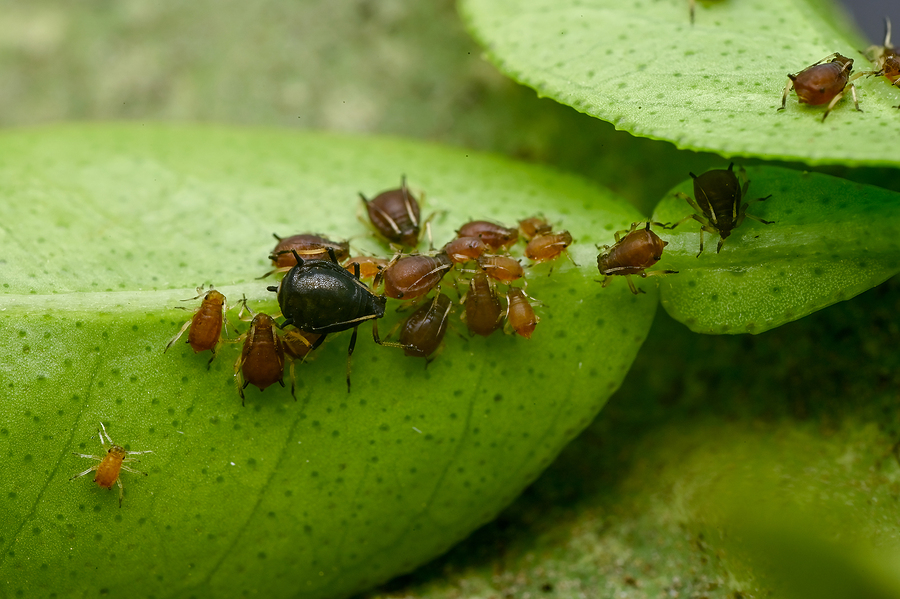
First, let’s take a look at some of the most common insect pests that can be harmful to your trees. These include aphids, scale, leafhoppers, borers, caterpillars, and sawflies. Aphids are small sap-sucking pests that can infect leaves and branches with bacteria and cause them to become discolored or distorted in shape. Scale insects attach themselves to stems or bark and feed on plant juices leaving behind a sticky residue called honeydew that can attract ants and other pests.

Leafhoppers are light green bugs that feed on the underside of leaves leaving white spots in their wake. Borers are wood-boring larvae that live inside tree trunks or branches causing them to weaken over time. Caterpillars are the larvae of various moths and butterflies that feed on leaves leaving ragged holes behind. Sawflies are small wasps that are capable of defoliating entire trees by eating their leaves.

How to Protect Trees Against Pests

Fortunately, there are a few things you can do to help protect your trees from insect damage this summer. Start by regularly checking for any signs of pest infestation such as discoloration or wilting of leaves or branches, honeydew deposits, sawdust-like residue, and other physical changes in the tree’s appearance. If you notice any of these issues, it’s important to call in professional tree services right away so they can assess the damage and prescribe appropriate treatments to eliminate pests and preserve your tree’s health.

Routine Tree Care

In addition to checking for signs of infestation, it’s also important to practice proper tree care in order to prevent pests from taking hold in the first place. Start by regularly watering your trees and pruning away dead or dying branches that could provide food sources for insects. Mulching around the base of the tree can help retain moisture and reduce competition with weeds that could attract bugs as well. Lastly, avoid using chemical pesticides unless they are absolutely necessary since they can be harmful to beneficial insect species that help keep pest populations under control.

Maintain Prime Tree Health Year Round

By following these tips and staying vigilant about monitoring your trees for any potential threats, you can help protect them from becoming victims of insect infestations this summer. If you do encounter any major pest problems, don’t hesitate to call a professional tree care services for help. The experts can diagnose the problem quickly and provide effective treatments, so your trees stay healthy and strong all season long!

In Summary

So, there you have it—all the information you need about keeping insects from damaging your trees during the summer months. Keep these tips in mind as you enjoy the warm weather outdoors! With proper tree care and some vigilance, you’ll be able to keep pests away and preserve the beauty of your property for years to come.

Ready to get your trees in shape this summer? Start now! Contact Complete Tree Care at 317-783-2518 to get advice from a certified arborist in Indianapolis, Indiana. We serve residential and commercial clients with comprehensive tree care solutions.

Related Posts:

10 Summer Tree Care Tips for Homeowners
The Common Process of Tree Fertilization
4 Topsoil Problems That Can Negatively Affect Tree Health
5 Essential Steps to Protecting Your Trees from Droughts

We all know that droughts can have devastating consequences on our environment, and trees are especially vulnerable. Trees need a steady supply of water to survive, so when drought conditions hit, they may not be able to get the nutrients they need from the soil. That’s why it’s important to take steps to protect your trees during periods of drought.

In this blog post, we’ll go over five essential steps you can take to ensure your trees stay healthy even in dry weather conditions. From proper tree care techniques like mulching and watering correctly, to using protective sprays and choosing drought-tolerant species for your landscape design – these tips will help you maintain beautiful green foliage year round!

Call 317-783-2518 For Indianapolis Tree Care Service

The Negative Affects of Drought on Trees

Drought is a natural phenomenon that can heavily impact the health of trees. These long periods of dry weather can cause damage to the delicate root system of the tree, causing stress and ultimately weakening their overall health. Without adequate moisture, trees struggle to take in nutrients from the soil and they may not grow as well as they typically would. To protect them in times of drought, it is important to provide proper tree care, such as regular watering and mulching. By ensuring that your trees are healthy and well-maintained, you can help them withstand the harsh conditions that come with drought. Remember, prevention is key when it comes to avoiding tree damage during periods of dry weather.

How to Protect Your Trees From Droughts

1. Mulching: One of the best ways to protect your trees from drought conditions is by mulching them. Mulching adds a layer of organic material around the base of the tree, which helps retain moisture and reduce evaporation from the soil. Make sure that you don’t pile the mulch too high; four to six inches should do it.

2. Watering: During periods of extreme drought, it’s important to give your trees extra water if needed. This can be done either through a drip irrigation system or manually with a hose or watering can. When doing this, make sure not to over-water – only give them enough so that they receive adequate moisture without becoming waterlogged.

3. Protective Sprays: If you live in an area with high levels of UV radiation, it may be a good idea to use protective sprays on your trees. These sprays will help reduce transpiration and protect the leaves from drying out in extreme temperatures.

4. Choose Drought-Tolerant Species: Another great way to protect your trees from drought is by choosing species that are adapted to dry climates. Planting drought-tolerant species like Oak trees and Maple trees can help ensure they’ll stay healthy even during periods of low rainfall or water restrictions.

5. Regular Tree Care: Finally, remember that regular tree care is essential for protecting your trees from droughts. Prune your trees regularly and ensure they get enough fertilizer, as this will help them to stay strong and healthy even in dry conditions.

Achieve Year-Round Tree Protection

By following these five essential steps, you can protect your trees from droughts and keep them looking their best year-round! If you need help with tree care or want to learn more about which species are best for drought-prone climates, contact a certified arborist today. They’ll be able to provide expert advice tailored to your specific climate and landscape design needs.

Do you want to get your trees ready for the summer climate? Now is the time to start! Contact Complete Tree Care at 317-783-2518 for comprehensive tree services in Indianapolis, Indiana. We serve residential and commercial clients with comprehensive tree care solutions.

Related Posts:

How to Prepare Your Trees for the Heat of Summer
General Tree Care Tips for the Summer Season
Facts About Over-Watering and Under-Watering Trees

How to Prepare Your Trees for the Heat of Summer

Summer is here, and with it comes the heat. While this can be great for enjoying outdoor activities, it can also be hard on your trees. Heat stress can cause them to become weak and vulnerable to disease or pests. To ensure that your trees stay healthy during these hot months, there are a few steps you should take to prepare them for summertime temperatures. With proper care and maintenance, you’ll have peace of mind knowing that your trees will remain strong and vibrant despite the heat of summer.

Continue reading to learn some important tips on how to best prepare your trees for summer weather.

Call 317-783-2518 For Summer Tree Service in Indianapolis IN

What the Summer Climate Can Do to Trees

The summer heat can have a significant impact on the health of trees. During long periods of dry weather, trees can struggle to retain enough moisture and nutrients to thrive. The leaves of a tree may begin to wilt and turn brown, and if the dry weather persists, the tree may drop its leaves altogether. In extreme heat conditions, trees may also experience sun scald, which is when the bark becomes cracked, and the inner layers of the tree are exposed to the scorching sun. This can weaken the overall structure of the tree, making it more susceptible to disease and insect infestations. It’s important to take measures to protect trees during the summer months, such as frequent watering and providing shade when possible, to ensure their long-term health.

Top 4 Summertime Tree Care Tips

1. Water your trees regularly: Trees need more water during the hot months to stay healthy and strong. Be sure to water your trees deeply, making sure that they are receiving enough moisture. Consider using an automated drip irrigation system if you have a lot of trees or if you’re worried about forgetting to water them.

2. Prune away dead branches: Dead branches can attract pests and create weak spots in the tree canopy, making it vulnerable to heat stress and disease. Make sure to prune away any dead or diseased branches before summer arrives with the help of a professional tree care provider such as Tree Care Pros.

3. Mulch around your trees: Adding a layer of mulch around your trees helps to retain moisture and regulate soil temperature. Make sure that the mulch is not too thick and that it does not touch the trunk of your tree.

4. Check for pests: Pests can cause serious damage to trees, especially in summer when they are more active. Look for signs of pests such as webbing or holes in leaves and call a professional tree service provider right away if you notice any infestations.

Get Summer Tree Service at a Great Rate!

Summer is a time of great beauty and fun, but it can also be hard on your trees. To ensure that they remain healthy and vibrant during these hot months, you should take steps such as watering them regularly, pruning away dead branches, mulching around the base of the tree, and checking for pests. With proper care from an experienced tree service provider like Complete Tree Care, you’ll have peace of mind knowing that your trees will stay strong despite the heat of summer. So don’t wait – get ready to enjoy all that summer has to offer with confidence in your well-maintained trees!

Are you in need of expert tree service within the Indy areas? Look no further than Complete Tree Care! We specialize in residential and commercial tree services in Indianapolis, as well as storm damage. Contact us today at 317-783-2518 for a quote!

Related Posts:

Can I Trim Dead Branches Off a Tree in Summer?
Do I Need to Water My Trees?
Common Diseases Affecting Trees in Indiana and How to Treat Them

10 Summer Tree Care Tips for Homeowners

Summer is officially here and it’s a busy time for homeowners. With warmer weather, there are so many outdoor projects to tackle – from mowing the lawn and trimming hedges to planting flowers and taking care of trees. But when it comes to tree care, summer can be especially tricky. That’s why we’ve put together this list of 10 summer tree care tips for homeowners. These tips will help you keep your trees healthy during the hottest months of the year, so you can enjoy their beauty all season long! Keep reading to learn more about how you can take proper care of your trees this summer.

Call 317-783-2518 For Tree Service in  Indianapolis
Call 317-783-2518 For Tree Service in Indianapolis

How to Take Care of Trees in the Summer

1. Water Regularly: Make sure your trees are getting the proper amount of water in order to thrive. The best time to water is early morning, before the heat of the day sets in. Aim for deep, thorough irrigation so that water reaches down into soil roots and helps keep your trees healthy and hydrated during summer’s hottest days. Just be sure to not over water trees, as this can do more harm than good.

2. Prune Correctly: Summer pruning is important for keeping trees healthy and free from disease. But be careful not to over prune – too much tree trimming can leave them vulnerable to pests and diseases. When it comes to pruning, concentrate on removing dead or damaged branches that have been affected by weather or disease, rather than taking off a lot of foliage unnecessarily.

3. Fertilize: Fertilizing trees in the summer can help them stay healthy and strong. Look for a fertilizer specially made for trees, as it will contain all the necessary nutrients your tree needs to thrive. Make sure you follow instructions carefully and don’t over fertilize – too much fertilizer can burn roots and cause damage to your tree.

4. Monitor Pests: Summer is prime time for bugs like aphids, caterpillars, scales, borers, and beetles that can wreak havoc on trees if they’re not kept in check. Keep an eye out for any signs of infestation such as discolored leaves or wilting branches and use pesticide sprays and traps to keep these pests under control.

5. Check for Diseases: Diseases like powdery mildew, cankerworms, and anthracnose can quickly overtake trees if not treated in time. Inspect your trees often for any signs of disease and take action as soon as possible by spraying the affected area with a fungicide or contacting a tree service professional for assistance.

6. Mulch Correctly: Mulching around the base of your trees helps retain moisture and keeps roots cool during summer’s hottest days. But it’s important to mulch properly – too much or too little can be bad for your tree’s health. Aim for 3-4 inches of mulch spread out evenly around the base of the tree, avoiding piling it too thickly around the trunk.

7. Protect From Sunburn: Just like you, your trees can suffer from sunburn if overexposed to harsh sunlight. To prevent this, make sure to provide adequate shade – especially for young and vulnerable saplings. Planting shrubs and trees near them can help protect them from direct sunlight, or you can use a specialized protective paint on more mature specimens to shield them from ultraviolet rays.

8. Avoid Stressing Out Your Trees: Stress is bad for any living organism, including trees! That’s why it’s important to avoid unnecessary stress on your trees by not planting too deeply or compacting soil around their roots when working. To keep your trees healthy, always use the appropriate tools and techniques when cultivating around them.

9. Limit Pruning During Summer: Summer is not the ideal time to make drastic changes and heavy pruning to your trees. Some tree trimming may be necessary for safety reasons or for aesthetic purposes but try to limit it as much as possible since trees already have a lot of stress during the hot months of the year.

10. Call a Professional: If you’re ever in doubt about how best to care for your trees – or if you notice any signs of disease or pest infestation – it’s best to call in a professional tree service provider who can assess the situation and recommend treatments accordingly. With the help of a professional, your trees will stay healthy and happy all summer long!

Summer Tree Care Advice You Can Use All Season

These 10 tips should help you keep your trees looking their best during the hot summer months. Remember to water regularly, prune correctly, fertilize properly, monitor pests, check for diseases, mulch accordingly, protect from sunburn, avoid stressing out your trees, limit pruning during summer and call in a professional tree service company in Indianapolis if needed. Following these steps will help ensure your trees survive and thrive throughout the season – so you can enjoy their beauty year-round!

Are your landscaping trees in need of some TLC this summer? Contact Complete Tree Care at 317-783-2518 for licensed and insured tree service in Indianapolis, Indiana. We serve residential and commercial clients with comprehensive tree care solutions.

Related Posts:

Can I Trim Dead Branches Off a Tree in Summer?
Do I Need to Water My Trees?
5 Ways to Stop Moss Growth on Trees