The Difference Between a Sycamore Tree and a Sweetgum Tree

Taking good care of your landscaping trees is a top priority for any proud homeowner. When it comes to tree care, the key is routine. It is important to stay current on all of your tree care services per season, including tree trimming, pruning, fertilizing, and even transplanting when needed. For commercial properties, if you need lot clearing and underbrush clearing services, it’s important to get those done before the winter season comes, and the ground is frozen and more difficult to work with.

Regardless of your tree care needs, a good place to start is to learn which type of trees you have on your property. From there, you can research the specific and unique methods of caring for that particular tree species in accordance with industry best practices. Two particular tree species that tend to cause many Hoosiers confusion here in Indiana are American Sycamore trees and Sweetgum trees. Because they have similar fruits and branching systems, they are often mistaken for one another.

American Sycamore trees and Sweetgum trees are two very popular and prevalent tree species here in Indiana. For this reason, it is very likely that your property has at least one of the two. Continue reading to learn the differences between a Sycamore tree and Sweetgum tree, and be on your way to better tree care practices.
Indianapolis Tree Service 317-783-2518

The American Sycamore Tree (Platanus occidentalis)

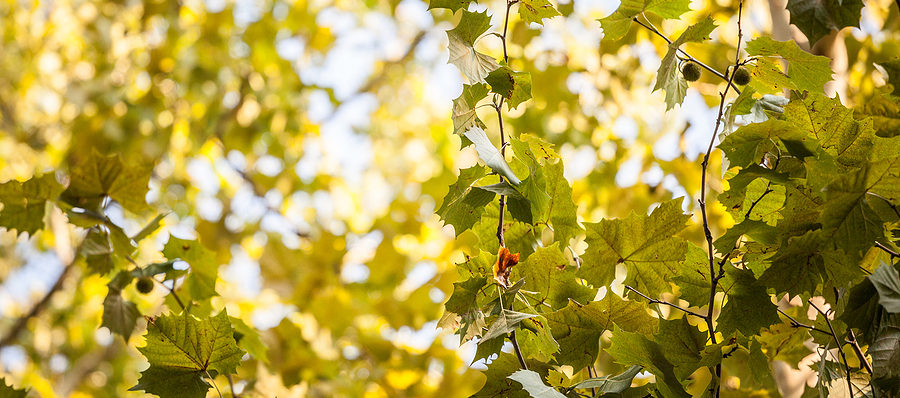
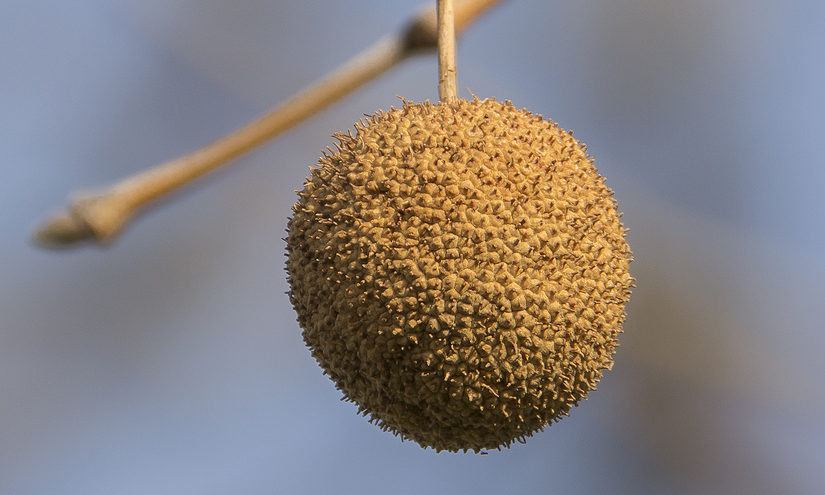
The American Sycamore tree is a common species in the Midwest. In fact, it is one of the tallest growing trees in our region, achieving heights as high as 75 feet. It goes by other monikers, including the American planetree, button ball tree, and buttonwood. One of the most distinguishing features of the American Sycamore tree is the culprit behind the confusion between them and sweetgum trees. You see, American Sycamore trees bear round, button-like fruit that looks similar to a Christmas tree ornament. Each ball is a cluster of seeds, appearing rough on the surface, which begin to bloom in late summer, when temperatures are high and steady. They are unique in that the fruit remains attached to the tree through the winter season, rather than dropping in the fall like similar deciduous trees. When spring arrives, the cluster of seeds will break apart and fall to the ground. Check out the picture below and notice the round shape of the Sycamore tree fruit.
Sycamore Tree Removal Indianapolis IN
A Seedball on an American Sycamore tree – Platanus Occidentalis

The Sweetgum Tree (Liquidambar styraciflua)

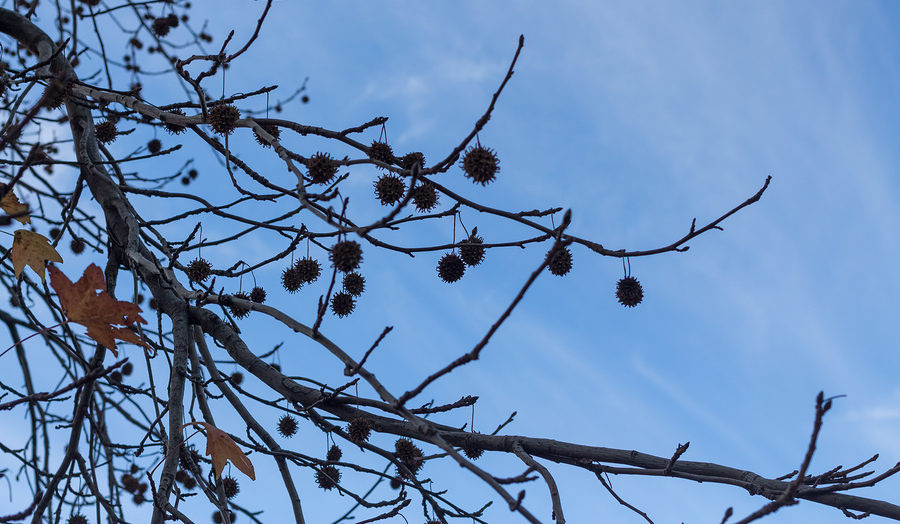
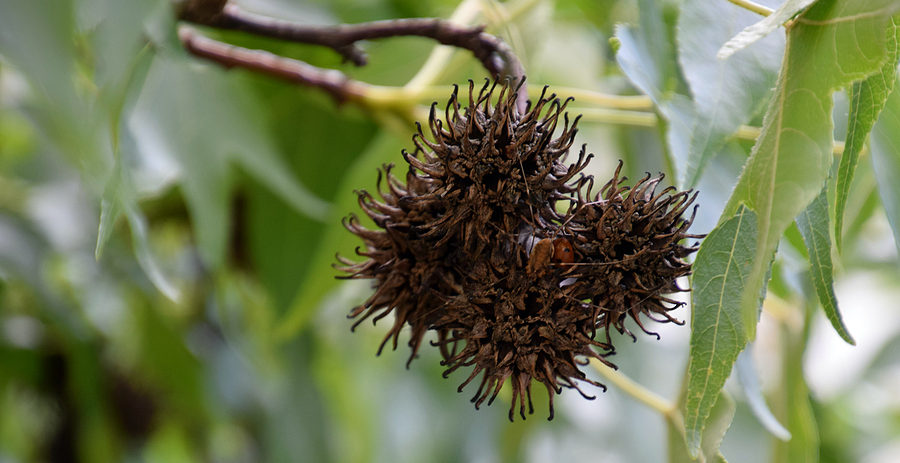
Sweetgum trees can be found all over the United States, in the South, Midwest, and Eastern parts of the country. Their star-shaped leaves are one of their most distinguishing features, which turn vibrant shades of red and orange in the fall. However, another prominent and distinguishing feature of the Sweetgum tree happens to be their fruit. Similar to the American Sycamore, Sweetgum trees bear a round-shaped fruit. But the difference is, the Sweetgum fruit is round with a spiny, spiky surface, appearing to have thorns or spikes protruding from all around them. They are not rough and round like the American Sycamore tree. Instead, they are round and spiky. Take a look at the picture below to see how the spiky appearance of the Sweetgum tree fruit compares to the American Sycamore.
Sweetgum Tree Removal Indianapolis IN
Ripe Seeds on a Sweetgum Tree – Liquidambar styraciflua

Professional Indianapolis Tree Removal for Sycamore and Sweetgum Trees

Call Complete Tree Care at 317-783-2518 for experienced tree removal service in Indianapolis and throughout Central Indiana. We offer a wide range of residential and commercial tree services for all tree species, including Sycamore and Sweetgum tree. Our tree care technicians also provide tree trimming, stump grinding, stump removal, lot clearing, and more. If you want professional and efficient tree service you can trust, Complete Tree Care is the right call!
Indianapolis Tree Care 317-783-2518

What You Need to Know About Tree Boring Insects

The frustrating thing about wood-boring insects is that you can’t always see the scope of damage they cause to your trees. Just below the bark of your favorite landscaping tress might lie an infestation of tree-boring beetles that you never knew were there! There are various species of wood-boring insects and beetles, some of which are a minor threat, while others are highly invasive and detrimental to trees. It is important to stay on top of routine tree care in order to catch a small infestation problem early on, before your tree can get sick, or worse, die.

Continue reading to learn more about wood-boring beetles, and which ones are known to target trees.

Indianapolis Tree Care Service 317-783-2518

Wood Borers and Tree Health

Although wasps and moths are known to target wood, and therefore, trees, beetles take the cake for the most invasive and damaging. The most common wood-boring beetle is aptly named the Emerald Ash Borer, and targets mostly Ash trees, but can also infest other trees as well. Other common wood-borers include:

? Emerald Ash Borer (EAB)
?
Redheaded Ash Borer
?
Red Oak Borer
?
Cottonwood Borer
? Locust Borer

Adult beetles bury below the bark, deep into the tree’s inner tissue, and then lay their eggs. They are also clever enough to use existing cracks in the bark and inner tissue when wood is too hard to bore. This is another reason why you want to take good care of your trees! Once the eggs are laid, the damage to the tree instantly becomes exponential since the larvae feeds on the bark. They tunnel all through the inner tissue, eating more and growing fatter.

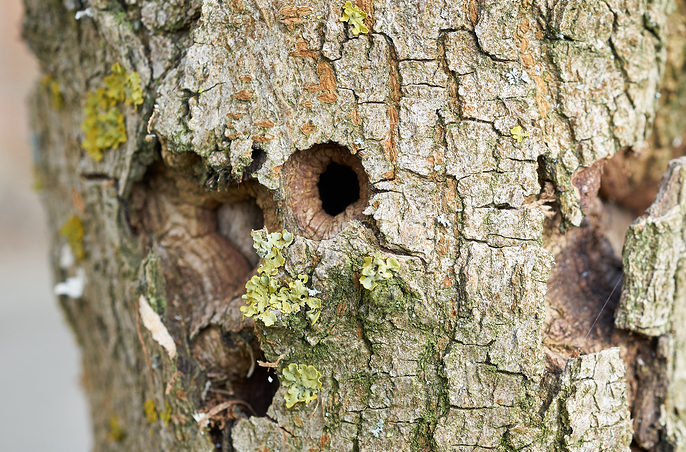
As a result, the tree’s structured is weakened, causing the tree to continually lose its ability to properly distribute water and nutrients, thus causing it to enter a state of decline. In fact, an infested tree will often times have sawdust and debris at its base, providing prime evidence of borer larvae and beetles. Small L-shaped or D-shaped exit holes are another common sign of a wood-borer infestation.

Signs of a Tree-Borer Infestation

It is important to catch a beetle infestation early on through professional, routine tree service. Because their existence can go unnoticed for so long, most cases of wood-borer infestations are not treatable. However, in early cases of infestation, treatment is possible so long as it is done immediately. There are several ways to identify a wood-borer infestation in trees and other foliage. Their movements and behaviors leave clues behind that can only suggest a wood-boring beetle problem. Here are the common signs and symptoms of a tree infected and overcome with borer colonies:

  • Splitting Bark
  • Canopy Thinning and Die-Back
  • Foliage Bareness
  • Vertical Fissures on Bark
  • Callous Tissue Formation
  • Exposed Galleries under Bark Split
  • Serpentine-Shaped Larvae Feeding Galleries in Bark
  • Frass Accumulation (Mix of Saw Dust and Excrement)
  • D-Shaped Holes in Trunk
  • Increase Woodpecker Activity
  • Sprout Growth from Roots and Trunk
  • Larger-than-Normal Leaves

Indianapolis Indiana Tree Service You Can Afford

Call Complete Tree Care at 317-783-2518 for prompt and professional Indianapolis tree service you can trust. We are experienced tree care technicians that can resolve your tree problems, regardless of your projects size or scope. We offer a wide range of tree removal and tree services, for both residential and commercial properties. We even offer free estimates and free tree care advice!

Indianapolis Tree Care 317-783-2518

Facts About Over-Watering and Under-Watering Trees

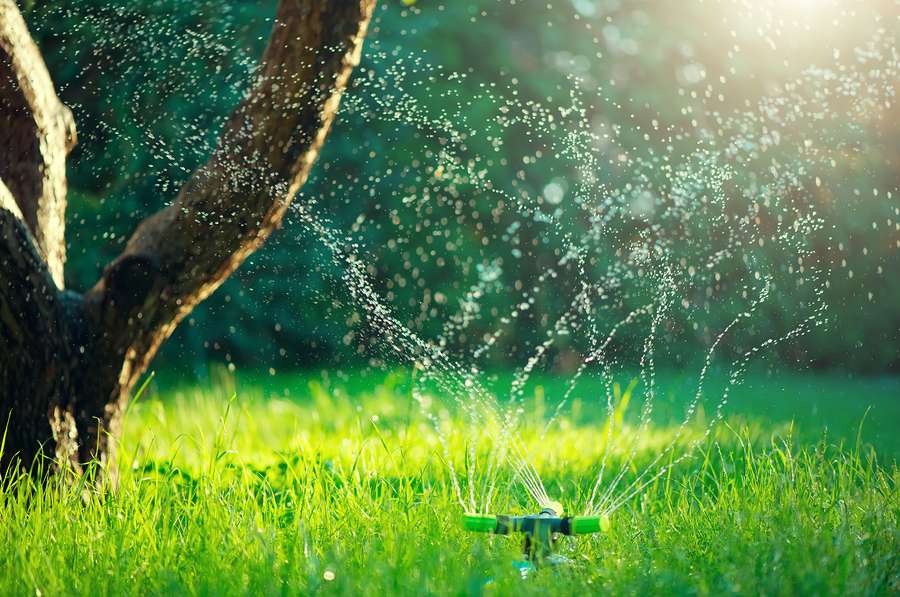
Unlike our own species, trees do have voices they can use to tell us they need more water or have had enough. For this reason, it is important to be the voice of trees, and learn what signs they exhibit to let us know their watering needs. Continue reading to learn the common signs of over-watered and under-watered trees, and what you can do to help a suffering tree.

Indianapolis Tree Service
Indianapolis Tree Service 317-783-2518

Tree Watering Basics

The general rule of thumb for water trees varies depending on the age, species, condition, and location of a tree. For instance, newly-planted and transplanted trees should be watered regularly enough so that the top 12 inches of soil remains moist to the touch. This averages out to around 4 to 8 gallons per week. Mature trees needn’t regular watering, and instead, should just be properly mulched and watered during dry spells. For sick trees, watering should be increased, or as instructed by a licensed arborist.

Since tree watering needs vary on species, location, climate, season, and more, there is really no way of establishing a universal rule of thumb. However, you can learn how to spot the signs of over-watering and under-watering a tree. This knowledge can help you take better care of your trees, and respond to nutritional issues early on, before they can turn fatal for your trees.

Signs of an Over-Watered Tree:

☙ The base of the tree is always wet to the touch. Although the mulch bed surrounding the base of the tree should retain moisture at all times, there should also be a period of the day when the mulch is dry on top. If the mulch is always wet, even when other mulch beds and tree bases are dry, it could mean it has been given too much water.

☙ Blooms do not grow to size. If the blooms, flowers, or fruits on your tree do not fully-bloom, and instead wither and drop, it could mean that they are getting too much water. If the blooms turn light green or yellow in color, it could also mean over-watering.

☙ Green leaves are fragile and break off. If your tree sprouts foliage that is green, yet break off easily to the touch, it could be there is an over-watering issue. If you notice a pile of green leaves around the base of your tree, it may signify the same issue.

Signs of an Under-Watered Tree:

The signs of an under-watered tree are quite similar to those of an over-watered tree. So be sure you look closely to see the difference. Common signs include:

☙ Leaf Wilting or Curling
☙ Browning Edges or Tips on Leaves
☙ Thin or Thinning Canopy
☙ Under-Sized Leaves
☙ Off-Color Leaves
☙ Premature Fall Color Changing

QUICK TIP: Can you stick a screwdriver into the ground below your tree? If you cannot do so easily or at all, your tree definitely needs more water!

Indianapolis Tree Service Professionals Who Can Help

Call Complete Tree Care at 317-783-2518 for professional Indianapolis tree service you can trust. We serve all of Central Indiana with a wide range of skilled tree removal and tree care services, for both residential and commercial properties. Whether you need a single tree removed, or simply require routine tree service, like trimming or pruning, we can deliver prompt and professional service at a fair price. Request a free estimate, today.

Indianapolis Tree Care 317-783-2518

Get Spring Tree Service Deals in Indianapolis at Complete Tree Care

Are you in need of some professional spring tree care in the surrounding Indianapolis areas, but not sure if you can get service right now? Well, the good news is that you are in the right place!

Tree removal and tree care services are easy to schedule and always affordable when you call the experts at Complete Tree Care! Continue below to learn what we can do for your landscaping trees this season and the next, as well as, which deals we are currently offering and how to get in touch with one of our expert tree care technicians for a free quote.

Indianapolis Tree Service
Indianapolis Tree Service 317-783-2518

Superior Tree Service You Can Trust

Complete Tree Care provides professional tree services in Indianapolis, Indiana and all its nearby counties and districts. We are professional tree removal and service technicians with more than 30 years of experience in the industry! The best part is that they offer a wide variety of tree service coupons, discounts, monthly specials, deals, and more!  No matter what tree service you require, you can be sure Complete Tree Care is offering a matching coupon or special just for you!

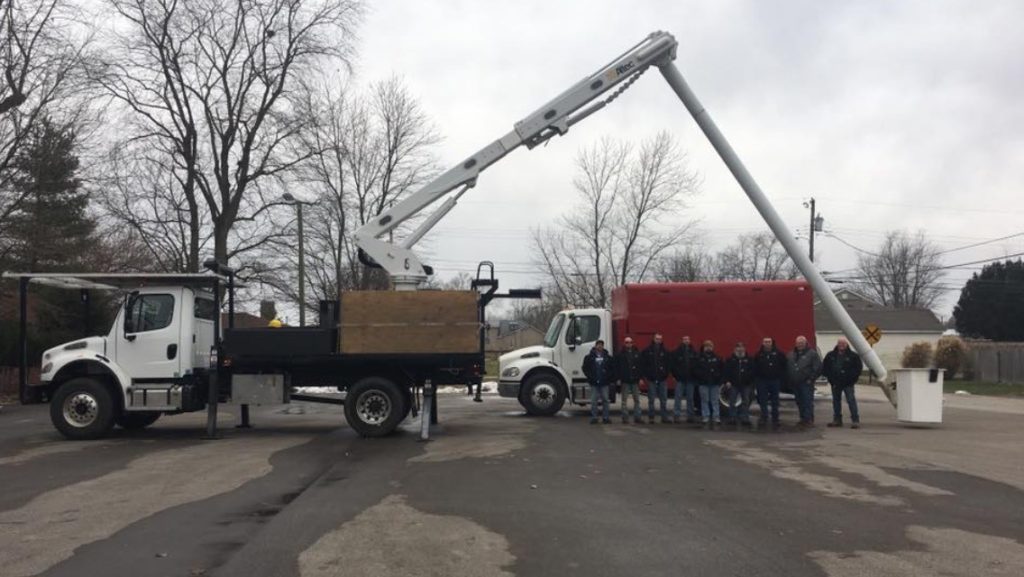
Our team of highly trained and qualified tree service specialists provide residential and commercial tree work in Indiana. We can facilitate any tree service task required, including, tree disease treatment, tree transplanting, tree removal, stump grinding, pruning, shaping, trimming, fertilizing, tree bark repair, and more. We retain state-of-the-art equipment and extensive industry training to professionally care, service, and removal all varieties of tree.

Need Emergency Tree Removal for a Dead Tree?

Dead trees are usually easy to spot, and commonly cabled and braced since they exponentially lose their strength and root stability. See our blog, “Top 4 Signs That Indicate a Tree is Dead” to learn how to decipher a dead tree from a live one. Accordingly, dying or diseased trees pose the same threat. These trees are often cabled to prevent them from decaying and falling. See our blog, “Common Questions and Answers About Tree Diseases” to learn more. In other cases, trees that are in areas with very bad soil conditions or poor water drainage can be very unstable, and potentially fall over in rough winds or storms. For this reason, they are also good candidates for cabling and bracing.

Get in Touch With Us Today!

Contact Complete Tree Care today at 317-783-2518 for free estimates, information, or DIY advice regarding residential and commercial tree work in Indianapolis, Indiana. We also offer emergency tree removal services, lot clearing, Emerald Ash Borer treatment, and much more.  There is no tree job our knowledgeable and skilled tree service specialists can’t tackle. We can even provide our services all throughout Indianapolis, and its outer counties! Call 317-783-2518 today and get a free estimate or information about Indianapolis tree care services and more.

Indianapolis Tree Care 317-783-2518

The Best Trees for Hanging Seated Swings

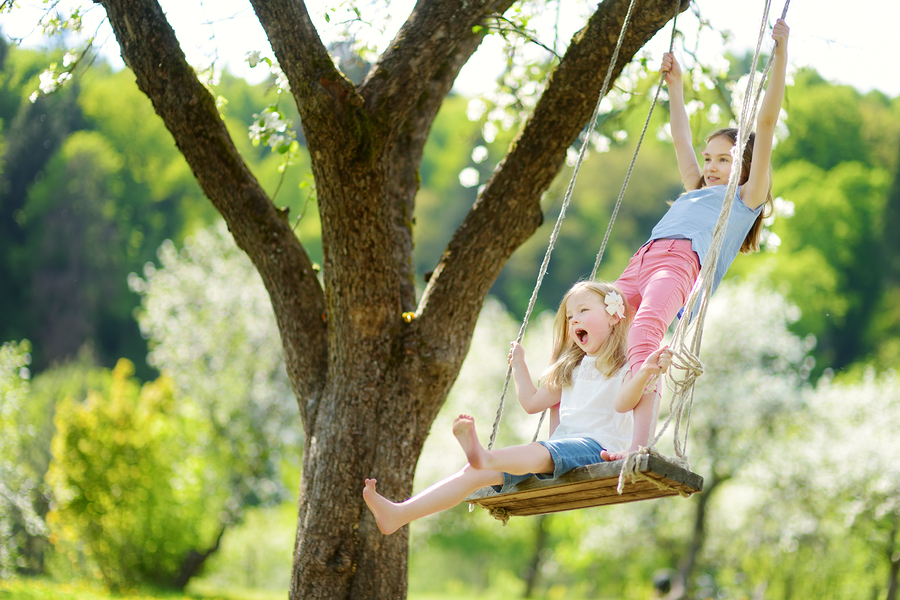
For this Spring season, give your children the gift of their very own tree swing! The great news is that it is easy to do, so long as you select the proper species of tree for the job. Not only should the tree be structured properly to house a seated wing, it should also be sturdy enough to support the weight of your kids when they play, which means you need a mature tree with strong roots.

Continue reading to learn which tree species are recommended for seated tree swings, as well as, some tips that will ensure you build yours safely and securely.

Indianapolis Tree Service
Indianapolis Tree Service 317-783-2518

Trees for Swings

Your first priority when choosing a tree in your yard for a seated swing is species. You must choose the proper species since not all trees are designed to hold weight and routine tampering. Recommended trees include oaks, maples, sycamores, hornbeams, beeches, willows, spruces, and poplars. But keep in mind that tree species is only part of the selection process. You must also choose the right type of tree. Not only do you want to choose a tree that has a higher canopy so that branches and limbs are not an issue, you want to select a tree that is mature and has the right structure for a swing.

Look for a mature tree, between 10 and 15 years old, to hang your swing from. Mature trees have stronger root systems, which means they are less prone to uprooting or falling, and can support extra weight (between 60 and 70 pounds). Also, you want the tree to be healthy, free of disease, and in an area that is not located near any potential hazards or obstructions. Basically, you want a clear perimeter around your tree, or at least in the trajectory and landing zone of the swing, of 6 feet or more.

Lastly, you want to select a tree that has the right branch structure. Although you might be looking for the straightest or flattest limb, you really want to look for the sturdiest. You can always adjust the swing straps to the height of the limb above if it is not even. You want the branch to be able to support at least 60 or 70 pounds, or the average weight of your children.

Tips and Tricks for Hanging a Tree Swing

✏ The swing should be at least 6 feet away from the trunk of the tree for safety and function.

✏ For the wooden seat, choose cedar or redwood to avoid wood rot.

✏ The seat should be between 15 and 25 inches long, and 10 to 12 inches wide.

✏ Sand the edges of the wooden seat to prevent scrapes and splinters.

✏ Only trust a level to ensure the seat is balanced and even.

✏ If you are using a tire, rather than a seat, be sure to drill some holes in it to avoid water accumulation.

Get a Professional Tree Inspection to Be Sure Your Trees are Strong

Call Complete Tree Care at 317-783-2518 for comprehensive tree inspection services in Indianapolis, Indiana and surrounding locations. We serve all of Central Indiana with a wide range of skilled tree removal and tree care services, for both residential and commercial properties. Whether you need a single tree removed, or simply require routine tree service, like trimming or pruning, we can deliver prompt and professional service at a fair price. Request a free estimate, today.

Indianapolis Tree Care 317-783-2518

Common Winter Tree Pests in Indiana

Although the majority of insects and similar pests turn in for the winter season, that does not mean they have disappeared. In fact, many species of bugs will brave the cold, harsh climates. Unfortunately, this puts our landscaping trees at risk since winter insects commonly target them for food and shelter.

If you are concerned about the quality and protection of your trees, continue reading to learn which winter tree pests to watch out for, as well as, how to treat or prevent them next year.

Indianapolis Tree Service 317-783-2518

Red Spider Mites

Although they are also very active in fall and spring, red spider mites are still something to look out for in the winter season. What really makes them a nuisance is their omnivorous appetite, as they will feed on a wide variety of plants and shrubs. However, apple trees are their main love, and they target them quite aggressively this time of year. Any crevices near the bottom of the tree’s trunk are where the spider mites like to hang out during the winter.

Here they will hide until the climate warms up. Because of this innate habit of survival, it is difficult to spot a red spider mite infestation. They are very tiny, resembling small red speckles of dust, and will spin webs just like other spiders. Look for these signs if you suspect an outbreak within your landscaping. Fortunately, they are a bit easier to get rid this time of year because they are not reproducing as rapidly.

Aphids

Aphids are trickier winter tree pests since there are more than 4,000 known species around the world. This makes them harder to identify, which in turn, leaves many tree infestations misdiagnosed and mistreated. Furthermore, their high numbers allow their hordes to surmount a plant quickly. Their eggs are laid in the fall, and remain dormant within trees during the winter season. As a result, trees can experience a rapid decline in health and structural integrity.

Codling Moth Grubs

If you can picture a worm crawling out of an apple, like in those fairytale movies you used to watch as a kid, you might be imagining a codling moth grub. That is because these common winter tree pests target fruit trees, including apple trees, pear trees, and cherry trees. Like spider mites, they will enter the tiny crevices and hide away for the winter, which overall, damages a tree.

How to Treat and Defend Your Trees

There are plenty of ways to prevent pest outbreaks in your trees. The most effective method is routine tree care, namely trimming and pruning. This promotes healthy growth and lasting stability in trees. See our blog, “When is it Time to Trim My Trees?” to learn how to develop a routine schedule for your property. Weeding and mulching are two additional tasks that will make identifying pests easier.

You can also choose to apply a spray-on pest defender repellent on your trees in the fall for winter protection. Be sure to hire a professional company for tree spraying services. Another technique is to apply glue around your trees in the form of bands, which can prevent insects from crawling up the trunks and into the canopies.

Indianapolis Tree Care You Can Trust

Call Complete Tree Care at 317-783-2518 for prompt and professional Indianapolis tree service you can trust. We are experienced tree care technicians that can resolve your tree problems, regardless of your projects size or scope. We offer a wide range of tree removal and tree services, for both residential and commercial properties. We even offer free estimates and free tree care advice!

Indianapolis Tree Care 317-783-2518

How to Hire a Reputable Tree Service Company

As a property owner, there are a few things you need to know before outsourcing professional tree service. Whether you need routine tree care such as trimming or pruning, or major tree work like large tree removal or lot clearing, you need a company that can be trusted to deliver safety, quality, and efficiency on every job. And to find the right tree care company, you need to know what to look for.

Continue reading to learn how to hire a dependable tree service company who can manage the size and scope of your tree service needs.

Indianapolis Tree Service
Indianapolis Tree Service 317-783-2518

Real Experience

When it comes time to research tree care companies, it is important to look for signs of professionalism and skill. The very first thing you want to look for in a tree service company is experience. In an industry like this, hands-on experience is the key to perfecting the tree care craft. At least ten years of experience is a good start, and any more than that is an added assurance. This is especially important for larger or more complex tree service jobs, like stump removal and storm damage clearance.

Valued Credentials

Aside from experience, there are a few other credentials to look for in a tree service company. Licensing and insurance is key when it comes to any service-oriented company. So be sure your choice of service is licensed and insured. Not only does this protect you, it ensures that your property is in the hands of certified professionals.

Fair Prices

Request estimates from your potential tree service candidates to compare pricing and overall costs. Not only will this help you gain an understanding of the average cost of tree service, it will allow you to compare competitors’ prices and choose which ones seems the most fair and the least suspicious. Keep in mind that if the estimate is drastically lower than the average cost of the other estimates you’ve received, it could be an indication of unethical work. So take oddly-low estimates as a warning rather than a miracle.

Quality Labor and Equipment

Make sure your tree service company retains the proper equipment to provide safe and efficient tree work. But also be sure they are fully-staffed to manage the size and scope of your tree service needs. A fully-equipped and staffed tree service company is a sign that they are a reputable team to hire.

Indianapolis Tree Service at an Affordable Price

Call Complete Tree Care at 317-783-2518 for Indianapolis tree services you can trust. We are highly trained and experienced tree care technicians that offer commercial and residential tree services at affordable prices. As professional tree specialists, we know precisely how to manage each and every tree service job requested of us. We only use quality equipment to carry out our tree care services and never neglect safety. And if you have a tree emergency after regular business hours, we offer two separate after-hours phone lines!

Indianapolis Tree Care 317-783-2518

4 Tree Diseases You Should Watch Out For

Tree diseases are common reasons for tree removal.  There are four particular illnesses that trees fall victim to quite often.  These infections, infestations, ailments, and sicknesses all have a devastating effect on trees, and can quickly lead to their demise.  Continue reading to quickly learn four common tree diseases that can kill trees, and that property owners should be on the look for.

Indianapolis Tree Service 317-783-2518

❶ Elm Disease

In the early 1900’s, oversea shipments brought in non-native beetles. Today, these beetles like to burrow into a variety of elm trees, and take down the plant fast.  Elms that are already infected with a fungal disease are even easier for these Dutch beetles to invade, making them popular targets.  If the leaves of an Elm tree begin to turn yellow, or die, right before Fall, it could be a sign of elm disease.  In this case, the tree would need to be treated; otherwise tree removal is the only option.

❷ Heart Rot

This disease attacks hardwood trees.  The name basically describes the signs of a tree with this condition.  The disease begins to weaken the tree’s structure and stability from within; all while cause branches to weaken and break as well.  This can be potentially dangerous for any structure or person near this type of infected tree.  Mushroom caps and fungus are common hints of heart rot as well.  Treatment is possible, but very complicated.  Expert pruning and dead wooding could save a rotting hardwood tree.  Basically, it is important to promote as much healthy growth as possible through pruning and dead wooding.

❸ Oak Wilt

Insects or root graphs carry this disease to trees.  It is much deadlier than heart rot, but has the same effect.  One the spores have entered the tree it can take as little as six months to kill the host completely.  Oak Wilt cannot be treated, but it can be detected and prevented.  Any tree near the infected tree runs risk to the disease as well.  Professional tree services can properly prune and seal wounds to rid the tree of Oak Wilt.

❹ Chestnut Blight

When a tree becomes infected with Chestnut Blight, it is similar to when humans become infected with small pox.  American Chestnut Trees were near extinction in the early 1900’s because of this infection.  Signs that include, cankers and orange-brown stains on the bark can indicate Chestnut Blight Disease.  Treatment involves chemical tree injections, so professional assistance is highly advised in this situation.

How to Evaluate Tree Care Needs in Indianapolis

Call Complete Tree Care at 317-783-2518 to speak with a friendly and knowledgeable tree service professional, and request a free estimate for Indianapolis tree service, today. We have a state-certified arborist available to inspect the health and needs of your landscaping trees. Furthermore, we are a family owned and operated tree care company, which means we understand the value of a dollar, which is why we offer our tree services at fair and reasonable rates. So get started today with a free quote!

Indianapolis Tree Care 317-783-2518

Do Trees Need Care in the Fall?

Just because the summer has ended does not mean that your tree care responsibilities can be put on hold until the next bloom. Unlike other species of plants and shrubbery, trees require attention year-round. So if you are asking yourself whether or not you need to provide service for your landscaping trees this season, the answer is yes.

Continue reading to learn what you need to know about tree care in autumn.

Indianapolis Tree Service
Indianapolis Tree Service 317-783-2518

Fall Tree Care Tips

Giving your trees the care they need this time of year is important for many reasons. Not only will it abate pests and diseases, fall tree care can help ensure soil and root health, proper growth, visual appeal, and longevity. It can also improve energy efficiency, cost savings, safety, and more.

The degree of tree maintenance and care will vary among species, as well as, the time of year. In the fall, the important tree services to outsource include pruning, mulching, fertilizing, cable and bracing, staking, removal, planting, insulation, and possibly pesticide applications.

Pruning – Tree pruning is important because it stimulates new growth, which in turn, enhances the strength, appeal, and performance of trees. In the winter, trees need to be pruned for optimal spring growth, as well as, pest and disease protection through the colder months.

Mulching – Mulching is also a year-round necessity for trees. Not only does it provide aesthetic appeal, it actually protects tree roots and retains soil moisture via insulation. All of this helps improve soil nutrient levels and conditions, thus promoting healthy tree growth all year.

Fertilizing – Fertilizing your trees in the fall can help enhance or improve growth.

Cable and Bracing – Winter can pose a long list of inclement weather conditions, including strong winds and heavy snow and ice. Cabling and bracing young or weak trees is a recommended task for fall. Also consider tree staking for shorter trees you wish to protect.

Tree Removal – If you have any dead or dying trees on your property that could pose a serious hazard if they were to topple over, it is imperative that you remove them before the inclement winter conditions arrive.

Planting – The fall is the perfect time to plant or transplant a tree. It gives the roots time to acclimate and expand, thus producing better results once the spring growth season is here.

Pesticide – Although pesticide application is not recommended for all trees and properties, some have good results with fall treatments. Rather than using a pesticide, have your trees inspected for pests and diseases this time of year to learn alternative treatment options.

Indianapolis Fall Tree Care

Call Complete Tree Care at 317-783-2518 for Indianapolis tree service you can trust. We are licensed and insured tree care contractors who serve both residential and commercial properties with a wide range of professional tree care services, including stump removal, lot clearing, storm damage clearance, and more. Request an estimate, today.

Indianapolis Tree Care 317-783-2518

Can I Trim Dead Branches Off a Tree in Summer?

Tree pruning and trimming are two separate types of tree services, but both equally critical to a tree’s overall well-being. We know that tree pruning should be done at certain times of the year in order to protect trees from pest infestations, disease, and wildlife tampering. However, homeowners continuously have questions and concerns about trimming trees throughout each season. This is especially true for trees that have some unsightly dead limbs or branches. You may be quite tempted to just snip these dead areas off, but at the same time, concerned that it can negatively impact the health of your tree.

If you are wondering whether or not it is safe to trim dead branches off of your landscaping trees in the summer, continue reading to learn what you need to know.

Indianapolis Tree Service 317-783-2518

Tree Pruning Guidelines

When it comes to pruning trees, it is critical to adhere to the ANSI A300 tree pruning standards to ensure tree protection and growth. These are the industry-accepted best practices that should be used by all who prune trees and shrubs. To carry out such standards in tree pruning, one needs to be trained and experienced.

Otherwise, one wrong cut can cause a tree to eventually fall ill and die. For these reasons, tree pruning should only be executed by a licensed tree service contractor who retains the proper knowledge and equipment. See our blog, “Can I Prune My Trees Yet?” to learn some important tips and facts about tree pruning.

Dead Limb and Branch Removal

Tree pruning should be implemented when trees are in their dormant, non-growing state. Generally, dormancy begins in late fall and lasts until early spring, making this timeline the best rule of thumb to follow. However, there are exceptions when it comes to dead branches and limbs.

You can remove these at any time of the year without causing any potential harm or damage to your trees so long as you wait until the foliage has fully bloomed in the canopy. Once a tree has emerged all of its leaves, you can remove dead branches and bunches as soon as you see them to prevent insects and decayed organisms from entering the tree.

Another important reminder is to avoid trimming or pruning trees in periods of hot or dry spells, and extreme cold. If you have maple and dogwood trees, you may want to hold off on trimming away dead branches until they are in dormancy. This is due to the fact that these species of tree emit sap during these times, which can be messy. See our article, “How to Clean Tree Sap Off Stuff” if this ever becomes an issue for you.

Get Professional Tree Service in Indianapolis

Call Complete Tree Care at 317-783-2518 for prompt and professional Indianapolis tree service you can trust. We are experienced tree care technicians that can resolve your tree problems, regardless of your projects size or scope. We offer a wide range of tree removal and tree services, for both residential and commercial properties. We even offer free estimates and free tree care advice!

Indianapolis Tree Care 317-783-2518