3 Reasons Why Tree Stump Removal Might Be the Right Option for Your Landscape
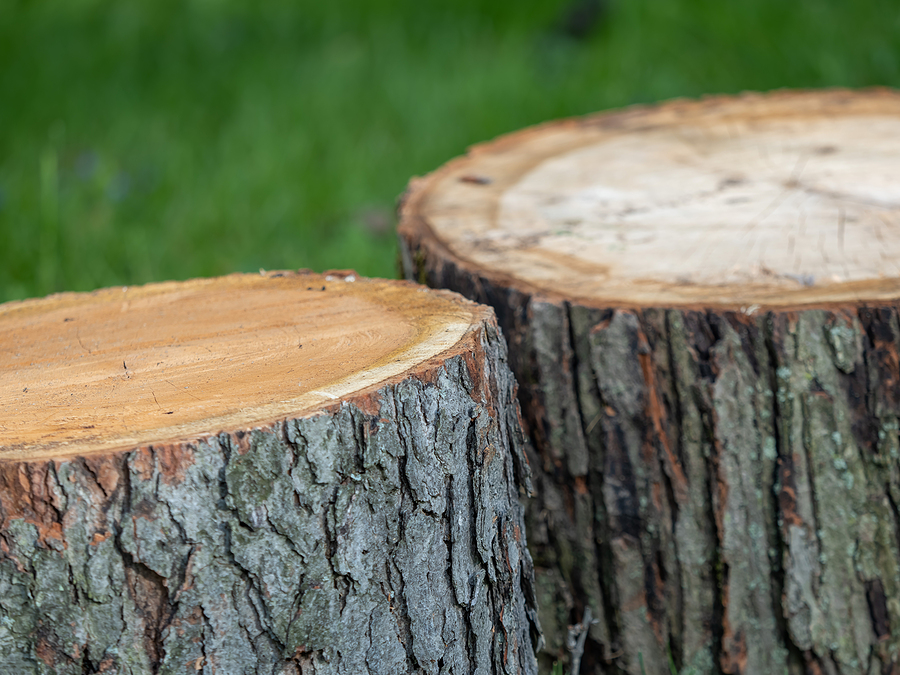
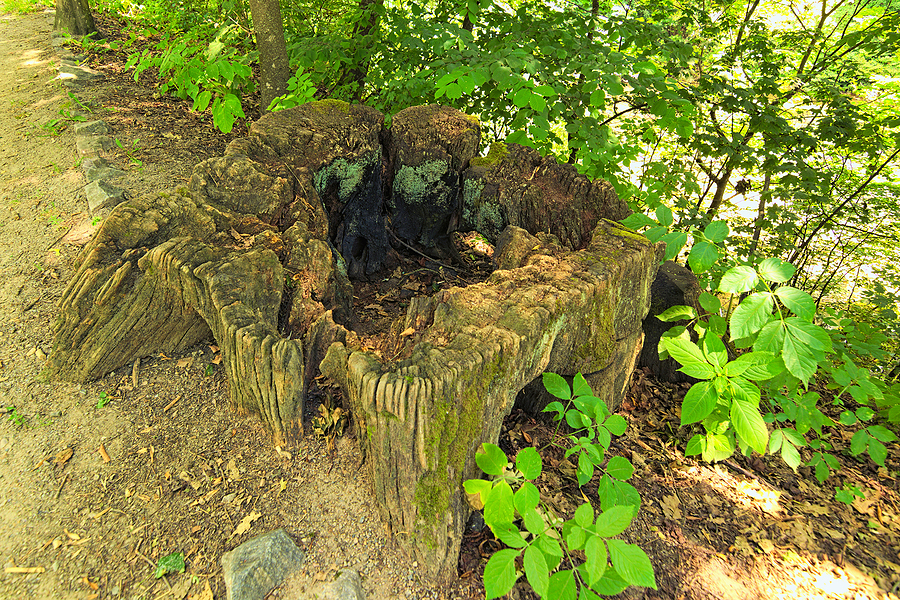
If you are someone who takes great pride in the appearance, safety, and overall function of your landscaping, then your lot most certainly has trees. So, at some point in time, maybe now even, you will inevitably require professional tree removal service. After all, trees are not meant to live forever, and there are various other reasons to remove a tree other than it being dead. The dilemma that some property owners face after having a tree removed, however, is the tree stump that gets left behind. Fortunately, there are methods of stump removal, if that is the right option for your landscaping needs.

Continue reading to learn the top three reasons why most tree service clients opt for stump removal, as well as some alternatives that might be a better fit for you.

Indianapolis Tree Stump Removal
Indianapolis Tree Stump Removal and Tree Care 317-783-2518

When Tree Stump Removal is Might Be Necessary

Tree Growth Stimulation

The fact that leftover stumps can become a catalyst for other trees to grow around them is both a pro and a con. It is advantageous if you want more trees on your property. However, if you had a tree removed for reasons of disease or poor soil conditions, it could be setting you up for more tree removal in the future. If you simply did not want a tree there, you certainly do not want more to grow, and a leftover stump may cause more trees to sprout nearby.

Seasonal Pest Control

Stumps are known to attract pests and wildlife, especially during the spring. By removing them, you can prevent insects like termites, grasshoppers, ants, and more, from taking over your property. Pests like these can also invade other healthy trees on your property, so getting rid of them can provide added protection. Also, if pests are under control, less wildlife is attracted to your property since their food source is gone.

Improve Lot Appearance

Tree stumps are not always attractive, and can even lower a home’s market value. By taking them out, you can improve your lawn’s appearance by giving it a crisp, clean, uniform look. It also makes lawn mowing easier, and increases square footage space for outdoor activities like games, gardening, and more. Sometimes, a tree stump can violate a neighborhood’s homeowners’ association regulations, so they have to be removed.

Alternatives to Removing a Tree Stump

If you are not interested in getting rid of a leftover stump, you have some other others. You can choose stump grinding services instead, which essentially grind down the stump so that it is level to the ground or slightly below the soil. Although you cannot plant anything on top, it allows you to cover up the area with mulch or grass. In addition to grinding, you can also rot it, burn it, or sculpt it into art, like a bird house or chair.

Professional Tree Removal and Tree Stump Removal in Indianapolis

Call Complete Tree Care at 317-783-2518 for stump removal services in Indianapolis, Indiana and its surrounding locations. We are highly trained and experienced tree care technicians that offer commercial and residential tree services at affordable prices. From lot clearing to stump grinding, our teams are fully-equipped and highly trained to take on any size project. Also, if you have a tree emergency after regular business hours, we offer two separate after-hours phone lines!

Where to Recycle Your Christmas Tree in Indianapolis

Although Christmas Day is behind us, the beloved tree is still standing and decorated in the living room. That’s the way to continue the seasonal spirit into the New Year! But before long, you will have to take down your verdant Christmas tree, and find a way to dispose of it nearby. Some neighborhoods actually have a community garbage service that is scheduled to collect Christmas trees on an upcoming day.

If you do not have access to curbside Christmas tree garbage collection, or perhaps you miss the collection day, there are plenty of other places you can recycle your old Christmas tree in Indianapolis!

Indianapolis Indiana Tree Service
Indianapolis Winter Tree Service 317-783-2518

Indianapolis Department of Public Works and Indy Parks

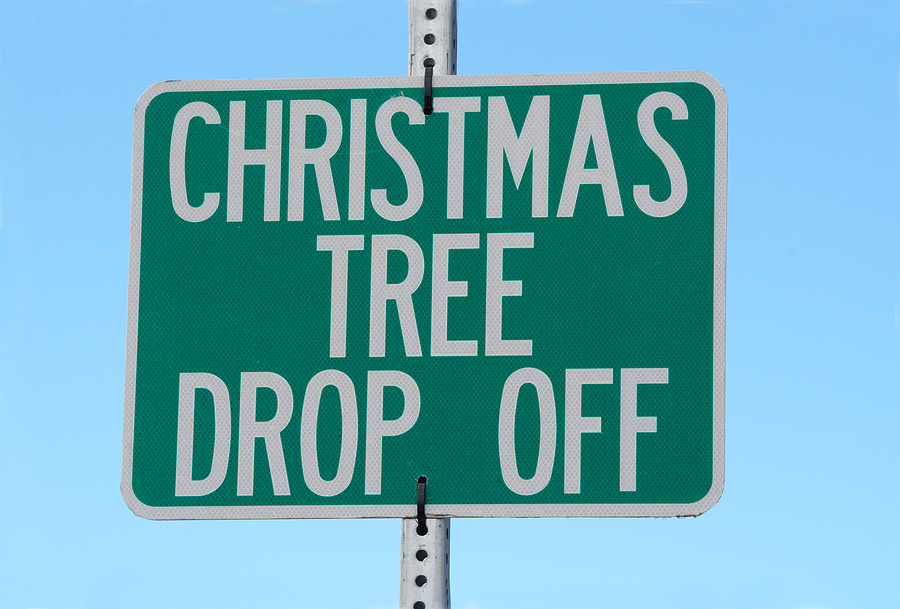
The Indianapolis Department of Public Works and Indy Parks are this holiday season’s GO-TO Christmas tree recycling source! From Dec. 25 to Jan. 31, there will be several locations set up throughout Marion County, inside local public parks, for anyone to dispose of their Christmas trees. Not only is this service free of charge, but you can appreciate and feel good about the fact that you are actually RECYCLING your Christmas tree! That’s because all Christmas trees that are dropped off are reused as soil blends, mulch, and wood chippings in several different Indianapolis public parks and communities!

What You Need to Know About Christmas Tree Drop Off

Before you drop off your Christmas tree, remove all decorations, lighting, tinsel, and hooks. Then find an Indianapolis Department of Public Works Indy Park Christmas tree disposal location nearest you, here. Be sure to thoroughly secure your Christmas tree to the top of your vehicle using quality cargo support straps or ratchet straps. If you can fit your tree inside the trunk, be sure you can still close it all the way. It is not recommended to use bungee cords or ropes to secure a half-open trunk. If you are transporting your Christmas tree in the bed of a truck, still use straps or weights to ensure it does not fly out.

A Full List of Drop Off Locations in Marion County:

? Sahm Park
? Krannert Park
? Northwestway Park
? Ellenberger Park
? Garfield Park
? Perry Park
? Riverside Park
? Broad Ripple Park

What Happens to Recycled Christmas Trees in Indianapolis?

Not only do the Indianapolis Department of Public Works and Indy Parks make Indianapolis Christmas tree disposal easy and free of charge, but they also make it very worth your while. That is because all Christmas trees dropped off for recycling are repurposed into wood chips, mulch materials, and soil blends, all of which are used in our local public parks and surrounding communities! In fact, last year Park Maintenance chipped more than 7,200 Christmas trees, and dispersed them in public parks all throughout the city! Now that is something the whole family can feel good about! What a great opportunity to teach your children about Eco-consciousness and preservation too!

Are You in Need of Winter Tree Service in Indianapolis?

Call Complete Tree Care at 317-783-2518 for winter Indianapolis tree service you can trust. We serve all of Central Indiana with a wide range of skilled tree removal and tree care services, for both residential and commercial properties. Whether you need a single tree removed, an entire lot cleared, or some routine tree service like tree trimming or pruning, we can deliver the prompt and professional service you expect, and at a fair price. Call 317-783-2518 to request a free estimate, today.

Indianapolis Tree Care 317-783-2518

How to Identify Dead Trees on Your Property

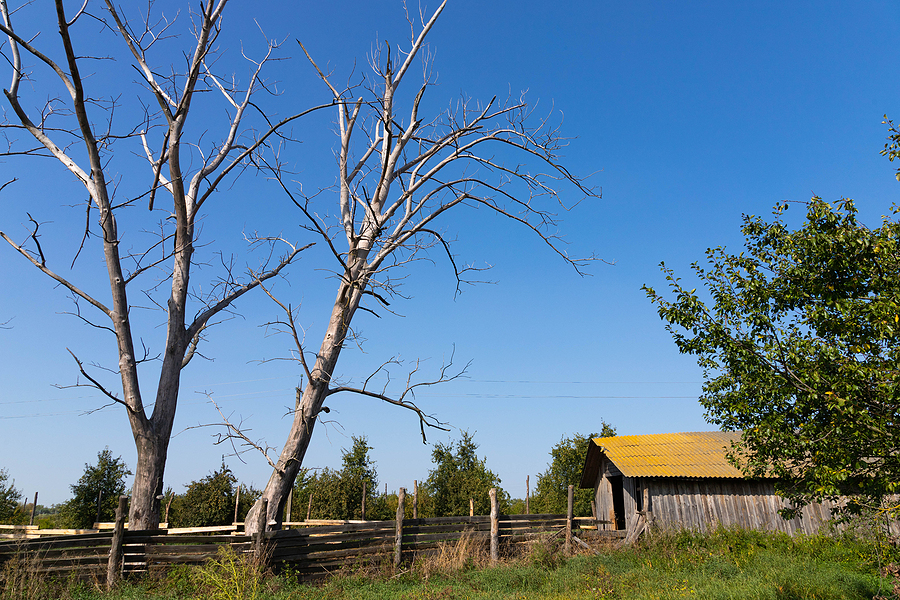
Especially during the wintertime, it can be tough determining if a tree is dead, alive, or simply dormant for the season. This time of year, however, trees have not reached their dormancy yet, so it can be a little easier spotting a tree in trouble. Continue reading to learn how to tell the difference between a dead tree and a healthy tree, and what to do if your tree is indeed, dead.

Indianapolis Tree Removal
Indianapolis Tree Removal and Tree Care 317-783-2518

Small Dead Trees

For trees that are small or short, you are likely able to reach their twigs and branches. This makes it easy to test the tree and determine whether or not it is dead or alive.  Simply snap off a twig and take a look at its fleshy center for signs of life. Healthy flesh will look light and green, whereas dead or dying/will look dull and gray. Also, a dead or dying tree branch will snap off dry and quick, whereas a healthy twig might give you a bit of a struggle. Small trees are easy to manage, but when trees are very large or tall it can be difficult testing branches on your own if you can’t reach them. For this reason, you need professional Indianapolis tree service.

Large Trees That are Dead or Dying

Professional tree service companies retain the proper training, experience, and specialized equipment to care for large trees safely and efficiently. They will be able to implement the proper procedures to test the tree for life, as well as suggest and implement strategies for either saving or removing the tree. Of course, they also retain the proper resources to provide safe tree removal and tree care services. If the trees that are dying, it usually needs to be removed right away to prevent accidents.

Before you contact a professional tree service company, you can look for signs of a dead or dying tree. Having this information and relaying it to your professional tree technician will help them better understand your tree care needs.

Signs of a Dead Tree:

► Loss of Foliage
► Leaf Discoloration
► Leaf Curling
► Leaf Wilting
► Pest Infestations
► Tree Trunk Rot
► Waterlogged Roots
► Exposed Roots
► Bark Discoloration
► Fungus Growth
► Dropping Branches

Dead Tree Removal Service in Indianapolis and Surrounding Counties

Call Complete Tree Care at 317-783-2518 to get professional tree removal for dead trees in Indianapolis, Indiana. We have served Hoosier communities since 1978 as a licensed and insured tree service company here in Indianapolis, and continue to provide top quality tree services for both residential and commercial properties throughout its surrounding areas. if you have a tree emergency after regular business hours, we offer two separate after-hours phone lines! Contact us to request an estimate, anytime.

Indianapolis Tree Care 317-783-2518

What You Need to Learn About Tree Stress

Did you know that trees can feel stressed out? It’s true! Trees can experience stress, discomfort, and irritation as a result of external factors and elements. Just like humans, trees can both feel stressed and be treated to relieve stress. In order to determine if your landscaping trees are distressed, look for the common signs and symptoms, including crown dieback, foliage loss, rotting bark, fungal growth, pest infestations, leave discoloration, and more.

Continue reading to learn what causes a tree to experience stress, how to identify a stressed tree, and your options for treatment.

Indianapolis Tree Service Company
Indianapolis Tree Service Company 317-783-2518

What Stresses a Tree Out?

The most common time for tree stress to occur is during extremely hot and dry times of the year, particularly in the months of July and August.  Once a tree is stressed, it is weakened, making it more vulnerable to pest infestations, wildlife interference, disease, and more. Once you know your tree is under duress, it is important to treat the root cause as soon as possible. To do this accurately, you will need to hire an experienced tree care specialist for professional tree service and assistance. In the meantime, learn the different signs and symptoms of a stressed tree and keep a close eye on your lawn next spring!

Signs and Symptoms of a Tree in Distress

Leaf discoloration is a common sign of tree stress. Often times, leaves will begin to discolor and even grow smaller when a tree is experiencing pressure or anxiety. Leaves can also appear chewed, curled, discolored, permeated, and thin. It is very common for a tree to drop its leaves under stress as well.

Crown and tip dieback is another common symptom of a stressed tree. Not only will the canopy or crown of the tree begin to diminish and thin, the tips of branches will also thin and lose leaves. This will make the tree bald at its canopy’s tips and top.

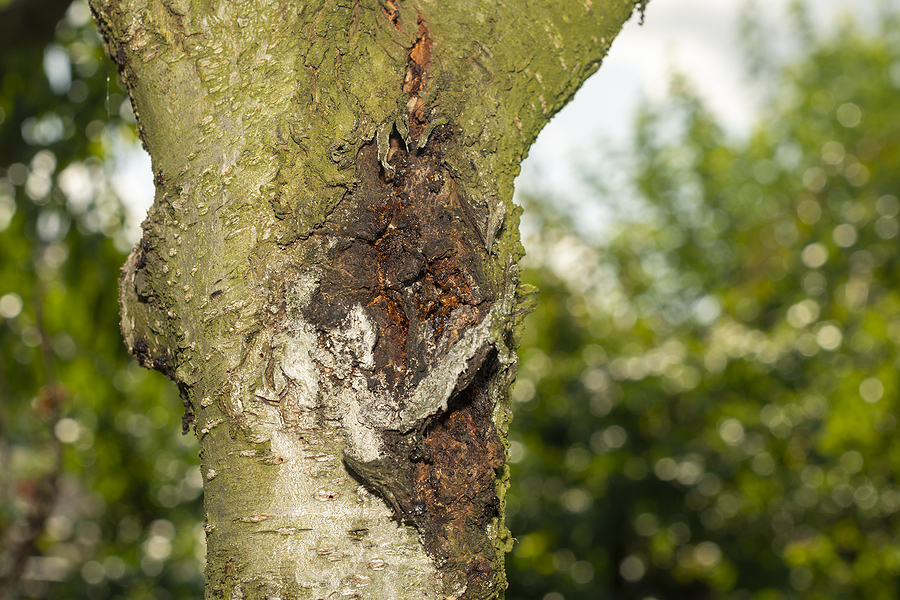
Rotten bark is a red flag for tree stress. The bark can begin to rot in certain areas, or create rotted out cavities within the trunk of the tree. Rotten wood should be sprayed annually to prevent disease, pests, and exponential rotting. Once healthy again, the tree will start to grow new bark in place of the rotten bark.

Soil-borne mushrooms and fungal growth is another common sign that a tree is not healthy. When mushrooms grow on the trunk, it is not so alarming. But when they are growing in the soil surrounding the base of the tree, it could be an indication of root rot. This calls for serious and professional tree service.

Indianapolis Tree Service Professionals Who Can Help With Stressed Trees

Call Complete Tree Care at 317-783-2518 for professional Indianapolis Indiana tree service you can trust. We serve all of Central Indiana with a wide range of skilled tree removal and tree care services, for both residential and commercial properties. Whether you need a single tree removed, or simply require routine tree service, like trimming or pruning, we can deliver prompt and professional service at a fair price. Request a free estimate, today.

Indianapolis Tree Care 317-783-2518

When is the Recommended Time of Year to Transplant a Tree?

There are many reasons why you might need to relocate a tree on your property. Some of the more common reasons include home conversions or additions, landscaping remodeling, or a tree simply becoming too large for the space it’s in. If you need a tree transplanted, it is important to learn what you need to know for successful results. One of the most important factors in tree transplanting is timing. Continue reading to learn how to get your timing right when it comes time to transplant your tree.

Indianapolis Tree Service 317-783-2518

Tree Transplantation Basics

The science behind tree transplantation is quite complex. But not to worry; as a property owner, all you need to be familiar with are the basics. As mentioned, transplanting a tree at the right time of year is one of those fundamentals. The general focus for transplanting a tree at the right time of year is dormancy. For this reason, late winter and early spring are the perfect times to get the job done.

Transplant Trees in Fall, Late Winter or Early Spring While Still Dormant

Transplanting in Fall – Transplant your tree in the fall, but only after all the leaves have dropped for the season.

Transplanting in Spring – Transplanting your tree in spring is safe, but be sure to do so before they begin to show new bud formation.

Transplanting in Winter – Transplanting trees in winter is possible, so long as the ground is not too frozen.

Post-Transplanting Tree Care

Transplanting a tree on your property during the right time of the year is just the beginning. You need to also provide post-care for your transplanted trees and shrubs. Focus on watering, including a deep water every 2 weeks or so. Also be sure to consider mulching and tree staking, but avoid fertilizing. Wait at least one year before fertilizing a tree that was transplanted to a new location.

Rely on Indianapolis Tree Care You Can Trust

Call Complete Tree Care at 317-783-2518 for prompt and professional Indianapolis tree service you can trust. We are experienced tree care technicians that can resolve your tree problems, regardless of your projects size or scope. We offer a wide range of tree removal and tree services, for both residential and commercial properties. We even offer free estimates and free tree care advice!

Indianapolis Tree Care 317-783-2518

Should I Remove a Leaning Tree?

According to the International Association of Certified Home Inspectors (InterNACHI), any tree that is leaning more than 15 degrees as a result of wind force or damaged root system should be taken down. Now, the question is, “to what degree is your tree leaning?” Well, in order to find out what degree your tree is leaning, you will need a professional tree inspection.

Continue below to learn more about the dangers of leaning trees, including how to spot the signs of a dangerous tree, as well as, who to call for professional Indianapolis tree service you can trust.

Indianapolis Tree Service 317-783-2518

Common Signs That Indicate a Tree Might Fall Soon

Now, if your landscaping tree is small, or very young, you might not need to worry about any particularly dangerous conditions. Small, young trees are not as heavy or dense as older, more mature trees. For this reason, they tend to do less damage to any of the structural surroundings, as well as people or pets walking by. However, if your tree is moderate sized or larger, it can be a potential hazard to its surroundings, including people and pets.

There are several signs you can look for when doing your own inspection of your leaning landscape tree. Mostly, you want to look for damage. The top signs of a tree that’s preparing to fall soon include holes in the trunk, deep cuts or cracks in the trunk, dead or dropping branches, tight branch growth, root rot, and of course, visible leaning. If you are not sure if your trees leaning or not, you can always take a picture of it, wait one year, and then take another to compare. Or, you can enlist the services of a local Indianapolis tree care company for expert diagnostics you can trust.

How to Get Started on a Professional Tree Safety Inspection

In order to get the safest and most accurate answers to your leaning tree questions, you will need to hire a professional Indianapolis tree service company for a tree safety inspection. Professional companies are licensed and certified to perform residential and commercial tree work in the state, but they are also highly trained to identify and predict tree health problems. They retain the proper equipment to accurately diagnose whether or not your landscaping tree is a danger. Not all leaning trees need to be removed, as mentioned before. If your tree is not leaning more than 50°, it can likely be stabilized through tree cabling and bracing or tree staking.

Where to Get an Affordable Indianapolis Tree Safety Inspection

Call Complete Tree Care at 317-783-2518 for comprehensive tree inspection services by a certified arborist in Indianapolis, Indiana and surrounding locations. We serve all of Central Indiana with a wide range of skilled tree removal and tree care services, for both residential and commercial properties. Whether you need a single tree removed, or simply require routine tree service, like trimming or pruning, we can deliver prompt and professional service at a fair price. Request a free estimate, today.

Indianapolis Tree Care 317-783-2518

Quick Guide to Tree Stump Burning

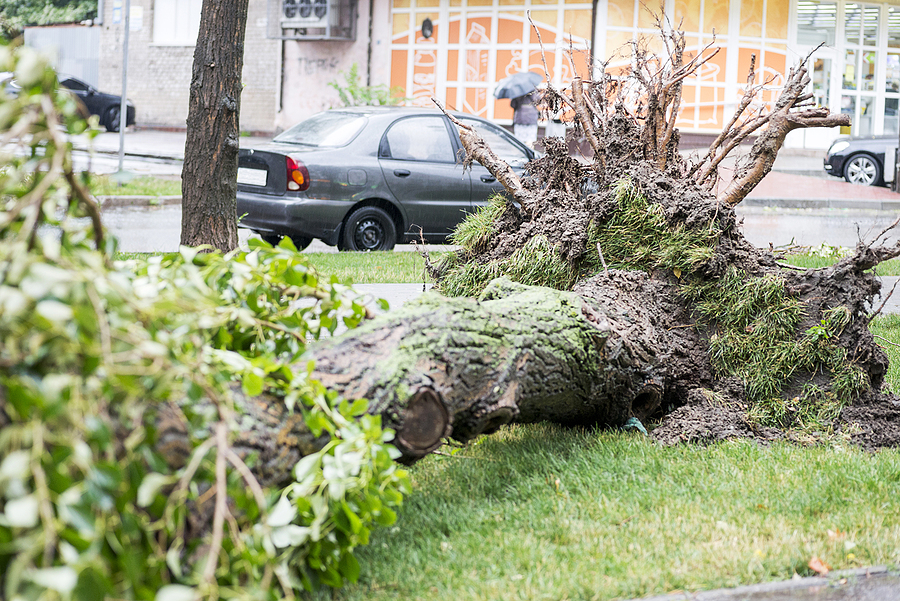
Tree stumps are a natural part of the tree decline process. Whether turned over by a storm, cut down for landscaping reasons, or succumbed to certain, natural death, a tree stump is sure to remain once a tree is no more. However, you do not have to live with a tree stump forever. You can choose from a variety of stump removal methods, from machine stump removal and stump grinding, to manual stump removal. One such manual stump removal option is stump burning. Although it is strongly recommended to hire a professional for all tree service tasks, those who are confident in their handyman skills may be able to burn out a tree stump themselves.

Continue below to get an understanding of what the process of tree stump burning looks like, and ultimately, why you should enlist the services of a trained expert.

Indianapolis Stump Removal Service
Indianapolis Stump Removal Service 317-783-2518

Supplies to Gather:

➜ Shovel
➜ Power Drill
➜ Kerosene
➜ Charcoal
➜ Firewood
➜ Long Matches
➜ Water in Can or Hose

Tree Stump Removal Process By Burning:

Check the Weather Report

You never want to work with fire outdoors in certain weather conditions. Check your week’s forecast to ensure a calm, dry day for burning, followed by some wet days to ensure all smolders are out.

Dig a Moat Hole Around the Stump

Dig around the tree stump to expose as much of the trunk as you can. If you can get all the way down to the roots below the trunk, do so.

Drill Holes into the Trunk

Using a power drill and bit, drill 12 mm holes into the sides of the tree stump. Drill as deep as it will let you, up to 20 mm is ideal.

Inject Kerosene into the Holes

Using whatever apparatus that suits you, pour kerosene into the drilled holes. Then let the kerosene soak in for a couple of days.

Build a Charcoal and Firewood Mound

Build a mound of charcoal around and on top of the tree trunk, then cover with an additional layer of firewood. Use whatever amount you need depending on the size of the trunk.

Set the Stump Ablaze and Control It

Using long matches, set your mound on fire. Be sure to control the fire by supervising it up close at all times, and dampening the surrounding soil to ensure it does not spread around or underground.

Be Patient for a Few Days

On the first day, your stump should burn a quarter of the way. Each day from there, the smoldering should reduce the stump fully. Give it 3 or 4 days.

Licensed Indianapolis Stump Removal You Can Trust

Call Complete Tree Care at 317-783-2518 for stump removal services in Indianapolis, Indiana and its surrounding locations. We are highly trained and experienced tree care technicians that offer commercial and residential tree services at affordable prices. As professional tree specialists, we know precisely how to manage every tree service job requested of us. We only use quality equipment to carry out our tree care services and never neglect safety. And if you have a tree emergency after regular business hours, we offer two separate after-hours phone lines!

Indianapolis Tree Care 317-783-2518

The Difference Between a Sycamore Tree and a Sweetgum Tree

Taking good care of your landscaping trees is a top priority for any proud homeowner. When it comes to tree care, the key is routine. It is important to stay current on all of your tree care services per season, including tree trimming, pruning, fertilizing, and even transplanting when needed. For commercial properties, if you need lot clearing and underbrush clearing services, it’s important to get those done before the winter season comes, and the ground is frozen and more difficult to work with.

Regardless of your tree care needs, a good place to start is to learn which type of trees you have on your property. From there, you can research the specific and unique methods of caring for that particular tree species in accordance with industry best practices. Two particular tree species that tend to cause many Hoosiers confusion here in Indiana are American Sycamore trees and Sweetgum trees. Because they have similar fruits and branching systems, they are often mistaken for one another.

American Sycamore trees and Sweetgum trees are two very popular and prevalent tree species here in Indiana. For this reason, it is very likely that your property has at least one of the two. Continue reading to learn the differences between a Sycamore tree and Sweetgum tree, and be on your way to better tree care practices.

Indianapolis Tree Service 317-783-2518

The American Sycamore Tree (Platanus occidentalis)

The American Sycamore tree is a common species in the Midwest. In fact, it is one of the tallest growing trees in our region, achieving heights as high as 75 feet. It goes by other monikers, including the American planetree, button ball tree, and buttonwood. One of the most distinguishing features of the American Sycamore tree is the culprit behind the confusion between them and sweetgum trees. You see, American Sycamore trees bear round, button-like fruit that looks similar to a Christmas tree ornament. Each ball is a cluster of seeds, appearing rough on the surface, which begin to bloom in late summer, when temperatures are high and steady. They are unique in that the fruit remains attached to the tree through the winter season, rather than dropping in the fall like similar deciduous trees. When spring arrives, the cluster of seeds will break apart and fall to the ground. Check out the picture below and notice the round shape of the Sycamore tree fruit.

Sycamore Tree Removal Indianapolis IN
A Seedball on an American Sycamore tree – Platanus Occidentalis

The Sweetgum Tree (Liquidambar styraciflua)

Sweetgum trees can be found all over the United States, in the South, Midwest, and Eastern parts of the country. Their star-shaped leaves are one of their most distinguishing features, which turn vibrant shades of red and orange in the fall. However, another prominent and distinguishing feature of the Sweetgum tree happens to be their fruit. Similar to the American Sycamore, Sweetgum trees bear a round-shaped fruit. But the difference is, the Sweetgum fruit is round with a spiny, spiky surface, appearing to have thorns or spikes protruding from all around them. They are not rough and round like the American Sycamore tree. Instead, they are round and spiky. Take a look at the picture below to see how the spiky appearance of the Sweetgum tree fruit compares to the American Sycamore.

Sweetgum Tree Removal Indianapolis IN
Ripe Seeds on a Sweetgum Tree – Liquidambar styraciflua

Professional Indianapolis Tree Removal for Sycamore and Sweetgum Trees

Call Complete Tree Care at 317-783-2518 for experienced tree removal service in Indianapolis and throughout Central Indiana. We offer a wide range of residential and commercial tree services for all tree species, including Sycamore and Sweetgum tree. Our tree care technicians also provide tree trimming, stump grinding, stump removal, lot clearing, and more. If you want professional and efficient tree service you can trust, Complete Tree Care is the right call!

Indianapolis Tree Care 317-783-2518

What You Need to Know About Tree Boring Insects

The frustrating thing about wood-boring insects is that you can’t always see the scope of damage they cause to your trees. Just below the bark of your favorite landscaping tress might lie an infestation of tree-boring beetles that you never knew were there! There are various species of wood-boring insects and beetles, some of which are a minor threat, while others are highly invasive and detrimental to trees. It is important to stay on top of routine tree care in order to catch a small infestation problem early on, before your tree can get sick, or worse, die.

Continue reading to learn more about wood-boring beetles, and which ones are known to target trees.

Indianapolis Tree Care Service 317-783-2518

Wood Borers and Tree Health

Although wasps and moths are known to target wood, and therefore, trees, beetles take the cake for the most invasive and damaging. The most common wood-boring beetle is aptly named the Emerald Ash Borer, and targets mostly Ash trees, but can also infest other trees as well. Other common wood-borers include:

? Emerald Ash Borer (EAB)
?
Redheaded Ash Borer
?
Red Oak Borer
?
Cottonwood Borer
? Locust Borer

Adult beetles bury below the bark, deep into the tree’s inner tissue, and then lay their eggs. They are also clever enough to use existing cracks in the bark and inner tissue when wood is too hard to bore. This is another reason why you want to take good care of your trees! Once the eggs are laid, the damage to the tree instantly becomes exponential since the larvae feeds on the bark. They tunnel all through the inner tissue, eating more and growing fatter.

As a result, the tree’s structured is weakened, causing the tree to continually lose its ability to properly distribute water and nutrients, thus causing it to enter a state of decline. In fact, an infested tree will often times have sawdust and debris at its base, providing prime evidence of borer larvae and beetles. Small L-shaped or D-shaped exit holes are another common sign of a wood-borer infestation.

Signs of a Tree-Borer Infestation

It is important to catch a beetle infestation early on through professional, routine tree service. Because their existence can go unnoticed for so long, most cases of wood-borer infestations are not treatable. However, in early cases of infestation, treatment is possible so long as it is done immediately. There are several ways to identify a wood-borer infestation in trees and other foliage. Their movements and behaviors leave clues behind that can only suggest a wood-boring beetle problem. Here are the common signs and symptoms of a tree infected and overcome with borer colonies:

  • Splitting Bark
  • Canopy Thinning and Die-Back
  • Foliage Bareness
  • Vertical Fissures on Bark
  • Callous Tissue Formation
  • Exposed Galleries under Bark Split
  • Serpentine-Shaped Larvae Feeding Galleries in Bark
  • Frass Accumulation (Mix of Saw Dust and Excrement)
  • D-Shaped Holes in Trunk
  • Increase Woodpecker Activity
  • Sprout Growth from Roots and Trunk
  • Larger-than-Normal Leaves

Indianapolis Indiana Tree Service You Can Afford

Call Complete Tree Care at 317-783-2518 for prompt and professional Indianapolis tree service you can trust. We are experienced tree care technicians that can resolve your tree problems, regardless of your projects size or scope. We offer a wide range of tree removal and tree services, for both residential and commercial properties. We even offer free estimates and free tree care advice!

Indianapolis Tree Care 317-783-2518

Facts About Over-Watering and Under-Watering Trees

Unlike our own species, trees do have voices they can use to tell us they need more water or have had enough. For this reason, it is important to be the voice of trees, and learn what signs they exhibit to let us know their watering needs. Continue reading to learn the common signs of over-watered and under-watered trees, and what you can do to help a suffering tree.

Indianapolis Tree Service
Indianapolis Tree Service 317-783-2518

Tree Watering Basics

The general rule of thumb for water trees varies depending on the age, species, condition, and location of a tree. For instance, newly-planted and transplanted trees should be watered regularly enough so that the top 12 inches of soil remains moist to the touch. This averages out to around 4 to 8 gallons per week. Mature trees needn’t regular watering, and instead, should just be properly mulched and watered during dry spells. For sick trees, watering should be increased, or as instructed by a licensed arborist.

Since tree watering needs vary on species, location, climate, season, and more, there is really no way of establishing a universal rule of thumb. However, you can learn how to spot the signs of over-watering and under-watering a tree. This knowledge can help you take better care of your trees, and respond to nutritional issues early on, before they can turn fatal for your trees.

Signs of an Over-Watered Tree:

☙ The base of the tree is always wet to the touch. Although the mulch bed surrounding the base of the tree should retain moisture at all times, there should also be a period of the day when the mulch is dry on top. If the mulch is always wet, even when other mulch beds and tree bases are dry, it could mean it has been given too much water.

☙ Blooms do not grow to size. If the blooms, flowers, or fruits on your tree do not fully-bloom, and instead wither and drop, it could mean that they are getting too much water. If the blooms turn light green or yellow in color, it could also mean over-watering.

☙ Green leaves are fragile and break off. If your tree sprouts foliage that is green, yet break off easily to the touch, it could be there is an over-watering issue. If you notice a pile of green leaves around the base of your tree, it may signify the same issue.

Signs of an Under-Watered Tree:

The signs of an under-watered tree are quite similar to those of an over-watered tree. So be sure you look closely to see the difference. Common signs include:

☙ Leaf Wilting or Curling
☙ Browning Edges or Tips on Leaves
☙ Thin or Thinning Canopy
☙ Under-Sized Leaves
☙ Off-Color Leaves
☙ Premature Fall Color Changing

QUICK TIP: Can you stick a screwdriver into the ground below your tree? If you cannot do so easily or at all, your tree definitely needs more water!

Indianapolis Tree Service Professionals Who Can Help

Call Complete Tree Care at 317-783-2518 for professional Indianapolis tree service you can trust. We serve all of Central Indiana with a wide range of skilled tree removal and tree care services, for both residential and commercial properties. Whether you need a single tree removed, or simply require routine tree service, like trimming or pruning, we can deliver prompt and professional service at a fair price. Request a free estimate, today.

Indianapolis Tree Care 317-783-2518